In This Guide
- Top 5 Tips for long term rv rental RV Rental in West Canada
- Before You Book - Class, Dates, Insurance
- Pre-Trip Prep - Packing Checklist for West Canada
- On the Road - Driving, Fueling, Navigation
- At the Campground - Setup, Hookups & Etiquette
- Long Term RV Rental-Specific Tips for West Canada
- Common Mistakes to Avoid in West Canada
- How much does a long term RV rental in West Canada cost?
- What are the best long term RV itineraries for West Canada?
- What is the best time of year for a long term RV rental in West Canada?
- How to ensure wildlife safety during a West Canada RV trip?
- Top Cities for RV Rental in West Canada
- Practical Information for RV Travel in West Canada
- Why Book with Bandana Caravan
- Final Thoughts
- Frequently Asked Questions
Embarking on an extended RV rental adventure through West Canada offers unparalleled freedom to explore its majestic mountains, pristine lakes, and vibrant cities at your own pace. With a rented motorhome, you're not just booking transportation, you're unlocking a mobile home base for weeks or even months of discovery. For live availability and current prices, start with our RV Rental West Canada - Complete Guide 2026 guide.
At Bandana RV, we're true RV specialists, genuinely passionate about helping you discover the joys of the open road. We handle the details so you can live the journey, providing full transparency with no hidden fees and offering 24/7 support from real people. Imagine waking up to a fresh mountain breeze or enjoying a cup of coffee by a shimmering lake. This comprehensive guide provides expert tips and essential information for planning your long-term RV rental in West Canada.
Top 5 Tips for long term rv rental RV Rental in West Canada
Securing your ideal long-term RV rental in West Canada involves several key strategies to ensure a smooth and memorable journey. Firstly, booking well in advance is paramount, especially if your trip falls within the popular peak seasons of June to September, which can see a 25% price increase for late bookings.
Secondly, thoroughly understanding your rental agreement is critical; pay close attention to mileage limits, generator usage policies, and return conditions to avoid unexpected charges. Thirdly, pack versatile, layered clothing to adapt to West Canada's often unpredictable weather, which can range from warm days to cool evenings and sudden rain showers, even within the same day. Fourthly, budget comprehensively by considering not only the dynamic daily rental fees but also significant variable costs like fuel, campground fees, national park passes (which can save money on multiple entries), and a contingency fund for unforeseen expenses; on RV PLANET routes, travelers can itemize and track every expense for easy budgeting. Finally, embracing flexibility in your itinerary will allow for spontaneous discoveries, adapting to weather changes, or simply lingering longer in a place that captures your heart, aligning with our recommendation to travel slowly, averaging a maximum of 100-150 km per day. On the routes offered through RV PLANET routes, you can itemize and track every expense along the way for easy budgeting.
Before You Book - Class, Dates, Insurance
Selecting the right RV class for a long-term rental in West Canada depends entirely on your group size, comfort needs, and desired driving experience. For couples or small families of 2-3, a compact campervan like the "Category Van" or a Class B motorhome offers excellent maneuverability and fuel efficiency, while a Class C motorhome like the "MHC24" (sleeping up to 6 with a 150L fresh water tank) or Class A motorhome like the "Class A - Thor ACE 30" (sleeping up to 6 with a 189L fresh water tank) is ideal for larger families or groups of 4-7 seeking more space and amenities. Consider models with a refrigerator and stove to allow for cooking your own meals; refer to our RV-friendly recipes playlist for inspiration.
Locking in your rental dates as early as possible is crucial, particularly for trips between June and September in popular West Canadian destinations like Banff, Jasper, or Vancouver Island, where availability tightens and prices for "RV Rental in West Canada - Prices and Best Deals 2026" can rise. Understanding your RV insurance options is essential for peace of mind during extended trips, as basic coverage is included with your rental, but you can upgrade to a top-level deductible for extra protection and zero surprises. Insider tip: Basic insurance is always included; to see prices including the most comprehensive coverage, select that option during your search on Bandana RV.
Pre-Trip Prep - Packing Checklist for West Canada
A comprehensive packing checklist tailored to West Canada's diverse climate ensures you're prepared for any long-term RV adventure, from mountain hikes to city strolls. Essential clothing includes versatile layers, waterproof rain gear, and sturdy hiking shoes suitable for varied weather conditions and terrain. For a family of four in a Class C motorhome like the "Euro Deluxe," consider individual packing cubes to maximize space in the 120-liter overhead compartments.
Kitchen essentials should cover basic cooking and dining needs for a long-term stay, including reusable containers to reduce waste and pack picnic lunches. Safety and navigation gear are critical for remote areas, encompassing bear spray (know how to use it safely), a well-stocked first-aid kit, and reliable offline maps or a GPS device, as cell service can be intermittent. Finally, ensure important documents, such as your standard driver's license (an International Driving Permit is recommended for non-English speaking visitors but not mandatory), passport, and rental agreement, are easily accessible and backed up digitally. Remember that the minimum rental age is 21, and there are no young driver surcharges.
On the Road - Driving, Fueling, Navigation
Navigating West Canada by RV requires understanding mountain driving techniques, strategic fuel planning, and reliable navigation systems. When driving a rented motorhome, such as a large Class A with an average length of 10 meters, practice safe driving by accounting for its size and weight, especially on winding mountain roads, during ascents and descents, and when passing through cities; drive slowly and carefully, and you can drive almost anywhere without issues. No need to stress - just use common sense and pay attention.
Plan your fuel stops carefully, as services can be sparse in remote regions of British Columbia and Alberta, particularly on less-traveled routes. For instance, the Icefields Parkway has limited fuel options, so fill up in Banff or Jasper. Utilize a combination of GPS and physical maps for navigation, as cell service can be intermittent in national parks and deep wilderness areas. Always stay aware of road conditions and potential wildlife crossings, especially at dawn and dusk, which are prime times for animal activity. Our general recommendation is to travel slowly, covering a maximum of 100-150 km per day on average, to truly connect with the scenery.
At the Campground - Setup, Hookups & Etiquette
Proper campground setup, understanding hookup procedures, and adhering to local etiquette ensures a smooth and enjoyable long-term RV stay in West Canada. Upon arrival at your campsite, prioritize leveling your rented RV for optimal comfort and proper appliance function, using leveling blocks as needed. Many campgrounds in the Canadian Rockies offer 30-amp electrical hookups and fresh water connections.
Connect hookups in the correct order: water, then electricity, and finally sewer, ensuring all connections are secure and leak-free before turning on services. Always observe campground quiet hours, typically from 10 PM to 7 AM, and respect your neighbours' space by keeping noise levels down. Crucially, always dispose of waste properly at designated dump stations and leave your campsite cleaner than you found it, minimizing your environmental impact. For finding campsites and campgrounds during your trip, we recommend using rvplan.net - a great resource for locating available spots along your route.
Long Term RV Rental-Specific Tips for West Canada
For long-term RV rentals in West Canada, consider specific strategies to maximize comfort and minimize costs, making your extended adventure truly seamless. Budget for a higher mileage allowance or unlimited mileage packages, which are often more cost-effective for longer trips exceeding one month, to avoid unexpected fees. For instance, some rentals might charge $0.43 per additional kilometer beyond a package.
Explore provincial park passes or national park annual passes, like the Parks Canada Discovery Pass (approximately $145 CAD for a family pass), which can offer significant savings over multiple individual entries to destinations like Banff and Jasper for extended travel. Plan for routine RV maintenance checks, such as tire pressure and fluid levels, especially if your trip extends for several weeks or months. Consider connectivity options like mobile hotspots or satellite devices for remote work or staying connected in areas with limited cell service. Remember to pack essentials for comfort and organization, as you'll be living in a smaller space for an extended period. With full price transparency and 24/7 support, Bandana RV makes it easy to plan every detail, from comparing "Weekly RV Rental in West Canada - Pricing 2026" to understanding all potential costs.
Common Mistakes to Avoid in West Canada
Avoiding common errors like underestimating driving distances, failing to book campgrounds in advance, or ignoring wildlife safety protocols can significantly enhance a long-term RV trip in West Canada. A common pitfall is over-scheduling; instead of trying to cram too much in, allow for flexibility in your itinerary to truly experience locations without feeling rushed, perhaps spending 2-3 nights in one area instead of just one. We always recommend slow travel, averaging 100-150 km per day.
Another mistake is under-budgeting; always account for all potential costs, including fuel, campground fees, attraction entry (e.g., $22 CAD per adult daily for Banff National Park), and a contingency fund for unexpected repairs or activities. When planning through RV PLANET routes, you can easily itemize and track every expense. Neglecting wildlife safety is also a serious error; educate yourself on local guidelines (e.g., carrying bear spray in national parks) and maintain safe distances from all animals. Avoid showing up at popular national parks without reservations, especially during peak season, as many campgrounds like Tunnel Mountain Village II are often fully booked; while some sites are first-come-first-serve, calling ahead is always wise. Finally, never rely solely on cell service for navigation; download offline maps and carry physical copies, as coverage can be spotty in remote areas of the Canadian Rockies.
How much does a long term RV rental in West Canada cost?
A long-term RV rental in West Canada involves dynamic costs that extend beyond the daily rental rate, including fuel, campground fees, food, activities, and optional insurance add-ons. Typical long-term rental rates can decrease on a per-day basis with longer rental periods; for instance, a 1-month rental might average $120-$250 CAD per day, whereas a 1-week rental could be $150-$350 CAD daily, depending on the vehicle class and season. For more detailed pricing, refer to "RV Rental in West Canada - Prices and Best Deals 2026".
Fuel is a significant expense, especially when covering large distances in West Canada, with a Class C motorhome like the "cruise america rv rental example Explorer" (Fuel Consumption: 11 Liter / 100 Km) burning through a considerable amount of gasoline. Campground fees range from free dispersed camping (boondocking) to over $100 CAD per night for full-service sites in popular national parks like those in Banff. Budgeting for groceries, dining out (which can be $50-$100 CAD per day for a family), and entrance fees for national parks or attractions is crucial for an accurate total trip cost. Consider additional insurance coverage or roadside assistance, like upgrading to a top-level deductible, for extra peace of mind during an extended journey through the diverse landscapes of West Canada.
What are the best long term RV itineraries for West Canada?
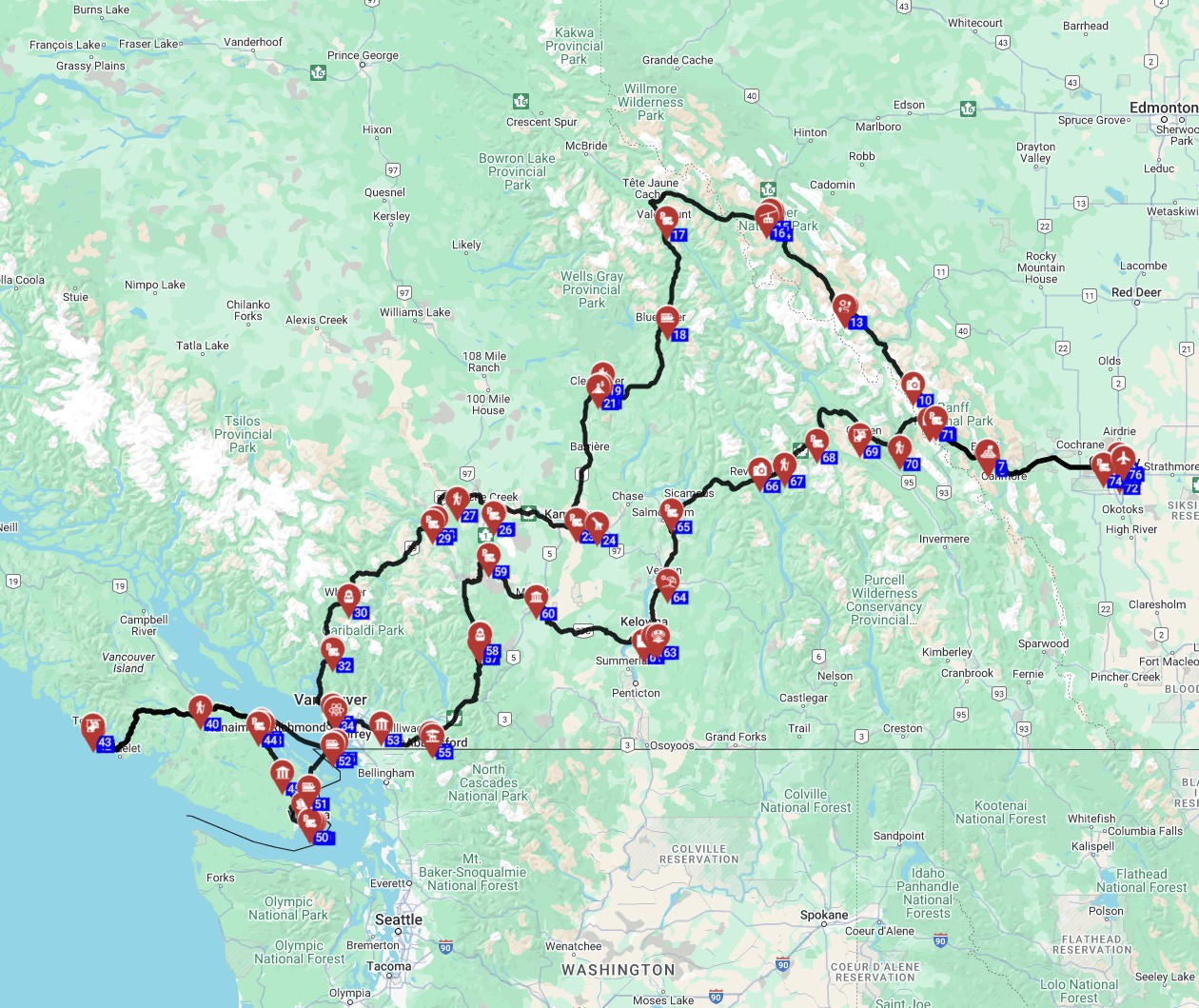
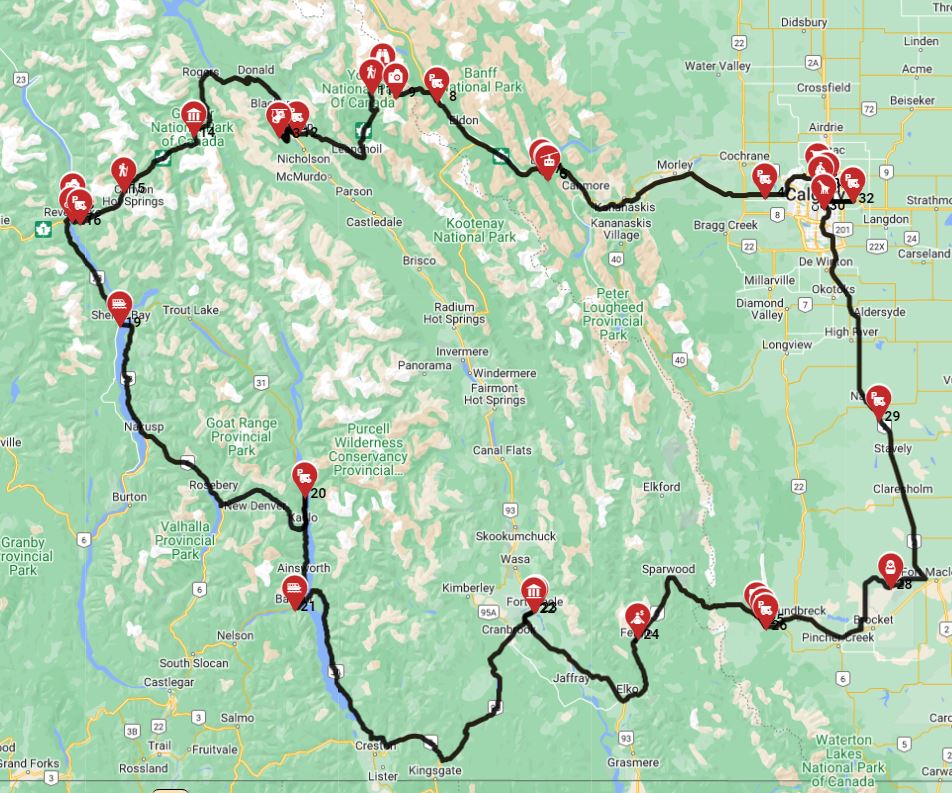
The best long-term RV itineraries for West Canada often balance iconic national parks like Banff and Jasper with opportunities to explore quieter provincial parks and coastal routes, maximizing scenic diversity. A classic 2-4 week itinerary frequently includes the Icefields Parkway, a 232-kilometer route connecting Banff and Jasper National Parks, offering numerous hiking trails and glacial viewpoints.
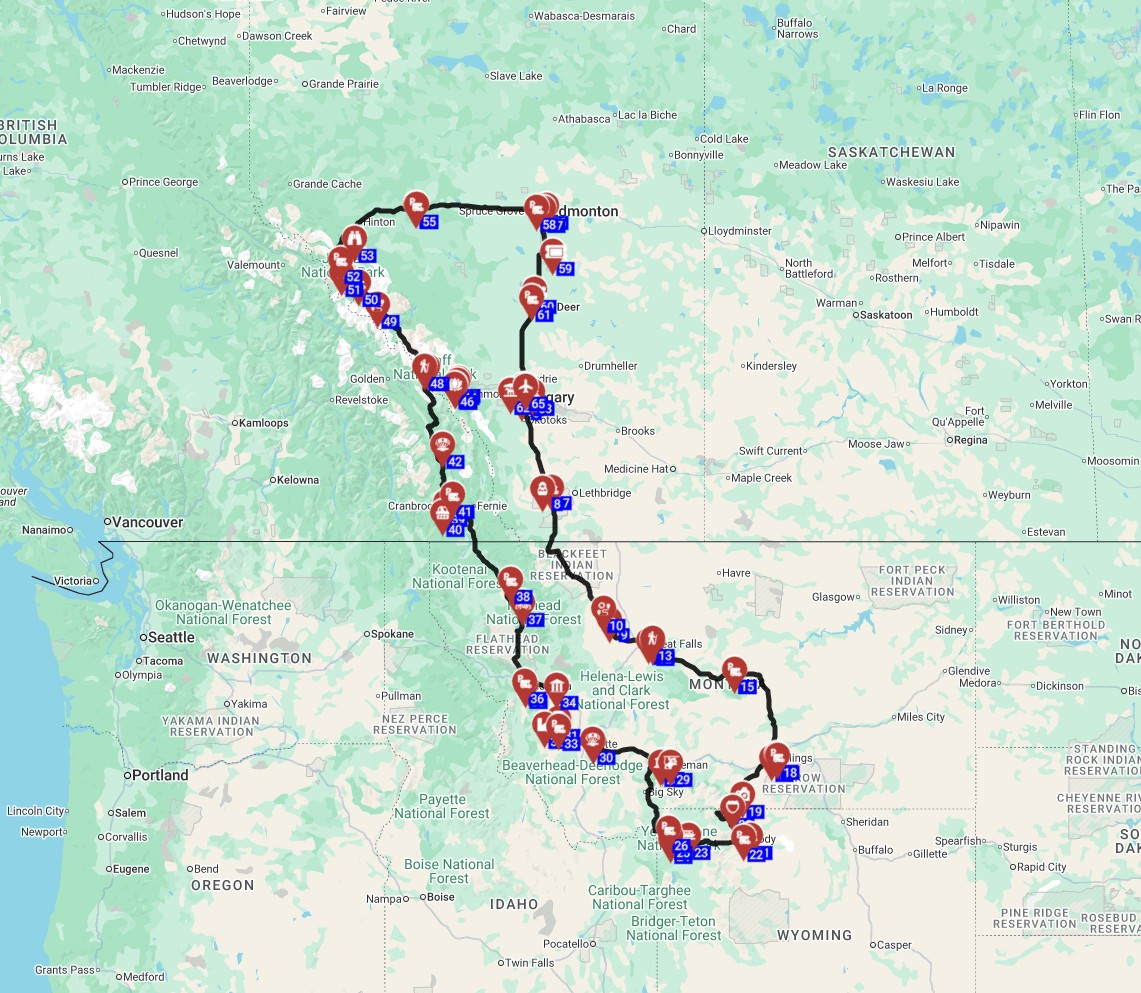
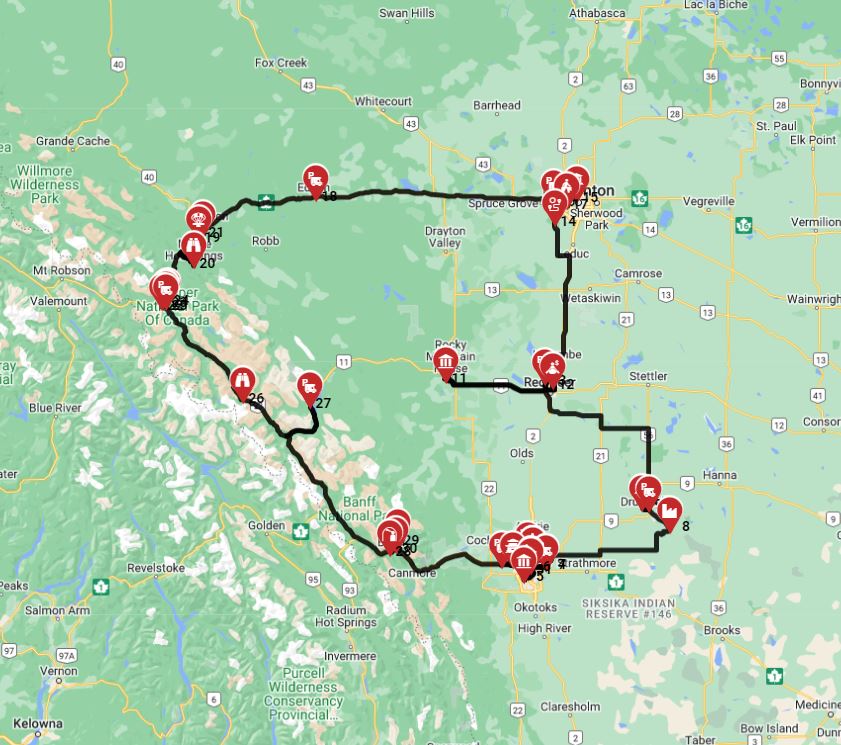
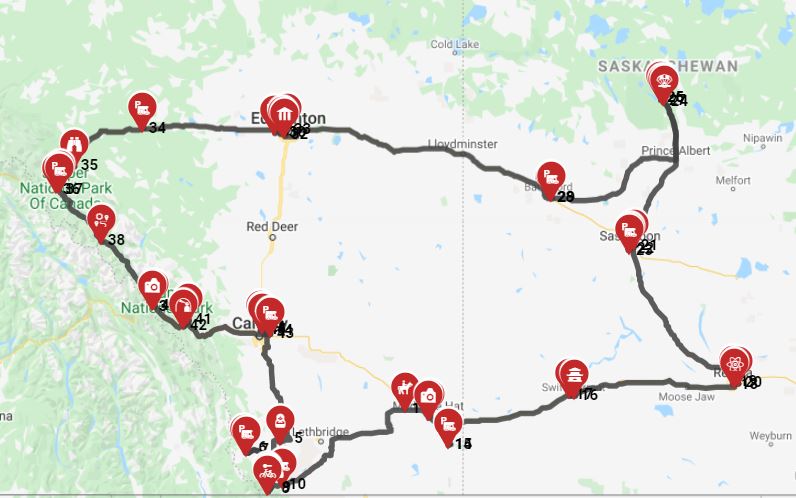
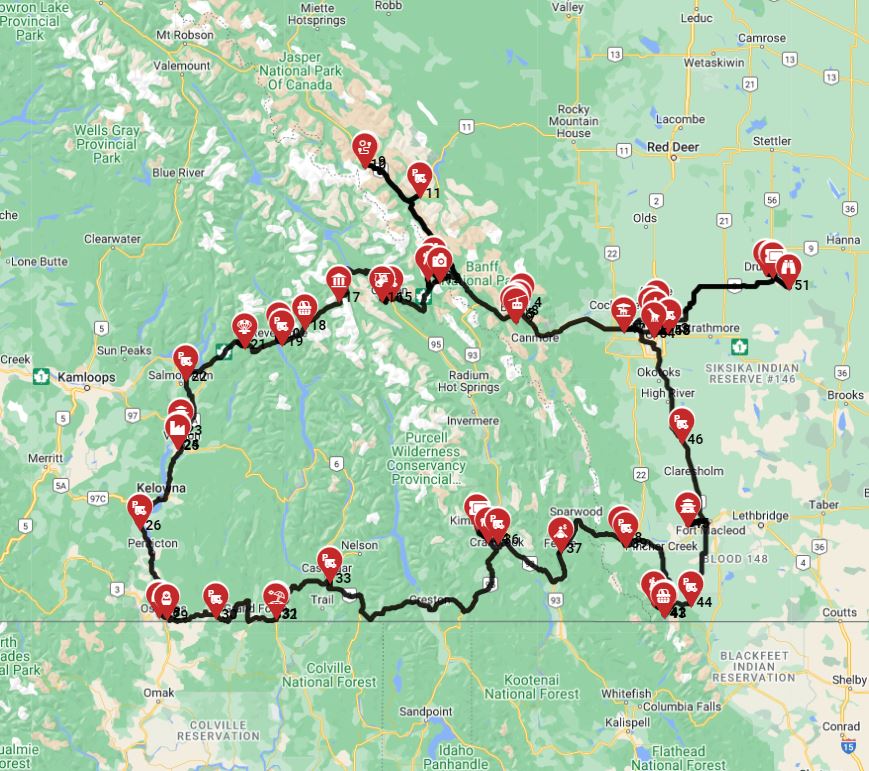
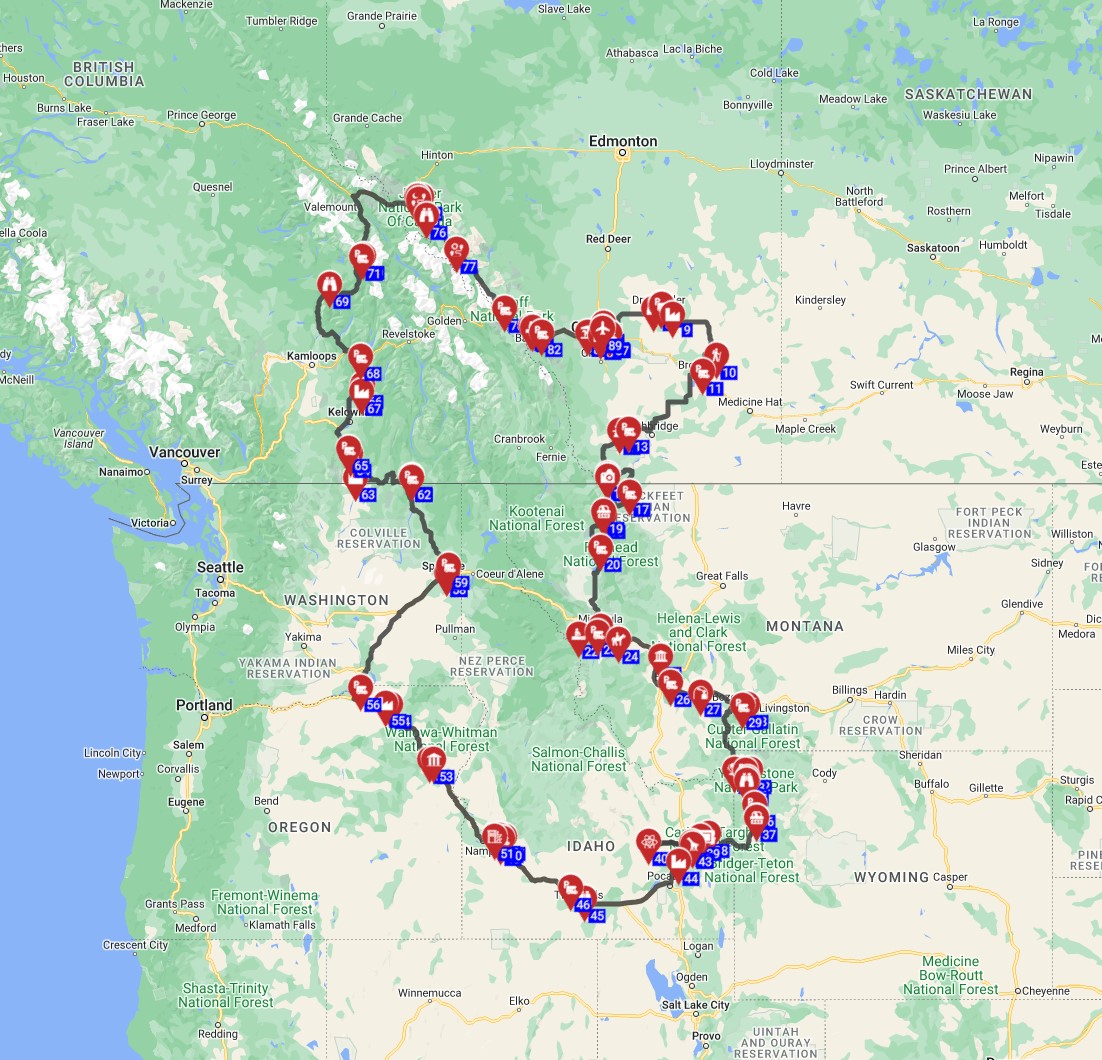
For a longer trip (4-6+ weeks), consider extending your journey to British Columbia's Okanagan Valley for wine country and lakes (including 3 Bike Rental spots and 2 Spa / Terme locations), or the Kootenay Rockies for hot springs and fewer crowds. Coastal itineraries exploring Vancouver Island, the Sunshine Coast, and Haida Gwaii offer unique marine and Indigenous cultural experiences, with opportunities for kayaking and local industry visits. Look for opportunities to visit less-known provincial parks like Wells Gray Provincial Park (famous for waterfalls) or Yoho National Park for stunning natural beauty away from the busiest areas. Flexibility is key for long-term itineraries, allowing for spontaneous stops at hidden gems or adapting to weather conditions. For a pre-planned route, consider:
This "

What is the best time of year for a long term RV rental in West Canada?
The best time of year for a long-term RV rental in West Canada depends on your desired activities and tolerance for crowds, with summer offering warm weather and full access, and shoulder seasons providing fewer crowds and unique beauty. Summer (June-August) offers the warmest weather, consistent temperatures averaging 20-25°C, and full accessibility to all mountain roads and campgrounds, but it also has the highest crowds and peak pricing, potentially increasing rental costs by 30%.
Spring (April-May) provides fewer crowds, melting snow, and emerging wildlife, though some higher elevation mountain passes and campgrounds may still be closed, and temperatures can vary widely from 5-15°C. Fall (September-October) brings stunning autumn colors, cooler temperatures (often 10-20°C), and significantly fewer tourists, but be prepared for potential early snowfalls in the mountains, especially by late October. Winter (November-March) is generally not recommended for long-term RV rentals due to extreme cold (often below 0°C), numerous road closures, and limited campground availability, unless you are specifically equipped for winter camping and seek winter sports. For flexible travelers, off-peak months offer substantial savings on "RV Rental Deals in West Canada - Latest Offers 2026" and a more serene experience.
How to ensure wildlife safety during a West Canada RV trip?
Ensuring wildlife safety during a West Canada RV trip involves practicing bear awareness, securing food properly, maintaining distance from animals, and carrying appropriate safety gear. Always carry bear spray in an accessible location and know how to use it, especially when hiking in wilderness areas within national parks like Jasper, which is home to grizzly and black bears. Hikers should make noise on trails to avoid surprising animals.
Store all food, garbage, and scented items inside your rented RV or in bear-proof containers at your campsite, never leaving them unattended. Maintaining a safe distance from all wildlife is paramount: at least 30 meters (three bus lengths) for large animals like elk and deer, and 100 meters (ten bus lengths) for predators like bears and wolves. Never feed wildlife, as it habituates them to humans and can lead to dangerous encounters, often resulting in animals being euthanized. Be extra vigilant at dawn and dusk when wildlife is most active on roads and near campgrounds, a crucial tip highlighted in "RV Travel Guide to West Canada - Tips and Top Spots 2026".
Top Cities for RV Rental in West Canada
West Canada offers numerous excellent starting points for your long-term RV adventure, each providing access to unique landscapes and experiences. Whether you're interested in urban exploration or quick access to national parks, these cities have robust RV rental infrastructure:
- Vancouver, British Columbia: A vibrant coastal city, Vancouver serves as a prime gateway to both the Pacific coastline and the interior mountains. It offers numerous RV rental options from suppliers like Cruise America and El Monte, and is a convenient starting point for routes like the "Vancouver Round Trip - West Canada Cycling Adventure."
- Calgary, Alberta: Located near the foothills of the Canadian Rockies, Calgary is the perfect hub for exploring Banff, Jasper, and Kootenay National Parks. Renting an RV here puts you just a short drive from some of the world's most stunning mountain scenery.
- Edmonton, Alberta: As Alberta's capital, Edmonton provides another excellent starting point for journeys into Jasper National Park and further north into less-explored territories. Its RV rental options cater to various long-term travel plans.
- Kelowna, British Columbia: Situated in the heart of the Okanagan Valley, Kelowna is ideal for those seeking a more relaxed, wine-country RV experience. It offers access to beautiful lakes, orchards, and the historic Myra Canyon Trestles.
- Victoria, British Columbia: On Vancouver Island, Victoria provides access to rainforests, coastal adventures, and charming seaside towns. Renting a campervan here allows for extended exploration of the island's unique offerings.
- Kamloops, British Columbia: Positioned at the junction of several major highways, Kamloops is a practical launchpad for exploring British Columbia's vast interior, including numerous provincial parks and scenic routes.
Each city offers different flavors for starting your journey, but all connect you to the breathtaking wilderness and welcoming communities of West Canada.
Practical Information for RV Travel in West Canada
Planning a long-term RV rental in West Canada involves understanding local road rules, connectivity options, and emergency procedures to ensure a safe and enjoyable trip. In Canada, you drive on the right side of the road, and speed limits are typically posted in kilometers per hour (km/h), ranging from 50 km/h in urban areas to 100-120 km/h on highways. A standard car driver's license is sufficient for all rental motorhomes, though an International Driving Permit (IDP) is recommended for non-English speakers.
Toll roads are rare in West Canada, with the notable exception of some specific bridges or express lanes in metropolitan areas like Vancouver. National park permits, such as the Parks Canada Discovery Pass, are required for entry into most national parks and can be purchased online or at park gates. While many campgrounds require advance booking, especially in peak season, some national and provincial parks reserve 25-30% of their sites for first-come, first-served arrivals, offering flexibility for spontaneous travelers. Always call ahead to check availability before driving a long distance. For emergencies, dial 911 anywhere in Canada. For staying connected, local SIM cards are readily available from providers like Bell, Telus, or Rogers, offering various data plans suitable for extended travel, though coverage may be limited in remote mountainous regions. For broader North American travel, consult "RV Rental USA - Complete Guide 2026".
What You Shouldn't Miss
- **Drive the Icefields Parkway:** This 232-kilometer stretch between Banff and Jasper National Parks offers breathtaking views, numerous hiking opportunities, and access to glaciers like the Athabasca.
- **Explore Banff and Jasper National Parks:** Dedicate ample time to these iconic parks, enjoying activities like canoeing on Lake Louise, hiking to Maligne Canyon, and wildlife spotting.
- **Visit the Myra Canyon Trestles near Kelowna:** Experience a unique blend of history and nature by walking or cycling across 18 historic railway trestles, enjoying panoramic views of the Okanagan Valley.
- **Discover Vancouver Island:** Take your rented RV on a ferry to explore the wild Pacific Rim National Park Reserve near Tofino, or enjoy the charming capital city of Victoria.
- **Stargaze in Jasper National Park:** As the world's second-largest Dark Sky Preserve, Jasper offers incredible opportunities for celestial observation away from light pollution.
Looking for expert insights from Avi Bandana? Top 5 Adventures - recommendations from Avi Bandana
🎬 Video coming soon
Final Thoughts
A long-term RV rental in West Canada isn't just a trip; it's an immersive experience that allows you to truly embrace the vastness and beauty of this incredible region. With careful planning and the right mindset, you can navigate mountain passes, relax by serene lakes, and discover hidden gems at your own pace. Remember, slow travel is key to truly feeling the place, connecting to its culture, food, and stunning scenery.
At Bandana Caravan, we're dedicated to making your extended adventure as smooth and enjoyable as possible. Our expertise and transparent approach mean you can focus on the journey, knowing all the details are handled. So, take the leap, plan your trip itinerary in advance with minimal effort and maximum enjoyment, and prepare for the road trip of a lifetime in West Canada.
Discover top destinations, planning tips, all in one place!