In This Guide
- Top 5 Tips for long term rv rental RV Rental in France
- Before You Book - Class, Dates, Insurance
- Pre-Trip Prep - Packing Checklist for France
- On the Road - Driving, Fueling, Navigation
- At the Campground - Setup, Hookups and Etiquette
- long term rv rental-Specific Tips for France
- Common Mistakes to Avoid in France
- What are budget-friendly activities and overnight stays for RVers in France?
- What are the best alternatives to wild camping in France?
- How do I navigate French cities with a long term RV rental?
- What are off-the-beaten-path RV routes in France?
- What should I do in an RV emergency in France?
- How can I travel sustainably with an RV in France?
Top 5 Tips for long term rv rental RV Rental in France
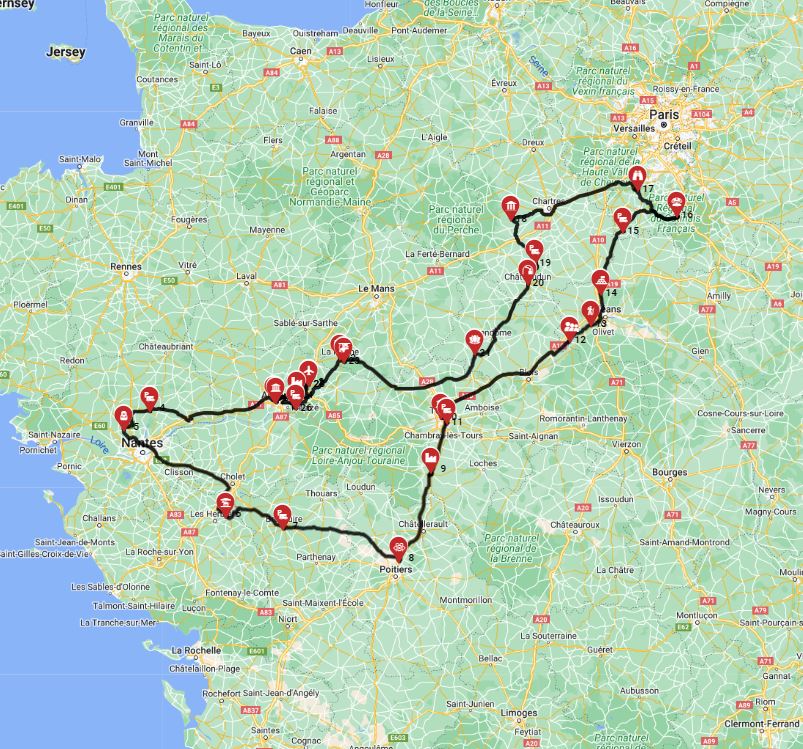
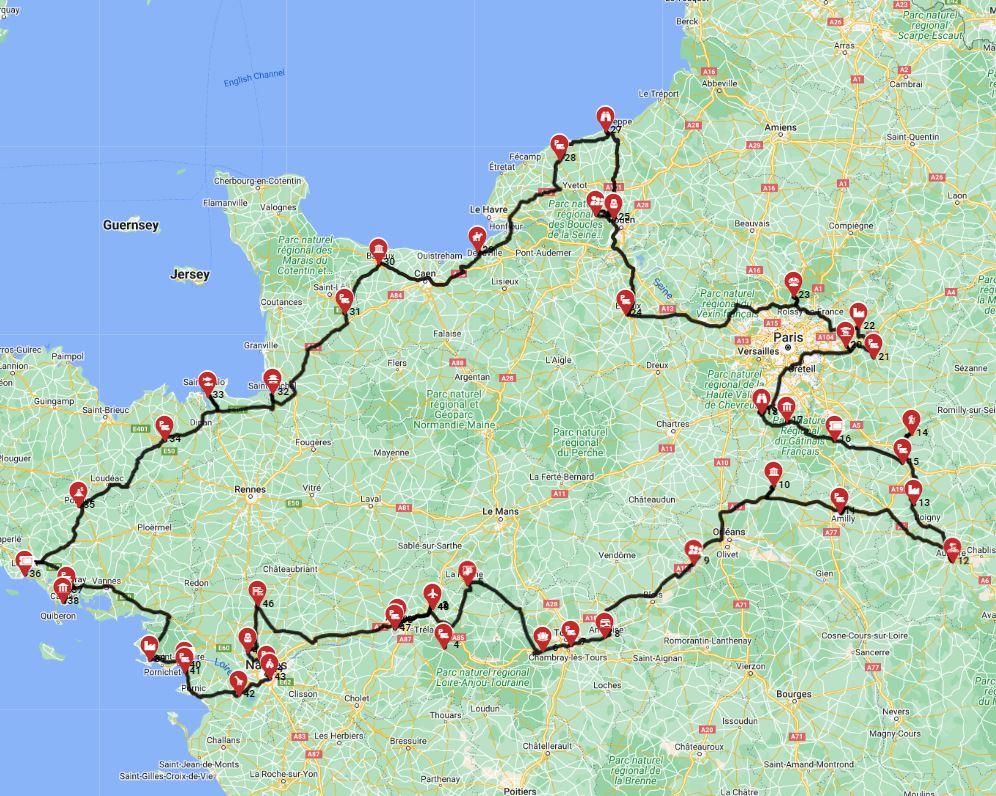
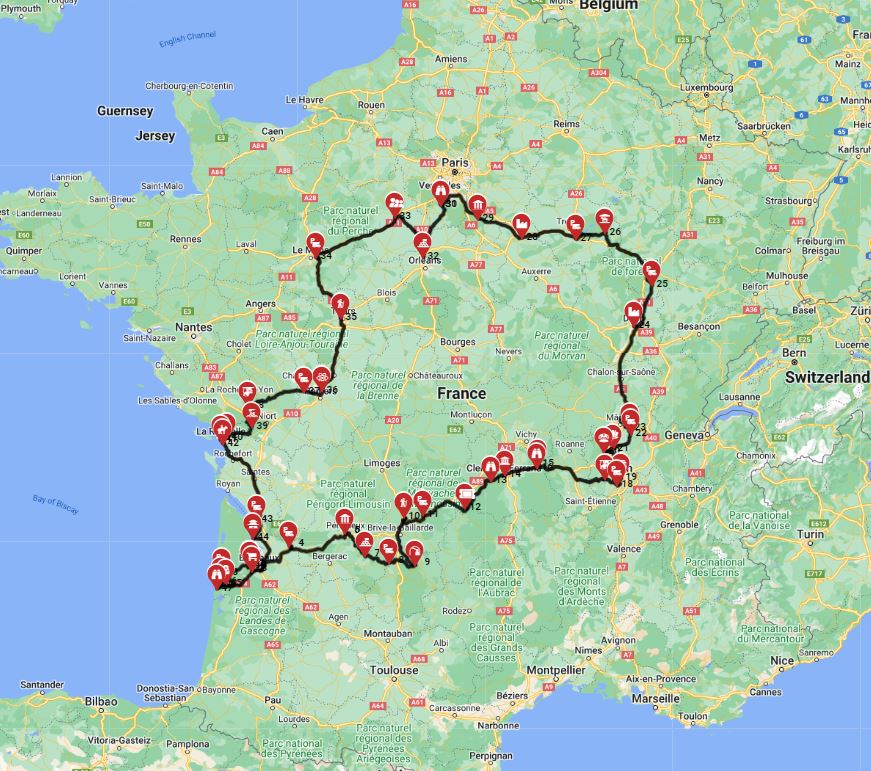
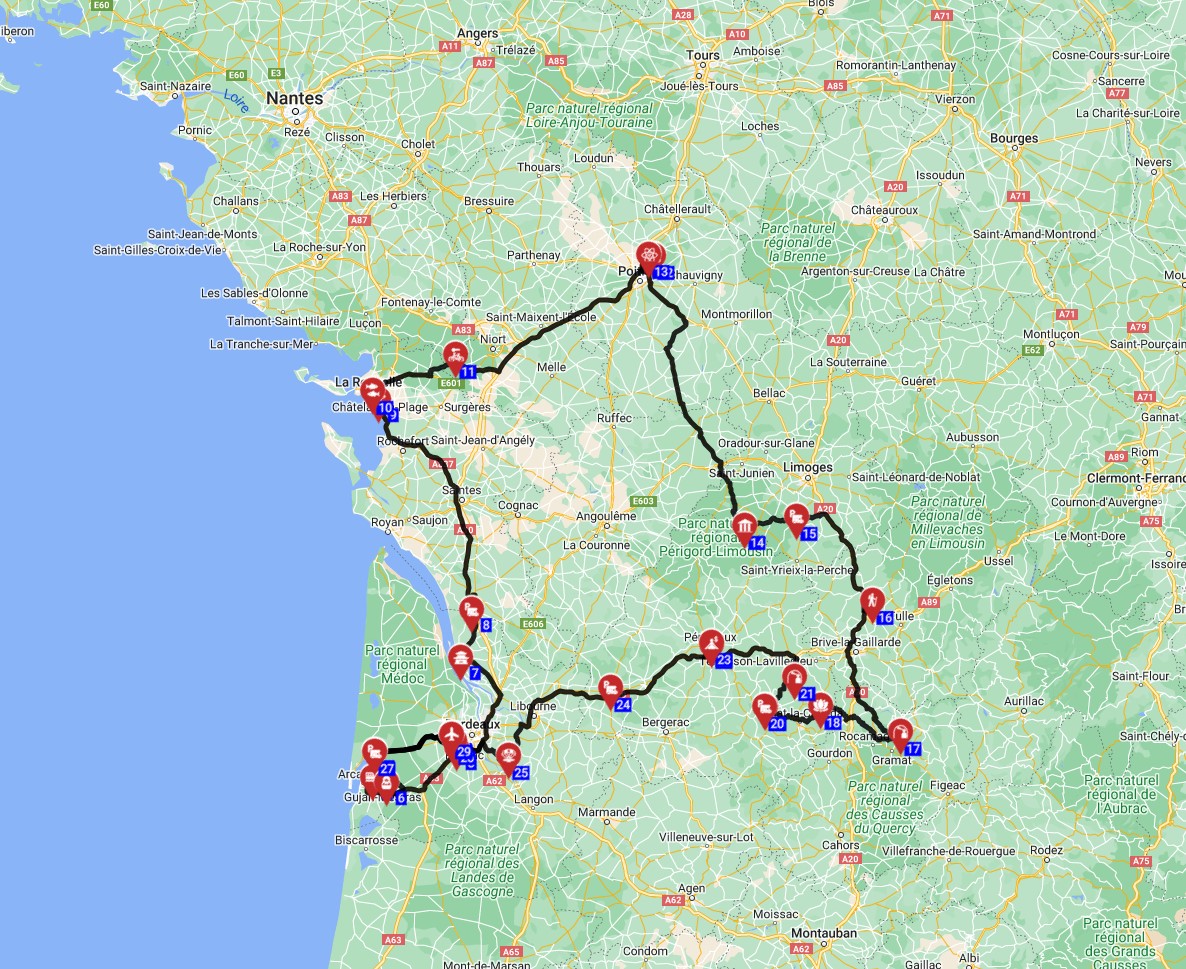
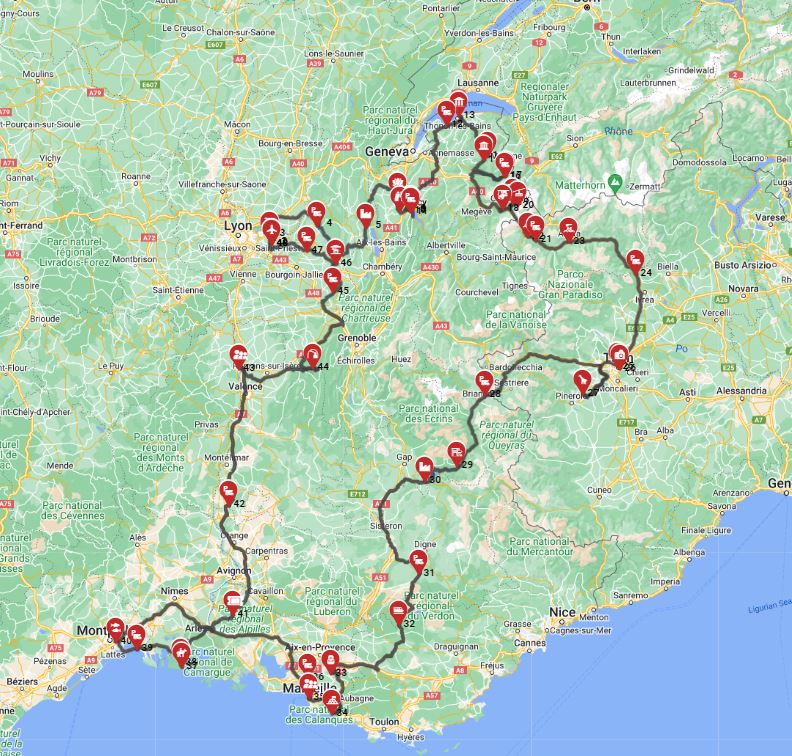
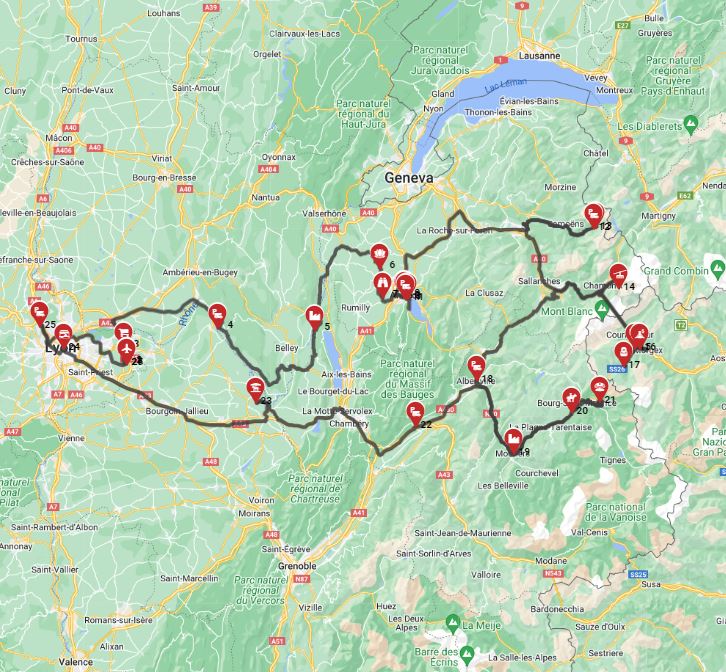
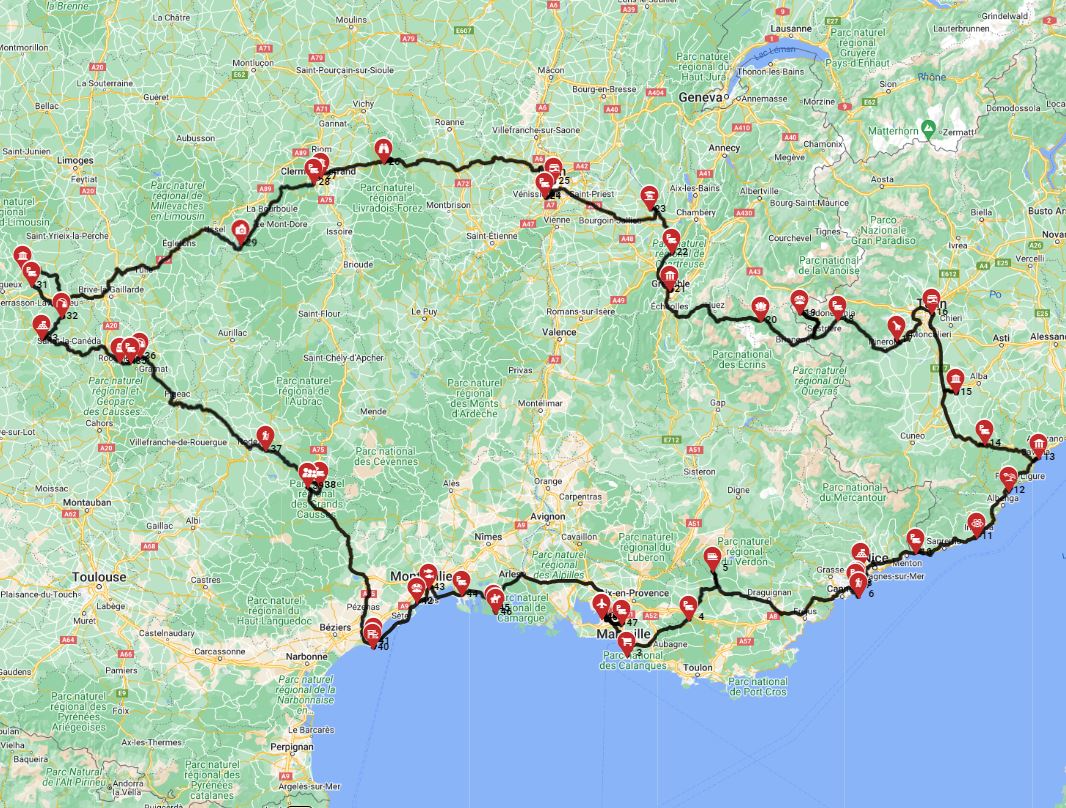
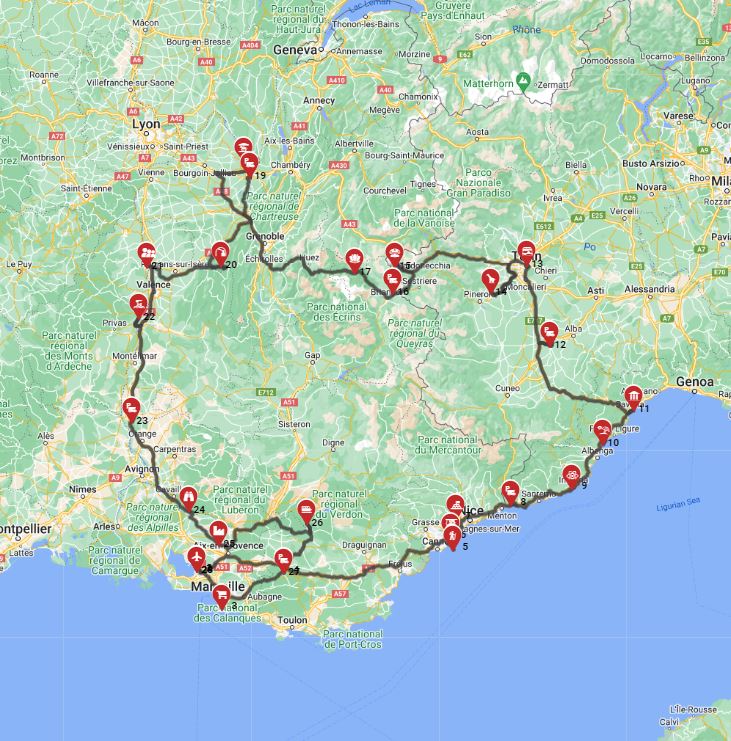
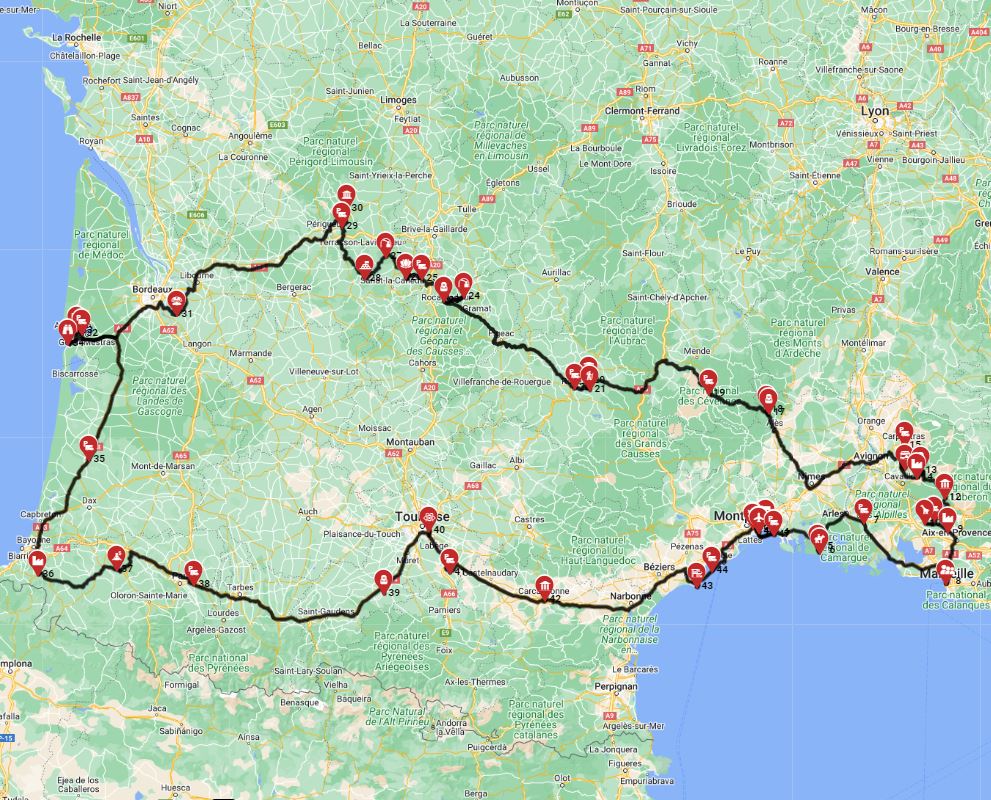
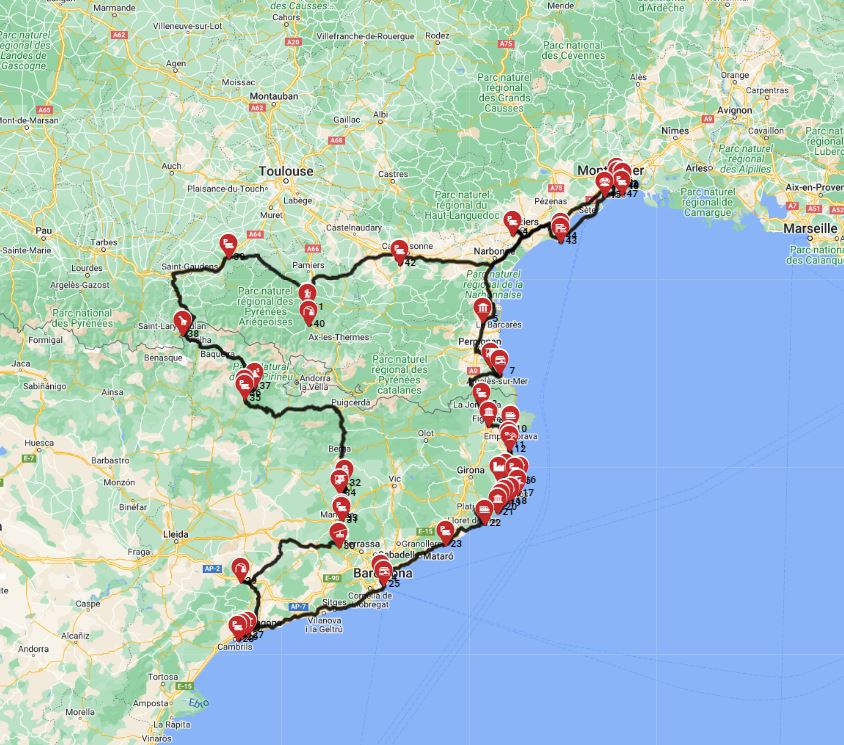
Securing your preferred motorhome for an extended journey across France requires thoughtful planning and attention to detail. For live availability and current prices, start with our RV Rental France - Complete Guide 2026 guide. First, to ensure you get the best selection and rates, book your long term RV rental well in advance, especially if your trip falls during peak seasons like summer (June-August). Many popular Class C and Class B campervans, such as the "Euro Tourer" or "EcoLine 2," can be reserved up to 6 months ahead, potentially saving you up to 25%. Second, understanding the different RV classes is crucial for a comfortable long-term journey, as larger models like a Class A with its spacious interior are often preferred for extended trips. For example, a "Comfort Family" motorhome, designed for 4-6 people, offers ample living space, a full kitchen, and separate sleeping areas. Third, budgeting is essential for long-term travel; factor in all ancillary costs, including tolls, fuel (diesel is typically referred to as "Gazole"), and campground fees. On RV PLANET routes, travelers can itemize and track every expense along the way for easy budgeting. Fourth, familiarize yourself with French road rules and signage before you depart, as they can differ significantly from your home country, particularly regarding roundabouts and speed limits. Finally, consider an unlimited mileage package for extensive exploration across France during your long-term rental, allowing you the freedom to truly experience the country without constantly monitoring your kilometers. With Bandana RV, you benefit from full transparency and no hidden fees, making your planning stress-free.Before You Book - Class, Dates, Insurance
Choosing the right RV class for long-term travel in France involves balancing comfort, maneuverability, and cost, with larger motorhomes often preferred for extended trips. For couples, a "luxury rv rentals example Carthago Malibu 600" campervan offers a comfortable double bed, kitchen, and bathroom in a compact size, while families might opt for a Class C motorhome like the "MH-A" (6 berths, large refrigerator, shower, toilet, automatic transmission) which provides more sleeping places and storage. Locking in your travel dates early, typically 3-6 months ahead for popular periods like summer, helps ensure availability and potentially better rates for long-term rentals; spontaneous travelers can still find options, but popular models may be scarce. Insurance options for RV rentals in France typically include basic third-party liability as a default, with additional comprehensive packages available for purchase, and Bandana RV proudly offers the option to upgrade to a top-level deductible for extra peace of mind. Basic insurance is always included, and you can select comprehensive coverage options during your search to see prices upfront. With our direct partnerships with 50+ leading RV suppliers worldwide, including trusted names like El Monte and Apollo, Bandana RV ensures you have access to a wide range of vehicles and clear information about insurance, making us true RV specialists.🎬 Video coming soon
Pre-Trip Prep - Packing Checklist for France
A comprehensive packing checklist for a long-term RV trip in France should account for varying climates, practical needs, and essential documents. Ensure you have appropriate clothing for both warm and cooler weather, as well as waterproof gear, given France's diverse regions, from the Mediterranean coast to the Alpine peaks. Prepare your RV kitchen with basic utensils and non-perishable food items to start, allowing for fresh local purchases later; for inspiration, check out our RV-friendly recipes playlist. Always carry essential safety items like a first-aid kit, reflective vest, and warning triangle, which are legally required in France for all vehicles. Organize all necessary documents, including passports, your standard car driver's license (an International Driving Permit is recommended for visitors from non-English speaking countries, but not mandatory), rental agreements, and insurance papers. Don't forget adapters for European electrical outlets (Type E and F) and a GPS device with updated European maps. Consider bringing a French phrasebook or translation app for easier communication.On the Road - Driving, Fueling, Navigation
Navigating France by rented RV involves understanding local road signs, fuel options, and effective navigation strategies. Driving in France requires strict adherence to speed limits, which are often lower for larger vehicles like motorhomes (e.g., 110 km/h on motorways instead of 130 km/h in dry conditions). Be aware of toll roads (péages), which are prevalent on major highways; you can pay with cash or credit card, or use an electronic toll badge for convenience. Fueling up typically involves 'Gazole' (diesel) or 'Sans Plomb 95/98' (unleaded petrol), with most stations accepting major credit cards; keep an eye out for unmanned stations that may only accept specific French payment cards. Utilizing GPS systems pre-loaded with RV-specific routing or apps like Waze and Google Maps can help navigate narrow roads and city bypasses effectively, ensuring you don't encounter unexpected height or weight restrictions. When entering urban areas, be mindful of ZFE (Low Emission Zones) and potential restrictions for larger vehicles, which may require a Crit'Air sticker (a sticker indicating your vehicle's emissions class). Drive slowly and carefully, and you can drive almost anywhere without issues in France; no need to stress, just use common sense and pay attention. For instance, when planning your route through Angers, consider parking at a peripheral RV lot and taking public transport into the historic center.At the Campground - Setup, Hookups and Etiquette
Setting up your rented RV at a French campground typically involves a systematic approach to hookups and respecting local etiquette. Upon arrival, locate your pitch, park your motorhome level, extend any stabilizers if applicable, and then proceed with connecting utilities. The standard hookup order usually involves connecting electricity first (ensure you have the correct European adapter), followed by fresh water (using a potable water hose), and then the waste hose to a gray water drain for convenient disposal. Observing quiet hours, often from late evening (around 10 PM) to early morning (around 7-8 AM), is a common courtesy at French campgrounds, where tranquility is highly valued. Proper disposal of waste water (grey and black water) at designated service points and adherence to recycling guidelines should be followed to maintain environmental standards and respect local infrastructure. For finding campsites and campgrounds during your trip, we recommend using RV PLANET (rvplan.net) - a great resource for locating available spots along your route. You'll find a spot; if not at the first campground, then the next one. Call ahead before driving.long term rv rental-Specific Tips for France
Tailoring your RV rental experience in France to your group's specific needs ensures a more enjoyable long-term adventure. For families with children, consider a Class C motorhome like the "Glamys 265" which offers dedicated sleeping areas (e.g., bunk beds for kids, a double bed for parents) and ample storage for toys and gear, planning shorter drives (max 100-150 km per day) to accommodate nap times and play breaks. Senior travelers might prioritize RV classes with easier access, automatic transmissions, and comfortable beds for extended periods, perhaps a semi-integrated Class SI model like "Elnagh Baron 579" with its lower profile and permanent bed layouts. Budget-conscious long-term renters can save money by utilizing France Passion sites for free overnight stays, preparing meals in the RV rather than dining out frequently, and seeking out municipal campgrounds which are often more affordable. Luxury travelers might opt for larger, fully-equipped Class A motorhomes, like the "Comfort Luxury," with premium add-ons like satellite TV or higher-end kitchens for enhanced comfort and amenities on a prolonged trip. Pet owners should ensure their rental RV has good ventilation and space for their companions, and research pet-friendly campsites and attractions in advance; our "Pet-Friendly RV Rental in France - Pricing 2026" guide can offer more insights. Bandana RV supports all types of travelers, handling the details so you can live the journey.Common Mistakes to Avoid in France
Avoiding common pitfalls can significantly enhance your long term RV rental experience in France. First, instead of underestimating travel times, always allow extra time for scenic routes and unexpected stops, especially during peak season or when navigating winding regional roads. Second, rather than relying solely on credit cards, carry some cash for smaller purchases, remote toll booths, or local markets where cards may not be accepted. Third, instead of ignoring local customs, make an effort to learn basic French phrases and understand local etiquette, such as greeting shopkeepers with "Bonjour." This small gesture goes a long way. Fourth, rather than over-scheduling your itinerary, embrace a flexible approach to enjoy spontaneity and discover hidden gems, remembering the slow travel mantra of averaging only 100-150 km per day. Fifth, instead of driving unprepared into cities like Ajaccio - Corsica or Angoulême, research parking and ZFE restrictions beforehand to avoid fines and stress; public transport from city outskirts is often the best approach. Finally, rather than neglecting vehicle checks, routinely inspect tires, fluid levels, and lights, especially for a long-term rental, and know emergency contact numbers for breakdowns. Remember, Bandana is here to support you before and after your booking, providing clear, honest advice with no surprises.What are budget-friendly activities and overnight stays for RVers in France?
Budget-friendly activities for RVers in France include exploring free public parks, hiking national trails, visiting local markets, and enjoying France's numerous free festivals and events. Many historic towns and villages, such as those found around Alencon or Alès, offer free walking tours or self-guided routes, providing rich cultural experiences without cost. To save on accommodation, consider utilizing the France Passion network, which offers free overnight stays at over 2,000 participating vineyards, farms, and artisan producers across the country, providing unique cultural exchanges. Preparing meals in your rented RV with ingredients purchased from local markets can significantly reduce food expenses compared to dining out, enhancing your long-term budget. Additionally, seek out municipal campgrounds (campings municipaux) which are often more affordable than private campsites and frequently located in charming rural areas, perfect for slow travel. If you're looking for more ways to manage your overall trip finances, remember that on RV PLANET routes, you can itemize and track every expense.What are the best alternatives to wild camping in France?
The best alternatives to wild camping in France, which is largely restricted or prohibited in most areas, include the France Passion network, municipal campsites, and dedicated RV service areas (aires de services). France Passion is a highly recommended option for RVers, offering free, safe overnight parking at over 2,000 participating farms, vineyards, and artisan sites, which require a membership pass (usually around €30-€40 for the year). Official campsites (campings) are plentiful, ranging from basic municipal sites (often €10-€25/night) to luxurious private parks, providing various amenities and ensuring legal overnight stays across regions like Alsace or Occitanie. Aires de services camping-cars are designated parking and service areas specifically for RVs, often equipped with water, waste disposal, and sometimes electricity, with varying costs (free to €15/night). Private landowners may sometimes permit overnight parking on their property, though explicit permission should always be obtained beforehand. For wider European exploration, consider our "RV Rental Europe - Complete Guide 2026" which outlines similar options across the continent.How do I navigate French cities with a long term RV rental?
Navigating French cities with a long-term RV rental requires careful planning due to narrow streets, parking limitations, and specific urban regulations. It is often advisable to park your RV on the outskirts of major cities like Paris, Lyon, or Bordeaux, at a designated RV parking area or a campsite with good public transport links, then use trams, buses, or metros to explore the city center. For example, many campsites near Annecy offer excellent access to the town via bus. Be aware of Low Emission Zones (Zones à Faibles Émissions or ZFE) in cities like Paris, Lyon, and Marseille, which may restrict access for certain vehicles without a Crit'Air sticker (available for purchase online). Utilizing up-to-date GPS systems or apps that offer RV-specific routing can help avoid roads with height or weight restrictions. For smaller towns, such as Agen or Alès, consider arriving early in the day to secure parking, or research municipal parking lots designed for larger vehicles, which are sometimes available near attractions. Remember, drive slowly and carefully, and you can drive almost anywhere without issues; no need to stress – just use common sense and pay attention.What are off-the-beaten-path RV routes in France?
Off-the-beaten-path RV routes in France offer a chance to explore authentic local culture and stunning landscapes away from typical tourist crowds. The Jura Mountains region, bordering Switzerland, provides picturesque drives through dense forests, past pristine lakes, and into charming villages known for their cheese and wine production. Explore the Lot Valley in Occitanie, a less-traveled region with medieval villages perched on cliffs, meandering rivers, and abundant opportunities for kayaking and hiking. The Cévennes National Park, a UNESCO World Heritage site, offers rugged terrain, traditional hamlets, and excellent opportunities for hiking and nature observation, perfectly suited for a rented campervan. Consider the Alsace Wine Route outside of peak season for a quieter experience, meandering through vineyards and historic towns like Eguisheim and Riquewihr, offering unique cultural immersion and the chance to sample local wines. For more specific long-term RV routes in France, check out Rent&Plan routes, pre-planned by professionals to highlight these hidden gems. If you're looking for Cheap RV Rental in France - Budget Guide 2026, traveling to these less popular areas can also offer more affordable camping options.What should I do in an RV emergency in France?
In an RV emergency in France, prioritize safety, contact emergency services if necessary, and have your rental company's support information readily available. For medical emergencies or accidents, immediately call 112, the European emergency number, which connects you to police, ambulance, or fire services. In case of a breakdown on the roadside, pull over safely to the shoulder, turn on your hazard lights, and place a warning triangle 30 meters behind your vehicle. All occupants should wear reflective vests (legally required) and stand behind the safety barrier if available. Contact your RV rental company's roadside assistance or their designated emergency number immediately; they can advise on local repair services or towing. Having a basic French phrasebook or a translation app can be invaluable for communicating with emergency personnel or mechanics who may not speak English. Bandana RV provides transparent support throughout your booking process and coordinates with suppliers, ensuring you have the necessary contact details for any on-road assistance.How can I travel sustainably with an RV in France?
Traveling sustainably with a rented RV in France involves adopting eco-friendly habits, respecting local communities, and minimizing your environmental footprint. Conserve water and electricity by being mindful of usage, opting for shorter showers, and unplugging electronics when not in use in your motorhome. Adhere strictly to local recycling guidelines for waste separation, utilizing designated bins at campsites and service areas. Support local economies by purchasing fresh produce and goods from regional markets (e.g., in Angers or Alencon) and patronizing small businesses, fostering genuine connection to the culture and food. Always dispose of grey and black water at designated service points, never in natural environments, to prevent pollution. Drive responsibly by observing speed limits and avoiding aggressive acceleration, which reduces fuel consumption and emissions. Choosing a smaller campervan, such as an "Active Classic" with 2 berths and efficient fuel consumption, can further reduce your carbon footprint.What You Shouldn't Miss
- **The Lavender Fields of Provence:** Drive through the fragrant, purple fields of Valensole and Sault during June and July for an unforgettable sensory experience, capturing stunning photos of the quintessential French countryside.
- **The Dordogne Valley's Cave Art:** Explore the prehistoric cave paintings of Lascaux IV (a replica of the original Lascaux caves) and visit charming medieval villages like Sarlat-la-Canéda, delving into France's ancient history.
- **The Loire Valley Châteaux:** Embark on a regal route past magnificent castles such as Château de Chambord and Château de Chenonceau, showcasing architectural grandeur and rich history, perfect for a long-term RV journey.
- **The French Alps' Scenic Drives:** Traverse breathtaking mountain passes like Col de l'Iseran (seasonal) or enjoy the picturesque routes around Chamonix, offering dramatic vistas and outdoor activities.
- **Brittany's Wild Coastline:** Discover the rugged beauty of the Pink Granite Coast and the charming fishing villages of Brittany, savoring fresh seafood and exploring Celtic heritage.
Final Thoughts
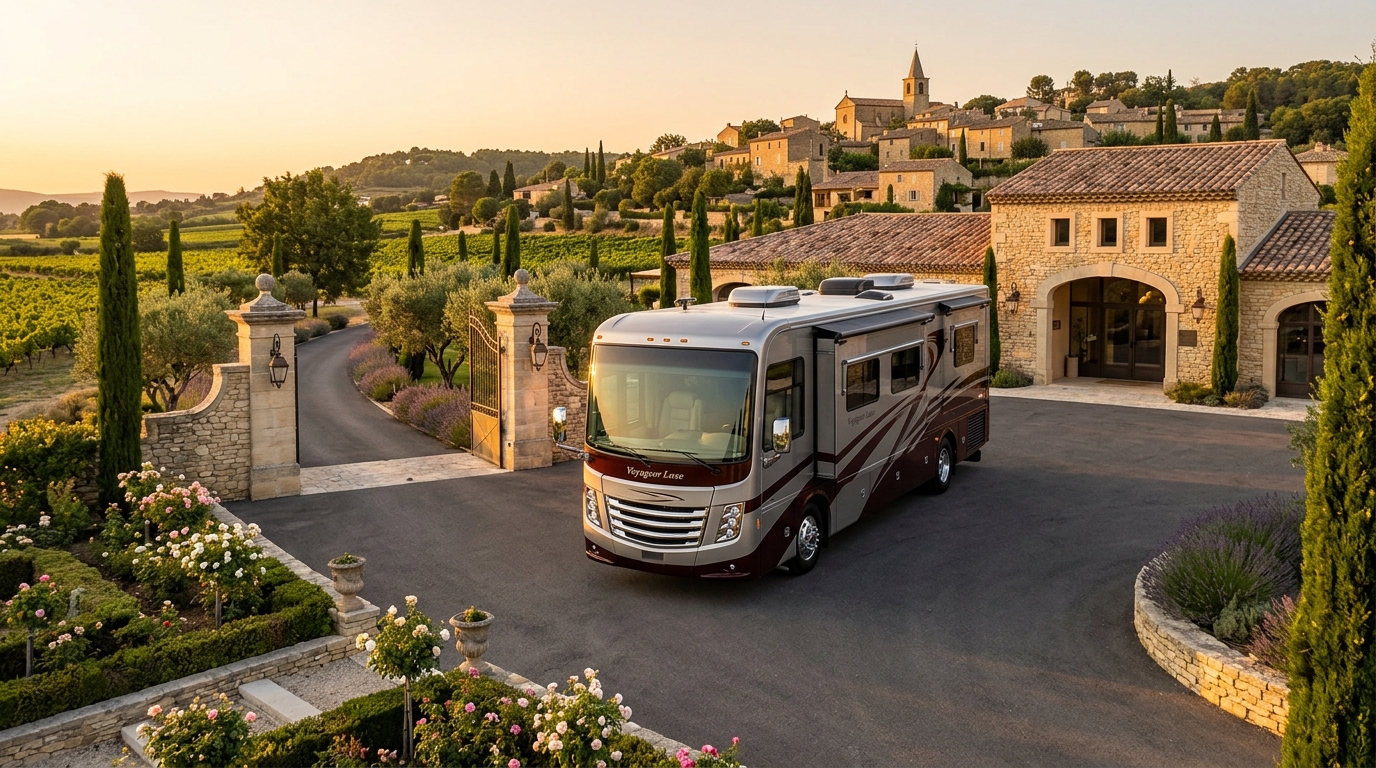
Embarking on a long-term RV adventure through France promises an unparalleled blend of freedom, culture, and natural beauty. Imagine waking up to the gentle sounds of a vineyard, preparing a delicious breakfast in your rented motorhome, and then setting off to explore ancient castles or sun-drenched beaches. It's about savoring every moment, embracing the unexpected, and letting the journey itself become the destination. With Bandana RV, you're not just renting a vehicle; you're gaining a partner dedicated to making your long-term dreams a reality. Our commitment to full transparency and unwavering support ensures that your extended exploration of France is seamless and truly unforgettable. So, take the leap, embrace the open road, and let France unfold before you. Discover top destinations, planning tips, all in one place! Plan a trip itinerary in advance with minimal effort and maximum enjoyment.On the routes offered through RV PLANET routes, you can itemize and track every expense along the way for easy budgeting.