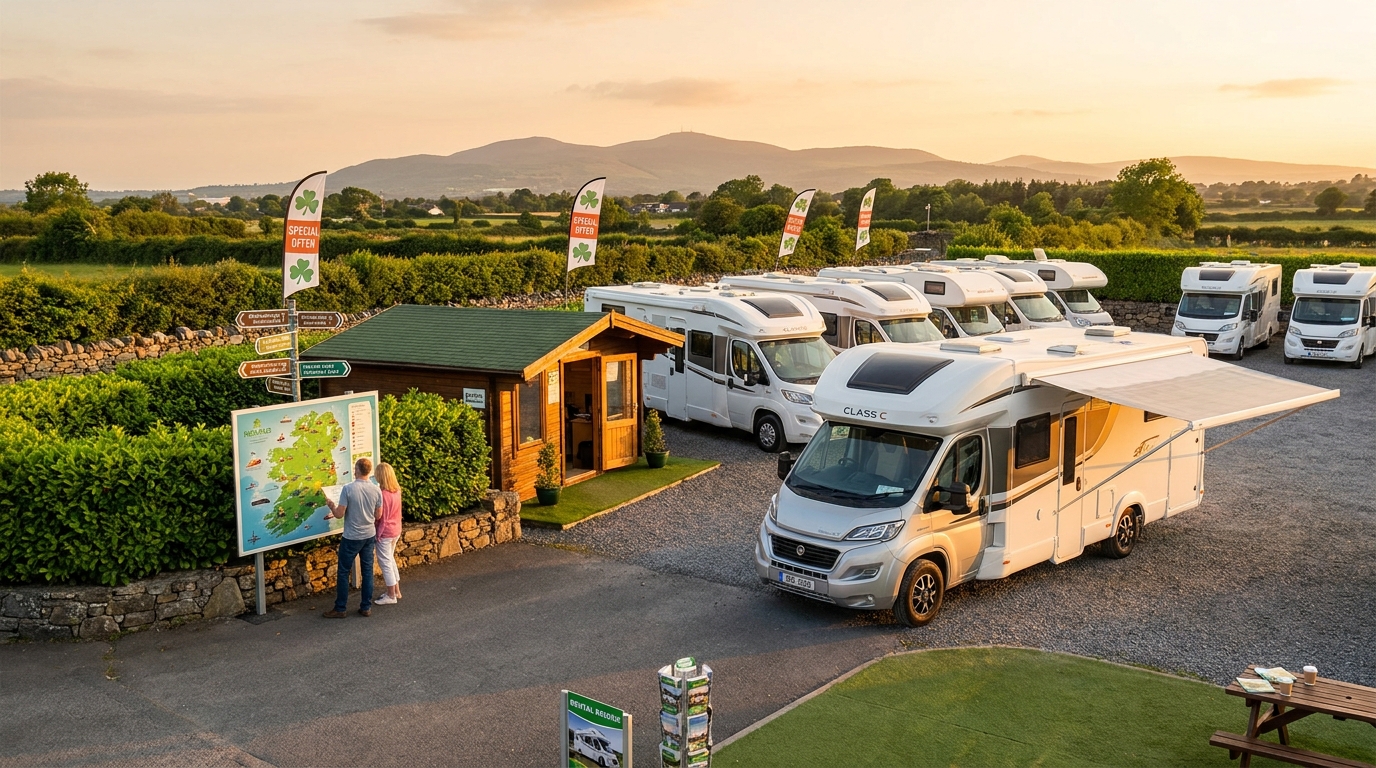
For live availability and current prices, start with our RV Rental Dublin - Complete Guide 2026 guide.
In This Guide
- Top 5 Tips for long term rv rental RV Rental in Dublin
- Before You Book — Class, Dates, Insurance
- Pre-Trip Prep — Packing Checklist for Dublin
- On the Road — Driving, Fueling, Navigation
- At the Campground — Setup, Hookups & Etiquette
- Long term rv rental-Specific Tips for Dublin
- Common Mistakes to Avoid in Dublin
- Is it legal to sleep in a camper van in Ireland?
- Can you rent a motorhome for 6 months?
- What is the 3-3-3 rule for RV travel?
- What is the 444 rule for RVs?
- What I wish I knew before going to Ireland?
- What is the 2 2 2 rule for RV travel?
Top 5 Tips for long term rv rental RV Rental in Dublin
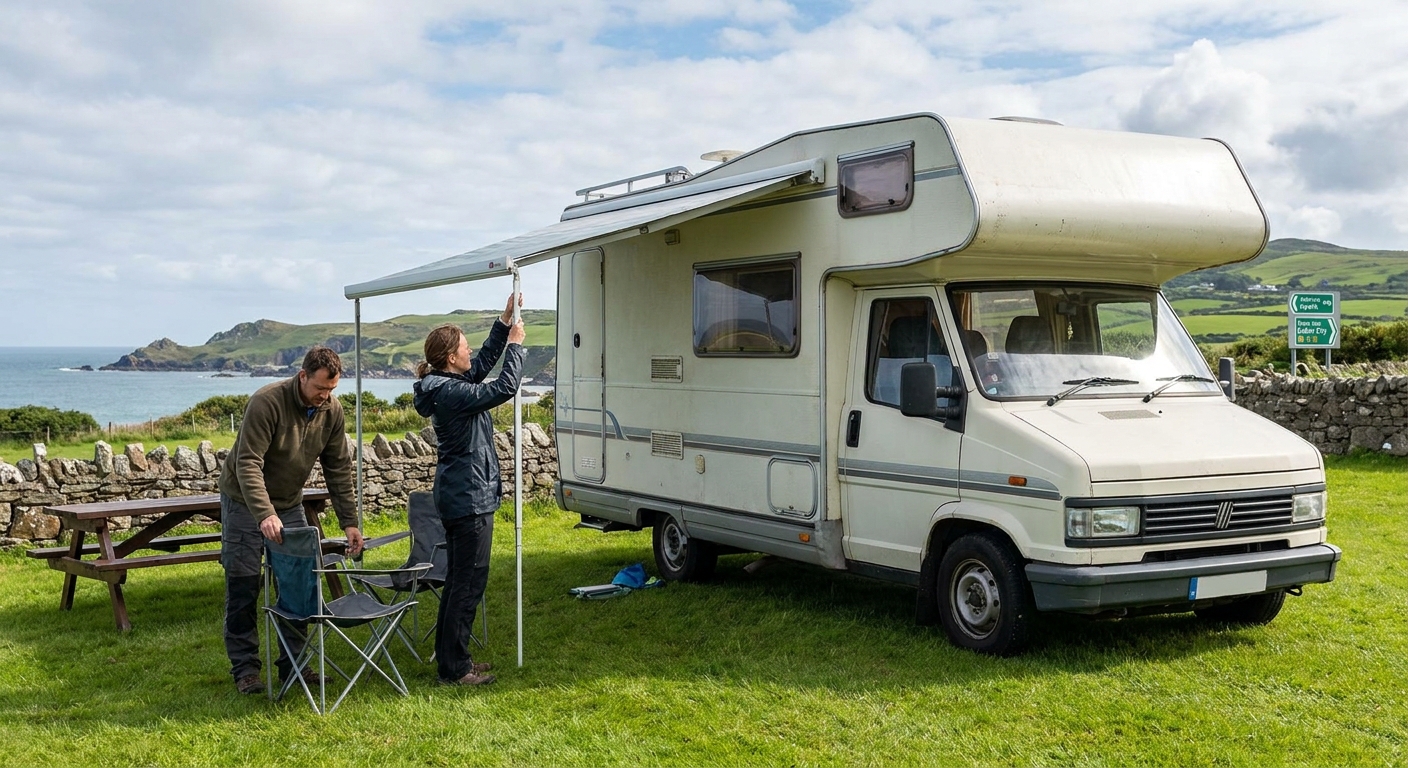
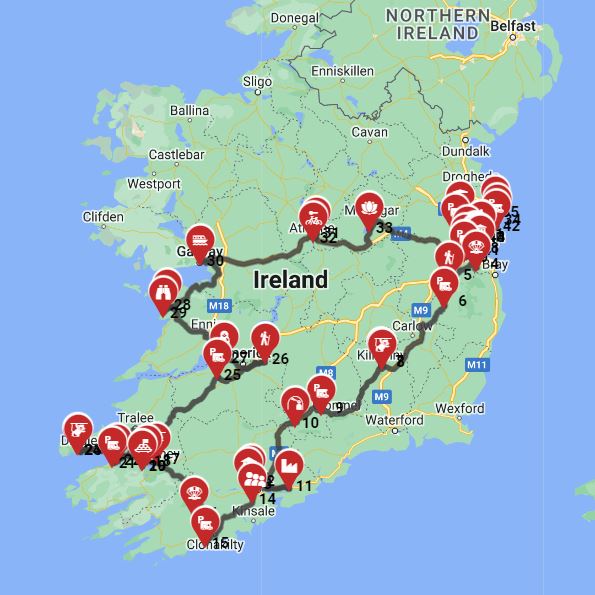
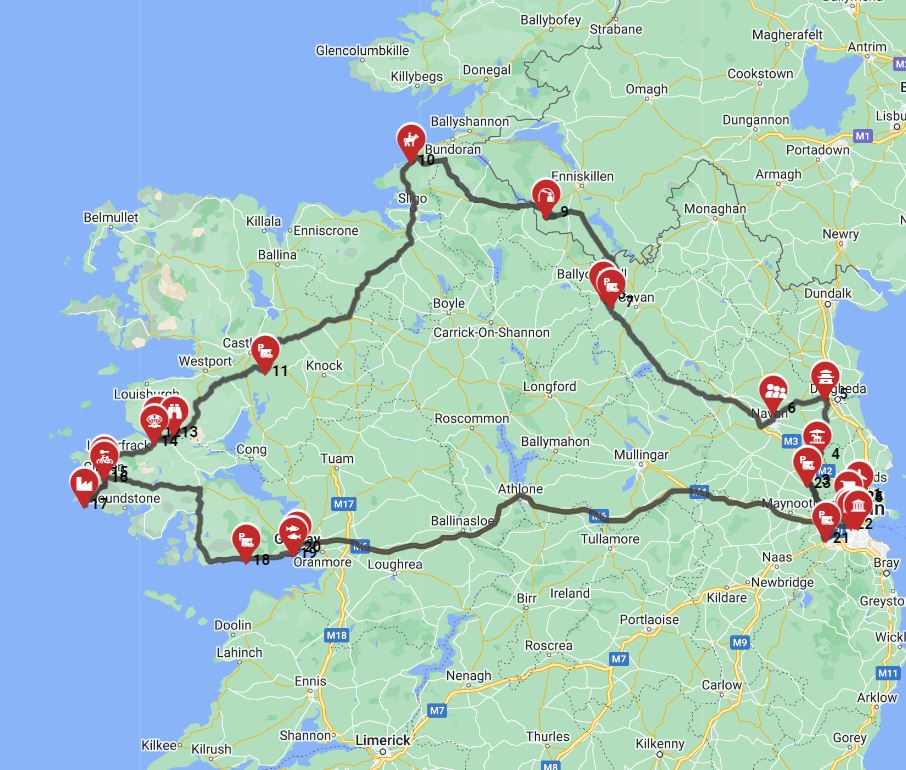
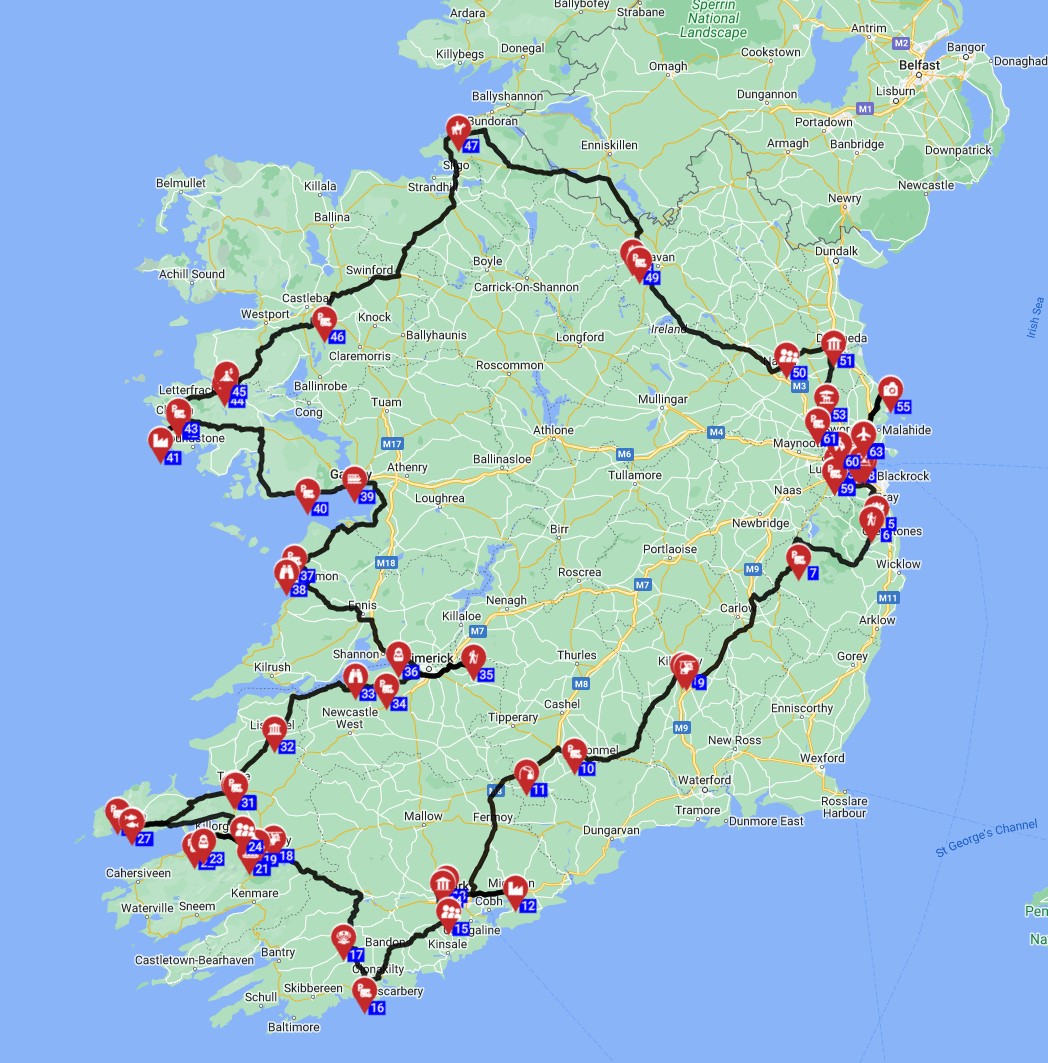
Prioritizing your long-term RV rental well in advance, especially for Ireland's peak seasons from May to September, is crucial for securing the best rates and a wider selection of vehicles. Booking 6-12 months ahead can often lead to savings of up to 25% on average compared to last-minute bookings. Opting for a smaller, more nimble RV class, such as a Class B campervan or a compact Class C motorhome, is highly recommended to better navigate Ireland's famously narrow roads and the urban core of Dublin. These vehicles are generally easier to maneuver around the city's historic streets and can access more scenic routes with passing places. Plan your parking strategy for Dublin meticulously; research dedicated RV-friendly car parks or utilize park-and-ride facilities on the city outskirts to avoid the challenges of urban RV navigation. Many find that factoring in public transport options from their chosen RV site into Dublin city center maximizes sightseeing without the stress of driving a larger vehicle in busy areas. Finally, allocate a sufficient budget for fuel, as prices in Ireland can be higher than in many other European countries. Considering a diesel vehicle can offer better fuel economy, and utilizing fuel comparison apps or planning stops in larger towns may help mitigate costs. On the routes offered through RV PLANET routes, you can itemize and track every expense along the way for easy budgeting.
Before You Book — Class, Dates, Insurance
Choosing the right RV class for a long-term rental in Ireland is crucial for both comfort and maneuverability. While larger motorhomes offer more living space for extended stays, compact integrated or semi-integrated motorhomes are often recommended for navigating Ireland's narrower roads and city streets. For example, a Class B campervan like the Active Classic, ideal for a couple and measuring around 5-6 meters in length, provides excellent agility. Locking in your long-term rental dates well in advance, ideally 6-12 months out for peak seasons, ensures better availability and potentially more favorable pricing. Basic insurance is always included with your rental, but to see prices including the most comprehensive coverage, select that option during your search; all relevant insurance upgrades will then be displayed. Consider additional coverage for added peace of mind during an extended trip, such as top-level deductible reimbursement. For inexperienced drivers, consider starting with a slightly smaller vehicle or one with an automatic transmission to ease the transition into driving on Irish roads.
Pre-Trip Prep — Packing Checklist for Dublin
Packing efficiently and specifically for Ireland's variable climate is key for a long-term RV rental, ensuring comfort and preparedness. You'll want layers that can be added or removed easily, as the weather can change rapidly. Essential items typically include:
- Waterproof and windproof outerwear (jacket and trousers)
- Layers (thermals, fleeces, t-shirts)
- Comfortable walking shoes (waterproof recommended)
- Swimsuit (for leisure centers or coastal dips)
- Power adapter (Type G, UK style)
- Reusable water bottle and shopping bags
- Basic first-aid kit
- GPS device or reliable navigation app with offline maps
- Driver's license and International Driving Permit (if required)
- Passport/ID and travel insurance documents
- Toiletries (eco-friendly options for campsites are a thoughtful choice)
- Small binoculars for scenic views
- Entertainment (books, games, downloaded movies for evenings)
Most rental companies typically include basic kitchenware, bedding, and linens, but it's always wise to confirm what's included with your specific rental to avoid duplication.
On the Road — Driving, Fueling, Navigation
Driving an RV in Ireland, and specifically around Dublin, requires careful attention to left-hand traffic, often narrow country roads, and numerous roundabouts. Always anticipate oncoming traffic, especially on single-track roads which frequently feature passing places; use them courteously to let faster traffic pass. Fueling your RV involves understanding the difference between petrol (gasoline) and diesel, and being aware that fuel prices in Ireland are generally higher than in many other countries. To find more competitive pricing, utilize fuel comparison apps or plan your stops in larger towns. Navigation is best handled with a dedicated GPS system or a reliable smartphone app like Google Maps or Waze, ensuring it's set to avoid extremely narrow or unsuitable roads for larger vehicles; physical maps are also a useful backup. Be prepared for manual gears, as many RVs are manual transmission; practicing driving in open areas is highly recommended if you are inexperienced with larger vehicles or left-hand driving.
At the Campground — Setup, Hookups & Etiquette
Setting up your RV at a campground in Ireland involves selecting a level pitch, orienting your vehicle for optimal access to hookups (water, electricity, and waste disposal), and extending any slide-outs or awnings. When connecting utilities, the standard hookup order generally begins with connecting the electric cable, followed by the fresh water hose, and finally the sewer hose, ensuring all connections are secure before use. Observing campground etiquette is essential for a pleasant experience for everyone. This includes adhering to quiet hours, typically from 10 PM to 7 AM, properly disposing of waste at designated points, and keeping your site tidy. Being mindful of your neighbors and the environment will ensure your long-term stay is enjoyable and respectful.
Long term rv rental-Specific Tips for Dublin
For long-term RV rental near Dublin, prioritizing campsites that offer excellent public transport links into the city center is a smart move. This allows you to fully explore Dublin without the hassle of driving and parking your RV within the urban core. Research and book specific long-stay RV parking options or dedicated caravan parks on the outskirts of Dublin, as urban parking for larger vehicles is extremely limited and often expensive. Consider an RV model with robust kitchen facilities and ample storage, such as the Motorhome hire example Big Six, if you plan to self-cater frequently to manage long-term costs effectively. Investigating local leisure centers or gyms near your campsite for access to showers and laundry facilities can also significantly enhance your comfort during an extended stay. For ideas you can prep on the road, watch our RV-friendly recipes playlist on YouTube.
Common Mistakes to Avoid in Dublin
A common mistake for first-time RV renters in Ireland is underestimating the narrowness and winding nature of many local roads; opting for a smaller RV class, like a Class B campervan such as the Happy 1, and planning routes that favor national primary (N) roads where possible can significantly ease travel. Don't rely on finding spontaneous city parking for your RV in Dublin; instead, pre-book dedicated RV parking or utilize park-and-ride services from campsites on the city's periphery. Neglecting to pre-book campsites, especially during peak season (June to August), can lead to difficulty finding overnight stays; securing your pitches in advance is crucial, particularly for popular areas near Dublin and along scenic routes. Avoid over-scheduling your itinerary; embrace a slower pace to fully experience local culture and navigate Irish roads safely without feeling rushed.
Is it legal to sleep in a camper van in Ireland?
Sleeping in a camper van in Ireland operates in a legal grey area. While there isn't a blanket ban on 'wild camping' or sleeping in a vehicle overnight on public land, local bylaws and private property rights often restrict it. It is generally advisable and legal to stay overnight in designated campsites, which are plentiful across Ireland, particularly near popular tourist destinations and Dublin. If considering stopping in non-designated areas, always seek permission from landowners for private property or consult local council regulations for public parking spots, ensuring you leave no trace and respect local communities. Near Dublin, specifically, wild camping opportunities are virtually nonexistent due to urban density and regulations; therefore, focus on pre-booked campsites with good city access.
Can you rent a motorhome for 6 months?
Yes, it is possible to rent a motorhome for six months or even longer, as many rental companies offer extended rental periods tailored for long-term travelers. Long-term rentals can often be more cost-effective per day compared to shorter hires, making them an attractive option for immersive exploration of Ireland. When planning a six-month rental, confirm the availability of specific vehicle types, understand the insurance implications for extended durations, and clarify any mileage limits or maintenance requirements with the rental provider. Booking far in advance is crucial for such a long duration to secure the desired vehicle and potentially negotiate better rates.
What is the 3-3-3 rule for RV travel?
The 3-3-3 rule for RV travel is a widely adopted guideline suggesting travelers drive no more than 300 miles a day, arrive at their destination by 3 PM, and stay for at least three nights. Adhering to this rule helps prevent driver fatigue, allows ample time for campsite setup and local exploration, and promotes a more relaxed travel experience, which is particularly beneficial when navigating Ireland's unique road conditions. For a long-term RV rental in Ireland, adapting this rule to shorter distances, perhaps 150-200 miles, might be more realistic given the winding roads and lower speed limits. This approach facilitates a deeper engagement with each location rather than rushing through the country.
What is the 444 rule for RVs?
The 444 rule for RVs is a variation of conservative travel planning, advocating for driving no more than 400 miles in a day, arriving at your campsite by 4 PM, and staying for a minimum of four nights. Similar to the 3-3-3 rule, this guideline aims to reduce stress, ensure safety on the road, and allow for a more thorough enjoyment of each stop. For an RV trip in Ireland, where roads are often narrower and journeys can take longer than anticipated, adjusting the mileage to a more conservative figure, such as 200-250 miles, is often prudent. This rule is particularly helpful for long-term rentals, promoting a sustainable pace and avoiding burnout.
What I wish I knew before going to Ireland?
Many travelers wish they had known more about the true nature of Ireland's narrow and winding roads, especially outside of major cities, before embarking on their trip. Understanding that the weather can change rapidly and often, even within a single day, would have prompted packing more layers and waterproof gear. Being prepared for higher fuel prices and budgeting accordingly is a common regret; researching fuel-efficient driving techniques and locating cheaper petrol stations in advance can help. Realizing the importance of pre-booking popular campsites and attractions, particularly during peak season, is another frequent piece of advice from past visitors. Leveraging public transport into Dublin from an RV park is also more practical than driving and parking a large vehicle in the city center.
What is the 2 2 2 rule for RV travel?
The 2-2-2 rule for RV travel is the most conservative and relaxed travel guideline, recommending driving no more than 200 miles a day, arriving at your destination by 2 PM, and staying for at least two nights. This rule is especially beneficial for first-time RVers, those traveling with children, or anyone seeking a highly leisurely pace to fully absorb their surroundings, making it highly suitable for an RV journey through Ireland. By limiting daily driving and extending stays, the 2-2-2 rule minimizes stress, allows for more spontaneous exploration, and enhances the overall enjoyment of a long-term RV rental in Ireland, providing ample time for setting up, exploring the local area, and relaxing before moving to the next location.
What You Shouldn't Miss
- Explore the historic Dublin Castle, a magnificent complex that showcases centuries of Irish history and architecture.
- Wander through Trinity College, Ireland's oldest university, and marvel at the intricate beauty of the Book of Kells.
- Enjoy a pint of Guinness at the Guinness Storehouse, learning about the brewing process and savoring panoramic city views from the Gravity Bar.
- Stroll through St. Stephen's Green, a beautiful Victorian park offering a serene escape in the heart of the city, perfect for a relaxing afternoon.
- Take a scenic drive along the nearby Howth Head Peninsula for dramatic coastal views and a taste of Ireland's stunning natural beauty, accessible even with careful driving in larger RVs.
- Utilize Dublin's efficient public transport system – the DART train or Luas tram – from a campsite on the outskirts to seamlessly explore the city center without the stress of RV parking.
Final Thoughts
Embarking on a long-term RV rental in Dublin offers an unparalleled opportunity to immerse yourself in the heart of Ireland. By planning ahead, choosing the right vehicle, and embracing the local rhythm, you can create an unforgettable journey. Remember that flexibility, a sense of adventure, and a willingness to explore off the beaten path are your greatest assets.
Whether you're drawn to the vibrant city life of Dublin or the serene landscapes of the Irish countryside, a rented RV provides the perfect home base. Get inspired for your next trip, discover top destinations, and access planning tips all in one place. Plan a trip itinerary in advance with minimal effort and maximum enjoyment, and let the open road lead you to incredible experiences.
Find Motorhome Rentals in Dublin