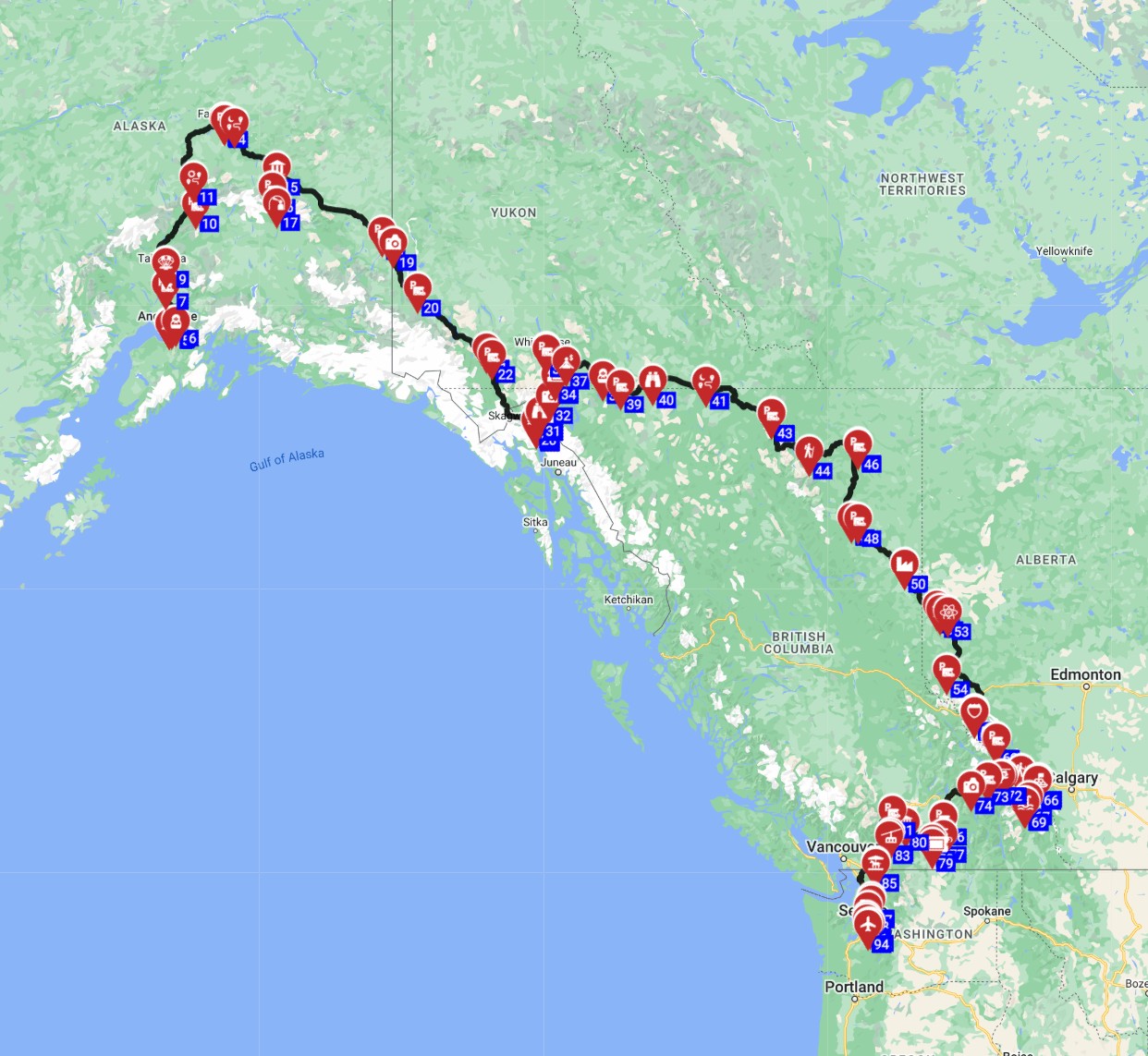
In This Guide
- Top 5 Tips for long term rv rental RV Rental in Anchorage
- Before You Book - Class, Dates, Insurance
- Pre-Trip Prep - Packing Checklist for Anchorage
- On the Road - Driving, Fueling, Navigation
- At the Campground - Setup, Hookups & Etiquette
- long term rv rental-Specific Tips for Anchorage
- Common Mistakes to Avoid in Anchorage
- What You Shouldn't Miss
Top 5 Tips for long term rv rental RV Rental in Anchorage
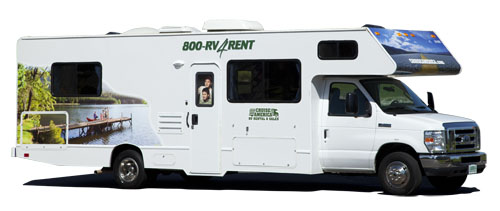
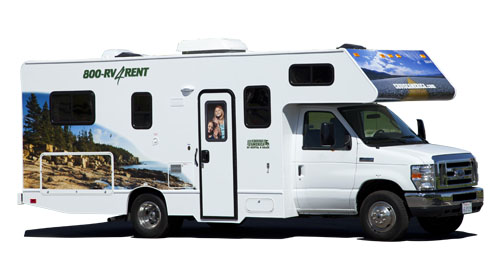
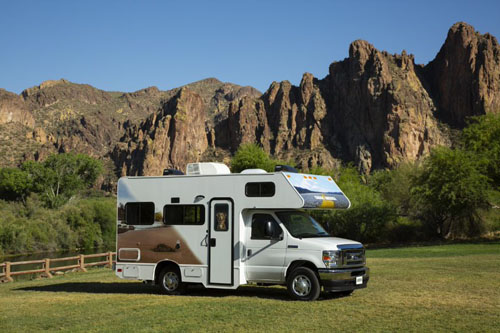
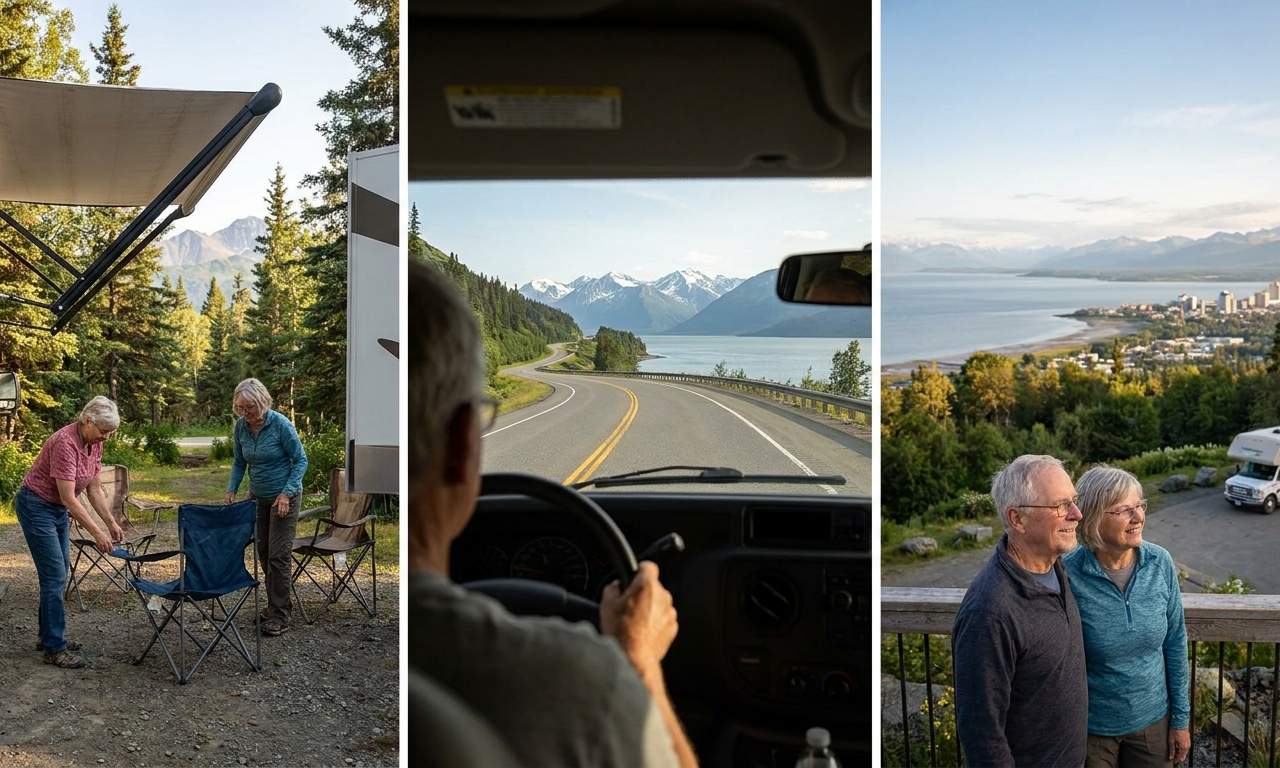 Booking your long-term RV rental in Anchorage well in advance, ideally 3-6 months before your trip, is crucial to securing the best rates and your desired motorhome model, especially for peak summer travel from June to August. Carefully selecting an RV class that fits your group size and planned activities ensures comfort for extended periods and offers easy maneuverability on Alaskan roads. For example, a Class C motorhome like the `cruise america rv rental example Explorer` (7.1 meters long, 4 sleeping places, 82-liter fresh water tank) offers a great balance for families, while a compact campervan is perfect for couples. Understanding the specific long-term rental agreements, including mileage limits, generator usage, and any potential additional fees, will prevent surprises. Our commitment to full transparency means what you see is what you pay, with no hidden costs at pickup. Planning a flexible itinerary, allowing extra travel time between destinations, is wise, as Alaska's diverse terrain and unpredictable weather can impact driving conditions. Finally, researching available amenities and services at campgrounds and along your chosen routes, such as dump stations, water refills, and fuel stops, is essential, especially since these can be sparse in remote areas.
Before You Book - Class, Dates, Insurance
Selecting the appropriate RV class is crucial for a comfortable long-term rental experience in Anchorage, whether you're venturing on an "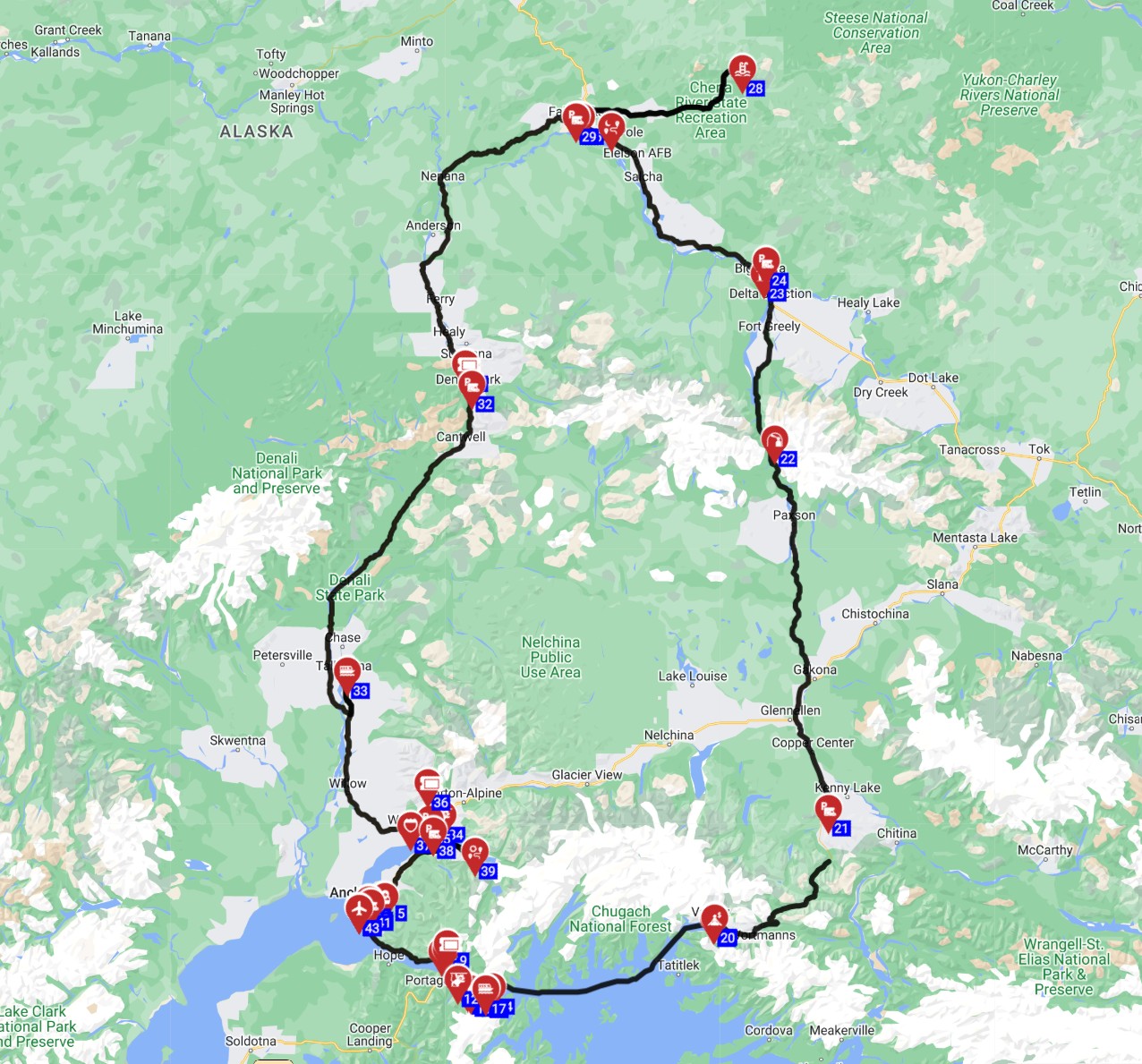
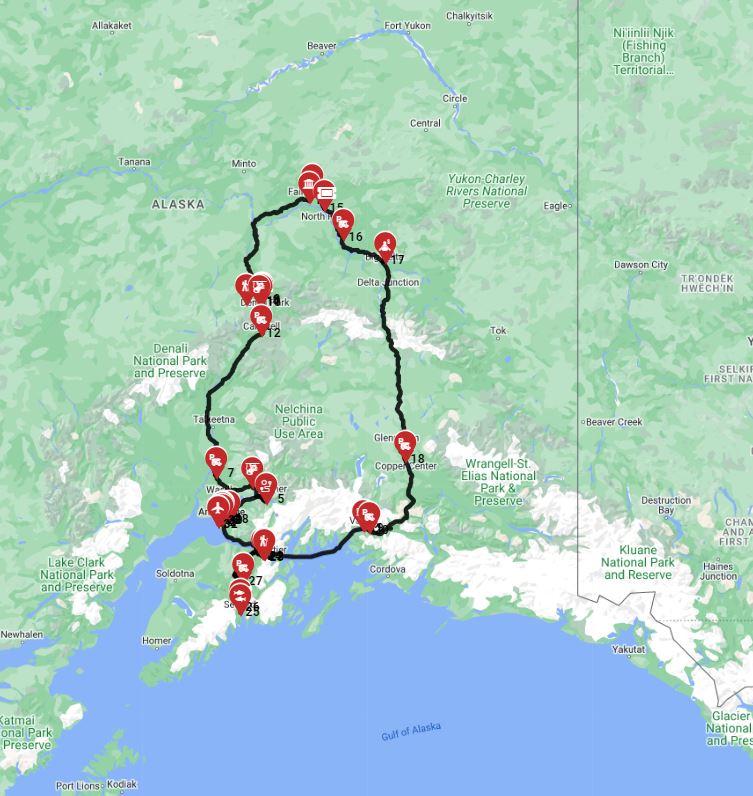
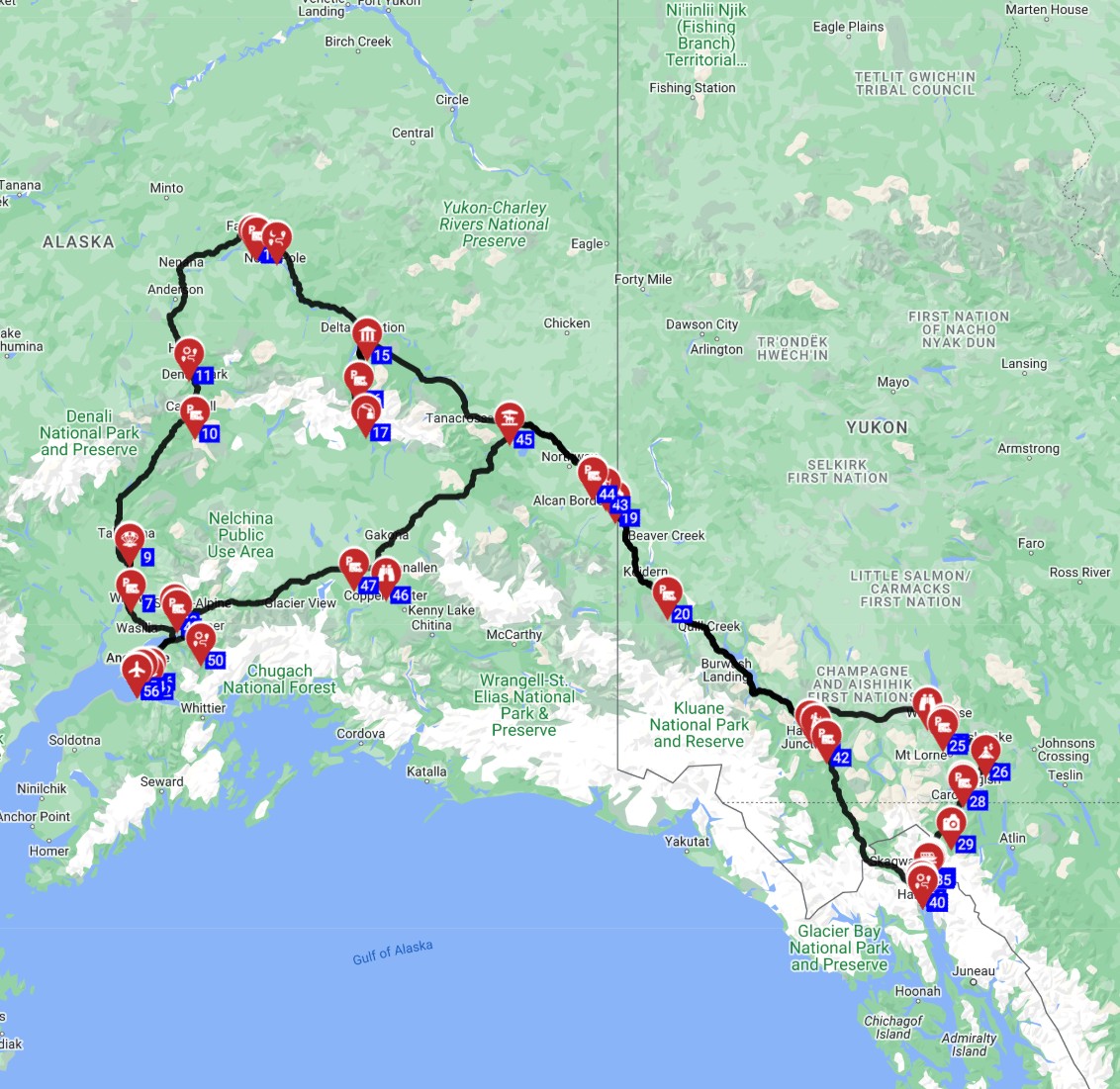
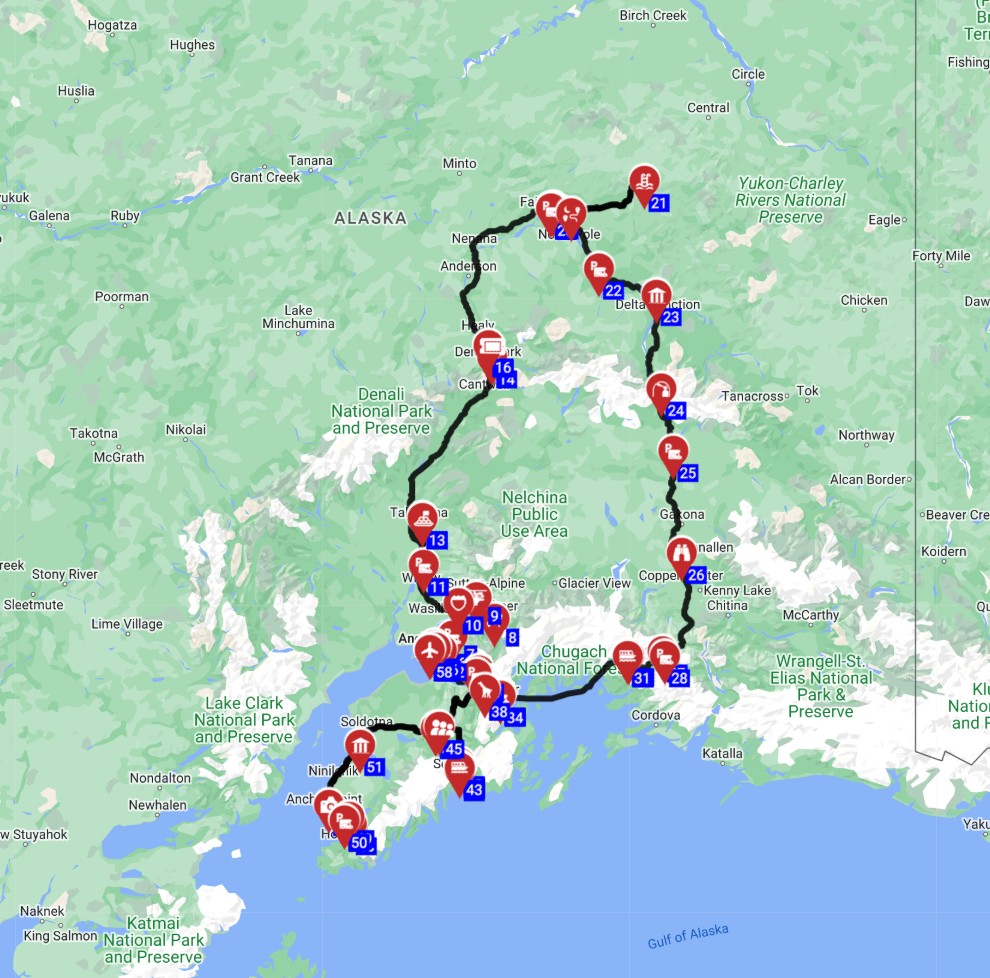
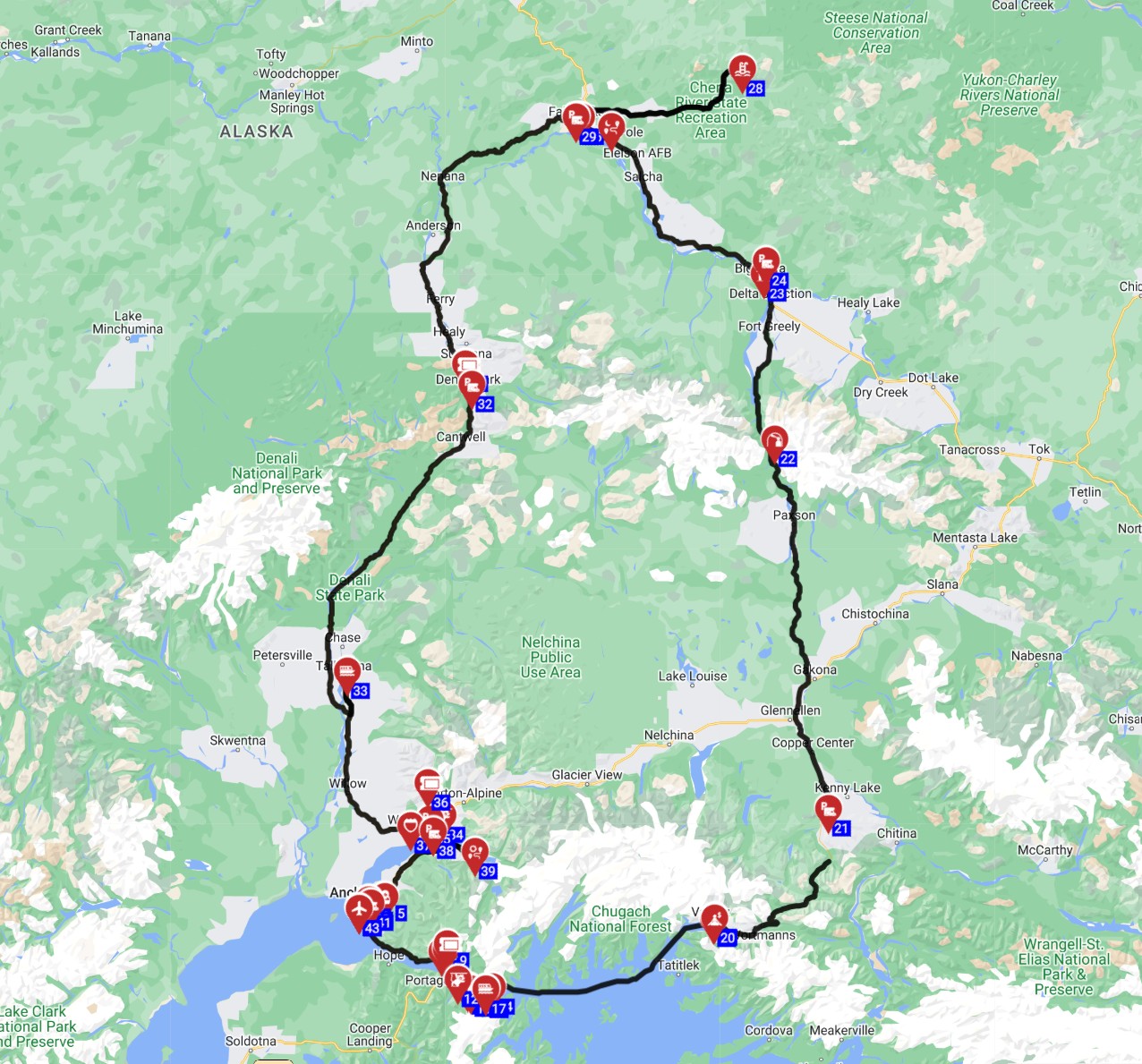
Anchorage Roundtrip Heading North - The Great Alaskan Wilderness Road Trip
Pre-Trip Prep - Packing Checklist for Anchorage
A well-prepared packing list is essential for a long-term RV rental in Anchorage, ensuring you have everything needed for varying weather and remote locations. Clothing should include versatile layers, waterproof outerwear, warm insulated jackets, and sturdy hiking boots suitable for diverse Alaskan weather, from a sunny 20°C day to a chilly 5°C evening. For the kitchen, consider packing reusable food containers, a sturdy cooler, basic cooking utensils, and a supply of non-perishable goods to reduce reliance on limited grocery options in remote areas. Preparing meals in your rented motorhome's kitchen is a great way to save money and enjoy fresh, custom meals. For culinary inspiration, check out our RV-friendly recipes playlist. Safety items are critical and should include bear spray, a comprehensive first-aid kit, a portable air compressor for tires, and a satellite communication device for areas without cell service, which can be extensive north of Wasilla. Essential documents include your valid driver's license (a standard car license is sufficient for all motorhome classes), RV rental agreement, insurance information, campground reservations, and paper maps as a backup to GPS. An International Driving Permit (IDP) is recommended for visitors from non-English speaking countries but not mandatory in most cases for renting a motorhome in Alaska.On the Road - Driving, Fueling, Navigation
Driving a rented RV or campervan in Alaska requires attentiveness to varied road conditions and awareness of wildlife. Maintain a moderate speed, especially when traversing highways like the Seward Highway towards Homer or the Glenn Highway northeast of Anchorage, and constantly scan for animals like moose or bears, particularly at dawn and dusk. Drive slowly and carefully, and you can drive almost anywhere without issues. No need to stress - just use common sense and pay attention, even with a larger Class A motorhome. Planning your fuel stops in advance is critical; distances between gas stations can be significant on certain Alaskan highways, with stretches of 100+ miles between services on routes such as the Denali Park Road. For navigation, it's recommended to use both GPS (with downloaded offline maps) and traditional paper maps, as cell service can be intermittent or nonexistent outside of major towns and cities like Anchorage or Fairbanks. Be prepared for potential gravel roads or sections of highway under construction, and adjust your driving speed to accommodate rougher terrain, ensuring vehicle longevity and passenger comfort. Remember, slow travel, averaging max 100-150 km per day, allows you to truly feel the place, connect to the culture, the food, and the scenery. When budgeting for your journey, including fuel, campground fees, and other daily expenses, remember that RV PLANET routes allow you to itemize and track every expense for easy budgeting.At the Campground - Setup, Hookups & Etiquette
Proper RV setup at an Anchorage campground, such as the popular Anchorage Ship Creek RV Park or Centennial Campground, involves parking on a level site, stabilizing the vehicle with jacks if available, and extending slide-outs for maximum interior space. Connecting hookups should follow a specific order: first, connect the sewer hose to the RV and then securely to the dump station, followed by attaching the freshwater hose, and finally, plugging into the electrical pedestal, typically a 30-amp or 50-amp connection. Observing campground etiquette, such as adhering to quiet hours (usually 10 PM to 7 AM), keeping campsites tidy, and controlling pet noise, contributes to a pleasant experience for all campers. Many national and state parks reserve only 25-30% of spots, with the rest being first-come-first-serve, so you'll find a spot; if not at the first campground, then the next one. Always call ahead before driving. Before departing, ensure all hookups are disconnected in reverse order (electricity, water, then sewer), tanks are emptied at designated dump stations near places like the Anchorage Waste Management Services on E 54th Ave, and the campsite is left clean and free of trash. For finding campsites and campgrounds during your trip, we recommend using RV PLANET (rvplan.net) - a great resource for locating available spots along your route.long term rv rental-Specific Tips for Anchorage
When renting an RV for an extended period in Anchorage, prioritizing an RV class with sufficient storage and comfortable living space is beneficial for long-term comfort. Consider a Class C motorhome like the `MHC24` (7.3 meters long, 6 sleeping places) for a family, offering ample room for luggage, or a well-equipped campervan like the `DVC` (6.7 meters long, 2 sleeping places) for couples. Budgeting for additional services such as regular laundromat visits in Anchorage (e.g., Arctic Coin Laundry on E Northern Lights Blvd), frequent dump station access, and potentially longer-duration propane refills is crucial for extended trips. Investigate campgrounds that offer weekly or monthly rates, as these can significantly reduce accommodation costs compared to daily bookings over a long rental period. For instance, the Golden Nugget RV Park north of Anchorage offers extended stay options. Consider renting an RV equipped with a generator for periods of boondocking or dry camping, providing flexibility and independence from full hookup sites in more remote areas. Factor in time for routine RV maintenance, such as checking tire pressure and fluid levels, or scheduling basic cleaning, to ensure a smooth and enjoyable long-term journey. Our partners like El Monte, Cruise America, Apollo, and Britz offer diverse fleets to meet your specific long-term needs. You might also want to consult "RV Rental Anchorage - Prices and Best Deals 2026" for more budgeting details.🎬 Video coming soon
Common Mistakes to Avoid in Anchorage
A common mistake is underestimating driving times between Alaskan destinations; instead, build in extra time for unexpected stops, scenic viewpoints, and wildlife encounters along routes like the Parks Highway. Overpacking can quickly clutter a rented RV; instead, focus on versatile, layerable clothing and utilize local laundry facilities in Anchorage or larger towns for longer trips. Neglecting wildlife safety is risky; instead, always carry bear spray, store food securely in your `MHA30` motorhome, and understand how to react if encountering animals in areas like Chugach State Park. Relying solely on mobile phone service for navigation in remote areas is ill-advised; instead, download offline maps and carry physical maps as a reliable backup when traveling beyond Anchorage's immediate vicinity. Failing to book campgrounds in advance, especially during peak season from mid-June to mid-August, can lead to frustration; instead, reserve your desired spots well ahead of time to secure your overnight stays, particularly at popular sites like Eklutna Lake Campground. Exploring our "RV Travel Guide to Anchorage - Tips and Top Spots 2026" can further help you avoid common pitfalls.What You Shouldn't Miss
- **Drive the Seward Highway:** This scenic route, often considered one of America's most beautiful drives, leads south from Anchorage towards Seward. Take your time to enjoy stops at Turnagain Arm, Beluga Point for wildlife viewing, and numerous hiking trails with ample RV parking.
- **Explore Chugach State Park:** Just east of Anchorage, this expansive park offers incredible hiking, fishing, and camping opportunities. RV-friendly campgrounds like Eklutna Lake allow you to fully immerse in the Alaskan wilderness without straying far from the city.
- **Visit the Alaska Wildlife Conservation Center:** Located an hour south of Anchorage along the Seward Highway, this non-profit sanctuary provides a safe home for orphaned and injured Alaskan animals. You can drive your RV through the loop to see bears, moose, elk, and more up close.
- **Experience the Alaska Native Heritage Center:** In Anchorage, this center offers a deep dive into Alaska's 11 major cultural groups through traditional Native dwellings, demonstrations, and performances, providing invaluable cultural context for your trip.
- **Chasing the Aurora Borealis:** If traveling in the shoulder seasons (late August-September or March-April), drive north from Anchorage on the Parks Highway or Glenn Highway, away from city lights, to seek out the magical Northern Lights from the comfort of your RV.
Final Thoughts
An extended RV trip through Anchorage and the surrounding Alaskan wilderness promises an adventure of a lifetime. With thoughtful planning, the right vehicle, and an adventurous spirit, you'll uncover hidden gems and create memories that last forever. Remember to embrace the slow travel philosophy, allowing yourself time to truly connect with the unparalleled beauty and unique culture of Alaska. We're here to support you every step of the way, from comparing prices across suppliers like El Monte and Cruise America to providing pre-planned routes and dedicated support. Get inspired for your next long-term motorhome trip! Find Motorhome Rentals in AnchorageOn the routes offered through RV PLANET routes, you can itemize and track every expense along the way for easy budgeting.