In This Guide
- What long term rv rental RV Rental Costs in Tokyo (2026)
- Seasonal Pricing - Peak vs. Shoulder vs. Off-Season in Tokyo
- What's Included vs. What's an Add-On
- Hidden Costs to Budget For in Tokyo
- How to Save on long term rv rental RV Rental in Tokyo
- Is it practical to drive an RV directly into Tokyo?
- Where can I park an RV near Tokyo and commute into the city?
- What are the road tolls and fuel costs for RVs around Tokyo?
- What are the rules for RV waste disposal and finding facilities in Japan?
- What size RV is best for navigating Japan's roads and infrastructure?
- What You Shouldn't Miss
- Why Book with Bandana Caravan
- Final Thoughts
- Frequently Asked Questions
🎬 Video coming soon
What long term rv rental RV Rental Costs in Tokyo (2026)
RV rental costs in Tokyo for an extended period, such as a month, are dynamic and fluctuate based on vehicle class, seasonality, and availability. For live availability and current prices, start with our RV Rental Tokyo - Complete Guide 2026 guide. Typically, a compact campervan like the 'Active Classic' for two people can start from $80-$120 per day in the low season, while a larger Class C motorhome like the '4 Berth Adventurer' suitable for a family of four might range from $150-$250 daily. These daily rates often decrease for longer rental durations, meaning a month-long trip typically offers a better per-day value than a week-long trip. Bandana RV provides full transparency, ensuring you see the complete price with no hidden fees, helping you budget accurately for your long-term adventure. We partner directly with over 50 leading RV suppliers worldwide, including trusted names like Apollo and Britz, to offer you a wide selection and competitive rates for your long-term journey.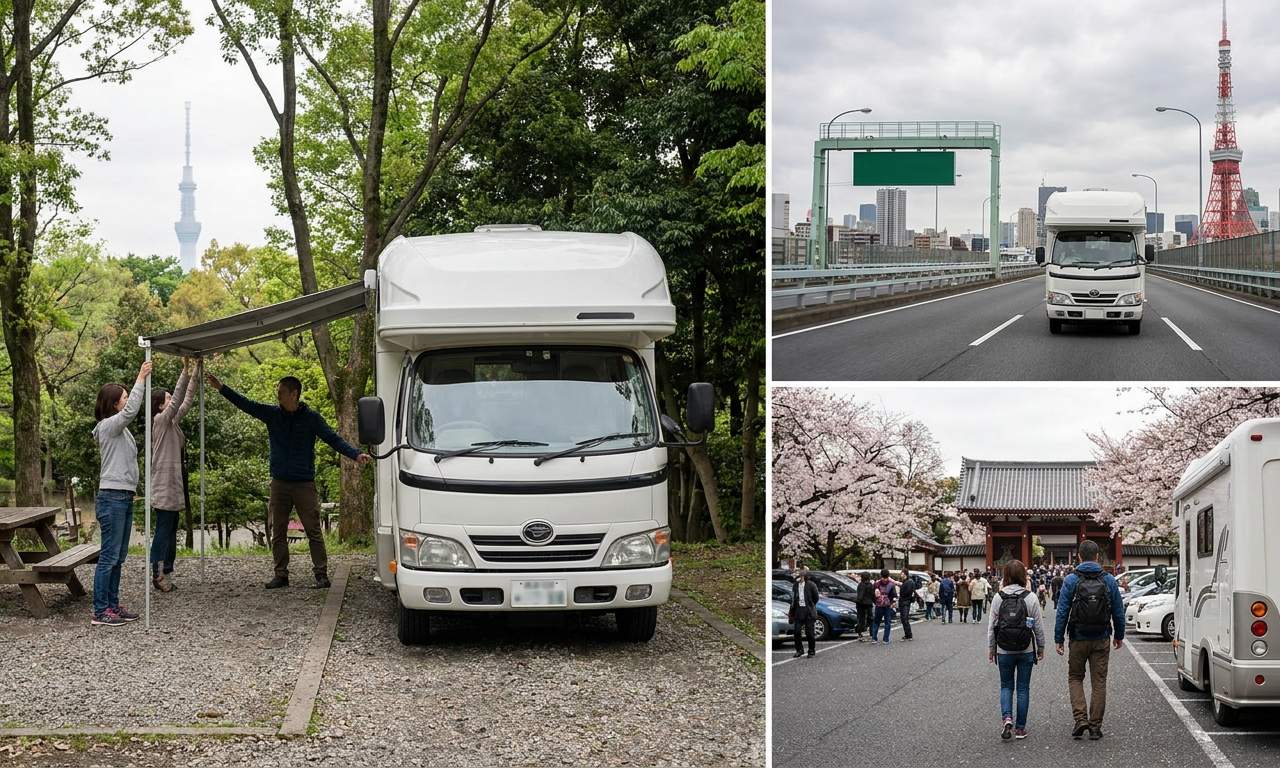 Monthly rates for couples in a Class B campervan in Tokyo could be around $2,400-$3,600 outside of peak times, equating to $80-$120 per day. For families with kids needing a 4-6 berth Class C motorhome like the 'Motorhome MC4 Gold', expect monthly costs closer to $4,500-$7,500, or $150-$250 daily. These estimates are for the rental vehicle itself and do not include additional costs like fuel, campsite fees, or optional extras. Our booking platform shows comparative pricing, allowing you to easily find a long term rv rental that fits your family's needs and budget in Tokyo. Planning your route in advance using RV PLANET can help estimate these additional expenses, as it allows you to itemize and track every cost along your way for easy budgeting.
How much does a 1-week / 2-week / 1-month long term rv trip cost in Tokyo?
A 1-week RV rental in Tokyo typically costs more per day than a longer rental, averaging $150-$300/day for a Class C motorhome. A 2-week trip might see daily rates drop to $120-$250, resulting in a total of $1,680-$3,500. For a month-long (30-day) rental, the daily average could further decrease to $90-$200, leading to a total vehicle cost of $2,700-$6,000 for your Tokyo adventure. These figures represent the base rental price and are subject to dynamic pricing based on demand, seasonality, and the specific vehicle model chosen. Generally, the longer you rent, the lower your average daily rate becomes, making long-term RV rentals in Tokyo a cost-effective choice for extended explorations. Consider comparing different vehicle types, from a nimble campervan to a spacious Class C, to find the perfect fit for your budget and travel style.long term rv rental cost for couples vs. families with kids in Tokyo
Long-term RV rental costs in Tokyo vary significantly between couples and families with kids due to differing vehicle size requirements. Couples often opt for a compact Class B campervan, like the 'Happy 1' or 'Active Classic', which might cost $90-$160 per day for a month-long rental. These smaller campervans offer essential amenities and easier maneuverability on Japanese roads. Families with 4-6 members typically require a larger Class C motorhome, such as the 'Jayco Conquest Royale 6' or '4 Berth Henty', providing multiple beds and more living space. These larger units can range from $150-$280 per day for an extended rental in Tokyo, reflecting the increased size and amenities. It's always wise to compare various models and suppliers through Bandana RV to ensure you choose a comfortable and budget-friendly option for your group.Can I find last-minute long term rv rental deals in Tokyo?
Last-minute long-term RV rental deals in Tokyo are certainly possible, but securing the cheapest rates and widest selection usually favors early booking. Prices for RVs, motorhomes, and campervans are dynamic, much like flight tickets, changing daily based on availability and demand. While pre-planners who book 3-6 months in advance often benefit from lower rates and more choices, spontaneous travelers can still find last-minute availability, especially during shoulder or off-peak seasons. If you're flexible with your travel dates and vehicle type, you might stumble upon excellent deals in Tokyo. It's always worth checking our platform regularly for real-time pricing and availability, even a few weeks before your desired departure. Remember, our platform offers full price transparency, so what you see is what you pay.I'm flexible - how do I find the cheapest long term rv rental?
Finding the cheapest long-term RV rental in Tokyo with flexible plans involves leveraging several strategies. Firstly, consider traveling during the shoulder seasons (spring or autumn) or the low season (winter), as prices are generally lower than the peak summer months. Secondly, be flexible with your exact pickup and drop-off dates, as shifting your dates by a few days can sometimes reveal significantly better rates due to dynamic pricing. Thirdly, compare different vehicle classes; a smaller campervan will almost always be more economical than a large Class C motorhome. Finally, use a comprehensive comparison platform like Bandana RV. We specialize in RV rentals and work with numerous suppliers to show you all available options, enabling you to compare final prices across suppliers transparently and find the best deals for your Tokyo adventure.Seasonal Pricing - Peak vs. Shoulder vs. Off-Season in Tokyo
RV rental prices in Tokyo fluctuate significantly throughout the year, with distinct peak, shoulder, and off-seasons influencing monthly rates. Peak season typically occurs during July and August, coinciding with summer holidays, and also during cherry blossom season (late March-early April) and autumn foliage season (late October-November), when demand is highest and daily rates can be 30-50% higher than off-peak. During these times, a Class C motorhome that costs $150/day in spring might jump to $250/day or more. To secure the best rates, consider booking your long-term RV rental in Tokyo 3-6 months ahead. Shoulder seasons, such as May, June, September, and early October, offer a superb balance of pleasant weather and more reasonable prices, often 15-25% lower than peak rates. These periods are ideal for an extended road trip through the Japanese countryside without the intense crowds or premium pricing. Off-season, usually from December to February (excluding New Year's), presents the lowest rental costs, with potential savings of 20-40%. For instance, a campervan like the '2 Berth Hi Top' might be available for as low as $80 per day. While some tourist facilities might have reduced hours, winter in regions like Hokkaido or the Japanese Alps offers unique scenic beauty for those prepared for colder weather. Our "RV Rental Japan - Complete Guide 2026" offers more details on national seasonal trends.What's Included vs. What's an Add-On
When considering a long term rv rental in Tokyo, understanding what's included and what constitutes an add-on is crucial for transparent budgeting. Most rental motorhomes and campervans through Bandana RV's partners typically include basic third-party liability insurance, standard mileage (often a daily allowance, with additional kilometers purchased as a package), and essential vehicle equipment like a spare tire. For example, a vehicle like the 'cruise america example Explorer' often comes with an automatic transmission and basic kitchen essentials. Common optional add-ons, which can impact your overall monthly cost, include comprehensive insurance tiers (like a top-level deductible for extra peace of mind), unlimited mileage packages for extensive travel across Japan, and convenience items such as kitchen kits, bedding sets, and portable Wi-Fi devices. GPS navigation systems with English language support are also frequently offered as an extra, which can be invaluable for navigating Japan's unique addressing system. Always review the specific inclusions and add-ons for your chosen RV class (A, B, or C motorhome, or campervan) and rental station in Tokyo before finalizing your booking to avoid any surprises. Remember, Bandana RV prides itself on full transparency, ensuring no hidden fees or unexpected charges at pickup.Hidden Costs to Budget For in Tokyo
Beyond the base rental rate, several hidden costs should be factored into your long-term RV rental budget in Tokyo. Road tolls, especially on the Shuto Expressway system in and around Tokyo, can be substantial for an RV, potentially adding ¥1,000-¥3,000 per major segment to your daily travel expenses. Campsite and Michi-no-Eki fees also add up; while many Michi-no-Eki are free for overnight parking, dedicated campgrounds typically charge ¥2,000-¥5,000 per night, varying by amenities and location. Fuel prices in Japan, particularly for diesel and gasoline, are often higher than in North America or Europe, meaning a month-long trip covering 3,000 km in a large Class C motorhome with a 208-liter fuel tank (consuming 20-25 liters/100 km) could incur significant costs of over ¥80,000. Additionally, dump station charges, if not included at your campground, may be a small fee (¥500-¥1,000). For easy budgeting and tracking of all these ancillary costs, RV PLANET routes allow travelers to itemize and monitor every expense along the way. Planning ahead with these in mind ensures a smooth and surprise-free long term rv rental experience in Tokyo.How to Save on long term rv rental RV Rental in Tokyo
Saving on your long-term RV rental in Tokyo involves strategic planning and flexibility. The most impactful way to reduce costs is booking during the shoulder or off-season, like April or early May, which can lower monthly rental rates by 15-25% compared to peak summer. Opting for longer rental durations often provides a lower average daily rate; for example, a 30-day rental is proportionately cheaper than four separate 1-week rentals. Consider purchasing toll road usage passes or exploring discount cards offered by suppliers for the extensive toll road network around Tokyo. Choosing a smaller Class B campervan, such as the 'Active Original' with a 60-liter fuel tank, can significantly reduce both fuel consumption and toll costs compared to a large Class A motorhome. Booking your preferred camper or motorhome rental in Tokyo 3-6 months in advance can also secure better deals, as prices are dynamic and tend to rise closer to the travel date. Finally, staying updated on flex-rate drops by continuously checking our comparison platform can help you snatch an unexpected bargain.Is it practical to drive an RV directly into Tokyo?
Driving a rented RV directly into central Tokyo is generally impractical and not recommended for an enjoyable long-term rental experience. Tokyo's urban core features incredibly narrow streets, dense traffic congestion, and severely limited parking options for any vehicle, let alone a motorhome. For instance, navigating Shibuya or Shinjuku in a Class C motorhome (average length 6-8 meters) would be a considerable challenge. Instead, utilizing Tokyo's highly efficient public transport system is a far superior alternative for city exploration. Drive slowly and carefully, and you can drive almost anywhere without issues. No need to stress - just use common sense and pay attention. We highly recommend a 'base camp' strategy for your long-term RV rental in Tokyo: park your campervan or motorhome on the outskirts of the city or in a nearby prefecture, then commute into the metropolis via train. This approach allows you to enjoy the flexibility of RV travel in Japan's scenic areas while seamlessly experiencing Tokyo's vibrant urban life. Our "Driving an RV in Tokyo - Complete Guide 2026" offers more detailed tips on navigating the region.Where can I park an RV near Tokyo and commute into the city?
For a long-term RV rental experience near Tokyo, the most effective strategy involves establishing a 'base camp' at designated RV-friendly locations outside the urban core. Excellent options include campgrounds and Michi-no-Eki (roadside stations) in neighboring prefectures such as Chiba, Saitama, or Kanagawa. For example, Wakasu Park Camping Ground in Koto Ward, while technically within Tokyo, is on the eastern fringe and offers a rare direct RV camping option, though spots are limited. Further out, areas around Lake Kawaguchiko (Yamanashi Prefecture) or Hakone (Kanagawa Prefecture) provide scenic campgrounds like Kawaguchiko Auto Camp or Hakone Ashinoko Camp Mura, with good access to local train lines. Many Michi-no-Eki, like Michi-no-Eki Hot Station Hisai in Chiba, are strategically located near train stations or offer shuttle services, allowing you to park your motorhome safely and commute into central Tokyo within 30-60 minutes. Researching specific RV-friendly parking lots and their public transport connections on rvplan.net is highly recommended before your trip. This "Rent&Plan" approach, utilizing pre-planned routes by professionals via RV PLANET, ensures you maximize your time exploring both urban and natural wonders around Tokyo.What are the road tolls and fuel costs for RVs around Tokyo?
Road tolls around Tokyo, particularly on the extensive Shuto Expressway system, can be a significant component of your long-term RV rental budget. Tolls are charged based on distance and vehicle class, with larger motorhomes generally incurring higher fees than smaller campervans. For example, a drive across the Tokyo Bay Aqua-Line (a 15 km tunnel/bridge combination) can cost several thousand yen for an RV. To manage these costs, some rental companies offer Electronic Toll Collection (ETC) cards, which provide seamless electronic payment and sometimes minor discounts. Japanese fuel prices are typically higher than in many Western countries, averaging around ¥170-¥185 per liter for gasoline (petrol) and ¥150-¥165 per liter for diesel (as of 2026). An RV like the 'Jayco Excursion', with its larger fuel tank, will require more frequent and more expensive fill-ups. For a month-long trip covering approximately 3,000-4,000 km, expect to budget a substantial amount for fuel, possibly upwards of ¥80,000-¥120,000 ($550-$800 USD), depending on your vehicle's fuel consumption (e.g., 10-15 liters/100 km for a campervan, 20-25 liters/100 km for a larger motorhome). Planning your itinerary and checking daily fuel prices using local apps or resources is essential to manage expenses for your Budget RV Driving in Tokyo - Save on Fuel 2026 adventure.What are the rules for RV waste disposal and finding facilities in Japan?
RV waste disposal in Japan requires strict adherence to local environmental rules, especially concerning trash separation and gray/black water. Japan is renowned for its hyper-detailed trash separation rules, which categorize waste into burnable, non-burnable, plastics, glass, cans, and more, often with specific collection days. RV travelers must be meticulous in sorting their rubbish, typically at designated bins within campgrounds or Michi-no-Eki; mis-sorted waste can lead to fines or refusal of disposal. Designated dump stations for gray and black water (known as "dumping stations" or "sewage disposal points") are primarily found at established campgrounds, such as those near Mount Fuji or in national parks, and some larger Michi-no-Eki. These facilities are generally well-maintained and free to use for paying guests or for a small fee for day-use visitors. Access to potable water is widely available at campgrounds, and many Michi-no-Eki also provide clean, free water spigots. For cooking delicious meals on board your motorhome using local ingredients, check out our RV-friendly recipes playlist. Additionally, while Michi-no-Eki are excellent for overnight parking, cultural etiquette dictates quiet hours and generally prohibits extensive "camping" setups like awnings, outdoor cooking, or prolonged generator use, prioritizing respect for other users and local communities. For finding campsites and campgrounds during your trip, we recommend using RV PLANET (rvplan.net) - a great resource for locating available spots along your route.What size RV is best for navigating Japan's roads and infrastructure?
For navigating Japan's diverse roads and urban infrastructure, especially when considering a long term rv rental near Tokyo, smaller Class B campervans or compact Class C motorhomes are generally the most practical choice. Japanese roads, even major routes, can be narrower than those in other countries, and many city streets have tight turns and limited space. A smaller vehicle, like an 'Active Bunk Select' campervan (around 6 meters long), offers easier maneuverability and parking. While larger Class A motorhomes exist, they are less common and can present challenges with height and width restrictions in parking garages, tunnels, and some smaller roads, particularly around historic sites or smaller towns. Drive slowly and carefully, and you can drive almost anywhere without issues. No need to stress - just use common sense and pay attention. Opt for an RV equipped with a reliable GPS system that offers English support and up-to-date map data, crucial for navigating complex Japanese addresses and highway exits. Our RV specialists at Bandana RV can help you compare vehicle classes like a 'Category Camp AT' versus a 'Motorhome MC6 Gold' to determine which is right for your long-term adventure, considering Japan's unique road conditions and infrastructure.What You Shouldn't Miss
- **Looking for expert insights from Avi Bandana? Top 5 Adventures - recommendations from Avi Bandana**
- **Explore the Fuji Five Lakes Region:** Drive your rented motorhome to Lake Kawaguchiko, offering breathtaking, iconic views of Mount Fuji. Many RV-friendly campsites are available around the lakes, providing a perfect base for hiking, boating, and photography.
- **Discover Ancient Kamakura:** Head south from Tokyo in your campervan to Kamakura, a coastal town rich in history, home to the Great Buddha, Zen temples, and vibrant shopping streets. Several seaside parks allow for convenient RV parking, enabling easy access to the city's cultural treasures.
- **Relax in Hakone's Hot Springs:** Journey to Hakone, known for its stunning natural beauty, Lake Ashi, and numerous onsen (hot springs). Park your motorhome at a local Michi-no-Eki or campground and unwind in a traditional Japanese bath after a day of sightseeing.
- **Coastal Drives in Chiba Prefecture:** Take your long term rv rental east across the Tokyo Bay Aqua-Line to Chiba, where you can explore picturesque fishing villages, enjoy fresh seafood, and find serene coastal viewpoints. This route offers a different perspective of Japan, away from the bustling city.
- **Marvel at Nikko National Park:** Plan a longer trip from Tokyo to Nikko, a UNESCO World Heritage site featuring ornate shrines and temples nestled in beautiful natural landscapes. Camping grounds near Utsunomiya or within the park's vicinity make it an ideal multi-day RV excursion.
Final Thoughts
Embarking on a long-term RV rental in Tokyo opens up a world of discovery, combining the vibrant energy of Japan's capital with the serene beauty of its surrounding landscapes. Imagine waking up to views of Mount Fuji from your motorhome, then taking a short train ride into the heart of Tokyo for a day of exploring ancient temples and modern skyscrapers. This flexibility and immersive experience are what RV travel is all about. Remember to embrace slow travel, averaging max 100-150 km per day, allowing yourself to truly feel the place, connect to the culture, the food, and the scenery. With proper planning for costs, logistics, and local etiquette, your extended campervan or motorhome adventure in Tokyo will be truly unforgettable. We're here to support you every step of the way, offering transparent pricing and expert advice. Discover top destinations, planning tips, all in one place! Find Motorhome Rentals in TokyoOn the routes offered through RV PLANET routes, you can itemize and track every expense along the way for easy budgeting.