In This Guide
- The 5 RV Families Compared for North Canada
- Class A (Integrated) - Best For
- Class SI (Semi-Integrated) - Best For
- Class C (Alcove) - Best For
- Class B (Campervan) - Best For
- Class TC (Truck Camper) - Best For
- Side-by-Side Comparison Table
- Our Recommendation for long term rv rental Travelers in North Canada
- Price Comparison by RV Class in North Canada
- How much to rent an RV for 2 weeks in Canada?
- What is the best company to rent an RV from?
- How much to rent an RV for a couple months?
- Is Outdoorsy a reputable company?
- Which motorhome rental company is the best in Canada?
- What is the best RV for winter living in Canada?
- Which RV rental site is best?
- What is the 3-3-3 rule for RV travel?
- Can you live permanently in an RV in Canada?
- What You Shouldn't Miss
- Why Book with Bandana Caravan
- Final Thoughts
- Frequently Asked Questions
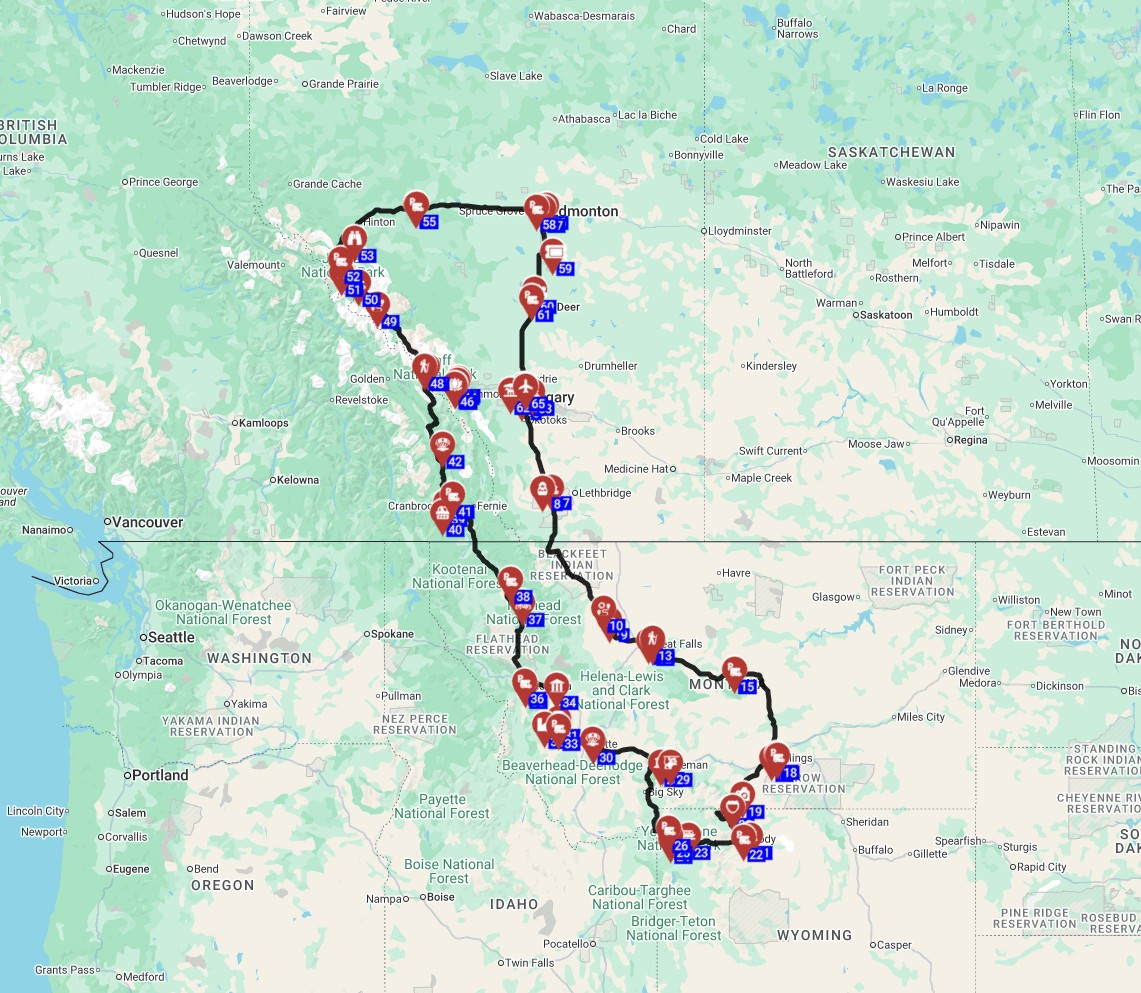
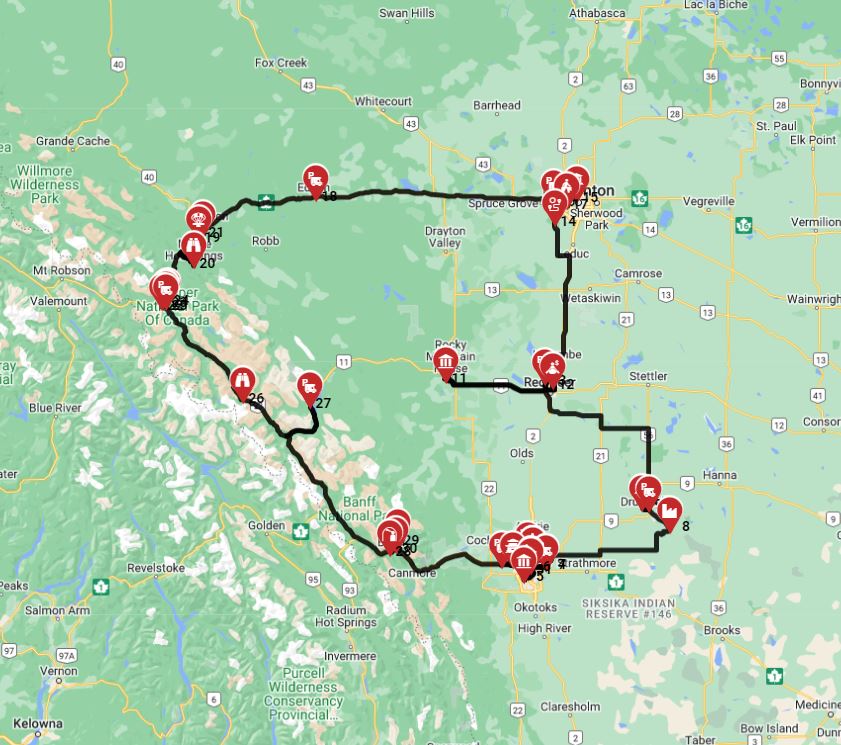
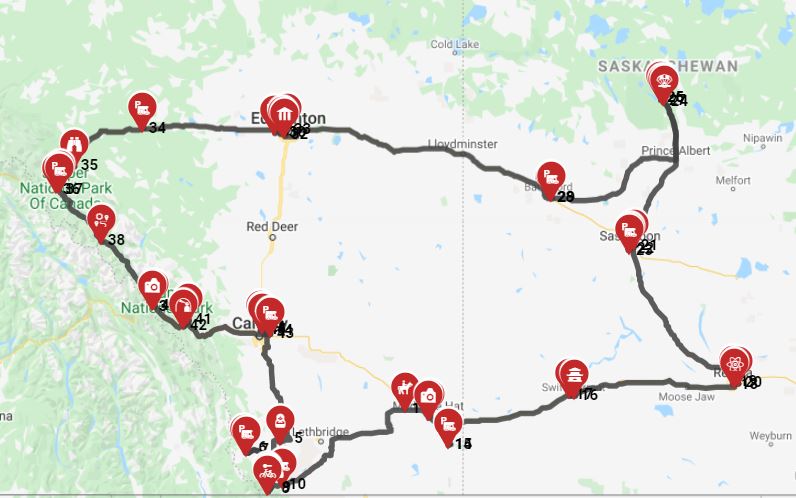
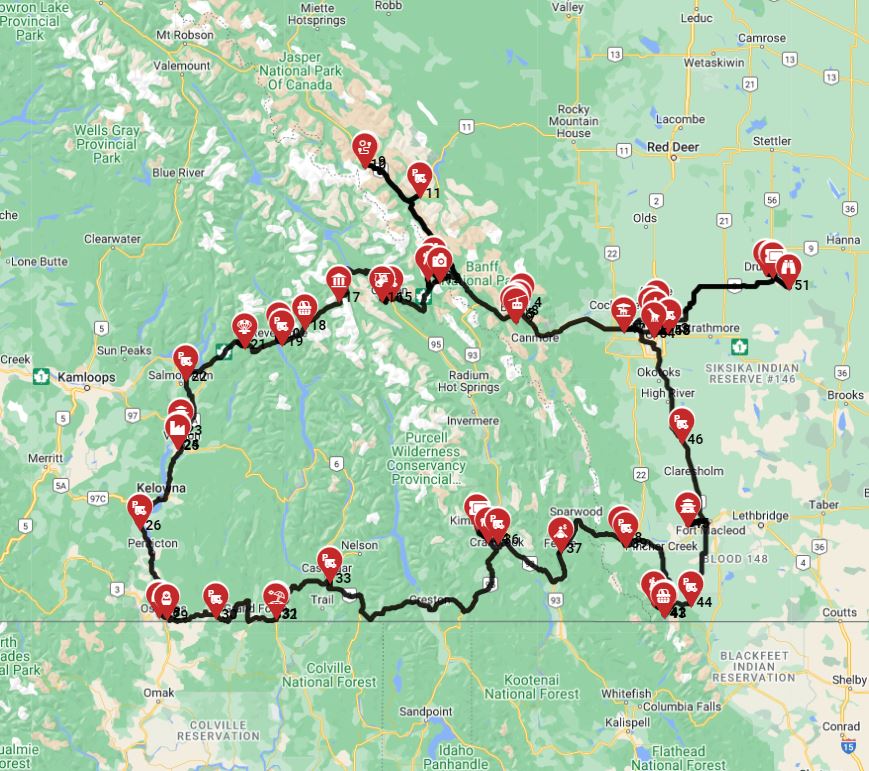
Embarking on a long-term RV rental in North Canada promises an unparalleled adventure through vast, pristine wilderness, unique Indigenous cultures, and stunning natural phenomena. Planning an extended trip here, whether for a month or more, requires careful consideration of vehicle type, budgeting, and local conditions to ensure comfort and safety. For live availability and current prices, start with our RV Rental North Canada - Complete Guide 2026 guide. On the routes offered through RV PLANET routes, you can itemize and track every expense along the way for easy budgeting.
The 5 RV Families Compared for North Canada
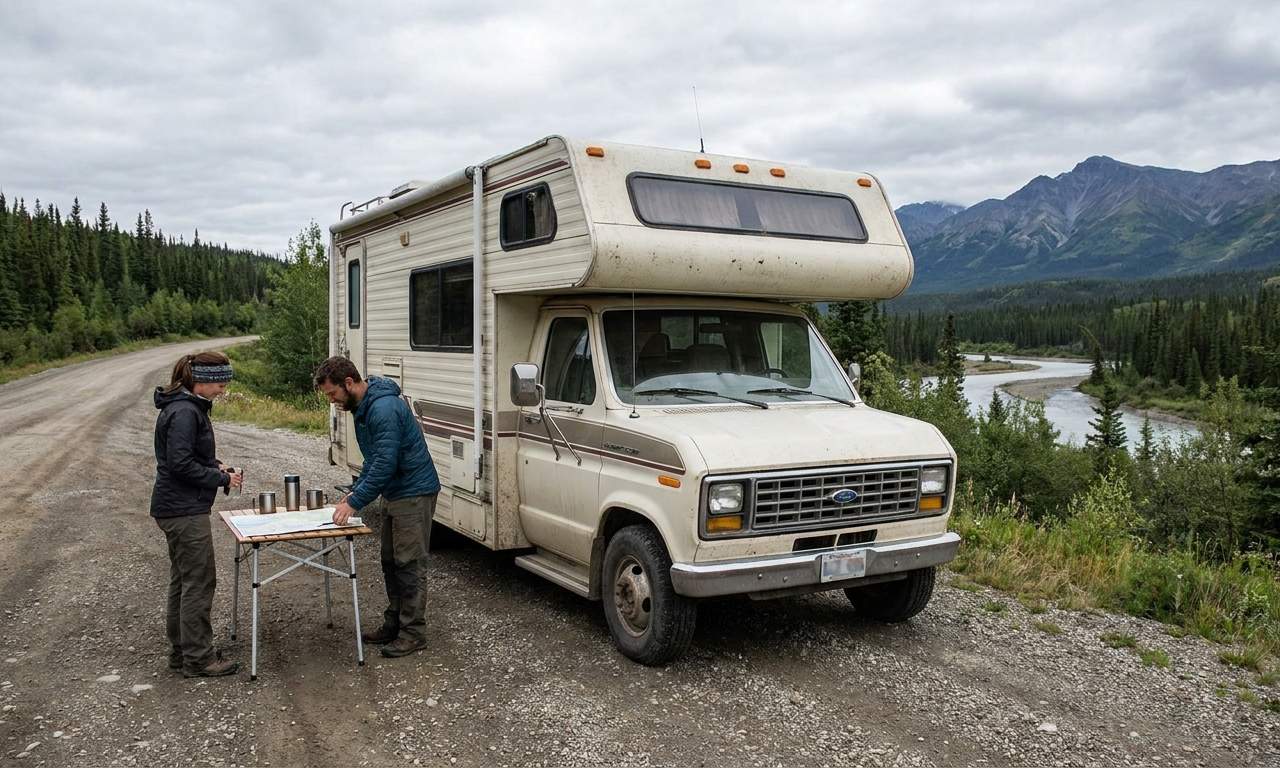 RV choice is paramount for long-term travel in North Canada due to its unique terrain, extreme climate variations, and vast, remote distances that demand a reliable and well-equipped mobile home. Selecting the right RV class significantly impacts your comfort, fuel efficiency, maneuverability on challenging northern roads, and overall suitability for extended periods or larger groups of travelers. Understanding the nuances of each motorhome class is key to a successful and enjoyable extended exploration of this incredible region. This comparison will focus on motorhomes and campervans, the most suitable options for rental adventures.
Class A (Integrated) - Best For
Class A integrated motorhomes, averaging 7.5 meters in length and typically sleeping 4 to 6 people, are best suited for larger groups or families seeking maximum comfort and amenities on long-term trips through North Canada's more developed routes. These spacious vehicles offer extensive living areas, full kitchens, and often multiple slide-outs, providing a true home-away-from-home experience. Bandana's fleet typically shows these RVs consuming around 11-12 liters per 100 km, though larger models like the "MHLUX" (with a 320-liter fuel tank and 80 kg gas bottle) might average 14-18 miles per gallon (approx. 13-17 L/100km) with a high average load capacity of around 209.5 kg, allowing for ample gear. While offering spacious living and extensive facilities, their larger size can be challenging on narrower, less-maintained northern roads, and their fuel costs will be higher. Consider a Luxury RV Rental in North Canada - Premium Prices 2026 if this class aligns with your travel style.Class SI (Semi-Integrated) - Best For
Class SI semi-integrated motorhomes, typically 6.9 meters long and sleeping 2 to 4 people (averaging 3.8), strike a versatile balance, making them ideal for couples or small families on long-term journeys through North Canada. These models offer improved maneuverability compared to Class A, while still providing more amenities and cold-weather resilience than a Class B, making them suitable for varied northern road conditions including potential permafrost heaves. Bandana's fleet generally indicates a fuel consumption of 10-11 liters per 100 km and an average load capacity of 72.2 kg, providing good efficiency and sufficient storage for a long trip. Many come equipped with features like "Winter Ready" packages to enhance comfort during colder months.Class C (Alcove) - Best For
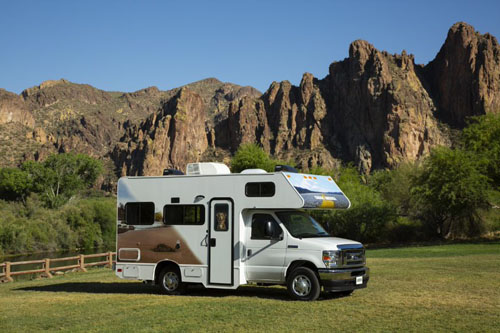
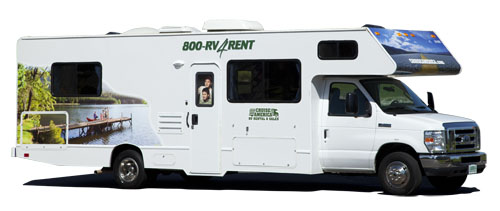
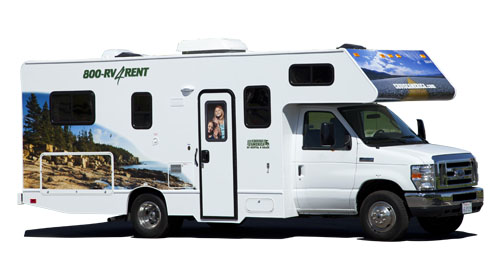
Class C alcove motorhomes, with an average length of 7.5 meters and sleeping up to 6 people (averaging 5.8 people, including the overhead alcove bed), are exceptionally well-suited for families or groups seeking a balance of space, robustness, and cost-efficiency for long-term North Canada travel. Their familiar truck chassis, like the "24' Class C Motorhome" with a Chevy/Ford V8 engine, provides reliability on diverse northern road surfaces, and the extra sleeping capacity is a significant advantage for families exploring remote areas. Bandana's fleet typically consumes 10-12 liters per 100 km and has an average load capacity of 42.4 kg (though some larger models like the "C-30" with a Ford V-10 engine have a 46 kg gas bottle and 208-liter fuel tank), offering practical utility for extended trips. These vehicles often feature "Winter Ready" options and generators, essential for colder climates and off-grid camping.Class B (Campervan) - Best For
Class B campervans, averaging 5.8 meters in length and sleeping 1 to 3 people (averaging 3.2), are the top choice for solo adventurers or couples prioritizing maneuverability, fuel economy, and the ability to access more remote or less-traveled areas in North Canada. Their compact size allows for easier navigation on narrow roads, discreet parking, and potentially better performance in adverse conditions. Bandana's fleet typically shows these vans achieving 8-10 liters per 100 km, making them the most fuel-efficient option, though with a smaller average load capacity of around 37 kg. Models like the "Active Pop Top" (5.99m length) or "Juliette 2-3" offer practical living with features like a 90-liter fresh water tank. While interior space and insulation for extreme cold can be more limited compared to larger classes, many Class B campervans are equipped with auxiliary heating and come with a "Winter Ready" badge, making them viable for determined cold-weather travelers.Class TC (Truck Camper) - Best For
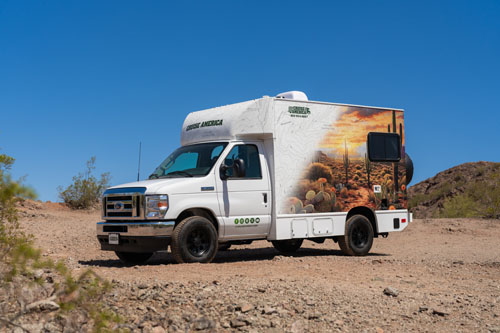
Class TC truck campers, averaging 5.5 meters in length and typically sleeping 2 to 3 people (averaging 2.4), are the ultimate choice for true off-grid explorers and those seeking unparalleled flexibility to navigate extreme North Canada terrain. Their strength lies in being detachable and often mounted on 4x4 trucks, such as the "Patagonia Camper 4x4 double cab" or "4x4 Scout Adventure Truck Camper Gold", enabling access to highly remote trails and rugged backcountry. Bandana's fleet indicates a fuel consumption of 12-17 liters per 100 km for these robust vehicles (e.g., the "rv rental usa example T17 Truck Camper" has an 87-liter fuel tank), making them less fuel-efficient but incredibly capable. While offering a smaller living space, their ability to venture far beyond paved roads makes them ideal for wilderness adventures, fishing, or hunting trips where traditional RVs cannot go. These specialized vehicles often feature "4 Wheel Drive" and "Winter Ready" capabilities for the harsh northern environment.Side-by-Side Comparison Table
This table provides a concise overview of the key characteristics of various RV families, helping you compare their suitability for a long-term rental in North Canada. Consider average length for maneuverability on remote roads, sleeping capacity for your group size, and fuel efficiency for budgeting, along with the best use case to align with your northern adventure goals. Keep in mind that specific models and their features can vary between suppliers like El Monte and Cruise America.| RV Class | Average Length | Sleeps (Avg.) | Fuel Economy (L/100km) | Best For | Typical Features (Examples) |
|---|---|---|---|---|---|
| Class A (Integrated) | 7.5 meters | 4-6 people | 11-12 | Large families, maximum comfort, well-maintained roads | Spacious living, full kitchen, large tanks (e.g., MHADL: 200L fresh, 350L waste), often slide-outs |
| Class SI (Semi-Integrated) | 6.9 meters | 2-4 people | 10-11 | Couples/small families, balanced maneuverability & amenities | Compact, comfortable beds, ample storage, often "Winter Ready" |
| Class C (Alcove) | 7.5 meters | 4-6 people | 10-12 | Families/groups, robustness, diverse roads | Over-cab bed, truck chassis reliability, good tank capacity (e.g., MHC24: 150L fresh, 210L waste) |
| Class B (Campervan) | 5.8 meters | 1-3 people | 8-10 | Solo/couples, maneuverability, fuel efficiency, remote access | Compact, easy parking, stealth camping potential, efficient (e.g., DVC: 114L fresh, 75L waste) |
| Class TC (Truck Camper) | 5.5 meters | 2-3 people | 12-17 | Off-grid explorers, extreme terrain access | 4x4 capability, high clearance, rugged construction, basic amenities (e.g., TC-A: 125L fresh, 91L waste) |
Our Recommendation for long term rv rental Travelers in North Canada
For most long-term RV travelers in North Canada, a Class C (Alcove) motorhome is our primary recommendation due to its robust construction, versatile living space, and suitability for varying northern road conditions and family needs. Its balance of comfort, capacity (sleeping around 5.8 people), and familiar driving dynamics makes it well-equipped for extended journeys, including navigating areas with permafrost heaves and carrying necessary supplies. A strong runner-up is the Class SI (Semi-integrated) for couples or smaller groups seeking similar resilience with slightly better fuel economy, or the Class TC (Truck Camper) for highly adventurous individuals prioritizing extreme off-grid access in the most remote northern regions. Remember to read our "Winter RV Driving in North Canada - Safety Guide 2026" if your trip extends into colder months.Price Comparison by RV Class in North Canada
Pricing for RV rentals is dynamic, fluctuating based on demand, season, availability, and specific supplier marketing decisions. Because of this, the table below pulls real example prices from Bandana's live search for various durations and RV classes to give you a realistic estimate for long term rv rental in North Canada. For instance, a campervan might rent for CAD $80-150 per day in the shoulder season, while a large Class C could range from CAD $150-300+ per day in peak summer. Long-term RV rentals in North Canada often involve higher base rates compared to southern Canada, increased fuel expenses (especially in remote areas where gasoline can be 30-50% more expensive than in major cities), and potentially additional costs for specialized winterization packages or remote travel amenities like satellite phones. Remember that these prices are dynamic estimates and may change daily; for the most accurate current rates and a detailed breakdown of costs, utilize the live search box at the top of this page or explore our "RV Rental in North Canada - Prices and Best Deals 2026". When planning your budget, remember that RV PLANET routes allow travelers to itemize and track every expense along the way, helping you stay on top of all ancillary costs.🎬 Video coming soon
How much to rent an RV for 2 weeks in Canada?
RV rental costs for two weeks in Canada typically range from CAD $1,500 to CAD $4,000+, heavily influenced by the RV class, rental season (peak summer is highest), and specific rental company or peer-to-peer platform. For North Canada, expect a premium on these rates due to increased logistical costs, limited availability of vehicles, and potentially higher mileage package fees. A 2-week trip in a Class B campervan like the "2 Berth Hi Top" could start at CAD $1,400 (approx. CAD $100/day), while a larger Class C such as the "24' Class C Motorhome" might cost upwards of CAD $2,800 (approx. CAD $200/day) during off-peak times, not including insurance, kitchen kits, linens, or one-way fees. For a family adventure, our "Family RV Rental in North Canada - Pricing Guide 2026" offers more detailed breakdowns.What is the best company to rent an RV from?
The 'best' RV rental company in North Canada depends heavily on individual traveler priorities, such as budget, desired RV class, level of customer support needed, and preference for traditional fleet rentals versus peer-to-peer options. Traditional companies like El Monte RV, Cruise America, Apollo, and Britz offer standardized fleets, established roadside assistance (crucial in remote northern areas), and multiple depots, though selection in North Canada can be more specialized. Bandana RV works directly with over 50+ leading RV suppliers worldwide, ensuring you can compare final prices and features from these reputable providers all in one place. We are true RV specialists, not a travel agency side department, meaning we genuinely understand the intricacies of RV travel, especially in challenging regions like North Canada.How much to rent an RV for a couple months?
Renting an RV for a couple of months in North Canada generally results in lower daily rates compared to shorter rentals, with monthly costs potentially ranging from CAD $3,000 to CAD $8,000+ depending on the RV type and season. For example, a 60-day rental of a Class B campervan could average CAD $70-120/day, while a Class C could be CAD $120-250/day. However, comprehensive budgeting for a long-term North Canada trip must account for significantly higher operational expenses, including increased fuel costs (which can be CAD $2.00-2.50 per liter in some remote northern communities), higher propane consumption for heating, and more expensive groceries and services in remote northern communities. Many suppliers offer long-term rental discounts, but always confirm mileage allowances and potential maintenance requirements for extended periods. Our "RV Rental Deals in North Canada - Latest Offers 2026" can provide insights into potential long-term savings.Is Outdoorsy a reputable company?
Outdoorsy is widely considered a reputable and leading peer-to-peer RV rental platform that connects RV owners with renters, known for its extensive selection of vehicles and often more flexible terms than traditional rental agencies. It offers various insurance options and relies heavily on user reviews, providing transparency for many renters, but the renter's experience is highly dependent on the individual RV owner's responsiveness and vehicle condition. While generally reliable, renters should carefully read reviews, verify vehicle details, and understand the specific insurance and roadside assistance policies provided for peace of mind, especially when venturing into remote northern areas of Canada where services can be sparse.Which motorhome rental company is the best in Canada?
For motorhome rentals across Canada, top Bandana partner suppliers like El Monte RV, Cruise America, Apollo, and Britz are widely recognized for their large, modern fleets, established support networks, and extensive experience with Canadian travel, offering a consistent and reliable experience. These companies often provide comprehensive insurance packages, robust roadside assistance (a critical factor for remote northern travel), and well-maintained vehicles, which are crucial for long-term trips into North Canada's remote regions. Bandana simplifies this choice by allowing you to compare final prices and inclusions from these leading suppliers side-by-side, ensuring full transparency with no hidden fees or surprises at pickup. We're with you before, during (for booking coordination), and after your booking, offering supportive assistance as true RV specialists.What is the best RV for winter living in Canada?
For winter travel in North Canada, the best rented RVs are typically Class C or Class A motorhomes, or specialized Class B campervans, designed or heavily modified for four-season use. Look for models explicitly marked "Winter Ready" in their features, which usually means enhanced insulation (e.g., insulated walls, double-pane windows), heated and enclosed holding tanks (like the "MHC24" with 150L fresh water tank, 210L waste water tank), powerful propane furnaces, and arctic packages that include insulated water lines and extra battery capacity. Vehicles with large propane tanks (e.g., "C-30" with a 46 kg gas bottle) are essential for extended heating. Additionally, ensure the RV is equipped with appropriate winter tires and that you understand the higher propane consumption rates and the critical importance of proper water system winterization to prevent freezing and damage. For more detailed advice, refer to our "Winter RV Driving in North Canada - Safety Guide 2026".Which RV rental site is best?
The best RV rental site depends on your preference for a standardized fleet experience from professional rental companies or the variety offered by peer-to-peer marketplaces. Sites like Bandana RV aggregate listings from multiple professional rental companies (including El Monte, Cruise America, Apollo, and Britz), offering a streamlined comparison of traditional fleets with full transparency and no hidden fees. Dedicated company sites (e.g., CanaDream.com) provide direct access to their specific inventory. Peer-to-peer platforms like Outdoorsy.com and RVezy.com excel in offering a diverse range of privately owned RVs, potentially allowing for unique finds and more budget-friendly options, but with varying levels of owner support. Bandana has been helping tens of thousands of travelers explore the world by RV since 2001, providing a robust comparison platform and 24/7 support for pre-booking inquiries and post-booking coordination.What is the 3-3-3 rule for RV travel?
The 3-3-3 rule for RV travel is a widely recommended guideline for safe and enjoyable trips, suggesting you drive no more than 300 miles (or 300 km) a day, arrive at your destination by 3 PM, and stay for at least 3 nights. This rule is designed to prevent driver fatigue, allow ample time for setup and exploration, and reduce stress on long journeys, fostering a more relaxed travel pace. For North Canada, adapting this rule is crucial: consider shorter daily driving distances, sometimes even 100-150 km per day on average, due to unique road hazards like permafrost heaves, unpaved sections of road, and the prevalent large wildlife (bears, moose, caribou, bison). Planning for longer stays at specific locations is also beneficial due to the vast distances between services and attractions in this remote region. RV PLANET (rvplan.net) offers many pre-planned route plans that incorporate slow travel principles, allowing you to fully immerse yourself in the culture, food, and scenery.Can you live permanently in an RV in Canada?
While it's generally possible to travel in an RV year-round in Canada, permanent RV living involves navigating complex municipal zoning laws, provincial residency requirements, and the extreme weather challenges, particularly if considering a long-term stay in North Canada. Legalities often hinge on local bylaws regarding permanent dwelling in RVs and establishing a fixed address for residency, insurance, and healthcare purposes, which can be difficult without a traditional home base. Practically, extended RV travel in the North demands robust winterization, consistent access to power, water, and waste disposal, and preparedness for remote living conditions, alongside respecting local communities and potential regulations on Indigenous lands. Bandana RV focuses exclusively on RV rentals for vacation travel, offering temporary, exciting adventures for everyone, rather than permanent living solutions.What You Shouldn't Miss
When planning your long-term RV adventure in North Canada, be sure to weave these incredible experiences into your itinerary.- **Drive the Dempster Highway:** This iconic 737 km (458 mi) gravel road from Dawson City to Inuvik is a true bucket-list journey, crossing the Arctic Circle and offering unparalleled access to northern landscapes. Pack extra fuel and supplies!
- **Witness the Aurora Borealis:** During the darker months, the Yukon and Northwest Territories offer some of the best chances globally to see the dazzling Northern Lights dance across the sky. Whitehorse and Yellowknife are prime viewing hubs.
- **Experience the Midnight Sun:** In summer, particularly north of the Arctic Circle, enjoy endless daylight. Imagine late-night hikes or fishing under a perpetually glowing sky. Remember good blackout blinds for your rented motorhome!
- **Explore National Parks:** Venture into parks like Nahanni National Park Reserve (NWT) or Ivvavik National Park (Yukon) for world-class wilderness adventures, though many require bush plane access and permits. Always check local requirements.
- **Discover Indigenous Culture:** Engage with the vibrant cultures of the First Nations, Inuit, and Métis communities. Many cultural centers and festivals offer unique insights into their history, art, and traditions.
- **Paddle a Northern River:** Take a guided canoe or kayak trip down one of the vast, wild rivers like the Yukon River or the South Nahanni River, for an immersive wilderness experience.
Final Thoughts
A long-term RV rental in North Canada is more than just a vacation; it's an immersive journey into one of the world's last great wildernesses. By choosing the right motorhome or campervan for your needs, planning your route thoughtfully with resources like RV PLANET, and understanding the unique aspects of northern travel, you're setting yourself up for an extraordinary experience. Remember to travel slowly, allowing yourself ample time to absorb the incredible landscapes, connect with local cultures, and adapt to the rhythm of the North.
From the endless daylight of the Midnight Sun to the dancing hues of the Aurora Borealis, North Canada offers adventures unlike anywhere else. With Bandana RV, you get the expertise of true RV specialists, full price transparency, and support every step of the way, ensuring your long-term mobile home adventure is as seamless and inspiring as the northern lights themselves. So, are you ready to discover the magic of North Canada on an extended road trip?
Compare Motorhome Prices for North Canada now and start planning your unforgettable long-term adventure today!
For ideas you can prep on the road, watch our RV-friendly recipes playlist on YouTube.