In This Guide
- Best Tokyo - Airport RV Itinerary for long term rv rental - Overview
- 7-Day Classic Route in Tokyo - Airport
- 14-Day Extended Journey in Tokyo - Airport
- Recommended RVPlan Trip for Tokyo - Airport
- Must-See Stops Along the Way (Avi Bandana Picks)
- Daily Driving Distances & Drive Times in Tokyo - Airport
- Best RV Class for This Itinerary - Couple & Family Picks
- Where can I park an RV overnight near Narita or Haneda Airport
- How do I get an RV to and from Tokyo's airports
- What are the RV rental pick-up and drop-off procedures near NRT HND
- Are there specific driving rules or etiquette for RVs in Japan around Tokyo
- Can I use an RV as a base camp for early or late flights at Tokyo airports
Best Tokyo - Airport RV Itinerary for long term rv rental - Overview
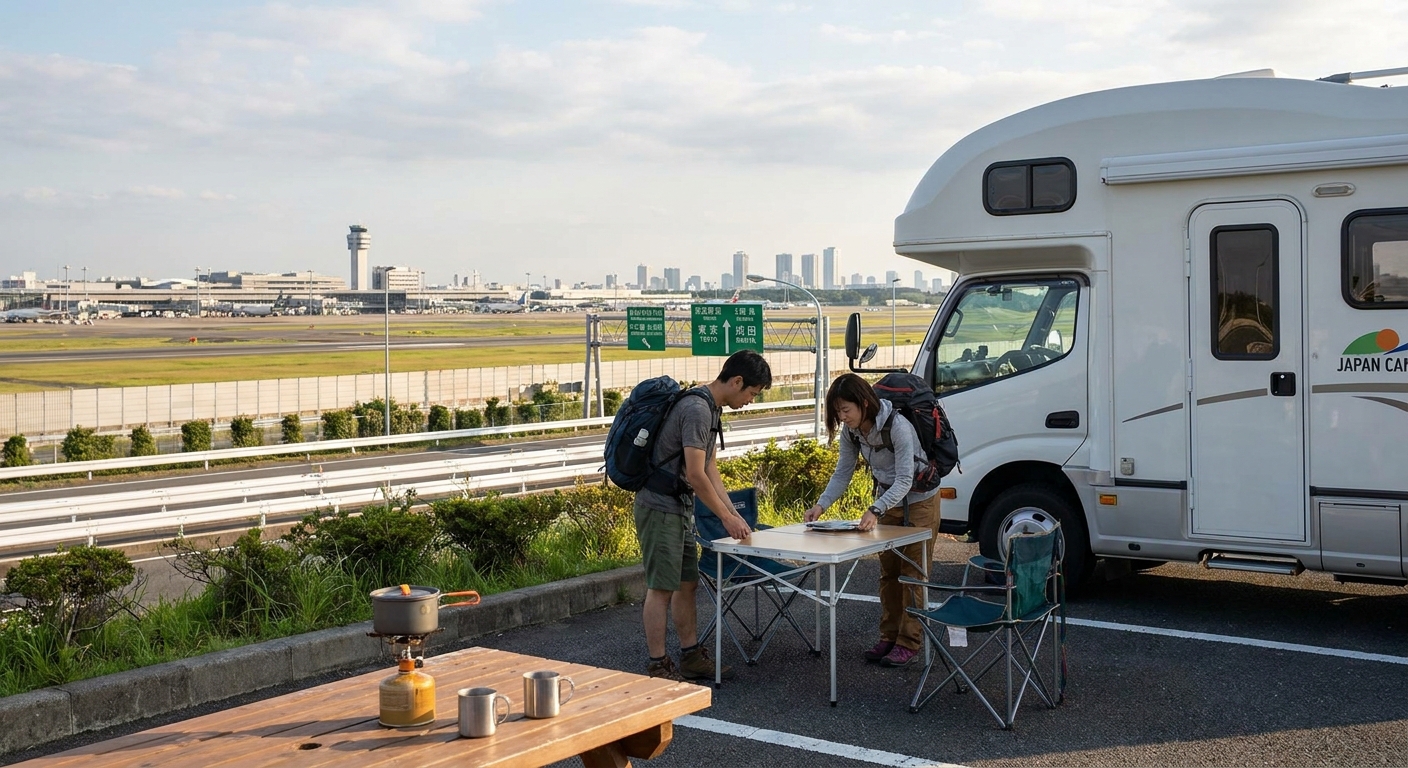 A long-term RV rental from Tokyo's airports, whether Narita (NRT) or Haneda (HND), offers an unparalleled opportunity for immersive exploration of Japan's Kanto region and beyond. This guide outlines popular itineraries from 7 to 14 days, typically covering 700-1400 km, allowing travelers to experience diverse landscapes and cultural sites. The optimal duration for a comprehensive long-term RV journey is a minimum of 7 days, extending comfortably to two weeks or even a month, providing ample time to truly connect with the culture, food, and scenery. For live availability and current prices, start with our RV Rental Tokyo - Airport - Complete Guide 2026 guide.
The best seasons for RV travel near Tokyo - Airport are spring (March-May) for spectacular cherry blossoms and autumn (September-November) for vibrant fall foliage, offering pleasant weather and scenic drives throughout your adventure. Planning your route slowly, with a maximum of 100-150 km per day on average, is recommended to fully appreciate each destination. Bandana Caravan has been helping tens of thousands of travelers explore the world by RV since 2001, providing expert advice and a seamless booking experience.
A long-term RV rental from Tokyo's airports, whether Narita (NRT) or Haneda (HND), offers an unparalleled opportunity for immersive exploration of Japan's Kanto region and beyond. This guide outlines popular itineraries from 7 to 14 days, typically covering 700-1400 km, allowing travelers to experience diverse landscapes and cultural sites. The optimal duration for a comprehensive long-term RV journey is a minimum of 7 days, extending comfortably to two weeks or even a month, providing ample time to truly connect with the culture, food, and scenery. For live availability and current prices, start with our RV Rental Tokyo - Airport - Complete Guide 2026 guide.
The best seasons for RV travel near Tokyo - Airport are spring (March-May) for spectacular cherry blossoms and autumn (September-November) for vibrant fall foliage, offering pleasant weather and scenic drives throughout your adventure. Planning your route slowly, with a maximum of 100-150 km per day on average, is recommended to fully appreciate each destination. Bandana Caravan has been helping tens of thousands of travelers explore the world by RV since 2001, providing expert advice and a seamless booking experience.
7-Day Classic Route in Tokyo - Airport
A compact 7-day RV itinerary from Tokyo - Airport allows travelers to explore iconic central Japan highlights like Mt. Fuji and Hakone, covering approximately 700 km. **Day 1: Narita (NRT) or Haneda (HND) Airport RV pickup → Chiba Prefectural Boso-no-Mura (History Park) → Michi-no-Eki 'Banya' (Overnight).** This initial leg covers approximately 60 km, offering a gentle introduction to driving your rented motorhome in Japan. Highlights include experiencing Edo-period Japan and enjoying fresh seafood at Michi-no-Eki 'Banya'. **Day 2: Michi-no-Eki 'Banya' → Lake Kawaguchiko (Fuji Five Lakes).** Drive approximately 120 km to Lake Kawaguchiko, where you'll be greeted by iconic views of Mt. Fuji and serene lake activities. Overnight at the Kawaguchiko Auto Camp Site, a popular RV-friendly campground with amenities. **Day 3: Lake Kawaguchiko → Hakone.** A shorter drive of about 50 km brings you to Hakone, renowned for its art museums like the Hakone Open-Air Museum, Lake Ashi cruises with views of the torii gate, and relaxing hot springs. Sleep at Hakone Yumoto Auto Camping Ground. **Day 4: Hakone → Izu Peninsula (Atami/Shimoda).** Head south on a coastal drive of approximately 80 km to the Izu Peninsula. Here, you can enjoy beautiful beaches and marine parks. Your overnight stop could be Ito Orange Beach Auto Camp. **Day 5: Izu Peninsula → Shizuoka City.** Travel approximately 100 km to Shizuoka City, famous for its Nihondaira Plateau, the Kunozan Toshogu Shrine, and expansive tea plantations. A great spot to park your campervan overnight is S-PULSE DREAM PLAZA RV Park, which offers Michi-no-Eki-style facilities. If you're inspired to cook with local ingredients, check out our RV-friendly recipes playlist for ideas! **Day 6: Shizuoka City → Yokohama.** Drive approximately 150 km to Yokohama, a vibrant city with highlights like the Minato Mirai skyline, bustling Chinatown, and peaceful Yamashita Park. Secure your overnight spot at a nearby RV park or authorized parking area. **Day 7: Yokohama → NRT/HND Airport RV drop-off.** Conclude your adventure with a final scenic drive of about 50-80 km back to your designated RV rental drop-off location near Narita (NRT) or Haneda (HND) Airport.14-Day Extended Journey in Tokyo - Airport
An extended 14-day RV journey from Tokyo - Airport allows for a deeper dive into Japan's natural beauty and cultural heritage, covering around 1400 km at a relaxed pace. This comprehensive route offers more time for exploration and relaxation, ensuring you take time to feel the place. **Days 1-3: Arrival & Tokyo Bay/Chiba Coast.** Pick up your rented RV near Narita (NRT) or Haneda (HND) airports and immerse yourself in the local atmosphere. Explore Chiba's coastal areas, such as Kujukuri Beach, Michi-no-Eki roadside stations, and vibrant local markets. Mother Farm provides a fun family outing. Overnight at scenic coastal RV parks or Michi-no-Eki, enjoying the convenience of your mobile home. **Days 4-6: Mount Fuji & Hakone.** Journey to the iconic Fuji Five Lakes region for breathtaking Mt. Fuji views, including Lake Kawaguchiko. Continue to Hakone to experience its renowned art museums, serene Lake Ashi cruise, and rejuvenating hot springs. Dedicated campsites in both regions provide comfortable overnight stays for your camper. For families, the "Family RV Rental in Tokyo - Airport - Pricing Guide 2026" offers insights into suitable vehicle options. **Days 7-9: Izu Peninsula & Shizuoka.** Drive further south to the scenic Izu Peninsula, celebrated for its dramatic coastline, inviting hot springs, and delicious fresh seafood. Explore charming coastal towns like Ito and Shimoda, then proceed to Shizuoka City for an authentic tea country exploration, visiting tea plantations and Kunozan Toshogu Shrine. Michi-no-Eki or coastal campsites are ideal for overnight parking. **Days 10-12: Yamanashi & Southern Alps Foothills.** Head inland towards Yamanashi Prefecture, a region rich with fruit orchards, local wineries, and the tranquil foothills of the Southern Japanese Alps. Discover lesser-known onsen towns and soak in the magnificent mountain scenery. Seek out tranquil campgrounds or Michi-no-Eki for overnight stays with your motorhome. Travelers interested in specialized vehicles might find details in "Luxury RV Rental in Tokyo - Airport - Premium Prices 2026". **Days 13-14: Return to Tokyo & Departure.** Begin the gradual return journey towards Tokyo. Consider a final stop in Yokohama for some urban exploration of Minato Mirai or a relaxing day in a Tokyo suburb like Sagamihara, ensuring a leisurely pace as recommended (max 100-150 km per day). Prepare for your RV drop-off near NRT or HND airports, ensuring you've checked all return procedures. If you're seeking last-minute opportunities, our "Last-Minute RV Rental in Tokyo - Airport - What to Expect 2026" guide might be useful.Recommended RVPlan Trip for Tokyo - Airport
While specific RV PLANET (rvplan.net) routes for Tokyo - Airport are continually being curated by our expert travel specialists, we highly recommend exploring the diverse range of ready-made itineraries available through RV PLANET. These expertly crafted route plans offer seamless navigation, pre-selected points of interest, and often include campground suggestions, significantly simplifying the planning process for your long-term RV adventure in Japan. With 1,300+ pre-planned routes across 5 continents, RV PLANET is a trusted sister company for comprehensive trip organization. Plus, when you use RV PLANET for your planning, you could receive a 25% planning discount, a fantastic reward for organizing your trip with our professional assistance. For finding campsites and campgrounds during your trip, we recommend using RV PLANET (rvplan.net) - a great resource for locating available spots along your route. You can also itemize and track every expense along the way on RV PLANET routes for easy budgeting, ensuring full transparency with your trip costs.Must-See Stops Along the Way (Avi Bandana Picks)
Avi Bandana, our founder and a seasoned RV travel expert with over 25 years in the industry, offers these personal recommendations to truly experience Japan. Looking for expert insights from Avi Bandana? Top 5 Adventures - recommendations from Avi Bandana. Avi Bandana's personal picks for an authentic Japanese RV experience include seeking out traditional visit locations like historic temples and castles, immersing yourself in local culture. For example, don't miss the chance to explore the beautiful Kuno-zan Toshogu Shrine in Shizuoka or the historic areas of Chiba Prefectural Boso-no-Mura. Make sure to stop at traditional restaurant spots, often found tucked away in smaller towns, to savor regional delicacies and fresh, seasonal ingredients. These local eateries offer an unparalleled taste of Japan that chain restaurants simply can't match. Exploring traditional market areas, especially morning markets, provides a vibrant glimpse into local life and an opportunity to purchase unique souvenirs or fresh produce for your RV kitchen. The markets along the Izu Peninsula are particularly charming and offer delightful culinary treasures. Keep an eye out for local industry experiences, such as sake breweries, craft workshops, or tea plantations, which often offer tours and tastings. These stops provide a deeper understanding of Japan's rich heritage and its regional specialties. Embracing these local stops truly makes your long-term RV rental in Tokyo - Airport an unforgettable experience.Daily Driving Distances & Drive Times in Tokyo - Airport
Traveling slowly, as we always recommend, allows you to truly soak in the unique beauty of Japan. Avi Bandana recommends a maximum of 100-150 km per day on average when driving a rented RV in Japan, encouraging travelers to embrace slow travel and fully enjoy each destination rather than rushing from one spot to the next. This pace allows ample time for sightseeing, cultural immersion, and comfortable navigation of potentially narrower Japanese roads. For example, a drive from Narita Airport to Lake Kawaguchiko is approximately 140 km, taking around 2.5-3 hours of dedicated driving time without significant stops. A journey from Tokyo's outskirts to Hakone is roughly 90 km, translating to about 1.5-2 hours of scenic travel. Traveling from Hakone to the Izu Peninsula's coast (e.g., Ito) covers about 60 km, typically a 1-1.5 hour drive, allowing for numerous stops at viewpoints along the way. Planning shorter daily drives helps you avoid stress and truly connect to the scenery, food, and culture. Remember, Japan drives on the left side of the road, so account for adjusting to this if it's new to you. Driving an RV in Tokyo - Airport - Complete Guide 2026 offers more detailed advice.Best RV Class for This Itinerary - Couple & Family Picks
Choosing the right RV for your long-term adventure from Tokyo - Airport ensures comfort and ease of travel across Japan's diverse landscapes. For couples embarking on a long-term RV rental from Tokyo - Airport, a Class B - Camper Van is often the ideal choice, offering excellent maneuverability and fuel efficiency. Bandana's global fleet Class B Camper Vans average 5.8 meters in length, making them easier to navigate Japan's narrower roads and parking spaces, while still comfortably sleeping an average of 3.2 people (perfect for 2 adults) with an average load capacity of 37 kg. Models like the "Active Pop Top" (sleeps 4, 5.99m length) or "V3" (sleeps 2, 6.36m length) are great examples of suitable campervans for couples. For families, the Class C - Alcove motorhome provides ample space and sleeping arrangements, making it highly suitable for longer trips with children. Bandana's global fleet Class C Alcove models average 7.5 meters in length and are designed to sleep an average of 5.8 people, comfortably accommodating an average of 4.4 adults, with an average load capacity of 42.4 kg. The "24' Class C Motorhome" (sleeps 5, 7.46m length) or "MHC24" (sleeps 6, 7.3m length) are excellent options for families. To remove the headache of planning, consider Bandana Caravan's 'Rent&Plan' service, which pairs your RV rental with a ready-made itinerary crafted by travel experts, providing full access to trip-planning software for a seamless experience. We compare final prices across 50+ suppliers so you don't have to, ensuring full transparency with no hidden fees, no surprises.Where can I park an RV overnight near Narita or Haneda Airport
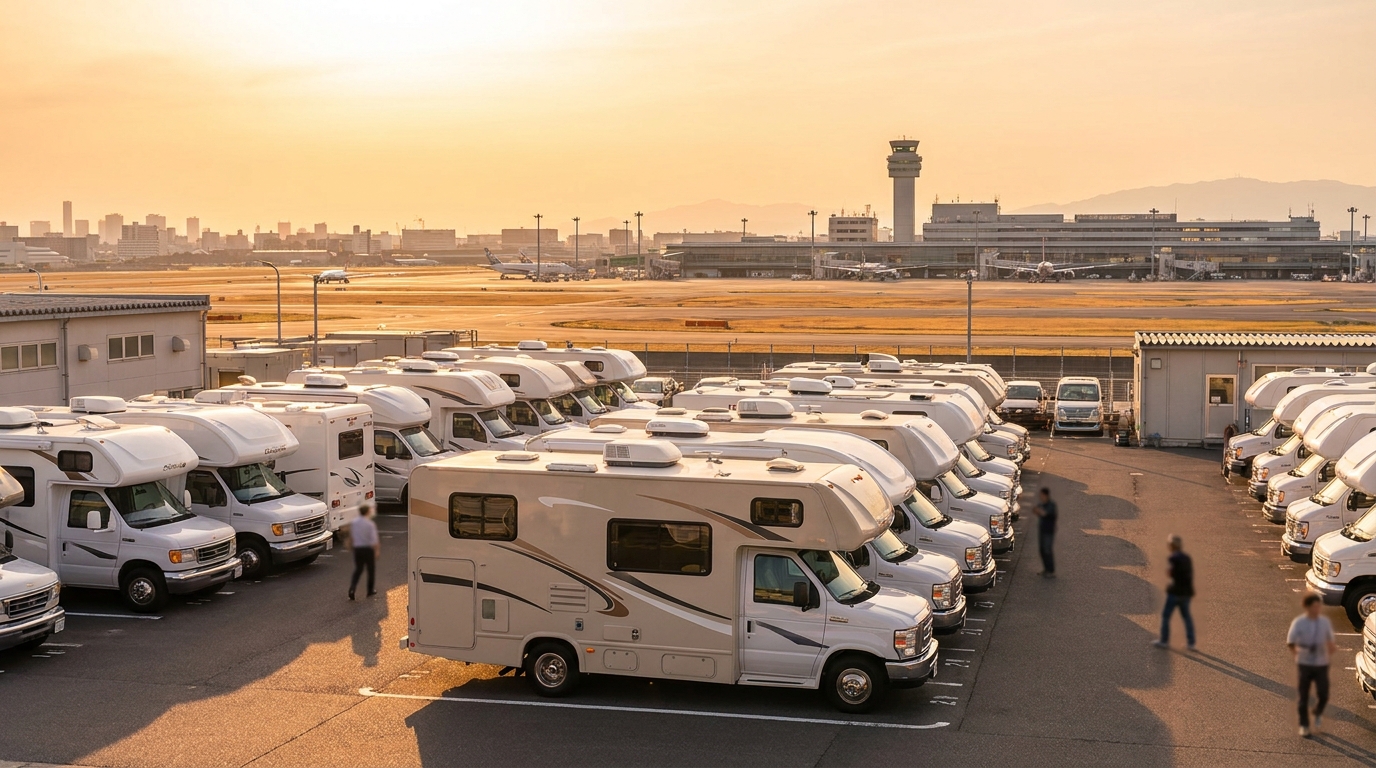
Overnight RV parking directly within Narita (NRT) or Haneda (HND) airport facilities is generally not permitted or practical due to common height restrictions (typically 2.1-2.5 meters) and security regulations, so travelers should instead seek designated RV parks or Michi-no-Eki (roadside stations) in the surrounding areas. For Narita, consider RV parks in Chiba Prefecture, such as 'RV Park Kujukuri' or 'RV Park Boso no Mura', which are typically within a 30-60 minute drive from the airport. Near Haneda, options are more limited directly adjacent to the airport, so looking slightly further afield in Kanagawa or Saitama prefectures for authorized overnight parking is recommended. Michi-no-Eki often provide free 24-hour parking, clean restrooms, and sometimes local shops, making them a popular, although often unofficial, option for a brief overnight stay; however, they typically lack hookups or dedicated RV services, and 'camping' activities (e.g., deploying awnings or setting up outdoor tables) are usually prohibited. Always confirm parking rules and availability directly with the facility or local authorities before your visit, as regulations can vary and evolve.How do I get an RV to and from Tokyo's airports
Driving an RV to and from Tokyo's airports, like Narita (NRT) or Haneda (HND), primarily involves navigating Japan's efficient toll road system and being acutely aware of your vehicle's dimensions, particularly for height and weight restrictions. An Electronic Toll Collection (ETC) card is highly recommended for RVs in Japan, as it allows for seamless passage through toll gates without stopping, often providing discounts, and is essential for efficiently utilizing expressways like the Shuto Expressway. Airport parking facilities, especially multi-story garages, frequently have height limits (typically 2.1-2.5 meters), which most larger RVs will exceed; therefore, it's crucial to check for designated outdoor oversized vehicle parking or utilize a rental company's pre-arranged shuttle service from an off-site depot. Fueling stations are plentiful along major routes and near urban centers, but ensure you know your rented RV's fuel type (gasoline or diesel) and note that many stations are self-service, often requiring some Japanese language familiarity or card payment. Plan your route in advance using RV-specific navigation tools that account for vehicle size, and be prepared for potentially narrow roads, especially when approaching smaller towns or older urban areas, making precise driving essential. Drive slowly and carefully, and you can drive almost anywhere without issues. No need to stress - just use common sense and pay attention. You can also gain local driving tips from "Driving an RV in Tokyo - Airport - Complete Guide 2026".What are the RV rental pick-up and drop-off procedures near NRT HND
RV rental pick-up and drop-off procedures near Narita (NRT) and Haneda (HND) airports typically involve transport to an off-site depot, a thorough vehicle inspection, and comprehensive instruction, often with language support for international travelers. Most RV rental companies in Japan, including Bandana Caravan's trusted partners like Apollo and Britz, operate depots a short distance from the airports, necessitating a pre-arranged shuttle service or taxi to reach their facility; always confirm these transport logistics when booking your campervan. Upon arrival at the depot, expect a detailed walk-through of the rented RV's features, including the operation of appliances, water systems, and waste disposal, usually conducted by staff who can provide English-language support or translated manuals. A meticulous vehicle inspection for existing damage will be performed at both pick-up and drop-off, so it's advisable to take your own photos or videos to document the vehicle's condition, especially for any pre-existing scratches or dents, ensuring full transparency. Ensure all necessary paperwork, including your standard car driver's license (an International Driving Permit is recommended for non-English speakers), passport, and rental agreements, is readily available, and confirm the exact fuel level and cleaning requirements for drop-off to avoid additional charges. The minimum rental age for all motorhome classes is 21, with no young driver surcharges.Are there specific driving rules or etiquette for RVs in Japan around Tokyo
Driving an RV in Japan, especially around Tokyo, requires adherence to local regulations and cultural etiquette, including a keen awareness of potentially narrow roads, strict trash disposal rules, and quiet hours. Japan drives on the left-hand side of the road, and while priority is often given to smaller vehicles on crowded city streets, rest assured that you can drive almost anywhere without issues if you proceed slowly and carefully, using common sense and paying attention. Trash disposal in Japan is highly regulated, often requiring meticulous sorting into burnable, non-burnable, and recyclable categories; plan to dispose of waste at designated collection points at campsites or Michi-no-Eki, as public bins are rare and street littering is strictly prohibited. Observing noise rules is crucial, particularly in residential areas and at overnight parking spots like Michi-no-Eki, where loud generators or late-night conversations are considered disrespectful and may lead to complaints. Be mindful of parking etiquette; always park within marked lines, avoid blocking traffic or private driveways (especially on streets like Shibuya Crossing), and never park overnight in unauthorized locations, as this can lead to fines or towing. Our "RV Rental Tokyo - Airport - Complete Guide 2026" provides more local tips.Can I use an RV as a base camp for early or late flights at Tokyo airports
Using a rented RV as a 'mobile crash pad' or base camp for early morning flights or late arrivals at Tokyo airports can be a convenient alternative to traditional airport hotels, provided you utilize designated overnight parking facilities away from the immediate airport premises. Direct overnight parking at Narita (NRT) or Haneda (HND) airports is generally not feasible for RVs due to size restrictions and lack of suitable facilities, so pre-booking an RV park or locating a suitable Michi-no-Eki within a reasonable driving distance (e.g., 30-60 minutes) is essential. Strategically choosing an RV park like 'RV Park Kujukuri' near Narita allows for an easy drive to the airport for an early departure, offering amenities such as restrooms and security, unlike most Michi-no-Eki. This strategy offers the flexibility to cook your own meals in your rented motorhome and have your personal space right up until your departure or immediately upon your late arrival, avoiding the hassle of hotel check-ins and transfers with luggage. Ensure your chosen overnight spot allows for early morning departures or late-night arrivals without disturbing others, and always have a plan for secure parking and a shuttle or taxi service to the airport terminal if your RV cannot be parked directly at the airport for drop-off.What You Shouldn't Miss
- **Mt. Fuji's Five Lakes (Fuji Five Lakes):** Witness breathtaking views of Japan's iconic peak from various vantage points around Lake Kawaguchiko, and consider a serene boat cruise or visit the Chureito Pagoda for that classic postcard shot.
- **Hakone's Cultural & Scenic Loop:** Explore the Hakone Open-Air Museum, take a scenic cruise on Lake Ashi, visit the Hakone Shrine's iconic torii gate, and unwind in a traditional onsen (hot spring) for a truly relaxing experience.
- **Izu Peninsula's Coastal Charms:** Drive along the dramatic Izu coastline, discovering picturesque beaches like Ito Orange Beach, sampling fresh seafood in local towns, and visiting marine parks.
- **Shizuoka's Tea Plantations:** Immerse yourself in Japan's tea culture by visiting Shizuoka City's vast tea fields, exploring the Kunozan Toshogu Shrine, and enjoying panoramic views from Nihondaira Plateau.
- **Yokohama's Modern Vibe & Historical Pockets:** Marvel at the futuristic Minato Mirai skyline, delve into the vibrant atmosphere of Yokohama Chinatown (Japan's largest), and relax in the historic Yamashita Park.
- **Michi-no-Eki Experience:** Embrace the unique Japanese roadside station culture. These spots offer fresh local produce, clean facilities, and often unique regional snacks and crafts, making them perfect rest stops and sometimes even overnight parking options.
Final Thoughts
Embarking on a long-term RV rental in Tokyo - Airport promises an unparalleled adventure, allowing you to uncover Japan's diverse beauty at your own leisurely pace. Imagine yourself driving through scenic coastal roads, past majestic Mt. Fuji, and into charming historical towns, all from the comfort of your rented motorhome or campervan. It’s an experience that offers freedom, flexibility, and unforgettable memories. At Bandana Caravan, we're with you every step of the way – from comparing the best deals with full transparency to providing honest, supportive advice before and after your booking. Let us help you unlock the magic of Japan. Travel slowly, savor every moment, and make this long-term RV journey truly your own. Find Motorhome Rentals in Tokyo - AirportOn the routes offered through RV PLANET routes, you can itemize and track every expense along the way for easy budgeting.