In This Guide
- Best New Orleans RV Itinerary for long term rv rental — Overview
- 7-Day Classic Route in New Orleans
- 14-Day Extended Journey in New Orleans
- Recommended RVPlan Trip for New Orleans
- Must-See Stops Along the Way (Avi Bandana Picks)
- Daily Driving Distances & Drive Times in New Orleans
- Best RV Class for This Itinerary — Couple & Family Picks
- How long can you rent an RV for?
- Is it cheaper to rent an RV for a month?
- What is the average monthly RV rental?
- What is the best time of year for an RV trip to New Orleans?
- How much does it cost to rent an RV in New Orleans for a month?
- Can you RV camp with pets in New Orleans?
- What are the driving and parking challenges for RVs in New Orleans?
- How do you get around New Orleans after parking an RV?
- How safe is RV camping in New Orleans?
- Are there free RV camping spots in New Orleans?
- What should I check on my RV before driving to New Orleans?
- What are some etiquette tips for RVers visiting New Orleans?
- Where can RVers find local food and drink in New Orleans?
- What You Shouldn't Miss
- Why Book with Bandana Caravan
- Final Thoughts
- Frequently Asked Questions
Best New Orleans RV Itinerary for long term rv rental — Overview
Embarking on a unique New Orleans RV adventure allows travelers to combine culture, history, and culinary delights, ideal for an extended stay of a month or more. For live availability and current prices, start with our RV Rental New Orleans - Complete Guide 2026 guide. A minimum of 7 days is recommended to fully immerse yourself in the city's vibrant atmosphere and explore beyond the main attractions, with longer trips opening up even more possibilities. The best seasons for a long-term RV trip are fall (October-November) and spring (March-May) due to mild weather, average temperatures between 20-25°C, and numerous festivals like the French Quarter Festival and Jazz Fest. This type of itinerary focuses on immersive local experiences, prioritizing exploration and connection over long daily drives, ideally keeping travel to a maximum of 100-150 km per day on average. Our Rent&Plan service can even help you create a personalized monthly plan that fits your interests perfectly.7-Day Classic Route in New Orleans
A week-long adventure provides ample time to soak in the essence of New Orleans, allowing you to settle into your rented motorhome and explore at a relaxed pace. On Day 1, arrive at an RV park near New Orleans, such as the New Orleans KOA Holiday, settle in your RV, and plan your initial city exploration using public transport. Day 2 is perfect for French Quarter exploration, including iconic spots like Jackson Square, St. Louis Cathedral, and the lively Bourbon Street; make sure to enjoy a traditional Creole dinner. Day 3 is dedicated to the elegant Garden District & Magazine Street, marveling at historic mansions and browsing boutique shops, perhaps taking a captivating cemetery tour at Lafayette Cemetery No. 1. Day 4 invites you to a Swamp Tour & Plantation Visit, taking a guided tour of Louisiana's bayous and a historic plantation home like Oak Alley or Laura Plantation, easily accessible by a day trip with your rented motorhome. On Day 5, immerse yourself in the Arts & Music of Marigny and Bywater, exploring local galleries, vibrant street art, and catching live music on Frenchmen Street. Day 6 is a foodie deep dive: consider a New Orleans cooking class in the morning to master local cuisine, followed by a classic beignet and coffee stop at Café Du Monde in the afternoon. For fresh ingredients to stock your RV's kitchen for these culinary adventures, check out our RV-friendly recipes playlist. Day 7 is for departure preparations or a final relaxing visit to City Park to enjoy its expansive green spaces and the sculpture garden, before departing from your chosen RV park.14-Day Extended Journey in New Orleans
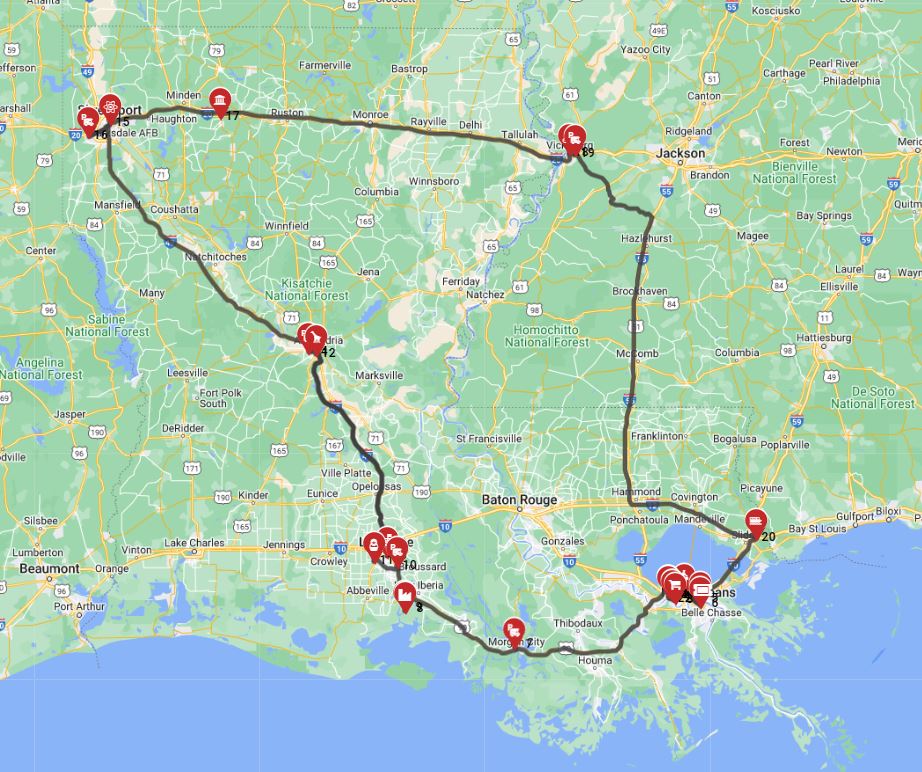
For those seeking a more profound exploration, a 14-day extended journey allows you to truly delve into the rich tapestry of New Orleans and its surroundings. Days 1-7 should follow the Classic New Orleans itinerary, but with additional time to explore specific neighborhoods, visit more museums, and savor a wider range of culinary experiences. This longer duration offers the flexibility to revisit favorite spots or uncover hidden gems that shorter trips might miss. Days 8-10 are perfect for exploring River Road Plantations and Baton Rouge, where you can visit the Old State Capitol and the USS Kidd Veterans Museum, staying at an RV park in Baton Rouge for a few nights. This expands your historical and cultural immersion significantly. Days 11-13 offer a choice: venture to the Mississippi Gulf Coast for beach relaxation or head west to Lafayette to experience Cajun Country, including an immersive visit to Vermilionville. Both options provide a distinct regional flavor and are easily manageable with a rented motorhome. Day 14 marks your return to New Orleans for a final evening of vibrant music and delicious food, or preparation for your departure from your chosen RV park. This itinerary ensures a comprehensive and unhurried experience of Louisiana's diverse attractions.Recommended RVPlan Trip for New Orleans
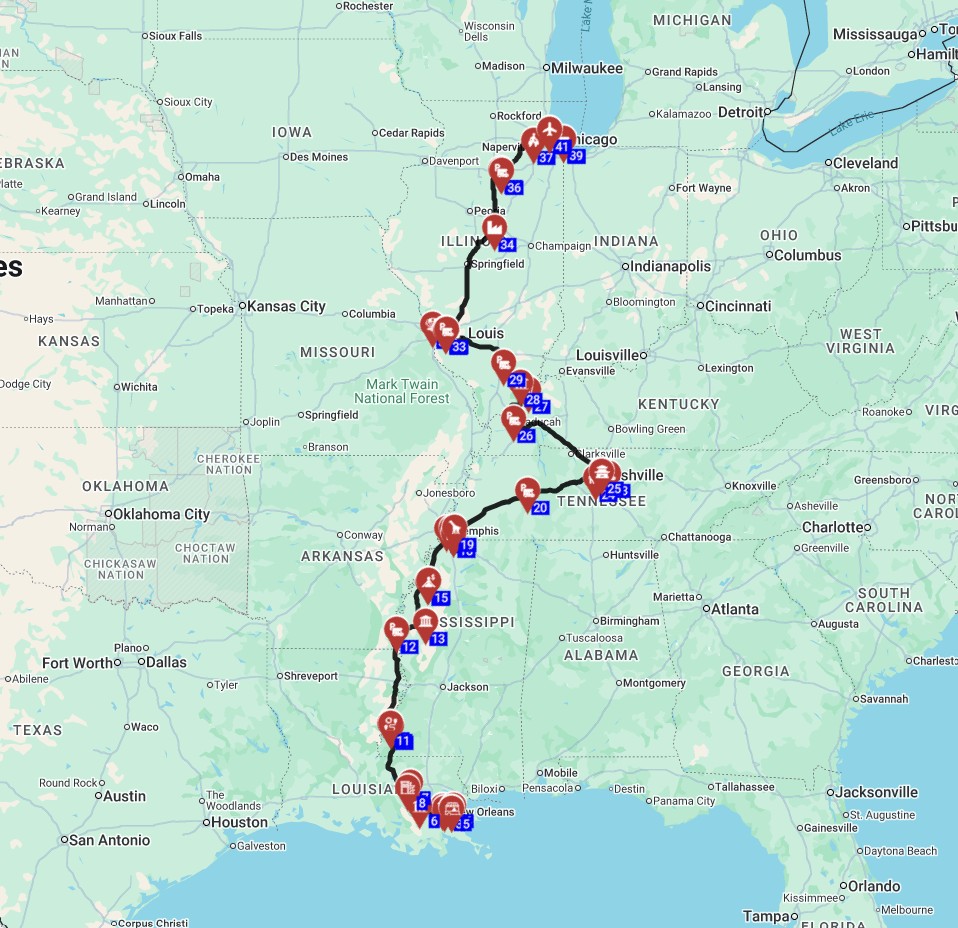
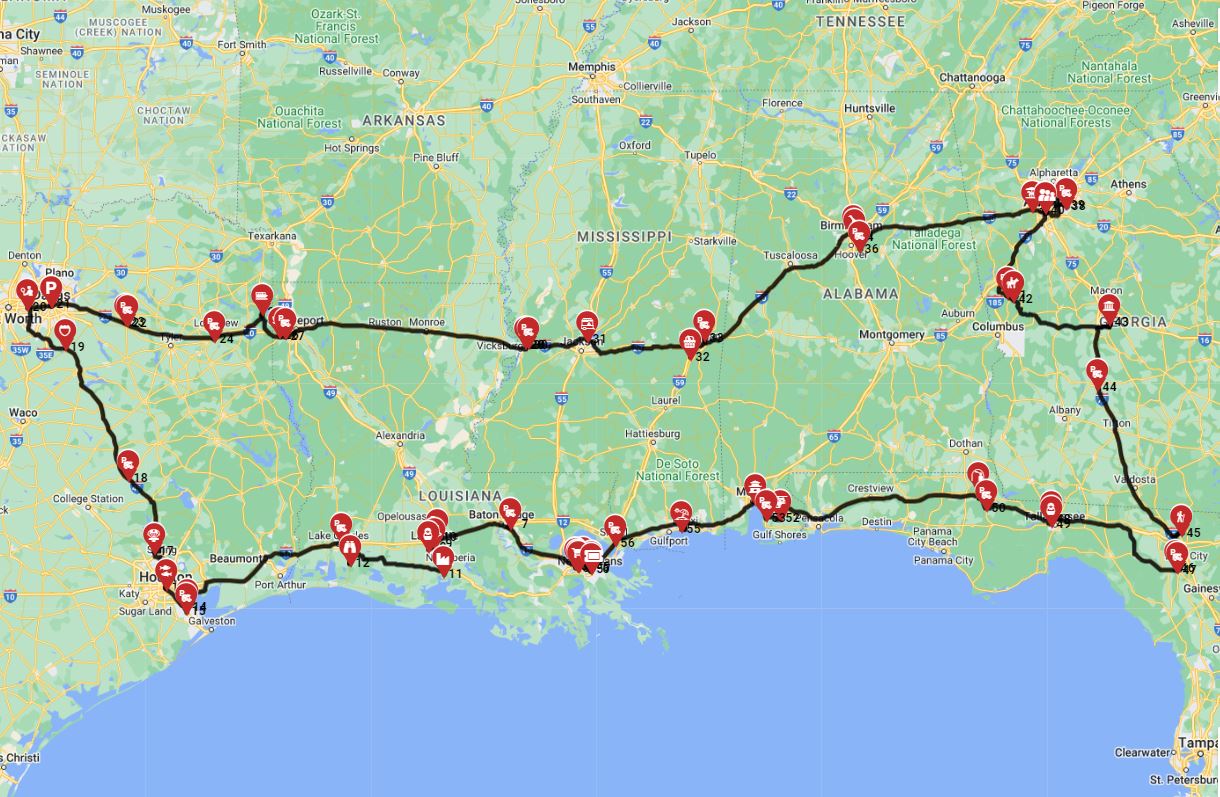
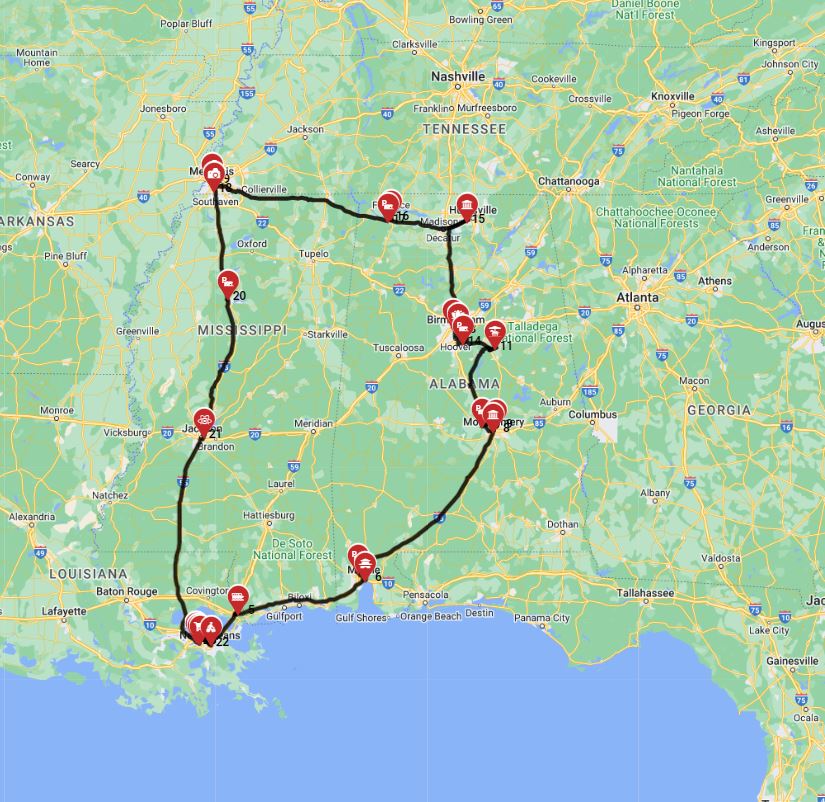
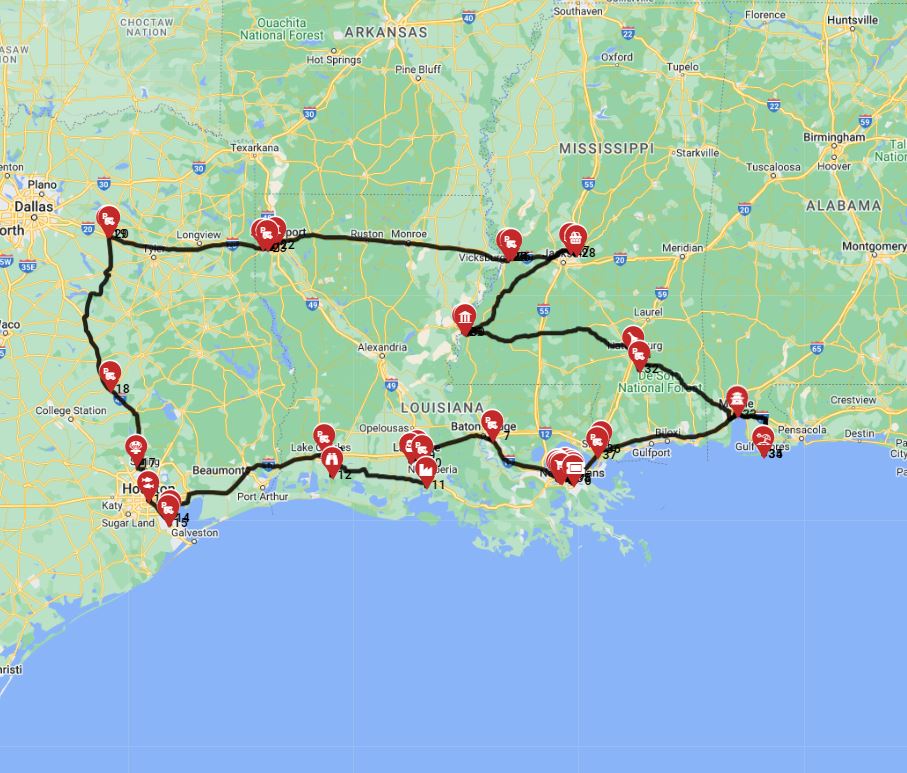
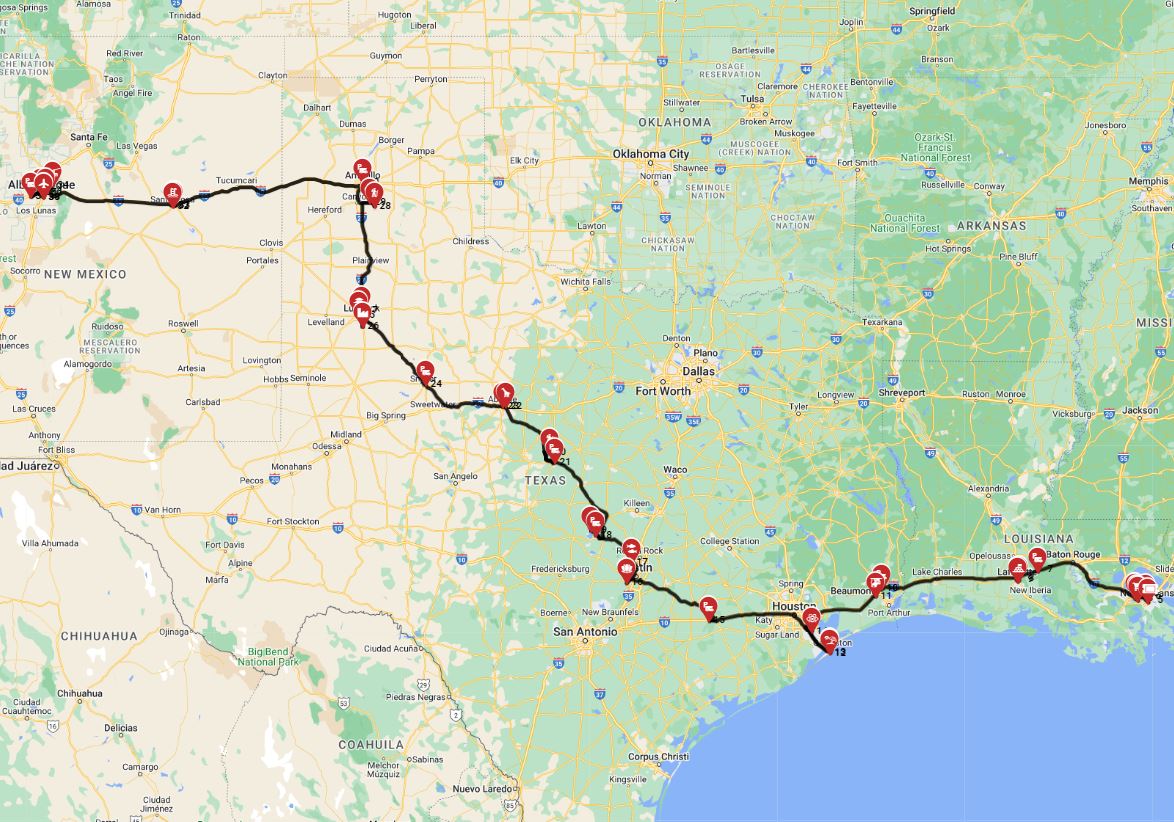
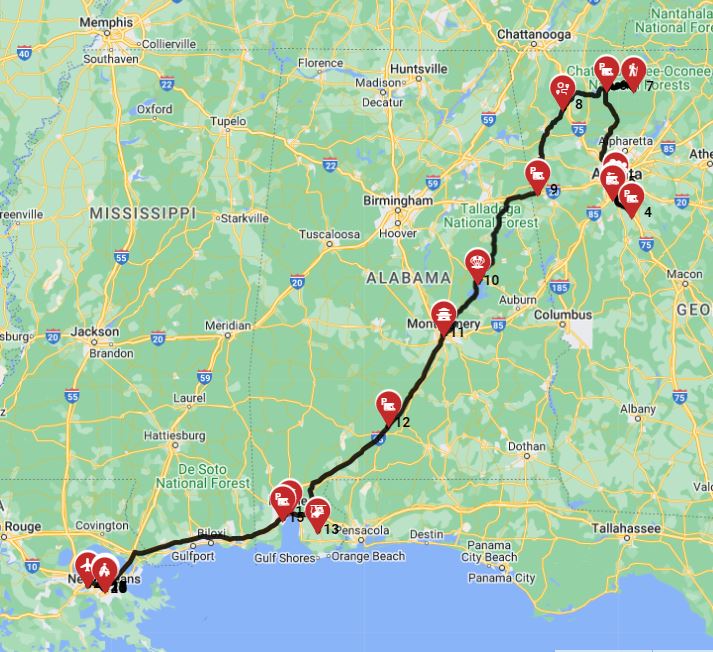
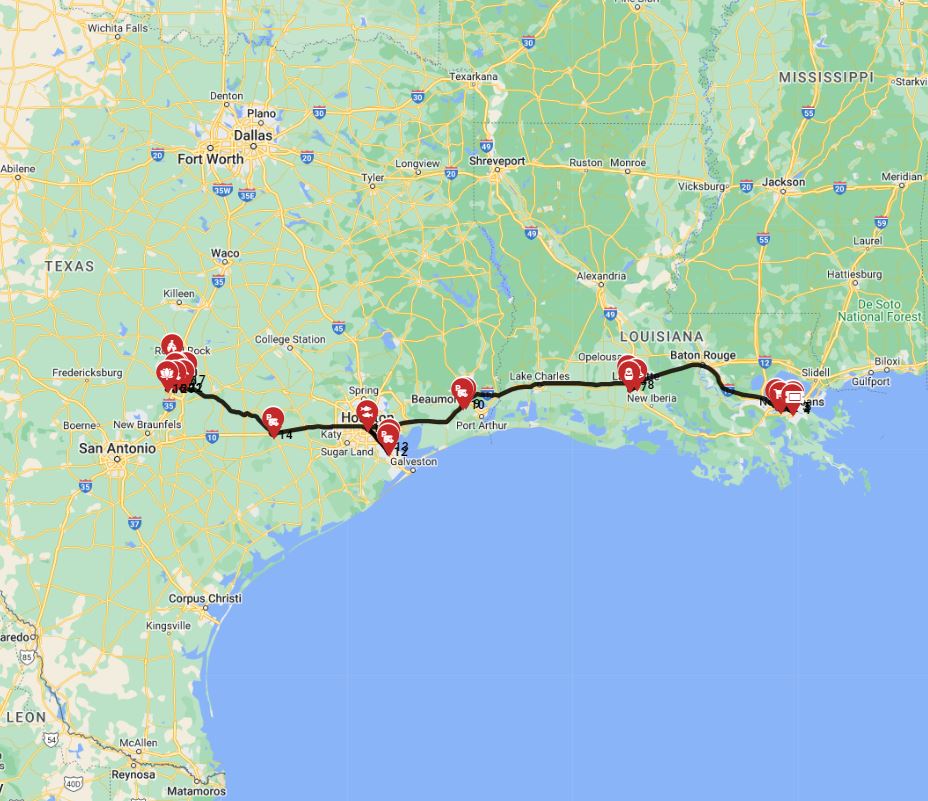
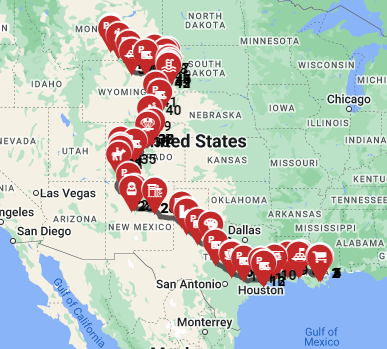
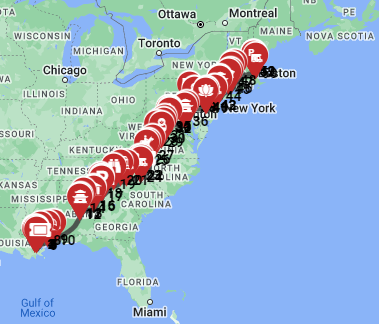
For an extensive journey that culminates in the vibrant city of New Orleans, consider exploring pre-planned routes designed by travel professionals. The RVPlan service offers a variety of detailed itineraries, and if you're looking to weave New Orleans into a grander adventure, consider a journey like "Chicago To New Orleans - 61 Strings: A Musical Motorhome Trip Along the Blues Highway." This comprehensive 15-day adventure covers 2918.4 kilometers, starting from Chicago and winding through various states before reaching New Orleans, including 6 museums and 3 heritage sites. Travelers who utilize RV PLANET for their trip planning are rewarded with a 25% planning discount, making it even more appealing to explore these expertly curated routes. Another excellent option for extending your trip to or from New Orleans is the "
New New Orleans to Chicago - Blues Highway Northbound
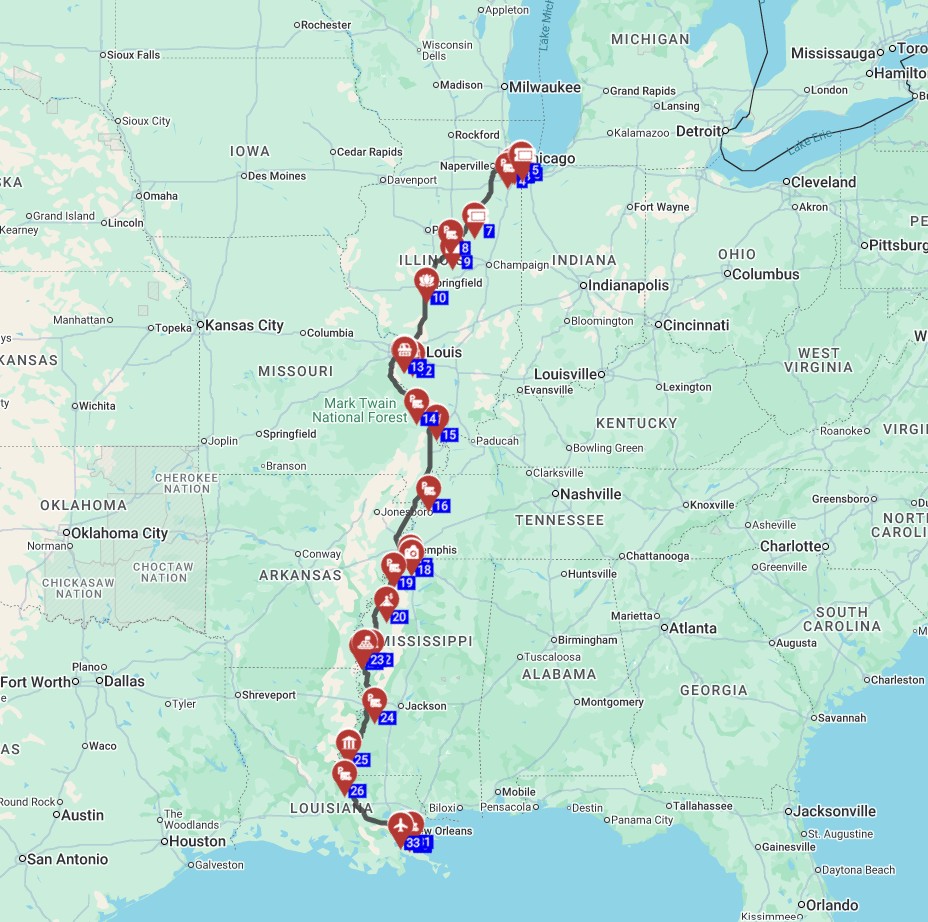
Chicago to New Orleans - Camper Blues Highway Adventure
Must-See Stops Along the Way (Avi Bandana Picks)
When exploring New Orleans, Avi Bandana recommends prioritizing traditional visits such as historic sites and cultural landmarks to truly grasp the city's rich heritage. These include St. Louis Cathedral, the historic mansions of the Garden District, and the powerful exhibits at the National WWII Museum. Indulge in authentic local cuisine by seeking out traditional restaurants and fine dining establishments that showcase New Orleans's renowned culinary scene, from classic Creole to spicy Cajun dishes. For a taste of local life and fresh ingredients for your RV kitchen, explore a traditional market like the Crescent City Farmers Market, offering everything from fresh produce to unique crafts. Discover the distinct character of the region by engaging with local industries, perhaps a tour of a coffee roasting facility or a local distillery, providing insight into unique trades and cultural practices. Each stop is an opportunity to connect deeply with the soul of Louisiana.Daily Driving Distances & Drive Times in New Orleans
Avi Bandana recommends a maximum of 100 miles or 150 km per day on average when driving your rented RV to ensure a relaxed pace and ample time for exploration, rather than rushing through the sights. While direct drives within New Orleans are typically short (e.g., a few kilometers between neighborhoods), navigating city traffic and narrow streets can extend travel times. For instance, an RV park like Reunion Lake RV Resort in Ponchatoula to the French Quarter typically takes about 1 hour, covering approximately 60 miles or 96 km. Driving from New Orleans to Baton Rouge for an extended exploration takes approximately 1.5 hours, covering around 80 miles or 129 km. It's important to remember that heavy traffic around Interstate 10 and US 90 can impact travel times, especially during peak hours. Drive slowly and carefully, and you can drive almost anywhere without issues. No need to stress — just use common sense and pay attention, especially when maneuvering a larger Class C motorhome through unfamiliar areas.Best RV Class for This Itinerary — Couple & Family Picks
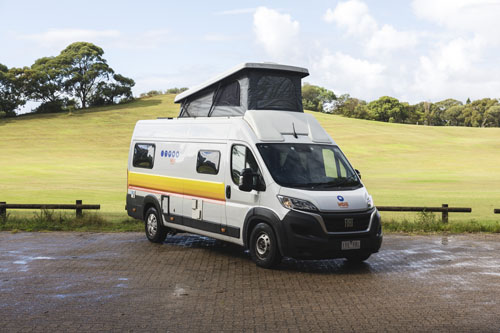
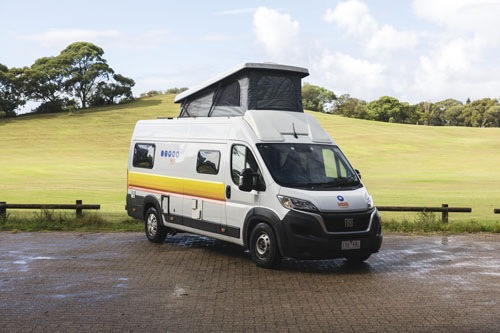
Choosing the right RV class significantly enhances your long-term New Orleans experience, with Bandana RV offering ideal options for both couples and families. For couples, a Class B campervan, like an "Active Classic" (typically under 6 meters in length, with a functional shower and toilet), is an excellent choice. These compact models, such as the "Patagonia Camper 4x4 double cab" (averaging 5 meters in length), are comfortable for 2 adults and easy to maneuver through urban and suburban areas while still offering essential amenities. Families will find a Class C motorhome to be highly suitable for long-term rentals in New Orleans. An "rv rentals example Comfort Class" (average length 8 meters, sleeping capacity for 6.6 people, ideal for 4-8 adults) provides ample space and comfort for extended stays without being overly cumbersome for navigating surrounding roads. The "24' Class C Motorhome" is another great option, with an automatic transmission and amenities like a generator and shower, perfect for a family of 2+2. Rent&Plan also provides a unique service combining RV rental with a ready-made itinerary, crafted by travel experts and accessible via their trip-planning software, significantly reducing pre-trip planning stress.How long can you rent an RV for?
You can typically rent a motorhome for durations ranging from a minimum of a week to several months, with many providers offering discounted rates for long-term rentals exceeding 30 days. Long-term RV rentals are ideal for immersive trips to destinations like New Orleans, allowing ample time to explore without rushing through its rich culture and history. Many rental companies provide flexible contracts and the option for extensions, making it easy to adapt to your travel pace if you decide to extend your stay in the vibrant Louisiana region. The definition of 'long term' usually starts at 30 days, offering significant savings compared to daily or weekly rates.Is it cheaper to rent an RV for a month?
Renting an RV for a month is generally more cost-effective on a per-day basis compared to shorter rental periods, as most companies offer significant discounts for extended bookings. This is because suppliers spread out their fixed costs (like preparation and cleaning) over a longer duration. Monthly rates often include more mileage or even unlimited mileage packages, and may have reduced daily insurance premiums, all contributing to overall savings for your long-term New Orleans adventure. When comparing total costs, a month-long RV rental can often be more economical than extended hotel stays for families or groups, offering the added benefit of a mobile home base. Always inquire about monthly specials, off-season rates, and any included amenities to maximize your savings and enjoy full transparency.What is the average monthly RV rental?
The average monthly RV rental cost in 2026 typically ranges from $1,500 to over $4,000, varying significantly based on the RV class, age, luxury features, and season of travel. Smaller Class B camper vans might fall on the lower end of this spectrum, costing around $1,500-$2,500 per month, while larger, more luxurious Class A integrated motorhomes will command higher monthly rates, potentially exceeding $4,000. Factors like booking season (peak vs. off-peak), included mileage allowances, and insurance coverage also play a crucial role in the final monthly price. It's advisable to get quotes from multiple Bandana partners like El Monte and Cruise America and compare what's included to find the best value for your long-term New Orleans trip.What is the best time of year for an RV trip to New Orleans?
The best time of year for an RV trip to New Orleans is during the spring (March to May) and fall (October to November) when the weather is delightfully mild, humidity is lower, and numerous festivals are underway. Spring offers pleasant temperatures (averaging 20-25°C) and hosts major events like the French Quarter Festival and the iconic Jazz Fest, though RV park bookings should be made well in advance due to high demand. Fall provides cooler, drier weather, perfect for exploring the city on foot, with fewer risks of the intense heat, humidity, and hurricane activity prevalent in summer, where temperatures can reach 35°C with high humidity. Avoid mid-summer (June-September) due to extreme heat and humidity, and be aware that Mardi Gras (late winter/early spring, typically February-March) brings massive crowds and significantly higher prices for RV parks and local services in the New Orleans area.How much does it cost to rent an RV in New Orleans for a month?
A month-long RV rental in New Orleans can cost anywhere from $1,800 to $4,500+ in 2026, but this figure is highly dependent on the RV class (e.g., a Class B campervan vs. a larger Class C motorhome), the rental company, and the time of year. Beyond the rental fee, anticipate significant ancillary costs such as fuel, which can be substantial for RVs (a Class C might get 10-12 MPG, impacting your budget over thousands of kilometers), daily campsite fees (typically $40-80/night at popular parks like New Orleans KOA Holiday), and personal spending on New Orleans's unique food, drink, and tours. Budgeting for NOLA-specific experiences, such as a traditional jazz brunch (often $30-50 per person) or a historic walking tour ($25-40 per person), should be factored in, alongside groceries if you plan to utilize your RV's kitchen to prepare meals. To save money, consider cooking many meals in your RV using fresh ingredients from local markets, taking advantage of free local attractions like City Park, and utilizing public transportation rather than ride-shares for every outing. For tracking these varied expenses on your journey, remember that RV PLANET routes allow travelers to itemize and track every cost along the way for easy budgeting.Can you RV camp with pets in New Orleans?
Many RV parks in and around New Orleans are pet-friendly, but it is crucial to verify each park's specific pet policies, including potential breed restrictions, leash requirements, and designated pet areas, before booking. Popular pet-friendly RV parks near New Orleans include the New Orleans KOA Holiday and Jude Travel Park, which often offer dog runs and welcome well-behaved pets with clear guidelines. New Orleans itself boasts several pet-friendly attractions, such as City Park (dogs welcome on leash), walking tours of the Garden District, and many restaurants with outdoor patio seating that readily welcome furry companions. Always adhere to local leash laws, clean up after your pet promptly, and ensure they are comfortable with the intense humidity and heat, especially during warmer months, by providing ample water and shade.What are the driving and parking challenges for RVs in New Orleans?
Driving an RV in New Orleans presents specific challenges due to its unique urban landscape, including narrow historic streets, occasional heavy traffic congestion, and a system of one-way streets, particularly within popular tourist districts. The historic French Quarter and surrounding areas are largely inaccessible to larger RVs (like many Class C or Class A motorhomes) due to street width restrictions, low-hanging tree branches, and strict parking regulations that prohibit oversized vehicles. RVers should plan routes carefully when entering the city, ideally sticking to major thoroughfares like I-10 and avoiding residential side streets which can be problematic for maneuverability. The most practical approach is to park your rented RV at an established RV park, such as New Orleans KOA or French Quarter RV Resort, located just outside the city center, and then utilize public transportation or ride-sharing services to explore the city itself. Drive slowly and carefully, and you can drive almost anywhere without issues. No need to stress — just use common sense and pay attention to signage and surroundings when driving in the New Orleans area.How do you get around New Orleans after parking an RV?
After parking your rented RV at an RV park located outside the immediate downtown area, the best ways to get around New Orleans are through its robust public transit system, ride-sharing services, or by utilizing bike rentals and walking. New Orleans's iconic streetcars (St. Charles, Canal, Riverfront lines) offer charming and practical transport to major attractions, with a 'Jazzy Pass' providing unlimited rides on streetcars and buses for 1, 3, or 31 days (prices vary by duration, e.g., a 31-day pass is roughly $55). Ride-sharing services like Uber and Lyft are readily available and convenient for direct routes or when returning late at night from areas like Frenchmen Street. Walking is ideal for exploring compact neighborhoods like the French Quarter or Garden District, where you can cover many blocks in just a few hours. Additionally, bike rentals offer a great way to tour scenic areas like City Park or the Mississippi River levee paths, with rentals typically costing $25-40 per day.How safe is RV camping in New Orleans?
RV camping in New Orleans is generally safe, especially when choosing reputable, well-maintained RV parks that offer amenities like gated access, security patrols, and good lighting. Campgrounds such as New Orleans KOA Holiday and Reunion Lake RV Resort are known for their security measures and a safe environment for your rented motorhome. It is crucial to take standard precautions, such as keeping your RV locked, securing valuables out of sight, and not leaving personal items unattended outside your vehicle at any time. When exploring the city, remain aware of your surroundings, especially in crowded tourist areas or after dark in less-trafficked neighborhoods. Researching the safety reputations of different neighborhoods in New Orleans before visiting is always a wise step. Selecting an RV park with positive reviews regarding safety and security will significantly enhance your peace of mind during your long-term stay, allowing you to enjoy your adventure with confidence.Are there free RV camping spots in New Orleans?
Boondocking or free RV camping options are extremely limited, if not virtually non-existent, directly within New Orleans, making commercial RV parks the realistic and recommended choice for visitors. Unlike some other regions in the United States, New Orleans does not have public lands or designated free camping areas suitable for RVs, and urban free parking is generally illegal or unsafe for overnight stays. While some Walmart locations or casinos (such as Boomtown Casino in Harvey) might permit overnight parking for self-contained RVs, it's essential to always request permission from management beforehand, and these are not guaranteed long-term solutions. Set proper expectations: budget for paid RV parks to ensure a safe, secure, and amenity-rich experience during your long-term rental in the New Orleans area, where daily rates typically range from $40-$80.What should I check on my RV before driving to New Orleans?
Before driving your rented RV to New Orleans, perform a comprehensive pre-trip inspection, focusing particularly on the air conditioning system, tire condition, and general fluid levels, given the city's unique sub-tropical climate and potential road conditions. Ensure your RV's air conditioning and humidity control systems are in excellent working order; New Orleans heat and humidity can be intense, reaching average highs of 32°C in summer, making a functional AC crucial for comfort and preventing interior moisture issues. Thoroughly inspect all tires for proper inflation and tread wear, as potholes can be common on some Louisiana roads, and sustained heat can impact tire pressure, increasing the risk of blowouts. Check all fluid levels (oil, coolant, brake fluid), test all exterior and interior lights, and inspect brakes to ensure your RV is mechanically sound for both highway travel and navigating urban environments. This proactive approach will help ensure a smooth and enjoyable long-term RV rental experience.What are some etiquette tips for RVers visiting New Orleans?
RVers visiting New Orleans should embrace local etiquette by being respectful of noise levels in RV parks and residential areas, mindful of parking regulations, and engaging positively with the city's unique culture. At RV parks like the New Orleans KOA Holiday, maintain quiet hours (often 10 PM to 7 AM) and be considerate of neighbors, especially when running generators or setting up camp late at night, as noise carries easily. When exploring the city, support local businesses and artists, especially street performers in the French Quarter; a small tip of $1-$5 is always appreciated for their entertainment. Respect the historic nature of the city by avoiding littering, staying on designated paths in parks and cemeteries, and refraining from loud or disruptive behavior in historic neighborhoods. Always remember to ask before taking photos of people or private property.Where can RVers find local food and drink in New Orleans?
RVers can easily find authentic New Orleans food and drink by visiting local farmers' markets for fresh ingredients to cook in their RVs, exploring eateries with outdoor seating accessible via public transit, and considering dedicated food tours. The Crescent City Farmers Market (operating at various locations throughout the week, e.g., Tuesday at Uptown, Thursday at Mid-City, Saturday at Downtown) is an excellent source for fresh, local produce, seafood, and artisanal products, perfect for stocking your RV kitchen. Many restaurants outside the immediate French Quarter, particularly along Magazine Street or in the Bywater neighborhood, offer outdoor seating and are often easily reached by bus or streetcar from your RV park, providing a taste of local flavors without the hassle of city parking. Look into specialized food tours focusing on Cajun and Creole cuisine, which can often accommodate unique pickup points or provide guidance on RV-friendly dining options in different neighborhoods.What You Shouldn't Miss
- Stroll through the **French Quarter:** Immerse yourself in the historic architecture, vibrant street performers on Royal Street, and iconic Bourbon Street. Don't miss a stop at Café Du Monde for classic beignets and chicory coffee.
- Explore the **Garden District:** Take a walking tour to admire the grand antebellum mansions and beautiful gardens. Combine it with a visit to the historic Lafayette Cemetery No. 1.
- Experience a **Swamp and Bayou Tour:** Get out into the Louisiana wetlands for an authentic encounter with alligators and diverse wildlife. Many tours depart from locations accessible by a short drive from RV parks.
- Indulge in **New Orleans Cuisine:** From gumbo and jambalaya to po'boys and oysters, savor the unique flavors. Consider a cooking class to bring the taste of New Orleans back to your RV kitchen.
- Catch **Live Music on Frenchmen Street:** Beyond Bourbon Street, Frenchmen Street in the Marigny neighborhood offers a more local, authentic jazz and blues club experience.
- Visit **City Park:** One of the largest urban parks in the country, it offers beautiful oak trees, the New Orleans Museum of Art, and the Besthoff Sculpture Garden – perfect for a relaxing day.
Final Thoughts
A long-term RV rental in New Orleans offers an incredible opportunity to truly immerse yourself in the unique rhythm and charm of this unforgettable city, along with the broader beauty of Louisiana. Imagine the freedom of having your own mobile home, a comfortable base from which to explore the historic French Quarter, the serene bayous, and the rich cultural tapestry of the region at your own pace. With Bandana RV, you're not just renting a vehicle; you're unlocking a world of authentic experiences, supported by a team that genuinely loves RV travel. Whether you envision a slow-paced exploration of local markets and music venues, or an extended adventure delving into the state's plantations and natural wonders, a long-term motorhome or campervan rental is your ticket. Remember to plan slowly, savoring each moment and driving no more than 100-150 km per day on average to truly connect with the culture, food, and scenery of New Orleans. We're here to help you every step of the way, ensuring your booking process is seamless and transparent. Your extended New Orleans adventure awaits! Find Motorhome Rentals in New OrleansOn the routes offered through RV PLANET routes, you can itemize and track every expense along the way for easy budgeting.