In This Guide
- Best Japan RV Itinerary for long term rv rental — Overview
- 7-Day Classic Route in Japan
- 14-Day Extended Journey in Japan
- Recommended RVPlan Trip for Japan
- Must-See Stops Along the Way (Avi Bandana Picks)
- Daily Driving Distances & Drive Times in Japan
- Best RV Class for This Itinerary — Couple & Family Picks
- Is Japan good for RVing
- What side of the road do they drive in Japan
- Can foreigners drive RV in Japan
- What do you need to RV in Japan
- What are the rules for pet travel in an RV in Japan
- How to prepare for emergencies while RVing in Japan
- Are there campgrounds in Japan
- How to wild camp in Japan
- How much does it cost to rent an RV in Japan
- How to rent an RV in Japan
- What You Shouldn't Miss
- Why Book with Bandana Caravan
- Final Thoughts
- Frequently Asked Questions
Imagine yourself on an unforgettable journey through Japan, where ancient traditions meet futuristic innovations, all from the comfort of your own rented motorhome. A long-term RV rental in Japan offers an incredibly immersive way to experience this captivating country, allowing you to venture from vibrant cityscapes to tranquil, untouched nature at your own pace. With Bandana RV, you're not just renting a vehicle; you're unlocking a world of exploration with full transparency and dedicated support every step of the way. For live availability and current prices, start with our RV Rental Japan - Complete Guide 2026 guide.
Best Japan RV Itinerary for long term rv rental — Overview
A long-term RV rental in Japan provides an immersive cultural experience, typically covering 1,500-3,000 km over a recommended minimum of 7 days, with trips of 14+ days offering deeper exploration. Ideal seasons for RV travel in Japan are spring (March-May) for the iconic cherry blossoms and autumn (September-November) for vibrant foliage, as these times avoid the intense summer heat and typhoon season, and heavy winter snow in some mountainous regions. This guide outlines route plans focusing on diverse landscapes, from bustling cities like Tokyo and Osaka to tranquil rural areas, all while utilizing Japan's efficient road network and unique Michi-no-Eki (roadside stations) for convenience and authentic local interaction. Traveling with a rented RV allows you to experience Japan's blend of ancient and modern in a truly flexible and personal way.
7-Day Classic Route in Japan
A 7-day motorhome itinerary in Japan allows you to experience key cultural highlights and natural beauty within a manageable timeframe. This classic route focuses on the Honshu island, connecting major cities and scenic spots with an average daily drive of 100-150 km, ensuring you have ample time to explore at each stop.
- Day 1: Tokyo → Hakone (approx. 100 km). Highlights include breathtaking Mount Fuji views and relaxing onsen experiences. Stay overnight at a Hakone Michi-no-Eki or a local campground.
- Day 2: Hakone → Izu Peninsula (approx. 80 km). Enjoy picturesque coastal drives and discover charming fishing villages along the way. Find comfortable overnight parking at an Izu Michi-no-Eki.
- Day 3: Izu Peninsula → Shizuoka (approx. 120 km). Explore expansive tea plantations and ascend to the scenic Nihondaira plateau for panoramic views. A Shizuoka campground makes a great overnight stop.
- Day 4: Shizuoka → Nagoya (approx. 150 km). Visit the historic Nagoya Castle and the revered Atsuta Jingu Shrine. Park your rented campervan at a campground on the city outskirts.
- Day 5: Nagoya → Kyoto (approx. 130 km). Immerse yourself in Kyoto's rich history, visiting iconic sites like Kinkaku-ji (Golden Pavilion) and the serene Arashiyama Bamboo Grove. Secure a spot at a Kyoto area campground.
- Day 6: Kyoto → Nara (approx. 45 km). Spend the day at Nara Park, famous for its friendly deer, and explore the impressive Todai-ji Temple. An overnight stay at a Nara Michi-no-Eki or campground offers convenience.
- Day 7: Nara → Osaka (approx. 40 km). Conclude your journey in Osaka, experiencing the vibrant Dotonbori district and the majestic Osaka Castle. Park your RV at an Osaka area campground or proceed to return your rental motorhome.
14-Day Extended Journey in Japan
For those with more time, a 14-day rented campervan adventure allows for a deeper dive into Japan's diverse regions, maintaining a relaxed pace of around 120-150 km per day. This extended itinerary from Bandana RV takes you from the bustling Kanto plains to the historic Kansai region and beyond.
- Days 1-3 (Kanto Region): Begin in Tokyo, then journey to Hakone (Fuji views, onsen) and continue to Nikko (shrines, temples). Overnight at Michi-no-Eki or campgrounds near these attractions, covering a maximum of 120 km per day.
- Days 4-6 (Central Honshu): From Nikko, head to Matsumoto to see its historic castle and the stunning Japanese Alps, then proceed to the preserved old town of Takayama. Utilize Michi-no-Eki or mountain campgrounds for peaceful nights, keeping drives to a maximum of 140 km per day.
- Days 7-9 (Kansai Region): Travel from Takayama to Kyoto to explore its numerous temples and the charming Geisha district, then on to Nara for its famous Deer Park and Todai-ji. Designated campgrounds are available for overnight stays, with daily driving distances around 150 km.
- Days 10-12 (Western Honshu): Continue your journey from Nara to Hiroshima to visit the Peace Memorial Park, followed by a scenic ferry ride to Miyajima Island for the iconic Itsukushima Shrine. Campgrounds with ferry access are available, maintaining a maximum of 150 km per day.
- Days 13-14 (Return): From Miyajima, drive back towards Osaka to enjoy the vibrant Dotonbori district and Osaka Castle. Plan to return your rented RV to the designated depot by the end of Day 14, with a final drive of up to 150 km.
Recommended RVPlan Trip for Japan
While a specific RVPLAN trip for Japan is not currently available through our pre-planned routes, Bandana RV encourages travelers to explore our diverse range of expertly curated RV itineraries designed for various destinations worldwide. These ready-made plans leverage local knowledge to optimize routes, suggest must-see stops, and ensure a smooth journey, providing a perfect starting point for customizing your own Japanese adventure. Users can utilize our comprehensive trip-planning software on RV PLANET routes to tailor their Japanese RV itinerary, ensuring a personalized and hassle-free long-term rental experience. We're true RV specialists, not just a side department of a travel agency, so we genuinely know what makes an RV trip special.
Must-See Stops Along the Way (Avi Bandana Picks)
Looking for expert insights from Avi Bandana? Top 5 Adventures - recommendations from Avi Bandana.
Avi Bandana's personal picks for an authentic Japanese RV journey always include ample time at Michi-no-Eki, Japan's unique roadside stations that offer free overnight parking, local markets, and clean facilities, often including onsen. These are invaluable for a long-term RV rental in Japan, offering both convenience and a taste of local life. Seek out traditional visits such as historic castles like Himeji or Matsumoto, ancient temples and shrines in Kyoto and Nara, and serene Japanese gardens that provide a glimpse into the country's rich heritage. Don't miss opportunities to sample local cuisine at traditional restaurants or explore vibrant traditional markets like Tsukiji Outer Market in Tokyo or Omicho Market in Kanazawa, offering fresh seafood and regional delicacies. Cooking some of your meals in your rented motorhome is a great way to save money and enjoy local ingredients; check out our RV-friendly recipes playlist for inspiration. Look for local industry tours, such as sake breweries or artisanal craft workshops, to understand the dedication and skill embedded in Japanese culture. Remember, when planning your RV Rental Asia - Complete Guide 2026, flexibility and a keen eye for local charm will make your trip truly special.
Daily Driving Distances & Drive Times in Japan
Avi Bandana recommends a maximum of 100 miles or 150 km per day on average when RVing in Japan to allow ample time for exploration, cultural immersion, and unexpected discoveries. Traveling slowly ensures you can enjoy the scenic routes, stop at charming Michi-no-Eki, and navigate Japan's occasionally narrow roads and intricate city centers without rush. Drive slowly and carefully, and you can drive almost anywhere without issues. No need to stress - just use common sense and pay attention. Example drive times include Tokyo to Hakone (approx. 100 km) which can take 1.5-2 hours, and Kyoto to Nara (approx. 45 km) typically taking around 1 hour, both depending heavily on traffic conditions and toll roads. Planning for slower travel also helps you budget for fuel and tolls, which can be significant costs in Japan. On the routes offered through RV PLANET routes, you can itemize and track every expense along the way for easy budgeting.
Best RV Class for This Itinerary — Couple & Family Picks
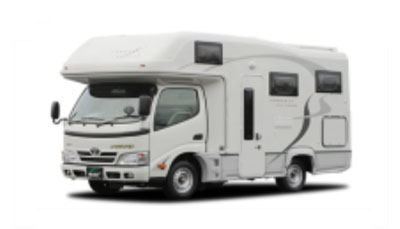
For couples embarking on a long-term RV rental in Japan, the Class B - Camper Van is an ideal choice, offering excellent maneuverability on Japan's narrower roads with an average length of 5.8 meters and sleeping capacity for approximately 3.2 people. These compact campervans, often with features like "Front Air condition", "Shower", and "Toilet", are perfect for navigating both urban environments and scenic routes. For families, the Class C - Alcove RV is highly recommended due to its spaciousness, averaging 7.5 meters in length and accommodating an average of 5.8 sleeping places, making it suitable for 4-5 adults while ensuring comfort. Our "Rent&Plan" service combines RV rental with a ready-made itinerary crafted by travel experts, providing full access to trip-planning software to remove the planning headache for both couples and families. This service can guide you to find the perfect Class C motorhome, which often includes "3 double beds" and is "Ideal for family of 2+2" like the 'rv rentals example Comfort Class' or '4 Berth Deluxe'. With Bandana, you get a seamless experience, whether you choose a smaller, nimble vehicle like a 'Category Van' or a larger, comfortable Class C motorhome like 'Comfort Family'.
Is Japan good for RVing
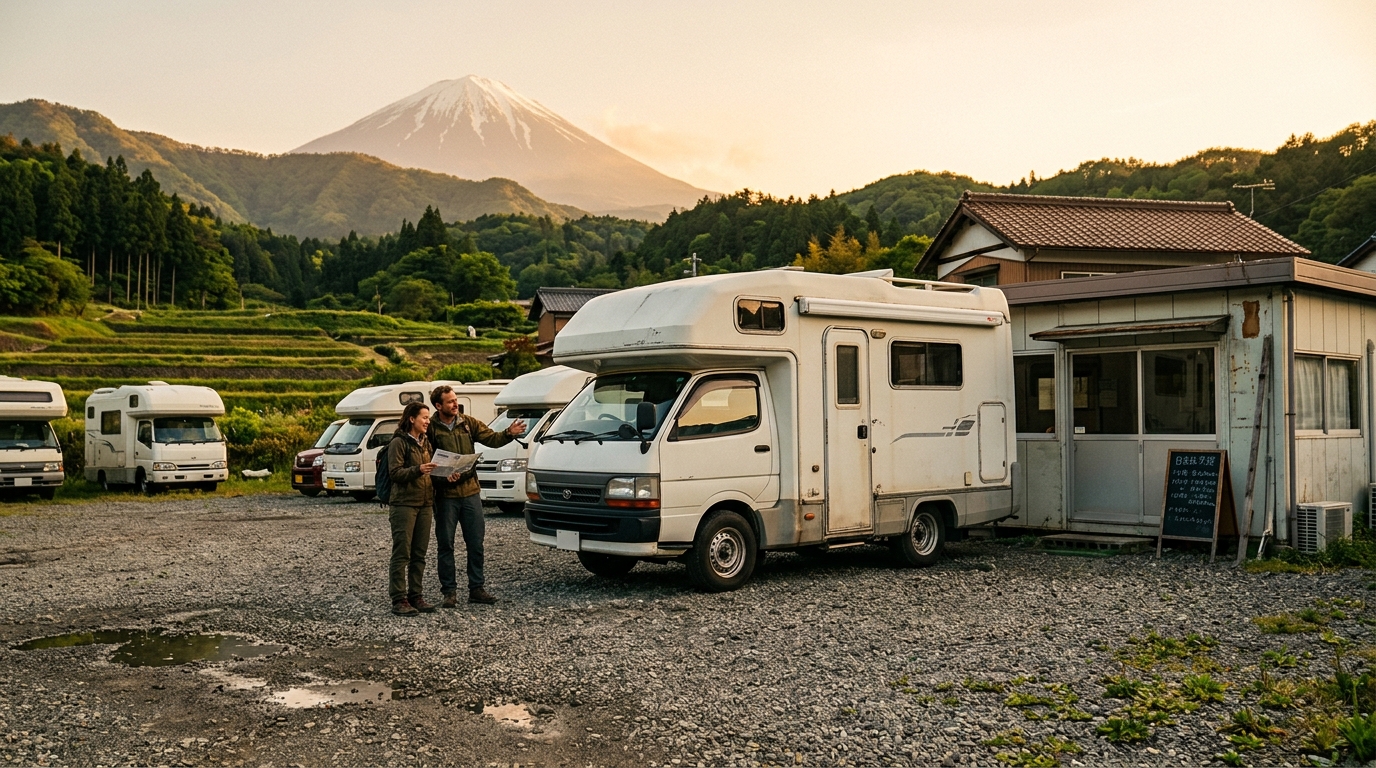
Japan offers an exceptionally unique and rewarding RV experience, particularly known for its extensive network of Michi-no-Eki (roadside stations) that provide safe, free overnight parking with amenities, making it very suitable for long-term RV travel. The country boasts diverse landscapes, from mountainous regions and pristine coastlines to historic cities, all accessible via well-maintained roads, though some rural routes can be narrow. Drive slowly and carefully, and you can drive almost anywhere without issues. No need to stress - just use common sense and pay attention. Travelers should consider seasonal challenges, such as navigating heavy snow in winter in northern regions, avoiding typhoon season (typically August-October), and planning for larger crowds during popular times like cherry blossom season (March-April). Despite these considerations, the unique infrastructure and cultural experiences make a long term rv rental in Japan an incredible adventure.
What side of the road do they drive in Japan
In Japan, vehicles drive on the left side of the road, and the steering wheel is on the right, which is crucial for international visitors to understand and adapt to. This left-hand traffic system is consistent throughout the country, and road signs are generally clear, often including English translations, though rural areas may have fewer English signs. When planning a long-term RV rental in Japan, ensure you are comfortable with right-hand drive vehicles, as this configuration is standard for all rental RVs in Japan. Taking a day or two to practice driving your rented motorhome outside of major cities can greatly enhance your confidence.
Can foreigners drive RV in Japan
Foreigners can legally drive an RV in Japan if they possess an International Driving Permit (IDP) issued in their home country, alongside their valid domestic driver's license, provided the IDP is recognized by Japanese law. It is vital to check if your country's IDP format is accepted; typically, IDPs based on the 1949 Geneva Convention are valid, while some countries (e.g., Germany, Switzerland, France) require official Japanese translations of their national license. The minimum rental age for a motorhome in Japan is 21 years old, with no young driver surcharges or vehicle class restrictions based on age. While navigating with an IDP, consider language barrier solutions like translation apps or GPS systems with English voice guidance, as road signs in less touristy areas may primarily be in Japanese, and communication during emergencies could be challenging.
What do you need to RV in Japan
To successfully RV in Japan, you primarily need a valid International Driving Permit, a suitable RV rental (preferably compact for Japan's narrower roads), comprehensive insurance, and a strong understanding of local driving rules and Japanese cultural etiquette. Essential items for your rented motorhome include a reliable GPS with English options, a portable Wi-Fi device or local SIM card for navigation and emergency communication, and a basic Japanese phrasebook or translation app to overcome language barriers, especially in rural areas. Familiarize yourself with waste disposal norms-Japan has specific rules for grey and black water, which differ significantly from Western practices, and designated facilities should always be used to respect local customs and environment. Remember to prepare for unexpected situations, and always check trail conditions and opening hours before travel.
What are the rules for pet travel in an RV in Japan
Traveling with pets in a rented RV in Japan involves strict regulations, requiring health certificates, vaccinations, microchipping, and potentially a quarantine period upon entry, making advance planning crucial. Many RV rental companies may have specific restrictions or additional fees for pets, so it is essential to confirm their pet policy before booking a long-term rental. While some Michi-no-Eki and campgrounds are pet-friendly, access to indoor facilities (like restaurants or shops) often excludes animals, and public etiquette dictates keeping pets leashed and cleaning up thoroughly. Always verify pet policies directly with the campground or Michi-no-Eki before arrival to ensure a smooth trip with your furry companions in Japan.
How to prepare for emergencies while RVing in Japan
Preparing for emergencies while RVing in Japan, a country prone to natural disasters like earthquakes, typhoons, and tsunamis, involves staying informed and having a clear action plan. Download emergency alert apps (e.g., NHK World-Japan) that provide real-time warnings in English, and familiarize yourself with local evacuation routes and designated shelters, often marked with clear signage. Keep a basic emergency kit in your rented RV including water, non-perishable food, a first-aid kit, a portable charger, a flashlight, and important documents, ensuring you know how to contact emergency services (110 for police, 119 for fire/ambulance). Having 24/7 support from Bandana RV means you have real people behind you before, during, and after your booking, ready to assist with coordination and ensure peace of mind.
🎬 Video coming soon
Are there campgrounds in Japan
Yes, Japan has a well-developed network of over 3,000 campgrounds, ranging from basic sites to full-service 'auto-camps' with amenities like electricity, hot showers, and cooking facilities, catering well to RV travelers. Beyond traditional campgrounds, Japan's unique Michi-no-Eki (roadside stations) serve as crucial hubs for RVers, offering free, safe overnight parking, clean restrooms, local markets, and sometimes even onsen (hot springs), making them ideal for long-term stays. Many campgrounds are located in scenic areas like national parks or near popular attractions, but it's advisable to book in advance, especially during peak seasons like Golden Week or Obon. Remember, Bandana RV recommends calling ahead to ensure availability before driving to any campground.
How to wild camp in Japan
True 'wild camping' (setting up a tent or parking a rented RV indiscriminately in non-designated areas) is generally not permitted or culturally accepted in Japan and is best avoided to respect local regulations and etiquette. Instead of traditional wild camping, RVers should primarily utilize Japan's extensive network of Michi-no-Eki, which explicitly allow free overnight parking for RVs and provide a safe, well-equipped alternative. When staying at Michi-no-Eki, it is customary to be considerate of others, keep noise levels low, dispose of waste properly in designated receptacles, and avoid setting up extensive outdoor camps, treating it more as a resting stop than a full campsite. Many national and state parks reserve only 25-30% of spots for advance booking, with the rest available first-come-first-serve, so you'll find a spot. If not at the first campground, then the next one. Just call ahead before driving.
How much does it cost to rent an RV in Japan
The total cost to rent an RV in Japan for a long term varies significantly, typically ranging from ¥8,000 to ¥25,000 per day (approx. $55-$170 USD) depending on the RV class, rental duration, season, and the specific rental company. Prices are dynamic, similar to flight tickets, changing daily based on availability, seasonality, and supplier marketing decisions; the final price is set at the actual booking time. Beyond the base rental fee, a comprehensive cost breakdown must include significant expressway tolls (which can be expensive, often paid via an ETC card), fluctuating fuel prices (typically higher than in many Western countries), and variable campground fees (¥1,500-¥5,000 per night for auto-camps, while Michi-no-Eki are free). Additional potential costs encompass optional upgrades like top-level deductible reimbursement for extra peace of mind, ferry fees for island travel, parking fees in cities, and food expenses, making a detailed budget essential for a long-term Japanese RV adventure. For detailed expense tracking and planning for these ancillary costs, RV PLANET routes allow travelers to itemize and track every expense along the way for easy budgeting.
How to rent an RV in Japan
To rent an RV in Japan, begin by researching reputable rental companies that cater to international travelers, such as Bandana's direct partners like El Monte, Cruise America, Apollo, and Britz, comparing their fleets and rental terms. We compare final prices across 50+ suppliers so you don't have to. When selecting an RV, prioritize compact models like Class B Camper Vans or smaller Class C motorhomes, as they are best suited for Japan's narrower roads, tighter parking spaces, and lower height restrictions. Ensure you have all necessary documentation, including your International Driving Permit and a valid credit card, and consider booking several months in advance, especially for peak travel seasons, to secure your preferred vehicle for a long-term rental. However, last-minute deals on "Last-Minute RV Rental in Japan - What to Expect 2026" can sometimes be found. For finding campsites and campgrounds during your trip, we recommend using RV PLANET (rvplan.net) - a great resource for locating available spots along your route. We handle the details, you live the journey-personal service from day one until your booking is confirmed.
What You Shouldn't Miss
- Explore Tokyo's Dynamic Neighborhoods: Drive your rented campervan to the outskirts and use public transport to dive into Shibuya's scramble crossing, the historic temples of Asakusa, and the vibrant culture of Harajuku.
- Relax in Hakone's Onsen with Fuji Views: Enjoy the therapeutic hot springs in Hakone, often with stunning panoramic views of Mount Fuji, a perfect serene stop on your RV itinerary.
- Wander Kyoto's Ancient Alleys: Immerse yourself in the traditional beauty of Kyoto, visiting UNESCO World Heritage sites like Kinkaku-ji and Fushimi Inari-taisha, and perhaps spotting a geisha in Gion.
- Encounter Nara's Friendly Deer: Spend a day in Nara Park, feeding and interacting with the revered deer that roam freely among ancient temples like Todai-ji.
- Reflect at Hiroshima Peace Memorial Park: A poignant and essential stop for understanding Japan's modern history and its message of peace.
- Experience the Floating Torii Gate at Miyajima: Take a ferry to Miyajima Island to witness the iconic Itsukushima Shrine, especially breathtaking during high tide when its torii gate appears to float on water.
Final Thoughts
Embarking on a long-term RV itinerary in Japan offers an unparalleled journey of discovery, allowing you to immerse yourself in its rich culture and breathtaking landscapes at your own pace. With a rented motorhome from Bandana RV, you gain the freedom to explore everything from the bustling streets of Tokyo to the tranquil Japanese Alps, knowing you have transparent pricing and dedicated support every step of the way. Whether you choose a nimble campervan for two or a spacious Class C for the whole family, Japan promises an adventure like no other.
Don't let the details of planning hold you back. Our expertise, coupled with resources like RV PLANET, makes arranging your dream Japanese road trip simpler than you might imagine. Get inspired for your next trip! Discover top destinations, planning tips, all in one place! Plan a trip itinerary in advance with minimal effort and maximum enjoyment. Start comparing long term rv rental deals in Japan today, and get ready to create memories that will last a lifetime.
Compare Motorhome Prices for Japan and find the perfect vehicle for your adventure!