For live availability and current prices, start with our RV Rental Dublin - Complete Guide 2026 guide.
In This Guide
- Best Dublin RV Itinerary for long term rv rental — Overview
- 7-Day Classic Route in Dublin
- 14-Day Extended Journey in Dublin
- Recommended RVPlan Trip for Dublin
- Must-See Stops Along the Way (Avi Bandana Picks)
- Daily Driving Distances & Drive Times in Dublin
- Best RV Class for This Itinerary — Couple & Family Picks
- What are some hidden gems in Ireland?
- Is it difficult for Americans to drive in Ireland?
- How many days do you really need in Dublin?
- Can you take a motorhome to Ireland?
- What are some good campervan routes in Ireland?
- What I wish I knew before going to Ireland?
- What to see not far from Dublin?
- Can I park a campervan anywhere in Ireland?
- What are long term RV parks called?
- What is the most beautiful drive in Ireland?
Best Dublin RV Itinerary for long term rv rental — Overview
Embarking on a long-term RV rental from Dublin provides an unparalleled opportunity for an immersive exploration of Ireland. This flexible approach allows for deep dives into the country's diverse regions, from the bustling capital to the rugged west coast. A comprehensive long-term trip, such as the popular "
7-Day Classic Route in Dublin
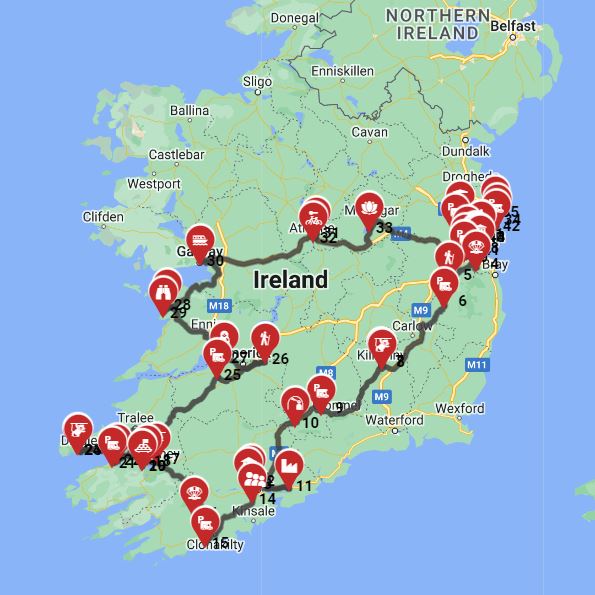
A classic 7-day route starting from Dublin offers a fantastic introduction to Ireland's charm and history for long-term RV renters. The itinerary is designed to balance driving with sightseeing, ensuring you get a taste of the country's diverse offerings. Day 1 typically involves picking up your rented RV in Dublin and spending some time exploring the city center. For your first night, consider parking at a campground near Dublin, such as Camac Valley Tourist Caravan & Camping Park. Day 2 takes you to the stunning Wicklow Mountains National Park, with a drive to Glendalough (approximately 60 km, 1 hour). Here, you can explore the ancient monastic site and enjoy the numerous hiking trails. Roundwood Caravan & Camping Park is a great option for overnighting. Day 3 continues the journey to Kilkenny (around 80 km, 1 hour 30 minutes), a city renowned for its well-preserved medieval mile and Kilkenny Castle. Tree Grove Caravan & Camping Park is a popular choice for RVs. Day 4 leads to Cashel (about 60 km, 1 hour), where the iconic Rock of Cashel and Hore Abbey await. Parson's Green Camping Park is a convenient stop. On Day 5, you'll head towards Cork (approximately 80 km, 1 hour 30 minutes), a must-do for many is kissing the Blarney Stone at Blarney Castle. Blarney Caravan & Camping Park is a good option here. Day 6 takes you to Waterford (around 120 km, 2 hours), exploring the Viking Triangle and the House of Waterford Crystal. Newtown Cove Caravan & Camping Park offers excellent facilities. Finally, on Day 7, you'll make the return journey to Dublin (about 170 km, 2 hours 30 minutes), where you'll drop off your RV and prepare for your departure.
14-Day Extended Journey in Dublin
For those seeking a more in-depth exploration, an extended 14-day journey from Dublin allows for a richer experience of Ireland's landscapes and culture. The first seven days can follow the '7-Day Classic Route,' concluding in Waterford. On Day 8, the adventure continues to Killarney (approximately 180 km, 3 hours), the gateway to the magnificent Killarney National Park and the historic Muckross House. Fossa Caravan & Camping Park is a highly recommended spot for RVs. Day 9 is dedicated to the breathtaking Ring of Kerry scenic drive (a loop of around 170 km), offering unparalleled coastal views and charming villages; you'll return to the Killarney area for the night. Day 10 heads north towards the dramatic Cliffs of Moher and the vibrant music town of Doolin (about 150 km, 2 hours 30 minutes). Nagles Doolin Camping & Caravan Park provides a great base. Day 11 involves a short drive to Galway City (around 80 km, 1 hour 30 minutes), a lively hub known for its bohemian atmosphere and the Latin Quarter. Salthill Caravan Park is a popular choice for parking your RV. Day 12 is for exploring the rugged beauty of the Connemara Loop (100-150 km loop), including Connemara National Park and the enchanting Kylemore Abbey, before returning to the Galway area. On Day 13, your route might take you to Athlone (approximately 90 km, 1 hour 30 minutes), with a visit to the ancient monastic site of Clonmacnoise and Athlone Castle. A local caravan park will be your accommodation. Day 14 is the final leg, returning to Dublin (about 130 km, 1 hour 45 minutes) to return your RV and conclude your memorable long-term rental.
Recommended RVPlan Trip for Dublin
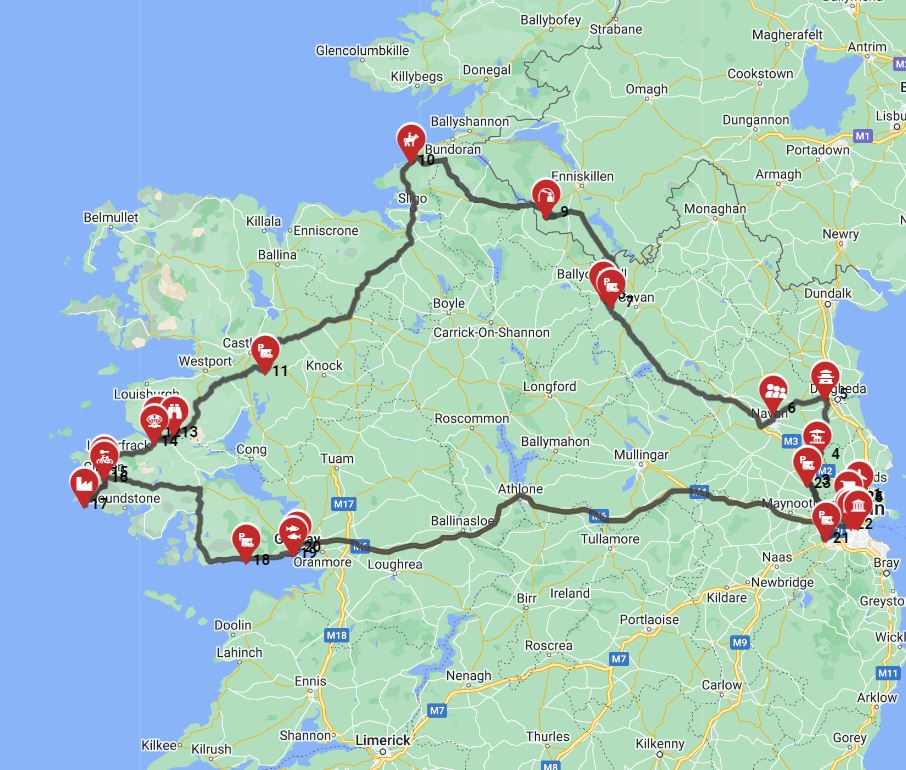
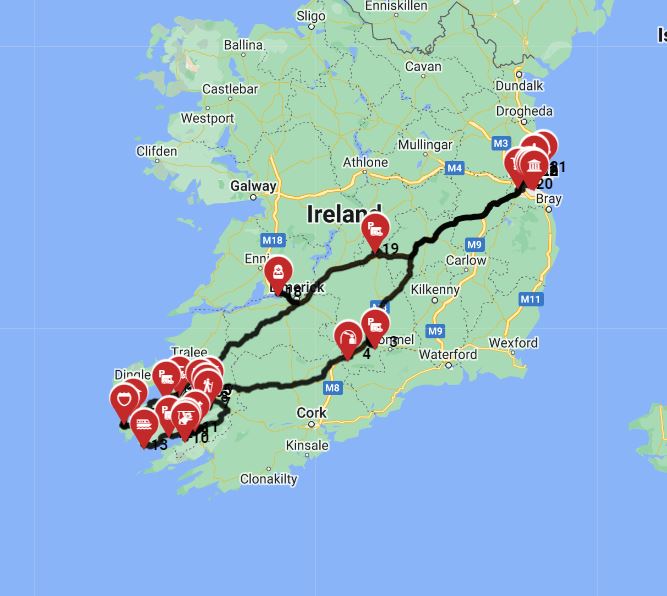
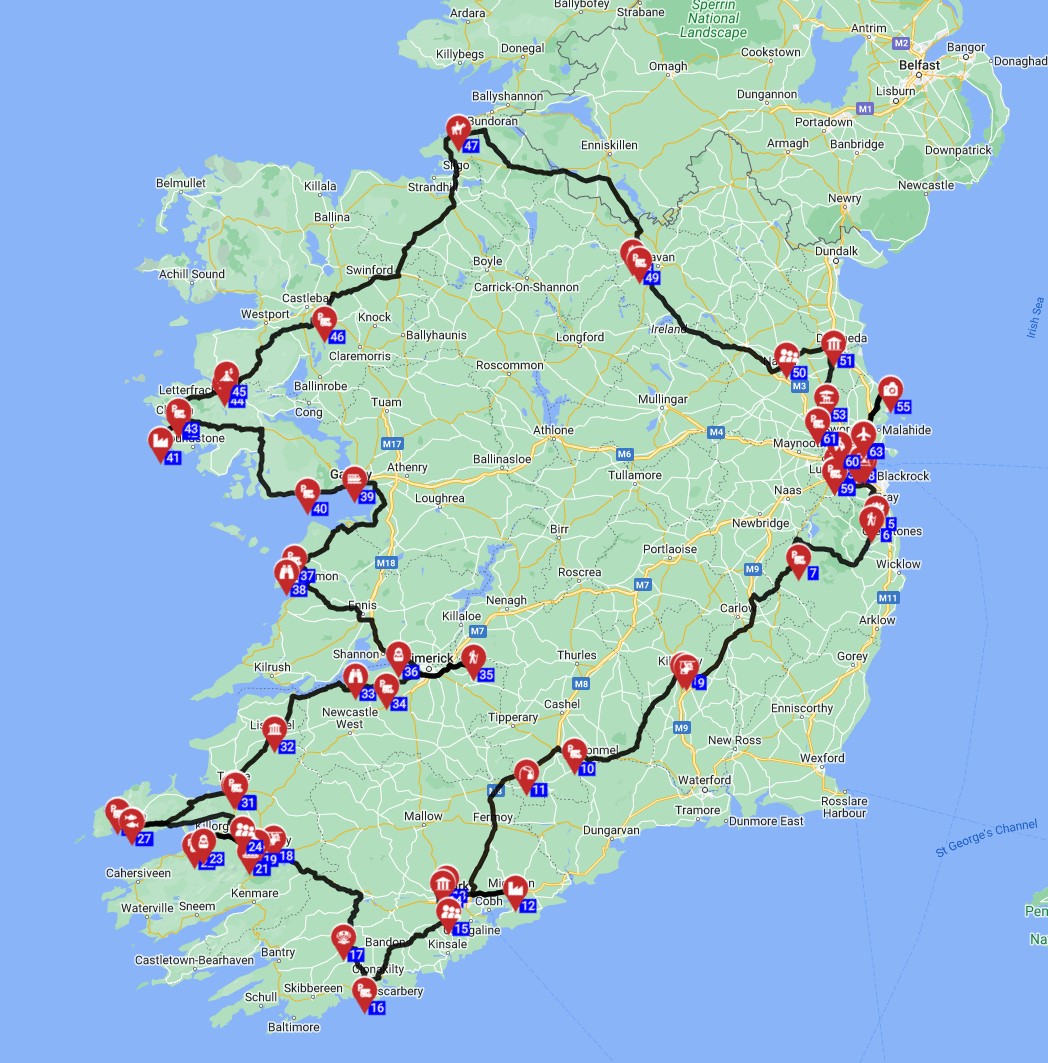
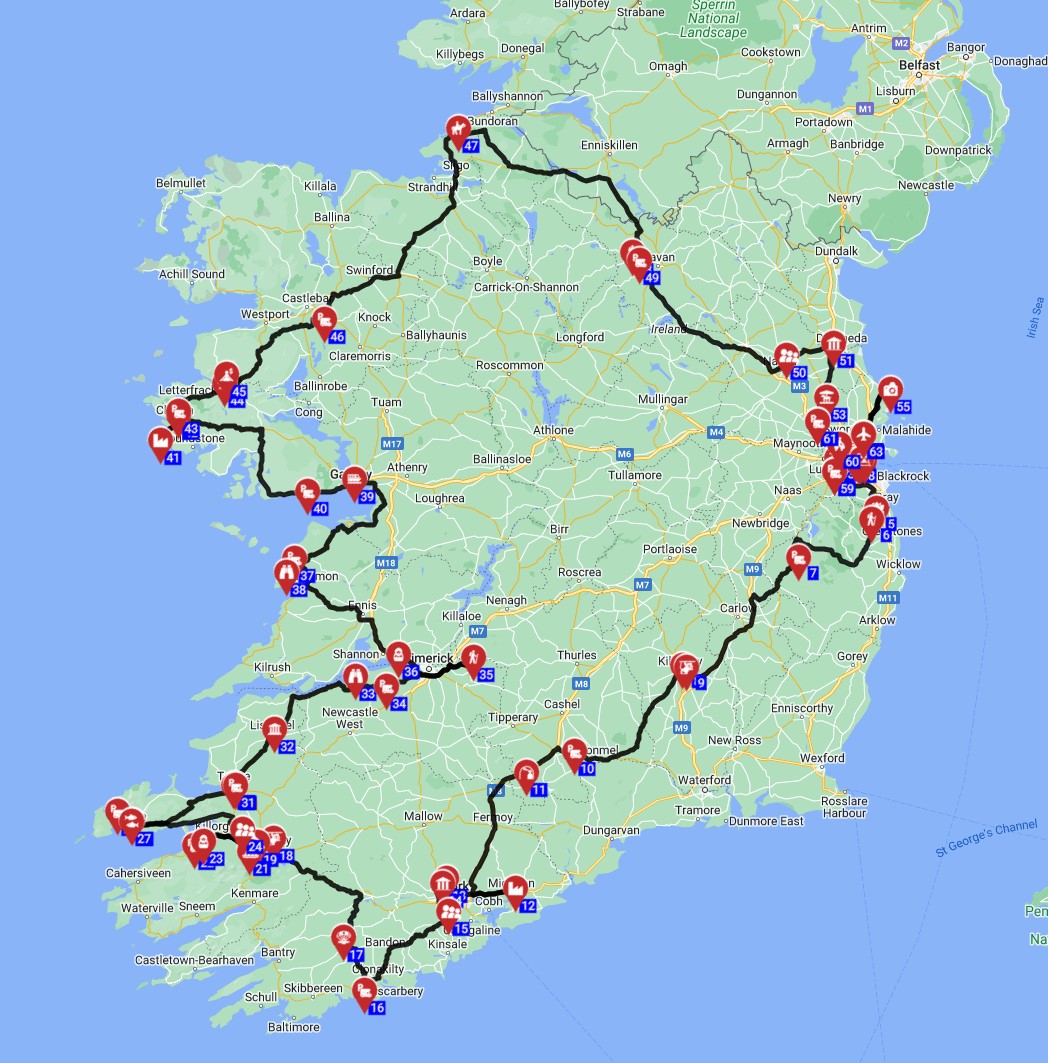
For an unforgettable long-term RV experience starting from Dublin, Avi Bandana highly recommends the "Dublin Roundtrip - Wild Atlantic Way" RVPlan trip. This meticulously crafted itinerary spans an impressive 1,867 kilometers over 22 days, providing a comprehensive and deeply immersive exploration of Ireland's stunning west coast and its cultural heartland. It’s designed to showcase the very best of what Ireland has to offer, from dramatic cliffs and charming fishing villages to ancient historical sites and vibrant cities. You can find full details and an interactive map for this exceptional journey at: For visual inspiration of the landscapes and experiences awaiting you, explore the route map image here: rv trip route in ireland from dublin along the wild atlantic way id 1157 main f06a.jpg. Using RV PLANET (rvplan.net) not only provides these expertly designed routes but also helps in managing all your trip's expenses, ensuring a stress-free and budget-friendly adventure.
Must-See Stops Along the Way (Avi Bandana Picks)
When planning your long-term RV itinerary in Ireland, there are several key stops that offer a unique blend of traditional Irish experiences and insights into local industries. Avi Bandana's recommendations highlight these special places:
- Powerscourt Estate (Traditional Visit): Located conveniently near the Wicklow Mountains, this magnificent estate boasts not only a grand Palladian mansion but also Ireland's highest waterfall and breathtaking formal gardens, offering a serene escape.
- Blarney Castle & Gardens (Traditional Visit): A quintessential Irish experience, this historic castle is famously known for the Blarney Stone, believed to bestow the gift of eloquence upon those who kiss it, set amidst equally impressive gardens.
- Connemara Smokehouse (Local Industry): In the scenic Connemara region, visiting the Smokehouse provides a fantastic opportunity to learn about and taste the traditional craft of smoking salmon and other local seafood, offering a true flavor of the region.
- The Kerry Bog Village Museum (Traditional Visit/Local Industry): Step back in time to experience 19th-century rural Ireland. This museum features authentic thatched cottages and offers a genuine glimpse into the heritage and traditional ways of life in the region.
- Traditional Markets: Seek out local farmer's markets in towns like Galway or Kinsale. These vibrant markets are perfect for discovering artisanal foods, handcrafted goods, and experiencing the local culture firsthand.
- Traditional Restaurants: Indulge in authentic Irish cuisine at local gastropubs or fine dining establishments. Many excellent options are found along routes like the Wild Atlantic Way, offering everything from fresh seafood to hearty traditional dishes.
Daily Driving Distances & Drive Times in Dublin
When embarking on an RV journey through Ireland, especially with a long-term rental, Avi Bandana's expert advice is to prioritize a slower pace of travel. This means aiming for an average of no more than 100 miles (approximately 150 km) per day. This approach allows ample time not just for driving but also for truly exploring the places you visit, engaging with local culture, and enjoying the stunning scenery without feeling rushed. Ireland's roads, particularly the scenic routes and country lanes, can be narrow and winding, making a more relaxed driving schedule essential for both safety and comfort. For instance, the drive from Dublin to Glendalough in the Wicklow Mountains is a relatively short 60 km, typically taking about 1 hour. Traveling from Galway to the dramatic Cliffs of Moher is roughly 80-100 km, which usually takes between 1.5 to 2 hours, depending on traffic and road conditions. Similarly, the scenic route from Killarney to Cork is about 80 km, generally taking around 1.5 hours. By keeping daily distances manageable, you can transform your RV trip into a more immersive and enjoyable experience.
Best RV Class for This Itinerary — Couple & Family Picks
Choosing the right RV class is crucial for a comfortable and practical long-term rental experience in Ireland, especially considering the country's road conditions. Bandana Caravan offers a variety of options to suit different travel needs:
For Couples: Class B - Camper Van
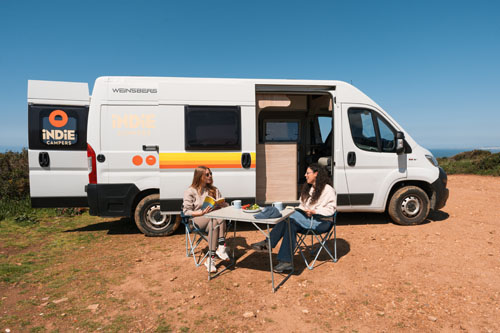
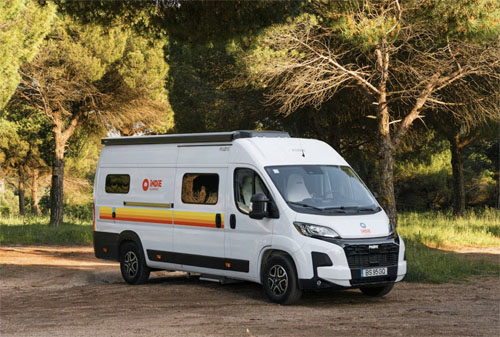
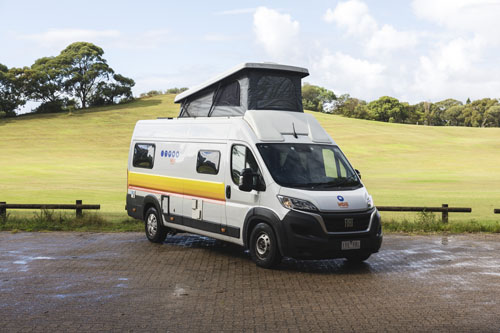
Bandana's fleet typically features Class B Camper Vans, which average around 5.8 meters in length. These are highly maneuverable and fuel-efficient, usually consuming between 8-10 liters per 100 km. Their compact size makes them ideal for navigating Ireland's often narrow and winding rural roads, including those found along scenic routes like the Wild Atlantic Way. They typically sleep around 3.2 people and comfortably accommodate 2.7 adults, making them perfect for couples seeking agility and ease of travel.
For Families: Class C - Alcove
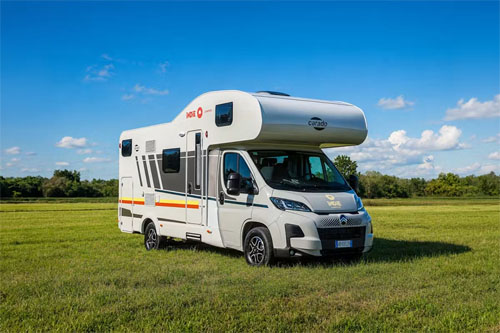
For families or groups, Class C Alcove motorhomes are an excellent choice. These models from Bandana's global fleet average about 7.5 meters in length, offering more living and sleeping space, with sleeping places for approximately 5.8 people and capacity for 4.4 adults. The distinctive over-cab (alcove) sleeping area provides a dedicated bunk space, which is perfect for families needing extra sleeping arrangements without sacrificing main living areas. Fuel consumption is commonly around 10–12 liters per 100 km. These larger vehicles offer more comfort for longer journeys and can provide a more home-like experience. For those who appreciate a seamless planning process, rent-motorhome offers a unique 'Rent & Plan' service, which combines your RV rental with expertly designed itineraries and access to comprehensive trip-planning software, removing the stress of detailed planning.
What are some hidden gems in Ireland?
Beyond the well-trodden paths, Ireland is rich with lesser-known treasures that offer unique and authentic experiences for RV travelers seeking quieter discoveries. These hidden gems provide a more intimate connection with the country's natural beauty and cultural heritage. Consider exploring the dramatic Slieve League Cliffs in Donegal, which are even taller than the Cliffs of Moher and offer equally stunning, yet less crowded, vistas. The Hook Peninsula in Wexford is home to Hook Lighthouse, one of the oldest operational lighthouses globally, surrounded by beautiful coastline and intriguing historical sites. For a truly rugged and tranquil experience, the Beara Peninsula in Cork and Kerry, often overshadowed by its more famous neighbor, the Ring of Kerry, offers breathtaking beauty and charming, peaceful drives. History buffs will appreciate Clonmacnoise in Offaly, an ancient monastic site set picturesquely on the River Shannon, steeped in history and serene beauty. Finally, for a car-free escape perfect for cycling and walking, Inishbofin Island, accessible by ferry, is a delightful destination for enjoying traditional music and a slower pace of life.
Is it difficult for Americans to drive in Ireland?
Driving an RV in Ireland, particularly for Americans accustomed to left-hand driving, presents a few adjustments. The primary change is navigating left-hand traffic with the steering wheel on the right side of the vehicle, which naturally takes some practice. Many rural Irish roads, especially along scenic routes, are quite narrow with limited shoulders, requiring careful attention to oncoming traffic. Roundabouts are common and can be challenging at first, so understanding the priority rules is crucial. Road signs are in kilometers per hour (km/h) and often feature Gaelic place names alongside English, demanding attentiveness. Larger RVs, especially those that are diesel-powered, might find some smaller fuel stations tricky to maneuver; planning stops at larger service areas where possible is advisable. While it requires adaptation, with careful driving and awareness, navigating Ireland by RV is a rewarding experience.
How many days do you really need in Dublin?
To fully experience Dublin's main attractions, 2 to 3 days are generally sufficient. This allows ample time to visit key sites like Trinity College, the renowned Guinness Storehouse, Dublin Castle, and enjoy a stroll through the vibrant Temple Bar district. However, for long-term RV renters, Dublin also serves as an excellent base for exploring the surrounding regions, making longer stays incredibly rewarding. It's important to note that parking a full-sized RV directly in Dublin city center is impractical. Travelers typically utilize designated RV-friendly campgrounds located just outside the city, such as Camac Valley or North Beach Caravan & Camping Park. From these convenient locations, excellent public transport options, including buses and the DART commuter train, provide easy access to the city center, making Dublin a practical starting point or a base for broader Irish adventures.
Can you take a motorhome to Ireland?
Absolutely, taking a motorhome, RV, or campervan to Ireland is a popular and highly recommended way to explore the country. This mode of travel offers unparalleled flexibility, allowing you to access many of the stunning scenic routes and charming campgrounds Ireland has to offer at your own pace. RV travel is a well-established and beloved way to tour Ireland, embraced by both international visitors and locals alike for the freedom it provides to discover remote areas and wake up to new, breathtaking views each day. While larger Class A vehicles can be managed, smaller to medium-sized motorhomes, such as Class B camper vans or Class SI semi-integrated models, are generally more suitable for navigating Ireland's often narrow and winding roads. Fortunately, numerous rental companies across Ireland, including Dublin, offer a wide selection of motorhomes perfect for an Irish adventure.
What are some good campervan routes in Ireland?
Ireland is a dream destination for campervan routes, offering a variety of picturesque journeys that showcase its diverse landscapes and rich history. The most iconic route is undoubtedly the Wild Atlantic Way, stretching an epic 2,500 km along the entire west coast, from Donegal down to Cork. This route is ideal for a long-term RV rental, offering dramatic cliffs, stunning beaches, and countless charming towns. For a spectacular coastal drive, the Causeway Coastal Route in Northern Ireland is a must-see, featuring natural wonders like the Giant's Causeway and iconic sites such as the Carrick-a-Rede Rope Bridge. If history and heritage are your passion, Ireland's Ancient East explores the southeast, uncovering monastic sites, castles, and Viking history in counties like Wicklow, Kilkenny, and Waterford. A classic within a classic is the Ring of Kerry in County Kerry, a famous 179 km scenic drive renowned for its mountains, lakes, and coastal vistas, often combined with a trip to the Dingle Peninsula. For a less-traveled but equally beautiful experience, consider the Copper Coast Geopark in Waterford, which highlights Ireland's fascinating geological heritage along its stunning coastline.
What I wish I knew before going to Ireland?
Travelers embarking on an RV trip to Ireland often share insights about what they wish they had known beforehand, particularly regarding practical aspects of the journey. Unpredictable weather is a significant factor; it's wise to pack layers and good waterproof gear, regardless of the season, as conditions can change rapidly. Pre-booking popular campgrounds and attractions, especially during peak season (June-August), is highly recommended to avoid disappointment and secure spots. Familiarizing yourself with waste disposal procedures for grey and black water is also crucial, as wild dumping is illegal and environmentally harmful; designated dump stations are typically found at campgrounds or larger service areas. Similarly, plan your route to include regular fresh water refill points, usually available at campsites or some larger service stations. Culturally, a friendly greeting like 'hello' or 'how's it going?' is appreciated, and showing respect in pubs and shops enhances interactions. Finally, always prioritize safety and security by locking your RV, keeping valuables out of sight, and being mindful of your surroundings, particularly in urban areas or busy tourist locations. On the routes offered through RV PLANET routes, you can itemize and track every expense along the way for easy budgeting.
What to see not far from Dublin?
For RV travelers based in or starting from Dublin, exploring the surrounding areas reveals some of Ireland's most cherished landscapes and historical sites within easy driving distance. The stunning Wicklow Mountains National Park, often called the 'Garden of Ireland,' is just south of the capital and offers scenic drives, numerous hiking trails, and picturesque villages like Enniskerry. A major highlight within the Wicklow Mountains is Glendalough, a captivating 6th-century monastic settlement nestled in a glacial valley, featuring a well-preserved round tower, ancient churches, and two serene lakes. A short drive from Glendalough is the magnificent Powerscourt Estate, renowned for its exquisite formal gardens, a grand Palladian mansion, and Ireland's highest waterfall. Heading north of Dublin, the Boyne Valley in County Meath is a region steeped in ancient history, home to the UNESCO World Heritage site of Brú na Bóinne, which includes the megalithic tombs of Newgrange and Knowth, as well as the impressive Trim Castle. Alternatively, Kilkenny City, about 1.5 hours southwest of Dublin, offers a beautifully preserved medieval city center, the iconic Kilkenny Castle, and the engaging Medieval Mile walking tour.
Can I park a campervan anywhere in Ireland?
While Ireland has a reputation for relative freedom regarding wild camping in some remote areas, it's generally recommended and often necessary to park campervans in designated campgrounds or official overnight parking spots. This ensures adherence to local regulations, provides access to essential amenities, and offers better security for your vehicle and belongings compared to isolated spots. The safest and most convenient option is to utilize official caravan and camping parks, which commonly provide facilities such as electric hook-ups, fresh water, waste disposal points, showers, and laundry services. If you are considering wild camping, always seek permission from landowners and strictly follow 'Leave No Trace' principles. Avoid private land, environmentally sensitive areas, or any locations with clear signage prohibiting overnight stays. Parking an RV overnight in Dublin city center or other major towns is generally not permitted or practical due to size restrictions and a lack of facilities; instead, opt for campgrounds outside urban areas that offer good public transport links.
What are long term RV parks called?
When seeking accommodations for an extended RV stay in Ireland, you'll primarily be looking for facilities referred to as 'caravan parks,' 'holiday parks,' or 'touring parks.' These sites are specifically equipped to cater to motorhomes (RVs) and caravans, with many offering options for extended stays and a range of valuable amenities. The term 'caravan park' and 'touring park' are the most commonly used across Ireland and the UK for such facilities. Some larger sites might be branded as 'holiday parks,' which often boast more extensive amenities, potentially including playgrounds, shops, and entertainment options. For long-term stays, especially during the popular peak season, it is highly advisable to book your pitch well in advance to secure your spot.
What is the most beautiful drive in Ireland?
When it comes to Ireland's most scenic drives, many travelers and locals alike point to the Wild Atlantic Way as the pinnacle of beauty. This epic route stretches for 2,500 km (over 1,500 miles) along the entire west coast, captivating visitors with its raw, untamed beauty, dramatic cliffs, and vibrant cultural experiences. The Wild Atlantic Way passes through nine distinct counties, featuring iconic highlights such as the majestic Cliffs of Moher, the stunning Ring of Kerry, and the rugged coastlines of Donegal. Another contender for Ireland's most beautiful drive is the Slea Head Drive on the Dingle Peninsula, often cited as one of the most scenic loops on the Wild Atlantic Way itself. This route showcases ancient forts, traditional stone cottages, and breathtaking ocean views. While located in Northern Ireland, the Causeway Coastal Route is easily accessible from the Republic and is renowned for the geological wonder of the Giant's Causeway and spectacular Antrim coastlines. For those exploring the west, the Connemara Loop in County Galway offers a different kind of beauty, characterized by its untouched landscapes of bogs, mountains, and lakes, providing a sense of wild and remote charm.
What You Shouldn't Miss
- Drive the iconic Wild Atlantic Way for at least a portion of your trip, experiencing its dramatic coastal scenery and charming villages.
- Explore the ancient monastic settlement of Glendalough within the Wicklow Mountains for a deep dive into Ireland's early Christian history.
- Kiss the Blarney Stone at Blarney Castle, a quintessential Irish experience steeped in legend.
- Marvel at the majestic Cliffs of Moher, with their sheer drops and breathtaking ocean views, perhaps enjoying a cliff-top walk.
- Immerse yourself in the vibrant culture of Galway City, known for its lively music scene and friendly atmosphere.
- Discover the serene beauty of Killarney National Park and the historic Muckross House, offering stunning natural landscapes and heritage sites.