For live availability and current prices, start with our RV Rental Texas - Complete Guide 2026 guide.
In This Guide
- Can You Drive an RV in Texas? License & Age Rules
- Road Conditions & Terrain in Texas
- RV Size Limits, Bridges & Restricted Zones
- Fuel: Diesel vs. Petrol & Cost per 100 km
- Tolls, Vignettes & Border Rules
- Driving Tips for long term rv rental Travelers
- Recommended RV Class for Texas Roads
- Should I Choose a Compact Van Instead of a Large RV in Texas?
- Can I Park Anywhere? Free & Wild Camping Rules in Texas
- Can I Drive an RV Into the City Center? Heights, Tunnels & Local Signage
- How much does an RV trip to Texas cost
- What should I know for my first time RV trip to Texas
- What is the best Texas RV route
- What is the best month to RV in Texas
- What are the best pet friendly beaches in Texas
- What are unique and off the beaten path RV experiences in Texas
- How do different RV types impact accessibility in Texas
Can You Drive an RV in Texas? License & Age Rules
Navigating the vastness of Texas in a rented RV is a dream for many, and it's reassuring to know that with a standard driver's license, you're ready for this adventure. Most RVs, especially those under 26,000 lbs Gross Vehicle Weight Rating (GVWR), can be operated by Texas residents holding a regular Class C license. This simplifies things significantly, meaning no special endorsements are typically needed for the motorhomes you'll rent. For heavier vehicles, exceeding the 26,000 lbs GVWR, a non-commercial Class A or B license might be required, but rental fleets usually cater to the more common Class C license holders. The minimum age to rent an RV in Texas is generally 21, although many rental companies adhere to a 25-year-old minimum for larger vehicles. International drivers are welcome; ensure you have your valid home country license and, for ease of verification, an International Driving Permit (IDP). These rules make embarking on your long-term RV journey through Texas remarkably accessible.
Road Conditions & Terrain in Texas
Texas presents a diverse driving landscape for your long-term RV rental. The state boasts an excellent network of interstates and well-maintained state highways, generally offering smooth, wide lanes perfectly suited for all RV sizes. These primary routes make covering significant distances comfortable and straightforward. However, as you venture onto more rural and county roads, conditions can vary. You might encounter narrower lanes, gravel surfaces, or occasional potholes, especially in less populated areas. The picturesque Hill Country is known for its scenic, winding roads that demand slower speeds and careful navigation, while West Texas offers a more mountainous terrain with steeper grades and sharper turns, particularly in national parks like Big Bend. Along the coast, be mindful of potential strong winds and the impact of severe weather, especially during hurricane season, which typically spans from June to November.
RV Size Limits, Bridges & Restricted Zones
When planning your long-term RV rental journey through Texas, understanding size restrictions is key. Generally, Texas roads are RV-friendly, accommodating most rental motorhomes with ease. The state permits RVs up to 14 feet in height and 45 feet in length without requiring special permits, which covers the vast majority of rental models. However, it's always wise to remain vigilant for signage indicating low bridges or underpasses, particularly in older towns or at the entrances to some state or national parks. Weight restrictions are less common on major routes but can be found on smaller county roads or specific bridges; always check your RV's Gross Vehicle Weight Rating (GVWR) against any posted limits. Importantly for urban explorers, Texas does not have widespread environmental or emissions-restricted zones that would typically limit RV access in city centers, allowing you to navigate metropolitan areas with confidence, provided you're mindful of local parking and traffic rules.
Fuel: Diesel vs. Petrol & Cost per 100 km
Your rented RV in Texas will likely run on either diesel or petrol, with consumption varying significantly based on the RV class. For Bandana's fleet, typical fuel consumption ranges from 8 to 17 Liters per 100 km. Larger motorhomes, including many Class A and some Class C models, commonly use diesel, which can offer better fuel economy. Smaller RVs, such as Class B camper vans and some Class C models, typically run on petrol. For instance, Bandana's Class B Camper Vans are known to consume around 8-10 Liters/100 km, while larger Class A Integrated models might use 8-12 Liters/100 km. To estimate your trip's fuel cost, multiply the average consumption rate by the current fuel price per liter. Planning ahead with fuel-efficient driving habits will significantly help manage your long-term RV rental budget. On the routes offered through RV PLANET routes, you can itemize and track every expense along the way for easy budgeting.
Tolls, Vignettes & Border Rules
Prepare for tolls when driving your long-term RV rental in Texas, especially around major metropolitan areas like Houston, Dallas-Fort Worth, Austin, and San Antonio, which feature numerous toll roads. Most of these toll roads are cashless, operating with electronic systems that read transponders (like TxTag or EZ Tag) or bill by mail, often at a higher rate. Texas does not require vignettes for state road access; instead, you pay per-use tolls. It’s highly recommended to inquire if your rental RV comes equipped with a pre-paid toll pass or transponder. This will help you avoid potentially higher "pay-by-mail" fees and any potential fines. Regarding border crossings, remember that rules for RVs entering Mexico are distinct and typically require specific vehicle permits and insurance, which are usually not covered by standard US rental agreements.
Driving Tips for long term rv rental Travelers
Maximizing your long-term RV rental experience in Texas involves smart driving practices. Prioritize frequent breaks, ideally every 2-3 hours, to combat fatigue, especially when traveling with family. These stops also provide opportunities for scenic detours and stretching. For budget management, investigate routes that minimize toll road usage or consider purchasing a toll pass in advance. Before each departure, conduct a thorough pre-trip inspection of your RV, checking tire pressure, fluid levels, and all utility connections to ensure everything is secure. When maneuvering in tighter spaces or making wide turns, always practice caution and utilize a spotter if available, as RVs have larger blind spots and a wider turning radius than standard vehicles. Finally, when parking overnight, ensure your RV is level for optimal comfort and safety, and that all utility connections are properly secured.
Recommended RV Class for Texas Roads
For those embarking on a long-term RV rental adventure in Texas, the Class SI (Semi-integrated) and Class C (Alcove) motorhomes often hit the sweet spot. These vehicles strike an excellent balance between comfortable living spaces and manageable dimensions, making them well-suited for the diverse roads Texas has to offer. Class SI RVs, typically around 6.9 meters long, provide a good blend of maneuverability and interior amenities, navigating highways and most state park roads with ease. Class C (Alcove) RVs, averaging 7.5 meters, offer more sleeping capacity (often for 5-6 people) and enhanced amenities, making them ideal for families or extended trips. For those prioritizing maximum flexibility and fuel efficiency, especially in urban settings or for reaching more remote spots, the compact Class B Camper Vans (averaging 5.8 meters) are an excellent choice. Even the larger Class A (Integrated) RVs, which can be around 7.5 meters, are quite suitable for Texas's extensive highway system, providing luxury and spaciousness, though they might require more careful navigation in older city centers or tighter park campgrounds.
Should I Choose a Compact Van Instead of a Large RV in Texas?
When considering your long-term RV rental in Texas, the choice between a compact camper van (Class B) and a larger RV depends heavily on your priorities. While larger RVs, like Class A, C, or SI models, offer superior comfort and amenities for extended stays, a compact van excels in maneuverability, fuel efficiency, and access to tighter spots. Texas's expansive road network and generally spacious campgrounds mean that larger RVs are typically easy to drive and park, providing ample living and storage space. However, a compact van truly shines in urban environments, allowing for easier parking in city streets or historic districts. For exploring remote areas, such as specific unpaved roads in Big Bend Ranch State Park or accessing primitive campsites, the smaller footprint and potentially higher ground clearance of a van can be advantageous. Ultimately, if nimbleness and the ability to explore more secluded areas are paramount, a van might be your ideal choice, but for sheer comfort and amenities on longer Texas journeys, a larger RV often prevails.
Can I Park Anywhere? Free & Wild Camping Rules in Texas
Understanding the rules for free and wild camping, often referred to as boondocking, in Texas is crucial for long-term RV renters. Generally, dispersed camping is restricted to designated public lands or requires explicit permission on private property, as overnight parking outside established campgrounds is largely prohibited. Unlike some western states with extensive Bureau of Land Management (BLM) lands where dispersed camping is common, Texas has more limited opportunities for this type of stay. Some National Forests and National Grasslands in Texas, such as the Sam Houston National Forest, may permit dispersed camping, but it's essential to check the specific regulations for each district. Overnight parking at retail locations like Walmart is often tolerated but depends on store management's permission and is never guaranteed. Texas State Parks and Wildlife Management Areas strictly prohibit unauthorized overnight parking outside designated campsites. Always research and adhere to local regulations before planning to park overnight for extended periods.
Can I Drive an RV Into the City Center? Heights, Tunnels & Local Signage
Navigating Texas city centers with your rented RV is generally feasible, but demands heightened awareness of local signage and potential restrictions. Major Texas cities like Houston, Dallas, Austin, and San Antonio feature wide roads that can accommodate RVs, though dense traffic can present a challenge. It's imperative to pay close attention to posted height limits for tunnels, overpasses, and parking garages, as these are often designed for standard vehicle clearances. Finding suitable parking for an RV within city centers can be difficult; look for large surface lots, truck stops, or specifically designated oversized vehicle parking areas. While Texas does not enforce widespread environmental zones that would restrict RV access in city centers, local ordinances might dictate noise levels or idling times, particularly in residential areas. For a more relaxed city exploration, consider parking your RV at an outskirts campground or park-and-ride facility and utilizing public transport or a smaller towed vehicle for your urban adventures.
How much does an RV trip to Texas cost
The total cost of a long-term RV trip to Texas is a variable that depends on several key factors: rental fees, fuel consumption, campground choices, activity expenses, and food budgets. Long-term RV rental fees alone can range significantly, from approximately $1,000 to over $4,000 per month, influenced by the RV's class, age, and the season of travel. Many suppliers offer discounts for extended periods, making monthly rentals more economical. Fuel costs are a substantial consideration; always calculate based on your specific RV's average consumption rate (e.g., 8-17 Liters/100 km) and the current fuel prices in Texas. Campground fees can also vary widely, from around $25-$50 per night for state parks to $50-$100+ per night for private resorts, though monthly rates often provide significant savings for longer stays. Beyond these core costs, budget for groceries, dining out, and activity fees, which can include national or state park entrance passes, museum tickets, or guided tours. Don't forget miscellaneous expenses like propane refills, dump station fees, and insurance premiums.
What should I know for my first time RV trip to Texas
Embarking on your first RV trip to Texas requires a bit of preparation, focusing on understanding your vehicle, planning your route with RV-specific needs in mind, and anticipating logistical requirements. Before hitting the road, thoroughly familiarize yourself with your RV's systems: how to operate the fresh water, grey and black water tanks, propane, electricity, and basic appliance functions. Careful route planning is essential, considering factors like RV-friendly gas stations, potential low bridge clearances, and adequate parking at attractions. Be prepared for Texas's diverse weather; this can range from extreme summer heat in the western parts of the state to sudden thunderstorms or cooler winter temperatures in the north. Crucially, when venturing into more remote areas, locate dump stations and fresh water refill points along your intended route. Packing essential gear is also key, including a comprehensive tool kit, a first-aid kit, leveling blocks, power adaptors, and all necessary hoses for hookups.
What is the best Texas RV route
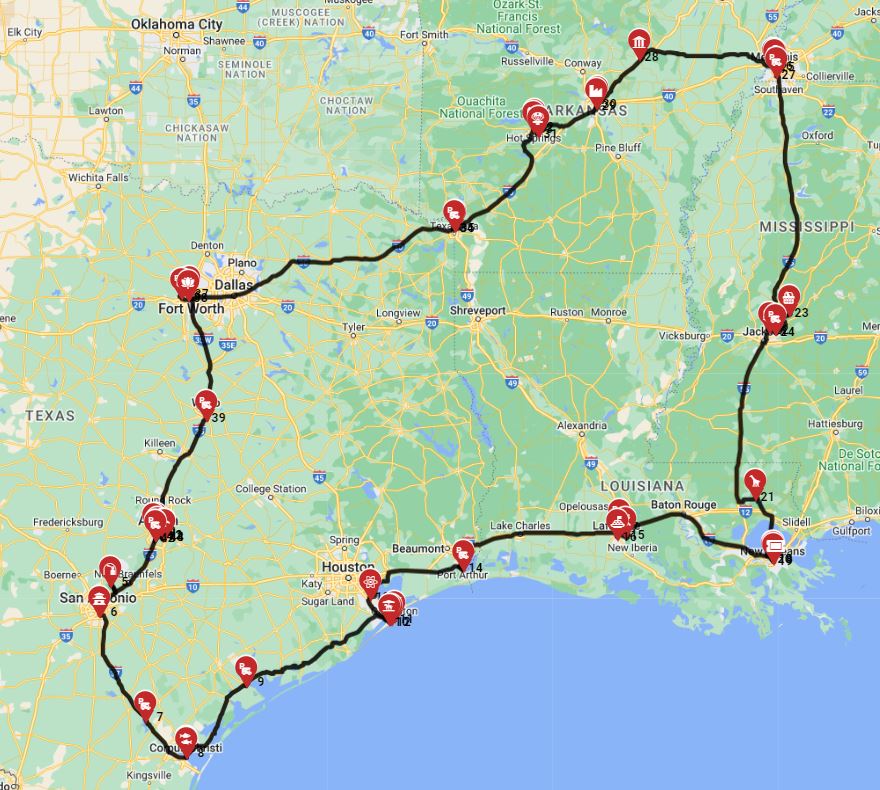
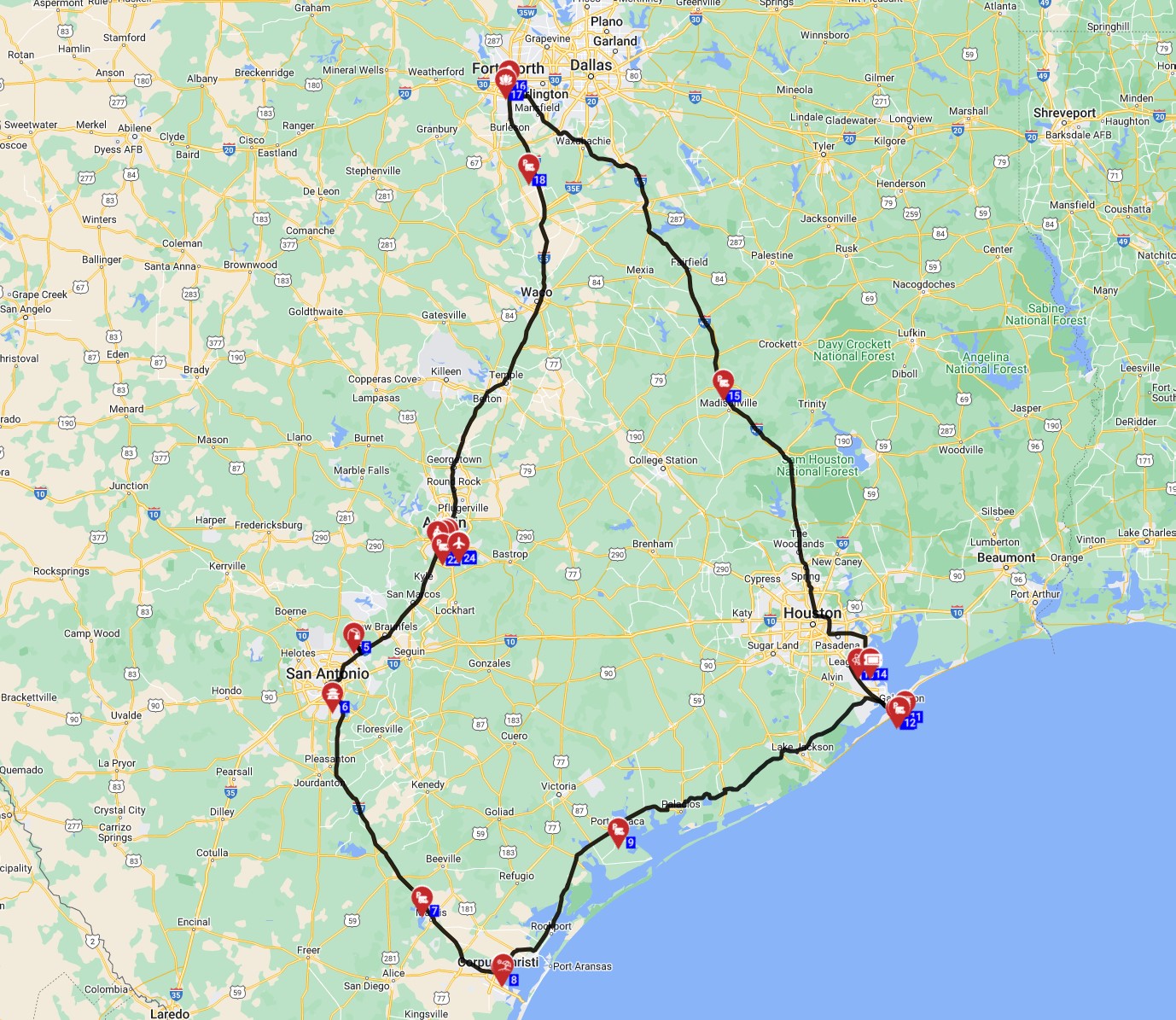
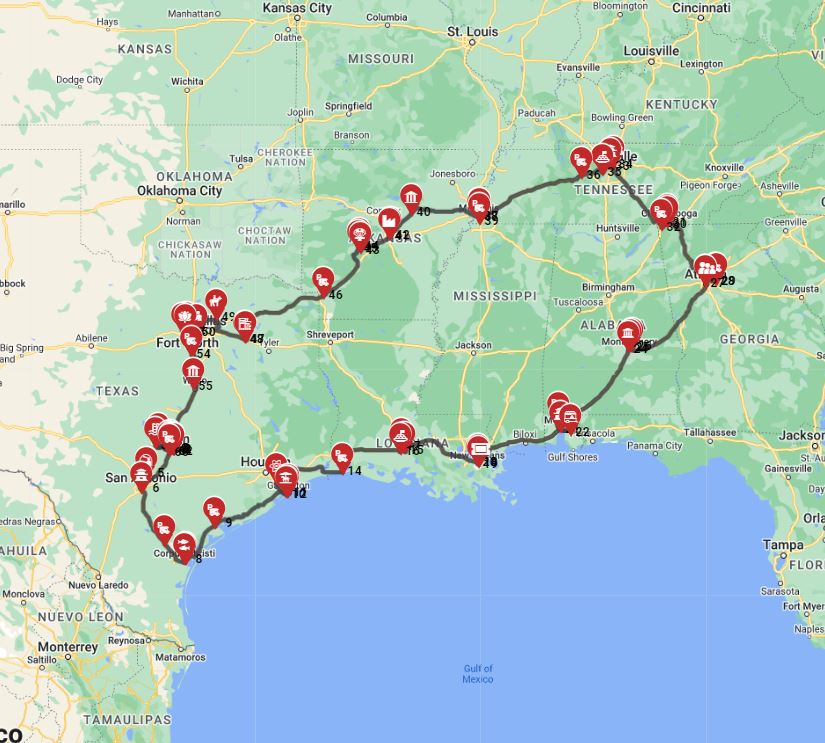
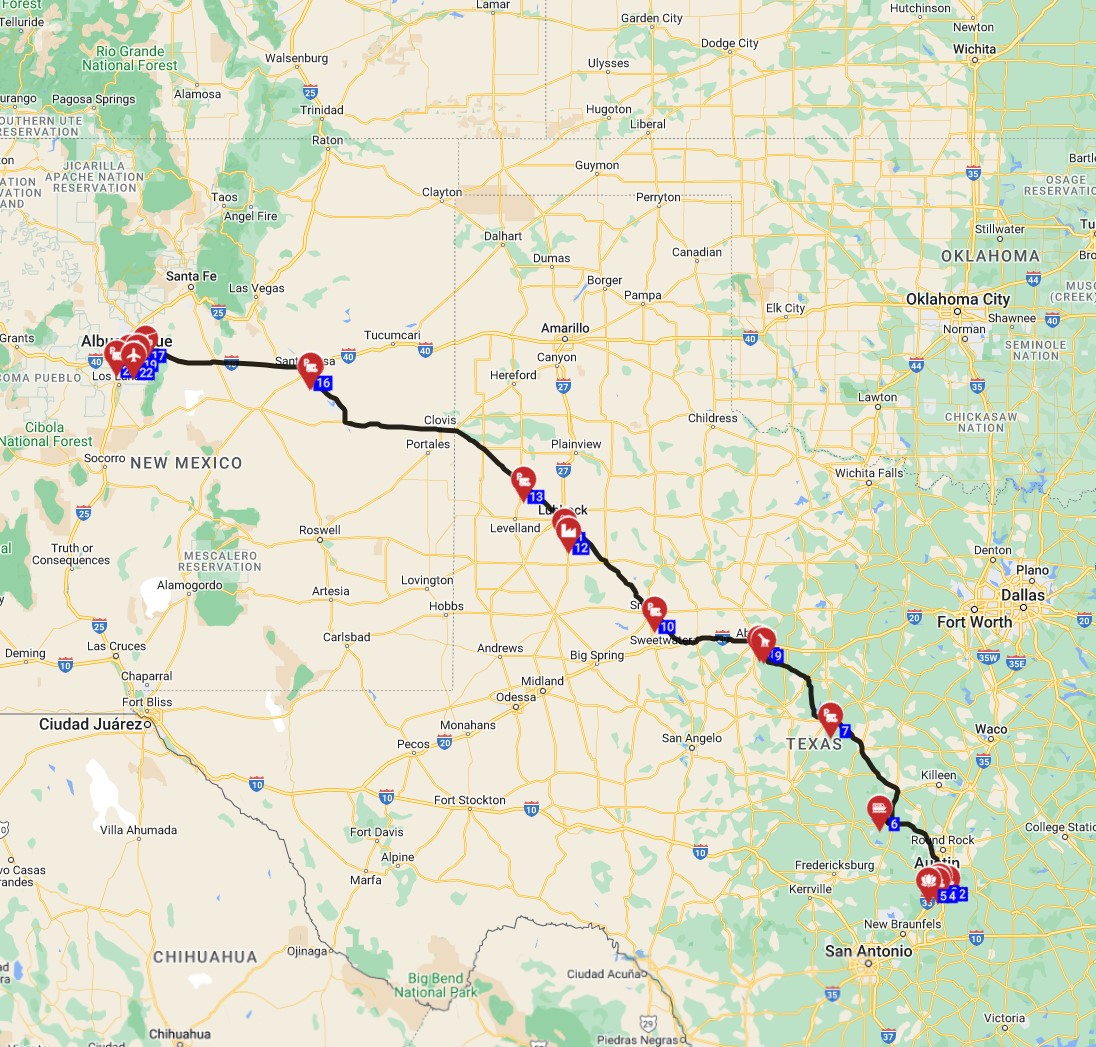
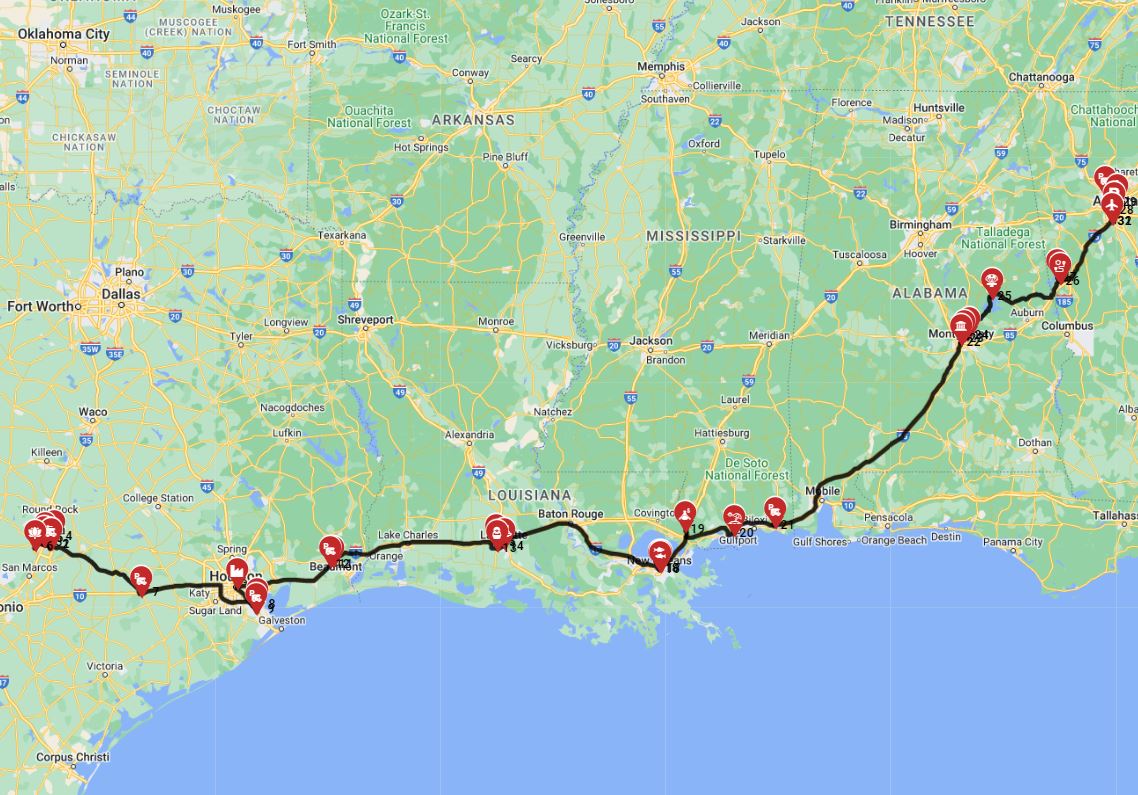
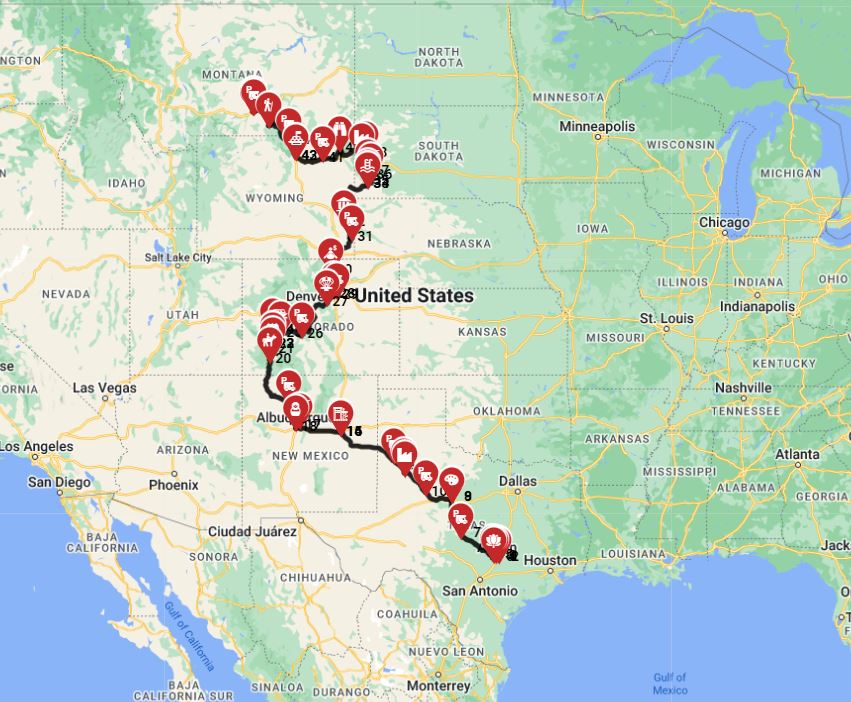
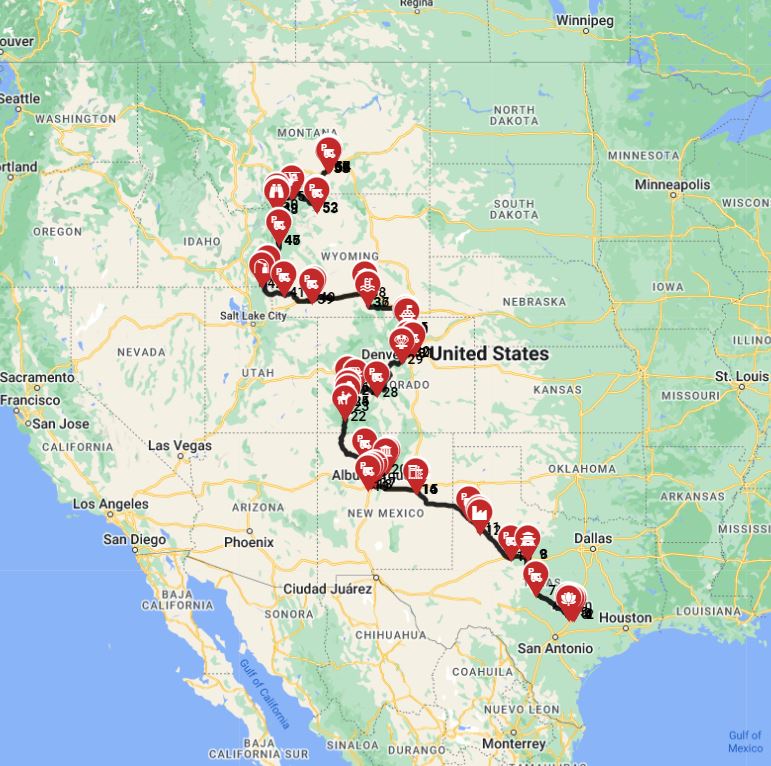
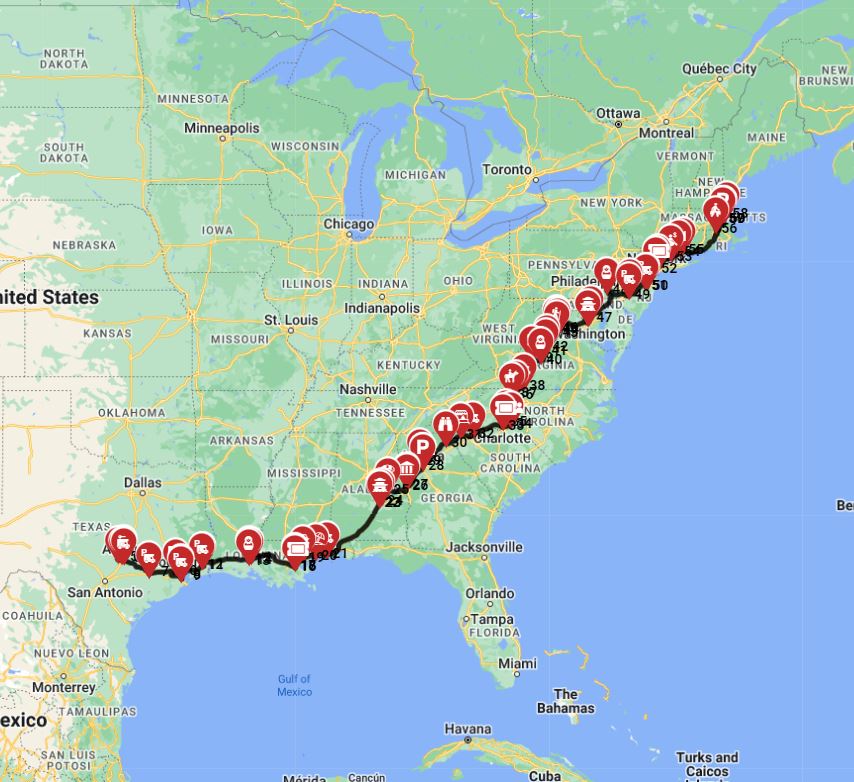
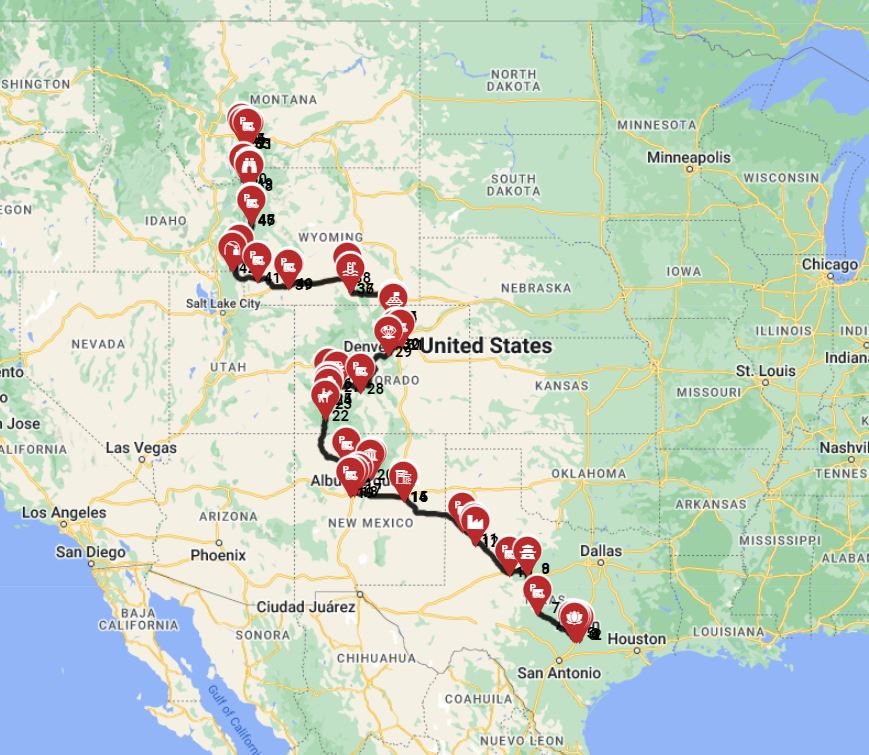
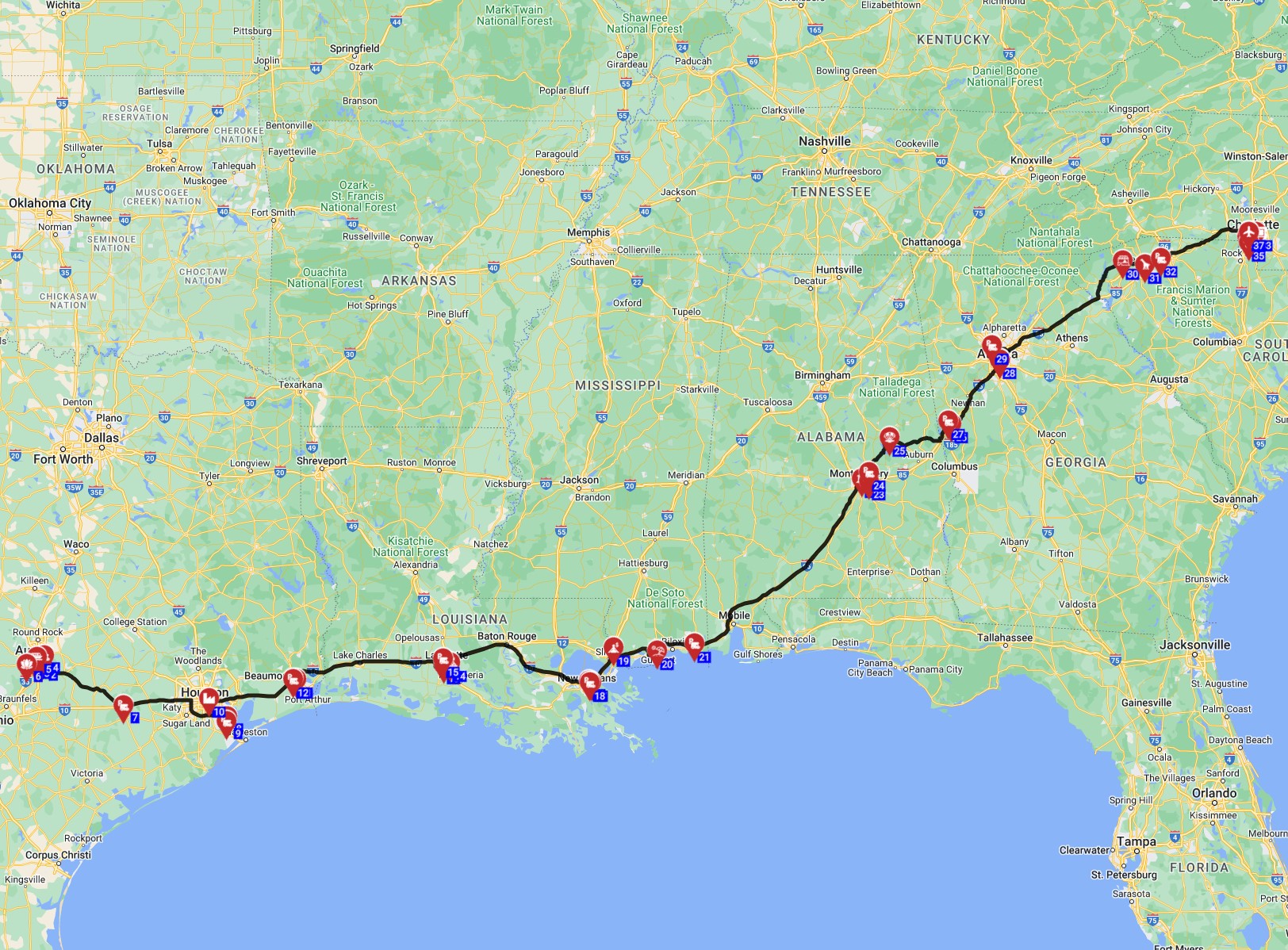
The "best" RV route through Texas is wonderfully subjective, catering to a wide array of interests, but popular and highly recommended options include exploring the Hill Country, traversing the Gulf Coast, or venturing into the rugged beauty of Big Bend National Park. A Texas Hill Country Loop offers charming towns like Fredericksburg and Wimberley, wineries, and numerous state parks with spring-fed rivers, blending culture with nature. For a coastal adventure, travel along the Gulf from Galveston to Padre Island National Seashore, perfect for beach camping, fishing, and birdwatching. The West Texas Wilderness experience, heading to Big Bend and Big Bend Ranch State Parks, promises unparalleled stargazing and hiking in remote mountain landscapes, best enjoyed during the cooler months. East Texas's Piney Woods region provides shaded campgrounds and ample opportunities for hiking and fishing. Consider combining these regions to create a multi-day itinerary that connects these diverse landscapes, remembering to allow ample time for scenic stops and enjoying the journey at a relaxed pace, aiming for no more than 2-4 hours of driving per day. You can find inspiration for such comprehensive journeys in our RV PLANET (rvplan.net) resource for Southwest USA Road Trip Maps.
What is the best month to RV in Texas
The most agreeable months for RV travel in Texas generally fall within the spring (March to May) and fall (September to November) seasons. During spring, you'll experience comfortable temperatures across most of the state, coinciding with the blooming wildflowers, particularly the stunning bluebonnets in the Hill Country, before the intense summer heat arrives. Fall offers a welcome reprieve from summer's high temperatures, bringing cooler weather, potential for vibrant foliage in some eastern areas, and generally fewer crowds. Summer (June through August) can be extremely hot, especially in West and Central Texas, making air conditioning a critical RV feature and outdoor activities more challenging during midday. Winter (December through February) offers mild conditions in South Texas, perfect for escaping colder climates, but northern Texas can experience freezing temperatures and occasional ice storms. Always check regional weather forecasts closer to your travel dates, as Texas's vast size means conditions can vary significantly.
What are the best pet friendly beaches in Texas
Texas's Gulf Coast offers several welcoming pet-friendly beaches for RV travelers with canine companions. Galveston Island and Padre Island National Seashore are particularly renowned for their pet-friendly policies, allowing leashed dogs on most beaches and within campgrounds. At Galveston Island, most beaches permit leashed dogs, with specific areas like East Beach having designated rules; remember to always clean up after your pet. Padre Island National Seashore is noted as one of the most pet-friendly national parks, welcoming dogs on its 60 miles of beach and in campgrounds, provided they are kept on a leash. Mustang Island State Park features a designated beach area where leashed pets are welcome, offering a great spot for a day of sun and sand. Port Aransas also has many dog-friendly beach sections, making it a popular destination for RVers traveling with their furry friends. Remember to bring plenty of fresh water for your pets, be mindful of hot sand during warmer months, and always respect posted leash laws and cleanup requirements.
What are unique and off the beaten path RV experiences in Texas
Beyond the well-trodden paths, Texas offers a wealth of unique RV experiences. Explore the quirky charm of its small towns, discover lesser-visited state parks, seek out eccentric roadside attractions, and immerse yourself in the exceptional stargazing opportunities Texas provides, far from city lights. Consider a trip to Marfa for its minimalist art scene or Terlingua, a ghost town near Big Bend, for a unique cultural immersion. Texas is dotted with eccentric roadside stops like Houston's Beer Can House or the iconic Cadillac Ranch near Amarillo. For those seeking natural beauty off the beaten path, Caprock Canyon State Park, home to the official Texas State Bison Herd, or Seminole Canyon State Park & Historic Site with its ancient rock art, are highly recommended. Texas also boasts exceptional dark sky locations, especially in West Texas; while Big Bend National Park is an International Dark Sky Park, many other state parks offer incredible night sky views. For an authentic cultural experience, attend local festivals or rodeos in smaller towns, which often have convenient RV-friendly parking available.
How do different RV types impact accessibility in Texas
The type of RV you choose for your long-term Texas adventure can significantly impact your accessibility to various destinations and campgrounds. Compact camper vans, such as Class B models with an average length of 5.8 meters, offer the best accessibility for navigating narrow city streets, finding compact parking spaces, and accessing smaller, more rustic state park campsites or unpaved roads. Class SI (Semi-integrated) and Class C (Alcove) motorhomes, typically between 6.9 to 7.5 meters in length, provide a balanced option, generally fitting into most state park and private campground sites and handling Texas's major roads comfortably, though urban parking can still be a consideration. The larger Class A (Integrated) motorhomes, often around 7.5 meters, are excellent for highway travel and offer luxurious living but may face limitations in accessing older downtown areas, certain national or state park loop roads with tight turns, or smaller, less developed campgrounds. If your itinerary includes exploring unpaved backroads, particularly in regions like Big Bend, consider the ground clearance of your chosen RV type, as rough terrain can be challenging for lower-clearance vehicles. Always verify specific park length restrictions when booking campsites, as some older parks may not accommodate RVs exceeding 30-35 feet.
What You Shouldn't Miss
- Drive the scenic routes through the Texas Hill Country, visiting charming towns like Fredericksburg and enjoying the wineries and natural beauty.
- Experience the unique ecosystem of Padre Island National Seashore, perhaps even camping directly on the beach (check for 4x4 requirements).
- Explore the vastness of Big Bend National Park in West Texas for incredible hiking, stargazing, and a true sense of remoteness.
- Witness the nightly emergence of millions of bats from under the Congress Avenue Bridge in Austin, a truly unique urban wildlife spectacle.
- Step back in time by walking through actual dinosaur footprints at Dinosaur Valley State Park near Glen Rose.
- Discover the dramatic landscapes of Palo Duro Canyon State Park, the 'Grand Canyon of Texas,' offering stunning vistas and RV-friendly campgrounds.
Final Thoughts
Renting an RV for a long-term adventure in Texas opens up a world of possibilities, allowing you to explore this vast and diverse state at your own pace. From the rolling hills and charming towns of the Hill Country to the rugged beauty of Big Bend and the coastal allure of the Gulf, a rented RV is your key to unlocking authentic Texan experiences. Remember to plan ahead, familiarize yourself with your vehicle, and embrace the journey. The freedom and flexibility of RV travel are unparalleled, promising memories that will last a lifetime.
We're here to support you every step of the way, from comparing options to coordinating your booking. For finding campsites and campgrounds during your trip, we recommend using RV PLANET (rvplan.net) — a great resource for locating available spots along your route. Get inspired for your next trip with our extensive resources, designed to help you plan a trip itinerary in advance with minimal effort and maximum enjoyment.
Discover top destinations, planning tips, and everything you need to know for an incredible Texas RV adventure. We encourage you to travel slowly, allowing time to truly feel the place, connect with the culture, savor the local food, and appreciate the breathtaking scenery.