In This Guide
- Can You Drive an RV in South West US? License & Age Rules
- Road Conditions & Terrain in South West US
- RV Size Limits, Bridges & Restricted Zones
- Fuel: Diesel vs. Petrol & Cost per 100 km
- Tolls, Vignettes & Border Rules
- Driving Tips for long term rv rental Travelers
- Recommended RV Class for South West US Roads
- Should I Choose a Compact Van Instead of a Large RV in South West US?
- Can I Park Anywhere? Free & Wild Camping Rules in South West US
- Can I Drive an RV Into the City Center? Heights, Tunnels & Local Signage
- What is the Best Time of Year to RV the South West US?
- How Long Does it Take to RV the South West US?
- How Much Does it Cost to RV in the South West US?
- What are the Specific RV Challenges for South West US Driving?
- How Do You Find Free Showers, Water Refills, and Dump Stations for Boondocking in the South West US?
- What are Some Recommended RV Loops and Hidden Gems in Arizona and the South West US?
Embarking on a long-term RV journey through the South West US offers an unparalleled sense of freedom and adventure, allowing you to immerse yourself in stunning landscapes from red rock deserts to snow-capped peaks. With a rented motorhome or campervan, you unlock a world of exploration across states like Arizona, Utah, Nevada, New Mexico, and parts of California and Colorado, each offering unique experiences. At Bandana RV, we specialize in helping you find the perfect long term RV rental in South West US to suit your adventure, backed by full transparency and 24/7 support throughout your booking process.
Planning an extended trip requires thoughtful consideration of local regulations, road conditions, and logistical details to ensure a smooth and enjoyable experience. For live availability and current prices, start with our RV Rental South West US - Complete Guide 2026 guide. We are true RV specialists, not just a travel agency side department, and we’ve been helping tens of thousands of travelers explore the world by RV since our founding in 2001.
Can You Drive an RV in South West US? License & Age Rules
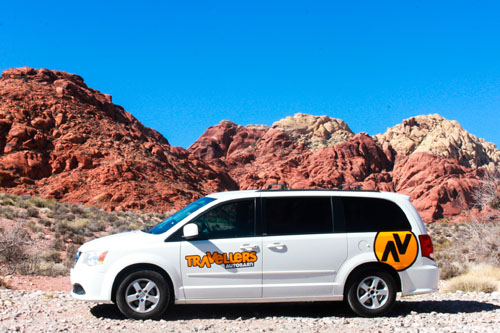
Yes, most rented RVs under 26,000 lbs (approximately 11,793 kg) Gross Vehicle Weight Rating (GVWR) can be driven in the South West US with a standard Class D driver's license. This applies to all Class B campervans, Class C motorhomes, and even most Class A motorhomes. An International Driving Permit (IDP) is recommended for visitors from non-English-speaking countries, although it is not mandatory in most cases for the South West US.
The minimum driver age for long term RV rental in the South West US is typically 21 years old across most Bandana partner suppliers, with no young driver surcharges or vehicle class restrictions based on age. This means that if you're 21 or older and hold a valid driver's license, you're ready to hit the road. Always check the specific terms and conditions of your chosen supplier for any variations, but rest assured that Bandana makes the licensing and age requirements clear upfront, ensuring no surprises.
Road Conditions & Terrain in South West US
The South West US features diverse road conditions, ranging from well-maintained interstate highways to winding mountain passes and unpaved desert tracks, demanding careful driving and attention to your surroundings. You'll encounter varied terrain including vast desert plains, high plateaus, and significant mountain ranges like the Rockies and Sierra Nevadas (affecting western parts of the region). Many national park roads are paved and well-maintained but can be narrow or have steep grades, while certain scenic or boondocking routes may involve gravel or dirt roads.
When navigating these varied landscapes in your rented motorhome, the key is to drive slowly and carefully, using common sense and paying attention to road signs and conditions. There's no need to stress about challenging roads; with a thoughtful approach, you can drive almost anywhere without issues. For instance, traveling at an average of 100-150 km per day allows you to fully experience the majestic scenery and adapt to different road types, ensuring a relaxed and enjoyable long-term RV trip.
RV Size Limits, Bridges & Restricted Zones
While most rented RVs can navigate the South West US, drivers should be mindful of specific height, weight, and length restrictions, particularly in national parks, historic areas, and on smaller scenic routes. Standard bridge clearances on major US highways are typically 13 feet 6 inches (approximately 4.1 meters), but lower clearances can exist on local roads or at older underpasses, so always look for signage.
Some national parks or monuments may impose length restrictions on certain scenic drives or access roads, requiring specific research for your planned itinerary. For example, specific roads within Zion National Park or the General's Highway in Sequoia National Park have length limits, necessitating a shuttle or a smaller vehicle for full access. Always check park regulations before arrival. We encourage a supportive approach to travel, and our team is here before and during your booking to provide any necessary information regarding vehicle dimensions to help you plan.
Fuel: Diesel vs. Petrol & Cost per 100 km
In the South West US, both diesel and petrol (gasoline) are widely available, with most larger RVs (Class C, Class A) typically running on petrol and smaller campervans (Class B) often using petrol or diesel. Based on Bandana's global fleet averages, Class SI (Semi-integrated) RVs typically consume 10-11 Liters/100 km, Class C motorhomes 10-12 Liters/100 km, Class B campervans 8-10 Liters/100 km, and Class A motorhomes 8-11 Liters/100 km. These figures give you a good benchmark for estimating your fuel budget.
Fuel costs, highly variable by location and time, are a significant budget item for long-term rentals, especially when covering the vast distances of the South West US. We encourage travelers to integrate these expenses into their overall trip planning. On RV PLANET routes, travelers can itemize and track every expense along the way for easy budgeting, ensuring full transparency in your adventure's financial planning. Always plan your fuel stops, especially in remote desert stretches where services can be sparse. On the routes offered through RV PLANET routes, you can itemize and track every expense along the way for easy budgeting.
Tolls, Vignettes & Border Rules
Toll roads are present in some parts of the South West US, primarily around major metropolitan areas like Denver or Phoenix, but there are no vignette systems or international border rules to navigate within the region itself, as you'll be traveling within the United States. Most toll roads in the South West US utilize electronic tolling systems, meaning you often won't stop at a booth. Some Bandana rental RVs from our partner suppliers allow for pre-purchasing toll passes, which can avoid fines and streamline travel, offering peace of mind on busier routes.
When planning your long term RV rental route, you won't need to worry about internal border checks or specific documentation when traveling between states within the South West US. This makes cross-state adventures seamless and enjoyable. For a comprehensive guide to RV travel throughout the country, consider checking our "RV Rental USA - Complete Guide 2026" for broader insights. This simplicity of interstate travel allows you to focus purely on the incredible scenery and experiences awaiting you.
Driving Tips for long term rv rental Travelers
For long-term RV rentals in the South West US, planning for extended driving days is crucial, but prioritize regular breaks and a slow pace to prevent driver fatigue and fully appreciate your surroundings. We recommend traveling slowly, averaging a maximum of 100-150 km per day. This allows you ample time to feel the place, connect to the local culture, savor the food, and truly absorb the scenery, rather than rushing from one spot to the next.
Monitoring fuel levels diligently and planning stops is essential, especially in remote desert stretches where gas stations can be sparse. It is also wise to prepare your rented RV for diverse and extreme South West US weather, including intense heat, sudden dust storms, and potential monsoon rains in summer, ensuring your comfort and safety. Additionally, be aware of how altitude affects RV performance, especially when climbing or descending mountain passes, and utilize lower gears for engine braking. Embrace the slower pace of scenic byways and less-traveled roads to fully appreciate the region's vast landscapes.
🎬 Video coming soon
Recommended RV Class for South West US Roads
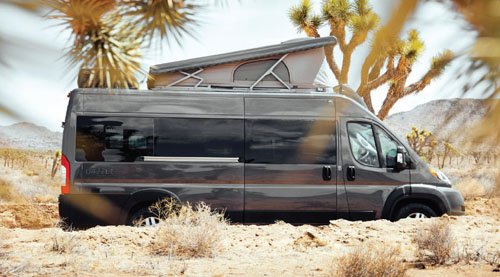
For long-term RV travel in the South West US, Class SI (Semi-integrated) and Class C (Alcove) motorhomes are generally recommended for their optimal balance of comfort, amenities, and maneuverability on diverse roads. These classes provide ample living space for families or couples on extended trips, without being excessively large for national park access or smaller towns.
Bandana's Class SI RVs, averaging 6.9 meters in length with 3-4 sleeping places, offer excellent comfort for couples or small families, proving agile enough for national park roads and efficient for long distances. For instance, a "2 Berth Tamar" Class SI motorhome offers features like automatic transmission, front air conditioning, and a toilet, making it ideal for a comfortable journey. Alternatively, Bandana's Class C RVs, averaging 7.5 meters in length with 5-6 sleeping places, provide more spacious living and storage, which is ideal for families on extended trips, without being overly cumbersome for most South West US routes. The "24' Class C Motorhome" is a prime example, boasting a generator, shower, and sleeping capacity for up to 5 people.
Should I Choose a Compact Van Instead of a Large RV in South West US?
While compact campervans (Class B) offer excellent maneuverability and easier parking, larger RVs (Class C, SI) often provide superior comfort, amenities, and storage space, which can be more advantageous for a long-term rental in the South West US. Class B campervans, with Bandana averages around 5.8m length and 8-10 L/100km fuel consumption, are nimble for city exploration and offer better fuel economy, suitable for solo travelers or couples prioritizing agility and a more minimalist experience.
However, for extended trips across diverse climates and terrains, the added space and facilities of a larger motorhome can significantly enhance your experience. Larger RVs like Class C (Bandana average 7.5m length, like the "rv rentals utah example Sunrise Escape" with 167 liters fresh water tank) and Semi-integrated (Bandana average 6.9m length, such as the "Active Bunk Auto" which is ideal for families), provide full kitchens, bathrooms, and ample living space. These features are crucial for comfort and convenience during extended stays in varied climates, especially when you plan to prepare your own meals on the road. For inspiration on what to cook, check out our RV-friendly recipes playlist.
Can I Park Anywhere? Free & Wild Camping Rules in South West US
Free and wild camping (boondocking) is widely permitted on public lands managed by the Bureau of Land Management (BLM) and National Forests in the South West US, though specific rules and durations vary significantly by location. These public lands typically allow stays of up to 14 days in a single location, emphasizing Leave No Trace principles and adherence to local fire restrictions, which are especially important in arid regions.
While abundant, specific locations and local rules for boondocking should always be verified using current resources or by contacting local ranger stations before parking overnight. Many areas have clearly marked signage, but it’s always best to be prepared. For finding campsites and campgrounds during your trip, whether paid or free, we recommend using RV PLANET (rvplan.net) - a great resource for locating available spots along your route. Even if a specific campground is full, many national and state parks reserve 25-30% of their spots for first-come, first-served arrivals, so you’ll often find a spot, if not at the first campground, then the next one. Just remember to call ahead before driving long distances!
Can I Drive an RV Into the City Center? Heights, Tunnels & Local Signage
Yes, you can generally drive an RV into most city centers in the South West US, but drivers must pay close attention to local signage regarding height restrictions, tunnels, low bridges, and designated parking areas. South West US cities, particularly those that have developed more recently, tend to be more RV-friendly than older urban areas with tight, historic street grids.
Parking for larger motorhomes or campervans can still be challenging in dense downtown areas, often requiring designated RV or oversized vehicle spots that might be further from the immediate city center. Always be vigilant for posted height limits at parking garages, underpasses, and drive-thrus, as well as temporary road closures or specific residential parking rules. Drive slowly and carefully, and you can drive almost anywhere without issues. No need to stress - just use common sense and pay attention to make your city explorations in your rented RV hassle-free.
What is the Best Time of Year to RV the South West US?
The best time to RV the South West US is typically during the spring (March to May) and fall (September to November) when temperatures are mild, crowds are manageable, and all areas, including higher elevations, are generally accessible. During these shoulder seasons, you can comfortably explore iconic locations such as the Grand Canyon, Zion National Park, and Monument Valley, enjoying pleasant hiking weather and fewer tourists compared to peak summer.
Summer months (June-August) bring extreme heat to low desert regions, necessitating early morning activities and heavy reliance on RV air conditioning, alongside potential monsoon season thunderstorms in Arizona and New Mexico. Conversely, winter (December-February) is ideal for exploring the low deserts, like Death Valley or areas around Phoenix, with comfortable temperatures, but higher elevations in states like Utah and Colorado may experience snow and road closures. Planning your route according to the season ensures you make the most of your long-term RV rental, perhaps even finding better deals on a "Cheap RV Rental in South West US - Budget Guide 2026" if you travel slightly off-peak.
How Long Does it Take to RV the South West US?
A comprehensive RV trip through the South West US ideally requires at least 2-3 weeks to explore key attractions without feeling rushed, though shorter trips (7-10 days) are feasible for specific regions or states. For a truly immersive long-term rental, planning 3-4 weeks or more allows for a relaxed pace, deeper exploration of multiple states and parks, and the flexibility to embrace spontaneous detours into hidden gems.
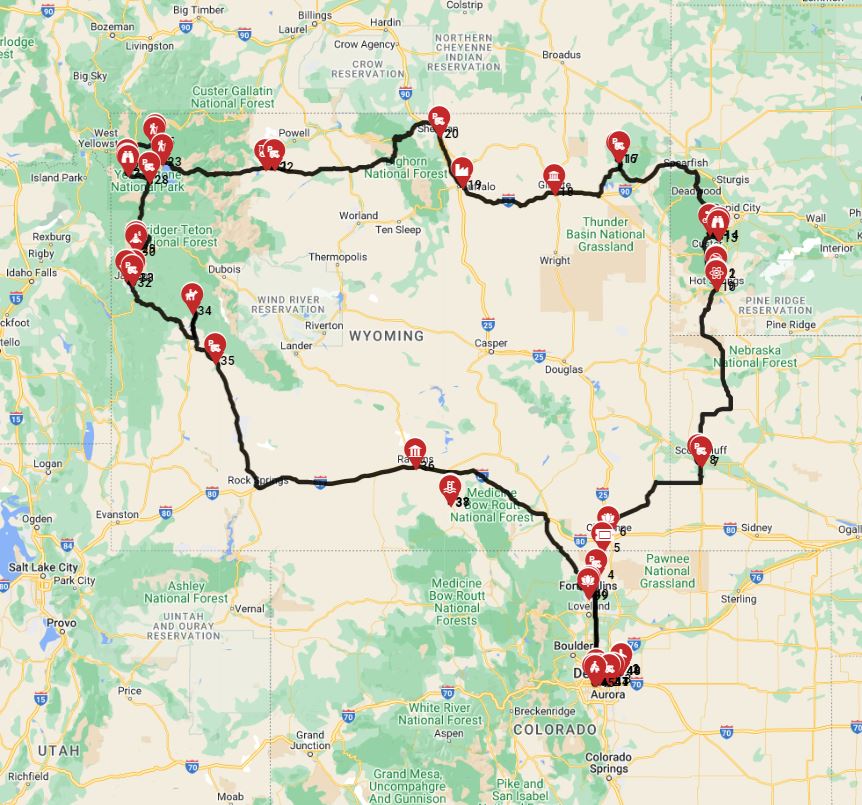
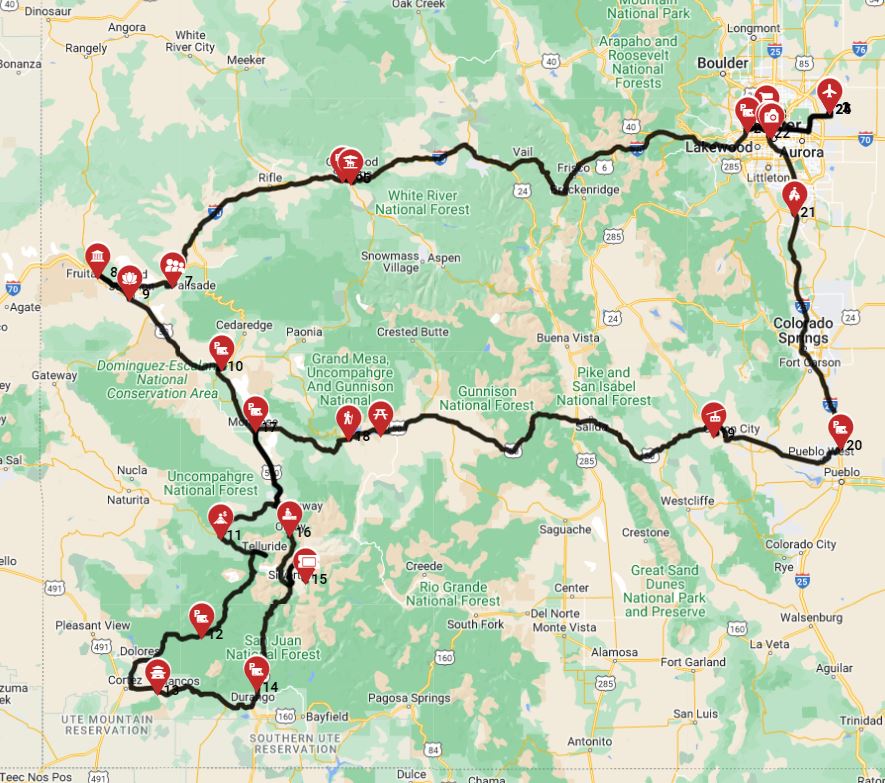
We strongly recommend slow travel for your RV adventure: aim for a maximum of 100-150 km per day on average. This gives you time to feel the place, connect to the local culture, indulge in regional food, and fully appreciate the spectacular scenery. Allowing ample time is crucial for long-term RV travel to avoid burnout and fully immerse oneself in the diverse landscapes and cultural experiences of the South West US, rather than just ticking off a checklist. For instance, our pre-planned routes from RV PLANET (rvplan.net) are designed to encourage this relaxed pace.
How Much Does it Cost to RV in the South West US?
The cost to RV in the South West US can vary significantly, but generally ranges from $150-$400+ per day for long-term rentals, encompassing rental fees, fuel, campgrounds, food, activities, and national park passes. Remember that prices are dynamic, similar to flight tickets, changing daily based on availability, seasonality, and supplier marketing decisions; the final price is set at the actual booking time. Key expenses include the RV rental rate, which can sometimes be lower for longer durations, substantial fuel costs given the vast distances, and campground fees ranging from $20-$70+ per night for developed sites.
Budgeting should also account for national park entrance fees, where an America the Beautiful Pass ($80 annually) is highly recommended if you plan to visit multiple parks. Groceries for meals cooked in your rented RV, dining out, and various activities or tours also add to the overall cost. For those looking to manage costs, boondocking significantly reduces accommodation expenses. For travelers keen on meticulous financial planning, our RV PLANET routes allow you to itemize and track every expense along the way, ensuring full transparency in your trip budget. For specific pricing details, consider browsing guides like "RV Rental in South West US - Prices and Best Deals 2026" to compare options.
What are the Specific RV Challenges for South West US Driving?
RV travel in the South West US presents unique challenges including extreme temperatures, high altitudes, unpredictable weather events like monsoons and dust storms, and limited cell service in remote areas, all of which require specific preparation but are manageable. Drivers must prepare their rented RV for extreme heat, monitoring engine temperatures, managing AC usage (especially when boondocking with a generator), and conserving water for extended periods in arid environments. This preparedness ensures your comfort and the longevity of your motorhome.
High altitudes, particularly in areas near the Rockies or Flagstaff, Arizona, can reduce RV engine power, demanding careful driving on inclines and utilizing lower gears for descents to prevent overheating and ensure safety. Remote regions often have unreliable cell service, necessitating offline maps, downloaded entertainment, and communication backups for peace of mind. By addressing these factors with common sense planning and a flexible mindset, your long-term RV rental in the South West US will be an incredible, worry-free adventure.
How Do You Find Free Showers, Water Refills, and Dump Stations for Boondocking in the South West US?
For boondocking in the South West US, free showers can often be found at truck stops (sometimes with a fuel purchase) or via gym memberships, water refills at campgrounds, gas stations, and some visitor centers, and dump stations at RV parks, rest stops, and municipal facilities. Truck stop chains like Pilot Flying J, Love's, and TravelCenters of America offer pay-per-use showers, which are generally clean and well-maintained. Apps like iOverlander and Campendium are invaluable resources for locating potable water spigots and dump stations, often with user reviews and recent updates.
Many private RV parks offer dump station services for a fee to non-guests, typically ranging from $10-$25. Some public rest areas or visitor centers may provide potable water, but always inquire locally and ensure water sources are clearly marked as safe for drinking and filling your fresh water tank. Planning ahead for these amenities is crucial for a comfortable and extended boondocking experience, allowing you to maximize your enjoyment of the South West US's vast public lands.
What are Some Recommended RV Loops and Hidden Gems in Arizona and the South West US?
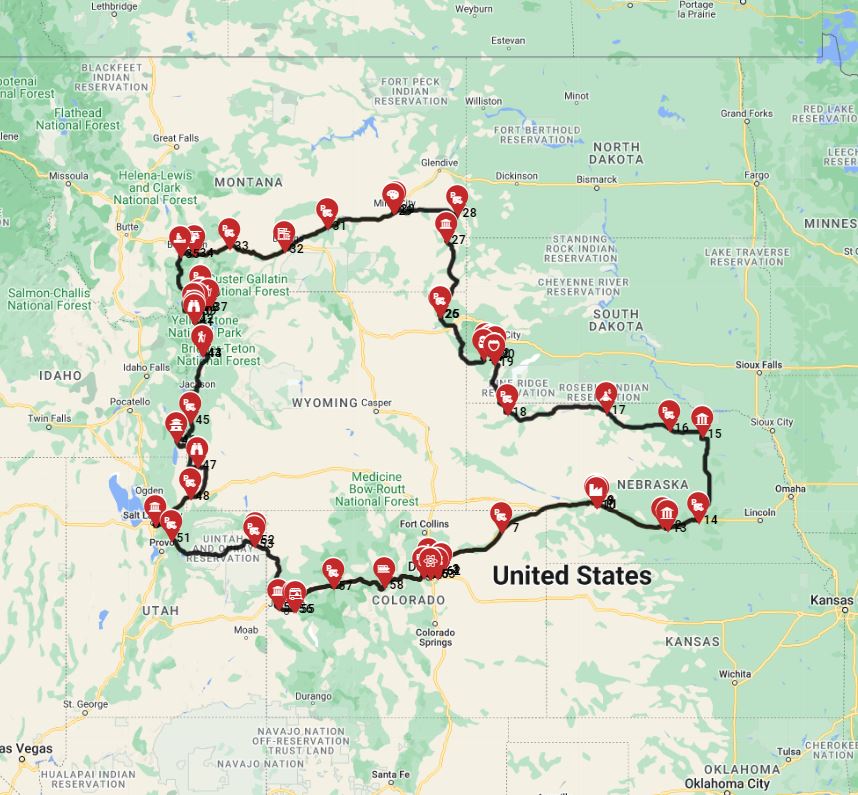
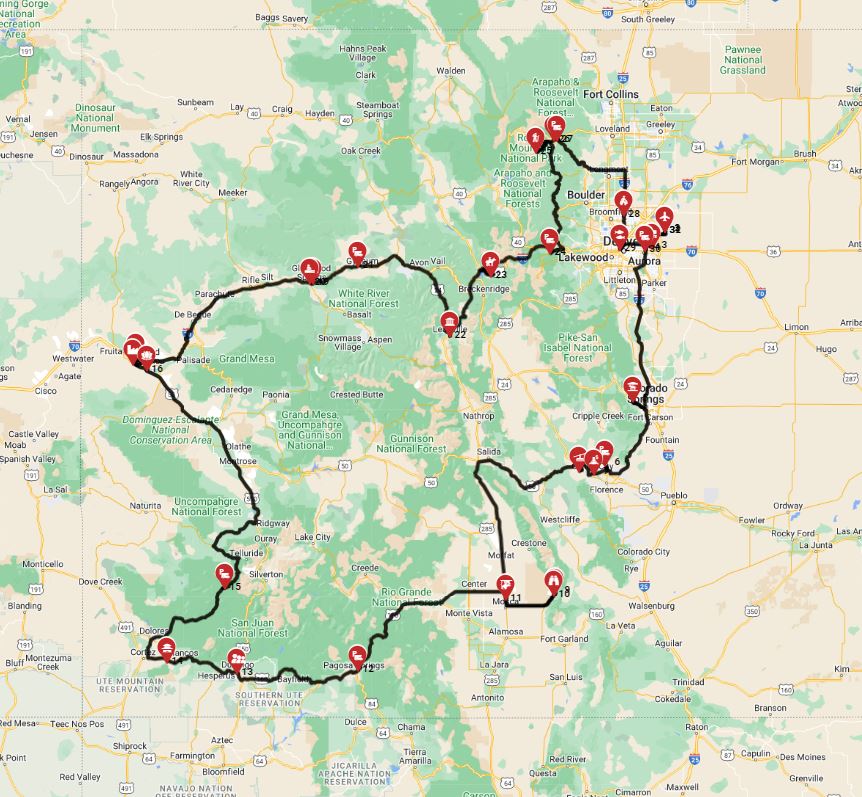
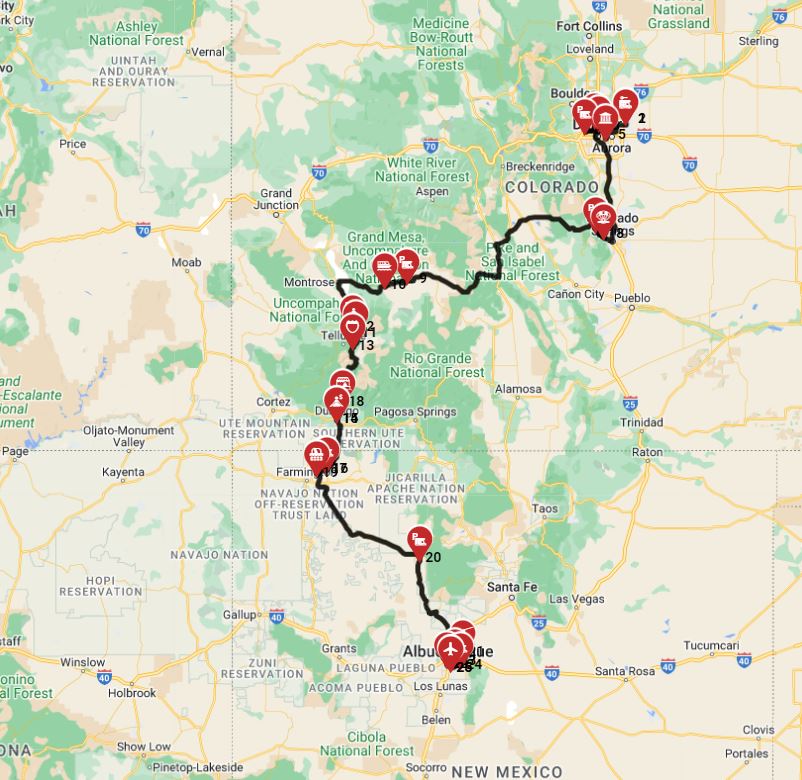
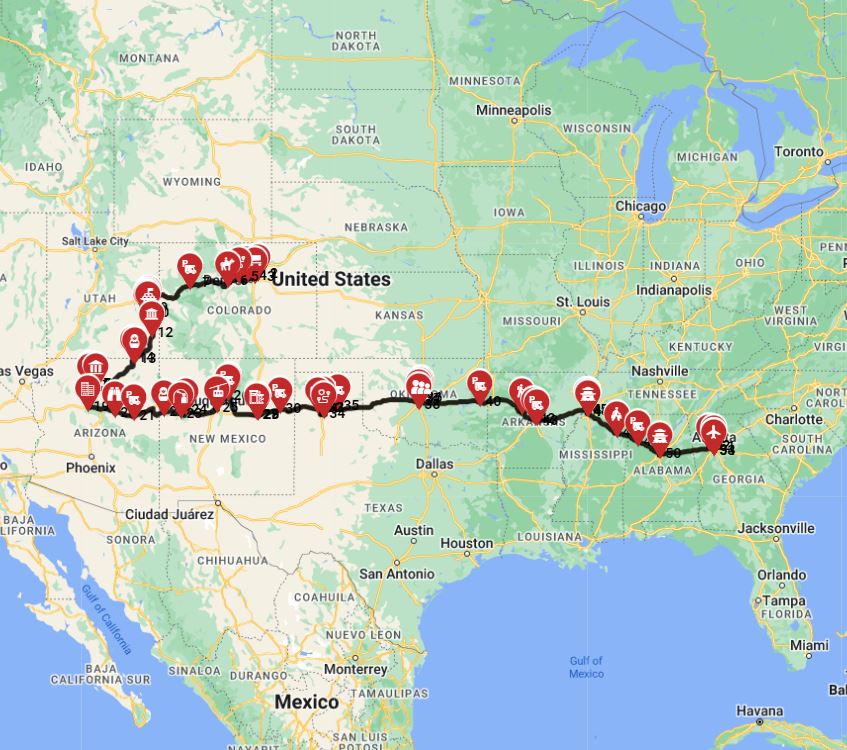
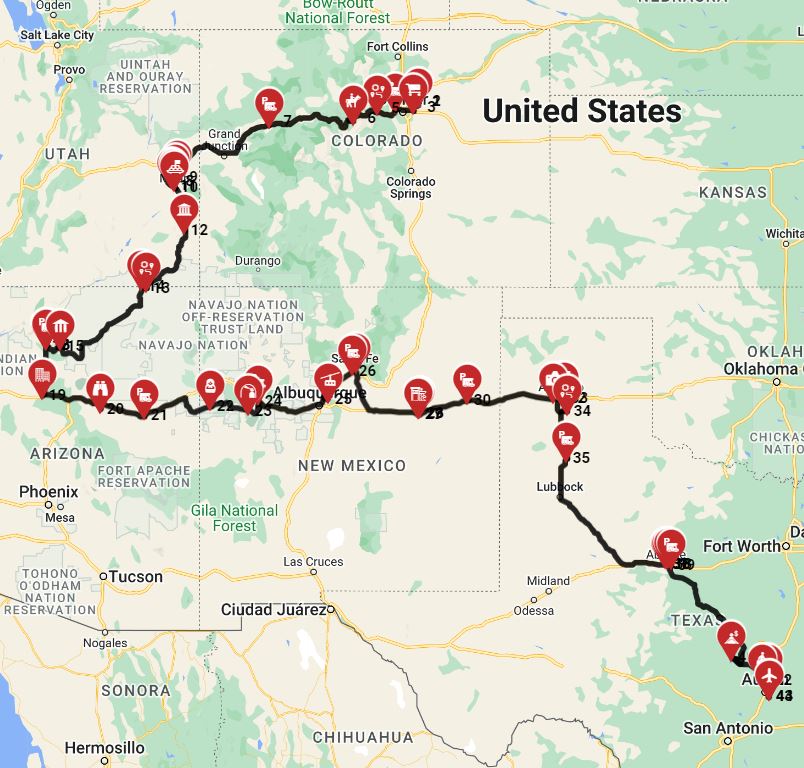
The South West US offers numerous iconic RV loops and hidden gems, such as Arizona's extended 'Grand Circle' route encompassing national parks, or lesser-known destinations like Valley of Fire State Park in Nevada and the Mogollon Rim in Arizona. The popular 'Grand Circle' connects the Grand Canyon, Zion, Bryce Canyon, and Monument Valley, offering a comprehensive tour of the region's most famous natural wonders, easily accessible with a long-term RV rental.
For a long-term rental and those seeking unique experiences, consider exploring hidden gems beyond the main tourist hubs. The stunning red rock landscapes of Valley of Fire State Park in Nevada provide fantastic camping and short hikes. Arizona's Mogollon Rim offers cooler, forested high-country scenery, a welcome escape from desert heat, with numerous national forest campgrounds. Culturally rich sites like Canyon de Chelly National Monument in Arizona offer incredible cliff dwellings and Navajo history. These varied options provide fantastic opportunities to experience the true essence of the South West US, and with 1,300+ pre-planned routes across 5 continents via RV PLANET (rvplan.net), you can find inspiration for your own unique itinerary.
What You Shouldn't Miss
- Grand Canyon's South Rim: The iconic views and accessible campgrounds make it a quintessential RV stop in Arizona.
- Scenic Byway 12 (Utah): Often called "A Museum in a Motorhome," this route showcases Bryce Canyon, Capitol Reef, and Grand Staircase-Escalante National Monument.
- Sedona's Red Rock Country (Arizona): Explore vibrant red rock formations and spiritual vortexes, with plenty of hiking and charming towns.
- Petrified Forest National Park (Arizona): Walk amongst ancient, fossilized forests and colorful badlands.
- Valley of Fire State Park (Nevada): Discover stunning crimson sandstone outcrops and ancient petroglyphs just an hour northeast of Las Vegas.
- Looking for expert insights from Avi Bandana? Top 5 Adventures - recommendations from Avi Bandana - Keep an eye out for our specialized content to guide your journey.
Final Thoughts
A long-term RV rental in the South West US is more than just a vacation; it's an immersive experience that deepens your connection to incredible landscapes and rich cultures. From navigating diverse terrains to discovering hidden gems and embracing the freedom of boondocking, every mile promises a new adventure. Remember to travel slowly, take your time to savor each moment, and let the open road unfold before you.
We're here to support you every step of the way, from comparing the perfect campervan or motorhome for your needs to providing the tools for seamless trip planning. With Bandana RV, you're not just renting a vehicle; you're gaining a partner dedicated to making your long-term South West US road trip truly unforgettable.
Get inspired for your next trip! Discover top destinations, planning tips, all in one place. Your ultimate South West US RV adventure awaits!