In This Guide
- Can You Drive an RV in Ireland? License & Age Rules
- Road Conditions & Terrain in Ireland
- RV Size Limits, Bridges & Restricted Zones
- Fuel: Diesel vs. Petrol & Cost per 100 km
- Tolls, Vignettes & Border Rules
- Driving Tips for long term rv rental Travelers
- Recommended RV Class for Ireland Roads
- Should I Choose a Compact Van Instead of a Large RV in Ireland?
- Can I Park Anywhere? Free & Wild Camping Rules in Ireland
- Can I Drive an RV Into the City Center? Heights, Tunnels & Local Signage
- What is the True Cost of a Long-Term RV Rental in Ireland - Beyond Just the Rental Fee?
- How Can I Experience Local Culture and Hidden Gems with an RV in Ireland?
- What Off-the-Beaten-Path Routes Should I Explore in an RV in Ireland?
- Is RV Travel in Ireland Safe? Essential Safety and Security Tips
- What is the Best Time of Year for a Long-Term RV Rental in Ireland?
- Driving an RV in Ireland as an International Traveler - Unique Challenges & Tips
- Staying Connected on the Road - RV Connectivity in Rural Ireland
- RVing in Ireland with Family or Pets - Specific Tips and Destinations
- Sustainable RV Tourism in Ireland - How to Travel Responsibly
Ireland, with its stunning emerald landscapes, ancient castles, and vibrant cultural scene, offers an incredible backdrop for an extended motorhome adventure. Imagine yourself navigating picturesque coastal roads, stopping spontaneously at charming villages, and truly immersing yourself in the local way of life. A long-term RV rental in Ireland allows you to travel at your own pace, discover hidden gems, and experience the freedom of the open road, whether you're planning a week-long trip or an entire month exploring the island. For live availability and current prices, start with our RV Rental Ireland - Complete Guide 2026 guide.
Can You Drive an RV in Ireland? License & Age Rules
Yes, you can absolutely drive a rented RV in Ireland, and the licensing requirements are straightforward for most travelers. Most standard driver's licenses (Category B), which permit driving vehicles up to 3,500 kg (3.5 tonnes) Maximum Authorised Mass (MAM), are sufficient for the majority of motorhomes and campervans available for rental in Ireland. This means that if you can drive a regular car, you're likely covered for most recreational vehicles offered by Bandana's partners. For visitors from non-English-speaking countries, an International Driving Permit (IDP) is highly recommended to accompany your domestic license, ensuring clarity for local authorities, though it is not strictly mandatory in all cases. The minimum age to rent an RV in Ireland is typically 21 years old, with no young driver surcharges applied to your booking, making it accessible for a wider range of adventurers looking for a long-term RV rental in Ireland.
Road Conditions & Terrain in Ireland
Ireland's road network presents a diverse driving experience, ranging from modern motorways to charmingly narrow, winding country lanes, often called 'bóithríns', flanked by stone walls and offering limited passing opportunities. The terrain itself varies significantly across the island, encompassing flatlands, gently rolling hills, and more rugged mountainous regions, particularly in the southwest. Iconic scenic coastal routes, such as the Wild Atlantic Way, are renowned for their breathtaking views but can also feature tight bends, blind spots, and steep inclines. Driving a rented RV in Ireland encourages a slower, more deliberate pace, which is ideal for truly appreciating the stunning scenery, connecting with local charm, and navigating safely. While these roads demand attention, they are an integral part of the Irish adventure, leading to unforgettable experiences.
RV Size Limits, Bridges & Restricted Zones
Ireland does not enforce widespread, strict height or weight restrictions that prohibit most rental RVs, allowing considerable freedom for travelers. However, drivers must remain vigilant for specific local signage, especially when entering older towns or rural areas. Low bridges are a particular concern, and it's always crucial to check for posted height clearances before proceeding. While environmental zones are not as prevalent in Ireland as they might be in some other European countries, certain urban centers, like Dublin, may implement restricted access or parking regulations for larger vehicles; these are typically well signposted, so pay close attention. When considering island excursions or international connections, such as to Northern Ireland, be aware that ferries will have specific size and weight limits, requiring advance booking and adherence to your rented RV's specifications to ensure smooth travel.
Fuel: Diesel vs. Petrol & Cost per 100 km
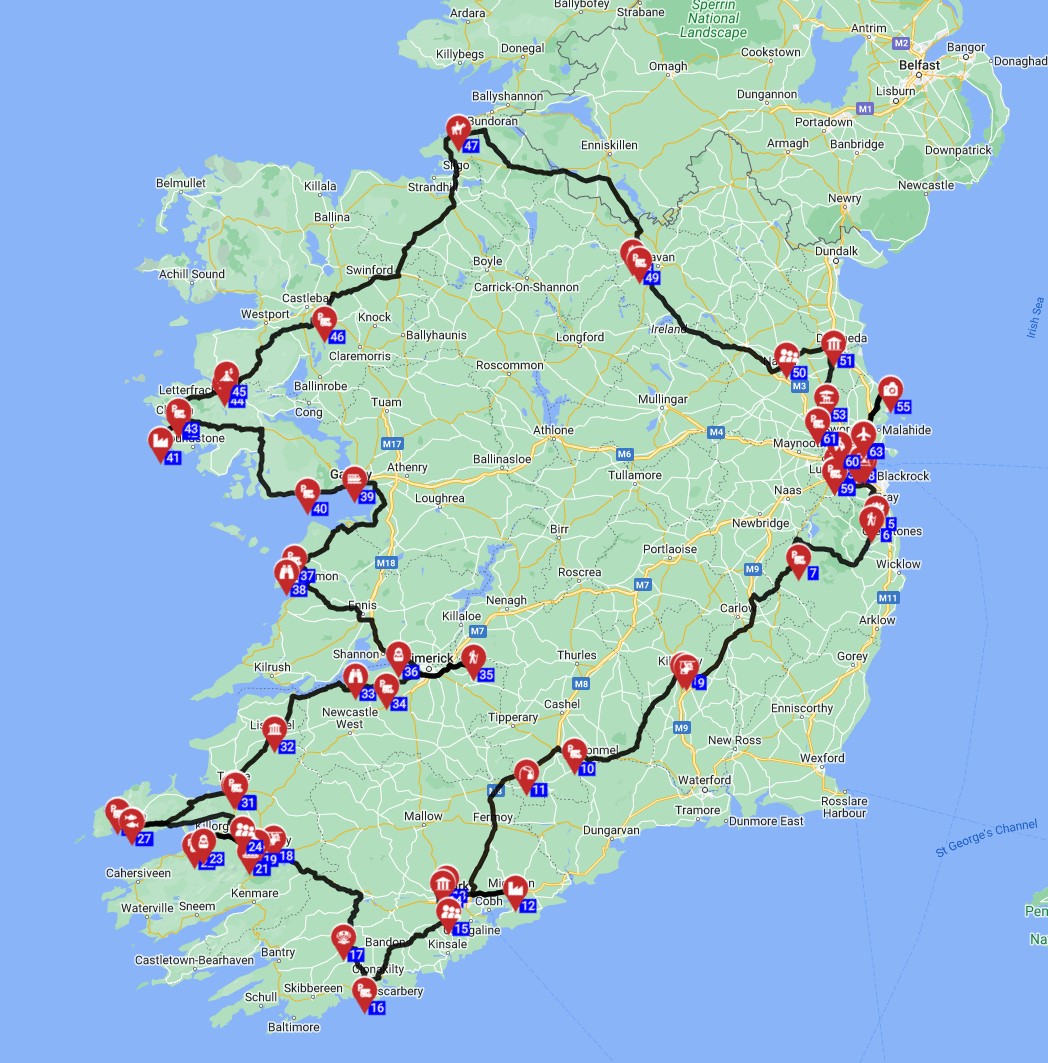
The vast majority of motorhomes and campervans available for long term RV rental in Ireland run on diesel fuel, which is readily accessible throughout the country. Based on Bandana's global fleet averages, a Class SI - Semi-integrated RV typically consumes 10-11 Liters/100 km, while a Class C - Alcove motorhome, such as the "cruise america rv rental example Explorer" with its 2.5 Liter Turbo diesel engine and 75 Liter fuel tank, averages 10-12 Liters/100 km. Smaller Class B - Camper Vans, like a "V3" model with its 2L engine, are even more fuel-efficient, averaging 8-10 Liters/100 km. With an estimated average diesel price of €1.80 per liter in Ireland, a Class SI RV would cost approximately €18.90 per 100 km (based on 10.5 L/100 km). This fuel cost is a significant factor for budgeting long-term rentals, so planning your mileage is key. Some rental suppliers may offer fuel discount cards, which can help mitigate these costs over an extended trip, allowing you more flexibility to explore places like Cork and its vibrant culinary scene. On the routes offered through RV PLANET routes, you can itemize and track every expense along the way for easy budgeting.
Tolls, Vignettes & Border Rules
Ireland operates a system of tolled motorways, and understanding them is crucial for your long term RV rental adventure. Some tolls are managed electronically by eFlow, notably on the M50 around Dublin and the Dublin Port Tunnel, meaning there are no barrier plazas for payment. For these eFlow tolls, RVers must pay online or at designated retail outlets by 8 PM the following day to avoid significant fines. Other tolled roads feature traditional barrier plazas where you can pay by cash or card. There are no vignette systems in place for RVs or cars in Ireland, unlike some other European countries; tolls are paid per use. If your itinerary takes you to Northern Ireland, which is part of the UK, border crossing procedures are generally straightforward for EU and UK citizens, though non-EU visitors should always confirm any specific visa requirements in advance. Pre-purchasing an electronic toll tag, sometimes offered by RV rental companies, can simplify travel, particularly around busy areas like Dublin, and help avoid unexpected fines.
Driving Tips for long term rv rental Travelers
Driving a rented RV in Ireland is an immersive experience, but it comes with unique considerations. First, you must master left-hand driving; allow yourself ample time to adjust and practice in less congested areas before tackling busier routes. Secondly, be prepared for Ireland's infamous narrow roads, or 'bóithríns', which often feature stone walls and require patience and occasional reversing into designated passing places for oncoming traffic or farm vehicles. Thirdly, always plan your fuel and rest stops in advance, especially during a long-term trip with family; aim for breaks every 2-3 hours to stay refreshed. Many rental RVs in Ireland come with manual transmission; if you prefer an automatic, specify this during booking, though availability might be limited. Lastly, familiarize yourself with common Irish road signs, especially those indicating hazards, distances (primarily in kilometers), and local attractions to ensure a smooth and enjoyable journey. Drive slowly and carefully, and you can drive almost anywhere without issues. No need to stress - just use common sense and pay attention.
Recommended RV Class for Ireland Roads
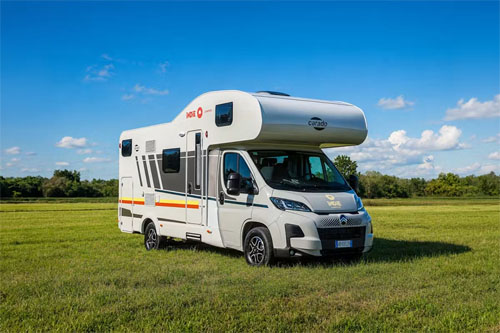
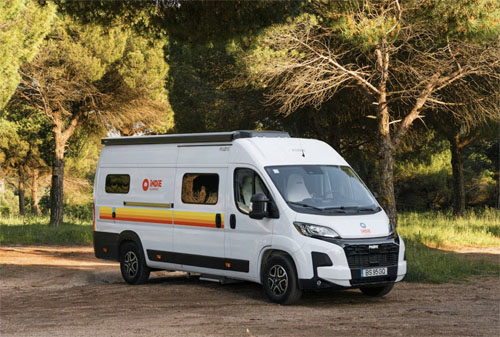
For navigating Ireland's diverse roads, a Class SI - Semi-integrated motorhome or a Class B - Camper Van is often highly recommended, offering an excellent balance of comfort and maneuverability for your long term RV rental in Ireland. Class B - Camper Vans, with an average length of 5.8 meters, provide exceptional agility for tackling narrow country lanes and exploring urban centers like Belfast without sacrificing essential amenities like a compact kitchen and sleeping areas. A "V3" campervan, for instance, offers a 75 Liter fuel tank and is ideal for a couple. Stepping up, Class SI - Semi-integrated RVs, typically averaging 6.9 meters in length, deliver more spacious living areas and enhanced amenities, making them suitable for longer trips or families without being excessively large for most Irish roads. While larger motorhomes, such as Class C (like the "cruise america rv rental example Explorer" at 7.1m long) or Class A, are certainly manageable and available for an RV rental in Ireland, their increased length and width may require additional caution and route planning on very tight routes, making the more compact options ideal for a balanced exploration and comfort experience. Our "Family RV Rental in Ireland - Pricing Guide 2026" can help you compare options.
Should I Choose a Compact Van Instead of a Large RV in Ireland?
While a compact campervan, like a Class B, offers superior maneuverability for extremely tight historic centers and very narrow mountain passes in Ireland, a larger RV generally presents no significant driving issues for your long term RV rental. The decision often involves balancing the ease of parking in busy spots with the desire for more indoor space, enhanced comfort, and additional amenities, which become particularly valuable during an extended rental, especially if you encounter typical Irish inclement weather. Larger motorhomes, such as Class SI or Class C, provide more expansive kitchen facilities for preparing delicious meals, separate sleeping areas for families, and greater storage capacity, significantly improving the quality of a long-term stay. For many travelers, the added comfort and living space of a larger RV ultimately outweigh the minimal challenges of occasional maneuvering on smaller roads, which can often be mitigated by careful route planning using resources like RV PLANET (rvplan.net) to find suitable routes and campgrounds in Ireland.
Can I Park Anywhere? Free & Wild Camping Rules in Ireland
Wild camping in a rented RV in Ireland is generally tolerated, particularly in remote areas, but it is not officially permitted everywhere and requires adherence to specific guidelines. Always seek explicit permission from landowners before parking overnight on private land; many friendly farmers or pub owners may graciously allow it upon request, often in exchange for patronizing their establishment. When considering any unofficial overnight stops, it is crucial to adhere strictly to 'Leave No Trace' principles: take all rubbish with you, do not disturb wildlife or livestock, and minimize your visual impact. Be aware that many local councils have bylaws regarding overnight parking, so checking local regulations for your intended area is essential to avoid fines or unwanted attention. For reliable and secure overnight stays during your long term RV rental in Ireland, designated campsites and caravan parks are numerous and offer excellent facilities.
Can I Drive an RV Into the City Center? Heights, Tunnels & Local Signage
Yes, it is generally possible to drive a rented RV into Irish city centers, providing an excellent base for exploring urban attractions in places like Dublin, Cork, or Galway. However, caution and a keen awareness of local restrictions are absolutely essential. Drivers must pay close attention to all local signage, including posted height limits for bridges and multi-story car parks, tunnel clearances, and any weight restrictions that might apply. Historic city cores, in particular, may feature very narrow streets, designated pedestrian zones, or residents-only parking areas, which could make maneuvering a larger motorhome challenging or restricted. While Ireland does not widely implement environmental zones for private vehicles as seen in some other parts of Europe, it's always prudent to verify any specific access rules for your destination, especially in major cities. Remember, drive slowly and carefully, and you can drive almost anywhere without issues. No need to stress - just use common sense and pay attention.
What is the True Cost of a Long-Term RV Rental in Ireland - Beyond Just the Rental Fee?
A comprehensive budget for a long-term RV rental in Ireland must account for several costs beyond just the initial rental rate. Fuel is a major expense, with a Class SI motorhome like the "2 Berth Rover" consuming approximately 10-11 Liters/100 km, equating to about €18.90 per 100 km at an average diesel price of €1.80/liter. Tolls, such as those on the M50 around Dublin, are paid per use and must be factored in. Campsite fees typically average €30-€50 per night for a powered pitch, but can vary by season and location. Beyond these, budget for groceries and cooking your own meals onboard (check out our RV-friendly recipes playlist for inspiration!), dining out, admission fees for attractions, and ferry costs for island trips or crossing into Northern Ireland. Insurance considerations are also critical, including understanding your deductible (excess) and whether you wish to upgrade to a top-level deductible for extra peace of mind. Other ancillary costs might include propane refills, laundry services at campsites, and a contingency fund for unexpected maintenance or breakdown assistance. On RV PLANET routes, travelers can itemize and track every expense along the way for easy budgeting. Our "RV Rental in Ireland - Prices and Best Deals 2026" guide offers more details.
How Can I Experience Local Culture and Hidden Gems with an RV in Ireland?
Experiencing local culture and discovering Ireland's hidden gems with a rented RV is incredibly rewarding, offering a level of flexibility conventional travel cannot match. To truly immerse yourself, seek out traditional music sessions ('seisiúns') in local pubs, especially in smaller towns, where you can often park your campervan safely nearby for the evening. Many villages host vibrant farmers' markets and feature artisan producers offering fresh, regional foods and unique crafts, which are perfect for stocking your RV's kitchen. Look for opportunities to attend lesser-known local festivals and community events, such as traditional fairs or harvest festivals, which provide authentic cultural immersion and are usually accessible by motorhome. Engaging with locals at campsites, in pubs, and at shops can also reveal hidden viewpoints, secluded walking trails, and unique community experiences not found in guidebooks. This slow travel approach, averaging max 100-150 km per day, allows you to truly feel the place, connect to the culture, the food, and the scenery.
What Off-the-Beaten-Path Routes Should I Explore in an RV in Ireland?
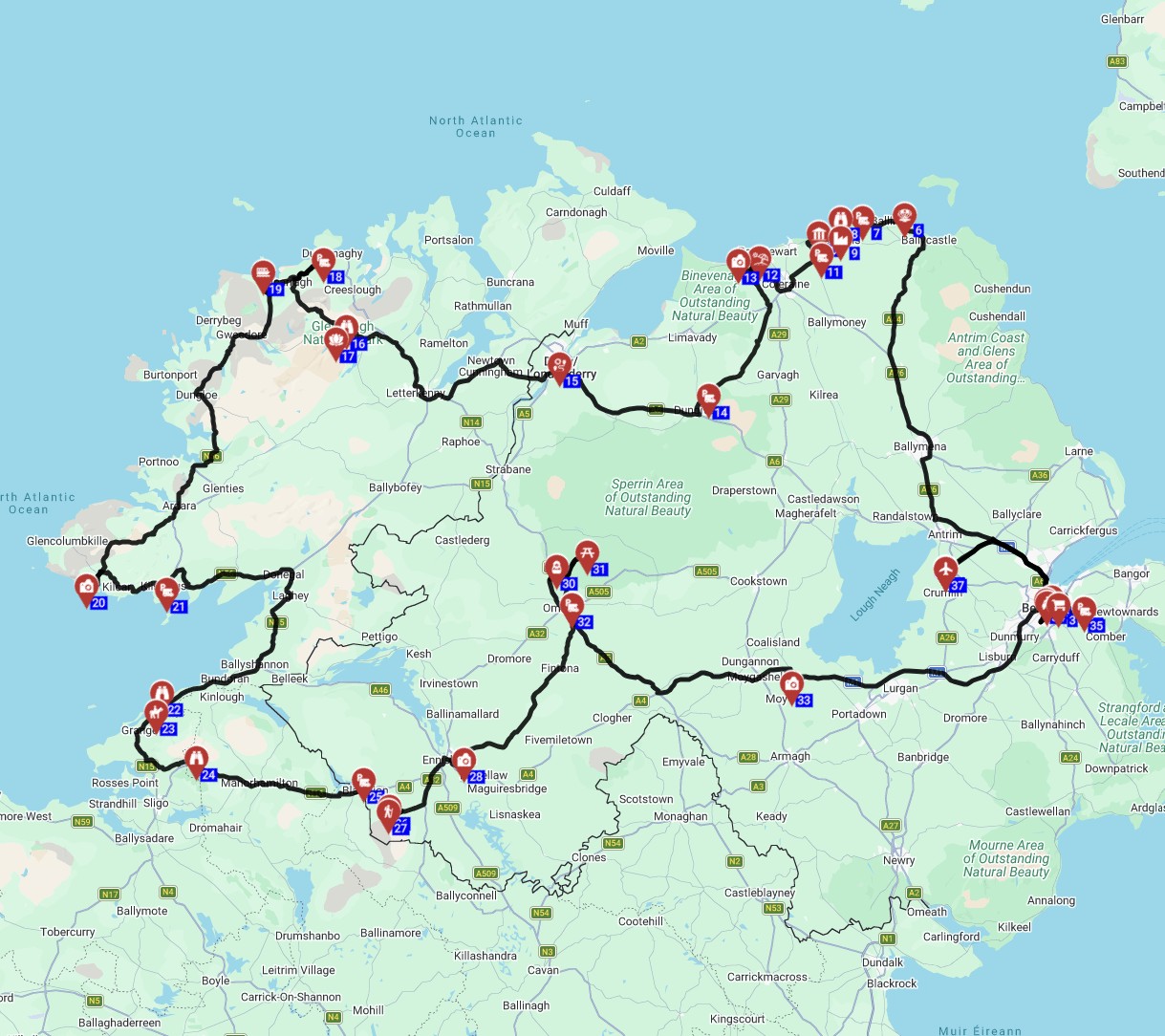
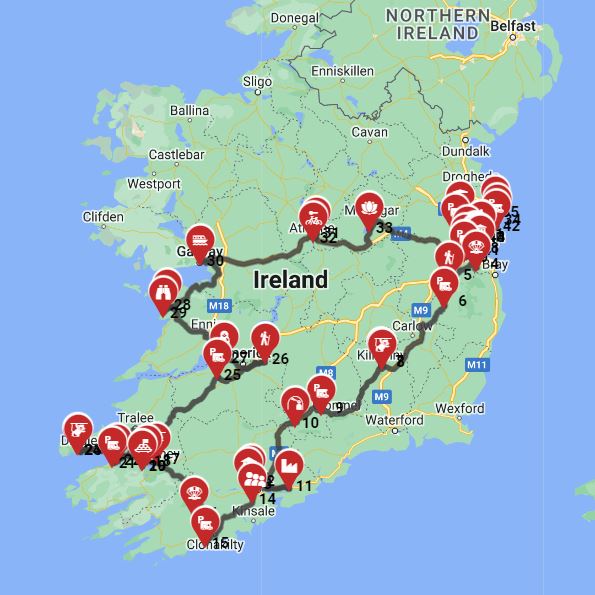
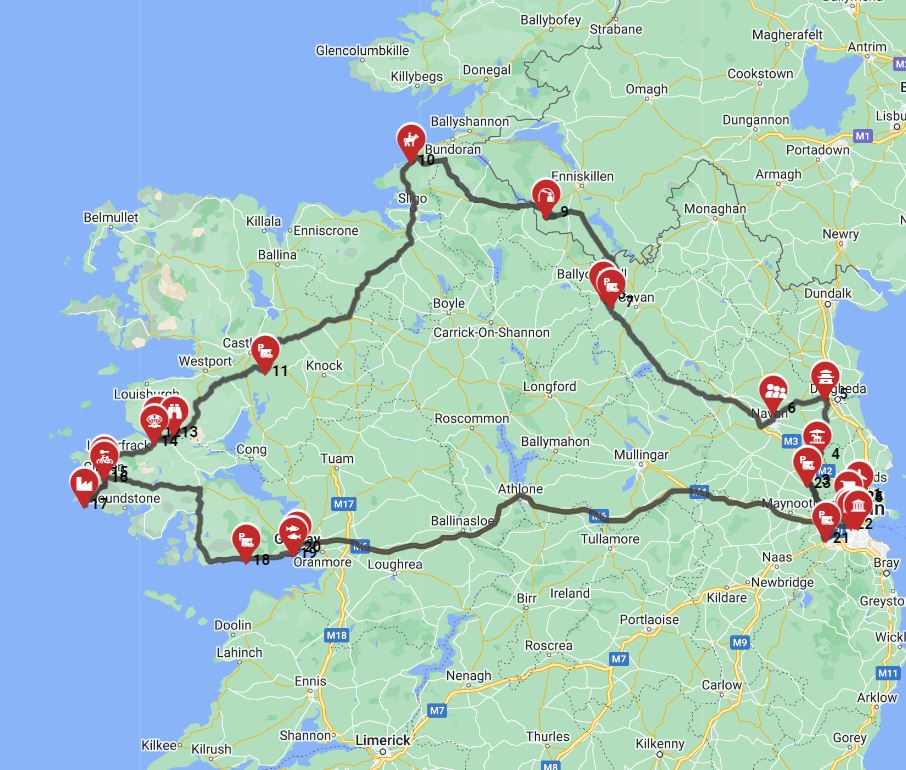
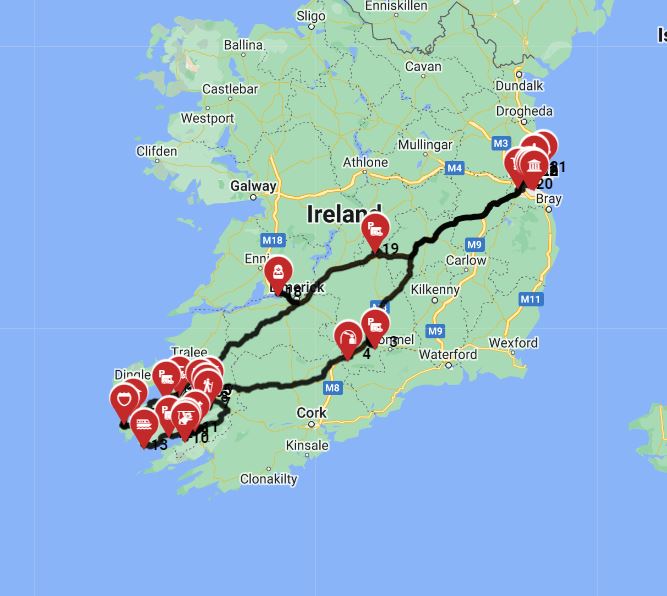
Beyond the well-trodden Wild Atlantic Way, Ireland offers a wealth of off-the-beaten-path routes perfect for a long term RV rental, allowing you to discover quieter, equally stunning landscapes. Consider venturing to the Cooley Peninsula in County Louth, a mythical land offering dramatic hills, coastal views, and charming villages with fewer crowds. The Copper Coast Geopark in Waterford, a UNESCO Global Geopark, features spectacular cliff walks, coves, and unspoiled beaches, providing a tranquil RV experience. Journey through the hidden valleys of the Comeragh Mountains, or explore the dramatic, untamed beauty of the Slieve League cliffs in Donegal, which are among Europe's highest sea cliffs and often boast quieter roads and breathtaking views. For a serene escape, discover the Lakelands and Ireland's Hidden Heartlands, offering picturesque routes around Lough Derg, Lough Ree, and the River Shannon, ideal for kayaking, fishing, and peaceful RV parking. You can also delve into Ireland's Ancient East region, home to historical sites and lesser-visited monastic settlements accessible by motorhome, providing a deeper dive into the island's rich heritage.
Is RV Travel in Ireland Safe? Essential Safety and Security Tips
RV travel in Ireland is generally very safe, but like any adventure, it benefits from common-sense safety and security practices, especially on the roads. Road safety on Ireland's narrow roads, particularly when encountering large buses or slow-moving tractors, requires vigilance and defensive driving. Always secure your rented RV by locking all doors and windows whenever you leave it unattended, and certainly overnight, regardless of your parking location. When choosing overnight spots, prioritize secure designated campsites or well-lit areas in towns, and always avoid leaving valuable items visible inside your motorhome. Familiarize yourself with the emergency procedures and contact numbers provided by your rental company, which typically include details for breakdown assistance (such as AA Ireland or their specific help lines). Carrying a fully charged mobile phone with adequate credit is also vital, particularly when exploring remote areas where signal strength can vary. Bandana RV provides 24/7 support during your booking process, ensuring you have peace of mind from the start.
What is the Best Time of Year for a Long-Term RV Rental in Ireland?
The shoulder seasons of April-May and September-October are often considered ideal for a long-term RV rental in Ireland, balancing milder weather with fewer tourist crowds and typically more competitive rental rates. During these months, you'll experience pleasant temperatures, blooming wildflowers in spring, or golden foliage in autumn, and sufficient daylight hours for extended exploration. The summer months of June-August offer the longest daylight and warmest temperatures, making them popular but also bringing peak tourist crowds, higher prices, and busier campsites, requiring earlier booking. Winter travel (November-March) can present unique challenges due to significantly shorter daylight hours, colder weather, and potential road accessibility issues in remote or mountainous regions, though it can offer a uniquely tranquil and atmospheric experience for those prepared. Planning around major holidays or local festivals can also impact crowd levels and the availability of both RVs and campsites. Our "Weekly RV Rental in Ireland - Pricing 2026" guide can help you compare seasonal rates.
Driving an RV in Ireland as an International Traveler - Unique Challenges & Tips
Driving a rented RV in Ireland as an international traveler, especially from a right-hand drive country, presents a few unique but manageable challenges. The primary adjustment is mastering left-hand drive; take your time, practice in quieter areas, and remember that the driver's seat is on the right, with gear shifting done with the left hand if it's a manual transmission. Navigating Ireland's numerous roundabouts requires yielding to traffic from your right and being clear with your indicators. Be prepared for narrow country roads ('bóithríns') often bordered by stone walls, which demand slow speeds and anticipating oncoming traffic, frequently utilizing passing places. Many rental RVs in Ireland have manual transmissions; if you prefer an automatic, ensure you specify this during your booking process, as availability can be limited. Lastly, familiarize yourself with Irish road signs, including distinctions for national primary (N) and regional (R) roads, and distances which are always in kilometers. Drive slowly and carefully, and you can drive almost anywhere without issues. No need to stress - just use common sense and pay attention.
Staying Connected on the Road - RV Connectivity in Rural Ireland
Staying connected while on a long term RV rental trip in rural Ireland requires some planning, as mobile signal strength can vary significantly outside of urban areas. We highly recommend purchasing a local SIM card from major providers such as Vodafone, Eir, or Three upon arrival; these generally offer better coverage and competitive data plans across the country. While Wi-Fi availability is common at most designated campsites, as well as in many cafes and pubs, speeds can differ, so do not rely solely on public Wi-Fi for critical online tasks. Ensure your rented RV has sufficient charging options for your devices; consider bringing power banks, a car inverter, or a travel adapter for Irish Type G sockets. For very remote travel in areas like Derry or Braughan, a portable Wi-Fi hotspot might be beneficial, though for most popular RV routes and attractions, a local SIM card usually suffices. Remember, part of the joy of an RV adventure is disconnecting and enjoying the scenery!
RVing in Ireland with Family or Pets - Specific Tips and Destinations
RVing in Ireland with family or pets for an extended period can be a truly memorable experience with a little extra planning. When traveling with children, seek out campsites that offer playgrounds, swimming pools, or organized activities, many of which are abundant, particularly along the scenic coasts. For pet owners, research pet-friendly attractions, pubs, and accommodation in advance, as rules vary; many national parks allow dogs on leads, but some indoor venues and certain beaches may have restrictions. Always confirm your specific RV rental allows pets and be aware of any additional cleaning fees or specific pet policies. Plan for regular stops to allow both children and pets to stretch their legs and play, utilizing Ireland's numerous picnic areas, beaches, and designated dog parks. Destinations like the Burren National Park, with its unique lunar landscape and walking trails, or Killarney National Park offer excellent family-friendly trails and pet-friendly outdoor spaces, perfect for making lasting memories during your long term RV rental in Ireland.
Sustainable RV Tourism in Ireland - How to Travel Responsibly
Engaging in sustainable and responsible RV tourism in Ireland is key to preserving its natural beauty and supporting its communities for future generations. First and foremost, adhere strictly to 'Leave No Trace' principles: pack out all your waste, dispose of grey and black water responsibly at designated facilities (found at most campsites), and always respect wildlife and natural habitats. Support local communities by prioritizing purchases from local markets, dining at independent restaurants, and visiting artisan shops, ensuring your tourism contributes directly to the local economy. Minimize your environmental footprint by conserving water and electricity within your RV, and choose routes that avoid excessively fragile ecosystems or overly crowded areas. Be mindful of noise levels, especially when utilizing quiet campsites or informal parking spots, to respect both local residents and other travelers. Educating yourself on local customs and traditions will also ensure respectful engagement with the rich culture and welcoming people of Ireland. Our "RV Rental Europe - Complete Guide 2026" also emphasizes responsible travel practices.
What You Shouldn't Miss
- **The Ring of Kerry:** While popular, dedicating a few days to this iconic scenic drive allows for detours to charming towns like Kenmare and fishing villages, experiencing the dramatic coastal views at a leisurely pace.
- **Giant's Causeway, County Antrim (Northern Ireland):** Explore the unique basalt columns, a UNESCO World Heritage site, and imagine the legend of Finn MacCool who built the causeway.
- **Cliffs of Moher, County Clare:** Witness the sheer scale of these magnificent cliffs, stretching 14 kilometers along the Atlantic coast, offering breathtaking panoramic views, especially at sunrise or sunset when crowds are thinner.
- **Traditional Music in Galway:** Spend an evening soaking in live traditional Irish music in one of Galway’s many lively pubs, experiencing the heart of Irish culture.
- **Exploring the Burren, County Clare:** This unique limestone landscape is a geological marvel, home to rare flora and ancient monuments, offering fantastic hiking opportunities away from the busiest tourist trails.
- **Dingle Peninsula, County Kerry:** Drive the Slea Head Drive, a spectacular loop renowned for its archaeological sites, breathtaking views of the Blasket Islands, and charming fishing villages where you can enjoy fresh seafood.
Looking for expert insights from Avi Bandana? Top 5 Adventures - recommendations from Avi Bandana.
Final Thoughts
A long term RV rental in Ireland is more than just a vacation; it's an invitation to explore a land of unparalleled beauty at your own pace. With Bandana RV, you're not just booking a vehicle; you're gaining a partner dedicated to making your journey smooth, transparent, and memorable. From the bustling streets of Belfast to the tranquil lakes of Killarney, your rented motorhome is your ticket to freedom, comfort, and authentic Irish experiences.
We've been helping travelers like you discover the joy of RV travel since 2001, and our commitment to honesty and support shines through every step of the way. So, whether you're a seasoned RVer or embarking on your first adventure, let us help you unlock the magic of Ireland. Compare long term RV rentals in Ireland today and get ready to create stories you'll cherish for a lifetime.