In This Guide
- Can You Drive an RV in France? License & Age Rules
- Road Conditions & Terrain in France
- RV Size Limits, Bridges & Restricted Zones
- Fuel: Diesel vs. Petrol & Cost per 100 km
- Tolls, Vignettes & Border Rules
- Driving Tips for long term rv rental Travelers
- Recommended RV Class for France Roads
- Should I Choose a Compact Van Instead of a Large RV in France?
- Can I Park Anywhere? Free & Wild Camping Rules in France
- Can I Drive an RV Into the City Center? Heights, Tunnels & Local Signage
- How long can you rent an RV for?
- How much does it cost to rent an RV in France for a month?
- What is the cheapest way to rent an RV in France?
- Where is the best place to RV in France?
- What are the RV rules in France?
- Pet Travel Regulations & Resources in France
- Can I rent an RV in France and travel to other countries?
France, with its diverse landscapes, rich history, and exquisite cuisine, is an unparalleled destination for an extended motorhome adventure. Imagine waking up to the scent of lavender in Provence, sipping coffee by the Atlantic coast, or exploring medieval villages in the Dordogne, all from the comfort of your rented RV. Long-term RV driving in France allows you to truly immerse yourself in the culture and rhythm of this beautiful country. For live availability and current prices, start with our RV Rental France - Complete Guide 2026 guide. Bandana RV has been helping tens of thousands of travelers explore the world by RV since 2001, making us true RV specialists who genuinely know what it takes to make your long-term rental in France unforgettable.
Can You Drive an RV in France? License & Age Rules
Yes, you can absolutely drive an RV in France, with most standard rented motorhomes under 3,500 kg requiring only a Category B driving license, which is the same as a standard car license in many countries. For those interested in larger RVs between 3,500 kg and 7,500 kg, a Category C1 license is required, though most rental fleets in France focus on vehicles manageable with a standard license. The minimum driving age for long-term RV rentals in France is 21 years old, and importantly, Bandana RV doesn't impose young driver surcharges or vehicle class restrictions based on age, ensuring accessibility for all eligible travelers. Non-EU citizens should carry an International Driving Permit (IDP) alongside their national license, as it is a legal requirement and greatly aids communication with local authorities, although it is not mandatory in all cases. Our full transparency policy means you'll always know the exact licensing requirements upfront, with no surprises.
Road Conditions & Terrain in France
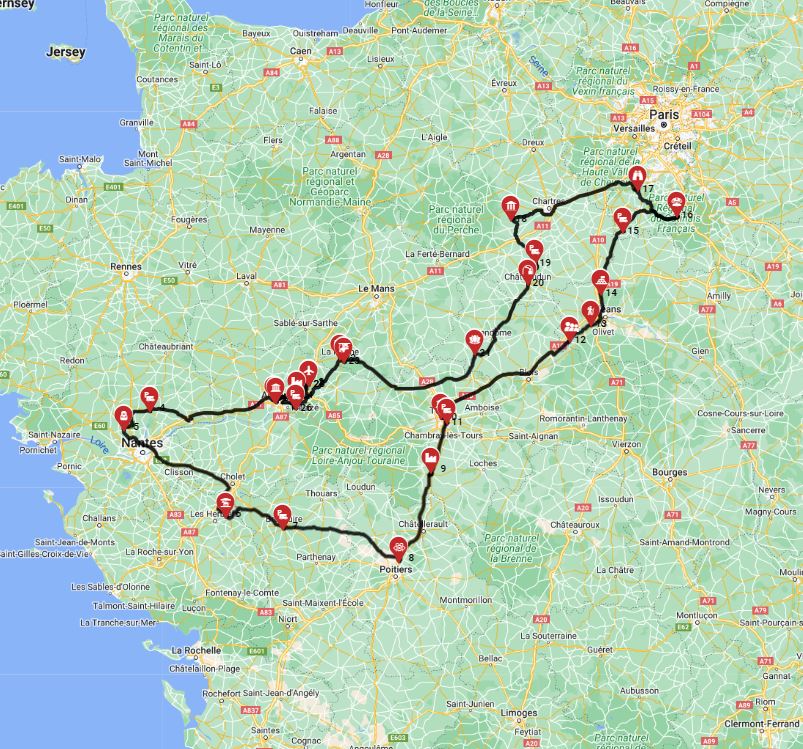
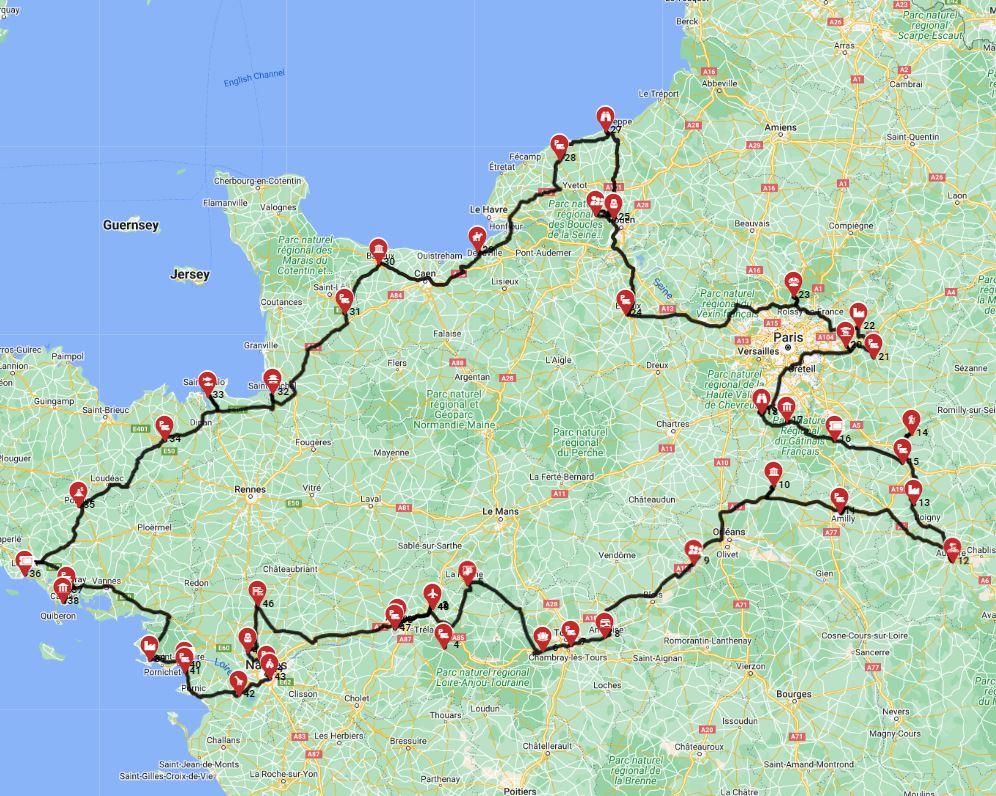
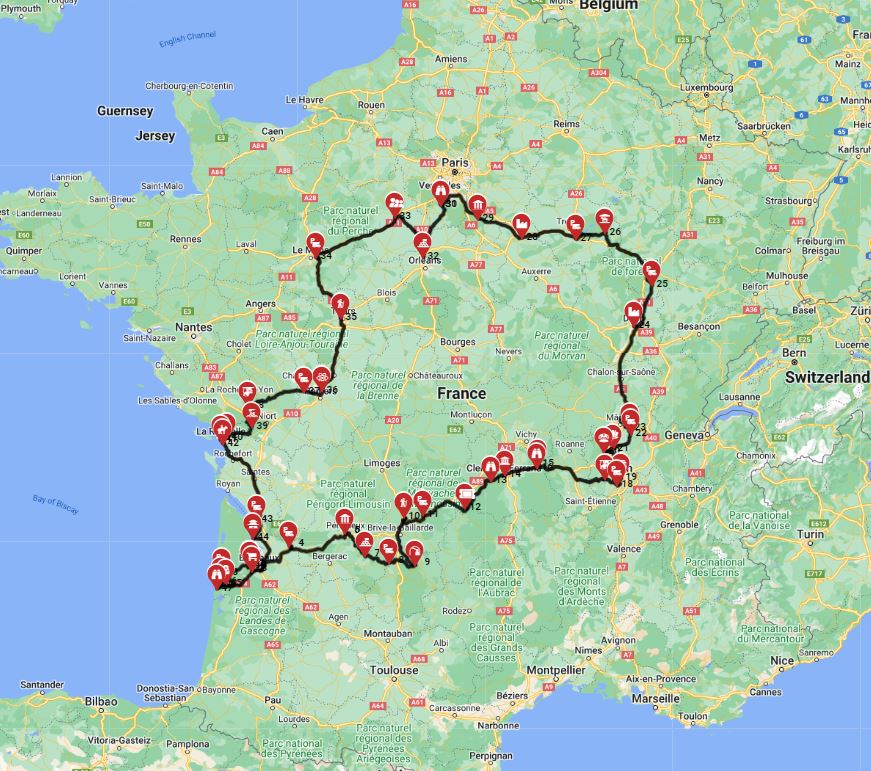
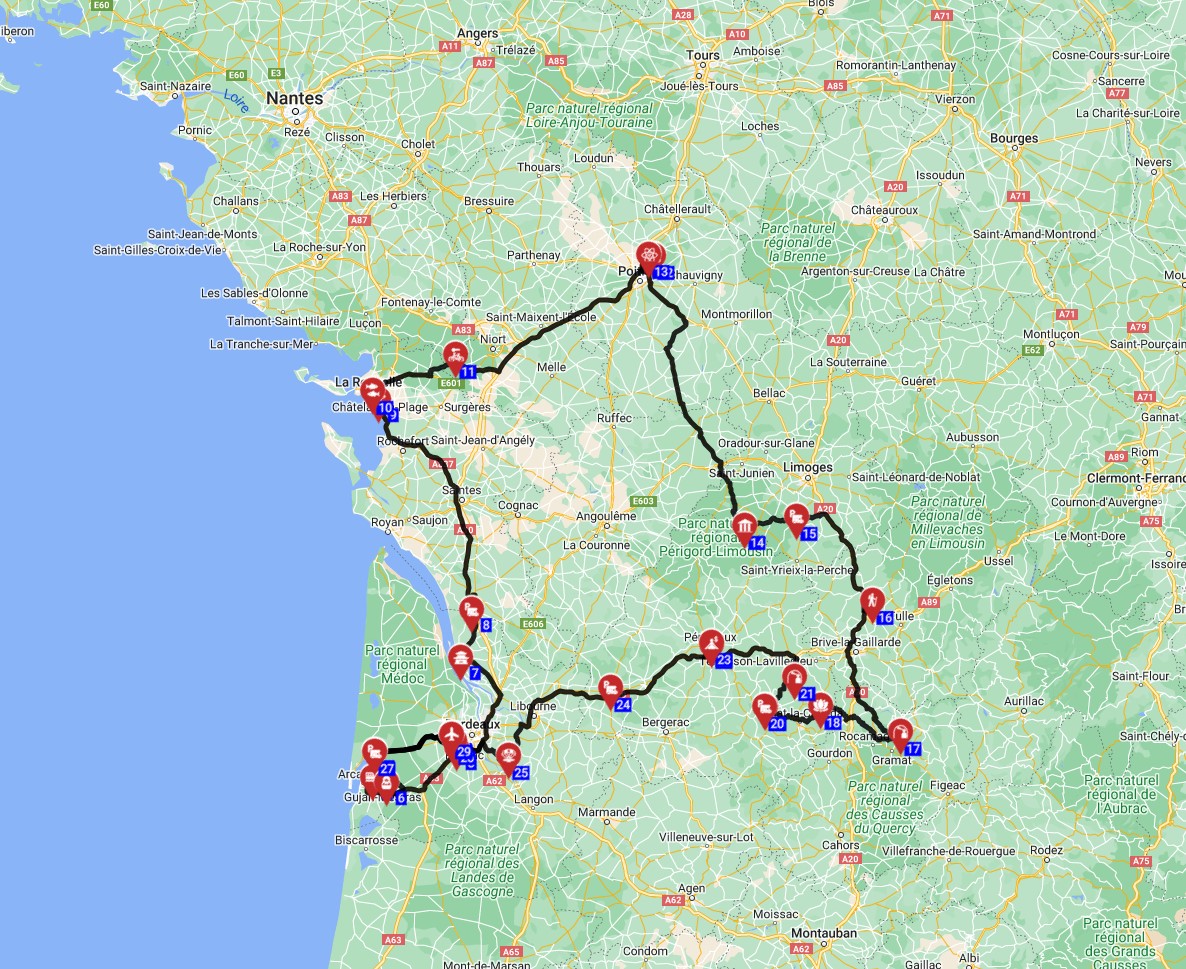
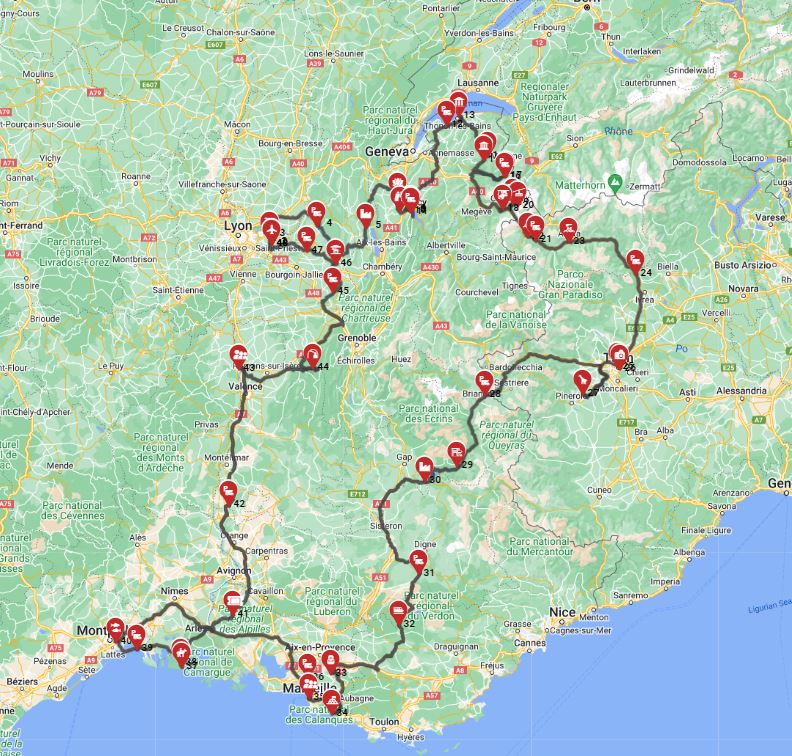
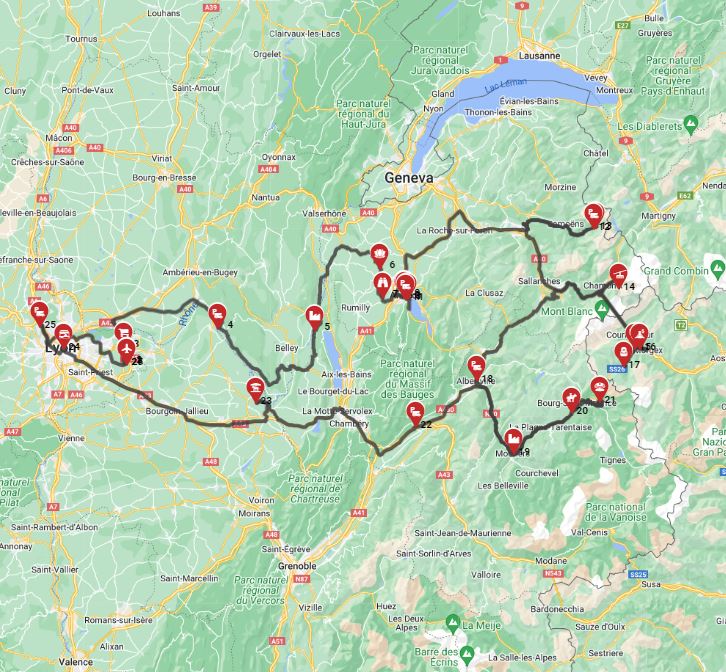
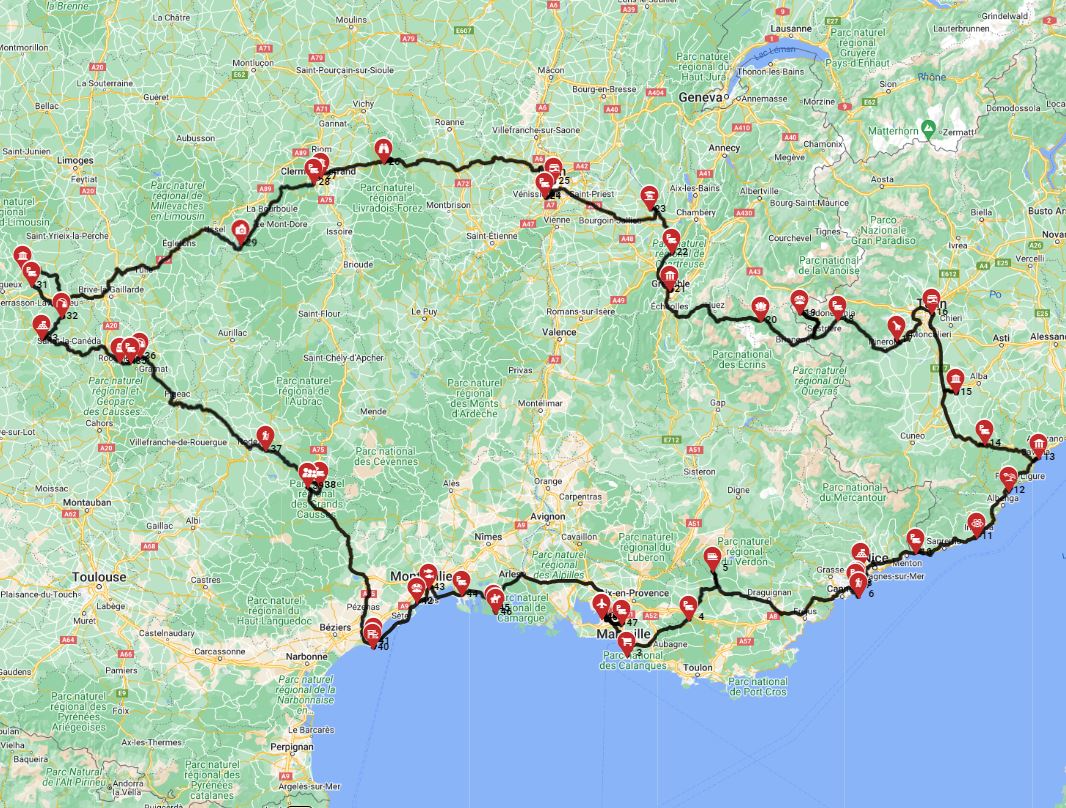
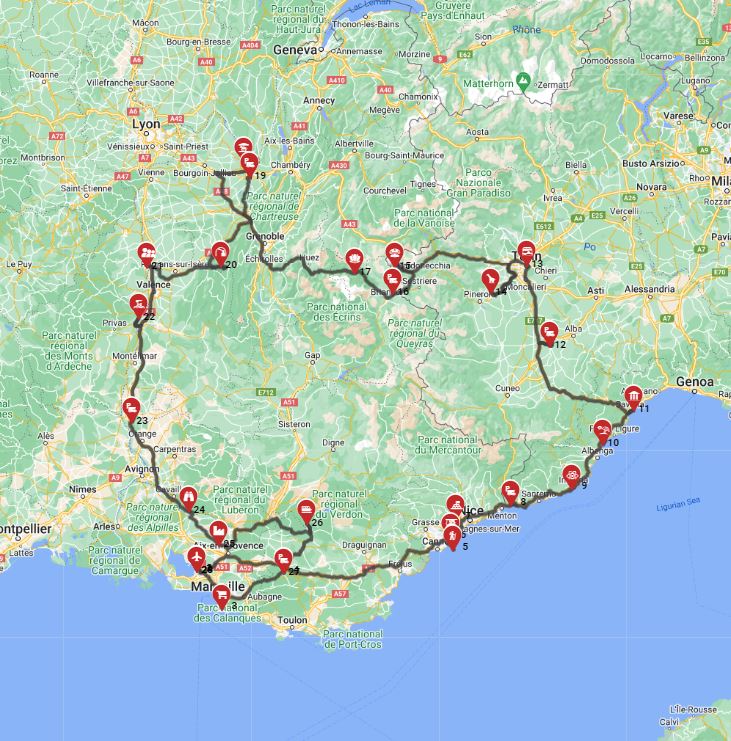
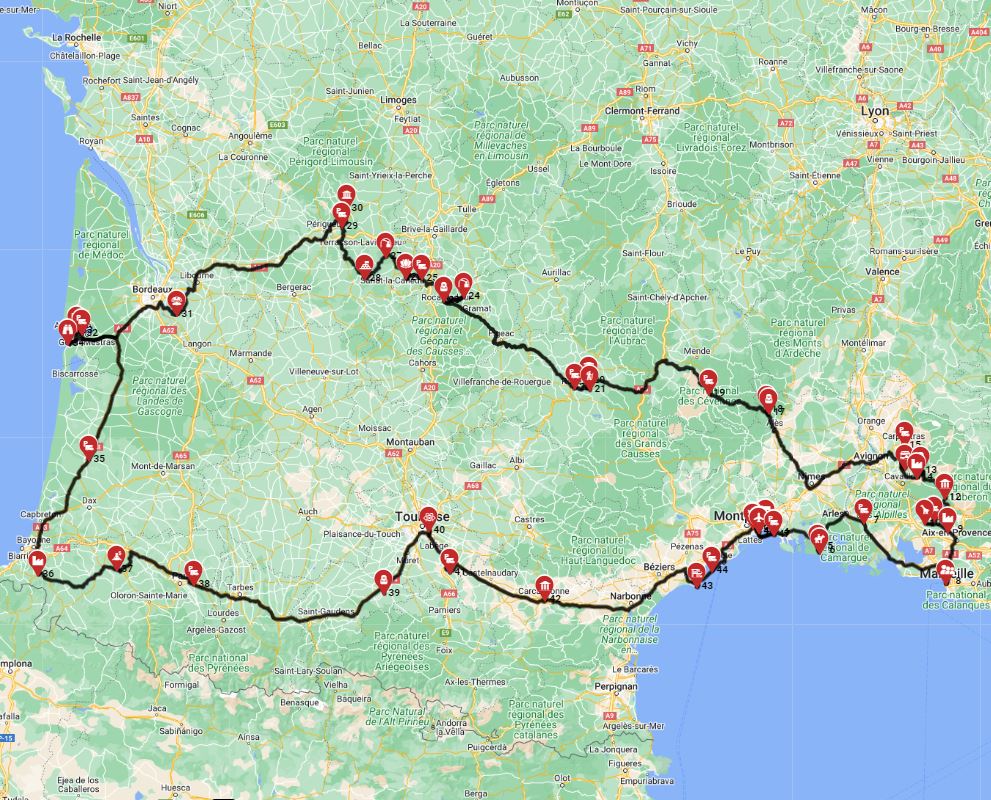
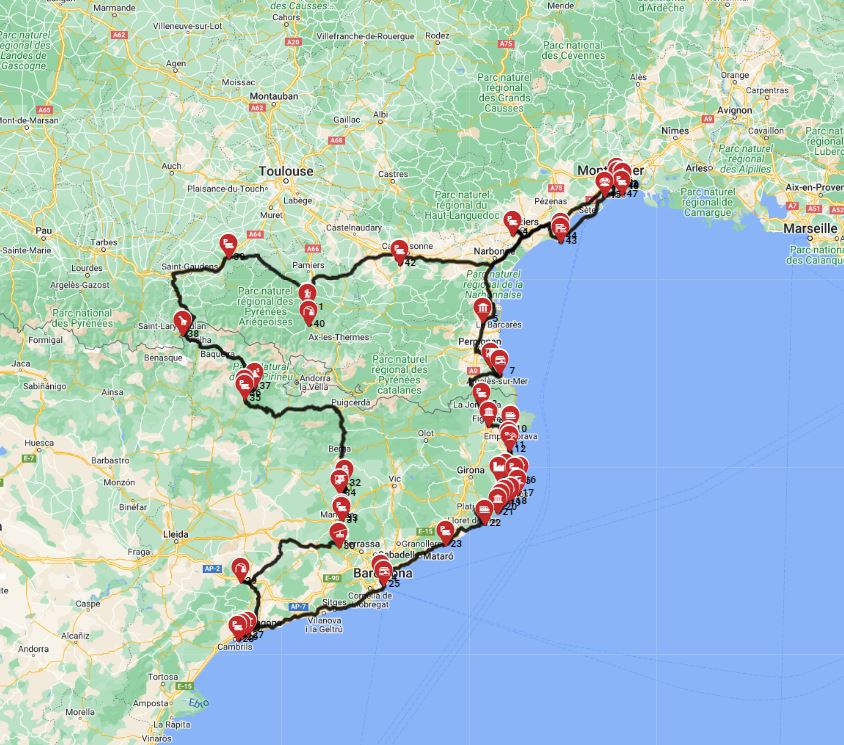
France boasts an excellent road network, featuring well-maintained motorways (autoroutes) for efficient long-distance travel and charming, scenic secondary roads (routes nationales and départementales) that are ideal for RV exploration. Terrain varies significantly across the country, from the flat plains of the Loire Valley to the rolling hills of Burgundy and the challenging mountain passes of the Alps and Pyrenees; all are generally navigable for rented RVs. While motorways offer speed, secondary roads provide a richer cultural experience, encouraging slower, more immersive driving through picturesque villages and countryside. You might find our RV PLANET routes helpful for planning your scenic journey. Drivers should anticipate narrow roads in historic village centers and adapt their driving style to mountainous inclines and descents when exploring regions like the French Alps, but with common sense and careful attention, you can drive almost anywhere without issues.
RV Size Limits, Bridges & Restricted Zones
Most European-standard RVs are suitable for French roads, but drivers must always be vigilant for specific height, width, and weight restrictions, especially when navigating through older towns or under low bridges. France has implemented 'Zones à Faibles Émissions' (ZFE), or Low Emission Zones, in major cities such as Paris and Lyon, requiring vehicles, including rented RVs, to display a Crit'Air vignette corresponding to their emissions class. These vignettes can be purchased online in advance. Signs indicating height (gabarit), width, and weight limits are common, particularly on smaller roads, tunnels, and approaches to historic areas, so careful route planning is essential. When considering ferry travel, be aware that RV length and weight are key factors in pricing and booking availability, necessitating accurate vehicle dimension knowledge. We recommend comparing Motorhome Prices for France and checking the dimensions of the specific Class A, Class B, or Class C motorhome you choose.
Fuel: Diesel vs. Petrol & Cost per 100 km
Diesel (Gazole) is the primary fuel for rented RVs in France and is readily available at most service stations, whereas petrol (Essence) is less common for motorhomes. Bandana's global fleet averages indicate typical fuel consumption ranges from 8-12 Liters/100 km for most popular RV classes, significantly impacting overall trip budgeting for a long-term rental in France. Specifically, Class B Camper Vans typically consume 8-10 Liters/100 km, Class SI Semi-integrated RVs average 10-11 Liters/100 km, and Class C Alcove models generally use 10-12 Liters/100 km. Fuel prices in France fluctuate but are a significant component of long-term RV rental costs, so factoring in these consumption rates for your planned mileage is crucial for accurate budgeting. Remember, on RV PLANET routes, you can itemize and track every expense along the way for easy budgeting, including fuel. On the routes offered through RV PLANET routes, you can itemize and track every expense along the way for easy budgeting.
Tolls, Vignettes & Border Rules
France primarily uses a distance-based toll system (péage) on its motorways, where payment is typically made at toll booths via credit card or cash, or with an electronic 'badge' like a Liber-t for quicker passage. Unlike some neighboring countries, France does not require a national vignette for general road use, though Crit'Air vignettes are mandatory for entry into Low Emission Zones (ZFE) in certain cities. As part of the Schengen Area, border crossings between France and its EU neighbors (e.g., Germany, Belgium, Spain, Italy) are generally seamless with no passport checks, making cross-country RV trips incredibly convenient. For long-term rentals, some RV providers may offer options for pre-purchasing toll passes or electronic badges, which can streamline travel and help avoid potential fines for non-compliance. Our detailed pre-booking comparison helps you understand these options.
Driving Tips for long term rv rental Travelers
Embrace a slower pace; long-term RV travel in France is best enjoyed by taking scenic routes (routes nationales/départementales) rather than rushing on motorways, allowing for deeper exploration. We always recommend slow travel, aiming for a maximum of 100-150 km per day on average, to truly take time to feel the place, connect to the culture, the food, and the scenery. Plan for frequent stops, especially if traveling with family, utilizing designated rest areas (aires de repos) and RV service points (aires de service) every 2-3 hours. Familiarize yourself with French road etiquette, including the priority to the right rule (priorité à droite) in unmarked intersections and strict speed limits. Budget and prepare for tolls by considering a 'Liber-t' electronic toll badge for convenience, or pre-plan routes to minimize toll road usage for cost savings. Use an RV-specific GPS that can factor in vehicle dimensions (height, weight) to avoid unsuitable roads, and consider parking on the outskirts of towns to access local markets and centers on foot or by public transport. This is a practical approach for a long-term RV rental in France.
Recommended RV Class for France Roads
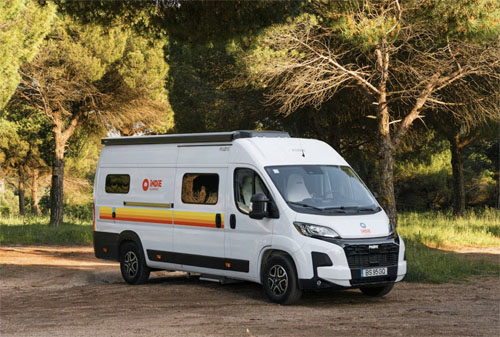
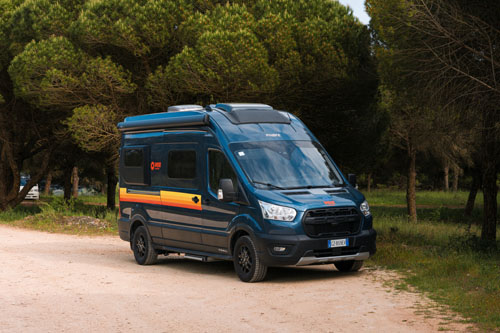
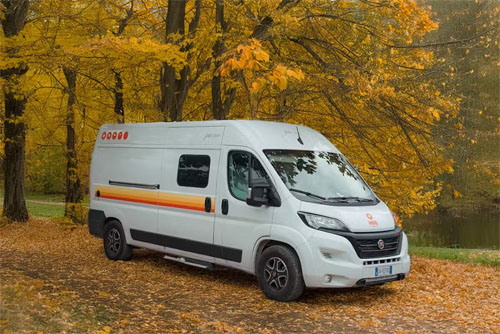
For long-term RV travel across France, a Class SI (Semi-integrated) RV, averaging 6.9 meters in length, offers an optimal balance of comfort, interior space, and manageable size for diverse French road conditions. These models, like the B 2 - Classic or Luxury Small, often feature good fuel efficiency and comfortable living amenities. Class B Camper Vans, averaging 5.8 meters, are highly recommended for travelers prioritizing maneuverability, urban access, and navigating narrow village streets, making them excellent for cultural immersion; vehicles such as the V2L exemplify this class. Class C (Alcove) RVs, with an average length of 7.5 meters, provide ample living and sleeping space for families, and are well-suited for cruising France's main routes and most campsites, with models like the Cat C - Sky 62 offering great family options. While Class A (Integrated) RVs offer luxury and extensive amenities, their larger footprint (averaging 7.5 meters or more) might require more careful planning in very small villages or for city parking. Ultimately, the best choice for your long-term RV rental in France depends on your group size and comfort preferences.
Should I Choose a Compact Van Instead of a Large RV in France?
While a compact van (Class B Camper Van), such as a Combi Van (averaging 5 meters), excels in maneuverability for navigating France's charmingly narrow village streets and offers easier parking in urban centers, a larger RV generally provides superior comfort and living space for a long-term rental. Compact vans are ideal for couples or solo travelers who prioritize accessing off-the-beaten-path locations and wish for a more nimble vehicle for daily exploration. Their fuel consumption of 8-10 Liters/100 km is also a plus for extended trips. Larger RVs, such as Class SI (average 6.9m) or Class C (average 7.5m) like the Glamys 40, provide more spacious interiors, dedicated sleeping areas, and larger kitchen/bathroom facilities, which are highly beneficial for extended stays. The decision largely depends on your travel priorities: if deep urban exploration and ultimate flexibility are key, a compact van is advantageous; if comfort, amenities, and extended living space are paramount for your long-term journey, a larger RV remains an excellent choice for most of France's accessible routes.
Can I Park Anywhere? Free & Wild Camping Rules in France
While outright 'wild camping' (camping sauvage) for long-term RV rentals is generally restricted in France, especially in coastal areas, national parks, and privately owned land, overnight parking for self-contained RVs is often permitted in designated areas. France's extensive network of 'aires de service' (dedicated RV stopovers), numbering over 5,000, provides numerous legal and often free or low-cost options for overnight parking, offering services like water and waste disposal. The 'France Passion' program offers free overnight stays at hundreds of farms, vineyards, and artisan producers across the country for members, providing a unique cultural immersion experience. Municipal campsites ('camping municipal') are widely available, offering affordable and well-equipped facilities, serving as a reliable alternative to wild camping, especially in smaller towns. Rules regarding overnight parking vary by region and municipality, so it is crucial to always check local regulations and follow local law and signage before parking overnight to avoid fines or conflicts during your long-term RV rental in France.
Can I Drive an RV Into the City Center? Heights, Tunnels & Local Signage
You can generally drive an RV into city centers in France, but it demands careful attention to local signage, particularly regarding height limits for tunnels and parking garages, as well as designated environmental zones. Many major French cities, including Paris and Lyon, have 'Zones à Faibles Émissions' (ZFE) which restrict access for certain vehicle types without a Crit'Air vignette, even impacting rented RVs. These vignettes classify vehicles by their emissions performance. Be especially wary of height restrictions (gabarit) posted at the entrances of historic districts, underpasses, and some city car parks, as these can be significantly lower than main road clearances, sometimes as low as 1.9 meters in older towns. It is often more practical to park your RV on the outskirts of a city in a dedicated RV park or a larger car park, then use public transport to explore the historic core, which frequently features narrow, one-way, or pedestrianized streets. Drive slowly and carefully, and you can drive almost anywhere without issues. No need to stress - just use common sense and pay attention.
How long can you rent an RV for?
Long-term RV rentals in France are highly flexible, typically ranging from several weeks to several months, allowing travelers to deeply immerse themselves in French culture and explore regions at a leisurely pace. Rental periods can often be customized to suit extensive itineraries, from a month-long exploration of the Loire Valley to several months covering multiple regions like Provence, the Dordogne, and the Atlantic coast. Many rental providers offer discounted rates for longer rental durations, making extended trips more economical compared to multiple short-term hires. For example, comparing prices for "Long Term RV Rental in France - Monthly Routes 2026" might reveal significant savings. Booking a long-term rental well in advance, especially for peak seasons (June-August), is advisable to secure your preferred RV model and potentially benefit from better pricing. Bandana RV offers 24/7 support throughout the booking process to help you find the ideal duration.
How much does it cost to rent an RV in France for a month?
The cost of a month-long RV rental in France varies significantly based on factors such as RV class, seasonality, booking lead time, and included amenities, typically ranging from €1,500 to over €4,000 for the rental fee alone. For instance, a compact Class B Camper Van like a V3 (6.36 meters) might be on the lower end, while a larger, more luxurious Class C like a MHC28 (7.3 meters) will be higher. Beyond the rental fee, a comprehensive budget should include fuel costs (Bandana's fleet averages 8-12 Liters/100km for most RVs), motorway tolls (péage), and varied camping fees. Camping costs can range from free at 'aires de service' or 'France Passion' hosts, to €10-€25 per night for municipal campsites, and €25-€60+ per night for full-service private campsites, depending on location and amenities. Additional expenses to factor in include food and groceries (significantly reduced by cooking in your RV - check out our RV-friendly recipes playlist for inspiration), activity costs, insurance (often an optional extra like our top-level deductible reimbursement), and a security deposit (refundable at the end of the rental). For detailed budgeting, exploring RV PLANET routes allows travelers to itemize and track every expense along the way.
What is the cheapest way to rent an RV in France?
The cheapest way to rent an RV in France involves strategic planning, including booking during the off-peak season (spring or autumn), securing your rental well in advance (3-6 months out can save up to 25%), and opting for smaller, more fuel-efficient RV classes. Choosing a smaller Class B Camper Van (averaging 5.8m and 8-10 Liters/100 km fuel consumption) over larger models like Class A or Class C will significantly reduce both rental costs and ongoing fuel expenses. Maximize savings on accommodation by primarily utilizing France's extensive network of free 'aires de service' for overnight parking and participating in programs like 'France Passion' for unique, no-cost stays at local farms and vineyards. Self-catering and preparing most meals in your RV's kitchen can drastically cut down on food expenses compared to dining out, further enhancing the affordability of a long-term RV trip. Our website’s full transparency ensures you see exactly what you pay for your Cheap RV Rental in France - Budget Guide 2026.
Where is the best place to RV in France?
The 'best' place to RV in France depends on your interests, with regions like the sun-drenched Provence (Lavender Route), the historic Normandy coast (WWII history), and the picturesque Dordogne (châteaux and caves) offering distinct, immersive experiences for a long-term RV rental. For deep cultural immersion, explore less-traveled regions such as the Jura Mountains for stunning landscapes and authentic cheeses, or the Alsace Wine Route for charming villages and exquisite local wines. Leverage local knowledge by seeking out regional markets (marchés locaux) for fresh produce and artisanal goods, participating in local festivals, and understanding regional culinary traditions to truly connect with French culture. Consider themed itineraries, such as the 'Châteaux of the Loire Valley RV Adventure' or the 'Cathar Castles Trail,' to guide your long-term exploration and discover hidden gems beyond typical tourist attractions, making the most of RV PLANET's pre-planned itineraries and route plans by professionals. We are true RV specialists, dedicated to helping you discover the most authentic experiences. If you're planning a broader trip, our guide RV Rental Europe - Complete Guide 2026 covers everything you need to know about continental adventures.
What are the RV rules in France?
Beyond standard driving regulations, RV rules in France encompass specific guidelines for waste disposal, proper use of utilities, and general conduct to ensure responsible long-term travel and respect for local environments. RV waste disposal is managed at designated 'aires de service' (service areas) where you can empty greywater (eaux usées) and blackwater (eaux noires) tanks, as well as refill fresh water; illegal dumping is strictly prohibited and can result in significant fines. For LPG/propane, many French service stations carry standard European connectors, but carrying an adaptor kit for different European gas bottle types is highly recommended to avoid troubleshooting supply issues. Adhere to noise regulations, especially during 'quiet hours' (typically 10 PM to 8 AM) in campsites and residential areas, and always leave your parking spot cleaner than you found it to promote sustainable RV travel. This responsible approach ensures a positive experience for everyone on your long-term RV rental in France.
Pet Travel Regulations & Resources in France
Traveling with pets in a rented RV to France requires a valid EU Pet Passport, ensuring your animal is microchipped, vaccinated against rabies, and has received appropriate tapeworm treatment (if coming from certain non-EU countries) within specified timeframes. Always confirm with your rental provider their specific pet policies and any associated fees for bringing animals in the RV; many of our suppliers, like El Monte, Cruise America, Apollo, and Britz, offer pet-friendly options. France offers numerous pet-friendly campsites ('camping accepte les chiens'), but it's essential to research and book these in advance, as regulations vary and some sites may have restrictions on pet size or breed. Familiarize yourself with local leash laws - pets must be kept on a leash in public areas - and be aware that pet access to public transport, indoor restaurants, and certain attractions may be restricted. Ensure you know the location of local veterinary clinics (vétérinaires) along your route for any unforeseen health issues or emergencies during your long-term trip. Our Pet-Friendly RV Rental in France - Pricing 2026 guide can provide more specific details.
Can I rent an RV in France and travel to other countries?
Yes, you can generally rent an RV in France and travel to other countries within the Schengen Area without border checks, offering immense flexibility for a long-term European road trip. It is crucial to verify your specific rental agreement regarding cross-border travel, as some companies may require prior notification or levy additional charges for international journeys. Ensure your RV insurance policy covers international travel across all intended countries, and be aware of differing road rules, speed limits, and specific requirements like environmental stickers (e.g., Germany's Umweltplakette) or vignettes (e.g., Switzerland's annual vignette) in each country. Planning your route through neighboring countries like Spain, Italy, Belgium, or Germany can greatly enrich your long-term RV rental experience, allowing for diverse cultural explorations. With Bandana's direct partnerships with 50+ leading RV suppliers worldwide, we can help you coordinate these complex itineraries smoothly.
What You Shouldn't Miss
- The Loire Valley Châteaux: Spend a week or more exploring the majestic castles like Château de Chambord and Chenonceau, truly living the fairy tale from your rented motorhome.
- Provence's Lavender Fields & Villages: Time your visit for late June to mid-July to witness the breathtaking lavender blooms, driving leisurely through charming villages like Gordes and Roussillon.
- Dordogne's Prehistoric Caves & Medieval Towns: Delve into ancient history at the Lascaux IV cave and explore stunning cliffside towns such as Rocamadour and La Roque-Gageac.
- Alsace Wine Route: Drive through picturesque villages like Colmar and Riquewihr, sampling local wines and cuisine, especially during the harvest season in autumn.
- The French Riviera's Coastal Beauty: Enjoy the glamorous coastal towns from Nice to Saint-Tropez, balancing vibrant city visits with serene beachside relaxation.
Looking for expert insights from Avi Bandana? Top 5 Adventures - recommendations from Avi Bandana
🎬 Video coming soon
Final Thoughts
Embarking on a long-term RV rental in France is an adventure of a lifetime, offering unparalleled freedom and the chance to truly connect with one of Europe's most captivating countries. From navigating the scenic backroads to discovering hidden culinary gems, a rented motorhome or campervan provides your mobile home base for deep cultural immersion. Remember to travel slowly, averaging 100-150 km per day, allowing yourself to savor every moment.
With Bandana RV, you're supported by true RV specialists who prioritize full transparency and peace of mind. We handle the details, so you can focus on living the journey, whether you're exploring the French countryside for a month or longer. It's time to unlock the magic of France on your terms.
Discover top destinations, planning tips, all in one place! Plan your long-term RV adventure today. Compare Long Term RV Rental Prices for France.