In This Guide
- Can You Drive an RV in Dusseldorf? License & Age Rules
- Road Conditions & Terrain in Dusseldorf
- RV Size Limits, Bridges & Restricted Zones
- Fuel: Diesel vs. Petrol & Cost per 100 km
- Tolls, Vignettes & Border Rules
- Driving Tips for long term rv rental Travelers
- Recommended RV Class for Dusseldorf Roads
- Should I Choose a Compact Van Instead of a Large RV in Dusseldorf?
- Can I Park Anywhere? Free & Wild Camping Rules in Dusseldorf
- Can I Drive an RV Into the City Center? Heights, Tunnels & Local Signage
- Are RVs allowed in Germany?
- Do you need a special license to drive a long RV?
- What is the 3-3-3 rule for RV living?
- How long can I stay in Europe in my motorhome?
- Can you sleep anywhere in a campervan in Germany?
- Can you own an RV in Europe?
- How much is insurance on a $200,000 RV?
Can You Drive an RV in Dusseldorf? License & Age Rules
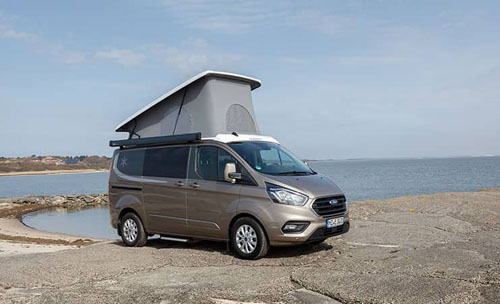
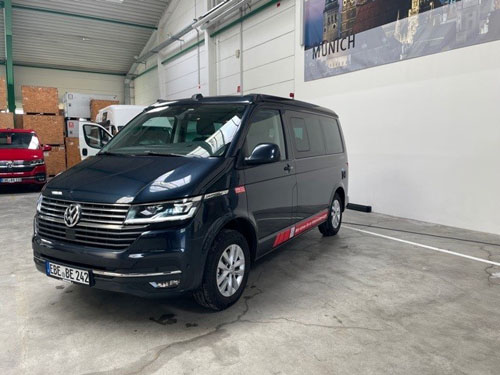
In Germany, standard car licenses (Category B) generally allow driving RVs with a Gross Vehicle Weight (GVW) of up to 3,500 kg. For RVs exceeding 3,500 kg but not over 7,500 kg, a Category C1 license is typically required for drivers to legally operate them. Many Bandana rental RVs, including Class B Camper Vans (avg length 5.7m), Class SI Semi-integrated (avg length 7.1m), and some Class C Alcove (avg length 7.6m) models, fall within the standard 3,500 kg limit, but specific vehicle registration must always be checked before booking. The minimum driver age for RV rentals in Germany is commonly 21 years, with some rental companies imposing higher age requirements (e.g., 23 or 25) for larger or more luxurious RV classes. Foreign drivers from non-EU countries must possess their valid national driver's license along with an International Driving Permit (IDP) to legally drive an RV in Germany; the IDP serves as an official translation and is valid for up to six months for tourists.
Road Conditions & Terrain in Dusseldorf
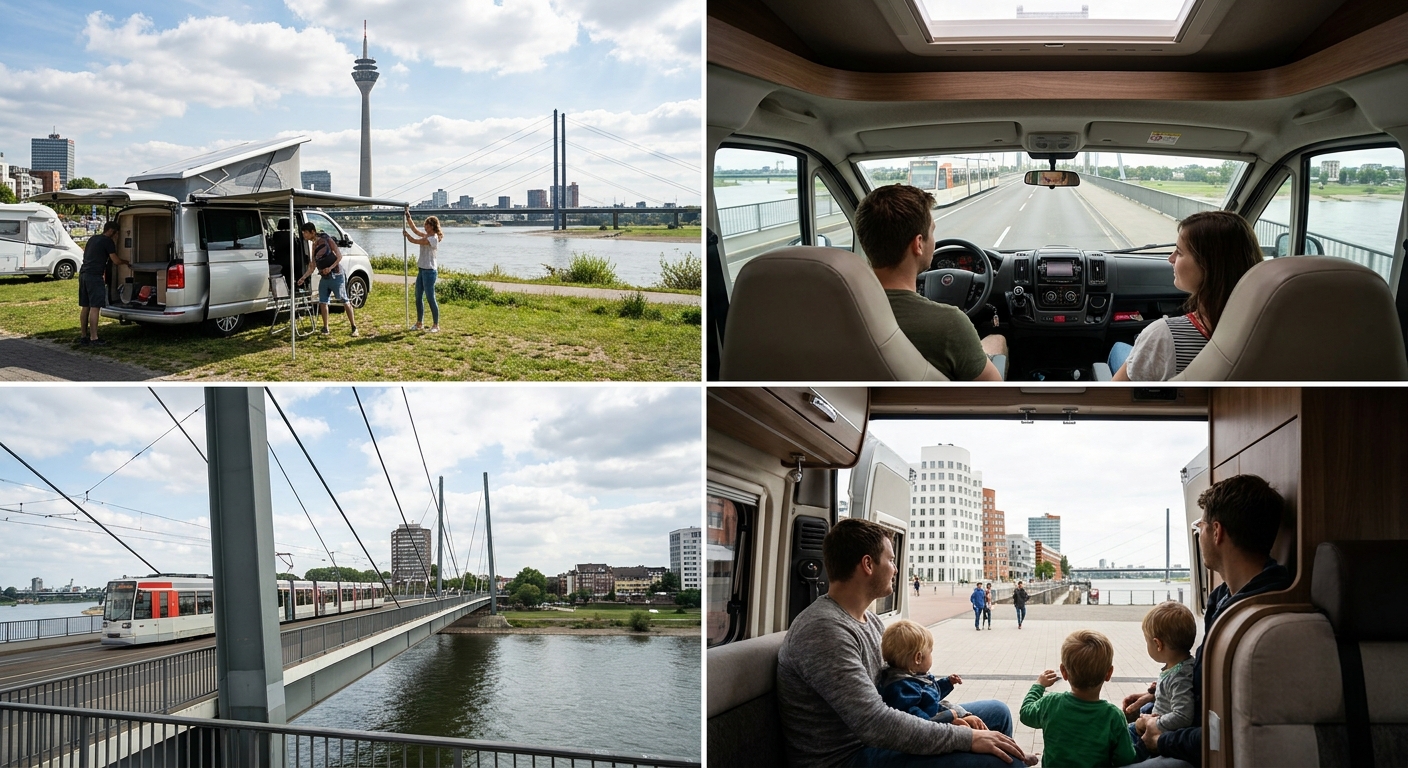
Dusseldorf and the surrounding North Rhine-Westphalia region feature excellent, well-maintained road infrastructure, making RV travel smooth and comfortable. The terrain around Dusseldorf is predominantly flat, especially along the Rhine river, which is highly favorable for RVs and contributes to relaxed driving. While Dusseldorf's city center has high urban density, main access roads and routes to designated RV parks and campsites are generally wide and easily navigable for most RV sizes. Long-term RV renters can enjoy the region's diverse landscapes, from urban riversides to nearby rural areas, all connected by high-quality roads that encourage scenic driving. For instance, the "

RV Size Limits, Bridges & Restricted Zones
Dusseldorf operates an 'Umweltzone' (environmental zone) in its city center, requiring all vehicles, including RVs, to display a 'Grüne Plakette' (Green Sticker) to enter; all reputable rental RVs will have this. Drivers of long-term RV rentals should be vigilant for specific signage indicating height, weight, and width restrictions, particularly when entering older city districts, industrial areas, or approaching low railway bridges. While main routes are generally accommodating, some city tunnels or underground parking facilities (though RVs rarely use them) may have height limits of 2.0 to 2.5 meters that exclude larger vehicles. Strategic parking involves identifying designated RV parking areas or campsites on the city's periphery, often with excellent public transport links, to avoid restricted zones and navigate urban challenges effectively. Many of these peripheral parking spots offer easy access to Dusseldorf's efficient public transport, allowing you to explore the city center without the stress of larger vehicle navigation.
Fuel: Diesel vs. Petrol & Cost per 100 km
The majority of RVs available for long-term rental in Dusseldorf, including Bandana's fleet, run on diesel fuel, which is readily available at petrol stations throughout Germany. Based on Bandana's destination local fleet data, common fuel consumption for RVs ranges from 9-15 Liters per 100 km. Specifically, Class B Camper Vans typically consume 9-15 L/100km, Class SI Semi-integrated models average 9-13 L/100km, Class C Alcove models generally use 10-14 L/100km, and Class A Integrated RVs consume 9-14 L/100km. As of 2026, budgeting approximately €1.70-€2.00 per liter for diesel is a reasonable estimate in Germany, translating to an average fuel cost of €15.30-€30.00 per 100 km, depending on the RV class and driving style. Inquire with your rental provider about potential fuel discount cards or loyalty programs that might be available for long-term renters. On the routes offered through RV PLANET routes, you can itemize and track every expense along the way for easy budgeting.
Tolls, Vignettes & Border Rules
Germany does not require a vignette or general tolls for passenger vehicles and RVs under 7.5 tonnes on its federal highways (Autobahns); however, heavy goods vehicles are subject to a separate 'LKW-Maut' toll system. When planning long-term RV rental travel from Dusseldorf to neighboring countries, be aware of their specific toll and vignette systems, as these vary significantly. For example, countries like Austria and Switzerland require a 'Vignette' (toll sticker) for highway use, while France, Italy, and Spain operate extensive electronic toll road networks. Some long-term RV rental companies may offer options to pre-purchase necessary vignettes or provide electronic toll devices for convenience when traveling through different European countries, helping avoid potential fines. Crossing internal borders within the Schengen Area (which Germany is part of) is typically seamless, with no routine passport controls, facilitating easy multi-country RV exploration.
Driving Tips for long term rv rental Travelers
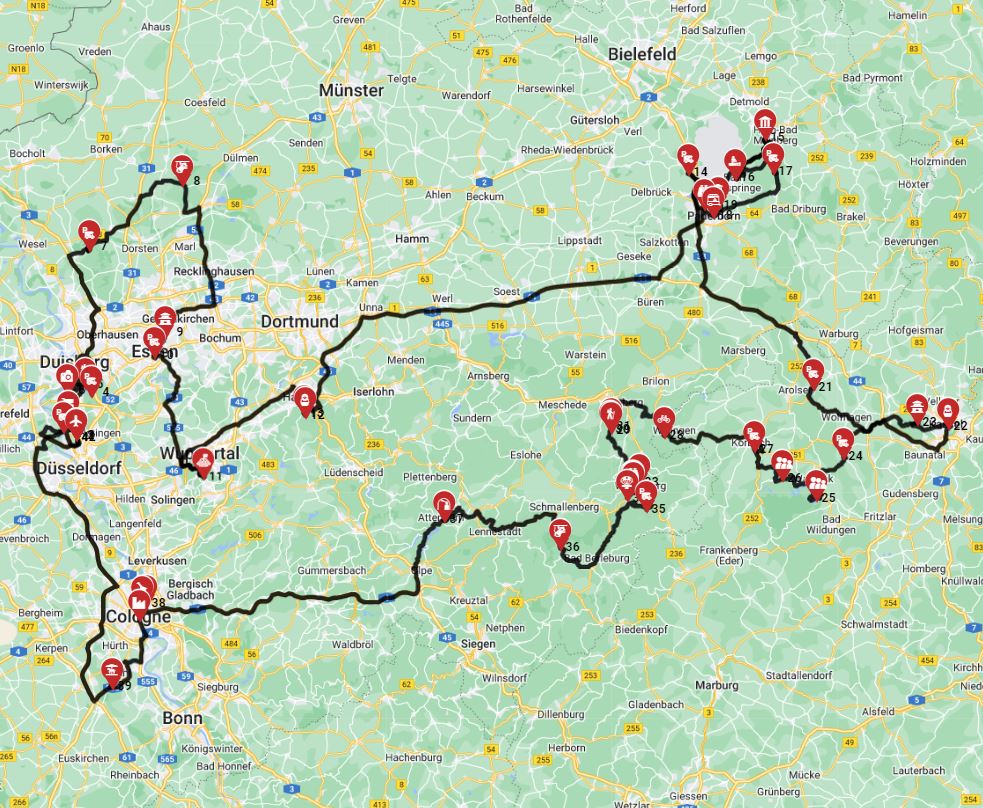
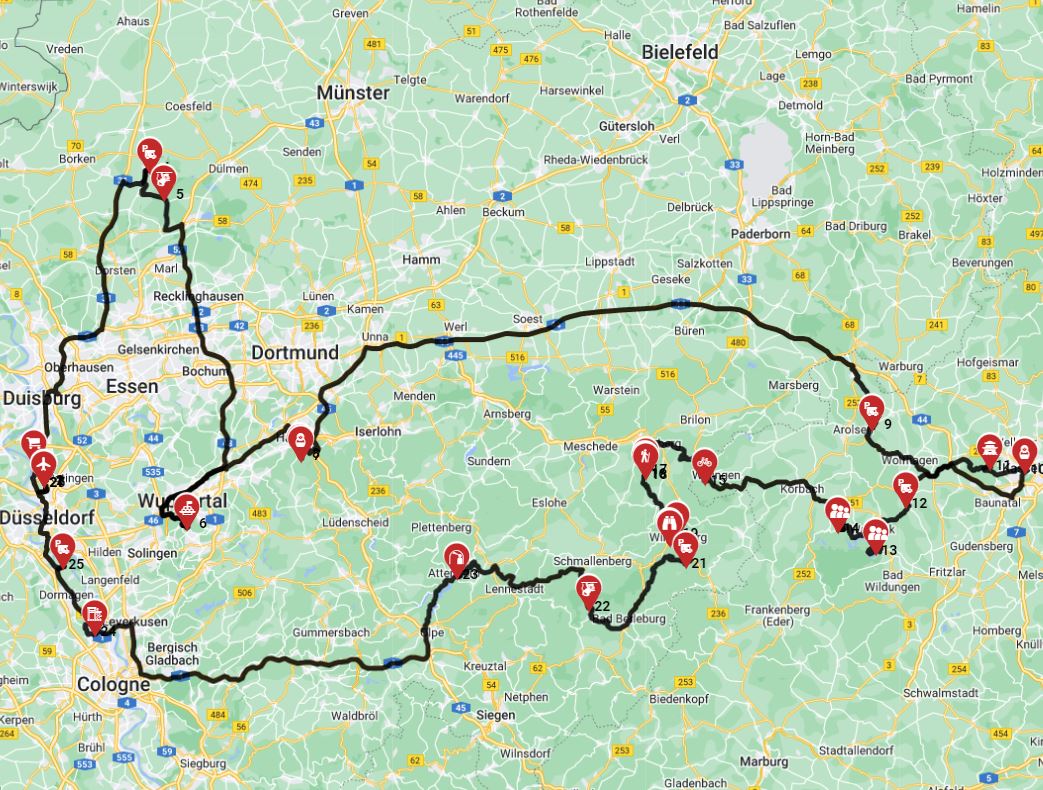
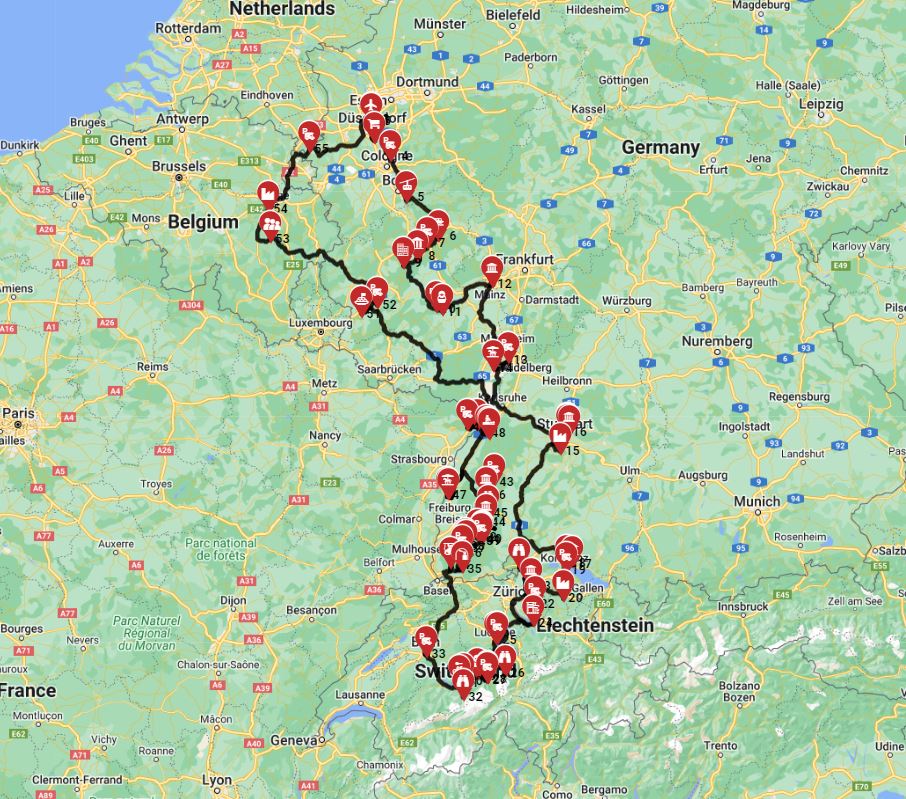
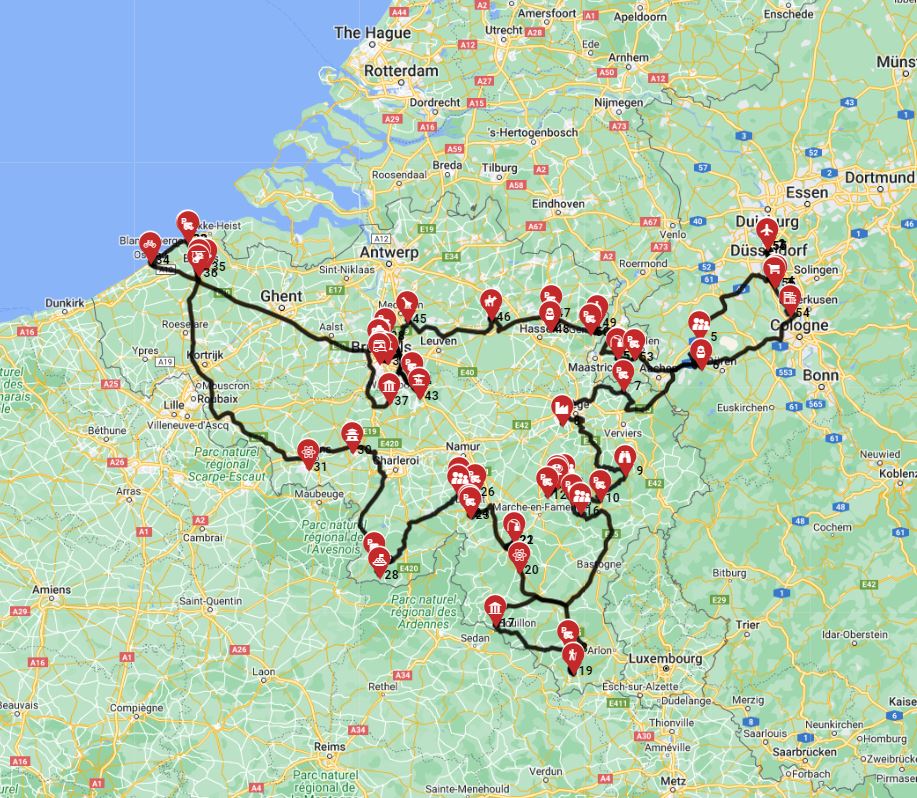
Plan Regular Breaks: For long-term RV travel, especially with families, schedule stops every 2-3 hours to ensure driver and passenger comfort, and to explore points of interest along your route. The "Dusseldorf Roundtrip - South Germany & Switzerland" route, for example, spans 22 days and covers 2,721 km, allowing ample time for these crucial breaks and explorations.
Mind the Umweltzone: Always ensure your rental RV displays the 'Grüne Plakette' (Green Sticker) when entering Dusseldorf's city center to comply with environmental regulations and avoid fines. This is a key consideration when planning your routes, especially if aiming for city center attractions.
Budget Fuel Costs: Utilize apps to locate competitively priced fuel stations, and remember that diesel is the predominant fuel for European RVs; factor in the average consumption of 9-15 L/100km. For a 15-day trip like the "Dusseldorf Roundtrip - Central Germany," budgeting for fuel is essential for overall trip cost management.
Embrace Public Transport: When visiting Dusseldorf's dense city center, park your RV at a designated Stellplatz on the outskirts and use the city'9s efficient public transport to navigate, avoiding parking difficulties and narrow streets. This approach ensures a more relaxed experience exploring the Altstadt or visiting the Rhine Tower.
Utilize Advanced Features: Many modern RVs, including luxury models, come equipped with automatic transmissions and cruise control, which greatly enhance comfort during long drives; familiarize yourself with these features for a smoother journey.
Recommended RV Class for Dusseldorf Roads
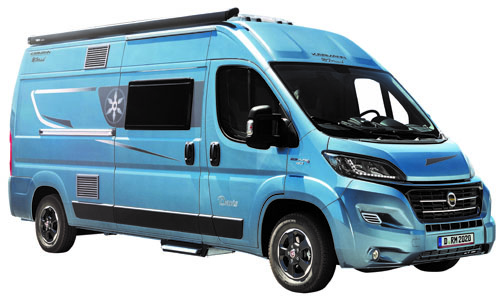
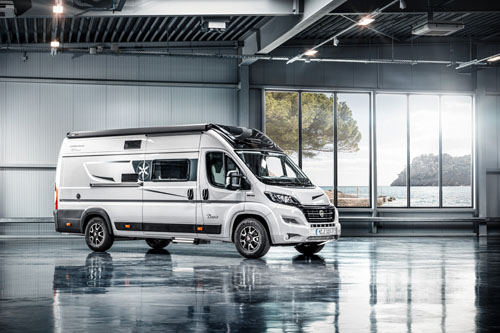
For long-term RV rental in and around Dusseldorf, a **Class B - Camper Van** or a **Class SI - Semi-integrated** motorhome offers the best balance of maneuverability, comfort, and compliance with local driving conditions. Class B Camper Vans, with an average length of 5.7 meters (Bandana's fleet data), are exceptionally agile, making them easy to park and navigate through urban areas and smaller towns, while still providing essential living amenities. Class SI Semi-integrated RVs, averaging 7.1 meters in length (Bandana's fleet data), provide significantly more living space, enhanced amenities, and are still highly manageable on major German roads and city approaches, ideal for extended stays. Both Class B and Class SI models typically fall within the 3,500 kg GVW limit, allowing most drivers with a standard Category B license to operate them. While larger Class C Alcove (avg 7.6m) and Class A Integrated (avg 7.7m) RVs offer superior interior space and luxury, their increased length can present more challenges when parking or navigating very narrow streets in certain older parts of Dusseldorf or other European towns.
Should I Choose a Compact Van Instead of a Large RV in Dusseldorf?
The decision between a compact van and a larger RV for long-term rental in Dusseldorf largely depends on your priorities for interior space, amenities, and absolute maneuverability. While compact vans (like Class B Camper Vans) offer superior agility for navigating extremely tight city streets and easier parking in standard spaces, most larger RVs, including Class SI and smaller Class C models, are perfectly manageable on Dusseldorf's main thoroughfares and access routes to campsites. For long-term travel, the enhanced comfort, expanded living areas, larger kitchens, and greater storage capacity of a larger RV often provide a significant advantage over a compact van. Unless your itinerary specifically targets very narrow, historic European villages or demands frequent parking in compact urban spots, the added interior comfort of a larger RV like a Semi-integrated model generally outweighs the minimal maneuverability advantages of a compact van in the Dusseldorf region. It is typically recommended to choose the largest RV you feel comfortable driving, as modern RVs are designed for relatively easy handling, ensuring a more enjoyable and spacious long-term experience.
Can I Park Anywhere? Free & Wild Camping Rules in Dusseldorf
In Germany, including the Dusseldorf area, wild camping or sleeping overnight in an RV outside of designated campsites or official 'Stellplätze' (motorhome parking areas) is generally prohibited and can result in fines. While it is usually permissible to park your RV for a single night to 'restore driver fitness' (i.e., for a rest break), this does not allow for setting up camp, extending awnings, or engaging in typical camping activities. Dusseldorf provides several well-equipped official RV park areas ('Stellplätze') and commercial campsites, often located on the city's outskirts but offering excellent public transport connections to the city center and essential amenities. Always prioritize using these designated sites for overnight stays to ensure legality, access to facilities (fresh water, waste disposal), and to avoid penalties; always check local regulations as rules can vary by specific municipality. Competitors often miss specific locations of RV service stations (dump, fresh water); official Stellplätze or larger campsites typically provide these services, crucial for long-term rentals.
Can I Drive an RV Into the City Center? Heights, Tunnels & Local Signage
Yes, you can generally drive an RV into the city center of Dusseldorf, but it requires careful adherence to local signage and awareness of specific urban restrictions. The entire city center of Dusseldorf is designated as an 'Umweltzone' (environmental zone), necessitating that your RV prominently display a valid 'Grüne Plakette' (Green Sticker) for entry. Pay close attention to local signage indicating height limits (e.g., underpasses, tunnels), weight restrictions, and 'residents only' or 'no entry' zones, particularly on older or smaller streets. Most RVs are too tall for standard multi-story car parks; utilize designated surface parking for larger vehicles or, ideally, park at a peripheral 'Park & Ride' facility and use Dusseldorf's efficient public transport into the core. Planning your route in advance using an RV-specific navigation system can help avoid potential tricky areas and ensure a smoother drive into and around the city center.
Are RVs allowed in Germany?
Yes, RVs are widely allowed and are a highly popular mode of travel throughout Germany, with extensive infrastructure supporting motorhome tourism. Germany boasts a comprehensive network of high-quality roads and motorways (Autobahns) that are fully accessible to RVs, making it an excellent country for long-term RV rental. The country offers numerous well-equipped campsites and dedicated motorhome parking areas known as 'Stellplätze' that cater to RV travelers, providing essential services. However, RVs must adhere to German traffic regulations, including speed limits, specific licensing requirements based on vehicle weight, and mandatory environmental zone stickers ('Grüne Plakette') in many urban areas like Dusseldorf. For a comprehensive overview of RV travel in the country, consult the "RV Rental Germany - Complete Guide 2026" for detailed advice.
Do you need a special license to drive a long RV?
Yes, a special license is required to drive an RV in Germany if its Gross Vehicle Weight (GVW) exceeds 3,500 kg (3.5 tonnes). A standard Category B car license is sufficient for driving RVs up to 3,500 kg GVW, which covers most camper vans (e.g., Bandana's Class B at avg 5.7m) and many semi-integrated motorhomes (e.g., Bandana's Class SI at avg 7.1m). For RVs weighing between 3,500 kg and 7,500 kg GVW, a Category C1 license is required by German law. Vehicles over 7,500 kg GVW, typically very large integrated motorhomes, generally necessitate a Category C license, which is less common for typical rental RVs. Always verify the exact GVW of your specific rental RV and ensure your national driving license, complemented by an International Driving Permit (IDP) for non-EU citizens, covers the appropriate vehicle category.
What is the 3-3-3 rule for RV living?
The '3-3-3 rule' for RV living is a popular guideline designed to promote a relaxed and enjoyable travel pace, particularly useful for long-term RV renters. It advises driving no more than **300 miles (approximately 480 km)** in a single day, allowing ample time for leisurely travel, unplanned stops, and avoiding driver fatigue. The rule also recommends arriving at your chosen destination or campsite by **3 PM**, providing sufficient daylight hours to comfortably set up your RV, settle in, and explore the immediate surroundings. Finally, it suggests staying a minimum of **3 nights** in each location, enabling a deeper exploration of the area and a more restful, immersive travel experience, making the most of your long-term rental.
How long can I stay in Europe in my motorhome?
Non-EU citizens can typically stay in the Schengen Area, which includes Germany and most of continental Europe, for a maximum of **90 days within any 180-day period** when traveling in their motorhome on a tourist visa waiver. This '90/180-day rule' applies cumulatively across all Schengen member states, meaning any time spent in one Schengen country counts towards the total limit. For long-term RV rental travel exceeding 90 days, non-EU citizens must secure a specific national long-stay visa (e.g., from Germany or another EU country) before their arrival in the Schengen Area. It is crucial to meticulously track your entry and exit dates, as overstaying the Schengen limit can lead to significant fines, deportation, and potential bans on future entry. For UK citizens post-Brexit, the same 90/180-day rule applies for visa-free travel to the Schengen Area.
Can you sleep anywhere in a campervan in Germany?
No, you generally cannot legally sleep anywhere in a campervan in Germany; wild camping and indiscriminate overnight parking outside designated areas are prohibited. While 'restoring driver fitness' (taking a single night's sleep in your vehicle at a suitable parking spot) is usually tolerated, this does not permit setting up camp, extending awnings, or using leveling jacks. For proper overnight stays, you must use official campsites ('Campingplätze') or dedicated motorhome parking areas ('Stellplätze'), which are abundant throughout Germany, including in and around Dusseldorf. These official sites provide necessary amenities such as fresh water, waste disposal, and electricity, ensuring a comfortable and legal experience for long-term RV rental. Always pay attention to local signage and regulations, as specific rules regarding overnight parking can vary by municipality and may lead to fines if disregarded.
Can you own an RV in Europe?
Yes, it is possible to own an RV in Europe, but the process can be quite complex, especially for non-EU citizens, due to varying national regulations regarding registration, insurance, and residency. EU citizens generally face fewer hurdles, being able to purchase and register an RV in any EU member state, though administrative procedures and taxes differ by country. For non-EU citizens, ownership typically requires establishing a legal residence or domicile within an EU country to manage vehicle registration, obtain insurance, and handle annual inspections. Alternatives like long-term lease programs or temporary import schemes exist but are also subject to specific regulations and often do not equate to outright ownership. Given the complexities for non-EU citizens, a long-term RV rental from a reputable company often provides a more straightforward and flexible solution for extended European travel without the burdens of ownership.
How much is insurance on a $200,000 RV?
The cost of insurance for a $200,000 RV in Europe can vary substantially, typically ranging from €1,500 to €4,000 or more annually, depending on numerous contributing factors. Key determinants of insurance premiums include the RV's specific value, its make and model, the driver's age and driving record, the country of registration, the intended duration of travel, and the chosen level of coverage (e.g., liability, comprehensive, breakdown assistance). For long-term RV rental, comprehensive insurance is usually integrated into the rental fee, though it often includes a deductible (excess) that can be reduced or waived by purchasing supplementary coverage. Non-EU citizens looking to insure a personally purchased RV in Europe may encounter higher premiums or a need for specialized international brokers due to the absence of a local driving history or residency. It is crucial to meticulously review all insurance terms and conditions, whether for a rental or purchase, to fully understand coverage limits, exclusions, and any out-of-pocket responsibilities.
Final Thoughts
Embarking on a long-term RV rental adventure in Dusseldorf offers unparalleled freedom and flexibility. From navigating efficient German roads to exploring charming landscapes, the experience is truly unique. Remember to plan ahead, especially regarding the Umweltzone requirements and parking, to ensure a smooth journey.
With Bandana Caravan, you benefit from transparent pricing and dedicated support, making your planning process straightforward. We're committed to providing you with the best possible RV rental experience, ensuring your trip is memorable and hassle-free.
Find Motorhome Rentals in Dusseldorf