In This Guide
- Can You Drive an RV in California? License & Age Rules
- Road Conditions & Terrain in California
- RV Size Limits, Bridges & Restricted Zones
- Fuel: Diesel vs. Petrol & Cost per 100 km
- Tolls, Vignettes & Border Rules
- Driving Tips for RV Rental Travelers
- Recommended RV Class for California Roads
- Should I Choose a Compact Van Instead of a Large RV in California?
- Can I Park Anywhere? Free & Wild Camping Rules in California
- Can I Drive an RV Into the City Center? Heights, Tunnels & Local Signage
- How much does it cost to rent an RV in California for a week?
- What is the cheapest way to RV in California?
- Where can I pick up an RV in California?
- What is the best time of year to RV in California?
- What are the best RV trips in California?
- What are the requirements for RV rental in California?
- Is it easy to drive an RV in California?
California, with its expansive coastline, majestic mountains, sprawling deserts, and vibrant cities, is a dream destination for a motorhome adventure. Imagine yourself cruising along Highway 1, the Pacific Ocean sparkling to your right, or waking up to the serene beauty of Yosemite National Park. An RV rental offers unparalleled freedom to explore this diverse state at your own pace, turning every journey into a memorable experience. For a truly comprehensive look at RVing in the Golden State, be sure to consult our RV Rental California - Complete Guide 2026.
Can You Drive an RV in California? License & Age Rules
Yes, you can absolutely drive a rented RV in California, and in most cases, a standard Class C driver's license is sufficient for vehicles under 26,001 pounds. This covers the vast majority of rental motorhomes and campervans, including popular models like a 7.1-meter long Cruise America Explorer, which has a 2.5-liter turbo diesel engine. For foreign drivers, a valid driver's license from your home country is required, and while not always mandatory, an International Driving Permit (IDP) is highly recommended for translation purposes to ensure smooth travels across California.
The minimum age for RV rental in California is typically 21 years old, not 25, meaning more travelers can embark on their adventures. Unlike some other regions, there are no young driver surcharges or vehicle class restrictions based on age when renting with Bandana RV, allowing younger adults to enjoy the full range of available motorhomes and campervans. If you're considering a larger Class A motorhome, confirming the specific weight and license requirements with your chosen supplier is always a good practice, though a non-commercial Class B license would only be needed for single vehicles over 26,000 pounds, and a non-commercial Class A license for vehicle combinations over 26,000 pounds.
Road Conditions & Terrain in California
California boasts generally well-maintained roads across its extensive network, but RV drivers should be prepared for a diverse range of terrains, including expansive coastal highways, steep mountain passes, vast desert flats, and dense urban networks. Roads in remote areas or older state parks may feature narrower, winding sections or unpaved stretches, so always drive slowly and carefully, paying attention to signage. Navigating mountainous regions, such as the Sierra Nevada, requires careful driving due to elevation changes, sharp curves, and the potential for snow or ice in colder months, particularly during winter.
Taking your time on the road is key to enjoying California's spectacular scenery. We always recommend slow travel, averaging a maximum of 100-150 km per day, allowing you to truly immerse yourself in the place, connect to the culture, the food, and the scenery. With a rented RV, you have a mobile headquarters to venture out to national parks like Yosemite or Sequoia, where road conditions can vary seasonally. Planning your route with an RV-specific GPS can help you anticipate challenging sections and choose the best path for your motorhome or campervan.
🎬 Video coming soon
RV Size Limits, Bridges & Restricted Zones
Most standard RV sizes are comfortably accommodated on California's main highways and roads, ensuring that your rented motorhome or campervan can reach the vast majority of destinations without issues. Drivers should always be vigilant for local height, length, and weight restrictions that might be posted in specific areas, especially when entering older towns, historic districts, or some state park entrances where low clearance signs might appear. It's a matter of common sense and paying attention.
Unlike some European cities, California does not implement broad environmental zones (like ULEZ) that restrict RVs based on emissions. This means you won't encounter unexpected access limitations due to your vehicle's emissions standards. While ferry services within California are rare for RVs, land-based travel is the primary and most efficient method of exploring the state. Always ensure your chosen rental vehicle, such as a Class C - Alcove, which averages 7.5 meters, aligns with your comfort level for driving and parking, keeping in mind that driving slowly and carefully allows you to drive almost anywhere without issues.
Fuel: Diesel vs. Petrol & Cost per 100 km
Both petrol (gasoline) and diesel are widely available across California, making it convenient to refuel your rented motorhome or campervan. Diesel pumps can be less frequent in extremely rural areas, so planning your fuel stops in advance is always a smart move. Bandana's global fleet averages indicate that Class C motorhomes and Class B campervans typically consume 10-12 Liters/100 km, while larger Class A motorhomes might range from 8-12 Liters/100 km. Truck Campers, like a 4x4 Truck Camper Gold with an automatic transmission, average 12-17 Liters/100 km, offering robust off-road capabilities.
The average cost per 100 km for a rented RV in California can range from approximately $13-$18, depending on current fuel prices, which are often higher in California than in other states, and your specific vehicle's consumption rate. To help manage your trip expenses, some Bandana RV rentals may offer fuel discount cards. When planning your budget, remember that fuel is just one component of the overall trip cost. For comprehensive budgeting and tracking of every expense along the way, RV PLANET routes provide detailed itemization. You can also explore options like a "RV Rental in California - Prices and Best Deals 2026" guide to help compare overall costs. On the routes offered through RV PLANET routes, you can itemize and track every expense along the way for easy budgeting.
Tolls, Vignettes & Border Rules
California primarily uses electronic tolling systems, such as FasTrak, for its toll roads and bridges, particularly prevalent in the San Francisco Bay Area, with very few or no cash toll booths remaining. Major toll bridges include the iconic Golden Gate Bridge (which has a northbound toll only) and the Bay Bridge, both of which can be paid electronically via FasTrak or through a 'Pay-by-Plate' system where your license plate is photographed and a bill is mailed to the registered owner (the rental company, who will then charge you). It’s essential to be aware of these systems to avoid potential fines.
Unlike some European countries, there are no vignettes, or pre-paid road tax stickers, required for driving your rented motorhome in California. Driving an RV across state borders within the US, for example from California to Arizona or Nevada, involves no specific border rules beyond ensuring your vehicle registration and insurance are current. For added convenience, some Bandana RVs may offer options for pre-purchasing toll passes or integrated toll payment systems, simplifying your travel through toll zones. For more information on navigating diverse payment options, you might find our "One-Way RV Rental in California - Price Guide 2026" useful for understanding potential additional costs when crossing states.
Driving Tips for RV Rental Travelers
Driving a rented motorhome, campervan, or RV in California is an incredibly rewarding experience, and with a few practical tips, you'll be navigating the roads like a pro. First, always utilize RV-specific GPS or navigation apps to plan your routes; these tools are invaluable for avoiding roads unsuitable for larger vehicles, such as extremely narrow streets, low clearances, or excessively steep grades. Before heading into busy cities or tight campgrounds, practice driving and parking your RV in a low-traffic area to familiarize yourself with its size and handling characteristics, such as the overall length of a popular 7.6-meter rental Class C motorhome like the CA-25.
Second, safety is paramount: always secure all items inside your rented RV, including cabinets and loose objects, to prevent shifting or damage while driving on California's varied terrain. Consider preparing meals ahead of time or enjoying easy-to-cook options from your RV kitchenette. For some inspiration, check out our RV-friendly recipes playlist on YouTube. Third, plan frequent stops, especially on longer journeys, allowing passengers to stretch and drivers to rest, which significantly enhances safety and enjoyment. Finally, be mindful of California's speed limits: RVs and vehicles over a certain weight often have a maximum speed of 55 mph on most highways, even if passenger cars can travel faster, ensuring a safe and relaxed pace as you travel slowly, averaging a maximum of 100-150 km per day.
Recommended RV Class for California Roads
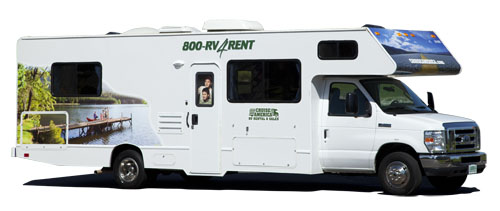
For a perfect balance of comfort and maneuverability on California's diverse roads, a Class C - Alcove RV is highly recommended. These popular motorhomes, like the "rv rentals example Comfort Class" which is a large RV and up to 3 years on the road, offering spacious amenities. A Class C model typically averages 7.5 meters in length and provides sleeping places for up to 5-6 people, making it ideal for families or small groups exploring the state. The raised cab-over bunk also provides extra sleeping space without adding too much to the overall length.
Alternatively, Class SI - Semi-integrated RVs, with an average length of 6.9 meters, also offer excellent driving ease and ample living space for groups averaging 3-4 adults. For those prioritizing agility and access to tighter spots like charming coastal towns or city parking in areas such as San Francisco, a Class B - Camper Van, averaging 5.8 meters in length, is ideal for 2-3 adults. If maximum luxury and space are desired and you are comfortable driving larger vehicles, Class A - Integrated RVs (avg. 7.5m) offer extensive amenities for around 4 adults. For adventurous couples or small groups seeking flexibility and off-road capability, Class TC - Truck Campers, averaging 5.5 meters, provide compact living for approximately 2 adults, making them a good fit for exploring more remote areas. Consider exploring the options for a "Weekly RV Rental in California - Pricing 2026" to find the perfect fit for your trip duration.
Should I Choose a Compact Van Instead of a Large RV in California?
While most RV sizes can be comfortably driven across California, a compact van, such as a Class B Camper Van like the "rv rental denver example Category Van" with shower and toilet, offers distinct advantages for navigating particularly tight, winding coastal roads, like certain sections of Highway 1. Its smaller footprint also makes finding parking in dense urban centers, such as bustling San Francisco or the vibrant streets of Los Angeles, considerably easier. A compact van, averaging 5.8 meters, provides exceptional maneuverability for city driving without stress, allowing you to drive almost anywhere without issues.
However, for the majority of California's expansive destinations, including its magnificent National Parks (Yosemite, Sequoia, Death Valley), vast desert landscapes, and renowned wine regions, larger RVs (Class C, SI, or A) offer significantly more living space, amenities, and overall comfort without presenting substantial driving challenges. The trade-off often hinges on whether your priority is maximizing interior space, comfort, and onboard facilities versus optimizing for the easiest possible urban or extremely narrow-road maneuverability. For extended road trips and family adventures, the added comfort and storage of a larger motorhome or camper often outweigh the minor parking inconveniences that a compact van might avoid in rare instances. When looking at your options, consider browsing "Luxury RV Rental in California - Premium Prices 2026" if comfort is a top priority.
Can I Park Anywhere? Free & Wild Camping Rules in California
Free camping, often referred to as boondocking or dispersed camping, is generally permitted on Bureau of Land Management (BLM) and National Forest lands in California, typically for up to 14 days in a single location. These vast federal lands offer incredible opportunities for solitude and immersion in nature, but it's crucial to research specific regulations for your chosen area before you go, as rules vary significantly by local jurisdiction and federal agency (e.g., Forest Service, BLM). You'll often find detailed guidelines on their official websites regarding fire restrictions, waste disposal, and stay limits.
Wild camping on private land is illegal in California without explicit permission from the landowner, and it is largely prohibited in most developed city and county areas. Always look for "no overnight parking" signs, especially in urban environments. When enjoying dispersed camping, practicing Leave No Trace principles, including packing out all trash, properly disposing of human waste, and minimizing impact on natural environments, is crucial to preserving California's diverse natural beauty for future generations. While Bandana doesn't help find campsites during rental, for finding campsites and campgrounds during your trip, we recommend using rvplan.net, a great resource for locating available spots along your route.
Can I Drive an RV Into the City Center? Heights, Tunnels & Local Signage
Yes, you can drive a rented RV into almost any California city center without issues, though it certainly requires heightened awareness of local signage, especially regarding vehicle dimensions. Drivers must pay close attention to posted height limits for tunnels, low bridges, and parking garages, which can be restrictive in older urban areas like downtown San Francisco or even in some suburban shopping centers. Most main roads are designed to accommodate larger vehicles, but side streets might be trickier. No need to stress-just use common sense and pay attention.
Be aware of specific local signage for "residents-only" parking, "no overnight parking" restrictions, and potential weight limits on certain city streets or bridges. Utilizing RV-specific navigation tools can be a lifesaver, helping you identify appropriate routes that avoid known height restrictions and offer big-rig friendly turns within urban environments. If you're exploring cities, consider parking your motorhome or campervan on the outskirts at an RV-friendly lot or public transit station and taking public transportation into the heart of the city for a stress-free experience. A compact van like a "hire campervan example Paradise S/T" which averages 5.6 meters in length, can offer more flexibility for urban exploration, although even larger RVs can navigate cities effectively with careful driving.
How much does it cost to rent an RV in California for a week?
The cost to rent an RV in California for a week typically ranges from $1,000 to over $3,000, varying significantly based on the RV class, rental season, and included amenities. For instance, a comfortable Class C motorhome like the "24' Class C Motorhome" with a 7.46-meter length and sleeping for 5, might cost around $1,200-$2,500 per week in shoulder season. Budget-friendly options often include Class B Camper Vans or smaller Class C RVs, especially when booked during the shoulder seasons (spring or fall). Prices are dynamic, much like flight tickets, changing daily based on availability and supplier marketing decisions, so the final price is set at actual booking time.
Factors such as mileage packages, insurance, preparation fees, and optional add-ons (e.g., kitchen kits, linen sets, bicycle racks) contribute to the overall weekly rental price. Booking well in advance, particularly for peak summer months (June-August) or holidays, can help secure better rates and ensure availability. For those looking for deals, explore "RV Rental Deals in California - Latest Offers 2026". It's important to remember that rental duration directly impacts the daily rate; longer trips often result in lower daily costs compared to shorter week-long trips. Additionally, for easy budgeting and to itemize and track every expense, remember to use RV PLANET routes.
What is the cheapest way to RV in California?
The cheapest way to RV in California involves several strategic choices, starting with opting for smaller, more fuel-efficient RVs like Class B Camper Vans, such as the "Active Classic" with an average length of 5.9 meters. These compact options typically have better fuel economy, averaging around 10 Liters/100 km, reducing your overall operating costs. Traveling during the off-peak season (winter, excluding holiday periods) or shoulder seasons (spring and fall) can dramatically lower rental rates, as demand is not as high as during the summer months.
Another significant cost-saving strategy is to prioritize free or low-cost camping options. Utilize dispersed camping opportunities on Bureau of Land Management (BLM) and National Forest lands, which can significantly reduce nightly accommodation costs compared to private RV parks that might charge $50-$100 per night. Cooking most meals in your RV kitchenette instead of dining out is a major cost-saving strategy for food expenses. Comparison tools like Bandana allow you to compare final prices across 50+ suppliers, ensuring full transparency with no hidden fees, so you know exactly what you're paying for before pickup. For more flexible booking, consider last-minute deals if your travel dates are adaptable; while prices are dynamic, unexpected availability can sometimes lead to good values.
Where can I pick up an RV in California?
RV pick-up locations in California are conveniently concentrated in major metropolitan hubs, providing easy access for travelers arriving by air or otherwise. The primary cities for collecting your rented motorhome or campervan include Los Angeles (and surrounding areas like Orange County), San Francisco, and San Diego. These locations often host multiple rental depots from our direct partners, such as El Monte, Cruise America, Apollo, and Britz, ensuring a wide selection of vehicles. For example, you can easily find a 7.1-meter Class C motorhome like the Cruise America Explorer at these major hubs.
Additionally, some regional hubs and popular tourist destinations across California, such as Sacramento, Palm Springs, Redding, or Fresno, may offer local dealerships or smaller rental company options for RV collection. Always confirm the exact pick-up location, operating hours, and specific procedures with your chosen rental provider well before your travel date. Bandana, founded in 2001 and helping tens of thousands of travelers, specializes in comparing final prices across 50+ leading RV suppliers worldwide, offering you the easiest, safest, and most affordable way to rent an RV without having to visit multiple websites.
What is the best time of year to RV in California?
The best time of year to RV in California generally spans spring (April-May) and fall (September-October), offering pleasant temperatures, fewer crowds, and ideal conditions for exploring most regions. During these shoulder seasons, the weather is often mild across the state, perfect for coastal drives along Highway 1 or hiking in national parks, without the intense heat of summer or the chill of winter. This allows for comfortable journeys averaging 100-150 km per day.
Summer (June-August) is perfect for exploring California's mountain ranges and high-elevation national parks like Yosemite or Lake Tahoe, but it brings peak crowds, higher temperatures, and increased fire season risk in inland areas. Winter (November-March) is ideal for desert destinations such as Joshua Tree or Death Valley National Park, which offer warm daytime temperatures, or for skiing trips in the Sierra Nevada; however, many mountain passes may experience snow closures, requiring careful route planning. Always check specific weather forecasts and road conditions for your intended route, as California's microclimates can vary dramatically. Many national and state parks reserve only 25-30% of spots; the rest are first-come-first-serve, so you'll find a spot, even if not at the first campground, then the next one, but call ahead before driving.
What are the best RV trips in California?
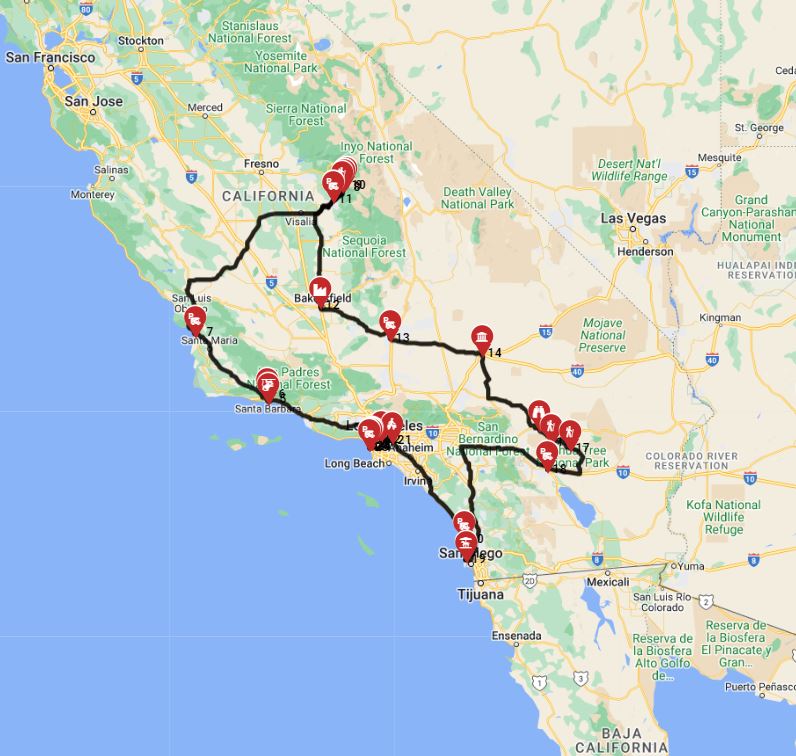
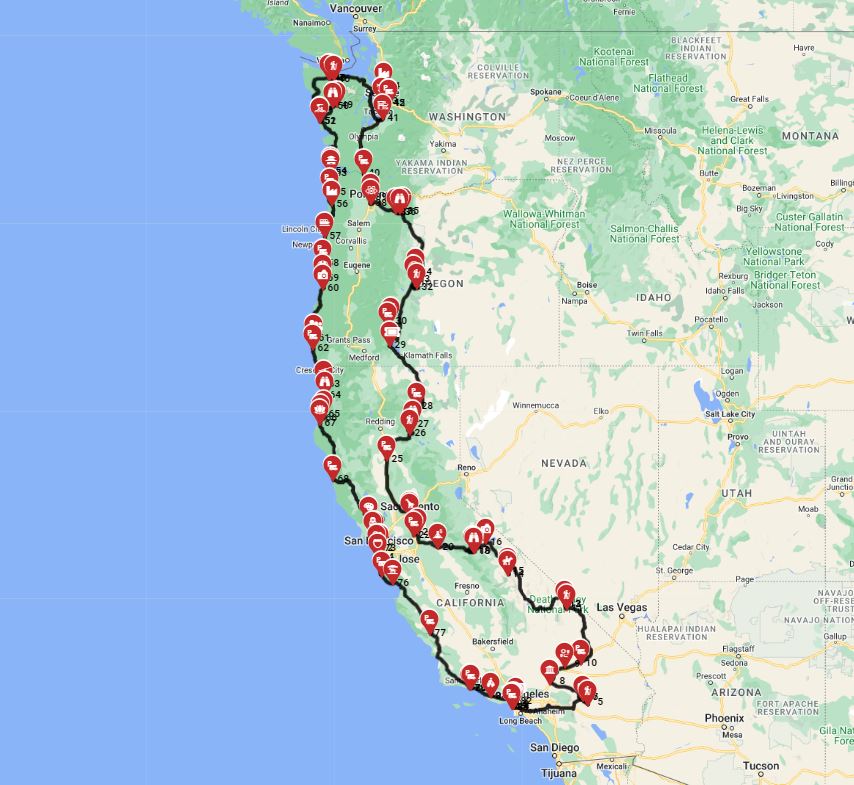
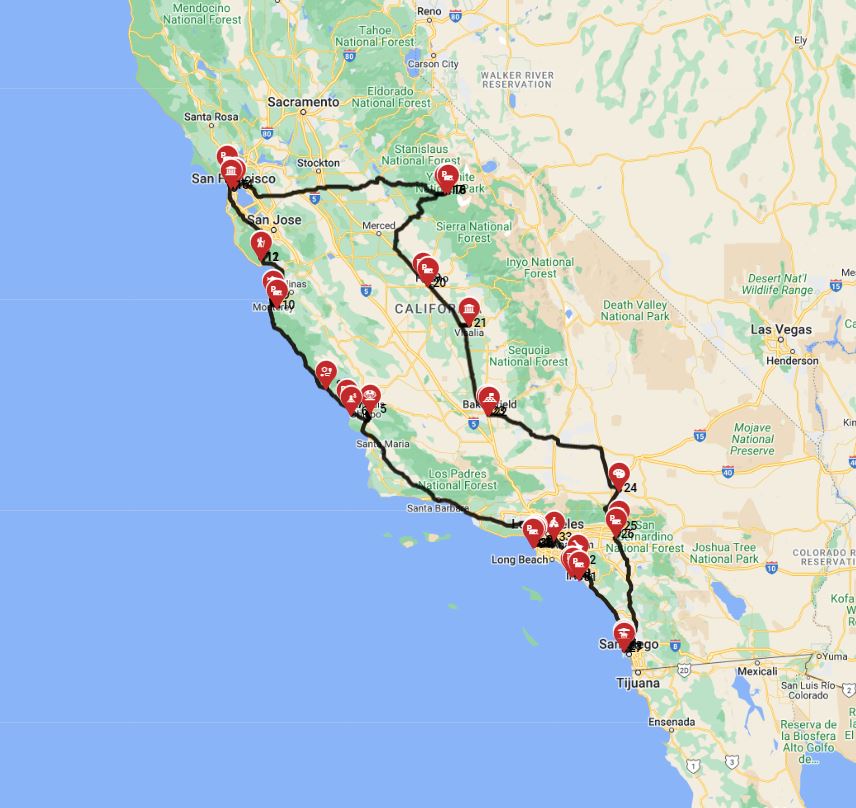
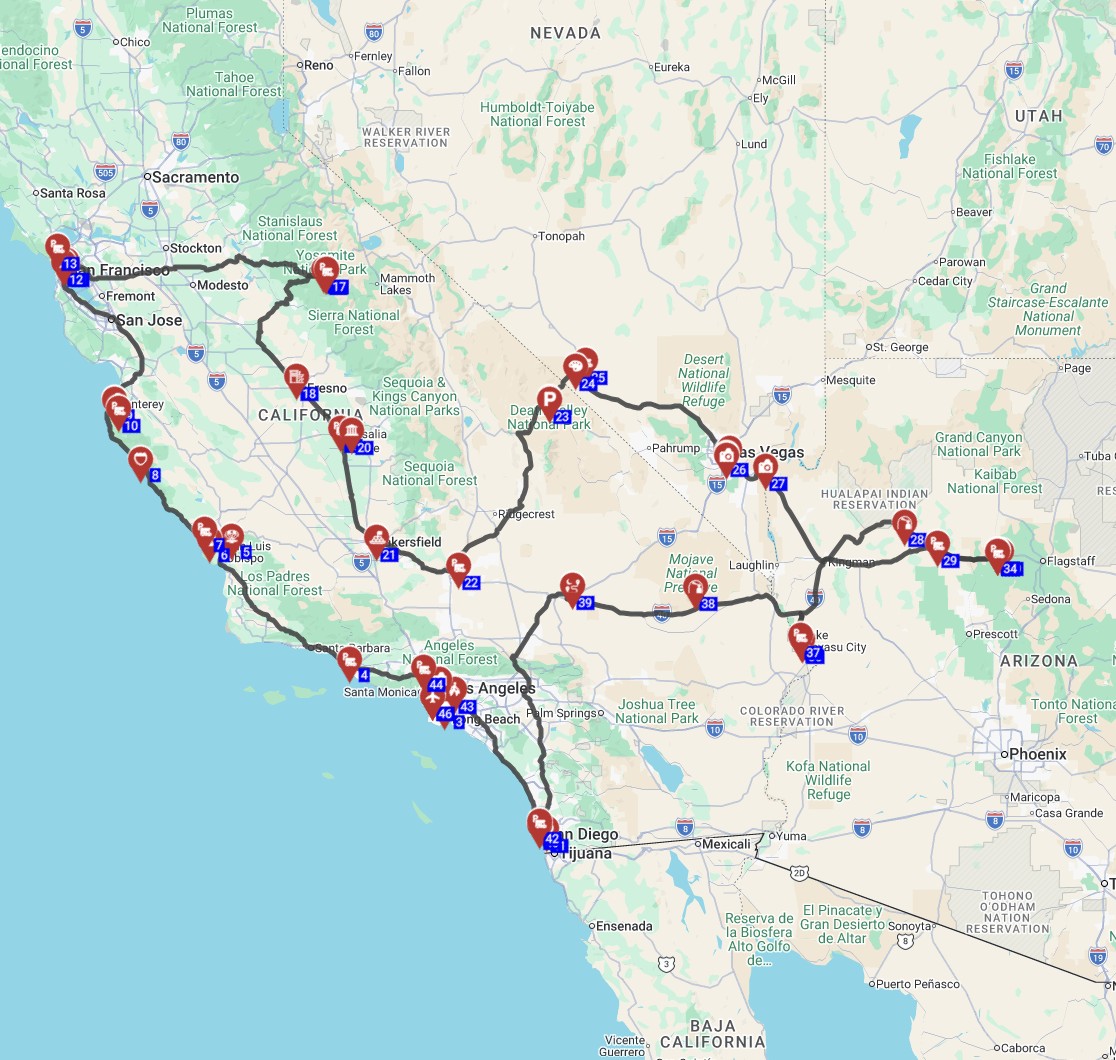
California offers an incredible array of iconic RV trips, from breathtaking coastal routes to immersive national park loops. One of the most famous is the Pacific Coast Highway (Highway 1), offering stunning ocean views and charming towns, a route that is perfect for a week-long trip. For a journey through diverse ecosystems, consider a comprehensive loop through its renowned National Parks like Yosemite, Sequoia, and Death Valley, allowing you to experience majestic redwoods, towering granite cliffs, and unique desert landscapes within a two-week adventure. RV PLANET (rvplan.net), our sister company, offers 1,300+ pre-planned routes across 5 continents, including several tailored for California.
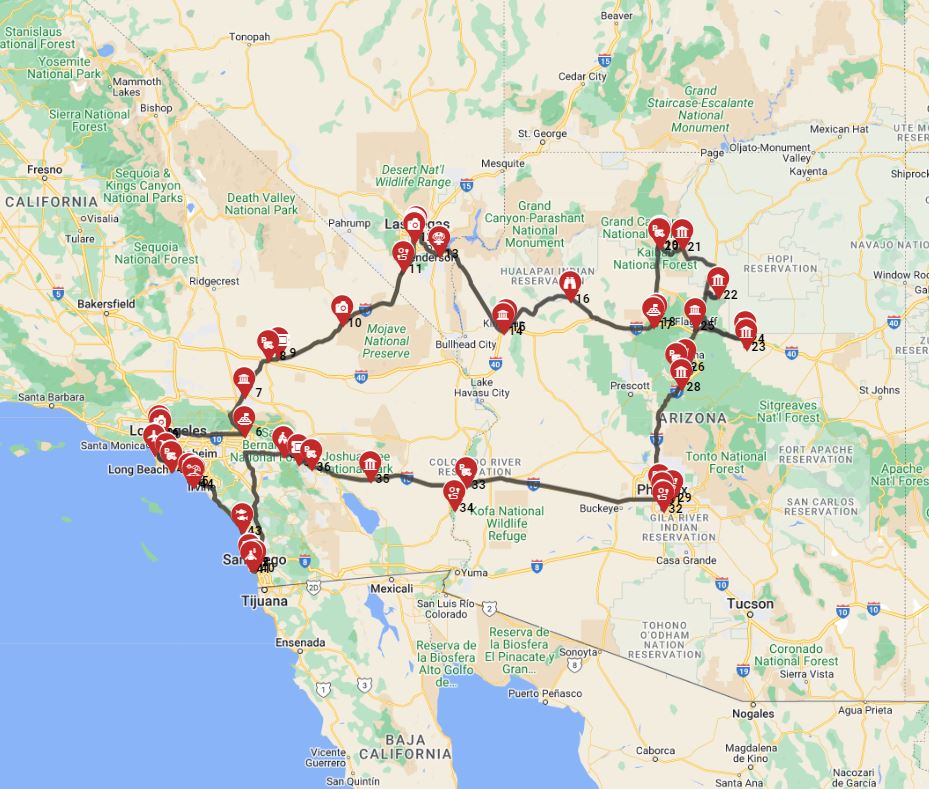
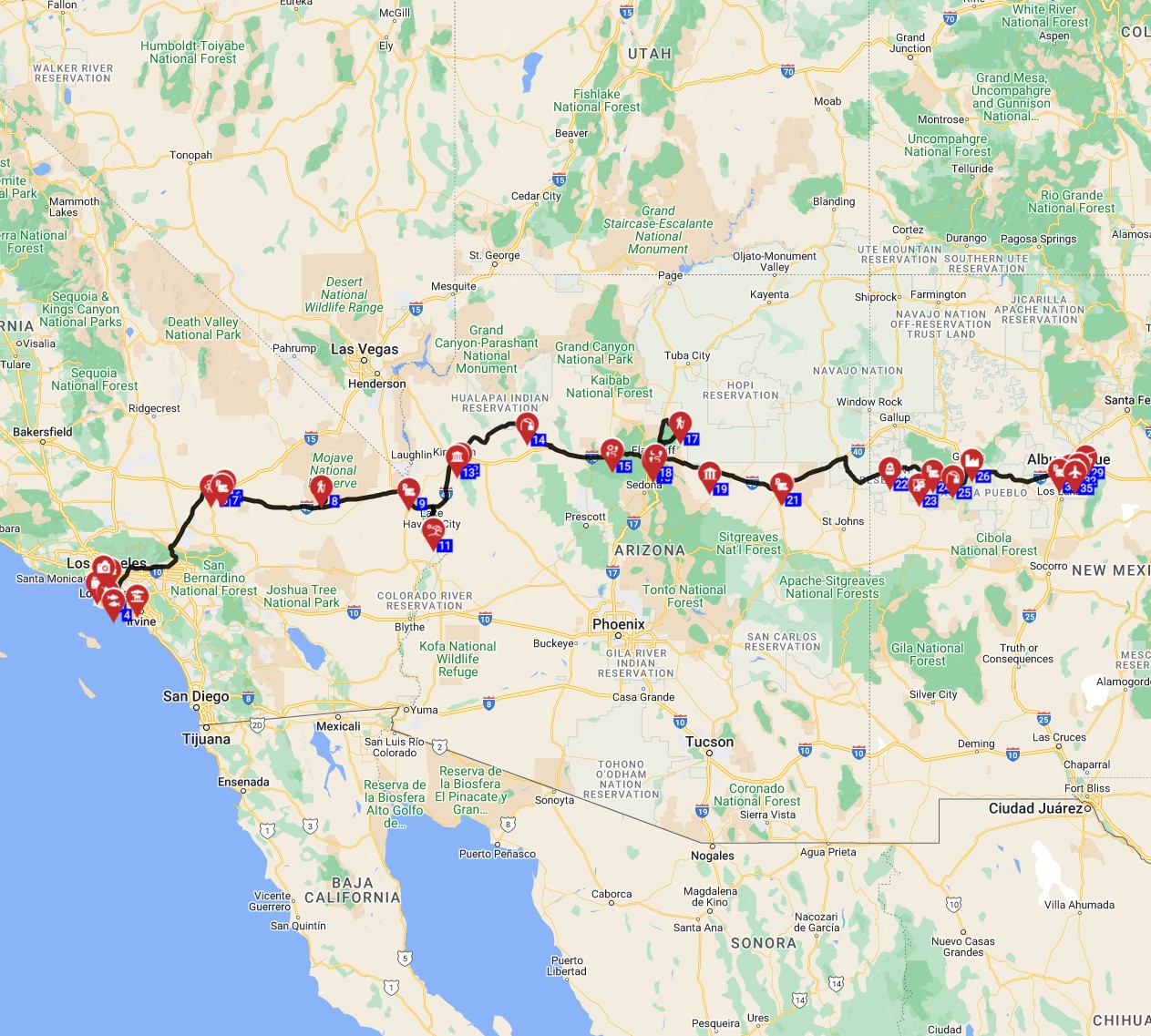
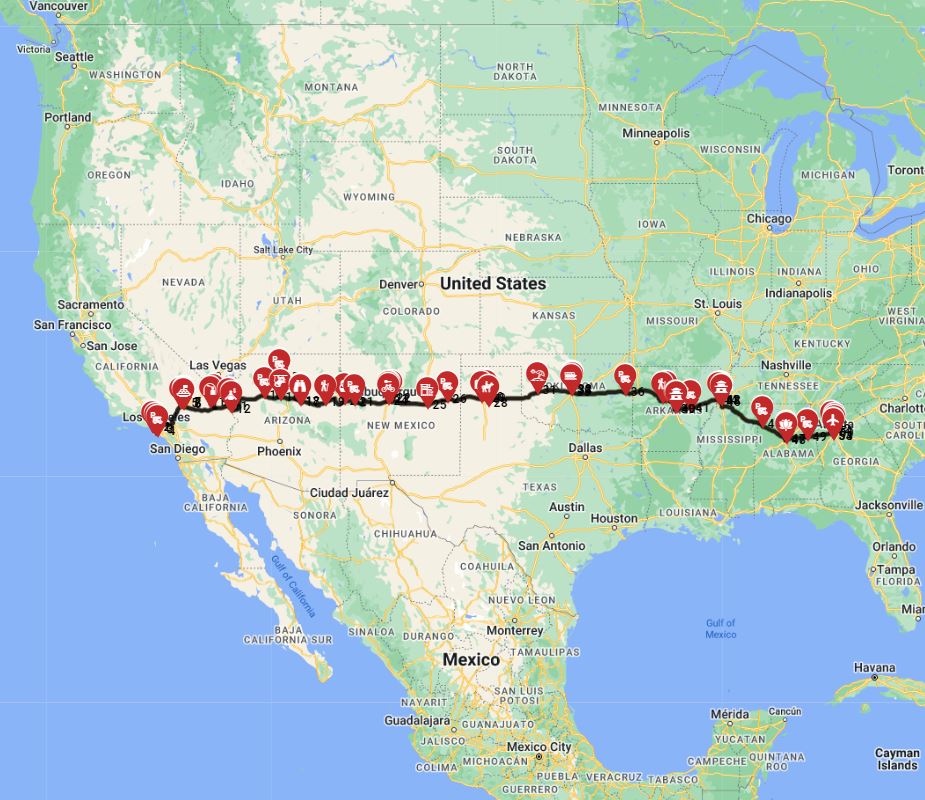
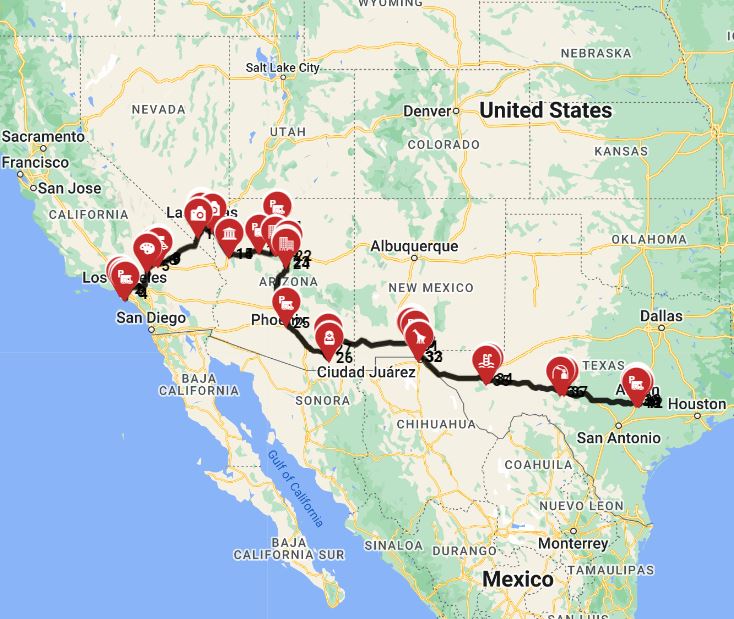
For something different, consider themed trips, such as a wine country tour through Napa and Sonoma Valleys, a desert adventure to Joshua Tree National Park, or a historical journey along the Gold Rush trails in the Sierra foothills. These routes often include charming small towns, local eateries, and unique cultural experiences away from major tourist hubs. For longer trips, such as a month-long exploration, you could combine multiple regions. For finding campsites and campgrounds during your trip, rvplan.net is a great resource for locating available spots along your route. Take a look at these popular options:
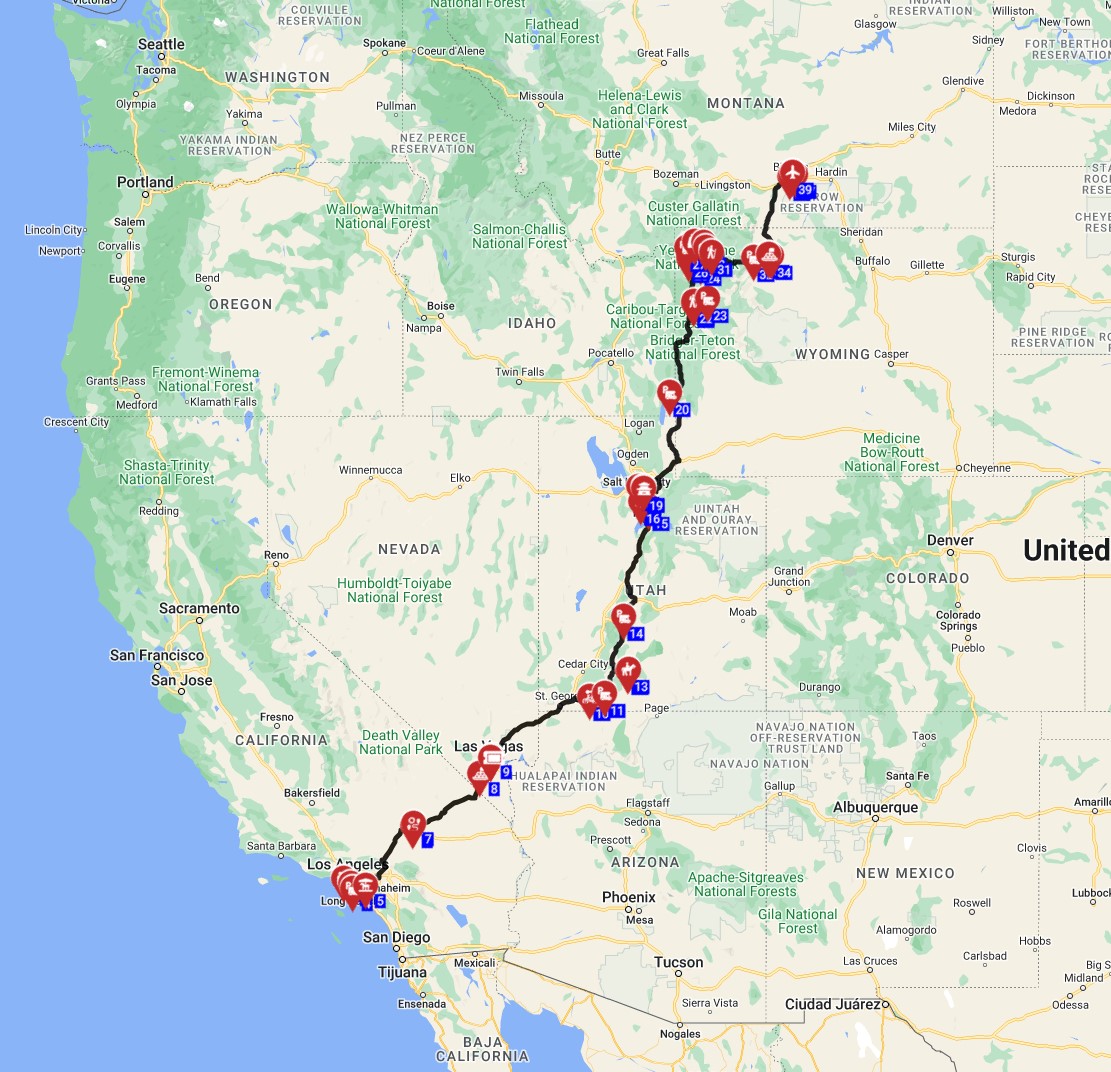
This 18-day, 3370.8 km route, "
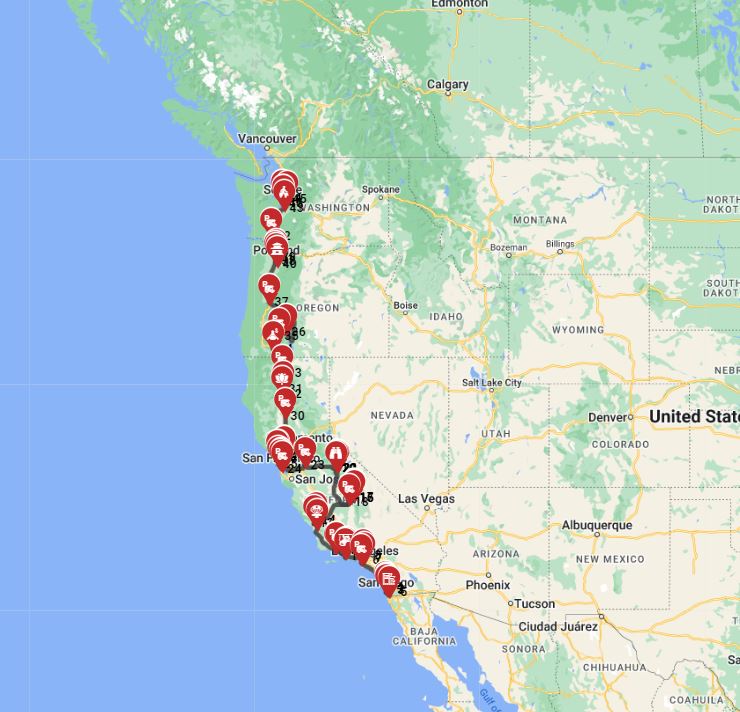
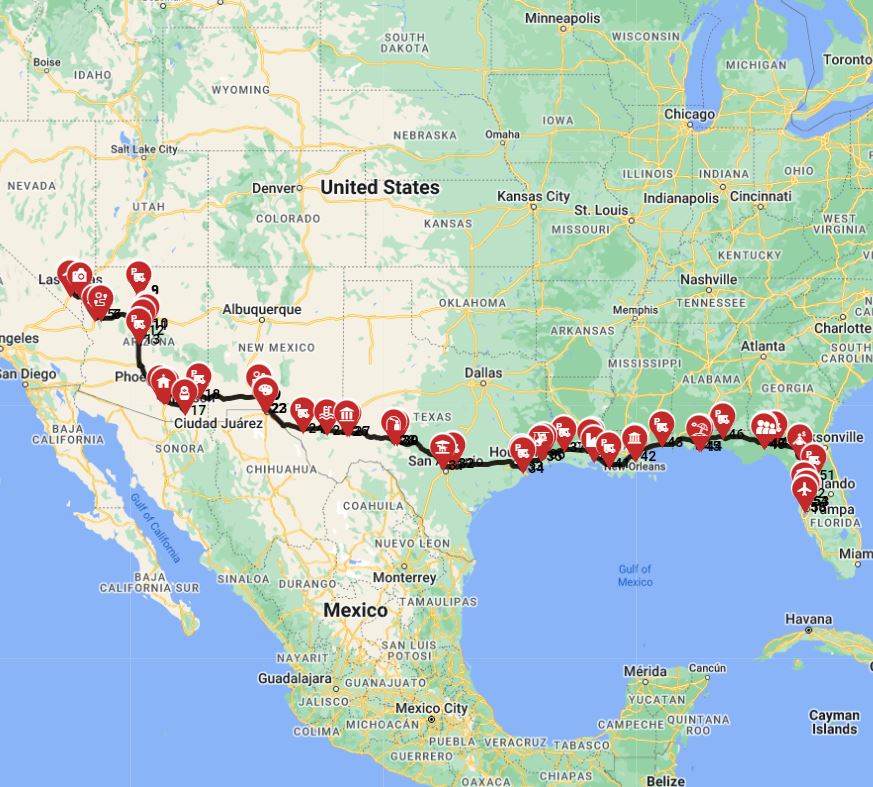
Discover "San Francisco Roundtrip - The Best of the Southwest by Motorhome: From California’s Coast to Arizona’s Canyons," a 25-day, 4463.4 km journey featuring 8 hiking areas and 4 scenic routes, immersing you in both Californian beauty and the vast landscapes of the Southwest. Another exciting journey you could consider is "
What are the requirements for RV rental in California?
To rent an RV in California, drivers typically need to be at least 21 years old and possess a valid driver's license from their home country. There are no young driver surcharges or vehicle class restrictions based on age with Bandana Caravan, making RV travel accessible for many. Foreign drivers are strongly recommended to carry an International Driving Permit (IDP) for translation purposes, though it is not mandatory in most cases, to avoid any potential communication issues with local authorities.
Additionally, renters must provide a major credit card for payment and a security deposit, which covers any potential damages or additional charges during the rental period. Proof of insurance is mandatory and can usually be obtained through the rental company directly, your personal auto insurance policy (check for RV coverage), or certain credit card benefits. It is essential to review the rental agreement thoroughly for specifics on mileage limits, fuel policies, available amenities (like the refrigerator or gas stove on a "MH19 Small - Economy" model), and any restrictions, ensuring full transparency and no surprises at pickup.
Is it easy to drive an RV in California?
Driving a rented RV in California is generally considered easy due to the state's extensive network of well-maintained highways and roads, but it does require an adjustment to the vehicle's larger size, weight, and different handling characteristics compared to a standard car. The key is to take your time, drive slowly and carefully, and pay attention to your surroundings, especially when navigating turns or parking. This mindset ensures you can drive almost anywhere without issues.
Confidence improves with practice; start with less congested routes, perhaps near your pick-up location in Los Angeles or San Francisco, and gradually tackle busier areas once you're comfortable with your RV's dimensions and braking distances. While most roads are RV-friendly, some challenging routes exist, particularly narrow mountain passes or winding coastal sections on Highway 1, which necessitate slower speeds and heightened awareness. Utilizing RV-specific navigation tools and adhering to the state's 55 mph speed limit for RVs on most highways contributes significantly to a smoother and safer driving experience, allowing you to enjoy your long-term RV driving in California.
What You Shouldn't Miss
- **Pacific Coast Highway (Highway 1) Drive:** Rent a motorhome and cruise this legendary coastal road. Drive slowly, allow plenty of time for pull-offs and photography, especially between Big Sur and Carmel-by-the-Sea.
- **Yosemite National Park:** Plan several days to explore Yosemite Valley, hike to iconic waterfalls, and drive up to Glacier Point for panoramic views. Reservations for campgrounds are essential, even for first-come-first-serve spots, especially during peak season.
- **Joshua Tree National Park:** Experience the unique desert landscape where two distinct desert ecosystems meet. Enjoy stargazing, rock climbing, and short hikes among the surreal Joshua trees.
- **Napa Valley Wine Tasting:** Discover California's famed wine country with your campervan. Many wineries offer RV-friendly parking, and nearby RV parks provide comfortable overnight stays after a day of tasting.
- **San Diego Beaches and Balboa Park:** Park your RV at a nearby campground and explore San Diego's vibrant beaches and Balboa Park, home to 17 museums, gardens, and the famous San Diego Zoo.
- **Looking for expert insights from Avi Bandana? Top 5 Adventures - recommendations from Avi Bandana**
Final Thoughts
Embarking on a long-term RV adventure through California is an experience that promises unparalleled freedom and unforgettable memories. From the rugged beauty of its coastlines to the serene solitude of its deserts and the grandeur of its national parks, the Golden State is truly best explored with the comfort and flexibility of your own rented home on wheels. Remember to embrace slow travel, allowing yourself to soak in every moment and discover the hidden gems along your chosen routes.
With Bandana Caravan as your trusted partner, you’re not just booking a vehicle; you're gaining access to expert advice, transparent pricing, and dedicated support that extends throughout your journey. We're here to ensure your RV rental experience in California is as smooth and enjoyable as possible, from your initial search to your triumphant return. So, pack your bags, plan your route, and prepare for the adventure of a lifetime!
Discover top destinations, planning tips, all in one place! Find RV Rentals in California