In This Guide
- Can You Drive an RV in Boston? License & Age Rules
- Road Conditions & Terrain in Boston
- RV Size Limits, Bridges & Restricted Zones
- Fuel: Diesel vs. Petrol & Cost per 100 km
- Tolls, Vignettes & Border Rules
- Driving Tips for long term rv rental Travelers
- Recommended RV Class for Boston Roads
- Should I Choose a Compact Van Instead of a Large RV in Boston?
- Can I Park Anywhere? Free & Wild Camping Rules in Boston
- Can I Drive an RV Into the City Center? Heights, Tunnels & Local Signage
- Do you have to have a CDL to drive a 30 ft RV?
- How many miles a day can you drive in an RV?
- How much does RV insurance cost in Massachusetts?
- How much is insurance on a $200,000 RV?
Embarking on a long-term RV rental adventure in Boston offers an unparalleled opportunity to explore not just the historic city, but also the scenic beauty of New England at your own pace. With a rented motorhome, you gain the freedom of a mobile home base, allowing you to delve deep into local culture, enjoy fantastic food, and immerse yourself in breathtaking scenery. For live availability and current prices, start with our RV Rental Boston - Complete Guide 2026 guide.
Can You Drive an RV in Boston? License & Age Rules
A standard Class D driver's license is typically sufficient to drive most recreational vehicles (RVs) for long-term rental in Massachusetts, as long as the Gross Vehicle Weight Rating (GVWR) is under 26,001 pounds. Massachusetts law aligns with most states, meaning special licenses like a CDL are generally not required for personal RV use.
Drivers must typically be at least 21 years old to rent an RV in Boston, a common age requirement across many rental providers, with no young driver surcharges at Bandana RV. Foreign drivers should possess a valid driver's license from their home country and, though not always mandatory, an International Driving Permit (IDP) translated into English is highly recommended to ensure smooth travels. Always confirm specific licensing requirements with your chosen supplier through Bandana's transparent booking process.
Road Conditions & Terrain in Boston
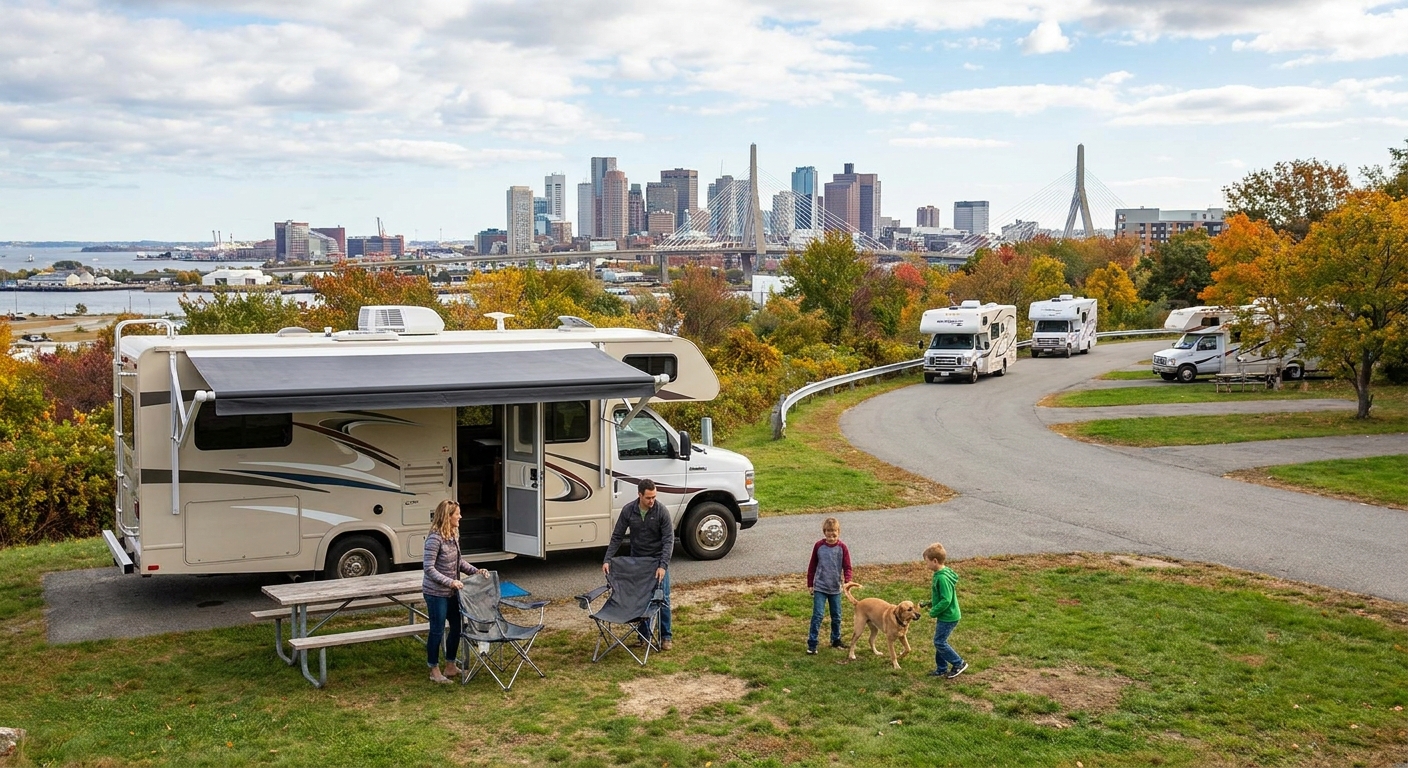
Boston's road conditions are characterized by a mix of historic, often narrow and winding streets in urban centers, alongside modern highways approaching the city. While the immediate Boston area is generally flat, drivers should be prepared for uneven roads and occasional potholes, especially following winter months. Moving beyond the city limits, Massachusetts offers varied terrain, from picturesque coastal routes along Cape Cod to the rolling hills and charming small towns in the western part of the state, all perfectly suitable for scenic RV drives.
Long-term RV renters should anticipate slower driving speeds and increased caution due to traffic density and the historic road layouts within Boston. Using an RV-specific GPS can help navigate these unique conditions. Planning your route carefully will help avoid surprises, allowing you to savor every moment of your adventure.
RV Size Limits, Bridges & Restricted Zones
Boston is notorious for its low bridges, particularly on Storrow Drive and Memorial Drive, which have strict height limits often below 10 feet. RV drivers must pay extremely close attention to signage for height, weight, and length restrictions, especially when navigating city streets or parkways to avoid the local phenomenon of "Storrowing."
Major arterial roads leading into Boston, such as I-90 (Mass Pike) and I-93, generally accommodate RVs, but city navigation requires careful planning and awareness of your RV's exact dimensions. There are no specific environmental zones in Boston that restrict RV access based on emissions, but larger RVs might encounter difficulty with tight turns and limited parking availability. We also have a "RV Travel Guide to Boston - Tips and Top Spots 2026" available if you want more specific insights.
🎯 Fun Facts About Boston
- Boston's 'Storrowing' Phenomenon: Boston has its own unofficial verb for vehicles getting stuck under low bridges: 'Storrowing.' RVers need to be extra vigilant with RV-specific GPS to avoid becoming part of this local lore, especially on infamous parkways like Storrow Drive and Memorial Drive.
- America's First Subway – Your RV's Best Friend: Boston boasts America's first subway system, the 'T,' which opened in 1897. This historic transit network is often an RVer's best friend for city exploration, as parking an RV directly in downtown Boston is notoriously difficult and often impossible.
- Massachusetts: Birthplace of the Cranberry Industry: Beyond the city, Massachusetts is the leading producer of cranberries. RVers visiting in the fall (Sept-Nov) can experience vibrant cranberry harvest festivals and bog tours, offering a unique scenic detour from Boston's historical sites.
- Revere Beach: America's First Public Beach: Just north of Boston, Revere Beach holds the distinction of being America's first public beach, established in 1896. While parking for large RVs can be challenging directly on the beachfront, it's a fantastic historical landmark for a day trip, often accessible via nearby park-and-ride options.
- The Iconic 'Duck Tours' Don't Require an RV (Thankfully!): While you can't drive your RV into the water, Boston is famous for its amphibious 'Duck Tours.' This unique way to see the city by land and water is a fun, RV-free experience that showcases Boston's rich history and waterfront.
Fuel: Diesel vs. Petrol & Cost per 100 km
Most RVs available for long-term rental in the Boston area operate on either diesel or petrol (gasoline), with diesel engines generally offering better fuel efficiency. Based on Bandana's global fleet averages, Class C Alcove RVs typically consume 10-12 Liters/100 km, while more compact Class B Camper Vans average 8-10 Liters/100 km, making them a more economical choice for longer journeys.
Fuel availability is widespread across Massachusetts for both diesel and petrol; however, larger motorhomes may find it easier to access fuel at truck stops or larger gas stations, especially when leaving Boston. The cost per 100 km will fluctuate significantly based on current fuel prices in Boston and surrounding areas, which are dynamic like flight tickets. For effective budgeting and tracking every expense, RV PLANET routes allow travelers to itemize all costs along their way, from fuel to campground fees. On the routes offered through RV PLANET routes, you can itemize and track every expense along the way for easy budgeting.
Tolls, Vignettes & Border Rules
Massachusetts utilizes electronic tolling, primarily via E-ZPass MA, which automatically charges vehicles on highways like the Massachusetts Turnpike (I-90) and Tobin Bridge. There are no physical toll booths to stop at, so long-term RV renters should ensure they have an E-ZPass transponder or be prepared for 'pay-by-plate' invoices sent to the rental company, which may incur additional administrative fees.
Some long-term RV rental providers may offer pre-purchased toll passes to simplify your travel and help avoid potential fines. When planning an extended trip from Boston to neighboring states like New Hampshire or New York, be aware that toll systems and requirements (such as specific transponders) can vary, though E-ZPass is widely accepted throughout the Northeast.
Driving Tips for long term rv rental Travelers
Successfully navigating Boston in a rented RV involves smart planning and a relaxed approach. Here are some essential tips:
- Plan Your Route Carefully: Utilize GPS with RV-specific routing features to avoid low bridges, narrow streets, and tight turns, especially within urban Boston.
- Allow Extra Travel Time: Boston traffic can be heavy, particularly during rush hours on routes like I-93. RVs require more time for maneuvering and braking, so always build in buffer time for your journeys.
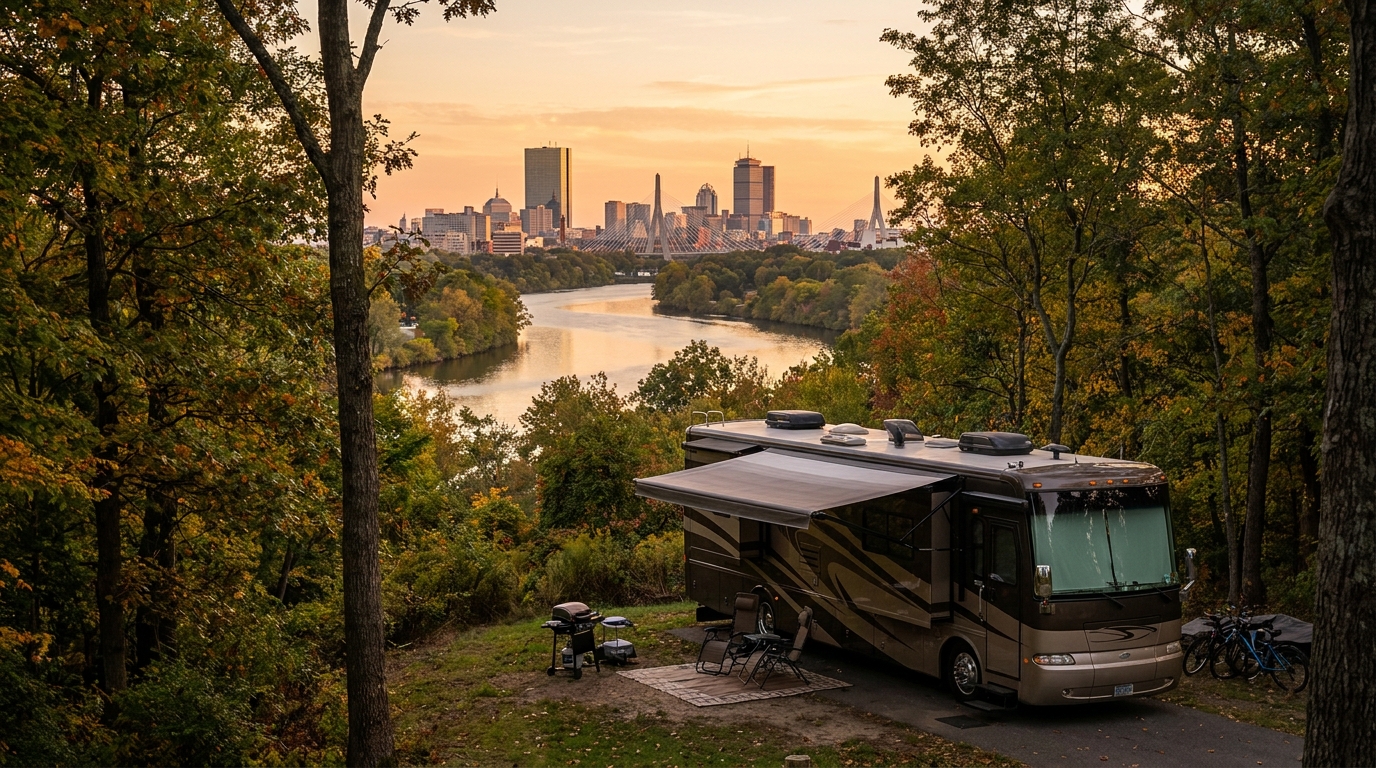
- Master 'Park and Ride': For city exploration, park your RV at an outlying RV park, such as Wompatuck State Park, or a dedicated commuter lot with convenient public transport access into downtown Boston. This strategy is often the most stress-free way to experience the city's core attractions.
- Pre-Book Services: Especially for long-term rentals, plan for regular stops at dump stations, fresh water fill-up points, and propane refills. Resources for finding these services include rvplan.net for route planning.
- Understand Your RV's Dimensions: Constantly be aware of your rented RV's height, length, and width to safely navigate tight spots and avoid costly damage from obstructions. Drive slowly and carefully, and you can drive almost anywhere without issues. No need to stress - just use common sense and pay attention.
Recommended RV Class for Boston Roads
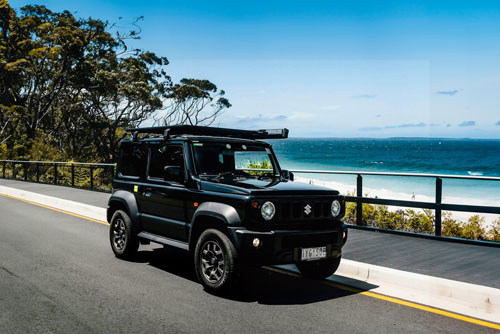
For navigating Boston's unique road network, a Class B Camper Van is highly recommended due to its compact size and superior maneuverability. These smaller RVs, like the “rv rental denver example Category Van” or "Patagonia Camper 4x4 double cab" type (though these are specific examples and availability varies), offer an average length of 5.8 meters (approximately 19 feet), making them easier to park and drive on narrower city streets. You might also consider a Class SI Semi-integrated RV, with an average length of 6.9 meters (approximately 22.6 feet).
These semi-integrated models provide more living space while still remaining manageable for many main roads and are ideal for utilizing park-and-ride scenarios outside the immediate city center. Both Class B and Class SI vehicles offer an excellent balance between comfortable living space for long-term travel and practical dimensions for urban or historic areas like Boston, allowing you to easily prepare meals with your onboard kitchen appliances, perhaps even using our RV-friendly recipes playlist.
Should I Choose a Compact Van Instead of a Large RV in Boston?
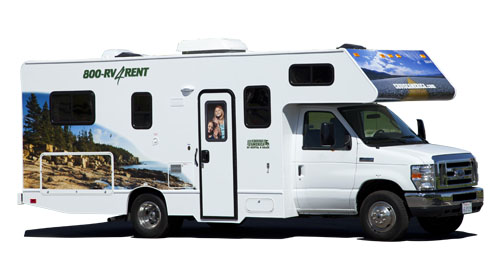
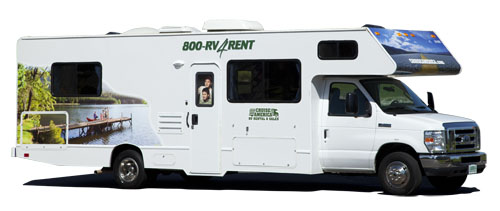
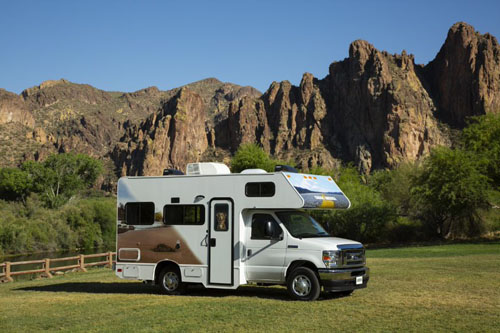
While a compact van (like a Class B Camper Van) offers superior maneuverability and ease of parking in tight urban settings such as Boston, choosing a larger RV for a long-term rental is often feasible and provides significant comfort benefits. Larger motorhomes like Class C or Class SI models offer more indoor living space, storage, and amenities crucial for extended trips.
These comfort benefits can often outweigh minor navigation challenges if proper planning, such as using park-and-ride facilities, is consistently implemented. A compact van undeniably helps when aiming to drive directly into very tight historic centers or navigate extremely narrow routes. However, for overall long-term comfort and convenience, especially for families or groups who might need space like that offered by an "rv rentals example Comfort Class" or "6 Berth Deluxe" type, a slightly larger RV can be a better trade-off if you plan to stay in dedicated campgrounds and use public transport for city excursions.
Can I Park Anywhere? Free & Wild Camping Rules in Boston
Free or wild camping is generally not permitted within Boston city limits or on most public lands close to urban areas in Massachusetts. Overnight RV parking in unauthorized areas can lead to fines or towing; RVers should always seek designated campgrounds or private RV parks. Popular options near Boston include Wompatuck State Park in Hingham or Harold Parker State Forest in North Andover, offering a balance of nature and accessibility.
While truck stops or big-box store parking lots might allow overnight stays in some regions, this is not a guaranteed option in Boston and should always be confirmed with management upon arrival. Rules for overnight parking and camping vary significantly by region and municipality, so always check local regulations and follow local laws before parking your rented motorhome overnight.
Can I Drive an RV Into the City Center? Heights, Tunnels & Local Signage
It is generally possible to drive an RV into Boston's city center, but drivers must exercise extreme caution regarding height restrictions, particularly for numerous low bridges and tunnel clearances. Key watchouts include Storrow Drive and Memorial Drive, which are notorious for their low overpasses (many below 10 feet) that prohibit most RVs; these roads should be actively avoided by RV drivers.
Pay close attention to local signage, including height limits for tunnels and parking garages, and be aware of residents-only streets. For convenient access to Boston's attractions, consider parking your rented RV at an RV park or dedicated lot on the city's outskirts, such as those in neighboring towns like Canton or Foxborough, which often provide direct public transport access into Boston via the MBTA Commuter Rail or subway system. Always remember to travel slowly, max 100-150 km per day on average, to fully feel the place, connect to the culture, the food, and the scenery.
Do you have to have a CDL to drive a 30 ft RV?
No, you typically do not need a Commercial Driver's License (CDL) to drive a 30 ft RV for personal use in Massachusetts, as long as its Gross Vehicle Weight Rating (GVWR) does not exceed 26,000 pounds. Most long-term rental RVs, even those around 30 feet in length, are manufactured with a GVWR below this CDL threshold, confirming that a standard Class D driver's license is adequate.
In Massachusetts, the requirement for a CDL is generally triggered by vehicles designed to transport 16 or more passengers (including the driver), transport hazardous materials, or have a GVWR of 26,001 pounds or more. This means that a rented Class C motorhome like the "29′ Class C Motorhome" is perfectly manageable with a regular car license, making RV travel accessible to many.
How many miles a day can you drive in an RV?
Most RVers typically drive between 200 to 400 miles (approximately 320 to 640 kilometers) per day to ensure a comfortable and enjoyable long-term rental experience. While it's physically possible to cover more distance, limiting daily mileage helps prevent driver fatigue, allows ample time for sightseeing and relaxation, and reduces stress associated with navigating a large vehicle.
Factors like road conditions (e.g., Boston's urban traffic versus open highways), weather, and the number of drivers can significantly influence a realistic daily driving limit. For long-term RV rentals, planning for shorter driving days, averaging 100-150 km or about 4-6 hours of driving, allows travelers to fully experience their destinations and account for setup and breakdown time at campgrounds. This approach aligns with our philosophy at Bandana RV: Travel slowly- take time to feel the place, connect to the culture, the food, and the scenery.
How much does RV insurance cost in Massachusetts?
The cost of RV insurance in Massachusetts varies significantly, typically ranging from a few hundred dollars to over two thousand dollars annually, influenced by multiple factors. Key factors affecting RV insurance premiums include the RV's class (Class A, Class B, Class C), its market value, age, and condition, as well as the driver's history, chosen coverage limits, and deductible.
Massachusetts is generally an expensive state for vehicle insurance, so RV policies will reflect regional pricing trends. However, for long-term RV rentals booked through Bandana, essential insurance is usually included in the rental agreement. You can also upgrade to a top-level deductible for extra peace of mind, a key differentiator that ensures you travel with confidence.
How much is insurance on a $200,000 RV?
Insurance for a $200,000 RV in Massachusetts could range from approximately $1,500 to $4,000 or more annually, depending heavily on the specific policy details and driver profile. The high value of the RV significantly impacts the premium, as it increases the potential payout for collision, comprehensive, and liability claims.
Factors such as the RV's model year, safety features like ABS, its storage location, how often it's used, and the policyholder's driving record and chosen deductible will all play a crucial role in the final cost. For a high-value RV, comprehensive coverage that protects against theft, vandalism, and natural disasters, alongside adequate liability limits, is highly recommended and contributes to the higher premium. Rest assured, Bandana RV offers full transparency with no hidden fees, so what you see is what you pay.
What You Shouldn't Miss
- Explore the Freedom Trail: Walk Boston's iconic 4 km (2.5 mile) Freedom Trail, connecting 16 historically significant sites like Paul Revere's House and the USS Constitution. Parking a rented motorhome near Quincy Market and taking the "T" into downtown Boston is an excellent strategy.
- Discover Cape Cod's Charm: Just a short drive south of Boston, Cape Cod offers stunning beaches, quaint towns, and fresh seafood. RV-friendly campgrounds like Shawme-Crowell State Forest provide a perfect base to explore the region's 3 natural features and 1 beach.
- Visit the New England Aquarium: Located on Boston's Central Wharf, this renowned aquarium houses thousands of aquatic animals and offers daily animal shows. Parking your RV outside the immediate downtown area and using public transport is recommended for easy access.
- Experience Harvard University: Head across the Charles River to Cambridge to stroll through the historic Harvard University campus. Enjoy the architecture, visit the Harvard Museum of Natural History, or explore the university's 5 museums, all easily accessible via public transportation from your RV base.
- Take a Scenic Drive to Salem: A 30-minute drive north of Boston, Salem offers a fascinating glimpse into colonial history, particularly the infamous Salem Witch Trials. Enjoy its 4 tourist attractions and 4 historical sites, ensuring your rented RV is mindful of local parking regulations. For an even more detailed route, remember you can always explore a "Cheap RV Rental in Boston - Budget Guide 2026" to plan your trip economically.
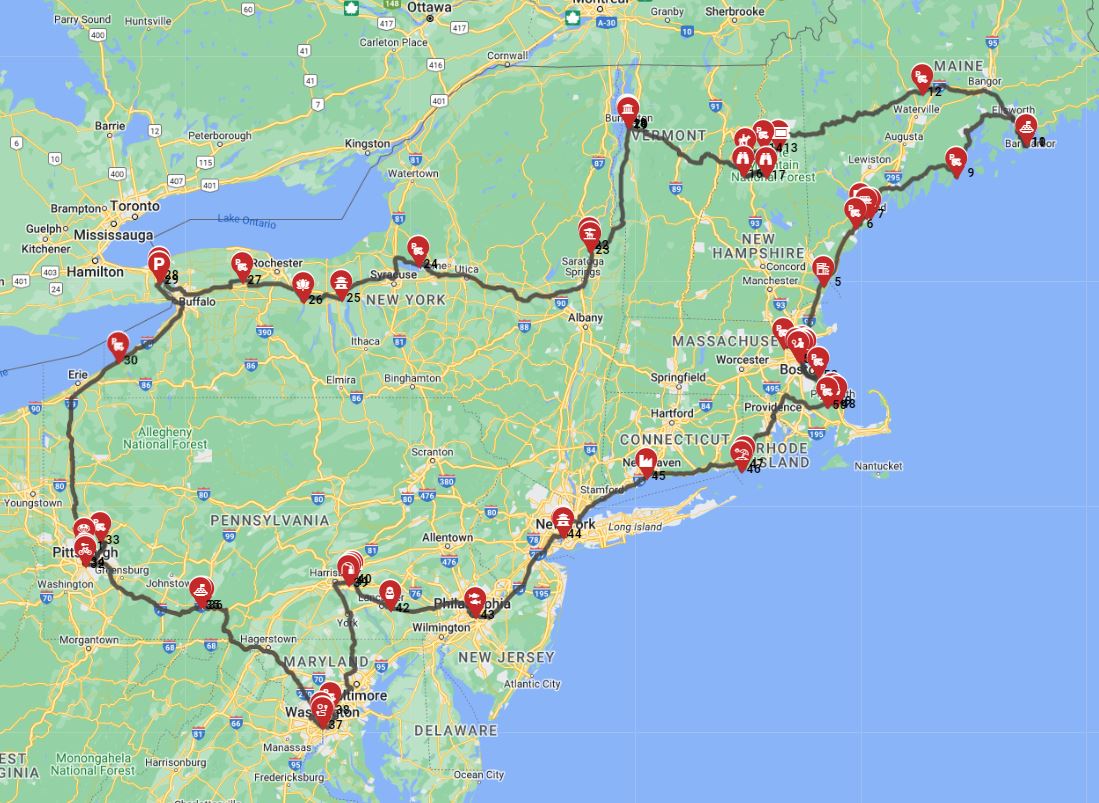
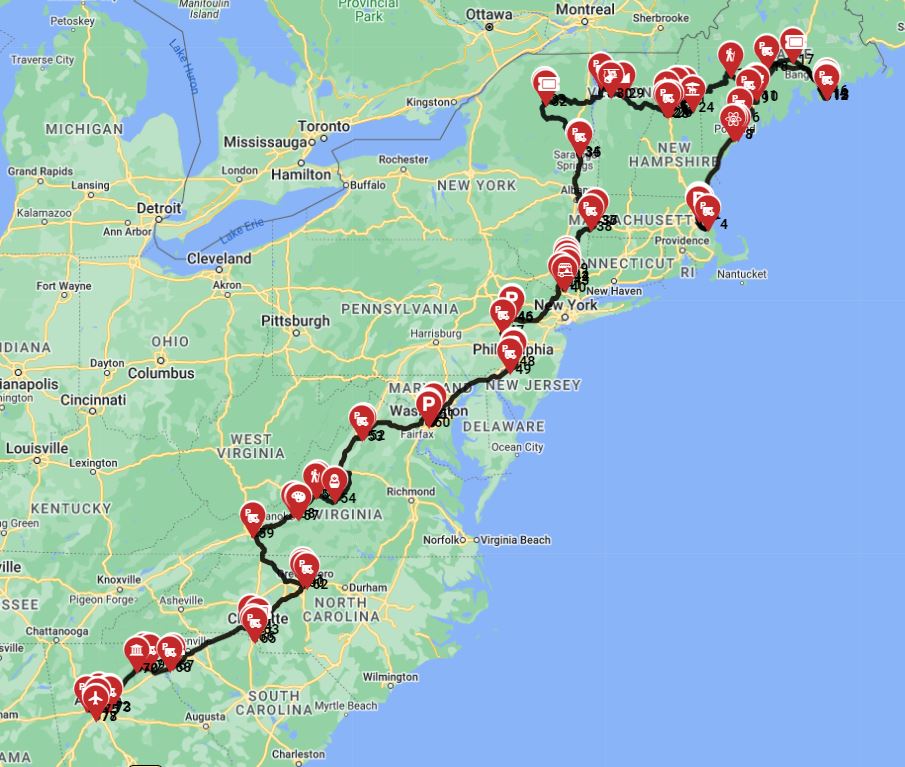
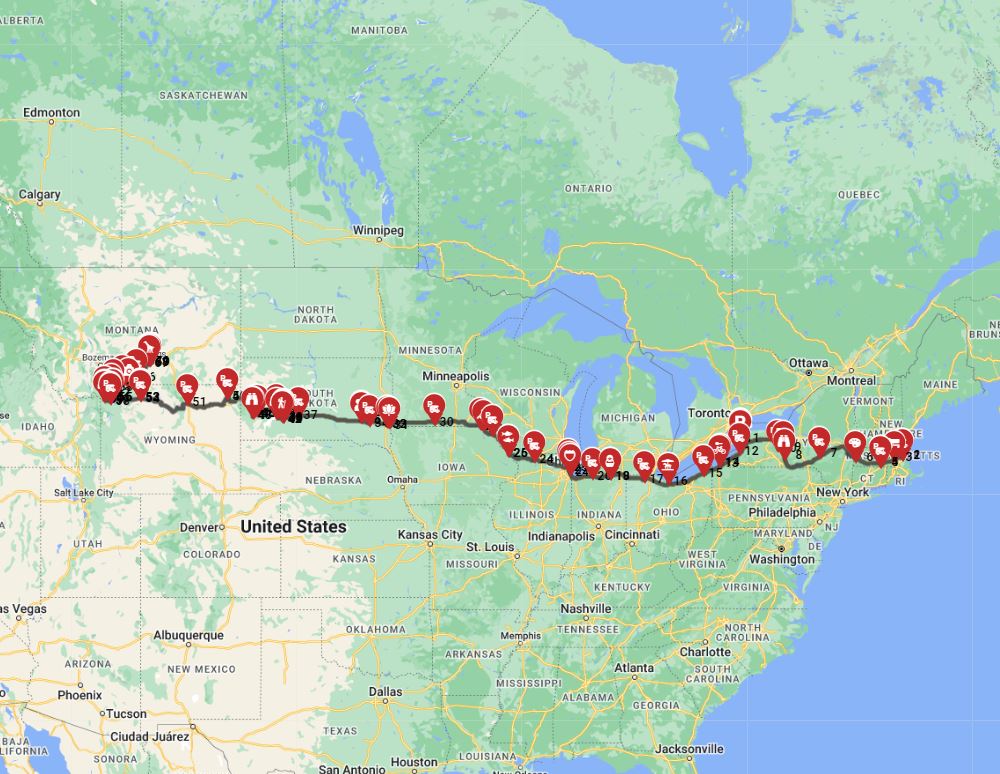
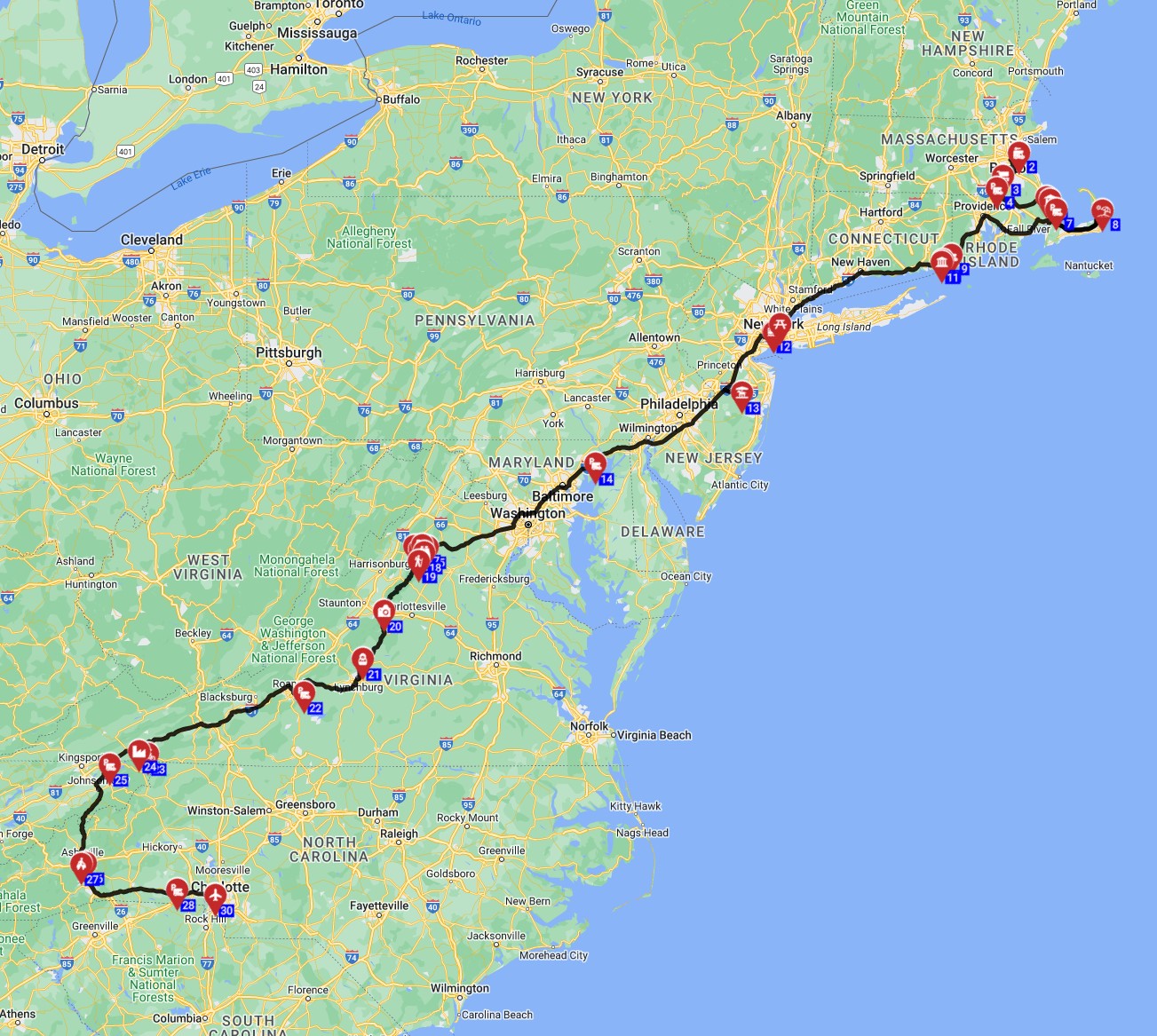
- Journey through New England History: Extend your long-term rental into a truly epic adventure. Imagine yourself on a route like the "Billings to Boston - Mountains, Falls & Freedom Trail: A Family RV Adventure Across 9 States," a 27-day, 5928.49 km journey encompassing 10 natural features, 3 historical sites, and 4 tourist attractions across the country.
Looking for expert insights from Avi Bandana? Top 5 Adventures - recommendations from Avi Bandana.
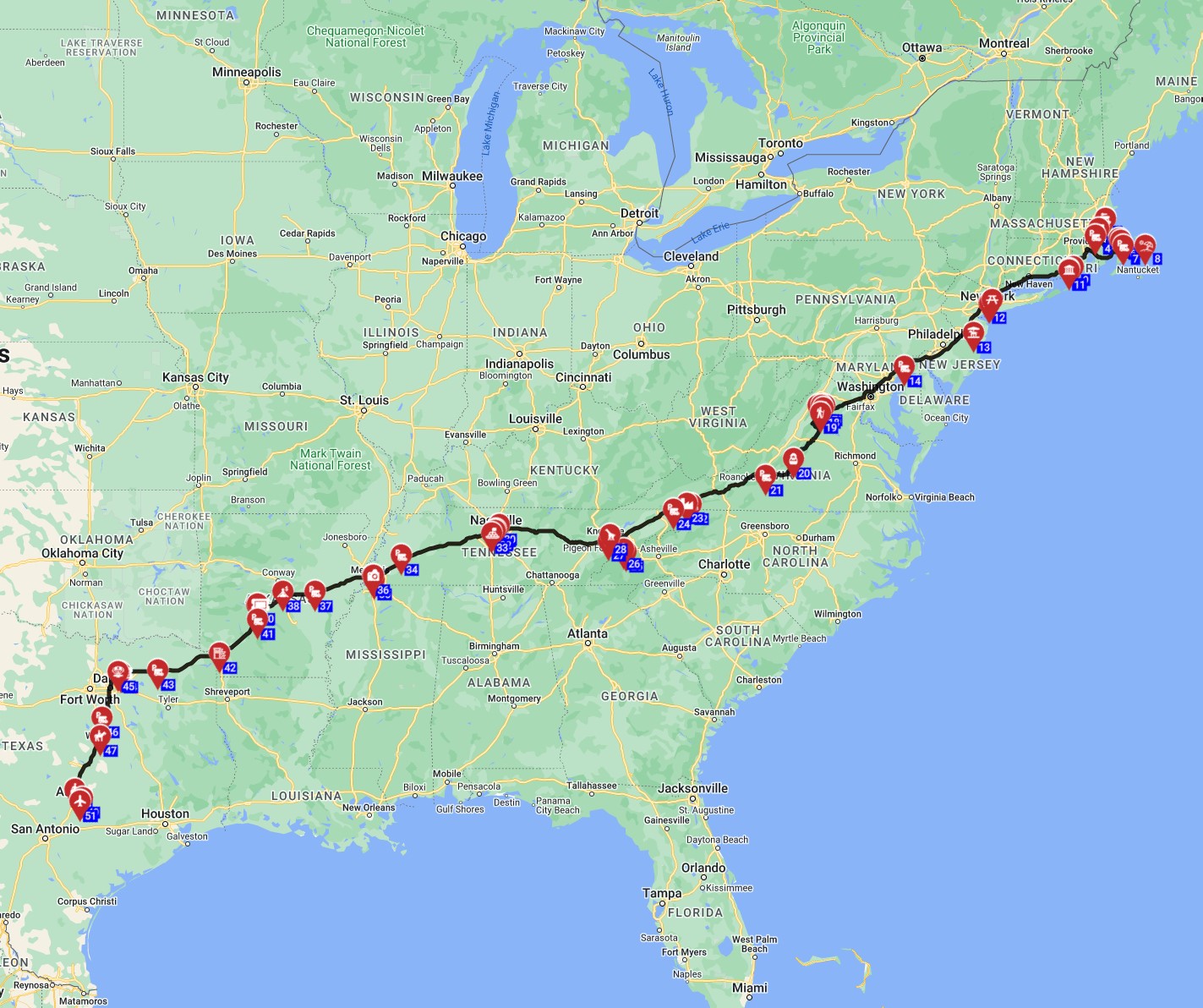
Consider a route that lets you experience both urban charm and natural wonders, such as the "

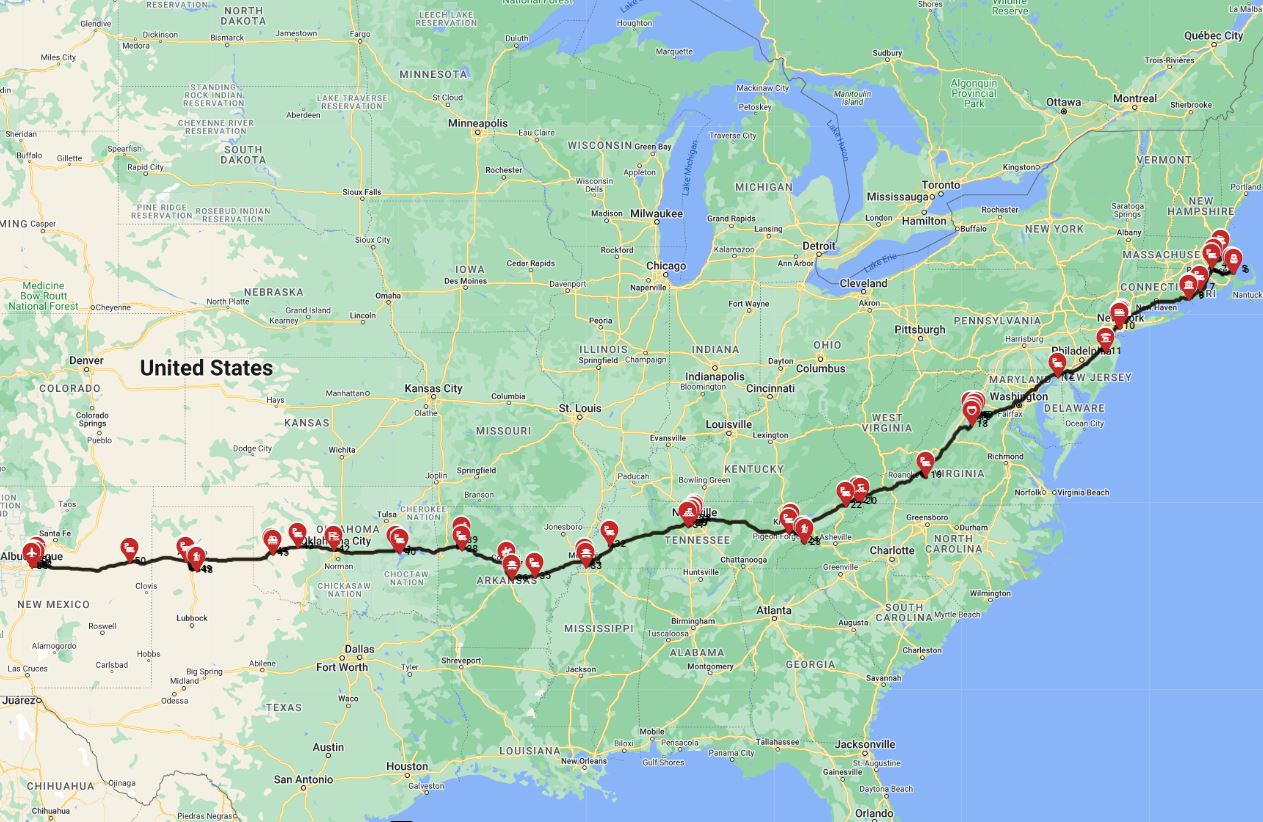
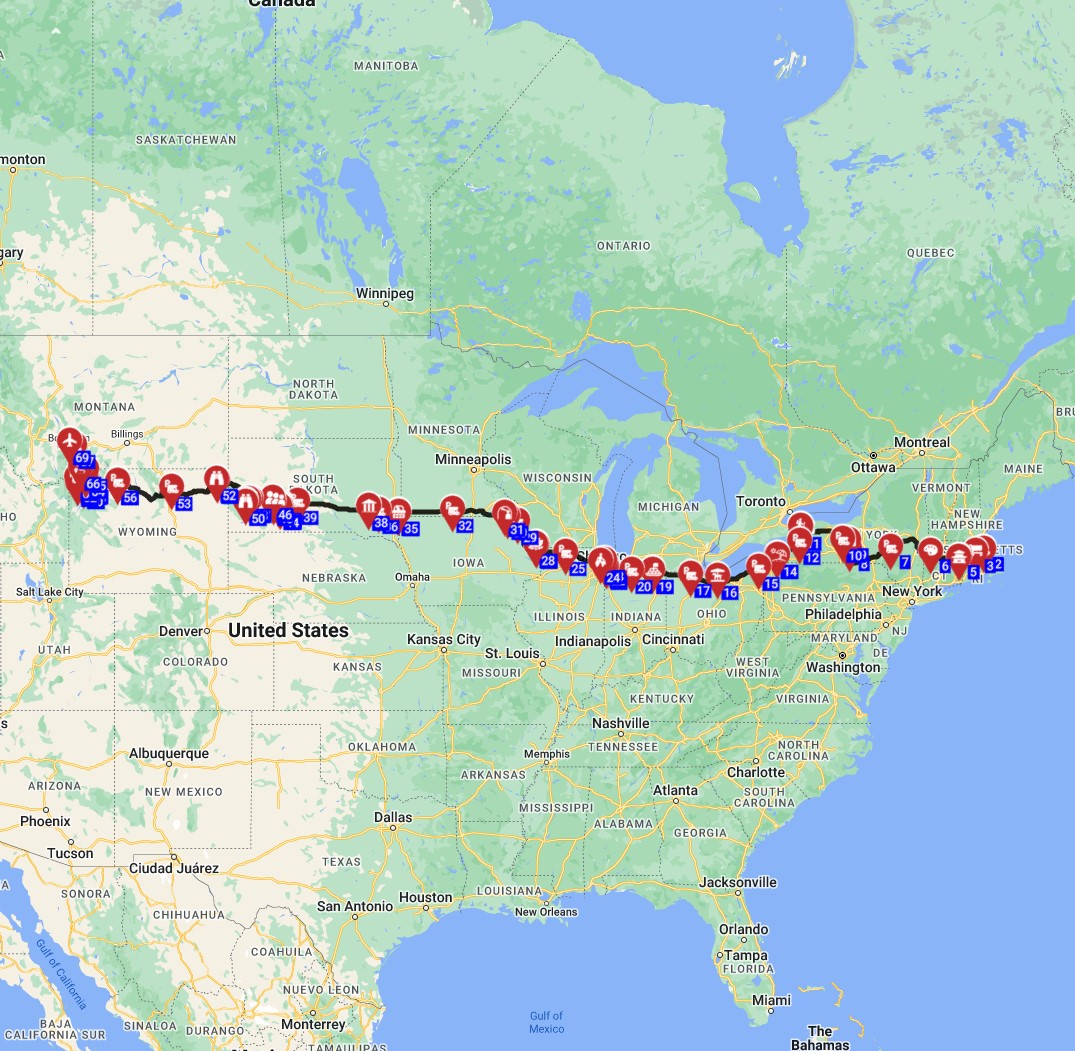
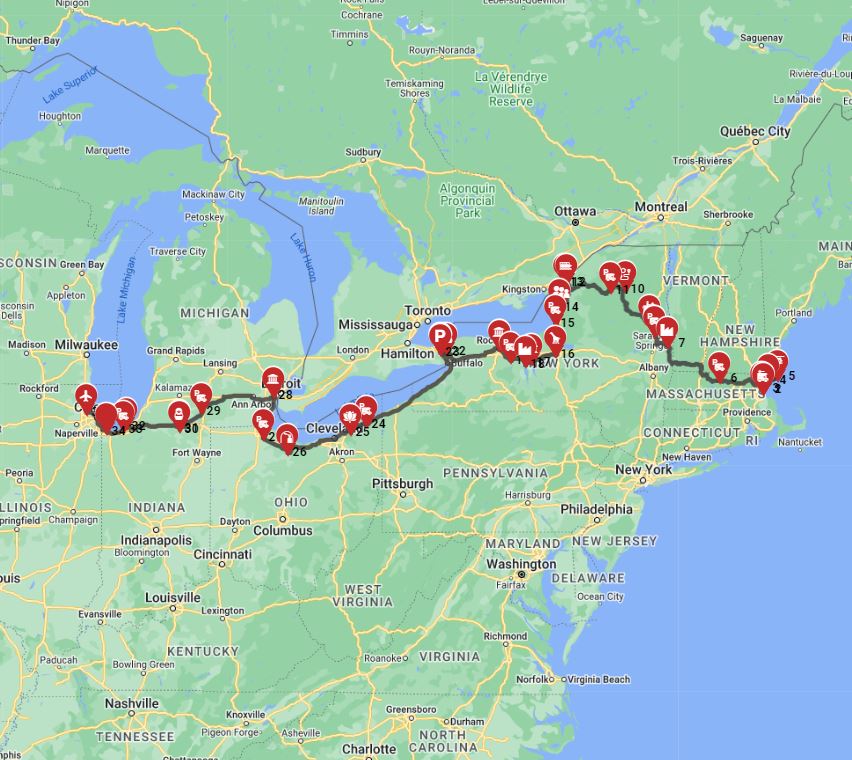
For an epic cross-country trip with your rented campervan, the "Salt Lake City to Boston - Mountains, Monuments, and Memories" route provides a fantastic framework. This 29-day, 5567.5 km adventure features 5 museums, 4 natural features, and 4 traditional restaurants, showcasing diverse landscapes and cultural experiences. This is a journey ideal for a long-term rv rental, allowing you to immerse yourself fully.
Final Thoughts
A long-term RV rental in Boston offers an unparalleled opportunity to immerse yourself in New England's rich tapestry of history, culture, and natural beauty. By understanding the unique driving conditions, planning your routes carefully, and embracing strategies like park-and-ride for city exploration, you'll find that navigating Boston in a rented motorhome is an incredibly rewarding experience. Remember, the journey is just as important as the destination, so take your time, savor every moment, and connect with the vibrant spirit of this remarkable region.
Whether you dream of exploring historic battlefields, relaxing on coastal beaches, or hiking scenic trails, Bandana RV is here to support you. We handle the details, so you can live the journey, comparing final prices across suppliers to ensure what you see is what you pay. Discover top destinations, planning tips, all in one place!
Plan a trip itinerary in advance with minimal effort and maximum enjoyment. Start your Boston RV adventure today!
Find Motorhome Rentals in Boston