In This Guide
- Where to Camp in Chile - Top Options
- Campground Types in Chile (National, Private, Wild)
- Featured RV Park or Campground in Chile
- Hookups and Amenities - What to Expect
- Booking Windows and Reservations in Chile
- Nearby Supermarkets and Resupply Points
- Best RV Class for Camping in Chile
- How to Save on Campgrounds in Chile
- Top Cities for RV Rental in Chile
- Practical Information for RVers in Chile
- What are the best RV routes in Chile beyond Patagonia and Carretera Austral?
- Can I bring my own RV into Chile, and what are the customs requirements?
- What kind of RV and preparations do I need for different Chilean terrains?
- How can RV travelers experience Chilean culture and what local etiquette should I know?
- What are the logistics for long-term RVing and digital nomads in Chile?
- Is RV travel in Chile safe, and how should I prepare for emergencies?
- How can I practice sustainable and responsible RV travel in Chile?
- What You Shouldn't Miss
- Why Book with Bandana Caravan
- Final Thoughts
- Frequently Asked Questions
Embarking on a long-term RV camping adventure in Chile offers an unparalleled opportunity to explore one of the world's most geographically diverse countries at your own pace. Imagine waking up to the vastness of the Atacama Desert, savoring a freshly brewed coffee while overlooking a pristine Patagonian fjord, or enjoying the tranquility of a lakeside retreat in the Central Valley, all from the comfort of your rented motorhome. Chile's expansive landscape, stretching 4,300 km from north to south, makes it an ideal destination for extended road trips, allowing you to truly immerse yourself in its vibrant culture and breathtaking scenery. For live availability and current prices, start with our RV Rental Chile - Complete Guide 2026 guide.
Long-term RV rentals, often spanning a month or more, provide the flexibility and freedom to delve deeper into each region, avoiding the rush of shorter trips. With a rented RV, you become the master of your itinerary, able to linger in places that capture your heart and spontaneously discover hidden gems off the beaten path. Whether you're a seasoned RVer or a first-timer, Chile offers a welcoming environment for mobile exploration. We are your true RV specialists, not just a side department of a general travel agency, ensuring you receive expert advice and support every step of the way.
Where to Camp in Chile - Top Options
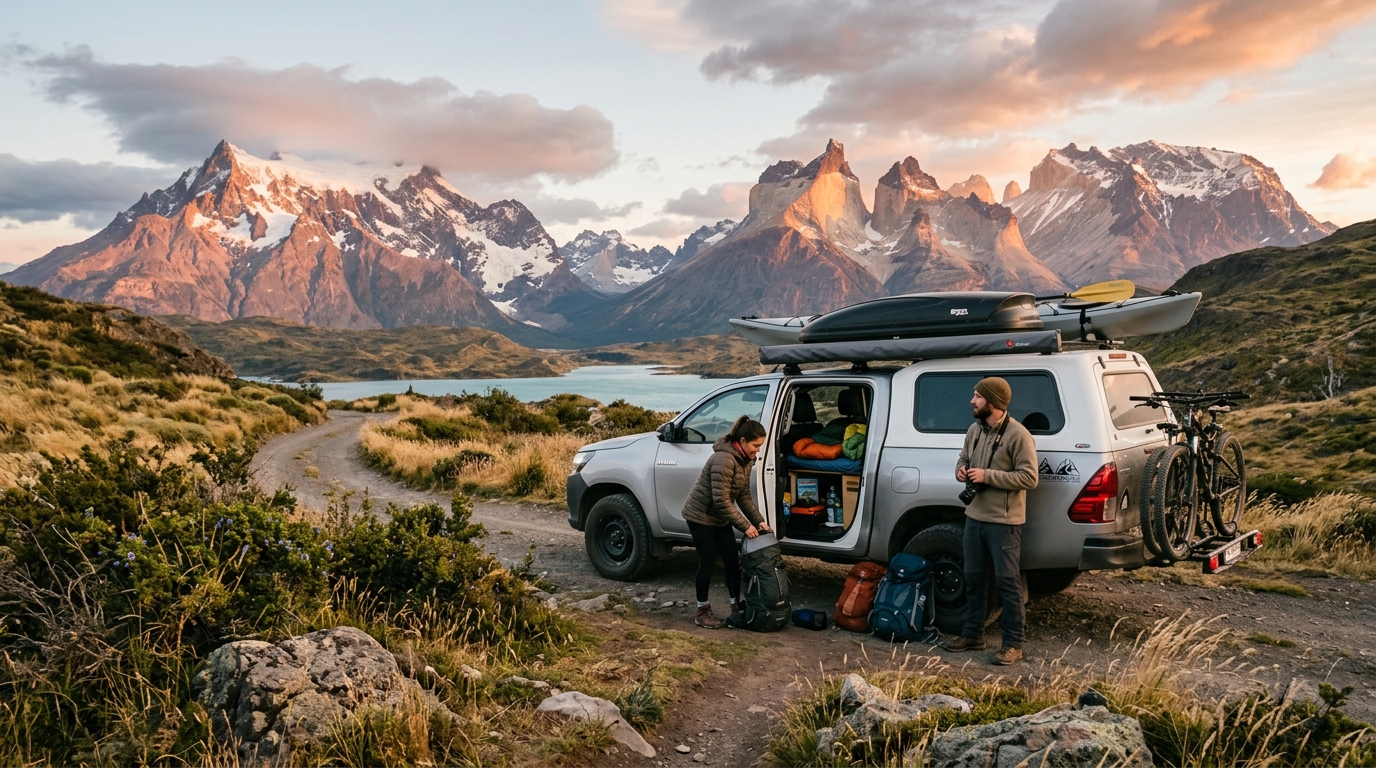
Chile offers diverse camping experiences from the arid Atacama Desert to the glacial Patagonia, providing ample opportunities for long-term RV stays. Northern Chile provides unique desert camping near San Pedro de Atacama for stargazing in the Elqui Valley, with options like Camping La Quebrada offering basic facilities for around $20-30 USD/night.
The Central Valley boasts access to renowned wine regions, often with farm-stay or vineyard camping options, where you can often find monthly sites for around $300-600 USD. The Lakes District, especially around Pucón and Puerto Varas, offers beautiful lakeside and volcano-view campsites such as Camping Playa Grande in Pucón, averaging $25-40 USD/night with stunning views of Villarrica Volcano. Patagonia, including iconic destinations like Torres del Paine and Cerro Castillo, features stunning, often rustic, campgrounds like Camping Pehoé, which might cost $35-50 USD/night and is usually open from October to April. Remember to travel slowly, aiming for a maximum of 100-150 km per day on average, to fully appreciate each locale, connect with the local culture, food, and scenery.
Campground Types in Chile (National, Private, Wild)
Chile offers three primary types of RV camping: National Park (CONAF) sites, private campgrounds, and wild camping, each with distinct characteristics for long-term stays. National Park campgrounds, managed by CONAF, are typically basic, emphasizing natural beauty over extensive amenities, and popular sites like those in Torres del Paine often require reservations, especially during the high season from December to February. These can cost around $15-30 USD per person per night.
Private campgrounds often provide more amenities like hot showers, electrical hookups, and sometimes Wi-Fi, varying widely in quality and price, with some offering weekly or monthly discounts for long-term renters. For instance, a private RV park near Puerto Varas might offer a monthly rate of $500 USD with full hookups. Wild camping, or freedom camping, is generally tolerated in remote, unpopulated areas but exists in a legal grey zone, requiring strict adherence to 'Leave No Trace' principles and respect for private land. Always seek permission before setting up camp on private property and check for local regulations or fire bans. Our comprehensive RV Rental Chile - Complete Guide 2026 offers more insights into local camping nuances.
Featured RV Park or Campground in Chile
When seeking a long-term RV park in Chile, establishments that prioritize security, robust amenities, and offer extended stay discounts are most desirable. Ideal features for a monthly rental site include comprehensive electrical (220V), water, and sewage hookups, reliable Wi-Fi for digital nomads, and clean shower and laundry facilities.
Proximity to essential services like supermarkets and fuel stations, as well as easy access to local attractions, greatly enhances a long-term stay. Many private campgrounds, particularly in the Lakes District or Central Valley, cater to extended visits, often featuring communal areas, BBQ facilities, and local insights from owners. For example, Camping Los Arrayanes near Villarrica offers full hookups, Wi-Fi, and a communal kitchen, with monthly rates potentially starting at $400 USD off-peak. Researching reviews for consistent service quality and discussing long-term rates directly with owners is crucial for finding the best fit and ensuring full transparency in pricing, avoiding any hidden fees or surprises.
Hookups and Amenities - What to Expect
In Chile, RVers can generally expect varying levels of hookups and amenities depending on the campground type, with private parks offering the most comprehensive services. Electrical hookups typically provide 220V power, requiring European Type C or L two-pin adapters for most foreign RVs, and are available at roughly 60-70% of private campgrounds. Potable water is usually accessible at most organized campgrounds for tank refills, though carrying a water filter is wise for added safety, especially when sourcing from less regulated points.
Dump stations for grey and black water are standard at private RV parks and some larger municipal sites, but are rarely found in national park campgrounds, where you might need to use facilities in nearby towns or plan for dump points every 3-5 days. Wi-Fi availability is inconsistent; while some private parks offer it, speed and reliability can vary significantly, making a local SIM card (Entel, Movistar, Claro) with a data plan for 20-50 GB, costing around $20-40 USD, essential for consistent connectivity. Laundry facilities, hot showers, and sometimes communal kitchens are commonly found at private campgrounds, often for an additional fee of $3-7 USD per load or shower token. For cooking on board your motorhome, remember to stock up on local ingredients and check out our RV-friendly recipes playlist. On the routes offered through RV PLANET routes, you can itemize and track every expense along the way for easy budgeting.
Booking Windows and Reservations in Chile
For long-term RV camping in Chile, planning travelers should book campgrounds well in advance during peak season (December to February), while spontaneous travelers will find more flexibility during shoulder seasons. Many national park campgrounds operated by CONAF typically release only 25-30% of their spots for online reservations, with the remainder allocated on a first-come, first-served basis, often filling by mid-morning in popular areas like Torres del Paine.
While popular sites fill quickly during high season, particularly in Patagonia, you will almost certainly find a place if you remain flexible - if not at the first campground, then often the next one. For spontaneous long-term trips, it is highly recommended to call ahead to your desired campground before driving there, especially to inquire about availability and potential weekly or monthly rates, which can save 10-25% over daily rates. Outside of peak season (March-November), last-minute bookings or same-day arrivals are frequently possible, but confirming directly can save time and ensure a spot for an extended stay. We understand that some travelers prefer to book their vehicles well in advance, seeking out the best deals like those found in RV Rental Deals in Chile - Latest Offers 2026, while others thrive on the spontaneity of a Last-Minute RV Rental in Chile - What to Expect 2026. Whichever style you prefer, Bandana is here to support your adventure.
Nearby Supermarkets and Resupply Points
For long-term RV rentals in Chile, stocking up on supplies is easily accomplished in larger towns and cities which host several major supermarket chains. Look for prominent chains such as Jumbo, Lider (affiliated with Walmart), Unimarc, and Santa Isabel for comprehensive grocery selections, with most open from 9 AM to 9 PM daily.
Smaller towns and rural areas will feature local 'almacenes' (corner stores) and 'ferias' (fresh produce markets) offering fresh, regional ingredients and unique culinary experiences, often at more economical prices. Planning your route to include stops in larger urban centers every 1-2 weeks ensures consistent access to full resupply options before venturing into more remote regions like the Atacama Desert or Carretera Austral. Consider visiting local markets not only for provisions but also for an authentic cultural experience and to support local economies. For budgeting and tracking all ancillary trip costs like groceries, fuel, and campground fees, remember that RV PLANET routes allow you to itemize and track every expense along the way for easy budgeting on RV PLANET routes.
Best RV Class for Camping in Chile
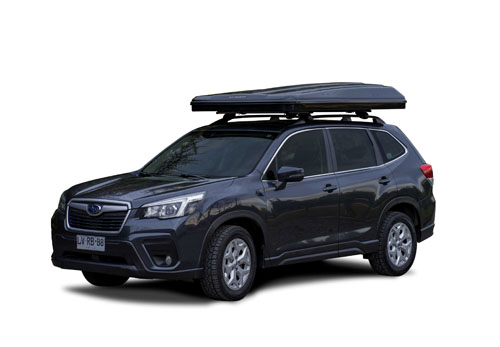
The best RV class for camping in Chile depends on your itinerary, balancing comfort for long-term stays with maneuverability for varied terrains, with Class B Camper Vans and Class C motorhomes being popular choices. A Class B - Camper Van (Bandana's global fleet average: 5.8m length, sleeps 3.2, 8-10 Liters/100 Km fuel consumption), such as a "2 Berth Hi Top", offers agility for winding roads and city navigation, ideal for those prioritizing flexibility and boondocking.
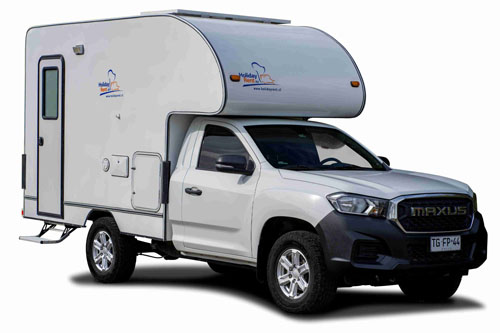
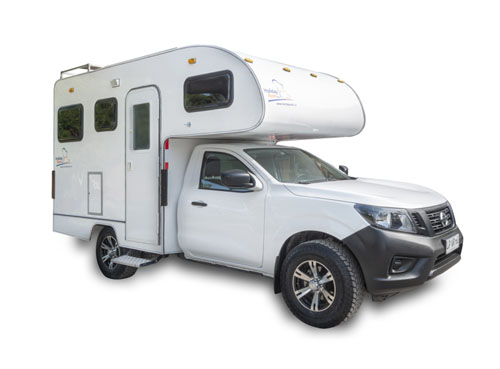
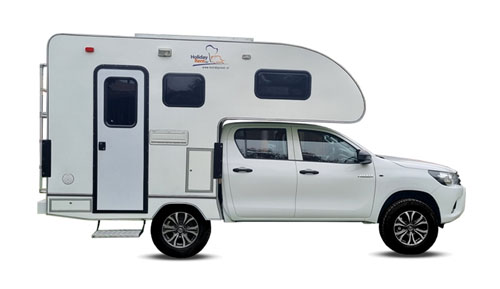
For accessing truly remote or rugged areas, especially if tackling challenging routes like sections of the Carretera Austral, a Class TC - Truck Camper (Bandana's global fleet average: 5.5m length, sleeps 2.4, 12-17 Liters/100 km fuel consumption) like a "Patagonia Camper 4x4 double cab" or "4x4 Scout Adventure Truck Camper Gold" is an excellent option for its 4x4 capabilities. A Class SI - Semi-integrated (Bandana's global fleet average: 6.9m length, sleeps 3.8, 10-11 Liters/100 km fuel consumption), like a "2 Berth Rover" or "Active Standard Select", provides a comfortable balance of living space and maneuverability, suitable for longer trips across varied Chilean landscapes. Even larger Class C models like a "24' Class C Motorhome" or "29′ Class C Motorhome" can be driven slowly and carefully in almost any city without issues, using common sense and paying attention.
How to Save on Campgrounds in Chile
To save on campgrounds during a long-term RV rental in Chile, leveraging discount cards and strategic booking practices is key. Utilize campground discount cards, which may be offered by rental providers or local camping associations, to secure preferential rates at participating locations, potentially saving 10-20% per night.
Travel during the shoulder seasons (spring: September-November, or fall: March-May) when campground rates are generally lower by 15-30% and crowds are thinner, offering a more peaceful experience. Prioritize municipal or regional campgrounds over private resorts, as they often provide more basic facilities at significantly lower prices, sometimes as low as $10-15 USD per night. For extended stays, always inquire about weekly or monthly rates; many campgrounds offer substantial discounts, often 25-50% off the daily rate for bookings of three nights or more. Consider responsible wild camping in permitted, remote areas to eliminate campground fees entirely, ensuring you adhere to 'Leave No Trace' principles and respect local signage. This also helps reduce overall trip costs, which you can track with our RV PLANET planning tools. For detailed budget planning, refer to our Cheap RV Rental in Chile - Budget Guide 2026 and RV Rental in Chile - Prices and Best Deals 2026.
Top Cities for RV Rental in Chile
Chile offers several excellent starting points for your long-term RV adventure, with key cities providing convenient pick-up locations and access to diverse regions. These cities are equipped with major rental depots and services to get your journey started smoothly.
- Santiago: As the capital and largest city, Santiago is the primary hub for RV rentals in Chile. It offers the widest selection of motorhomes and campervans, and provides easy access to the Central Valley's wine regions, the coast, and serves as a gateway to both the northern deserts and southern Patagonia. Travelers can pick up their vehicle at Santiago or Santiago - Airport, with ample services available.
- Arica: Located in Chile's far north, Arica is perfect for exploring the Atacama Desert, the Chungará Lake, and Lauca National Park. It's an excellent starting point for a northern Chilean long-term adventure, away from the more common southern routes.
- Calama - Airport: Serving the popular desert town of San Pedro de Atacama, Calama Airport is ideal if your focus is on the otherworldly landscapes of the Atacama Desert, including geysers, salt flats, and ancient ruins.
- Puerto Montt: The gateway to the stunning Lakes District and the northern reaches of Patagonia, Puerto Montt offers access to pristine lakes, volcanoes, and the iconic Carretera Austral. It's a fantastic base for extended exploration of Chile's natural beauty.
- Punta Arenas: For those whose long-term journey centers on the dramatic landscapes of Chilean Patagonia, including Torres del Paine National Park, Punta Arenas is the southernmost major RV rental pick-up point. It provides direct access to some of the most spectacular and rugged terrain.
Practical Information for RVers in Chile
Navigating Chile by a rented motorhome for an extended period requires understanding local regulations and practicalities. The official road rules in Chile stipulate driving on the right side of the road, similar to North America, and seatbelts are mandatory for all passengers. Speed limits are generally 50 km/h in urban areas, 100 km/h on rural roads, and 120 km/h on highways, though conditions can vary greatly, especially on gravel sections of the Carretera Austral. Always drive slowly and carefully, paying attention to road conditions, and you can drive almost anywhere without issues.
Toll roads, known as "peajes," are common on major highways, particularly around Santiago and in the Central Valley, and can usually be paid with cash or an electronic TAG system; foreign vehicles often use cash lanes. National park permits are required for entry and can be purchased at park entrances or online via the CONAF website. International driving permits (IDP) are recommended for visitors from non-English speaking countries, although a valid foreign driver's license is generally accepted for up to 90 days. Fuel types include gasoline (bencina 93, 95, 97 octanes) and diesel (petróleo), which is widely available, even in remote areas, with prices varying regionally. Emergency numbers are 131 for Ambulance, 132 for Fire, and 133 for Police.
For connectivity, purchasing a local prepaid SIM card from providers like Entel, Movistar, or Claro upon arrival is highly recommended, costing around $10-20 USD for the SIM and then adding data packages. Cell service can be intermittent in very remote areas, especially in Patagonia and some parts of the Atacama. Currency is the Chilean Peso (CLP), and credit/debit cards are widely accepted in urban areas, but cash is essential for smaller towns and rural vendors. Ensure you have some CLP on hand, especially for those remote resupply stops and local markets.
What are the best RV routes in Chile beyond Patagonia and Carretera Austral?
Beyond the well-trodden paths of Patagonia and the Carretera Austral, Chile offers a wealth of diverse RV routes, including the Atacama Desert, Elqui Valley, and Central Valley wine regions. Northern Chile's Atacama Desert provides otherworldly landscapes, access to geysers, salt flats, and ancient ruins around San Pedro de Atacama, a primary base for exploring sites like the El Tatio geysers and Valle de la Luna. The drive from Arica or Calama offers spectacular desert vistas.
The Elqui Valley, located near La Serena, is renowned for its clear skies, ideal for stargazing at astronomical observatories like Mamalluca, and is home to pisco distilleries offering tours and tasting experiences. Chile's Central Valley invites RVers to explore its world-class wine regions, such as Colchagua and Maipo, with opportunities for vineyard tours and wine tastings, many offering overnight RV parking. The Lakes District, specifically the areas outside of typical Patagonian routes like around Osorno, Puerto Varas, and the Vicente Pérez Rosales National Park, offers stunning volcanoes, pristine lakes, and adventure sports like rafting and hiking. Renting a motorhome allows you to comfortably explore these varied Long-Term RV Camping in Chile - Monthly Sites 2026 destinations. Consider a long-term RV rental in Chile to truly uncover these hidden gems, and remember to keep an eye on options like Cheap RV Rental in Chile - Budget Guide 2026 for extended savings.
Can I bring my own RV into Chile, and what are the customs requirements?
Yes, travelers can bring their own RV into Chile, but it requires obtaining a Temporary Import Permit (TIP) and adhering to specific customs regulations and vehicle requirements. A TIP is typically issued at the border upon entry, granting temporary admission for your vehicle, usually for 90 days, which can be extended through local authorities at customs offices.
Essential documentation includes your passport, original vehicle registration (title), proof of ownership, an International Driving Permit (IDP - recommended for non-Spanish speakers), and a valid driver's license from your home country. Mandatory international insurance, known as SOAPEX, must be purchased specifically for Chile, as standard foreign policies are often not recognized; this can be obtained at border crossings or in larger border towns. Travelers should also consider potential vehicle modifications for Chilean road conditions, such as robust tires and higher clearance, and research specific border crossing requirements and hours in advance to ensure a smooth entry. It’s a process for those serious about overland travel, but perfectly manageable.
What kind of RV and preparations do I need for different Chilean terrains?
Navigating Chile's diverse terrains requires specific RV considerations and preparations, from mountainous passes to desert tracks and coastal roads. For rugged routes, particularly in Patagonia or some Atacama Desert areas, a 4x4 capable RV or a truck camper with four-wheel drive is highly recommended for improved traction and clearance on unpaved gravel roads, which can be challenging.
All-terrain tires with robust tread are crucial for handling unpaved sections, gravel roads (like parts of the Carretera Austral), and potential mud, and carrying a full-size spare tire and a tire repair kit is essential, as repair services can be scarce in remote areas. Equipping your RV with recovery gear such as a shovel, tow strap, and an air compressor can be invaluable for unexpected situations in remote locations. Preparing for diverse climates means having adequate insulation and heating for cold Patagonian nights, and effective ventilation or air conditioning for the desert heat, ensuring comfort throughout your long-term rental. A good example is a "4x4 Camper B - TYR" which is winter-ready and suited for varied terrains.
How can RV travelers experience Chilean culture and what local etiquette should I know?
RV travelers can deeply experience Chilean culture by engaging with local communities, participating in regional events, and understanding local etiquette. Learning basic Spanish phrases, such as greetings ("Hola," "Buenos días"), polite requests ("Por favor," "Gracias"), and asking for directions ("¿Dónde está...?"), significantly enhances interactions with locals and facilitates authentic cultural exchange.
Visiting local 'ferias' (markets) for fresh produce and artisan crafts is an excellent way to support local economies and immerse yourself in daily Chilean life, offering a glimpse into regional specialties and traditions. Researching regional festivals and celebrations, which vary by season and location (e.g., harvest festivals in the Central Valley, religious fiestas in the north), offers unique insights into Chilean traditions, music, and cuisine. Respecting local customs, such as asking permission before camping on private land and understanding dining etiquette (e.g., waiting to be seated, keeping hands visible on the table, not splitting bills excessively), fosters positive interactions. Tipping approximately 10% in restaurants is customary, and while not expected for casual services, it's always appreciated for good service.
What are the logistics for long-term RVing and digital nomads in Chile?
Long-term RVing and digital nomad life in Chile require careful planning for internet, waste, water, laundry, and visa management. For consistent internet connectivity, acquiring a local SIM card from major providers like Entel, Movistar, or Claro is essential, offering 4G LTE coverage in most populated areas, supplemented by portable Wi-Fi devices or, in very remote areas, considering satellite internet solutions.
Responsible waste management involves utilizing designated dump stations for grey and black water, available at most private campgrounds and some larger gas stations, packing out all trash, and seeking recycling facilities in towns, which are becoming more common. Securing potable water sources means refilling at campgrounds, gas stations, or using a robust water filter for more remote sourcing, with carrying sufficient reserves always advisable, especially in the arid north. Laundry facilities are available in most larger towns and some private campgrounds, requiring advance planning for remote stays or considering portable washing solutions. Digital nomads must be aware of visa implications; standard tourist visas typically allow 90-day stays, so research visa extension processes or specific digital nomad visas if planning to remain longer than three months in Chile, ensuring your stay aligns with legal requirements. Our comprehensive platform is designed to make comparing motorhome options for your long term rv rental in Chile as easy as possible.
Is RV travel in Chile safe, and how should I prepare for emergencies?
RV travel in Chile is generally safe, but comprehensive preparation for specific road hazards and potential emergencies is crucial, especially in remote areas. Be aware of diverse road conditions, including unpaved sections of gravel, narrow mountain passes, and winding coastal roads, which can be challenging, particularly after adverse weather conditions like heavy rains or snowfall in the south. Drive slowly and carefully, and you can drive almost anywhere without issues.
Carry essential emergency equipment, including a well-stocked first-aid kit, a full-size spare tire, a tire repair kit, basic tools, a tow strap, and ample water and food supplies (at least 3-5 days' worth for remote areas). Familiarize yourself with Chilean emergency numbers (Ambulance: 131, Fire: 132, Police: 133) and understand that English speakers may not always be available, especially in rural regions. To mitigate vehicle breakdown risks, ensure your rented RV is thoroughly inspected before departure and consider international roadside assistance coverage. Practice standard security precautions: keep your vehicle locked, avoid leaving valuables in plain sight, and research safe parking options in urban centers or overnight stops. Bandana ensures you're supported through pre-booking, booking, and post-booking coordination, providing peace of mind from day one.
How can I practice sustainable and responsible RV travel in Chile?
Practicing sustainable and responsible RV travel in Chile is paramount to preserving its natural beauty and supporting local communities. Strictly adhere to 'Leave No Trace' principles by packing out all trash, disposing of grey and black water properly at designated dump stations, and minimizing environmental impact by sticking to established roads and campsites.
Conserve water diligently, especially in arid regions like the Atacama Desert, and utilize eco-friendly cleaning products to protect water sources. Support local economies by purchasing food from local markets, dining at small, family-owned eateries, and engaging with artisan shops and local tour operators rather than large chains. Maintain a respectful distance from wildlife, avoid feeding animals, and observe all regulations regarding national parks and protected areas, such as adhering to designated hiking trails. Be acutely aware of fire safety, especially during dry seasons; adhere to all fire bans, use designated fire pits, and ensure campfires are completely extinguished. By embracing these practices, your long-term RV camping experience in Chile can be both enriching for you and beneficial for the environment and local people.
What You Shouldn't Miss
- Explore the Elqui Valley's Dark Skies: Drive your campervan to the Elqui Valley near La Serena for an unforgettable stargazing experience. Visit an astronomical observatory or simply find a remote spot to witness the incredible clarity of the southern hemisphere night sky.
- Wine Tasting in Colchagua Valley: Indulge in a long-term stay in Chile's Central Valley, exploring the renowned Colchagua Valley. Many vineyards offer RV-friendly parking and tours where you can sample world-class Carménère and other varietals.
- Hiking in Torres del Paine: Spend at least a week (or more!) in Torres del Paine National Park, Patagonia, hiking iconic trails like the "W" or "O" circuit, even if you just do day hikes. The scale and beauty of the granite peaks and glaciers are truly mesmerizing.
- Discovering the Lakes District Volcanoes: Base your motorhome near Pucón or Puerto Varas and explore the stunning volcanoes like Villarrica and Osorno, pristine lakes, and hot springs. Enjoy water sports, hiking, and the charm of German-influenced towns.
- Immerse in Chiloé Island's Culture: Take a ferry to Chiloé Island and experience its unique culture, characterized by vibrant palafito houses, UNESCO World Heritage wooden churches, and delicious seafood. Local campgrounds are welcoming for extended stays.
- Looking for expert insights from Avi Bandana? Top 5 Adventures - recommendations from Avi Bandana
Final Thoughts
A long-term RV rental in Chile isn't just a vacation; it's an immersive journey into a country of unparalleled natural beauty and rich cultural tapestry. From the stark, star-filled skies of the Atacama to the wild, glacial fjords of Patagonia, having a rented motorhome as your base allows for a profound connection with the landscape and its people. Embrace the slow travel philosophy, take your time, and let the magic of Chile unfold before you.
Whether you're planning a two-week adventure or an extended road trip for several months, we are here to support you every step of the way. We compare final prices across 50+ suppliers so you don't have to, ensuring you find the easiest, safest, and most affordable way to rent an RV. Don't just visit Chile; live it, one incredible mile at a time!
🎬 Video coming soon
Ready to plan your unforgettable journey? Compare Motorhome Prices for Chile and start building your adventure today.