In This Guide
- What last minute rv rental RV Rental Costs in Tokyo (2024)
- Seasonal Pricing - Peak vs. Shoulder vs. Off-Season in Tokyo
- What's Included vs. What's an Add-On
- Hidden Costs to Budget For in Tokyo
- How to Save on last minute rv rental RV Rental in Tokyo
- Are there specific challenges for driving an RV in Tokyo's urban areas?
- What are the best RV-friendly day trips from Tokyo?
- How does RV travel around Tokyo compare to other travel modes in terms of cost?
- Are there specific RV parking options near Tokyo's city center?
- What campgrounds or dedicated RV parks are available within a reasonable commute of Tokyo?
- Are there vehicle size restrictions or zones for RVs in Tokyo?
- What are the cultural etiquette and local nuances for RVers in Tokyo?
- What guidance is available for language barriers specific to RV needs around Tokyo?
Imagine yourself embarking on an unforgettable journey through Japan, with the freedom of a rented motorhome as your mobile base. While Tokyo, with its bustling metropolis, might seem an unconventional starting point for an RV adventure, finding a last-minute RV rental in Tokyo is entirely possible and can open up a world of exploration to surrounding natural wonders and cultural gems. Our dedicated team at Bandana Caravan has been helping tens of thousands of travelers explore the world by RV since 2001, providing direct partnerships with over 50 leading RV suppliers worldwide, including trusted names like El Monte, Cruise America, Apollo, and Britz. We offer full price transparency with bookings available in over 30 currencies, ensuring no hidden fees or surprises.
For live availability and current prices, start with our RV Rental Tokyo - Complete Guide 2026 guide.
What last minute rv rental RV Rental Costs in Tokyo (2024)
RV rental costs in Tokyo for 2024 are dynamic, fluctuating daily based on factors like vehicle availability, seasonality, and supplier marketing decisions, similar to flight tickets. For instance, a compact campervan like the "rv rental denver example Category Van" for a week-long trip could range from $100-$180 USD per day during the shoulder season. A larger Class C motorhome like the "cruise america rv rental example Explorer," which offers a double bed and a bed over the cab, is popular for families and might cost $180-$300 USD per day. April is typically the cheapest month for RV rental in Tokyo, offering more budget-friendly rates. To obtain the most accurate and current pricing, always check live prices directly through our search box for your specific travel dates.
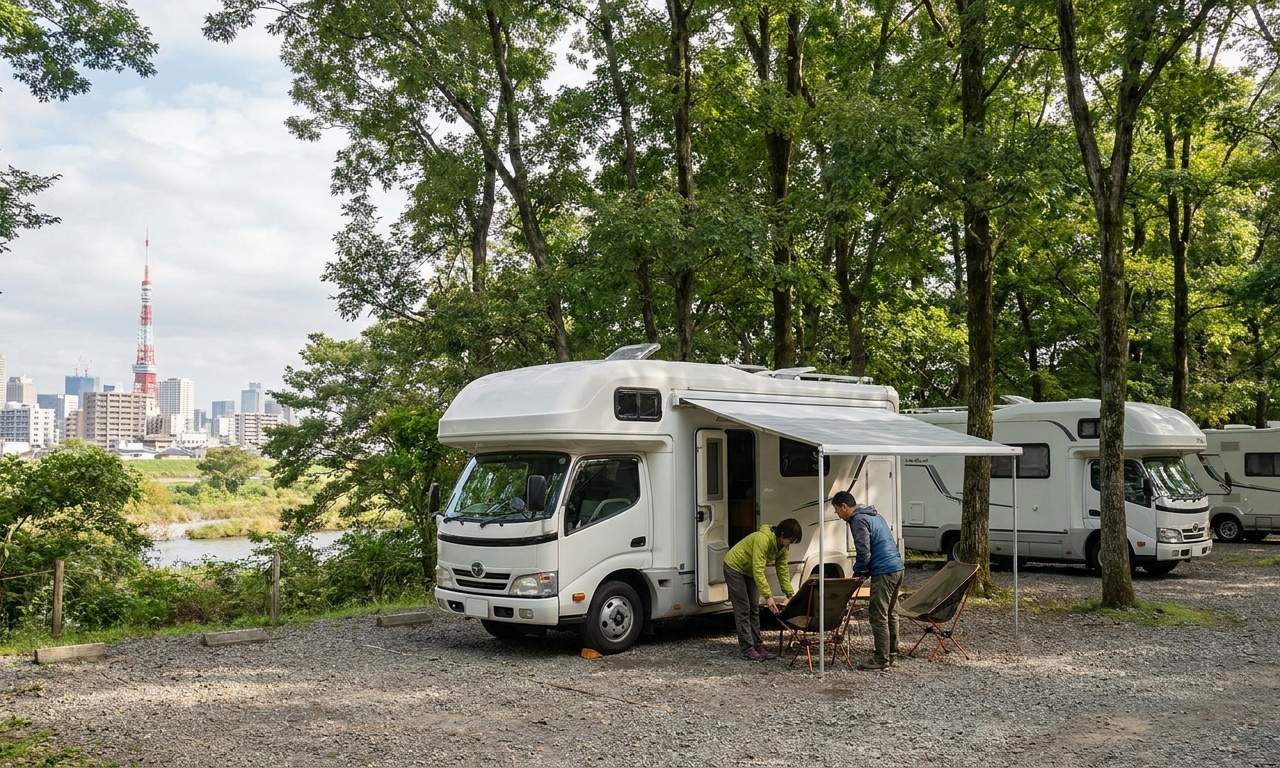
For couples seeking a more intimate experience, a smaller Class B campervan, such as the "Patagonia Camper 4x4 double cab" with its compact size and 4 Wheel Drive capability, might average $120-$200 USD per day. Families with kids requiring more space could look at a Class C motorhome like the "rv rentals example Comfort Class," which provides three double beds and is ideal for a big family or group of friends, with prices potentially reaching $250-$400 USD daily during peak demand. The final price for your last minute rv rental in Tokyo will be confirmed at the actual booking time, reflecting real-time market conditions. Remember, you can compare final prices across suppliers directly on our platform- what you see is what you pay, with no surprise fees at pickup.
Seasonal Pricing - Peak vs. Shoulder vs. Off-Season in Tokyo
RV rental prices in Tokyo fluctuate significantly with seasonal demand, offering opportunities for both spontaneous and pre-planned adventurers. Peak season, typically from July to August and during popular holidays like Golden Week (late April/early May) and Obon (mid-August), sees the highest demand and prices, which can change significantly day-to-day. For instance, a Class C motorhome during Golden Week might command a 30-50% premium over off-peak rates. We suggest checking our "RV Rental Japan - Complete Guide 2026" for broader seasonal insights.
April generally anchors the low-season, offering more budget-friendly rates for a last-minute RV rental in Tokyo. Shoulder seasons, spanning May-June and September-October, often provide an excellent balance of pleasant weather and moderate prices, making them ideal for exploring without the peak crowds and costs. During these periods, you might find deals on various models, from compact campervans suitable for couples to larger motorhomes for families. Being flexible with your travel dates can be a key strategy for securing the cheapest last minute rv rental options, as prices are dynamic like airline tickets.
What's Included vs. What's an Add-On
Basic insurance is always included with RV rentals in Tokyo, providing a fundamental level of coverage for your adventure. However, inclusions and add-ons can vary significantly by specific RV model and rental station, affecting the total cost of your last minute rv rental in Tokyo. Common add-ons to consider include comprehensive insurance tiers (which you can upgrade to for a top-level deductible and extra peace of mind), additional mileage packages for longer routes, and generator usage if your chosen rental is equipped with one. Convenience kits, which typically bundle kitchen utensils, tableware, and bedding, are also frequently offered as add-ons. On the routes offered through RV PLANET routes, you can itemize and track every expense along the way for easy budgeting.
To ensure full transparency, Bandana Caravan's platform offers comparison toggles for items like kitchen utensils, tableware, and bedding. This allows renters to clearly see what comes standard with their chosen motorhome and what can be added for an extra fee. For example, a "hire campervan example Paradise S/T" might include a basic kitchen setup, while a larger "bunk bed, Class C - Alcove, Festival Friendly, Front Air condition, Ideal for a big family / group of friends, Pet Friendly, RV size - Large, Shower, Toilet, Up to 3 years on the road, Winter Ready" (representing a common family-sized model) could offer more extensive amenity options. To see prices that include the most comprehensive coverage, simply select that option during your search, and all relevant insurance options will be displayed.
Hidden Costs to Budget For in Tokyo
When planning your last minute rv rental in Tokyo, it's essential to budget for potential hidden costs beyond the daily rental rate. Japan's expressways, including the extensive Shuto Expressway system around Tokyo, have tolls that can add up quickly, with a drive from central Tokyo to Hakone potentially incurring several thousand yen in fees. Some RVs offer pre-purchase toll-road usage options, which can help streamline expenses and avoid unexpected charges. Fuel costs are another significant expense; for example, a Class C motorhome like the "MH-A" with a 208-liter fuel tank and 25 L/100Km fuel consumption will require substantial budgeting.
Campsite fees in Japan vary widely, typically ranging from ¥2,000 to ¥6,000 ($13-$40 USD) per night, depending on amenities and location. While Bandana Caravan doesn't directly offer campground discount cards, researching options like the Japan RV Association membership might provide savings. Dump-station fees for waste disposal should also be factored in, though many campgrounds include this in their nightly rate. Propane refills for cooking and heating can be another minor expense. For a detailed overview of all potential trip costs and the ability to itemize and track every expense along the way for easy budgeting, we recommend exploring the RV PLANET routes.
How to Save on last minute rv rental RV Rental in Tokyo
Saving on your last minute rv rental in Tokyo is achievable with strategic planning and flexibility. Booking during the shoulder season (May-June, September-October) can lead to significant savings, often 10-20% cheaper compared to the peak summer months of July and August. Renting a smaller RV class, such as a Class B campervan like the "2 Berth Hi Top" which is RV size - Small, not only lowers the rental fee but also reduces fuel consumption, a major ancillary cost in Japan.
Flexibility with your travel dates is a powerful tool for finding the cheapest last minute rv rental deals. Prices are dynamic and can change daily, so checking different start and end dates, even by a few days, can reveal better rates. Consider a slightly longer trip, as opting for extended rental durations often results in a better daily rate. Utilizing our comparison platform allows you to monitor flex-rate drops, which can uncover excellent last-minute deals, especially for rentals within the next few weeks. Also, consider booking directly with suppliers like El Monte, Cruise America, Apollo, or Britz through Bandana Caravan to leverage our strong partnerships and competitive pricing.
Are there specific challenges for driving an RV in Tokyo's urban areas?
Driving an RV in Tokyo's dense urban areas presents challenges primarily due to narrower roads, heavy traffic, and limited parking. Tokyo's intricate network of streets, particularly in older districts like Asakusa or Shinjuku, can be less suited for larger vehicles, making navigation tricky. However, it's important to remember: Drive slowly and carefully, and you can drive almost anywhere without issues. No need to stress - just use common sense and pay attention. For Class A motorhomes, like the "how much does it cost to rent a rv example E3" which can be quite spacious, careful planning is key.
Practical solutions include opting for smaller, more maneuverable RVs, such as Class B campervans or compact Class C motorhomes with a length of around 6 meters. These vehicles, like the "rent rv example A1" which is ideal for a couple, offer better agility on city streets. Utilizing navigation systems with RV-specific routing features can also help avoid low overpasses or very narrow alleyways. While traffic can be heavy during peak hours, patience and strategic route planning, perhaps checking "Driving an RV in Tokyo - Complete Guide 2026", are crucial to mitigate congestion and time delays.
What are the best RV-friendly day trips from Tokyo?
Several scenic destinations near Tokyo are particularly RV-friendly, offering a rich blend of nature and cultural experiences perfect for a week-long RV driving tour. Hakone, a popular resort town about 80-90 kilometers southwest of Tokyo, offers beautiful lake views, hot springs (onsen), and iconic views of Mount Fuji on clear days, with ample RV parking at many attractions and campgrounds like Hakone Picnic Garden. The Fuji Five Lakes (Fujigoko) region, approximately 100-120 kilometers from Tokyo, provides stunning, diverse outdoor activities, and numerous RV parks and *Michi-no-Eki* (roadside stations) for overnight stays, often featuring 24/7 facilities for vehicles like a "camper for rent example Category A".
Nikko, located about 140-150 kilometers north of Tokyo, is another excellent choice, known for its UNESCO World Heritage shrines and natural beauty, including waterfalls and autumn foliage. It features RV-accessible routes and facilities, slightly further afield but well worth the drive. These destinations offer a refreshing escape from the city, ideal for extended RV excursions where you can travel slowly, averaging 100-150 km per day, and take time to feel the place, connect to the culture, the food, and the scenery. For detailed route plans and expert insights, you might consult RV PLANET routes.
How does RV travel around Tokyo compare to other travel modes in terms of cost?
RV travel around Tokyo can offer a cost-effective alternative to traditional hotels and multiple transportation tickets, especially for families or groups of 4-6 people, though the total cost depends on careful budgeting for fuel, tolls, and parking compared to train passes or rental cars. For instance, a "camper for rent example Casa 6" sleeping six with ample living space could be more economical than booking two to three hotel rooms in central Tokyo and purchasing individual Japan Rail Pass tickets for inter-city travel.
However, RV travel incurs significant costs for fuel (Japan's gasoline prices can be higher than in some Western countries), expressway tolls which are particularly expensive around Tokyo, and sometimes dedicated RV parking fees. A detailed cost breakdown should factor in the RV rental rates, estimated fuel consumption (e.g., a "cruise america rv rental example Explorer" has a fuel consumption of 11 Liters per 100 Km), projected toll expenses (which can be several thousand yen for long distances), and potential campground or parking fees. Weighing these against hotel prices and Japan Rail Pass options on a platform like Bandana Caravan, which offers full price transparency, is crucial for an informed decision. For budgeting your total trip cost, we offer comprehensive pre-planned routes through RV PLANET with a 25% planning discount when using rvplan.net.
Are there specific RV parking options near Tokyo's city center?
Dedicated RV-specific parking options directly within Tokyo's immediate city center are limited, requiring strategic planning often involving 'park and ride' facilities or suburban RV parks. Most central parking garages, especially around busy areas like Shinjuku, Shibuya, or Tokyo Station, have height and length restrictions (e.g., 2.1-2.5 meters height limit) that are typically unsuitable for most Class C motorhomes or even larger campervans like the "campervan hire example Active Classic" (RV size - Small). This necessitates seeking out larger, often outdoor, parking lots or specialized RV parking outside the direct core.
A practical strategy for exploring the heart of Tokyo is to utilize 'park and ride' facilities located on the outskirts, such as those near major train stations like Tachikawa or Machida, parking your rented RV and then using Tokyo's efficient public transportation system (trains and subways) to reach city attractions. Suburban RV parks, also known as *Michi-no-Eki* (roadside stations) or dedicated campgrounds a short drive from the city, often provide better amenities and more generous space, serving as an ideal base for city exploration while providing a comfortable overnight stay. Consider reviewing our "RV Travel Guide to Tokyo - Tips and Top Spots 2026" for more parking insights.
What campgrounds or dedicated RV parks are available within a reasonable commute of Tokyo?
While central Tokyo lacks dedicated RV parks, several well-equipped campgrounds and RV parks are available within a reasonable commuting distance, offering amenities and public transport access for your rented motorhome. Options include various campsites in prefectures bordering Tokyo, such as Saitama, Chiba, and Kanagawa. For instance, Campsite Nishi-Tanzawa in Kanagawa Prefecture, about 2 hours southwest of central Tokyo, offers picturesque river settings and amenities like power hookups and showers. Auto Camp Forest in Saitama is another popular spot, providing a tranquil escape with easy access.
Many of these parks, suitable for a "rv rentals example Comfort Class" or smaller campervans, are strategically located near train stations or bus routes, allowing easy access to Tokyo's city center without the need to drive your RV into urban traffic. For example, some *Michi-no-Eki* (roadside stations) in the Chiba Prefecture, such as Michi-no-Eki Boso-no-Mura, provide safe overnight parking and facilities. For finding campsites and campgrounds during your trip, we recommend using RV PLANET (rvplan.net) - a great resource for locating available spots along your route and planning ahead for your Week-Long RV Driving Tour in Tokyo 2026 or longer adventure.
Are there vehicle size restrictions or zones for RVs in Tokyo?
While Tokyo does not typically have explicit 'no RV' zones, navigating larger rented motorhomes through narrow streets in residential or historical areas can be challenging, and many parking facilities impose height or length restrictions. For example, a Class A motorhome, which can be over 9 meters long, would find maneuvering through the Ginza district or Shinjuku's smaller alleys nearly impossible. However, the rule of thumb is: Drive slowly and carefully, and you can drive almost anywhere without issues. No need to stress - just use common sense and pay attention.
Practical considerations for RV size often outweigh formal restrictions. Parking garages in central Tokyo frequently impose height limits, sometimes as low as 2.1 meters (approximately 6 feet 10 inches), which effectively excludes most Class C motorhomes (like the "29′ Class C Motorhome," which is RV size - Large) and many campervans with pop-top roofs. Drivers should be aware of local road conditions and potential difficulties in making turns or maneuvering in densely packed areas, especially with wider or longer RVs. Smaller campervans, such as a "Category Van" (RV size - Small), offer much greater flexibility for urban navigation and parking.
🎬 Video coming soon
What are the cultural etiquette and local nuances for RVers in Tokyo?
Observing local cultural etiquette is paramount for RVers in Tokyo, involving mindfulness of noise levels, proper waste disposal, considerate parking, and general respect for local customs. In densely populated residential areas, particularly when parking overnight, it's essential to minimize engine noise and loud conversations, especially during early mornings or late evenings, to avoid disturbing neighbors. Most Japanese campgrounds and public spaces emphasize quiet hours, which typically run from 9:00 PM to 7:00 AM.
Strict adherence to waste disposal rules is critical; Japan has meticulous sorting requirements for trash (burnable, non-burnable, recyclables), and failure to follow them can be seen as highly disrespectful. Always use designated collection points at campgrounds or *Michi-no-Eki*. Avoid parking your rented campervan overnight in unauthorized public spaces or residential streets, as this is often prohibited and can lead to fines or complaints. When interacting with locals, politeness, a slight bow when greeting or thanking, and even attempting basic Japanese phrases (like *arigato gozaimasu* for "thank you") can significantly enhance positive interactions. When cooking inside your RV, be mindful of strong odors that might carry to neighboring sites. For some delicious ideas on what to prepare, check out our RV-friendly recipes playlist.
What guidance is available for language barriers specific to RV needs around Tokyo?
While many tourist-facing services in Tokyo offer English support, language barriers for RV-specific needs, such as communicating with mechanics or remote campground staff, may arise, making translation apps and key phrases essential. Google Translate, particularly with its offline capabilities and camera translation function, can be invaluable for translating signs or communicating complex issues at a local garage near major routes like the Tomei Expressway. Learning basic Japanese phrases related to RV functions- e.g., 'mizu tanku' (water tank), 'denki' (electricity), 'haisui-jo' (dump station), 'gasorin sutando' (gas station) - can significantly improve your self-reliance and interactions.
Many larger rental companies, such as our Bandana Caravan partners like Apollo and Britz, provide emergency support lines with multilingual staff, which should be your first point of contact for significant mechanical or logistical issues. Furthermore, researching campgrounds and RV parks that specifically advertise English-speaking staff or multilingual services (often found on rvplan.net) can further ease communication and ensure a smoother rental experience. Remember that for an International Driving Permit (IDP), while not mandatory in all cases for visitors from English-speaking countries, it is highly recommended for all visitors from non-English speaking countries to facilitate smoother interactions with traffic authorities or rental desk personnel in Tokyo.
What You Shouldn't Miss
- **Mount Fuji & Fuji Five Lakes:** Drive your rented motorhome to the iconic Mount Fuji region. Explore Lake Kawaguchiko by paddleboat, hike around Lake Saiko, and visit the Chureito Pagoda for the quintessential Japanese photo op.
- **Hakone's Scenic Loop:** Experience the Hakone Open-Air Museum, cruise across Lake Ashi on a pirate ship, and soak in a traditional *onsen* hot spring. RV parking is available at many attractions, making it an excellent RV-friendly day trip from Tokyo.
- **Nikko's Temples and Nature:** Head north to Nikko, home to UNESCO World Heritage sites like Toshogu Shrine. Combine cultural exploration with natural beauty, including Kegon Falls and the serene Lake Chuzenji.
- **Coastal Drive to Izu Peninsula:** Enjoy a scenic drive along the Pacific coast to the Izu Peninsula. Discover stunning beaches, charming seaside towns, and fresh seafood, with numerous *Michi-no-Eki* for convenient stops.
- **Avi Bandana Expert Insights:** Looking for expert insights from Avi Bandana? Top 5 Adventures - recommendations from Avi Bandana.
- **Tokyo's Imperial Palace East Garden:** While parking your RV on the outskirts, take public transport to visit the tranquil East Garden, a part of the former Edo Castle grounds, offering a peaceful escape in the heart of the city.
Final Thoughts
A last-minute RV rental in Tokyo offers an incredibly flexible and enriching way to experience Japan, blending the vibrancy of the city with the tranquility of its surrounding nature. Don't let the "last-minute" aspect deter you; with dynamic pricing and first-come, first-serve campsite availability, spontaneous adventures are well within reach. Remember to travel slowly, averaging 100-150 km per day, allowing yourself time to truly connect with Japan's unique culture, delicious food, and breathtaking scenery.
Whether you opt for a compact campervan for easy urban navigation or a spacious motorhome for a family expedition, Bandana Caravan is here to ensure your journey is transparent, well-supported, and filled with unforgettable moments. We provide you with the tools and information to plan an extraordinary itinerary with minimal effort and maximum enjoyment. Start comparing and envisioning your Japanese road trip today!
Find Motorhome Rentals in Tokyo