In This Guide
- The 5 RV Families Compared for West Canada
- Class A (Integrated) - Best For
- Price Comparison by RV Class in West Canada
- Class SI (Semi-Integrated) - Best For
- Class C (Alcove) - Best For
- Class B (Campervan) - Best For
- Class TC (Truck Camper) - Best For
- Side-by-Side Comparison Table
- Our Recommendation for last minute rv rental Travelers in West Canada
- How much does a last minute RV rental cost in Canada?
- What is the best RV rental for Banff?
- How far in advance should I book an RV rental in Canada?
- Is it cheaper to rent an RV last minute?
- What are the disadvantages of renting an RV in Canada?
- What You Shouldn't Miss
The 5 RV Families Compared for West Canada
Choosing the right rented RV family in West Canada significantly impacts how you navigate its diverse terrain, from the rugged Rockies to serene coastal routes. A last-minute rental emphasizes adapting to available inventory while still meeting your adventure needs for varied climates and group sizes. For live availability and current prices, start with our RV Rental West Canada - Complete Guide 2026 guide. Understanding each RV class helps optimize for comfort, budget, and desired experiences across British Columbia and Alberta.
Bandana RV, with over two decades of experience since its founding in 2001, has helped tens of thousands of travelers explore the world by RV, and we are true RV specialists, not just a travel agency side department. We partner directly with over 50 leading RV suppliers worldwide, including trusted names like El Monte and Cruise America, ensuring you have a wide range of choices even for spontaneous plans. With full price transparency and bookings available in 30+ currencies, you'll find what you need without hidden fees or surprises.
Class A (Integrated) - Best For
Class A integrated motorhomes are best suited for travelers prioritizing luxury, spacious living, and abundant amenities on longer trips through West Canada, often accommodating larger groups. Bandana's fleet typically shows Class A RVs averaging 7.5 meters in length, sleeping around 4-6 people comfortably (e.g., a "Class A - Thor ACE 30" model sleeps 6), and offering substantial load capacities. These vehicles generally consume 8-12 Liters/100 km, similar to other large RVs, but their significant size can present maneuverability challenges in tighter mountain roads or popular national park campgrounds such as those found in Banff or Jasper.
While offering a true home-away-from-home experience with features like full kitchens and multiple sleeping areas, their higher rental cost and potentially higher fuel consumption are common trade-offs for last-minute renters. For those seeking premium comfort and willing to manage a larger vehicle, a rented Class A motorhome provides an unparalleled experience, allowing you to bring along all your necessities and even some luxuries for your West Canada adventure.
Price Comparison by RV Class in West Canada
RV rental prices in West Canada are dynamic, fluctuating based on demand, season, RV class, and booking lead time, making last-minute deals possible but not guaranteed. For the best current pricing, always use the search box at the top of the page for live numbers and exact availability for your dates. Our system allows you to compare final prices across suppliers like Apollo and Britz, ensuring what you see is what you pay, with no surprise fees at pickup.
Because pricing is flex-rate, the table below pulls real example prices from Bandana's live search.
| RV Class | Avg. Daily Rate (CAD) - Low Season | Avg. Daily Rate (CAD) - High Season | Estimated 1-Week Rental (CAD) | Estimated 2-Week Rental (CAD) | Estimated 1-Month Rental (CAD) |
|---|---|---|---|---|---|
| Class A (Integrated) | $280 - $450 | $400 - $650 | $1,960 - $3,150 | $3,920 - $6,300 | $8,400 - $13,500 |
| Class SI (Semi-Integrated) | $160 - $280 | $250 - $400 | $1,120 - $1,960 | $2,240 - $3,920 | $4,800 - $8,400 |
| Class C (Alcove) | $190 - $320 | $300 - $500 | $1,330 - $2,240 | $2,660 - $4,480 | $5,700 - $9,600 |
| Class B (Campervan) | $100 - $180 | $160 - $280 | $700 - $1,260 | $1,400 - $2,520 | $3,000 - $5,400 |
| Class TC (Truck Camper) | $140 - $220 | $200 - $350 | $980 - $1,540 | $1,960 - $3,080 | $4,200 - $6,600 |
Prices are flex-rate estimates and may change daily; check the search box at the top of the page for live numbers and exact availability for your dates.
Detailed cost breakdowns for RV travel in Western Canada should also factor in estimated fuel costs (varying by RV class, e.g., a Class A at 8-12 L/100km versus a Class B at 8-10 L/100km), private versus public campground fees (which can range from $20-$40 CAD/night for basic public sites to $50-$100+ CAD/night for private resorts), activity costs for national park passes ($20-$140 CAD per vehicle depending on duration), and food budgets. These additional costs can significantly impact the total trip expense, so consider them alongside the base rental price. For comprehensive itinerary planning that allows you to itemize and track every expense along the way for easy budgeting, we highly recommend exploring RV PLANET routes. On the routes offered through RV PLANET routes, you can itemize and track every expense along the way for easy budgeting.
Class SI (Semi-Integrated) - Best For
Class SI (Semi-integrated) motorhomes are ideal for last-minute RV renters in West Canada seeking a balanced option that combines comfort and manageable size for couples or small families. Bandana's fleet typically shows these RVs averaging 6.9 meters in length, sleeping around 3-4 people (e.g., a "2 Berth Tamar" sleeps 2, while others can sleep up to 4), and offering a load capacity of approximately 70-100 kg. With an average fuel consumption of 10-11 Liters/100 km, they offer better fuel efficiency and easier handling on West Canada's diverse roads compared to larger Class A or C models.
These semi-integrated units often outperform Class A motorhomes in maneuverability for national park access, fitting into more diverse campgrounds with ease, and offer a more refined interior design than some Class C models. This makes them a versatile choice for exploring everything from bustling cityscapes like Vancouver to the winding mountain passes and scenic routes found across British Columbia and Alberta. You can find excellent options in our "Family RV Rental in West Canada - Pricing Guide 2026" for a family-focused trip.
Class C (Alcove) - Best For
Class C (Alcove) motorhomes are highly suitable for families and groups looking for extra sleeping capacity, making them a popular choice for last-minute RV rentals in West Canada. Bandana's fleet typically shows Class C RVs averaging 7.5 meters in length, capable of sleeping around 4-6 people due to the distinctive alcove bed over the cab (e.g., a "29′ Class C Motorhome" sleeps up to 5, while a "MHC24" sleeps 6), and a load capacity often around 50-100 kg. With a typical fuel consumption of 10-12 Liters/100 km, they offer a good balance of space and relatively manageable driving on West Canada's major routes and highways.
Their design makes them cost-efficient for accommodating more passengers without sacrificing essential amenities, aligning well with family-focused travel priorities for West Canada's diverse attractions. Drive slowly and carefully, and you can drive almost anywhere without issues. No need to stress - just use common sense and pay attention. For families planning an extended road trip, a rented Class C is a comfortable and practical option. Compare prices for these family-friendly options in "Weekly RV Rental in West Canada - Pricing 2026".
Class B (Campervan) - Best For
Class B (Campervan) rentals are an excellent choice for last-minute travelers in West Canada who prioritize maneuverability, fuel economy, and flexibility for solo adventures or small groups. Bandana's fleet typically shows Class B campervans averaging 5.8 meters in length, sleeping around 2-4 people (e.g., a "Van - Economy" sleeps 3, while a "Condo" sleeps 4), and offering a load capacity of approximately 30-50 kg. These vehicles boast superior fuel efficiency, typically consuming 8-10 Liters/100 km, making them economical for extensive road trips across British Columbia and Alberta.
Rented campervans are particularly favored for navigating tighter mountain roads, fitting into standard parking spots in towns and national parks, and accessing more remote campsites where larger RVs might struggle. They offer a blend of utility vehicle feel with essential RV amenities, perfect for a spontaneous journey. Consider a campervan for exploring cities like Vancouver or Calgary, as they offer easier parking and navigation. Discover top destinations and planning tips by checking out the "RV Travel Guide to West Canada - Tips and Top Spots 2026".
Class TC (Truck Camper) - Best For
Class TC (Truck Camper) rentals cater to last-minute adventurers in West Canada seeking ultimate flexibility, off-grid capabilities, and access to more rugged terrain. Bandana's fleet typically shows Truck Camper units averaging 5.5 meters in length when attached to the truck, sleeping around 2-3 people (e.g., a "Truck Camper Slide-Dinette" sleeps 4, while a "TC-A" sleeps 3), and are designed for robustness. While their fuel consumption of 12-17 Liters/100 km is on the higher end, it's a trade-off for their ability to tackle unpaved roads leading to unique, less-traveled spots.
These rented units are perfect for experiencing West Canada's wilderness, allowing access to remote fishing, hunting, or hiking locations where larger motorhomes cannot go, making them ideal for truly adventurous last-minute trips. Their detachable nature also offers flexibility at campsites, allowing you to use the truck for day trips. You can find detailed information about these specialized rentals in "One-Way RV Rental in West Canada - Price Guide 2026" if you're considering a one-way adventure into the wild.
🎬 Video coming soon
Side-by-Side Comparison Table
This table provides a concise overview of key characteristics for each RV family available for last-minute rentals in West Canada, aiding quick comparison. Comparing average length, sleeping capacity, and fuel efficiency helps match a rented RV to specific trip needs and preferences. The 'Best Use Case' highlights ideal scenarios for each RV type, considering West Canada's diverse landscapes and activities.
| Family | Avg Length (m) | Sleeps | Fuel Use (L/100km) | Best Use Case in West Canada |
|---|---|---|---|---|
| Class A (Integrated) | 7.5 | 4.4 | 8-12 | Luxury, large groups, long-haul comfort, destination camping |
| Class SI (Semi-Integrated) | 6.9 | 3.8 | 10-11 | Couples/small families, balanced comfort and maneuverability, diverse touring |
| Class C (Alcove) | 7.5 | 5.8 | 10-12 | Families/groups with kids, extra sleeping capacity, value-oriented travel |
| Class B (Campervan) | 5.8 | 3.2 | 8-10 | Solo/couples, agile exploration, urban & nature blend, fuel efficiency |
| Class TC (Truck Camper) | 5.5 | 2.4 | 12-17 | Off-grid adventure, rugged terrain access, flexibility (detachable) |
Our Recommendation for last minute rv rental Travelers in West Canada
For last-minute RV rentals in West Canada, the Class SI (Semi-integrated) is our top recommendation due to its optimal balance of comfort, size, and maneuverability. It provides ample living space for couples or small families, typically sleeping 3-4 people, without the driving challenges of larger Class A or C units. This makes it versatile for navigating West Canada's varied landscapes, from vibrant city outskirts to breathtaking mountain passes.
Our runner-up is the Class B (Campervan), particularly for solo travelers or couples prioritizing agility, fuel economy (8-10 L/100km), and ease of parking in popular national park areas where larger RVs can be restricted. These choices offer the best flexibility and availability for last-minute bookings while still providing a comfortable and enjoyable West Canada RV experience. Both options allow you to travel slowly, averaging 100-150 km per day, giving you time to truly connect with the culture, food, and scenery.
Remember, a standard car driver's license is sufficient for all motorhome classes, and at Bandana, the minimum rental age is 21, with no young driver surcharges or vehicle class restrictions based on age. We believe in full transparency, so you won't find any hidden fees or surprises.
How much does a last minute RV rental cost in Canada?
A last-minute RV rental cost in Canada can vary significantly, potentially offering discounts if providers have surplus inventory close to the pickup date, or conversely, be higher if demand outstrips supply, especially in popular regions like West Canada during peak season (July-August). Beyond the base rental fee, travelers must budget for estimated fuel costs (e.g., a Class C motorhome might average 10-12 L/100km over a 1,500 km trip), campground fees (which can range from $20-$40 CAD/night for public sites to $50-$100+ CAD/night for private resorts), activity costs like national park passes ($20-$140 CAD per vehicle depending on duration), and daily food expenses.
Flexibility with RV class and pickup location can help secure better last-minute deals; for instance, opting for a Class B campervan over a Class A can significantly reduce fuel and campsite costs. Always request a detailed cost breakdown including mileage limits, insurance options, and any cleaning or preparation fees when booking a last-minute rental. On RV PLANET routes, travelers can itemize and track every expense along the way for easy budgeting, ensuring no surprises. You can find more detailed pricing in "RV Rental in West Canada - Prices and Best Deals 2026".
What is the best RV rental for Banff?
The best RV rental for Banff National Park is generally a Class B Campervan or a smaller Class SI (Semi-integrated) due to their superior maneuverability, easier parking in popular areas, and better accessibility on winding mountain roads. Driving times and logistical challenges for key routes like Vancouver to Banff (a journey of approximately 850 km or 530 miles) involve navigating multiple mountain passes, potential ferry crossings if originating from Vancouver Island, and ensuring sufficient fuel stops, which are more manageable in smaller vehicles with better fuel efficiency (e.g., 8-11 L/100km).
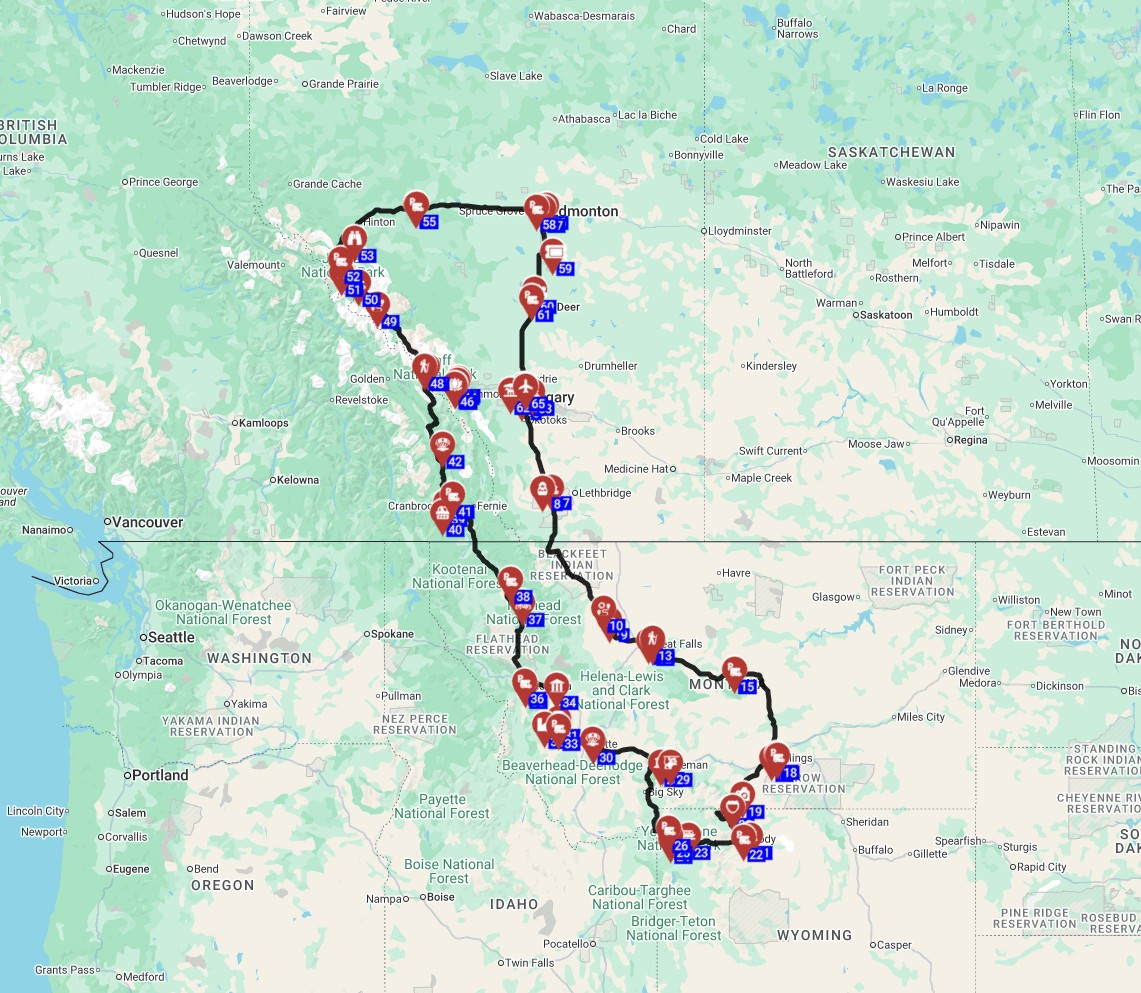
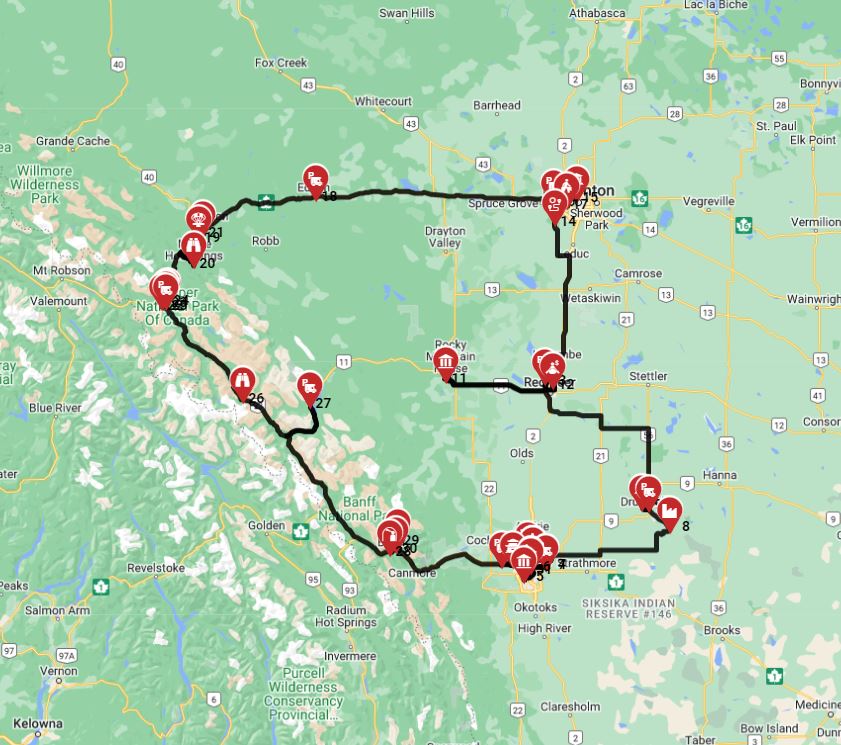
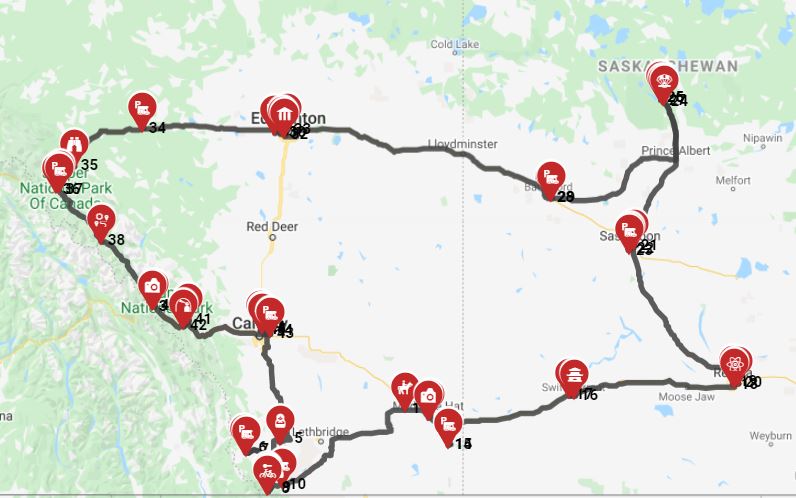
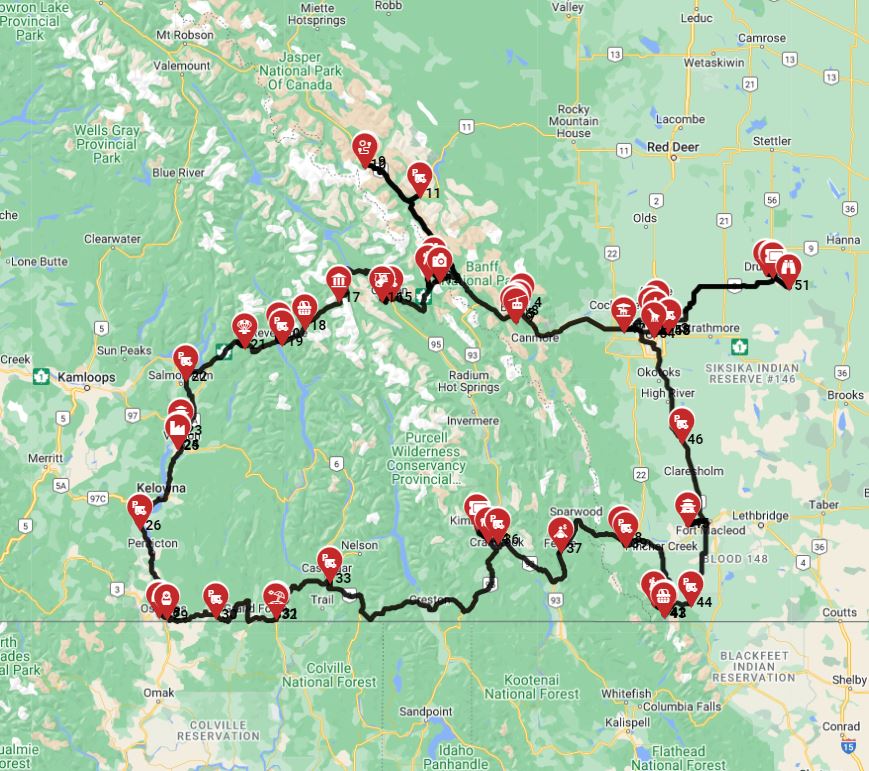
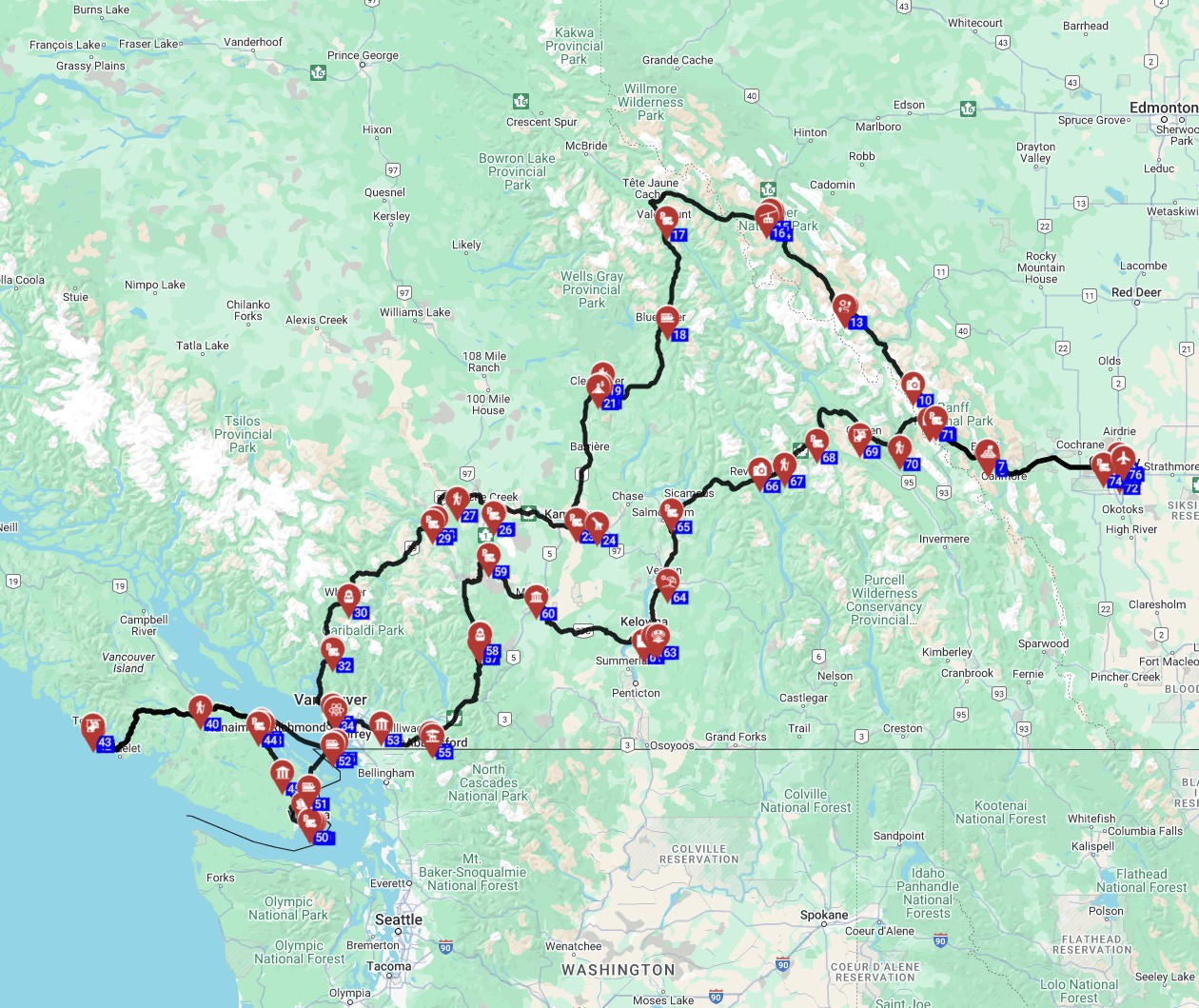
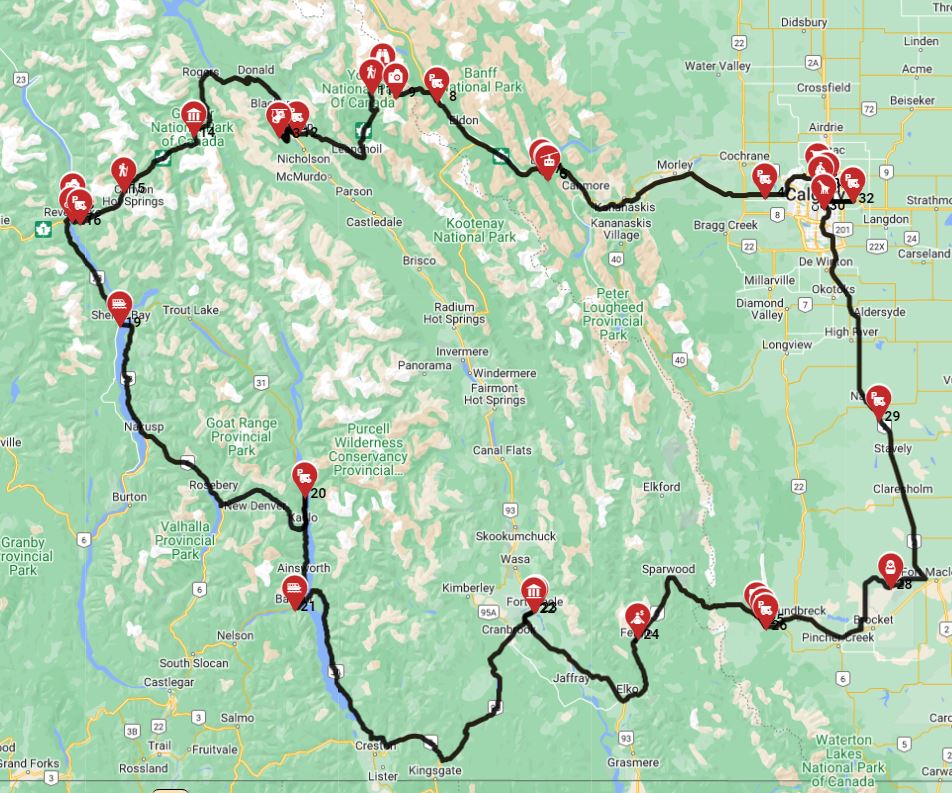
Larger RVs like Class A or C motorhomes can face restrictions in some national park campgrounds, and parking at popular trailheads or tourist spots within Banff and Jasper National Parks can be extremely challenging, highlighting the advantage of compact RVs. For finding campsites and campgrounds during your trip, we recommend using RV PLANET (rvplan.net) - a great resource for locating available spots along your route. Consider this exciting route plan for a well-rounded West Canada experience:
This 19-day, 2659 km adventure includes 3 bike rental opportunities, 3 hiking areas, and 2 national parks, offering a taste of the region's best for a small- to medium-sized rented RV.
How far in advance should I book an RV rental in Canada?
For optimal selection and pricing, it is recommended to book an RV rental in Canada 6-12 months in advance, though last-minute options for a last minute rv rental in West Canada can still be found. Booking well in advance, especially for peak seasons (July-August) and popular destinations like the Rockies, ensures access to your preferred RV class and campgrounds, which often fill up rapidly with over 70% of sites booked months ahead. Many national and state parks, however, reserve 25-30% of their spots for first-come-first-serve arrivals, so you'll often find a spot, even if not at the first campground, then at the next one. Always call ahead before driving long distances.
Last-minute bookings (within 2-4 weeks) might yield discounted rates if providers need to fill remaining inventory, but choice will be limited, and specific RV types or popular dates may be unavailable. When considering seasonal travel in West Canada, planning in advance allows you to choose specific periods like shoulder seasons (May-June, September-October) which offer fewer crowds, moderate weather, and often better prices for a rented campervan. However, these periods might also involve specific road closures, particularly Highwood Pass, or limited wildlife activity in parts of Alberta and the Rockies. For those who prefer everything organized, our Rent&Plan service offers pre-planned routes by professionals, and you can get a 25% planning discount for using rvplan.net.
Is it cheaper to rent an RV last minute?
It can sometimes be cheaper to rent an RV last minute in West Canada, particularly during off-peak seasons (late autumn to early spring) or if rental companies have excess inventory they need to move, but this strategy comes with significant risks regarding availability. Last-minute pricing is highly dynamic; while you might snag a discount on an available unit, you're more likely to face limited selection, potentially higher prices for popular models, or even no availability during high demand periods like summer long weekends or holidays. For instance, a Class B campervan during off-peak might be found for $100-$120 CAD/day last minute, compared to $160-$200+ CAD/day in peak season.
Flexibility on your RV type, specific dates, and pick-up location significantly increases your chances of finding a cheaper last-minute deal. For example, being open to a smaller Class B instead of a large Class C can provide more options. For guaranteed savings and choice, booking several months ahead remains the most reliable strategy, especially if you have specific dates or an RV class in mind. You can still check our "RV Rental Deals in West Canada - Latest Offers 2026" for any last-minute promotions from our partner suppliers like El Monte and Apollo. Our full transparency means no hidden fees, ever, so you'll know the exact cost upfront.
Find last minute rv Rentals in West CanadaWhat are the disadvantages of renting an RV in Canada?
Renting an RV in Canada, while offering unparalleled freedom, comes with several potential disadvantages including high fuel costs, challenges with parking, and the necessity of advance planning for popular campgrounds. RV-specific driving challenges include navigating mountain passes (such as the Coquihalla Highway in BC or Highwood Pass in Alberta), managing vehicle size on winding roads (like parts of the Icefields Parkway), and ensuring sufficient fuel stops in remote areas of British Columbia and Alberta, where stations can be sparse. It is highly recommended to fill up when you see a gas station, even if your tank isn't empty, especially on longer scenic routes.
Wildlife safety protocols, like bear awareness and proper food storage, are critical in West Canada's wilderness, requiring specific RV preparations and strict adherence to park regulations to avoid encounters with animals. Finding free camping (boondocking/dispersed camping) options in British Columbia and Alberta requires thorough research into local regulations and suitable spots, as designated areas can be limited and rules vary significantly by region. Additionally, connectivity solutions for remote areas (e.g., satellite internet) may be necessary as cell service can be spotty in the mountains. Moreover, popular routes and national park destinations like Banff and Jasper can become very crowded; it's beneficial to also consider less-traveled routes and hidden gems for unique local experiences, many of which are highlighted in our RV PLANET route plans.
When it comes to preparing meals on the road, an RV kitchen offers incredible flexibility. You can cook hearty breakfasts or delicious dinners right at your campsite. For some inspiration, check out our RV-friendly recipes playlist.
What You Shouldn't Miss
- Drive the Icefields Parkway: This 232 km (144-mile) scenic highway between Lake Louise and Jasper offers unparalleled views of glaciers, turquoise lakes, and wildlife. Plan for at least a full day, stopping at Peyto Lake, Athabasca Falls, and the Columbia Icefield Skywalk.
- Explore Banff National Park: Spend a few days exploring Lake Louise, Moraine Lake, and Johnston Canyon's hiking trails. Remember to book campgrounds in advance or arrive early for first-come, first-serve sites.
- Discover the Okanagan Valley: In British Columbia, this region boasts over 180 wineries, beautiful lakes, and orchards. It's a fantastic spot for slow travel, enjoying local food and culture.
- Visit Pacific Rim National Park Reserve: On Vancouver Island, this park offers stunning coastal rainforests, wild beaches, and surf towns like Tofino. Catch a ferry from Vancouver (Tsawwassen or Horseshoe Bay) for this adventure.
- Wander through Waterton Lakes National Park: A hidden gem in southern Alberta, this UNESCO site merges with Glacier National Park in Montana, offering unique landscapes, diverse wildlife, and fewer crowds than Banff.
- Experience the Northern Lights: If traveling in late autumn or early spring, head north towards Jasper or even into the Yukon Territory for a chance to witness the spectacular aurora borealis away from city lights.
Looking for expert insights from Avi Bandana? Top 5 Adventures - recommendations from Avi Bandana
Final Thoughts
Embarking on a last-minute RV rental in West Canada is an incredible way to experience the majestic landscapes and vibrant cultures of British Columbia and Alberta. Whether you opt for the agility of a campervan or the spacious comfort of a Class SI motorhome, the freedom of the open road awaits. Remember to travel slowly, averaging 100-150 km per day, allowing yourself to fully immerse in each destination's unique charm.
At Bandana Caravan, we're with you every step of the way – from comparing the best deals across trusted suppliers like Cruise America and Apollo to providing transparent pricing and valuable planning resources. Our expertise, honed since 2001, means you can book with confidence, knowing you have real people behind you ready to assist.
So, take the leap! Discover the beauty of West Canada on your own terms. Explore stunning national parks, charming towns, and breathtaking scenic routes. Your spontaneous adventure is just a click away.
Check West Canada RV Rental Prices Now