In This Guide
- Best Tokyo - Airport RV Itinerary for last minute rv rental — Overview
- 7-Day Classic Route in Tokyo - Airport
- 14-Day Extended Journey in Tokyo - Airport
- Recommended RVPlan Trip for Tokyo - Airport
- Must-See Stops Along the Way (Avi Bandana Picks)
- Daily Driving Distances & Drive Times in Tokyo - Airport
- Best RV Class for This Itinerary — Couple & Family Picks
- What are the rules for overnight RV parking at Tokyo airports?
- What RV services and infrastructure are available at Haneda Airport?
- How much does RV parking cost at Narita and Haneda Airports?
- What amenities are offered at Tokyo airport RV parking lots?
- How do I navigate Narita or Haneda Airport with an RV?
- What are the legal requirements for international RV drivers in Japan?
- Are there alternatives to airport RV parking near Tokyo, like Michi-no-Eki?
- Where can I dispose of RV waste or refill propane near Tokyo airports?
Best Tokyo - Airport RV Itinerary for last minute rv rental — Overview
A Tokyo - Airport RV itinerary focuses on combining quick airport access with scenic explorations, ideal for spontaneous bookings requiring efficient planning and transparent pricing. Imagine picking up your rented motorhome and immediately heading out to discover Japan's stunning landscapes without the usual travel hassles. For live availability and current prices, start with our RV Rental Tokyo - Airport - Complete Guide 2026 guide. We are true RV specialists, not just a travel agency side department, ensuring you receive genuine expertise and support from people who live and breathe RV travel. The recommended minimum duration for this RV trip is 7 days, allowing for a balanced pace of travel and sightseeing, though many travelers find a 2-week adventure more rewarding for deeper exploration. Traveling in a rented campervan provides unparalleled freedom to adjust your schedule, making it perfect for both pre-planners and spontaneous travelers. You'll find that many national and state parks reserve 25-30% of their spots for first-come-first-serve arrivals, so don't stress about booking far in advance; you'll find a spot, and if not at the first campground, then the next one. Just call ahead before driving. Anticipate total driving distances of approximately 700-1000 km (430-620 miles) for a 7-day trip, carefully adhering to daily driving limits for enjoyment and peace of mind. The best season for an RV adventure around Tokyo and its airports is generally spring (March to May) for cherry blossoms or autumn (September to November) for vibrant foliage, offering mild weather conditions that enhance the joy of a last minute rv rental in Tokyo - Airport.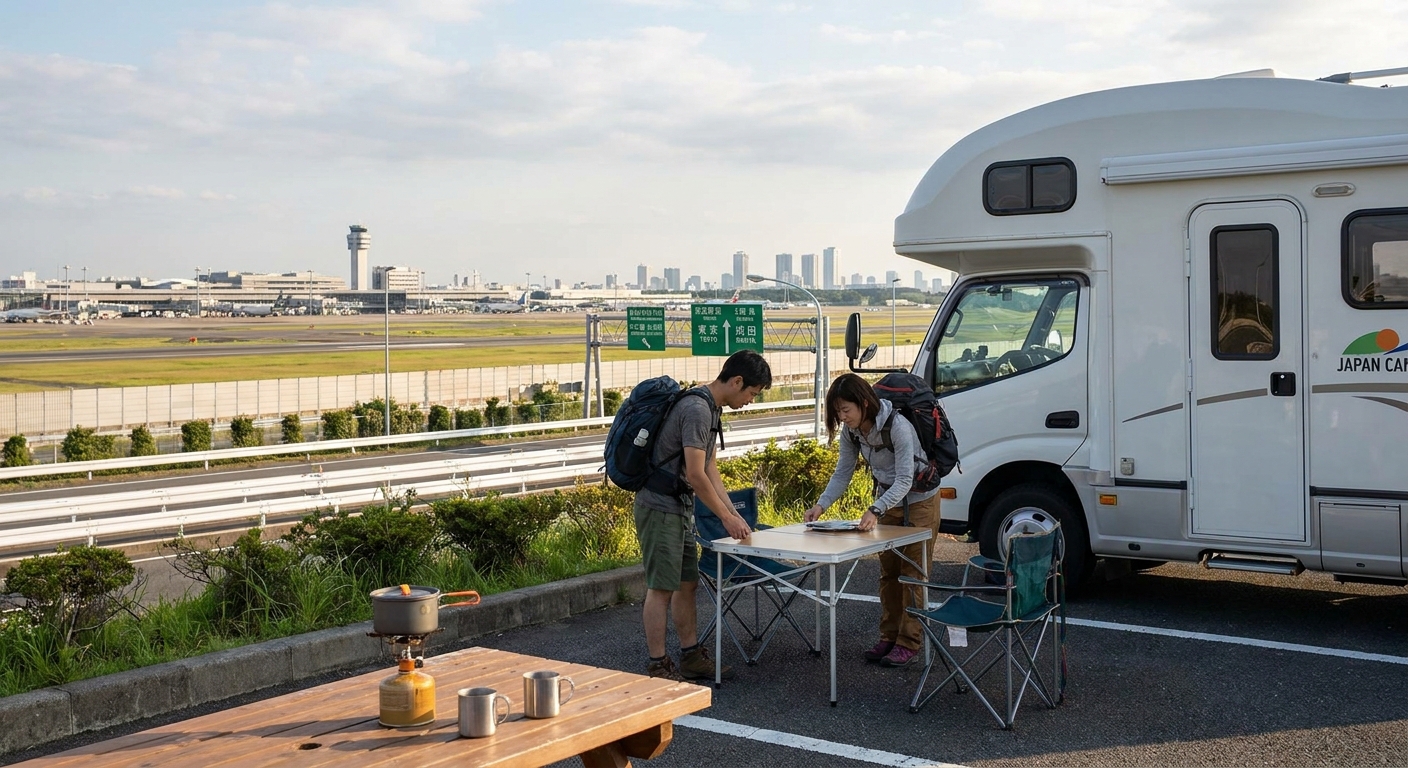
7-Day Classic Route in Tokyo - Airport
A compact 7-day last minute rv rental itinerary from Tokyo - Airport offers a perfect blend of natural beauty and cultural immersion, with manageable daily driving distances of 100-150 km. This route allows you to truly feel the place, connect to the culture, food, and scenery at a relaxed pace. On Day 1, journey from Haneda/Narita Airport to Hakone, approximately 100-120 km, to explore Lake Ashi and iconic Mount Fuji views. Consider overnighting at a Michi-no-Eki (roadside station) or designated campground near Hakone Yumoto for convenience. Day 2 takes you from Hakone to the Izu Peninsula (approx. 80-100 km), where you can discover coastal towns like Atami, enjoy scenic drives, and soak in a traditional onsen. Michi-no-Eki Ito Marine Town offers a great spot for an overnight stay. Day 3 focuses on the Fuji Five Lakes area near Kawaguchiko (approx. 100-120 km), providing stunning views of Mount Fuji, with camping available at Kawaguchiko Auto Campsite or a nearby Michi-no-Eki. For dinner, enjoy cooking in your rented motorhome; explore our RV-friendly recipes playlist for inspiration. Day 4 involves a scenic drive of approximately 150 km from Kawaguchiko to Nikko, a UNESCO World Heritage site known for its shrines and temples. Overnight at Nikko Kirifuri Camp-jo or a similar facility. Days 5 and 6 shift to the Chiba Coastal Route, covering 100-120 km, allowing for relaxation on sandy beaches, exploration of local fishing villages, and enjoyment of fresh seafood. Park at Michi-no-Eki Tako Ajisaikan or a beachside park. Conclude your adventure on Day 7 by driving from the Tokyo Bay Area (approx. 30-50 km) back to Haneda/Narita Airport, ensuring ample time for RV drop-off procedures for your rented motorhome.14-Day Extended Journey in Tokyo - Airport
An extended 14-day RV journey from Tokyo - Airport allows for a deeper immersion into Japan's diverse landscapes and cultural treasures, perfect for families or groups with a rented motorhome seeking a comprehensive experience. For managing trip expenses like fuel and campground fees, consider using RV PLANET routes to itemize and track every expense. Our Rent&Plan service simplifies this by offering pre-planned routes by professionals, and you receive a 25% planning discount for using rvplan.net. This transparency with no hidden fees or surprises is a core Bandana differentiator. Days 1-3: Begin your adventure from Haneda/Narita Airport to Fuji Five Lakes & Hakone (approx. 200-250 km total), exploring volcanic landscapes, hot springs, and unparalleled views of Mount Fuji. Stay at multiple Michi-no-Eki or campsites to experience local charm. Days 4-6: Continue south to the Izu Peninsula & Shizuoka Coast (approx. 200-250 km total) for scenic coastal drives, fresh seafood, and tea plantations, with overnight stops near Shimoda or Hamamatsu. This extended route gives you the freedom to linger longer in places you love. Days 7-9: Head north into the majestic Japanese Alps, covering approximately 300-350 km total, to explore historical Matsumoto Castle, serene lakes, and potential hiking trails. Dedicated campgrounds in alpine regions are abundant. Days 10-12: Journey to the UNESCO World Heritage sites in Nikko, then venture into Fukushima (approx. 250-300 km total) to experience its natural beauty and recovering areas, staying overnight near Nikko or Aizu-Wakamatsu. Days 13-14: Enjoy a final coastal drive through Chiba Prefecture (approx. 150-200 km total), allowing for last-minute relaxation before returning your rented camper to the Tokyo airports. Planning an extended trip like this with a last minute rv rental is made easy with Bandana Caravan's comprehensive support. You can even explore our "Weekly RV Rental in Tokyo - Airport - Pricing 2026" guide for insights into longer trip budgeting.Recommended RVPlan Trip for Tokyo - Airport
While a specific RVPlan trip for 'last minute rv rental in Tokyo - Airport' is not currently pre-packaged on our platform for instant booking, we highly recommend exploring our diverse range of curated RVPlan trips tailored for various durations and interests across Japan. These expertly designed itineraries seamlessly integrate rented RV travel with detailed routes, recommended points of interest, and convenient overnight stops, significantly simplifying your entire trip planning process. Our professional planners at RV PLANET specialize in crafting memorable RV journeys, and you can benefit from a 25% planning discount when you utilize their services through rvplan.net. This is a key benefit of Bandana Caravan, providing you with pre-planned routes by professionals so you can spend less time organizing and more time enjoying your adventure. Whether you are looking for a "Driving an RV in Tokyo - Airport - Complete Guide 2026" or more general insights from "RV Rental Japan - Complete Guide 2026", our resources are designed to make your motorhome rental experience seamless and enjoyable. We handle the details, so you can live the journey, ensuring personal service from day one until your booking is confirmed.Must-See Stops Along the Way (Avi Bandana Picks)
Looking for expert insights from Avi Bandana? Top 5 Adventures - recommendations from Avi Bandana for your last minute rv rental in Tokyo - Airport journey offer unique cultural and natural experiences. * **Hakone Open-Air Museum:** This unique destination offers an exceptional blend of modern sculpture set against the stunning natural backdrop of Hakone, providing a relaxing and culturally enriching stop. It is easily accessible with a rented motorhome and provides ample parking. * **Michi-no-Eki (Roadside Stations):** Across Japan, these essential hubs offer more than just restrooms; they provide local produce, regional crafts, fresh food, and often an opportunity to experience local culture, making them perfect for breaks and overnight stays. They are a true highlight of RV travel in Japan. * **Local Onsen (Hot Springs):** Avi Bandana strongly suggests seeking out traditional hot springs for a truly authentic Japanese experience and a rejuvenating break from driving. Many are found near Michi-no-Eki or dedicated campgrounds, offering a chance to unwind after a day of exploration. * **Tsukiji Outer Market (Tokyo):** Even after the relocation of the main fish market, the outer market remains a vibrant spot for fresh seafood, delicious street food, and unique kitchenware. Plan your RV parking carefully, perhaps utilizing public transportation after parking your rented campervan on the outskirts of the central market area. * **Lake Kawaguchiko:** One of the Fuji Five Lakes, it offers unparalleled views of Mount Fuji, especially during sunrise or sunset. There are several RV-friendly campgrounds around the lake.Daily Driving Distances & Drive Times in Tokyo - Airport
Avi Bandana recommends a maximum average of 100 miles or 150 km per day for your Tokyo - Airport RV itinerary to ensure a relaxed journey, allowing ample time for exploration and enjoyment of the Japanese landscape. Driving slowly and carefully, you can drive almost anywhere without issues, without needing to stress, just use common sense and pay attention. This slow travel philosophy promotes spontaneous discoveries and a deeper appreciation for Japan's rich culture and diverse environments. Example drive-time estimates include: Haneda Airport to Hakone, which typically takes approximately 1.5-2 hours (100-120 km), depending on traffic conditions and chosen route. Another example is the drive from Kawaguchiko to Nikko, which usually averages around 2.5-3 hours (150 km), offering picturesque scenery throughout the route and plenty of opportunities to stop. Remember, these are estimates, and local traffic around Tokyo or specific road conditions can influence actual travel times. Planning to factor in extra time each day is a good strategy to maintain a stress-free pace in your rented motorhome. For more local tips, consult our "RV Travel Guide to Tokyo - Airport - Tips and Top Spots 2026" to get detailed driving advice.Best RV Class for This Itinerary — Couple & Family Picks
The optimal RV class for your last minute rv rental in Tokyo - Airport depends significantly on your travel group size and comfort preferences. We are true RV specialists, ready to help you find the perfect match. For couples, the Class B - Camper Van is an excellent choice due to its compact size and superior maneuverability, making it ideal for navigating Japan's narrower roads and accessing diverse parking options. Bandana's global fleet of Class B Camper Vans typically averages 5.8 meters in length, offering comfortable sleeping arrangements for approximately 2-3 adults and a practical load capacity of around 37 kg. Models like the "Category Van" or "Active Classic" provide essential amenities in a nimble package. For families, the Class C - Alcove provides ample space and enhanced comfort, capable of accommodating more travelers without significantly compromising on drivability for this itinerary. Globally, Bandana's Class C Alcove RVs average 7.5 meters in length, providing sleeping places for about 4-5 adults and a generous load capacity of approximately 42.4 kg. Vehicles such as the "Cruise America rv rental example Explorer" (7.1m length, 4 sleeping places, 82L fresh water) or "Jayco Conquest Royale 6" offer comfortable interiors with features like multiple sleeping areas (e.g., a "Bed Over Cub - 152/203cm" and a "Double Bed - 152/203cm"). You can upgrade to a top-level deductible for extra peace of mind, ensuring a worry-free family adventure. Our Rent&Plan service offers a streamlined solution by combining your chosen RV rental with a ready-made itinerary, expertly crafted by travel professionals, and grants full access to advanced trip-planning software, effectively eliminating the complexities of route and stop planning.What are the rules for overnight RV parking at Tokyo airports?
Overnight RV stays at Narita (NRT) and Haneda (HND) airport parking lots are generally permissible within designated areas, but they are not free camping spots and incur standard long-term parking fees. For instance, Narita Airport's P1 or P5 parking facilities can accommodate larger vehicles, though specific RV parking spaces with amenities are not common. Both airports provide 24-hour parking facilities, though these are primarily designed for standard vehicles rather than dedicated RV parks with specific camping amenities. It is crucial to consult the official airport parking websites for Narita and Haneda (CurrentYear) to ascertain the most current regulations, specific zones that accommodate larger vehicles, and any applicable height or length restrictions, as these can change. While extended parking is allowed, activities commonly associated with camping, such as setting up awnings, barbecuing, or deploying external furniture, are strictly prohibited within airport parking areas. For those seeking more robust services or a different overnight experience, exploring alternatives like Michi-no-Eki a short drive from the airports is recommended.What RV services and infrastructure are available at Haneda Airport?
Comprehensive RV-specific infrastructure and services directly at Haneda Airport (HND) are very limited, as its parking facilities cater mainly to standard passenger vehicles. You will find basic amenities suitable for cars but not specialized RV support. Haneda's parking areas offer access to basic facilities such as public restrooms located within the main terminals, often requiring a short walk or shuttle ride from parking areas. However, dedicated RV amenities like water hookups, power hookups, or grey/black water waste disposal stations are typically not provided on-site at the airport. This means you will need to plan ahead for these essential services before arriving or after departing Haneda. RV travelers should plan to utilize external RV-friendly facilities such as Michi-no-Eki (roadside stations) or dedicated campgrounds situated outside the immediate airport vicinity for these essential services, usually within a 30-60 minute drive. This is crucial for a smooth last minute rv rental experience in Tokyo - Airport.How much does RV parking cost at Narita and Haneda Airports?
Detailed cost breakdowns for RV parking at Narita (NRT) and Haneda (HND) Airports vary significantly based on the specific parking lot (e.g., short-term vs. long-term) and the duration of your stay. For example, daily rates can range from ¥1,500 to ¥2,500 (approximately $10-$17 USD) for standard vehicle parking, with potential surcharges for oversized vehicles. Pricing is typically structured into hourly, daily, and occasionally longer-term rates, with no free overnight parking options available for RVs or any vehicle type. While specific 'RV spots' are uncommon, larger vehicles may utilize standard oversized parking areas, potentially incurring higher fees; always verify on official airport websites (CurrentYear) for current rates and availability before your last minute rv rental. Payment methods commonly include cash, major credit cards (Visa, Mastercard, JCB), and increasingly, contactless options like IC cards (e.g., Suica or Pasmo) at automated gates. It’s always best to check the "RV Rental Deals in Tokyo - Airport - Latest Offers 2026" for potential parking discounts or bundled packages from suppliers.What amenities are offered at Tokyo airport RV parking lots?
Amenities available at Tokyo airport RV parking lots (Narita and Haneda) are generally minimal, designed for standard vehicle parking, and do not include dedicated RV-specific services. Most parking facilities focus on secure storage rather than a camping experience. Visitors can typically access public restrooms located within the main terminal buildings, which may involve a short walk or shuttle transfer from the parking areas. Crucially, dedicated RV amenities such as water hookups, electrical power hookups, or grey/black water waste disposal facilities are not provided directly within the airport parking lots. Travelers with a rented motorhome will need to seek these services elsewhere. Security measures in place usually encompass surveillance cameras and regular patrols, offering a baseline level of safety and monitoring for parked vehicles. For comprehensive amenities for your RV, alternatives like local campgrounds or Michi-no-Eki are highly recommended for your last minute rv rental in Tokyo - Airport.How do I navigate Narita or Haneda Airport with an RV?
Navigating Narita (NRT) or Haneda (HND) Airport with an RV requires careful pre-planning due to vehicle size, specific entry points, and potential height/size restrictions. For example, certain parking garages may have height limits of 2.1 meters (approximately 6.9 feet), which most Class C motorhomes or campervans will exceed. It is essential to consult official airport maps and websites (CurrentYear) beforehand to identify designated oversized vehicle parking areas or specific entry points suitable for larger RVs. Drivers must pay close attention to all signage, particularly height and size restrictions at parking lot entrances, tunnel clearances, and overhead structures to prevent potential damage. Drive slowly and carefully, and you can drive almost anywhere without issues. No need to stress - just use common sense and pay attention. For picking up or dropping off rental RVs, ensure direct coordination with your rental company for precise instructions on meeting points and logistical procedures, as these often differ from standard car rental protocols. This direct communication ensures a smooth start and end to your last minute rv rental in Tokyo - Airport.What are the legal requirements for international RV drivers in Japan?
International RV travelers in Japan are legally required to possess a valid International Driving Permit (IDP) issued under the 1949 Geneva Convention, which must always be presented alongside their national driver's license. This is a non-negotiable requirement for driving any vehicle, including a rented motorhome, in Japan. Ensure your IDP is officially issued by the correct authority in your home country and remains valid for the entire duration of your planned stay in Japan. Regarding vehicle registration and insurance, your rental RV will be provided with valid Japanese registration and mandatory insurance coverage by the rental company; however, it is critical to thoroughly understand the scope and limits of this coverage. It is highly advisable to inquire about and consider purchasing additional comprehensive insurance options directly from your rental provider to ensure adequate protection against various potential incidents. A standard car driver's license is sufficient for all motorhome classes (Class A, Class B, and Class C), and the minimum rental age is 21 with no young driver surcharges. For more in-depth information, you can refer to our "Driving an RV in Tokyo - Airport - Complete Guide 2026".Are there alternatives to airport RV parking near Tokyo, like Michi-no-Eki?
Yes, numerous excellent RV-friendly alternatives to airport parking exist near Tokyo, with Michi-no-Eki (roadside stations) being a highly recommended option for those seeking more amenities or a richer experience with their last minute rv rental. Michi-no-Eki frequently offer free overnight parking, clean public restrooms, local food vendors, and often unique attractions like onsen (hot springs) or regional product markets, providing a more comfortable and culturally engaging stay than airport lots. Examples include Michi-no-Eki Tako Ajisaikan near Narita or Michi-no-Eki Kisarazu Umikaoru in Chiba, both within a reasonable driving distance from the airports. Dedicated campgrounds, particularly in scenic regions such as the Fuji Five Lakes area (e.g., Kawaguchiko Auto Campsite) or throughout Chiba Prefecture, provide full hookups (water, electricity, waste disposal) and a more traditional, amenity-rich camping experience suitable for extended stays. Compared to the limited services at airport parking, these alternatives offer better value, greater comfort, and crucial access to essential RV services, typically requiring only a short drive from the major Tokyo airports. For finding campsites and campgrounds during your trip, we recommend using RV PLANET (rvplan.net) - a great resource for locating available spots along your route.Where can I dispose of RV waste or refill propane near Tokyo airports?
Waste disposal facilities (for grey/black water) and propane/LPG refueling stations are typically not available directly at Tokyo's airport parking lots, necessitating advance planning for your last minute rv rental. RV travelers should plan to utilize dedicated dump stations found at various campgrounds, select Michi-no-Eki, or specialized RV parks located further away from the immediate airport vicinity, generally within a 30-60 km radius. For example, some larger campgrounds around Lake Kawaguchiko or in the Izu Peninsula offer dump stations. Finding propane/LPG refueling can be challenging in Japan, as LPG is primarily used for taxis; it is highly recommended to confirm refueling options directly with your rental company (such as those from our trusted partners like El Monte or Apollo) or plan visits to larger, more remote service stations equipped for such. Many rental RVs in Japan predominantly use diesel fuel for propulsion and feature built-in heating/cooking systems that operate on electricity or smaller, easily exchangeable gas canisters, thereby reducing the dependency on external propane refueling. For more detailed insights, checking our "RV Travel Guide to Tokyo - Airport - Tips and Top Spots 2026" can provide useful local information.What You Shouldn't Miss
- **Mount Fuji Views from Chureito Pagoda:** Capture the iconic postcard shot of Mount Fuji framed by the stunning Chureito Pagoda in Fujiyoshida City. It's especially breathtaking during cherry blossom season (late March-early April) or autumn foliage (November).
- **Hiking Around Lake Ashi in Hakone:** Explore the scenic walking trails around Lake Ashi, offering picturesque views of Mount Fuji and the Hakone Shrine gate rising from the water. Consider a short cruise on a pirate ship for a unique perspective.
- **The Coastal Beauty of Izu Peninsula:** Drive along the stunning coastline of the Izu Peninsula, visiting charming fishing towns like Shimoda and enjoying fresh seafood. The Jogasaki Coast, with its suspension bridge and volcanic cliffs, is a highlight.
- **UNESCO World Heritage Sites in Nikko:** Dedicate a full day to exploring the Toshogu Shrine, Futarasan-jinja Shrine, and Taiyuinbyo Mausoleum in Nikko, marveling at their intricate architecture and rich history.
- **Relaxing Onsen Experience:** Immerse yourself in a traditional Japanese hot spring. Many Michi-no-Eki and campgrounds in Hakone and Izu offer onsen facilities, providing a perfect way to relax after a day of driving.
- **Kawaguchiko Music Forest Museum:** Enjoy European-style gardens and automatic musical instruments with Mount Fuji as a backdrop, a charming and unique cultural stop for all ages.