In This Guide
- Best South East US RV Itinerary for last minute rv rental — Overview
- 7-Day Classic Route in South East US
- 14-Day Extended Journey in South East US
- Recommended RVPlan Trip for South East US
- Must-See Stops Along the Way (Avi Bandana Picks)
- Daily Driving Distances & Drive Times in South East US
- Best RV Class for This Itinerary — Couple & Family Picks
- What are the best places to visit in the Southeast US by RV?
- Is RV living worth it in Florida?
- What is the best month to RV in Florida?
- What states in the Southeast are most RV friendly?
- What are the cheapest places to rent an RV in Florida?
- How much does it cost to RV the whole US?
- Where can I boondock in the Southeast?
- What states are good for RV travel?
- Can you live in an RV in Florida permanently?
Best South East US RV Itinerary for last minute rv rental — Overview
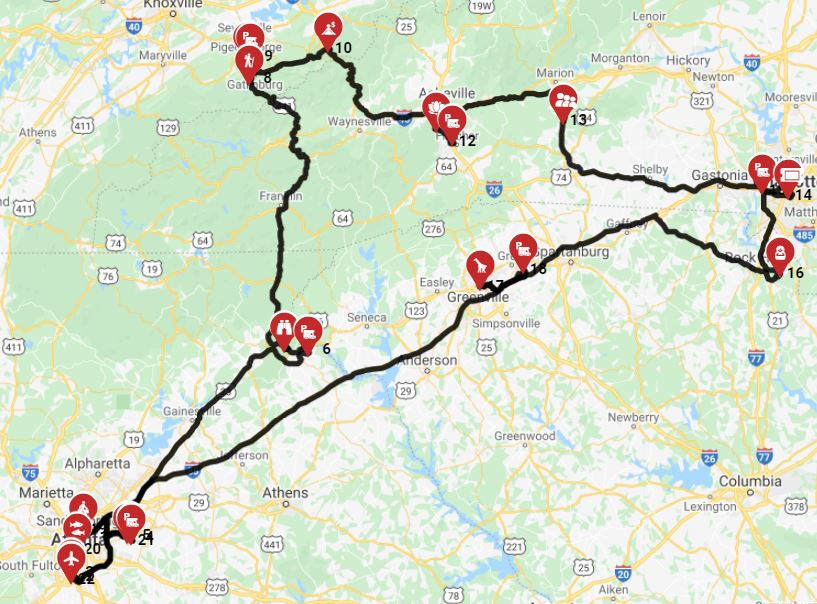
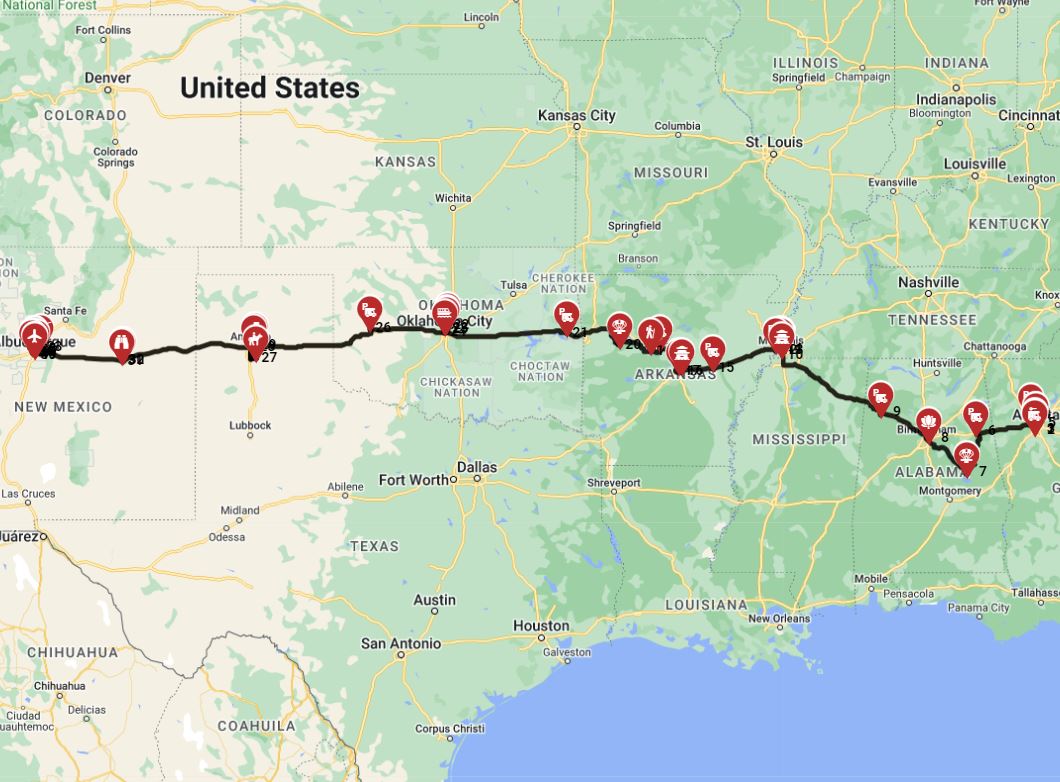
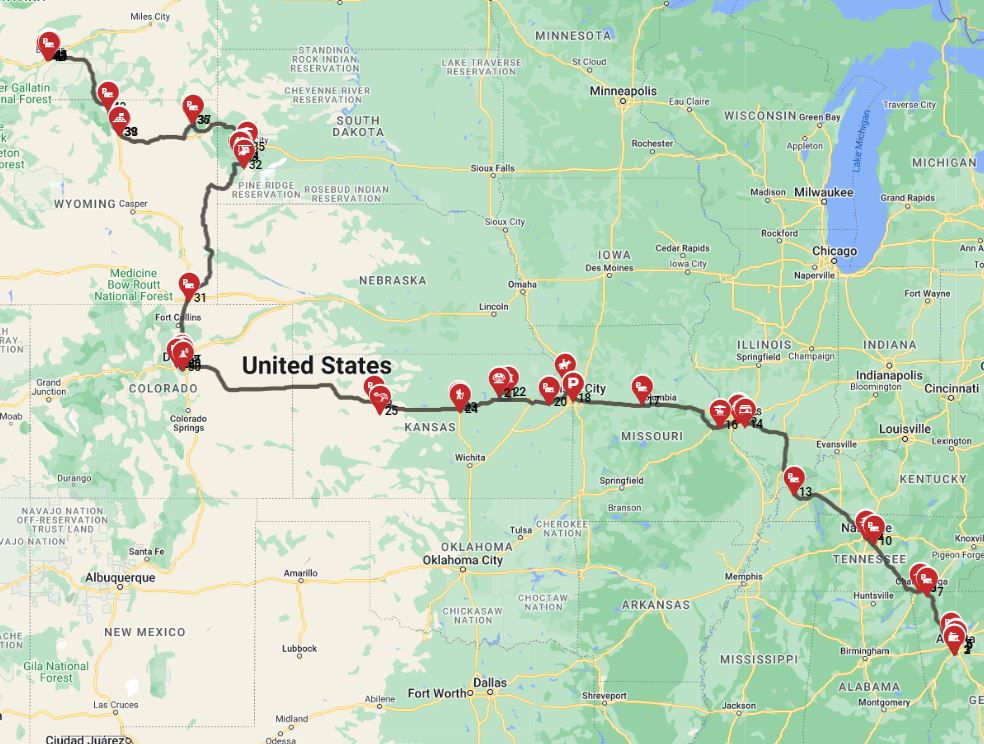
With a rented RV, you can explore the Southeast's incredibly diverse landscapes, from the rolling Appalachian Mountains to the sun-kissed coastal plains. A last-minute RV rental in the Southeast US is perfectly manageable with a well-planned, flexible itinerary. This region offers a minimum of 7 days of exploration, but a 14-day trip allows for a truly immersive experience. For a 7-day journey, you'll cover approximately 480 miles (770 km), while a 14-day adventure extends to about 1,300 miles (2,090 km). The best time for RVing in this region is generally during the fall or spring, avoiding the peak summer heat and the potential for hurricanes that can occur from June through November. For live availability and current prices, start with our RV Rental South East US - Complete Guide 2026 guide.
7-Day Classic Route in South East US
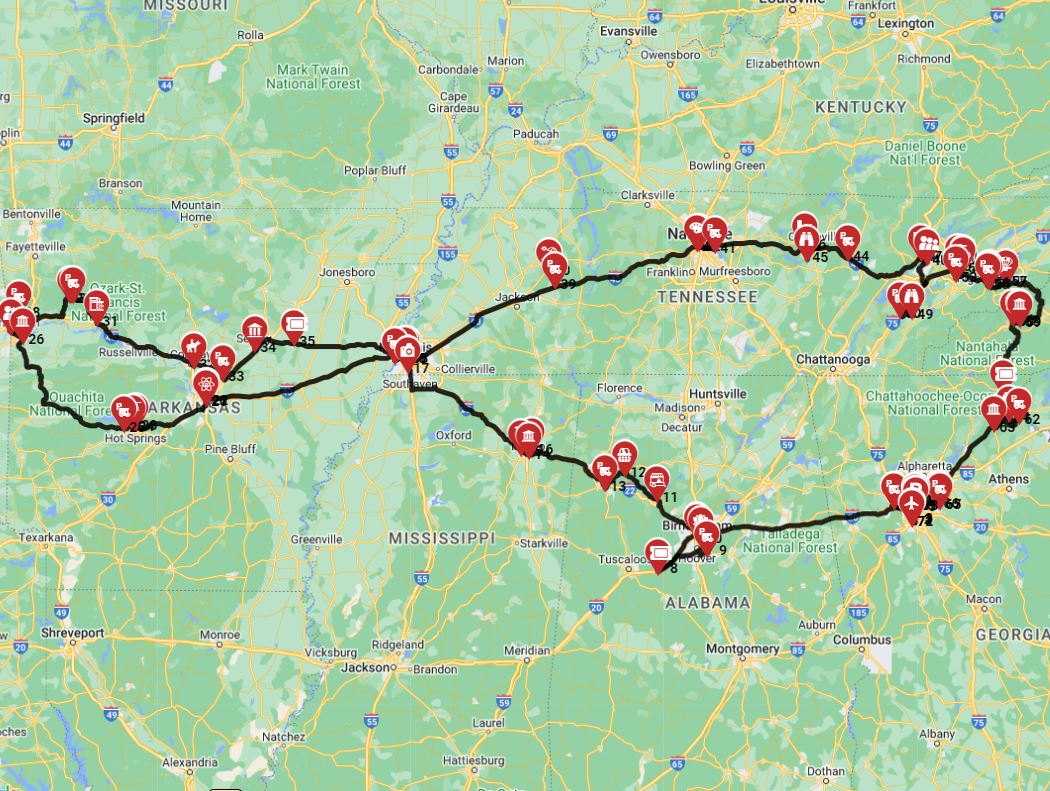
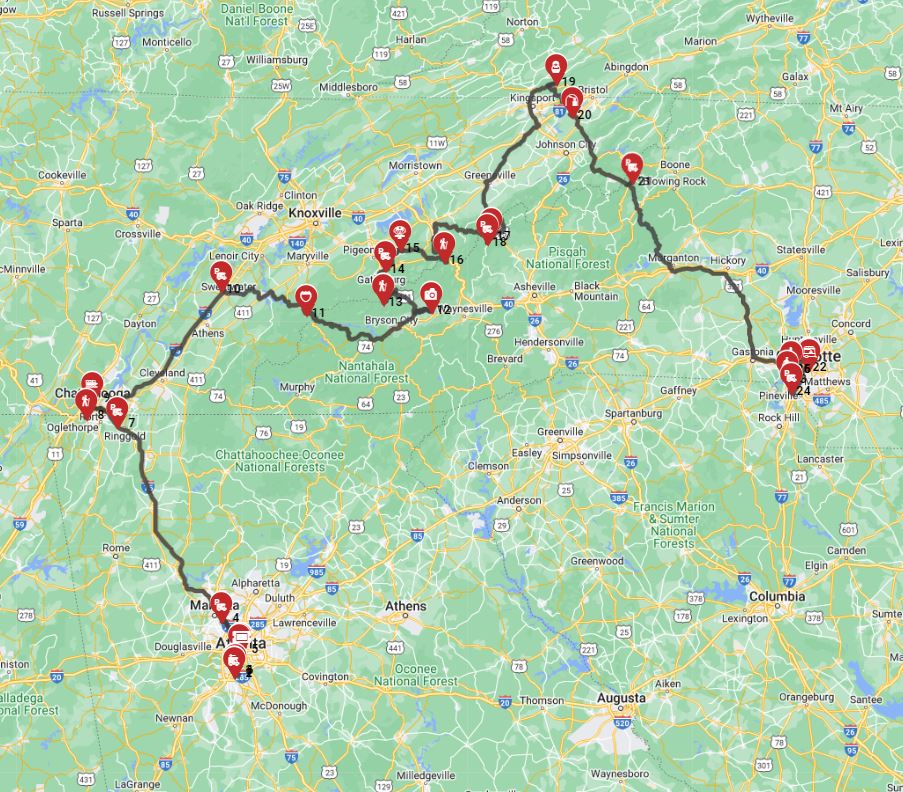
A classic 7-day RV itinerary in the Southeast US offers a delightful mix of natural beauty and charming towns. Day 1 starts your adventure in Atlanta, GA, with a 60-mile (96 km) drive to Amicalola Falls State Park, GA, where you can hike to Georgia's tallest waterfall and camp at the park's campground. Day 2 involves a short 30-mile (48 km) drive to Helen, GA, a unique Bavarian-themed village perfect for tubing on the Chattahoochee River; overnight at Unicoi State Park & Lodge. On Day 3, you'll travel 100 miles (160 km) to Asheville, NC, a city renowned for its arts scene and the historic Biltmore Estate; consider Asheville East KOA Holiday for your stay. Day 4 takes you 70 miles (112 km) into the Great Smoky Mountains National Park (Gatlinburg area), TN, offering scenic drives and hiking opportunities, with KOA Holiday Gatlinburg East as a convenient stop. Continue to Chattanooga, TN, on Day 5 with a 100-mile (160 km) drive, exploring Lookout Mountain's attractions like Ruby Falls and Rock City Gardens, before camping at Cloudland Canyon State Park, GA. Day 6 brings you 100 miles (160 km) to Stone Mountain Park, GA, Georgia's most-visited attraction for outdoor activities, with Stone Mountain Park Campground available. Finally, Day 7 concludes the loop with a brief 20-mile (32 km) drive back to Atlanta, GA, for RV return or further city exploration.
14-Day Extended Journey in South East US
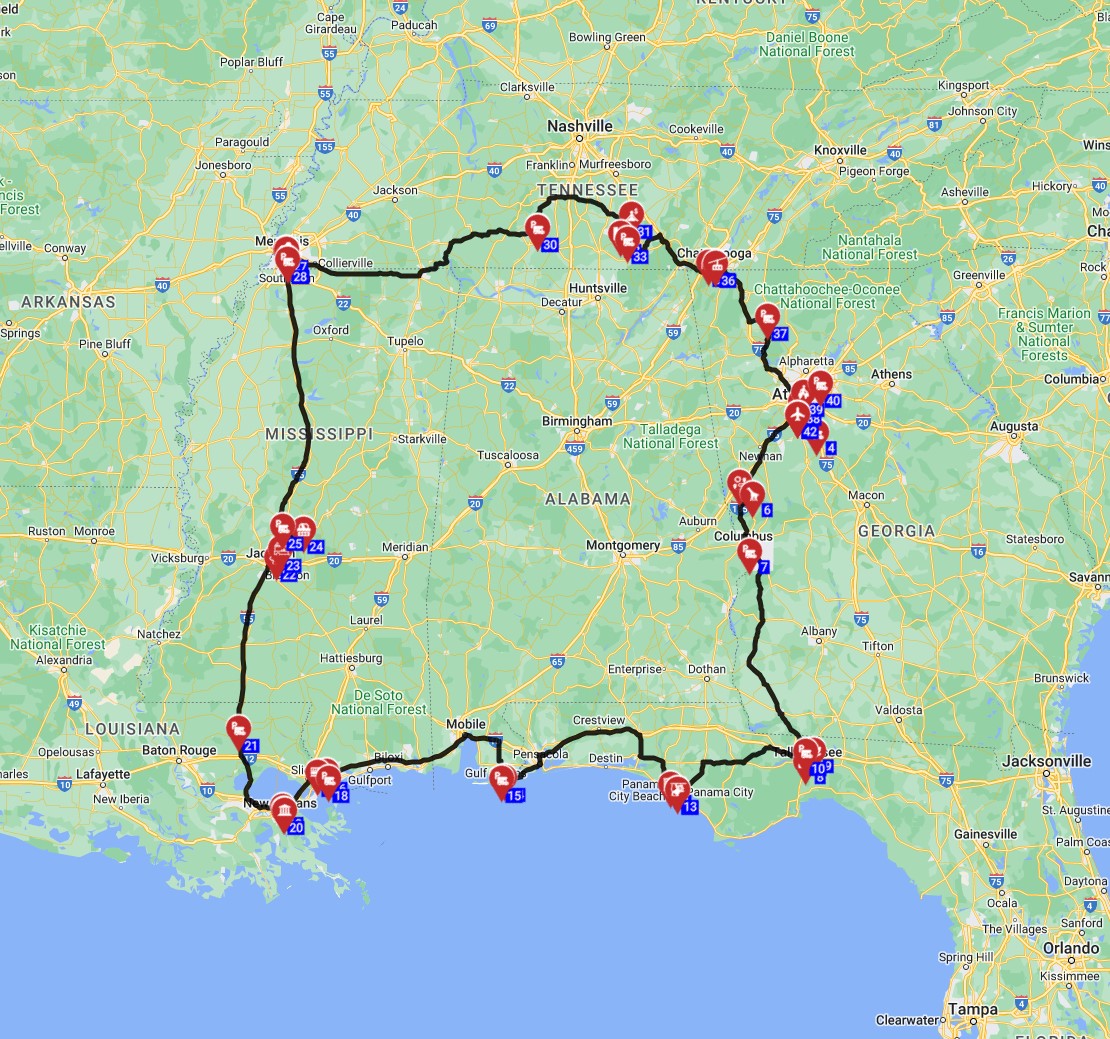
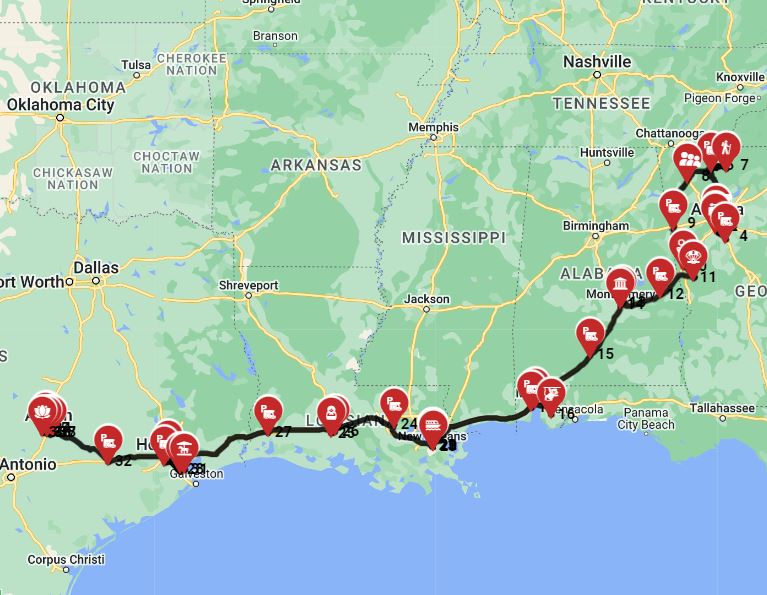
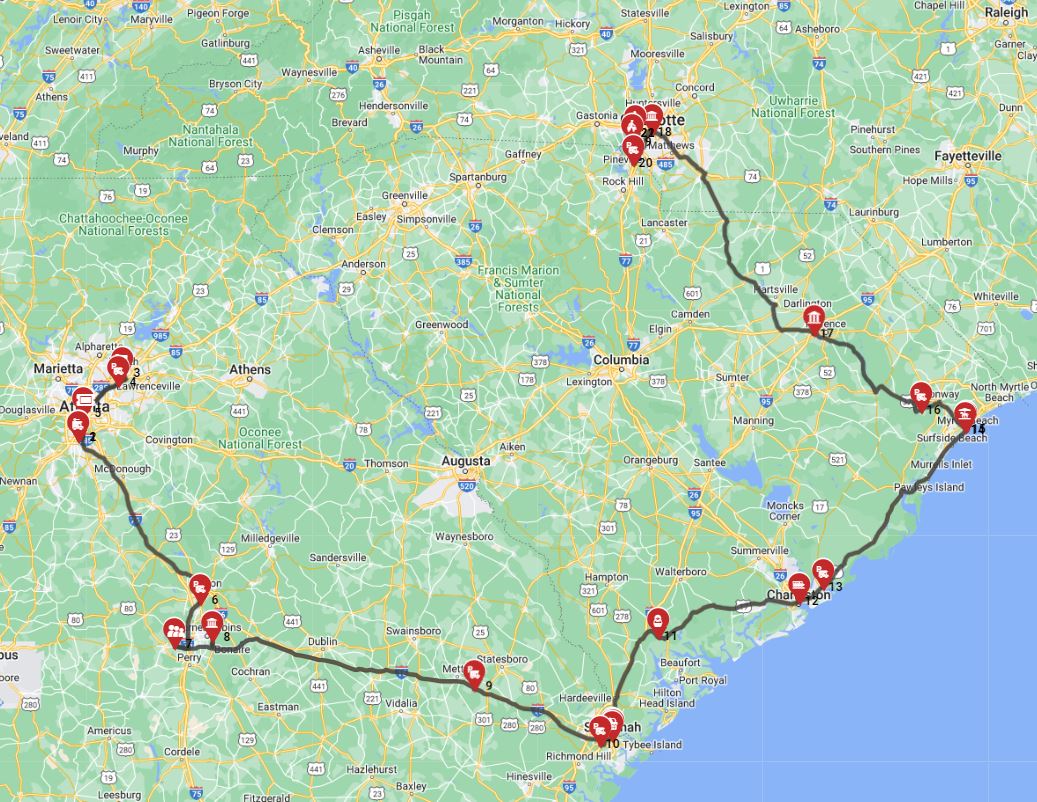
For those with more time, a 14-day RV journey through the Southeast US offers a more comprehensive exploration. The first four days focus on North Georgia and the Tennessee Foothills: Day 1, Atlanta, GA to Helen, GA (90 mi / 145 km) for a Bavarian village experience at Unicoi State Park. Day 2, Helen, GA to Chattanooga, TN (100 mi / 160 km) to explore Lookout Mountain's attractions, staying at Cloudland Canyon State Park, GA. Day 3, Chattanooga, TN to Huntsville, AL (100 mi / 160 km) to visit the U.S. Space & Rocket Center, with Monte Sano State Park as your lodging. Day 4, Huntsville, AL to Birmingham, AL (90 mi / 145 km) to delve into civil rights history at the Birmingham Civil Rights Institute, perhaps camping at Oak Mountain State Park. The next five days (Days 5-9) explore the Alabama Coast and Florida Panhandle: Day 5, Birmingham, AL to Gulf Shores, AL (150 mi / 240 km) for beach relaxation at Gulf State Park Campground. Day 6, Gulf Shores, AL to Pensacola Beach, FL (40 mi / 64 km) to visit Fort Pickens and Gulf Islands National Seashore, staying at Fort Pickens Campground. Day 7, Pensacola Beach, FL to Panama City Beach, FL (100 mi / 160 km) for St. Andrews State Park, with camping at its campground. Day 8, Panama City Beach, FL to Apalachicola, FL (70 mi / 112 km), a historic fishing town known for oysters, with lodging near St. Joseph Peninsula State Park. Day 9, Apalachicola, FL to Tallahassee, FL (80 mi / 128 km) to explore the state capital and St. Marks National Wildlife Refuge, staying at Tallahassee KOA. The final days (Days 10-14) cover Southern Georgia and the return journey: Day 10, Tallahassee, FL to Albany, GA (80 mi / 128 km) to visit Chehaw Park & Zoo. Day 11, Albany, GA to Andersonville National Historic Site, GA (80 mi / 128 km) for Civil War history, camping at Lake Blackshear Resort & Golf Club. Day 12, Andersonville, GA to Macon, GA (60 mi / 96 km) to explore music history and Ocmulgee Mounds, with High Falls State Park for lodging. Day 13, Macon, GA to Stone Mountain Park, GA (70 mi / 112 km) for park attractions, staying at Stone Mountain Park Campground. Finally, Day 14 concludes with a short drive back to Atlanta, GA (20 mi / 32 km) for RV drop-off.
Recommended RVPlan Trip for South East US
While specific RVPlan itineraries are not detailed here, you can discover numerous curated route plans for the Southeast US by exploring RVPlan's extensive offerings. These expertly crafted, ready-made trips are designed for seamless navigation and highlight top attractions, ensuring a stress-free last-minute RV adventure across the region. You can find itineraries perfectly suited for last-minute RV rentals in the South East US.
Must-See Stops Along the Way (Avi Bandana Picks)
When planning your last-minute RV trip in the Southeast, Avi Bandana recommends focusing on unique local experiences and natural beauty for an authentic adventure. Don't miss charming small towns like Helen, GA, with its distinctive Bavarian architecture, or Apalachicola, FL, a historic waterfront town celebrated for its fresh oysters. Prioritize visits to natural wonders such as Amicalola Falls State Park in Georgia, the ancient forests of Congaree National Park in South Carolina, and the pristine beaches of Gulf State Park in Alabama. For culinary delights, seek out traditional Southern BBQ joints, fresh seafood markets along the coast, and farm-to-table restaurants in cities like Asheville, NC, or Charleston, SC, to truly taste the region. Immerse yourself in history at the U.S. Space & Rocket Center in Huntsville, AL, the Birmingham Civil Rights Institute in AL, or the historic districts of Savannah, GA, and St. Augustine, FL.
Daily Driving Distances & Drive Times in South East US
To truly savor your RV adventure in the Southeast, Avi Bandana recommends a comfortable average of no more than 100 miles (150 km) per day. This allows ample time for spontaneous stops, local exploration, and relaxation without feeling rushed. For instance, the drive from Atlanta, GA, to Chattanooga, TN, is approximately 120 miles (193 km) and takes around 2 hours, a pleasant day's journey. Similarly, driving from Asheville, NC, to the heart of the Great Smoky Mountains National Park (Gatlinburg area) covers about 70 miles (112 km) and takes roughly 1.5 hours, leaving plenty of time for hiking. A scenic drive between Charleston, SC, and Savannah, GA, spans about 100 miles (160 km) and takes approximately 2 hours, perfect for experiencing both historic cities.
Best RV Class for This Itinerary — Couple & Family Picks
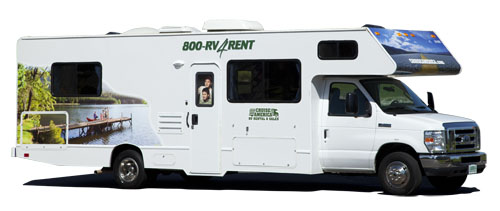
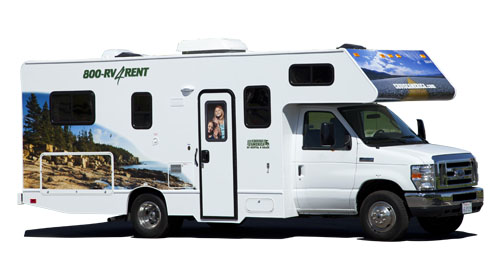
Choosing the right RV for your last-minute Southeast adventure hinges on your travel companions and desired comfort. For couples, Bandana's fleet typically offers Class B Camper Vans, averaging 5.8 meters in length, comfortably sleeping around 2.7 adults. Their compact size and nimble handling make them ideal for navigating winding mountain roads and parking in bustling city centers, offering flexibility for spontaneous stops. A great example of a suitable campervan is the ( known for its maneuverability. For families, Bandana's Class C Alcove models are a popular choice, averaging 7.5 meters in length and accommodating approximately 4.4 adults with 5.8 sleeping places. These RVs, like the [24 Class C Motorhome]( provide more living space, a dedicated dining area, and often an overhead bunk, perfect for family comfort on longer trips or when seeking coastal resorts and spacious campgrounds. To simplify your last-minute planning, consider Bandana's 'Rent & Plan' service, which combines RV rental with a ready-made itinerary crafted by travel experts, offering full access to intuitive trip-planning software.
What are the best places to visit in the Southeast US by RV?
The Southeast US offers a diverse range of top RV destinations, from the stunning Blue Ridge Mountains to the pristine beaches of the Gulf Coast. Popular choices include the Great Smoky Mountains National Park (TN/NC) and the Blue Ridge Parkway (VA/NC) for scenic drives and hiking. Historic cities like Savannah (GA), Charleston (SC), and St. Augustine (FL) are celebrated for their charm, architecture, and culinary scenes, all easily accessible with a rented RV. For coastal retreats, consider the Florida Keys (FL), Gulf Shores (AL), or the Outer Banks (NC) for beach access and water activities. If you're seeking hidden gems, explore lesser-known spots like Congaree National Park (SC) for its old-growth forests or Tallulah Gorge State Park (GA) for dramatic canyon views. Boondocking opportunities are also available in the Southeast, particularly in National Forests like Ocala National Forest in Florida or Sumter National Forest in South Carolina.
Is RV living worth it in Florida?
RV living in Florida can be exceptionally rewarding, especially for those seeking warmer winters, but it requires careful planning due to its unique seasonal challenges. The pros include access to beautiful beaches, diverse natural springs, world-class theme parks, and a vibrant 'snowbird' community in winter. However, the cons involve high demand for RV parks during peak season (winter and spring break), intense summer heat and humidity, and the necessity for hurricane season preparedness (June to November). To make the most of RV living in Florida, book campsites well in advance, consider shoulder seasons (late spring and early fall) for fewer crowds, and always monitor weather forecasts diligently during hurricane season.
What is the best month to RV in Florida?
The best months to RV in Florida are typically from November to April, offering pleasant temperatures, lower humidity, and minimal hurricane risk. This optimal season provides perfect weather for outdoor activities, though campgrounds will be busier and prices higher due to the influx of 'snowbirds.' Shoulder seasons, such as May and late October, offer a good balance of pleasant weather and fewer crowds, but temperatures begin to rise in May. The off-season, from June to September, is characterized by intense heat, high humidity, daily thunderstorms, and the peak of hurricane season, making it challenging for RV travel unless strictly limited to indoor activities and robust storm preparedness plans.
What states in the Southeast are most RV friendly?
Florida, Georgia, Tennessee, and North Carolina are widely considered among the most RV-friendly states in the Southeast due to their extensive campground networks, diverse attractions, and welcoming infrastructure. Florida offers abundant RV parks, particularly along its coastlines and near major attractions, although finding last-minute spots in peak season can be challenging. Georgia provides a mix of state parks, national forests, and private campgrounds, catering to various RV sizes, with clear signage and accessible routes. Tennessee is known for its beautiful state parks, access to the Great Smoky Mountains, and numerous private campgrounds, especially in tourist-heavy areas like Gatlinburg and Nashville. North Carolina boasts excellent RV facilities along the coast, in the Blue Ridge Mountains, and near urban centers, with varied terrain suitable for different RV types—for example, a nimble Class B RV is great for mountain roads. While generally welcoming, always check state-specific parking regulations, especially in historic downtown areas, and ensure your rented RV meets any length restrictions for smaller state parks.
What are the cheapest places to rent an RV in Florida?
The most affordable RV rentals in Florida can often be found by looking beyond major rental hubs and considering factors like your booking window, the RV class you choose, and the rental duration. While last-minute deals can appear on available inventory, booking several months in advance typically secures better rates, particularly for popular RV classes and seasons. It’s wise to compare prices across major rental companies like Bandana, peer-to-peer platforms, and smaller independent dealerships, especially those located outside of major cities like Orlando or Miami. Opting for smaller, more fuel-efficient models, such as a Class B Camper Van, can also significantly reduce both rental costs and operational expenses. Renting during Florida's summer off-season (June through September) generally offers considerably lower rates due to reduced demand, despite the heat and hurricane risks.
How much does it cost to RV the whole US?
The cost to RV across the entire US is highly variable, depending significantly on your trip's duration, the type of RV you choose, fuel consumption, campsite fees, and personal spending habits. Fuel is a major expense; based on Bandana's global fleet averages, a Class C Alcove motorhome might consume 10-12 liters per 100 km (or 19.6-23.5 MPG US), while a Class B Camper Van could consume 8-10 liters per 100 km (or 23.5-29.4 MPG US). For a hypothetical 10,000-mile cross-country trip, fuel alone could range from $3,000 to over $6,000, depending on gas prices and RV efficiency. Campsite fees vary widely, from free dispersed camping to over $100 per night at luxury resorts; average private campground fees in the Southeast often range from $35-$70 per night, while state parks are typically $20-$40 per night. Budget for groceries and dining out, which can range from $50-$100+ per day for a family, and also factor in attraction entry fees, tours, and entertainment. If renting, expect daily rates from $100-$300+, plus insurance and prep fees. Overall, a reasonable budget for a month-long RV trip across a significant portion of the US could easily range from $4,000 - $8,000+, excluding RV purchase costs if applicable, making specific Southeast trips a more manageable and affordable option for experiencing RV life. On the routes offered through RV PLANET routes, you can itemize and track every expense along the way for easy budgeting.
Where can I boondock in the Southeast?
Boondocking, or free RV camping without hookups, is available in the Southeast primarily on designated public lands like National Forests, though opportunities are less abundant than in the Western US. Key areas for dispersed camping include Ocala National Forest (Florida), Chattahoochee-Oconee National Forest (Georgia), and National Forests in North Carolina (e.g., Pisgah, Nantahala) and Tennessee (e.g., Cherokee); look for Forest Service roads and designated dispersed camping areas. Some states, like Florida, also offer free camping in Wildlife Management Areas (WMAs) during specific hunting seasons or with a permit. Utilize apps and websites such as Campendium, iOverlander, and FreeCampsites.net to find user-submitted boondocking locations and read reviews on road conditions and suitability for various RV types. When boondocking, be prepared for primitive camping conditions—no water, electricity, or sewer services. This means carrying sufficient fresh water, having a reliable solar power setup or generator, and diligently practicing Leave No Trace principles. Always check with local forest service or park ranger offices for specific rules, fire restrictions, and any required permits before boondocking, as regulations can change frequently.
What states are good for RV travel?
Many states across the US are excellent for RV travel, and the Southeast, in particular, offers a rich tapestry of landscapes, history, and culture that makes it particularly appealing for road trips. The diversity within the Southeast encompasses coastal beaches (Florida, Georgia, Carolina coasts), majestic mountains (Blue Ridge, Great Smokies), historic cities (Savannah, Charleston, New Orleans), and unique cultural experiences (Nashville, Memphis). States like Florida, Georgia, and Tennessee boast well-developed RV infrastructure, including numerous state parks, private campgrounds, and easily navigable highways, making them highly RV-friendly. While specific months vary, the region generally provides pleasant RV travel conditions in spring and fall, helping travelers avoid extreme summer heat and winter cold in most areas. Other highly-rated RV states often include California for its diverse landscapes, Arizona for its desert beauty and the Grand Canyon, Colorado for its mountains and national parks, and Oregon for its stunning coastline and forests, each offering distinct and memorable RV experiences.
Can you live in an RV in Florida permanently?
While many people full-time RV in Florida, living in an RV permanently requires understanding specific regulations and practical considerations unique to the state. Florida does not prohibit living in an RV, but local zoning laws often restrict permanent residency in RVs on private land not designated as an RV park or campground, and most RV parks also impose stay limits. Establishing a legal domicile for mail, voting, and taxes typically involves using a mail forwarding service and selecting a county known for being RV-friendly, such as Sumter (home to The Villages) or Escambia, for establishing residency. Furthermore, permanent RV living in Florida necessitates a robust hurricane preparedness plan, including evacuation strategies, securing your RV, and understanding insurance implications during storm season (June 1 to November 30). Practicalities also include finding long-term RV park leases, which can be competitive and costly, especially in popular areas during peak season, and managing vehicle registration, insurance, and healthcare access.
What You Shouldn't Miss
- Drive a portion of the scenic Blue Ridge Parkway for unparalleled mountain vistas.
- Explore the charming, Bavarian-themed village of Helen, Georgia, and enjoy river tubing.
- Witness the grandeur of Amicalola Falls State Park, Georgia's tallest waterfall.
- Immerse yourself in the vibrant arts scene and historic estates of Asheville, North Carolina.
- Hike through the lush landscapes of Great Smoky Mountains National Park, America's most visited national park.
- Discover the underground marvels of Lookout Mountain in Chattanooga, Tennessee, including Ruby Falls and Rock City.
- Relax on the white-sand beaches of Gulf Shores, Alabama, and explore Gulf State Park.
Final Thoughts
Embarking on a last-minute RV adventure in the Southeast US is a fantastic way to experience the region's charm and natural beauty. With the flexibility of a rented RV, you can tailor your journey to your interests, whether that's hiking through mountains, relaxing on coastal beaches, or exploring historic cities.
Remember that flexibility with dates and a willingness to explore slightly less popular spots can often lead to better availability and rates, especially for last-minute bookings. For finding the perfect RV and planning your route, utilize resources like RV PLANET (rvplan.net) to discover pre-planned itineraries and essential information.
Get inspired for your next trip! Discover top destinations, planning tips, all in one place! Plan a trip itinerary in advance with minimal effort and maximum enjoyment. We handle the details, you live the journey—personal service from day one until your booking is confirmed.
Ready to plan your Southeast adventure? Compare motorhome prices for South East US now!
Compare Motorhome Prices for South East US