For live availability and current prices, start with our RV Rental Oslo - Complete Guide 2026 guide.
In This Guide
- Best Oslo RV Itinerary for last minute rv rental — Overview
- 7-Day Classic Route in Oslo
- 14-Day Extended Journey in Oslo
- Recommended RVPlan Trip for Oslo
- Daily Driving Distances & Drive Times in Oslo
- Best RV Class for This Itinerary — Couple & Family Picks
- Can you park a motorhome anywhere in Norway?
- What is the most beautiful road trip in Norway?
- What should I not miss in Oslo?
- Is Norway RV friendly?
- What is the prettiest town in Norway?
- Can I do Norway in a nutshell on my own?
- What to see in Oslo in 3 hours?
- How long does it take to drive from Oslo to the fjords?
- What are the best day trips from Oslo?
Best Oslo RV Itinerary for last minute rv rental — Overview
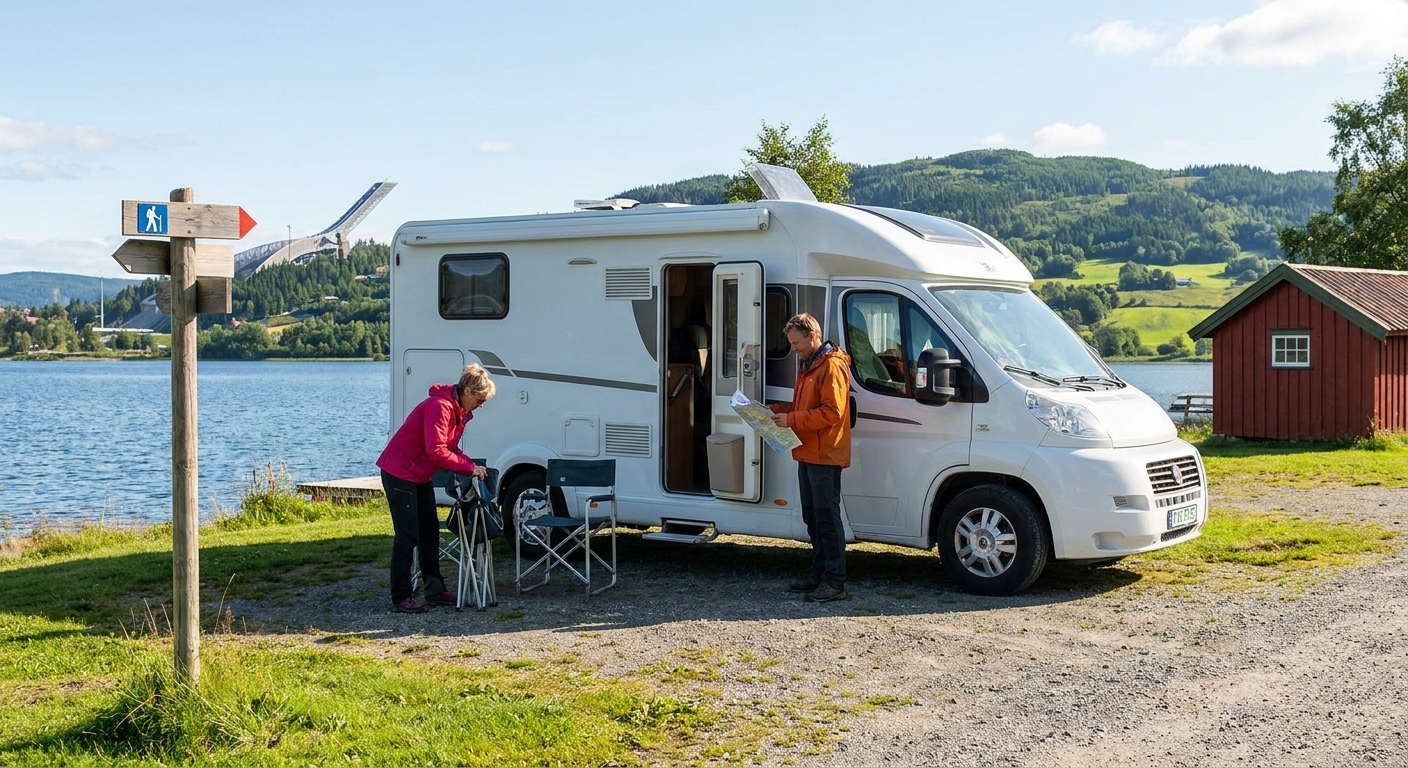
A last-minute RV rental in Oslo is your gateway to Norway's breathtaking landscapes, typically unfolding over a 7 to 14-day itinerary that covers approximately 700-1500 km. The ideal season for embarking on an RV adventure from Oslo is from late spring (May-June) through early autumn (September). During these months, you’ll experience comfortable weather and enjoy longer daylight hours, perfect for exploration. Your journey can encompass a rich blend of city exploration, serene fjord cruises, exhilarating scenic drives, and deep cultural immersion. For a truly fulfilling experience of the regions surrounding Oslo, a recommended minimum trip duration is 7 days, allowing you to truly connect with the Norwegian spirit.
7-Day Classic Route in Oslo
This 7-day itinerary offers a classic loop from Oslo into Norway's magnificent fjordland, thoughtfully designed to respect Avi Bandana's recommendation of averaging no more than 100 miles (150 km) per day. This approach ensures you can truly soak in the scenery without feeling rushed.
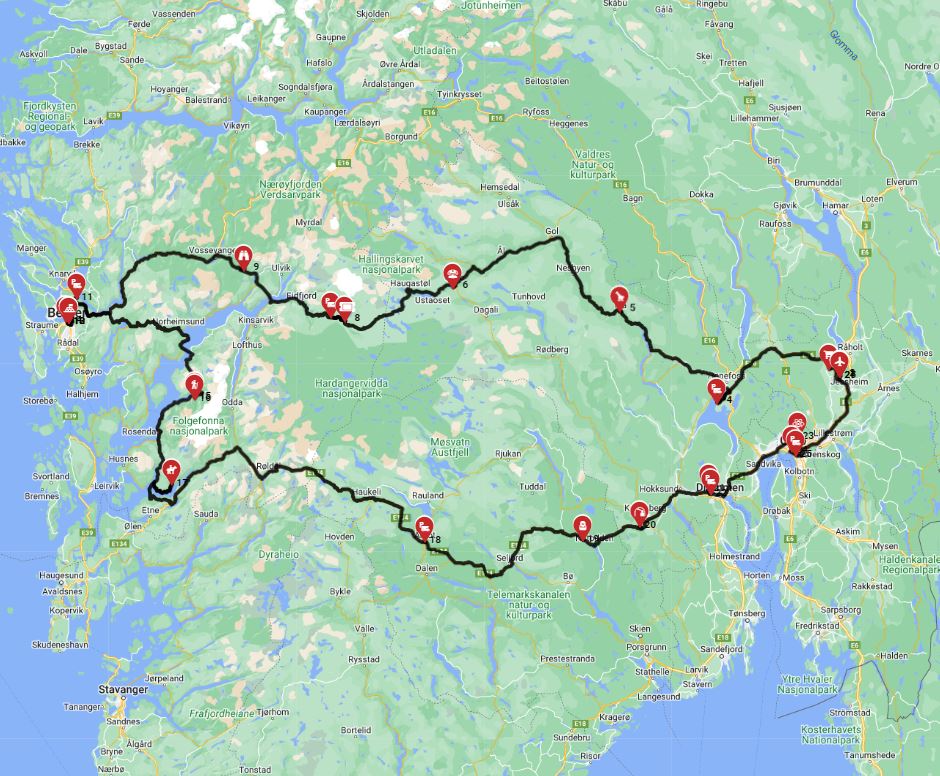
Day 1: Oslo → Geilo (approx. 220 km). Begin your journey by driving along the picturesque Lake Tyrifjorden towards the charming mountain village of Geilo. Settle in for the night at Geilo Camping.
Day 2: Geilo → Eidfjord (approx. 100 km). Your route continues through the stunning Hardangervidda National Park. Make a stop at the impressive Vøringsfossen waterfall before finding your overnight spot at Eidfjord Camping.
Day 3: Eidfjord → Bergen (approx. 150 km). Today, you'll drive the scenic Hardangerfjord route, which includes ferry crossings – it’s wise to plan these in advance. Explore the historic Bryggen wharf in Bergen, and stay overnight near the city, perhaps at Lone Camping.
Day 4: Bergen exploration. Dedicate this day to exploring Bergen's many attractions. Utilize local public transport for ease of movement, and stay another night at your chosen Bergen campsite.
Day 5: Bergen → Flåm (approx. 170 km). Head towards the iconic Sognefjord. Consider experiencing the world-famous Flåm Railway or enjoying a leisurely fjord cruise. Your accommodation for the night will be at Flåm Camping.
Day 6: Flåm → Gol (approx. 100 km). Enjoy a pleasant drive through the Hallingdalen valley, with opportunities to stop and explore charming villages along the way. Rest for the night at Gol Camp.
Day 7: Gol → Oslo (approx. 190 km). Complete your loop back to Oslo for RV drop-off. Allow some time for any last-minute souvenir shopping or a final glimpse of the city's sights.
14-Day Extended Journey in Oslo
For those fortunate enough to have more time, this 14-day journey from Oslo offers an even deeper dive into Norway's diverse and stunning regions, providing a truly comprehensive experience while still adhering to the recommended daily driving limits. This extended itinerary allows for more relaxed exploration and spontaneous discoveries.
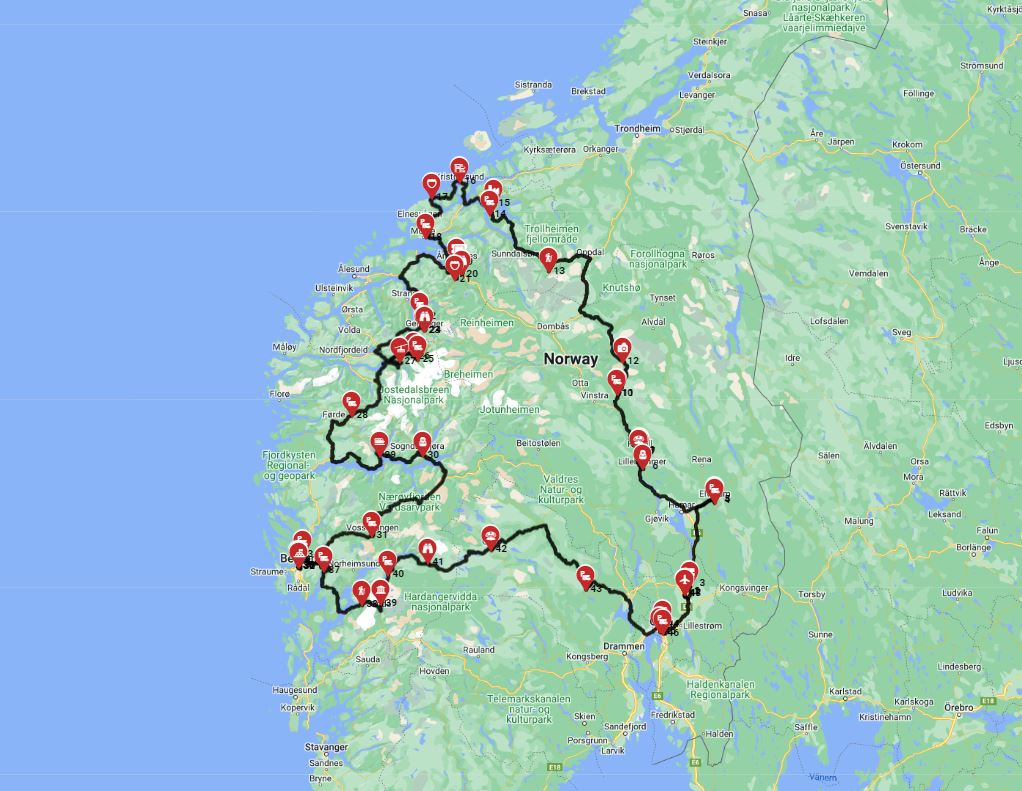
Days 1-3: Oslo & Eastern Fjordland. After exploring Oslo, head north to Lillehammer (180 km), known for its Olympic history, then continue towards the magnificent Geirangerfjord (250 km) for cruises and breathtaking viewpoints. Plan for two nights in the Geiranger area to fully appreciate its majesty.
Days 4-6: Ålesund & Atlantic Coast. Drive to Ålesund (100 km), a city renowned for its unique Art Nouveau architecture. Next, experience the iconic Atlantic Ocean Road (~120-150 km) before proceeding to the historic city of Trondheim (~200-250 km).
Days 7-9: Trondheim & Dovrefjell. Discover Trondheim's Nidaros Cathedral, then journey south to Dovrefjell National Park (approx. 150 km) for a chance to spot musk oxen. Continue your drive to Lom (approx. 100 km), where you can marvel at its historic stave church.
Days 10-12: Jotunheimen & Sognefjord. Travel through stunning mountain landscapes towards Flåm (approx. 150-200 km via various routes – carefully check RV suitability for mountain passes). Enjoy the Sognefjord and the Flåm Railway. Spend two nights in Flåm, then drive to Hemsedal (approx. 150 km).
Days 13-14: Return to Oslo. Embark on a final scenic mountain drive to Hønefoss/Tyrifjorden (approx. 100 km), followed by a short drive back to Oslo (approx. 50-70 km) for your RV return, perhaps allowing time for a final city stroll.
Recommended RVPlan Trip for Oslo
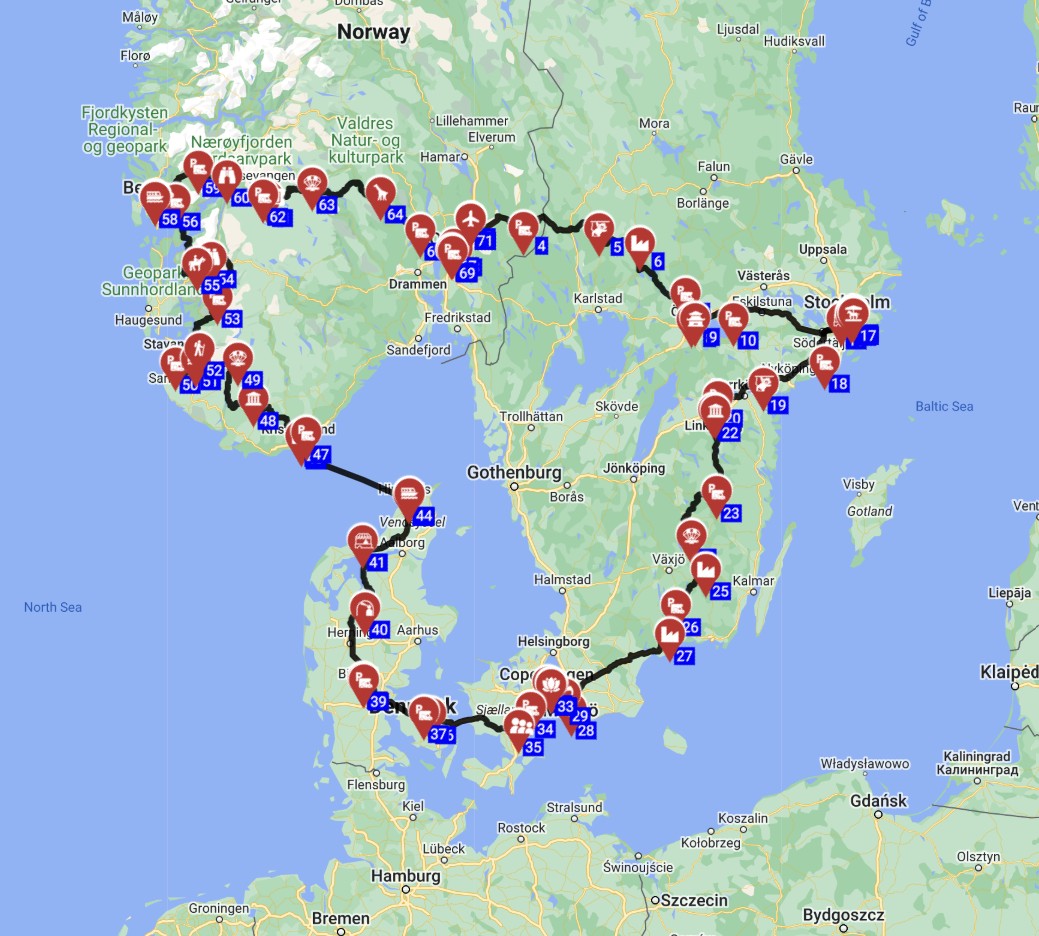
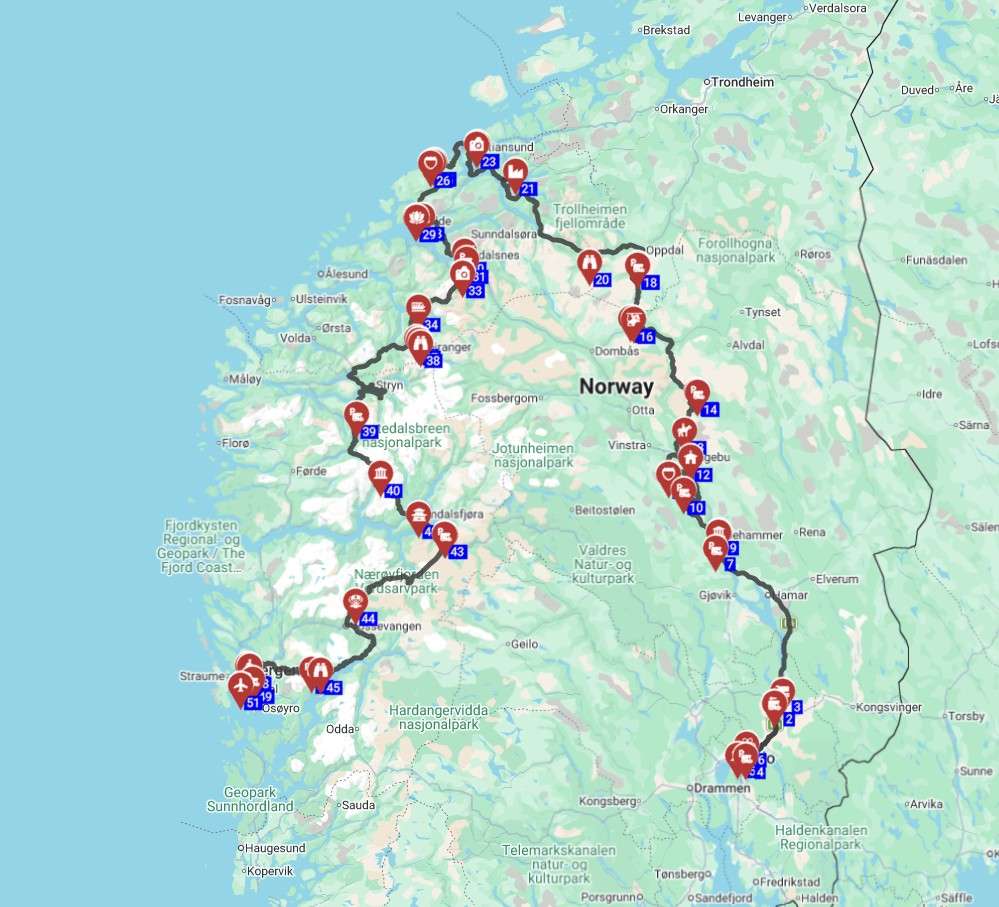
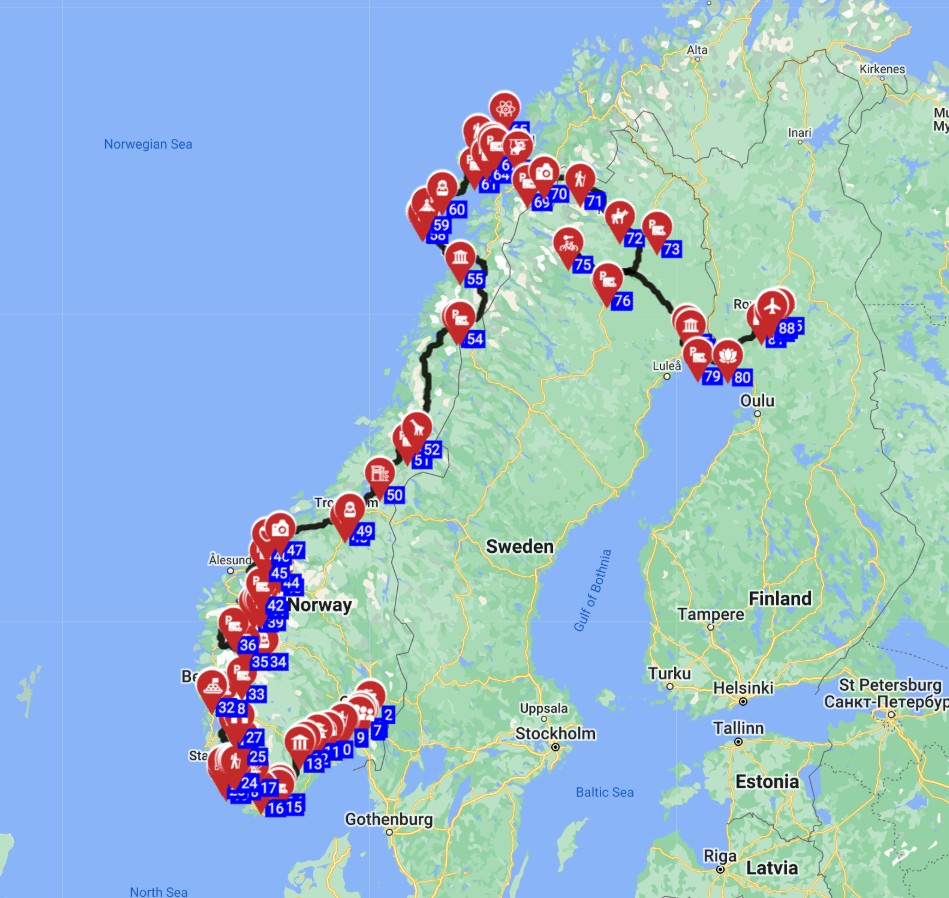
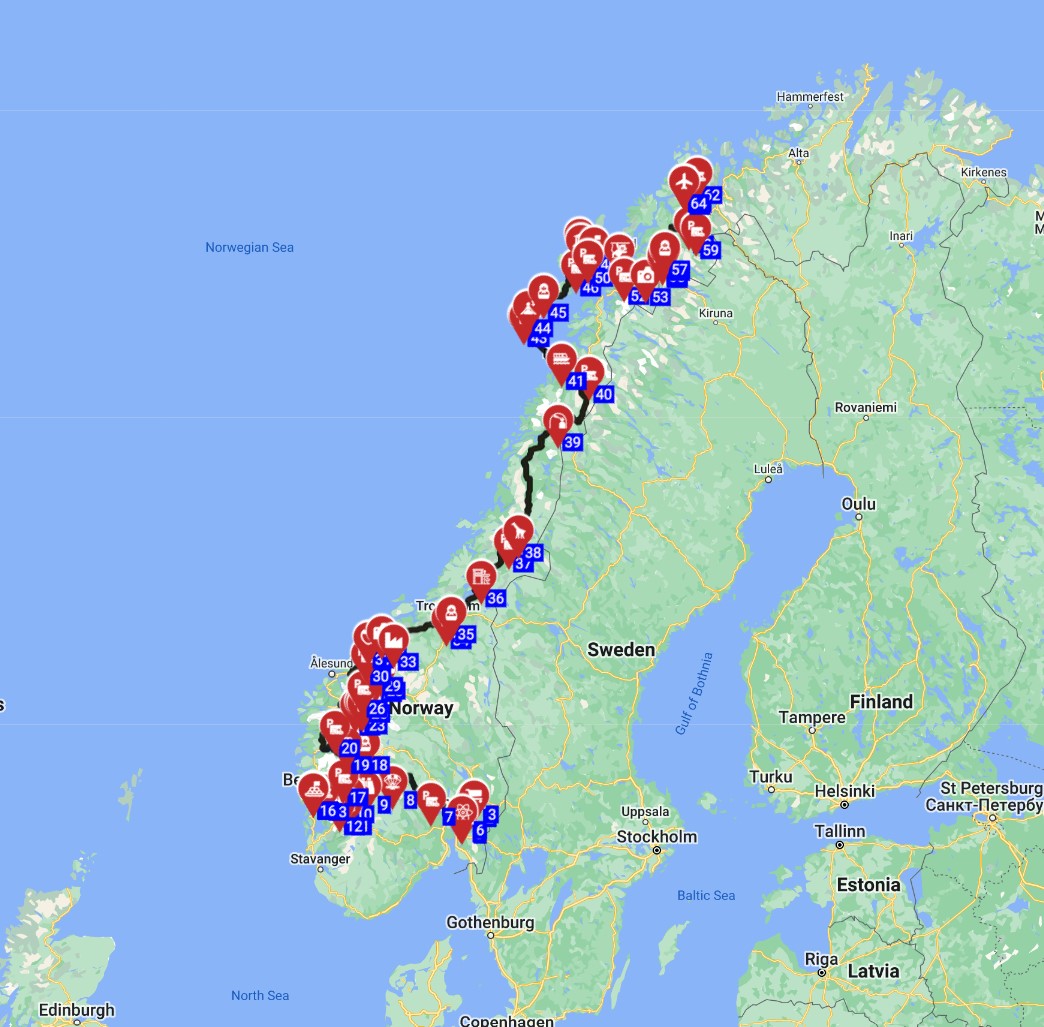
While the idea of a "last-,minute RV rental in Oslo" might suggest a shorter, more local trip, Bandana's sister company, RVPlan, offers an epic adventure for those with more time: the "Rovaniemi to Oslo one way - The Nordic Explorer’s Route." This extensive journey spans an impressive 5014.9 km over 28 days, commencing in Rovaniemi, Finland, and culminating in Oslo, Norway, providing a comprehensive exploration of the Nordic region.
You can explore the full itinerary, including detailed stops and driving directions, at: Rovaniemi to Oslo one way - The Nordic Explorer’s Route.
This particular RVPlan trip is designed for an extended, immersive exploration, which contrasts with the typical shorter "last-minute" rentals. However, it offers invaluable insights and inspiration for any segment of a Norwegian RV adventure that might conclude in Oslo.
Daily Driving Distances & Drive Times in Oslo
Avi Bandana's golden rule for RV travel is to embrace the journey, recommending a maximum of 100 miles or 150 km per day on average. This philosophy allows ample time for spontaneous stops and truly appreciating the surroundings, especially on Norway's scenic and often winding roads.
While a direct drive from Oslo to Bergen is approximately 470 km, taking about 6-7 hours, breaking this into two days is highly recommended. This allows for leisurely stops at captivating places like Hardangervidda or Flåm, perfectly embodying the slow travel ethos that enhances the RV experience.
Consider the drive from Oslo to the Geirangerfjord, roughly 450 km. This journey can easily take 7-8 hours or more, factoring in mountain passes and essential ferry crossings. Therefore, planning this segment over two days is ideal to fully absorb the dramatic, awe-inspiring landscapes.
Even shorter trips, such as Oslo to Lillehammer (180 km, about 2.5 hours), can be transformed into a more immersive experience by extending the journey with stops at charming lakeside towns or cultural sites, ensuring a relaxed and enjoyable pace.
Best RV Class for This Itinerary — Couple & Family Picks
Choosing the right RV class is pivotal for maximizing your Norwegian road trip experience, particularly given the country's diverse terrain and sometimes narrow roadways. Bandana offers a range of options to suit every traveler.
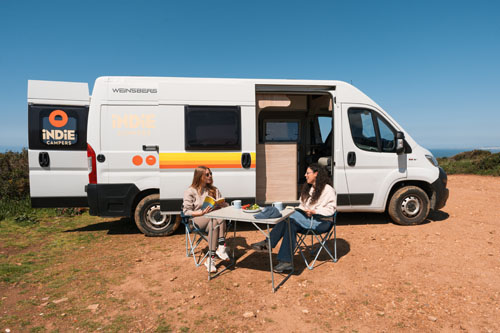
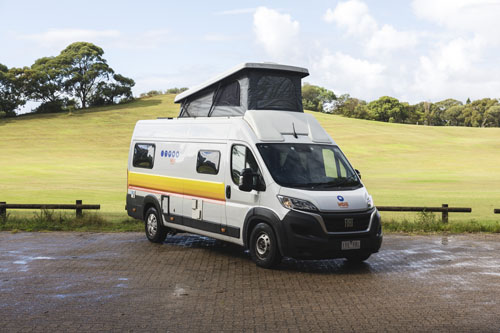
For Couples: Class B - Camper Van is an excellent choice for navigating Norway's roads with ease. Our fleet typically features Class B Camper Vans averaging around 5.8 meters in length, with sleeping places ideally suited for 2, and often accommodating up to 3. Their compact dimensions make them exceptionally easy to maneuver on narrow mountain passes and through ferry queues. With common fuel consumption rates of 8-10 Liters/100 Km, they also offer a more budget-friendly option in expensive Norway.
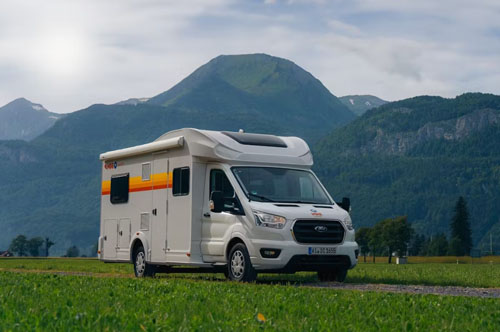
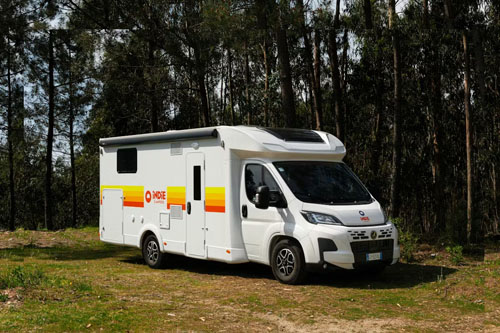
For Families: Class C - Alcove provides ample space and comfort for family adventures. Bandana's Class C Alcove models typically average 7.5 meters in length, offering comfortable sleeping arrangements for up to 5-6 people. The elevated sleeping alcove is a hit with families, providing cozy sleeping quarters. While slightly larger, their overall design ensures manageable handling, and their typical fuel consumption of 10-12 Liters/100 km is a reasonable trade-off for the added space and amenities.
To simplify your planning and ensure you get the most out of your Norwegian RV adventure, consider Bandana's 'Rent & Plan' service. This integrates your RV rental with a pre-planned itinerary crafted by travel experts, giving you full access to trip-planning software and removing the common headaches of organizing such a trip.
Can you park a motorhome anywhere in Norway?
Norway's celebrated "Right to Roam" (Allemannsretten) generally permits wild camping for tents, but specific regulations apply to motorhomes and RVs. This means you cannot typically park your motorhome "anywhere" you please, especially in densely populated areas or sensitive natural environments.
Motorhomes are generally allowed to park overnight on public land or roadsides for a maximum of 24 hours, provided there are no explicit "no overnight parking" signs, and you do not obstruct traffic or block private access. Crucially, strict wild camping regulations for motorhomes often prohibit parking within designated agricultural areas, on private land without explicit permission, or within 150 meters of inhabited houses or cabins.
Waste disposal laws are particularly stringent. Grey and black water must be emptied exclusively at designated disposal stations, which are commonly found at campsites or specific roadside facilities. Never dispose of waste water in the natural environment.
Furthermore, Oslo, like many European cities, has Low Emission Zones (LEZs). These zones may restrict older or larger RVs from entering the city center, or impose fees. Always check current regulations for your specific vehicle and planned routes before entering urban areas.
What is the most beautiful road trip in Norway?
While beauty is inherently subjective, many travelers and experts alike consider drives along the iconic Atlantic Ocean Road (Atlanterhavsveien) or the routes through the Western Fjords, particularly around the Geirangerfjord and Sognefjord, to be among Norway's most breathtaking road trip experiences.
The Atlantic Ocean Road is an unforgettable stretch of highway that connects islands via a series of stunning bridges, offering incredible coastal vistas and a unique driving experience. It's generally manageable for RVs, though it can be windy, so always exercise caution.
For unparalleled fjord exploration, routes like the E16 from Oslo to Bergen, or the Sognefjellet (Fv55) and Trollstigen/Geirangervegen (RV63) offer dramatic mountain passes, deep fjords, and cascading waterfalls. These routes demand careful navigation for larger RVs due to their narrow and winding sections. We recommend using a smaller RV or campervan, like Bandana's Class B Camper Van, for enhanced agility and ease of travel on these challenging yet immensely rewarding routes.
Always factor in time for stunning viewpoints, charming villages, and potential ferry waits when planning your journey. Pre-booking popular ferry segments, especially during the peak summer months, is also highly recommended to ensure a seamless travel experience.
What should I not miss in Oslo?
When visiting Oslo with an RV, several key attractions are absolute must-sees. Don't miss the whimsical Vigeland Sculpture Park, the fascinating Viking Ship Museum (currently under renovation, but alternative exhibitions are often available), and the vibrant Aker Brygge waterfront, which is alive with activity.
For efficient city exploration, consider utilizing RV parking solutions located on the periphery of Oslo. Options like Bogstad Camping or Ekeberg Camping provide excellent base camps, both offering convenient public transport links into the city center. This allows you to immerse yourself in Oslo's urban charm without the stress of navigating city traffic in your rented RV.
To truly experience Oslo's rich local culture, consider visiting the National Museum for its impressive collection of art and architecture, or indulge in a traditional Norwegian meal at one of the many excellent restaurants in the trendy Grünerløkka district.
Also, take a stroll through the charming neighborhoods of Damstredet & Telthusbakken, known for their picturesque wooden houses, or visit the striking Oslo Opera House to admire its unique architecture and enjoy an accessible rooftop walk for panoramic city views.
Is Norway RV friendly?
Norway is generally considered RV-friendly, owing to its abundant natural beauty and a well-developed network of campsites. However, it requires a mindful approach, adherence to specific regulations, and practical considerations to ensure a smooth journey.
Beyond general friendliness, it's crucial to understand RV-specific regulations. These include strict rules for wild camping, as motorhomes have different allowances than tents. You'll also find mandatory grey and black water dumping at designated stations, and awareness of environmental zones (LEZs) in urban centers like Oslo is essential.
Cost analysis is vital in notoriously expensive Norway. Budget-saving tips include utilizing campsite kitchen facilities for preparing meals with groceries bought locally, carefully planning for ferry costs and toll roads (like those managed by the AutoPASS system), and opting for smaller, more fuel-efficient RVs. For example, Bandana's Class B campervans offer excellent fuel economy. On the routes offered through RV PLANET routes, you can itemize and track every expense along the way for easy budgeting.
Essential RV-specific gear for Norway's varied weather conditions includes good heating and insulation, especially if traveling outside the summer months. Sturdy leveling blocks and appropriate safety equipment like a warning triangle and reflective vest are also highly recommended.
For seamless connectivity and navigation, consider purchasing a local SIM card for reliable data. Always ensure you have offline maps or a dependable RV GPS, as mobile signal can be intermittent in more remote areas.
What is the prettiest town in Norway?
Determining the single "prettiest" town in Norway is a delightful challenge, as many villages offer unique charm and breathtaking scenery. However, towns like Reine in the Lofoten Islands, Flåm nestled in the heart of the fjords, and Ålesund, celebrated for its distinct Art Nouveau architecture, are consistently cited as favorites.
Reine, spectacularly situated amidst dramatic peaks and turquoise waters in the Lofoten Islands, is famous for its iconic red fishermen's cabins (rorbuer) and stunning vistas. However, it is a significant drive north from Oslo.
Flåm, located at the innermost part of the Aurlandsfjord, provides incredible fjord views, access to the famous Flåm Railway, and numerous hiking trails. It's a popular and picturesque stop that can be easily integrated into an RV trip starting from Oslo.
Further north on the west coast, Ålesund captivates with its distinctive Art Nouveau buildings, rebuilt after a fire. It offers panoramic views from the Aksla viewpoint and boasts a vibrant harbor atmosphere.
Many smaller villages scattered throughout the fjords, such as Balestrand or Olden, also offer breathtaking beauty and a peaceful atmosphere, making them perfect destinations for an RV exploration.
Can I do Norway in a nutshell on my own?
Absolutely! The popular "Norway in a Nutshell" tour can be wonderfully experienced independently with an RV, granting you the freedom to set your own pace and explore at your leisure, provided you plan carefully around ferry schedules and RV-specific logistics.
Undertaking this classic route yourself allows you to tailor the experience to your RV travel style, perhaps spending more time in locations that particularly capture your interest. You can modify the standard Oslo-Myrdal-Flåm-Gudvangen-Voss-Bergen circuit (or vice-versa) to suit your needs.
For RV travelers, specific considerations include parking at train stations (Myrdal is train-access only), navigating potentially busy areas like Flåm and Gudvangen, and understanding the ferry routes across the fjords (such as Gudvangen-Flåm or Gudvangen-Kaupanger). Remember that a smaller Class B Camper Van often provides greater agility for these segments of the journey.
To ensure a smooth, self-planned "Nutshell" experience, booking accommodations (campsites) and critical ferry segments in advance is highly recommended, particularly during the peak summer months.
What to see in Oslo in 3 hours?
With only 3 hours to explore Oslo, your focus should be on easily accessible and impactful sights near the city center. This is entirely feasible, especially if you utilize RV parking solutions on the city's periphery and then hop on public transport.
A rapid itinerary could include a walk around the Aker Brygge waterfront for its modern architecture and harbor views, followed by a stroll up to the Nobel Peace Center and a quick visit to Akershus Fortress for a brief historical overview.
Alternatively, concentrate on Karl Johans gate, Oslo's main boulevard, to see the exterior of the Royal Palace and the Parliament building, immersing yourself in the city's vibrant atmosphere.
If you've parked your RV at a peripheral campsite like Ekeberg Camping (which offers stunning city views), a short bus or tram ride can efficiently transport you into the heart of the city for your whirlwind tour.
For a quick cultural immersion, a visit to the Viking Ship Museum (always check its current operational status for temporary exhibitions) or the National Museum can offer a compact yet richly rewarding experience.
How long does it take to drive from Oslo to the fjords?
Reaching the nearest significant fjords from Oslo typically takes between 4 to 8 hours of driving, depending heavily on your chosen fjord region and whether you opt for direct routes or more scenic detours.
To access the eastern parts of the Hardangerfjord or the Aurlandsfjord (near Flåm), a direct drive can take approximately 5-6 hours, covering around 300-350 km through mountainous roads. This journey itself is part of the Norwegian adventure.
For more distant, iconic fjords like the Geirangerfjord, the journey extends to roughly 7-8 hours (450 km) or more. This route often involves navigating challenging mountain passes and potential short ferry crossings, making it an ideal candidate to split over two days for a more relaxed pace.
Avi Bandana strongly encourages travelers to embrace Norway's driving culture, which favors a slower pace. Road conditions, speed limits, and the sheer abundance of photo opportunities mean average speeds are lower than on typical motorways. Therefore, the drive itself becomes an integral and enjoyable part of the experience.
When estimating travel time, always factor in stops for stunning viewpoints, charming villages, and potential ferry waits. Realistic travel time estimations are key to ensuring a relaxed and enjoyable drive through Norway's magnificent landscapes.
What are the best day trips from Oslo?
For those picking up an RV on a last-minute basis in Oslo, several excellent day trip options offer a fantastic taste of Norway's beauty and culture within a few hours' drive, allowing you to make the most of your rental.
Drøbak: A charming coastal town located about 45 minutes south of Oslo. Known affectionately as 'Santa's Home Town', it offers picturesque streets, lovely galleries, and a beautiful fjord setting perfect for a relaxed outing.
Tusenfryd Amusement Park: Norway's largest amusement park, situated just 20 minutes south of Oslo, provides a fun-filled day for families with a variety of rides and attractions.
Hadeland Glassverk: Travel about an hour north of Oslo to this historic glass factory and village. It features artisan shops, interesting museums, and beautiful lakeside surroundings.
Kongsberg: Approximately an hour and a half west of Oslo, this former silver mining town boasts a historic church, an engaging mining museum, and access to various outdoor activities.
The Mjøsa Lake Region (e.g., Hamar or Lillehammer): A drive of about 1.5-2 hours north brings you to Norway's largest lake. Hamar offers the fascinating Hedmark Museum at Domkirkeodden, while Lillehammer is famous for its Olympic heritage and the open-air Maihaugen Museum.
What You Shouldn't Miss
- Explore Oslo's Maritime History: Visit the Bygdøy Peninsula to see the Viking Ship Museum (check for current exhibition status) and the Fram Museum, showcasing Norway's polar exploration history. These are easily accessible and offer a profound glimpse into the nation's seafaring past.
- Wander through the Fjordland: Incorporate a drive along the scenic routes of the Sognefjord or Hardangerfjord. The drive itself, combined with ferry crossings, offers unparalleled views and a true taste of Norway's dramatic landscapes.
- Experience Norwegian Culture at Local Markets: Seek out traditional markets in smaller towns along your route. These are excellent opportunities to sample local produce, find unique handicrafts, and connect with the local community.
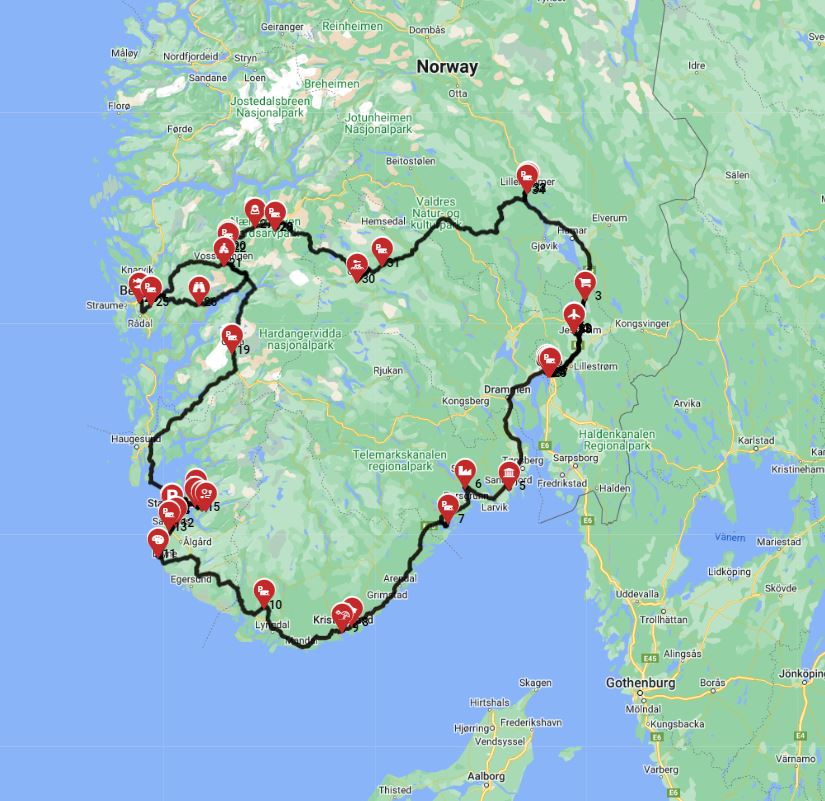
- Hike to a Scenic Viewpoint: Many of the itineraries, like the "Oslo Roundtrip" (13 days, 2168.9 km), include areas perfect for hiking. Look for trails leading to viewpoints overlooking fjords or mountain passes for truly unforgettable vistas.
- Savor Traditional Norwegian Cuisine: Seek out traditional restaurants or cafes recommended in RVPlan itineraries. Trying local specialties like fresh seafood or mountain fare is a key part of the cultural immersion.
- Embrace Slow Travel: Remember Avi Bandana's advice to travel slowly. Maximize your RV rental experience by limiting daily driving, allowing time to truly connect with the places you visit, their culture, food, and scenery.
Final Thoughts
Renting an RV for a last-minute trip from Oslo opens up a world of breathtaking Norwegian scenery and cultural experiences. By embracing the slow travel philosophy and planning with resources like RV PLANET, you can craft an unforgettable adventure tailored to your interests and timeframe.
Whether you opt for a compact campervan for two or a spacious motorhome for the family, the freedom of the open road in Norway awaits. Remember to book in advance when possible, especially for popular routes, and always prioritize safety and respect for local regulations and the stunning natural environment.
Find Motorhome Rentals in OsloFor ideas you can prep on the road, watch our RV-friendly recipes playlist on YouTube.