In This Guide
- Best Dublin RV Itinerary for last minute rv rental - Overview
- 7-Day Classic Route in Dublin
- 14-Day Extended Journey in Dublin
- 🎯 Fun Facts About Dublin
- Recommended RVPlan Trip for Dublin
- Must-See Stops Along the Way (Avi Bandana Picks)
- Daily Driving Distances & Drive Times in Dublin
- Best RV Class for This Itinerary - Couple & Family Picks
- What is the 3-3-3 rule for RV travel?
- Can Google Maps be used for motorhomes?
- What is the most beautiful road trip in Ireland?
- Where can I park my overnight motorhome near Dublin Port?
- Where to go in Ireland in a campervan?
- How many days do you really need in Dublin?
- What I wish I knew before going to Ireland?
- Can I park a campervan anywhere in Ireland?
- Where to go in Dublin for a few hours?
- What is the best day trip from Dublin?
Best Dublin RV Itinerary for last minute rv rental - Overview
A last-minute RV rental in Dublin can unlock an unforgettable journey across Ireland, with a classic itinerary typically covering approximately 700-1000 km over a recommended minimum of 7 days, ideally experienced from late spring to early autumn. For live availability and current prices, start with our RV Rental Dublin - Complete Guide 2026 guide, where you'll find comprehensive information about vehicle types and booking details. This overview provides routes tailored for both week-long and two-week adventures, emphasizing the scenic beauty and cultural richness of Ireland. Imagine yourself winding through emerald landscapes, pulling into charming villages, and experiencing the legendary Irish hospitality from the comfort of your rented motorhome. You can expect a blend of breathtaking coastal drives, ancient historic sites, and vibrant city experiences, all while enjoying the unmatched flexibility of RV travel. With Bandana, you get full transparency; there are no hidden fees or surprises, just straightforward pricing and 24/7 support to ensure a smooth booking process before, during, and after your adventure.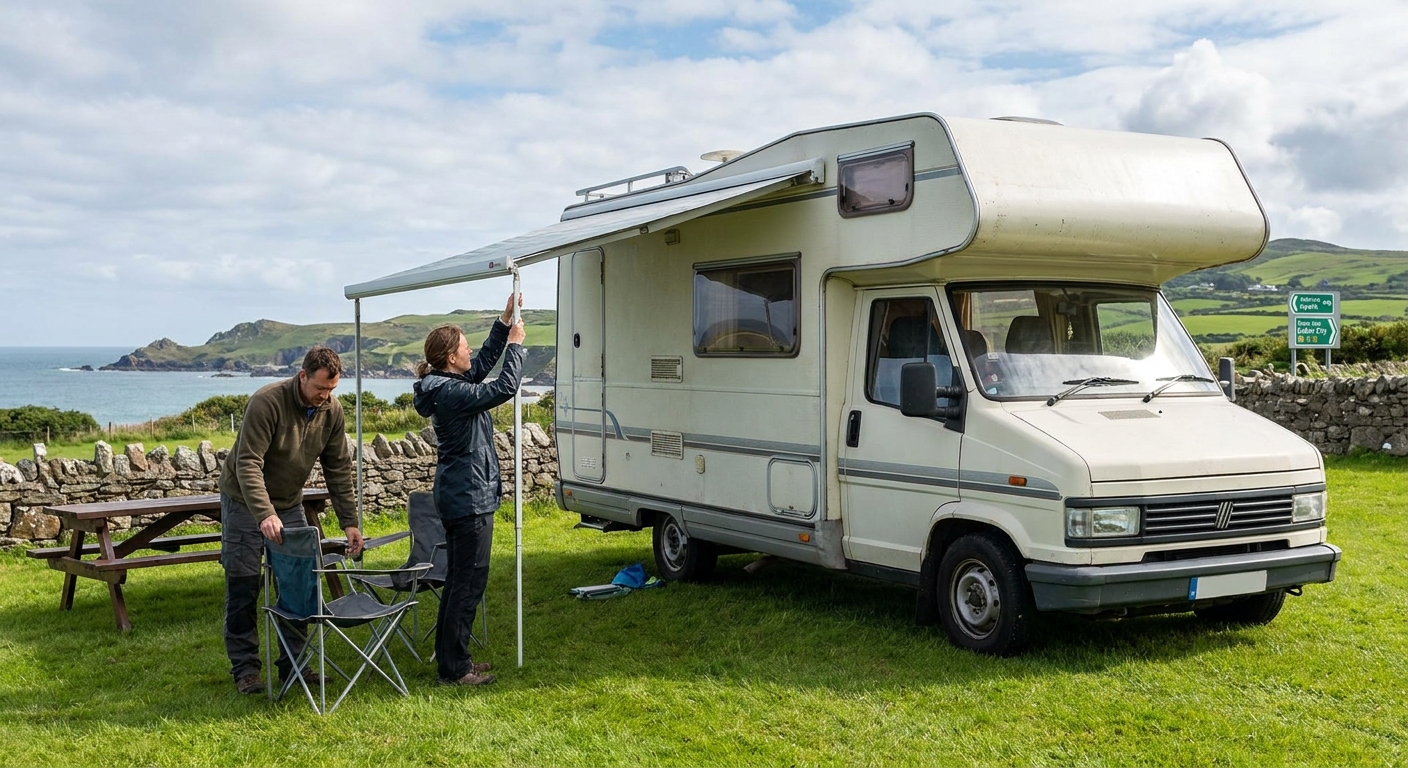
7-Day Classic Route in Dublin
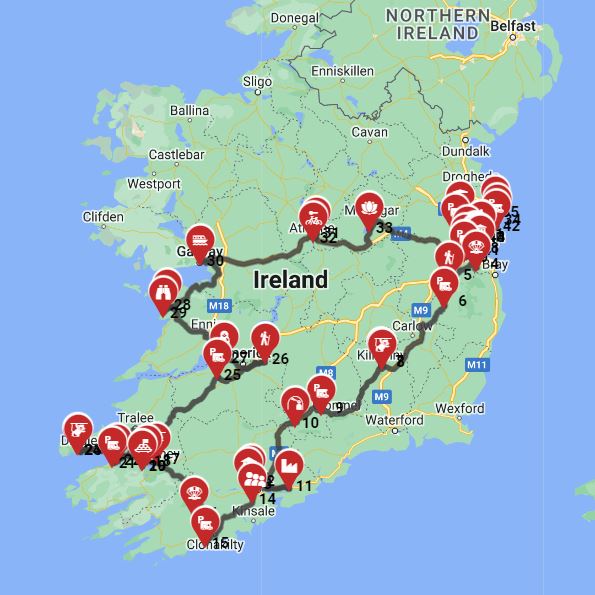
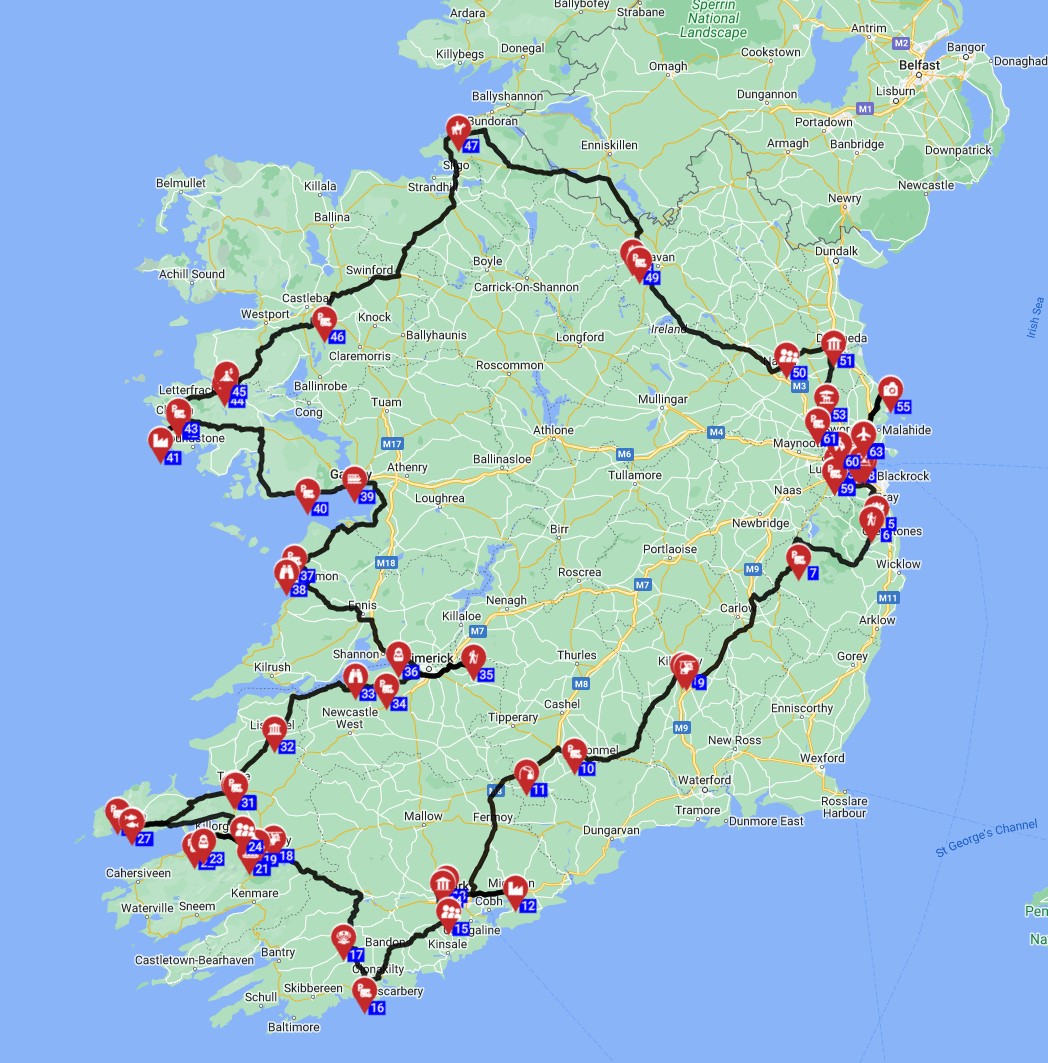
A classic 7-day last minute rv itinerary from Dublin allows for a comprehensive loop of Ireland's highlights, covering approximately 700-800 km and focusing on the south-east and west. On Day 1, begin your adventure by heading south to the stunning Wicklow Mountains National Park, an approximate 50 km (30 miles) drive. Visit Glendalough, an ancient monastic site with beautiful lakes and walking trails; consider staying overnight at Camac Valley Caravan & Camping Park near Dublin for your first night. Day 2 involves driving approximately 90 km (55 miles) through the 'Garden of Ireland' to Kilkenny, where you can explore Kilkenny Castle, the Medieval Mile, and enjoy a traditional pub dinner before sleeping at Tree Grove Caravan & Camping Park. On Day 3, head about 130 km (80 miles) to Cork, a vibrant city with a strong culinary scene; visit the English Market and perhaps kiss the Blarney Stone nearby, then overnight at Blarney Caravan & Camping Park. Day 4 journeys towards the famous Ring of Kerry, basing yourself in Killarney (approx. 90 km / 55 miles); explore Killarney National Park, Muckross House, and Torc Waterfall, sleeping at Fossa Beach Caravan & Camping Park. Day 5 is dedicated to the breathtaking Ring of Kerry loop, a 150 km (90 miles) scenic drive enjoying panoramic coastal views and charming villages; remember to drive clockwise and return to Fossa Beach Caravan & Camping Park. Day 6 travels north towards the iconic Cliffs of Moher (approx. 150 km / 90 miles to the Ennis area); stop in Ennis for its traditional Irish music scene and stay at Nagles Camping & Caravan Park in Doolin. Day 7 is a longer day of driving, approximately 270 km (170 miles), as you experience the majestic Cliffs of Moher before beginning your return journey to Dublin. Allow ample time for the drive back and RV return procedures, or consider a one-way RV rental if returning your motorhome at Shannon Airport or Galway is more convenient.14-Day Extended Journey in Dublin
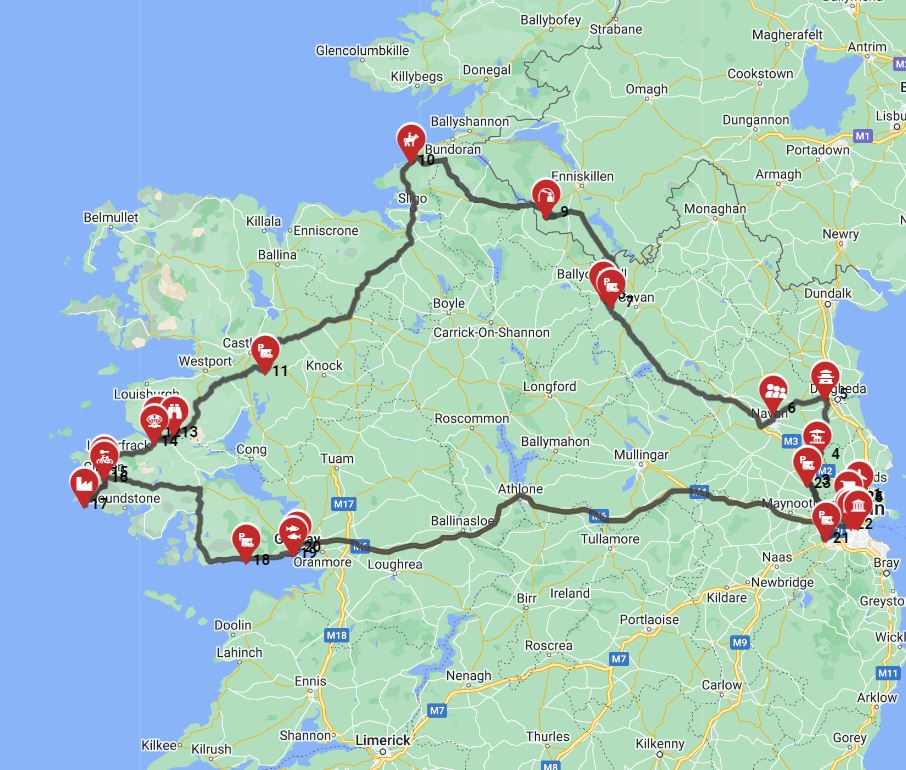
This extended 14-day RV journey from Dublin allows for a deeper exploration of Ireland's diverse regions, maintaining an average daily driving distance below 150 km (100 miles) for a truly relaxed pace. Days 1-3 involve starting in Dublin for 1-2 days to explore the city – remember to park your rented RV outside and use public transport for urban navigation. Then, head to the Wicklow Mountains, visiting Glendalough and Powerscourt Estate; recommended stays include Camac Valley Caravan & Camping Park or Hidden Valley Holiday Park. For Days 4-6, journey south through Ireland's Ancient East, exploring Kilkenny Castle, discovering Viking history in Waterford, and enjoying Cork city's vibrant atmosphere; overnight at Tree Grove Caravan & Camping Park or Blarney Caravan & Camping Park. Days 7-9 mark the beginning of the iconic Wild Atlantic Way, driving the Ring of Kerry, exploring Killarney National Park, and venturing into the rugged beauty of the Dingle Peninsula; plan to stay at Fossa Beach Caravan & Camping Park or Dingle Farm Hostel & Camping. Continue north for Days 10-11 to the dramatic Cliffs of Moher, explore the Burren's unique landscape, and soak in the bohemian atmosphere of Galway City; Nagles Camping & Caravan Park (Doolin) or Salthill Caravan Park (Galway) are excellent options. Days 12-13 take you through the stunning Connemara National Park, visiting Kylemore Abbey, and exploring Westport and the scenic coastline of County Mayo; consider Clifden Eco Beach Camping & Caravanning Park or Westport House Caravan & Camping Park. Finally, Day 14 brings you back to Dublin from the west, allowing for stops in charming towns along the way, completing a full return loop for your motorhome drop-off.Recommended RVPlan Trip for Dublin
For a comprehensively planned adventure from Dublin, consider the "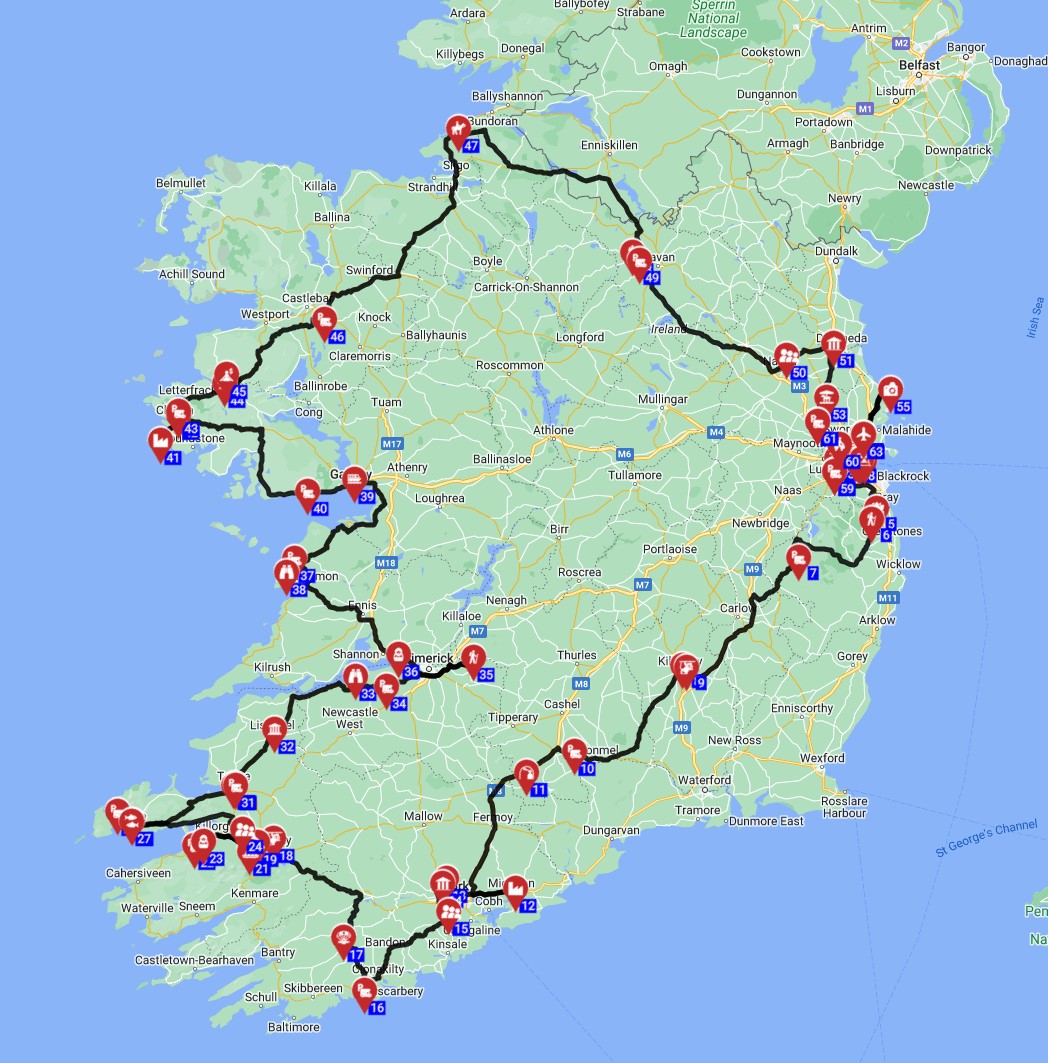
Dublin Roundtrip - Wild Atlantic Way
Explore this route
Another excellent option for a shorter trip is the "
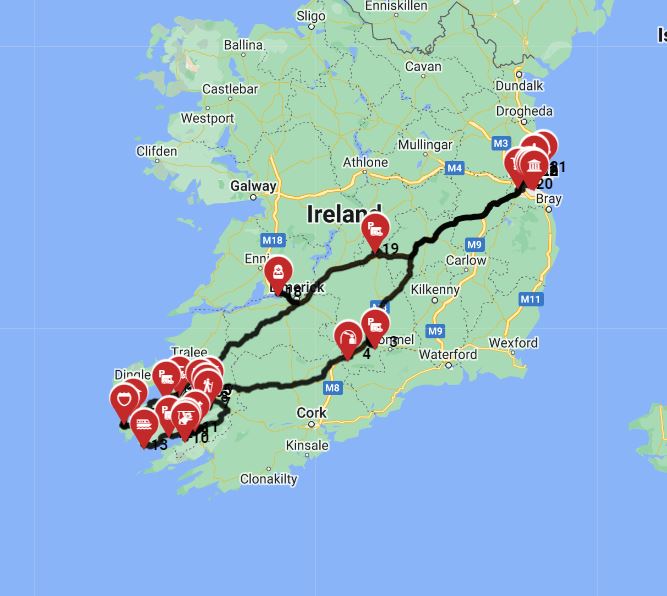
Dublin Roundtrip - Ring of Kerry
Explore this route
Must-See Stops Along the Way (Avi Bandana Picks)
Looking for expert insights from Avi Bandana? Top 5 Adventures - recommendations from Avi Bandana: his picks for an authentic Irish RV experience focus on cultural immersion and local flavor, drawing from the detailed itineraries available through rvplan.net. For a truly immersive Traditional Visit, make time for at least three significant historical or cultural sites; Blarney Castle & Gardens, a quintessential stop, allows you to explore magnificent grounds and perhaps kiss the Blarney Stone for the 'gift of the gab.' Another must-see is Bunratty Castle & Folk Park, offering a deep dive into Irish history and traditional village life. When it comes to dining, seek out a Traditional Restaurant for fine dining to savor local cuisine; while specific names aren't always provided in the itinerary, Avi Bandana recommends looking for establishments that emphasize fresh, regional ingredients and classic dishes like Irish stew or seafood chowder, especially along the Wild Atlantic Way. Discovering a Traditional Market is a fantastic way to engage with the culture and pick up fresh produce for your RV kitchen; look for vibrant farmer's markets in towns like Galway or Cork for artisan foods, crafts, and a lively atmosphere. Finally, gain insight into Ireland's heritage by visiting a Local Industry; the Connemara Smokehouse is an excellent example where you can learn about traditional salmon smoking methods and taste delicious local produce. Cooking in your rented RV allows you to fully enjoy these local ingredients; check out our RV-friendly recipes playlist for inspiration.Daily Driving Distances & Drive Times in Dublin
Avi Bandana recommends a maximum of 100 miles or 150 km per day on average when touring Ireland by RV to ensure a relaxed pace and ample time for exploration. This measured pace is particularly important in Ireland, where roads can be narrower and more winding than in other countries, especially in rural areas, and the breathtaking scenery often demands frequent stops for photos and enjoyment. For example, the drive from Dublin to Glendalough in the Wicklow Mountains is approximately 50 km (30 miles), taking about 1 hour to 1 hour 30 minutes, allowing plenty of time to enjoy the scenic road. The journey from Galway to the Cliffs of Moher, a distance of approximately 75 km (47 miles), typically requires 1 hour 30 minutes to 2 hours of driving, depending on the chosen routes and any detours through small villages. A trip from Killarney to Cork, covering about 90 km (55 miles), usually takes 1 hour 30 minutes to 2 hours, offering varied landscapes along the way. Travel slowly, max 100-150 km per day on average. Take time to feel the place, connect to the culture, the food, and the scenery.Best RV Class for This Itinerary - Couple & Family Picks
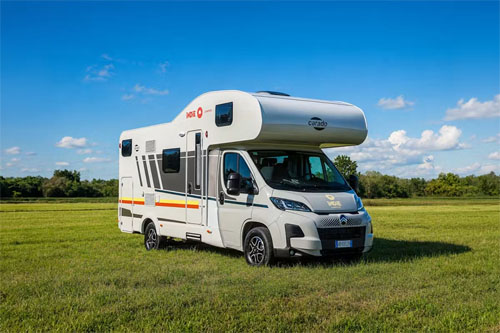
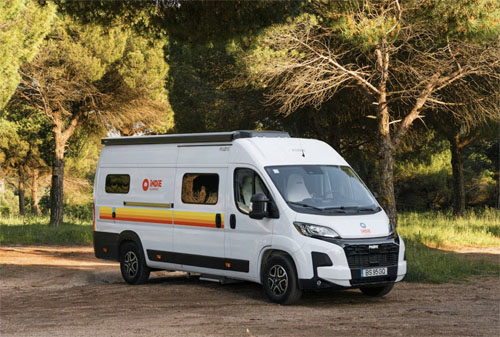
Choosing the right rented RV for your Dublin and Ireland adventure significantly enhances the experience, and Bandana's diverse fleet typically offers a range of options suitable for various group sizes and travel styles. For couples or solo travelers, a Class B - Camper Van is highly recommended due to its maneuverability on Ireland's narrower roads. These nimble vehicles from Bandana's global fleet average an approximate length of 5.8 meters, offering an average of 3.2 sleeping places and accommodating 2.7 adults comfortably. Their compact size makes them easier to navigate smaller towns and find parking, with a typical fuel consumption of 8-10 Liters/100 Km. For families traveling with children, a Class C - Alcove motorhome provides a more suitable option with its generous space and sleeping capacity. These RVs from Bandana's global fleet average 7.5 meters in length, providing an impressive average of 5.8 sleeping places and comfortably accommodating 4.4 adults. While slightly larger, the additional living and storage space is invaluable for families, and they typically consume 10-12 Liters/100 km. The overhead 'alcove' bed is often a hit with kids. We handle the details, you live the journey - personal service from day one until your booking is confirmed. Consider Bandana's "Rent&Plan" service, which combines your chosen RV rental with ready-made routes crafted by professionals, offering full access to trip-planning software to remove the hassle of organizing your journey, and you can also get a 25% planning discount when using rvplan.net.What is the 3-3-3 rule for RV travel?
The 3-3-3 rule for RV travel is a widely adopted guideline recommending that you drive no more than 300 miles (approximately 480 km), stop driving by 3 PM, and stay for at least 3 nights in each location. This rule is designed to promote a slower, more enjoyable pace of travel, reducing driving fatigue and allowing more time to explore destinations without feeling rushed. While the 300-mile aspect might be adjusted for Ireland's smaller scale (perhaps a more realistic 150-200 km maximum daily driving), the core principles of stopping early and staying longer are highly beneficial for experiencing the country's unique charm. Implementing this rule helps ensure you connect to the culture, the food, and the scenery, making your rented motorhome trip truly memorable.Can Google Maps be used for motorhomes?
While Google Maps provides general navigation, it may not be ideal for motorhomes, as it does not typically factor in crucial vehicle dimensions like height, weight, or length, which are essential for navigating Ireland's unique road infrastructure. Irish rural roads can be exceptionally narrow, winding, and feature low bridges or tight turns unsuitable for larger RVs; driving slowly and carefully will help you navigate these roads without issues. Additionally, Google Maps may not accurately reflect 'cashless' toll roads, such as the M50 around Dublin, which requires online pre-payment or payment by 8 pm the following day. It's highly recommended to use a dedicated RV GPS (e.g., Garmin RV, TomTom Go Camper) or RV-specific navigation apps (e.g., CoPilot RV, Park4night) that allow you to input your vehicle's specifications to avoid unsuitable routes.What is the most beautiful road trip in Ireland?
The Wild Atlantic Way is widely considered Ireland's most beautiful and iconic road trip, stretching over 2,500 km along the entire west coast and offering dramatic coastal scenery, charming towns, and historical sites. This breathtaking route winds past majestic cliffs like the Cliffs of Moher, pristine beaches, ancient monuments, and vibrant villages, making it a perfect choice for an RV adventure. Highlights also include the stunning Ring of Kerry, the rugged Dingle Peninsula, the unique landscape of Connemara, and the wild beauty of Donegal, each offering distinct landscapes and rich cultural experiences that contribute to its reputation as a world-class scenic drive. Exploring the Wild Atlantic Way in a rented motorhome allows you to fully appreciate its grandeur at your own pace. If you're looking for an extensive planned route, check out the "RV Rental Ireland - Complete Guide 2026" for more ideas.Where can I park my overnight motorhome near Dublin Port?
For overnight motorhome parking near Dublin Port, dedicated campsites or RV parks situated outside the immediate city center, such as Camac Valley Caravan & Camping Park (located southwest of the city off the N7) or North Beach Caravan & Camping Park (found north of Dublin in County Dublin), offer the safest and most regulated options with essential amenities. Direct overnight parking within Dublin city or at Dublin Port itself is severely restricted and generally not permitted for RVs due to traffic and local regulations. These out-of-city campsites typically offer good public transport links to Dublin city center, allowing you to easily explore the capital's attractions, like the Guinness Storehouse and Trinity College, while your rented RV is securely parked. Call ahead before driving to confirm availability, especially for last-minute rv rentals in Dublin.Where to go in Ireland in a campervan?
Exploring Ireland in a campervan opens up access to picturesque coastal routes like the Wild Atlantic Way, historical sites in the Ancient East, and scenic drives through the Hidden Heartlands, allowing for unparalleled flexibility and immersion in nature. Popular regions ideal for campervan travel include the stunning Ring of Kerry and Dingle Peninsula in the Southwest, where you can find charming small towns and breathtaking ocean views. The rugged beauty of Connemara in the West offers expansive landscapes and a sense of solitude, while the historical Boyne Valley in the East provides ancient sites like Newgrange and the Hill of Tara. The freedom of a rented campervan allows you to discover hidden gems, stay in beautiful rural campsites, and truly experience Ireland's diverse landscapes at your own pace. Drive slowly and carefully, and you can drive almost anywhere without issues. No need to stress - just use common sense and pay attention. You can also discover top destinations and planning tips by checking out the "RV Travel Guide to Dublin - Tips and Top Spots 2026".How many days do you really need in Dublin?
To experience Dublin's main attractions, a minimum of 2-3 full days is recommended, allowing time for historical sites, museums, and enjoying the city's vibrant culture without feeling rushed. When traveling by RV, it's most practical to allocate a full day for parking your motorhome outside the city at a designated campsite, such as Camac Valley, or using a park-and-ride facility, and then utilize public transport to explore the city center. This approach maximizes your time seeing sights like the Guinness Storehouse, Trinity College, and the lively Temple Bar district, while avoiding the inherent challenges of urban RV parking in a historical city. For extended visits, our "Weekly RV Rental in Dublin - Pricing 2026" guide offers insights into longer-term options.What I wish I knew before going to Ireland?
Before embarking on an RV trip to Ireland, many travelers wish they had more knowledge about the country's distinct driving conditions, which can be quite different from other places. Key aspects include driving on the left-hand side, an adjustment for many international visitors, and navigating the exceptionally narrow, winding rural roads, which demand cautious driving with a larger rented motorhome. Another common surprise is the prevalence of cashless tolls, particularly the M50 motorway around Dublin, which requires online payment by 8 pm the following day to avoid penalties. Budget considerations should also account for the cost of fuel, which is generally higher than in some other European countries, various toll fees, and campground costs, as wild camping is largely restricted. Understanding the variable weather patterns is also crucial; while climate equipment is usually adequate, always be prepared for sudden changes.Can I park a campervan anywhere in Ireland?
While the idea of "wild camping" or "freedom camping" is appealing for some, parking a rented campervan *anywhere* in Ireland for an overnight stay is generally not permitted and specific regulations apply, making designated campsites the legal and recommended options. Many popular tourist areas, private lands, and public car parks explicitly prohibit overnight parking for RVs, and local authorities increasingly enforce these rules with fines. For a stress-free and enjoyable trip, always plan to stay at established campsites, which consistently offer essential amenities like waste disposal, fresh water, and electricity hookups, ensuring you are respecting local laws and private property. You'll find a spot. If not at the first campground, then the next one. Call ahead before driving.Where to go in Dublin for a few hours?
For a few hours in Dublin, key attractions like the Guinness Storehouse (allow 1.5-2 hours for a tour), Trinity College (home to the historic Book of Kells, requiring timed entry), or a lively stroll through the Temple Bar district offer engaging experiences easily accessible via public transport from a remote RV parking spot. Other quick options include visiting Dublin Castle for a glimpse into Irish history, wandering through the serene St. Stephen's Green, or popping into one of the city's many traditional pubs, such as The Brazen Head, for a swift pint and some local atmosphere. Planning your brief visit around a specific area or two ensures you make the most of your limited time without excessive travel between sites.What is the best day trip from Dublin?
One of the best and most popular day trips from Dublin includes visiting the monastic site of Glendalough in the stunning Wicklow Mountains, known for its incredible natural beauty and profound historical significance, which is easily accessible by a rented RV or car (approximately a 1-1.5 hour drive). This area offers beautiful lakes, walking trails, and ancient ruins, making for a truly captivating experience. Other excellent day trip options include exploring the ancient passage tombs of Newgrange and the wider Boyne Valley, a UNESCO World Heritage site, or heading north to Belfast to visit the impressive Titanic Belfast museum and explore the city's rich history. These destinations offer a perfect blend of history, culture, and natural beauty, making for memorable excursions from the capital.What You Shouldn't Miss
- **The Wild Atlantic Way:** Drive at least a segment of this magnificent 2,500 km coastal route along Ireland's western edge, from the dramatic Cliffs of Moher to the rugged beauty of Connemara.
- **Glendalough Monastic Site:** Explore the ancient monastic settlement and picturesque lakes nestled within the Wicklow Mountains, just an hour's drive south of Dublin.
- **Kilkenny Castle & Medieval Mile:** Step back in time in Kilkenny, touring its imposing 12th-century castle and wandering the charming streets of the Medieval Mile, then enjoy a traditional pub with live music.
- **Blarney Castle:** Visit this iconic castle near Cork, explore its extensive gardens, and if you dare, kiss the Blarney Stone for the legendary "gift of gab."
- **The English Market in Cork:** Immerse yourself in the vibrant culinary scene of Cork with a visit to this historic indoor food market, perfect for stocking your RV kitchen with local delicacies.
- **Killarney National Park:** Discover the breathtaking landscapes of County Kerry, including Muckross House, Torc Waterfall, and stunning lakeside drives, all easily accessible from your rented motorhome base in Killarney.
Final Thoughts
Embarking on a last-minute RV adventure in Dublin is more than just a trip; it's an invitation to immerse yourself in Ireland's captivating charm, from its bustling capital to its wild, dramatic coastlines. With the flexibility of a rented motorhome or campervan, you set your own pace, choosing to linger longer in a picturesque village or chase the sunset along the Wild Atlantic Way. Remember to embrace the slow travel philosophy, aiming for about 100-150 km per day, allowing ample time to truly connect with the culture, taste the local food, and absorb the breathtaking scenery. Whether you opt for a week-long classic route or an extended two-week journey, a rented RV provides the ultimate mobile headquarters for exploration. You'll discover that even with last-minute plans, Ireland is ready to welcome you with open roads and warm hospitality. Our team at Bandana is always here to provide 24/7 support for your booking needs, ensuring your planning is as seamless as your journey. Get inspired for your next trip! Discover top destinations, planning tips, all in one place! Find Motorhome Rentals in DublinOn the routes offered through RV PLANET routes, you can itemize and track every expense along the way for easy budgeting.