In This Guide
- Can You Drive an RV in Tennessee? License & Age Rules
- Road Conditions & Terrain in Tennessee
- RV Size Limits, Bridges & Restricted Zones
- Fuel: Diesel vs. Petrol & Cost per 100 km
- Tolls, Vignettes & Border Rules
- Driving Tips for last minute rv rental Travelers
- Recommended RV Class for Tennessee Roads
- Should I Choose a Compact Van Instead of a Large RV in Tennessee?
- Can I Park Anywhere? Free & Wild Camping Rules in Tennessee
- Can I Drive an RV Into the City Center? Heights, Tunnels & Local Signage
- Is it difficult to drive an RV in Tennessee?
- What is the best month to RV in Tennessee?
- What parts of Tennessee should I avoid?
- Can you sleep in your car at a Walmart in Tennessee?
- Can you boondock in Tennessee?
- Are RVs allowed in Great Smoky Mountains National Park?
- What are the RV rules for Great Smoky Mountains National Park?
Can You Drive an RV in Tennessee? License & Age Rules
Driving a rented RV in Tennessee is straightforward, with most rental companies aligning with state regulations for driver licensing and age. Most RVs under 26,001 lbs GVWR can be operated with a standard Class D driver's license, and the minimum driving age in Tennessee is 18. However, rental providers often set their own age restrictions, typically requiring renters to be at least 21 years old, and sometimes 25 for larger or more premium RV models.
For international visitors, a valid driver's license from their home country is essential. While an International Driving Permit (IDP) is recommended for clarity and ease of communication with authorities, it's not always strictly mandated for short tourist visits in Tennessee, though it is good practice to have one.
Road Conditions & Terrain in Tennessee
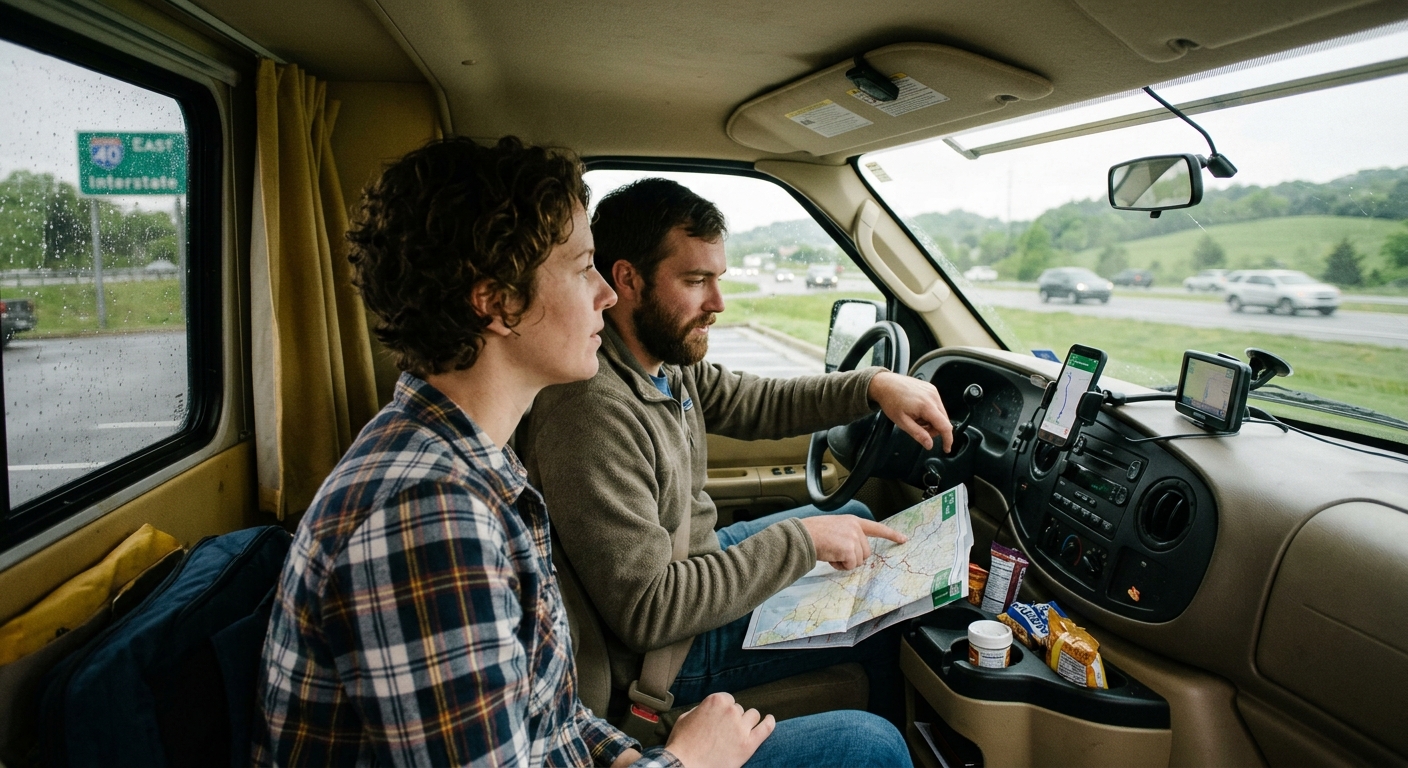
Tennessee's diverse landscape presents a range of road conditions ideal for RV exploration. The state's interstates, such as I-40, I-24, and I-65, are well-maintained and provide smooth, direct routes perfect for covering distances. These major highways are generally RV-friendly, accommodating various sizes.
However, venturing into Eastern Tennessee, particularly the Great Smoky Mountains region, drivers will encounter mountainous terrain. This includes steep grades, sharp curves, and narrower passages that require a slower, more cautious approach with any rented RV. Rural and secondary roads can also be more challenging, sometimes being narrower or less maintained, making pre-route research advisable.
Navigating urban centers like Nashville and Memphis also calls for attention due to heavy traffic. Drivers should be mindful of potential parking limitations and the general complexity of city street layouts when planning their city center excursions.
RV Size Limits, Bridges & Restricted Zones
While Tennessee generally follows federal guidelines for vehicle size, most single-unit RVs should be aware of a common maximum length limit of around 40 feet, though this can vary by specific road or locality. Always pay close attention to posted height and weight restrictions, especially when departing from main highways, as these are crucial for avoiding issues with older overpasses, low bridges, and tunnels.
Tennessee does not have statewide environmental zones that restrict RVs. However, specific areas like national parks, state parks, or historic districts may enforce their own vehicle limitations or specific parking regulations, so it's wise to check these in advance. Ferry travel is not a prevalent mode of transport for RVs in Tennessee, but if encountered, always verify specific weight and size limits with the service provider.
Fuel: Diesel vs. Petrol & Cost per 100 km
Understanding your rented RV's fuel type is key for planning stops and budgeting. Larger motorhomes, like Class C Alcove or Class A Integrated models often utilize diesel, while smaller Class B Camper Vans typically run on petrol (gasoline). Diesel is readily available at most truck stops and larger service stations, which are generally easier for RVs to access, while petrol is ubiquitous. On the routes offered through RV PLANET routes, you can itemize and track every expense along the way for easy budgeting.
Based on Bandana's global fleet averages and current fuel prices (e.g., approximately $3.50/gallon for petrol and $4.00/gallon for diesel), a Class B Camper Van with an average fuel consumption of 8-10 L/100 km might cost around $7.50-$9.40 per 100 km. For a larger Class C motorhome consuming around 10-11 L/100 km, the cost could be approximately $10.50-$11.50 per 100 km. Some Bandana RV rentals may offer fuel discount cards, which can provide savings on your journey through Tennessee.
Tolls, Vignettes & Border Rules
Tennessee does not require vignettes for road usage. However, drivers may encounter a few electronic toll roads, most notably SR-386 (Vietnam Veterans Boulevard) near Nashville. Tolls are typically collected electronically through 'plate pay' systems, where a bill is mailed to the registered owner (or the rental company), or sometimes via cash lanes.
When traveling to or from neighboring states, there are no specific RV-related border checks, but it's essential to comply with the traffic laws of each state you enter. To simplify toll payments and avoid potential administrative fees associated with mailed bills, some Bandana RV rentals offer options for pre-purchasing toll passes or providing transponders.
Driving Tips for last minute rv rental Travelers
For those embarking on a last-minute RV adventure in Tennessee, meticulous planning can significantly enhance the driving experience. Utilize an RV-specific GPS or review satellite imagery to identify potential challenges like low clearances, steep grades, and narrow roads, especially in mountainous or rural areas.
Remember to take frequent breaks, particularly on family trips, every 2-3 hours. Utilize Tennessee's numerous state parks, rest areas, or scenic overlooks to combat driver fatigue. Always keep a close eye on your fuel gauge, especially when heading into more remote parts of the state, and prioritize larger truck stops for easier RV access and services.
In popular tourist destinations like Gatlinburg or Nashville, research RV-friendly parking in advance. Consider utilizing public transport options from designated park-and-ride lots to avoid city center congestion. Finally, always check local weather forecasts, as Tennessee can experience severe thunderstorms in spring and potential snow or ice in winter, which can significantly impact road conditions and travel plans.
Recommended RV Class for Tennessee Roads
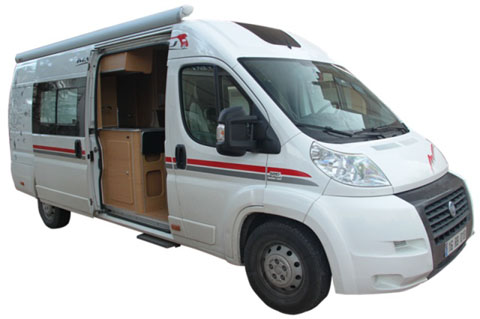
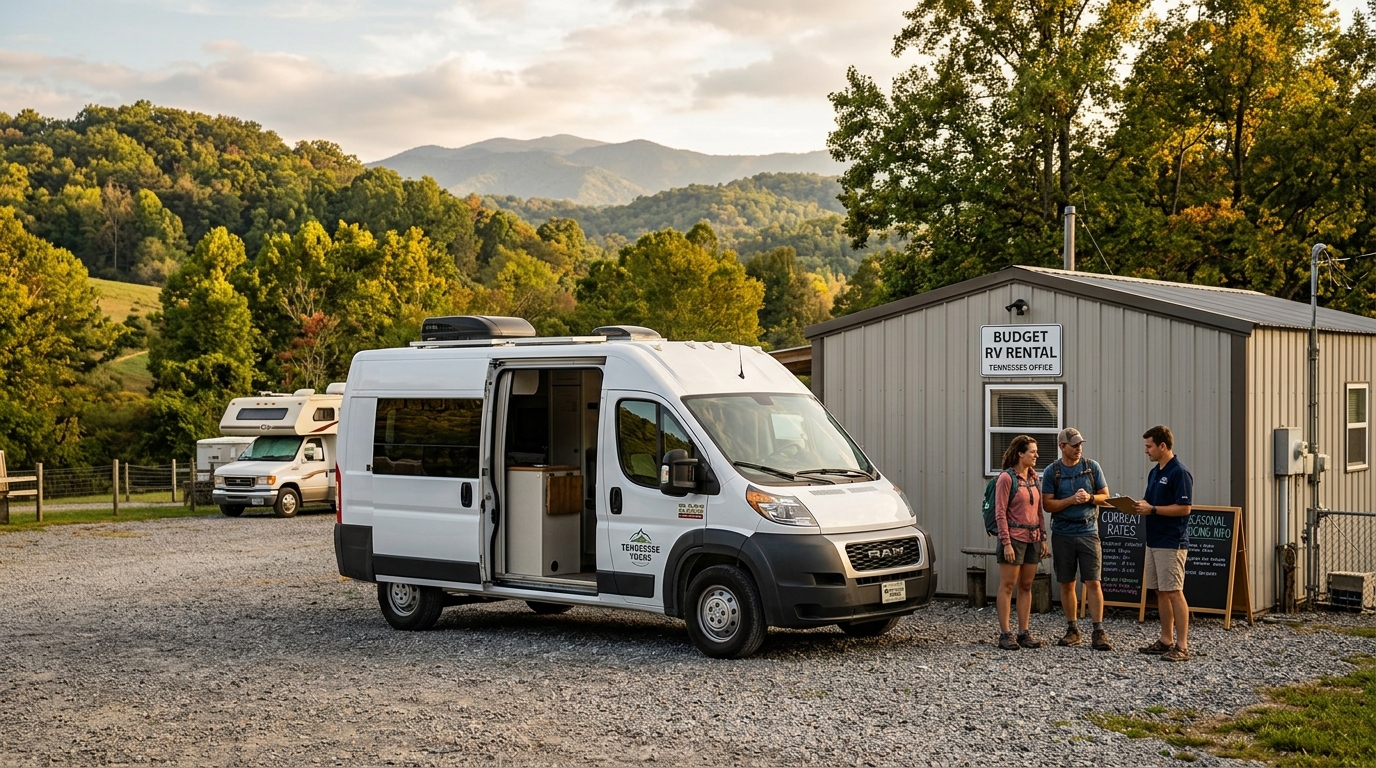
For navigating Tennessee's diverse terrain, from interstates to scenic byways, Class B Camper Vans and Class SI Semi-integrated RVs offer an excellent balance of maneuverability and comfort, making them ideal choices for last-minute trips. For instance, a Class B Camper Van, typically around 5.8 meters long and seating 3.2 people, is highly maneuverable and fuel-efficient, perfect for tighter roads and easier parking.
A Class SI Semi-integrated RV, averaging 6.9 meters and sleeping up to 3.4 adults, provides more living space and amenities while remaining relatively agile, with fuel consumption typically around 10-11 L/100 km. Both classes generally offer sufficient power for Tennessee's inclines and manageable dimensions for most roads, ensuring a comfortable and flexible experience for exploring the state's attractions.
Should I Choose a Compact Van Instead of a Large RV in Tennessee?
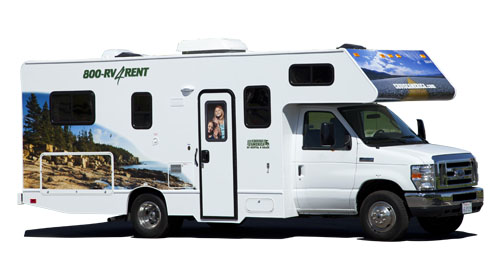
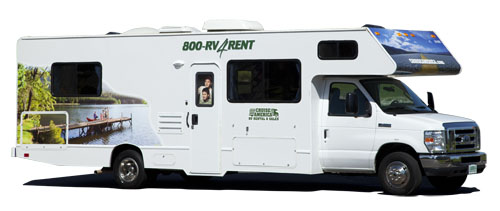
The choice between a compact van and a larger RV in Tennessee largely depends on your travel priorities. While a compact van, like Bandana's Class B Camper Vans, offers superior maneuverability and easier parking, a larger RV, such as a Class C or Class A, provides significantly more comfort and living space, crucial for longer journeys or family trips.
Compact vans excel on narrow mountain roads and in urban traffic, offering greater spontaneity for last-minute decisions. However, most of Tennessee's primary roads and popular attractions are readily accessible by larger RVs. The added living space, amenities, and comfort of a larger RV often outweigh the minor maneuverability benefits of a compact van, especially if you plan to utilize established campgrounds and major routes. For a truly spontaneous trip, a compact van might offer more flexibility.
Can I Park Anywhere? Free & Wild Camping Rules in Tennessee
While true 'wild camping' or boondocking is generally restricted to designated public lands, Tennessee does offer options for free overnight parking. Dispersed camping is often permitted in undeveloped areas of national forests, such as the Cherokee National Forest, provided 'Leave No Trace' principles are followed. This means packing out all trash and camping at least 200 feet from water sources.
Overnight parking and camping within Tennessee State Parks or Recreation Areas are strictly limited to designated campgrounds, which typically require reservations and fees. Many private businesses, including some Walmart stores, casinos, and truck stops, may permit overnight RV parking, but it is crucial to always ask management for explicit permission first. Rest areas are intended for short-term driver rest, usually limiting stays to a few hours rather than overnight camping.
Can I Drive an RV Into the City Center? Heights, Tunnels & Local Signage
Yes, driving an RV into Tennessee's city centers like Nashville or Memphis is generally possible, but requires careful attention to local signage and planning for suitable parking. Major arterial roads leading into urban cores are typically accessible for most RV sizes, including Bandana's Class C and Class A models.
The primary challenge is often finding adequate RV parking. It's advisable to research designated RV lots or large commercial parking areas in advance. Alternatively, consider utilizing park-and-ride options on the outskirts of cities. Always be vigilant for posted height limits, especially around tunnels and older city sections, and pay close attention to any local restrictions on larger vehicle access.
Is it difficult to drive an RV in Tennessee?
Driving an RV in Tennessee presents varying levels of difficulty depending on the region, with the mountainous eastern areas being more challenging than the flatter central and western plains. Eastern Tennessee, particularly routes through the Great Smoky Mountains National Park or along I-40 near the North Carolina border, involves steep grades and winding roads that necessitate reduced speeds and careful handling.
Central and Western Tennessee predominantly feature well-maintained interstates and wider rural roads, making for generally easier RV navigation. However, urban centers like Nashville, Memphis, or Knoxville can be demanding due to heavy traffic, complex interchanges, and limited RV-friendly parking. Proper preparation, including understanding your RV's dimensions and pre-planning routes to avoid overly challenging roads, will significantly ease the driving experience.
What is the best month to RV in Tennessee?
The most pleasant months for RV travel in Tennessee are typically spring (April-May) and fall (September-October). These periods offer mild temperatures, vibrant natural beauty, and a good balance of activities without the peak summer heat or winter cold.
Spring brings wildflowers and full waterfalls, ideal for outdoor exploration, though travelers should be prepared for potential thunderstorms. Fall offers spectacular foliage, especially in the Great Smoky Mountains, with cooler temperatures and fewer crowds than summer. Summer can be hot and humid, making RVs with good air conditioning essential, while winter requires vigilance for colder temperatures and potential road closures in higher elevations.
What parts of Tennessee should I avoid?
Generally, Tennessee is a safe state for RV travel, but exercising caution in certain areas is always wise. Drivers should be mindful of dense urban areas, avoid unknown remote roads late at night, and stay aware of temporary situations like severe weather or heavy traffic zones.
Specific neighborhoods within major cities like Nashville, Memphis, Chattanooga, and Knoxville may have higher crime rates; sticking to well-lit, populated areas and securing your rented RV is recommended. It's best to avoid poorly maintained or extremely narrow roads, especially in remote rural or mountainous regions, to prevent difficult or dangerous situations. Avoiding interstates around major cities during peak rush hours (7-9 AM and 4-6 PM) can also prevent unnecessary stress and delays.
Can you sleep in your car at a Walmart in Tennessee?
Sleeping in your car or RV at a Walmart in Tennessee is often tolerated, but it's entirely at the discretion of the individual store manager. While Walmart's corporate policy often permits overnight RV parking for customers, local ordinances and store-specific decisions hold the final authority.
To ensure a smooth experience, it is crucial to call the specific Walmart store ahead of time or inquire with customer service upon arrival before settling in for the night. If permission is denied, alternative free overnight parking options in Tennessee often include truck stops (like Love's or Pilot Flying J) or other private businesses that cater to travelers.
Can you boondock in Tennessee?
Yes, boondocking or dispersed camping is permitted in specific areas of Tennessee, primarily within the Cherokee National Forest. This allows for free, primitive camping away from established campgrounds, perfect for those seeking a more secluded experience.
Boondockers must strictly adhere to 'Leave No Trace' principles, which includes packing out all trash and camping at least 200 feet from water sources. It is essential to be self-sufficient when boondocking, as there are no hookups for water, electricity, or sewer. Always verify current regulations with the local forest ranger district office before relying on a boondocking spot, as rules can change and vary by specific area.
Are RVs allowed in Great Smoky Mountains National Park?
Yes, RVs are welcome in Great Smoky Mountains National Park (GSMNP), with several designated campgrounds available for overnight stays. Most of the main park roads, including Newfound Gap Road (US-441), Little River Road, and the Cades Cove Loop Road, are generally accessible to RVs, though some may have tighter turns or steeper grades.
It's important for RV drivers to be aware that some secondary park roads or scenic pull-offs might have length restrictions, particularly for longer RVs or those towing vehicles. While tunnels within GSMNP typically have sufficient clearance for standard RVs, it's always prudent to note posted height limits to ensure a safe journey.
What are the RV rules for Great Smoky Mountains National Park?
Great Smoky Mountains National Park (GSMNP) has specific rules for RVs, including length restrictions on certain roads and designated generator usage hours. All frontcountry campgrounds in GSMNP require reservations, which are highly recommended to secure a spot, as last-minute availability, especially for RVs, is extremely limited.
Generators are typically permitted only during specific hours, usually between 8:00 AM and 8:00 PM, to maintain a peaceful environment. Dispersed camping (boondocking) for RVs is not allowed within GSMNP; visitors must stay in designated campground sites. Strict bear safety regulations are also enforced, meaning all food, scented items, and trash must be stored securely in hard-sided RVs or bear-proof containers and never left unattended.
What You Shouldn't Miss
- Drive the scenic Cherohala Skyway for breathtaking mountain vistas, a more RV-friendly alternative to the Tail of the Dragon.
- Explore the Great Smoky Mountains National Park, which offers incredible natural beauty and is free to enter, with RV-accessible campgrounds like Elkmont and Cades Cove.
- Visit Fall Creek Falls State Park to witness the majestic 256-foot Fall Creek Falls, the highest waterfall east of the Mississippi, and enjoy its RV camping facilities.
- Immerse yourself in the vibrant music scene of Nashville, perhaps catching a show at the Grand Ole Opry or exploring the Country Music Hall of Fame.
- Discover the rich history and blues heritage of Memphis, including a visit to Graceland, Beale Street, and the National Civil Rights Museum.
- Experience the unique charm of Chattanooga, with its historic district, Lookout Mountain attractions like Rock City, and the Tennessee Aquarium, all accessible with an RV.
Final Thoughts
Renting an RV for a last-minute trip to Tennessee offers an incredible opportunity to explore the Volunteer State's diverse landscapes and rich culture at your own pace. From the majestic Great Smoky Mountains to the vibrant music cities and charming small towns, an RV adventure provides unparalleled freedom and flexibility.
With Bandana Caravan, you can navigate the planning process with ease, knowing that transparency and support are always part of the journey. So, pack your bags, chart your course, and get ready to experience the open road and the unique spirit of Tennessee!
Ready to start planning your Tennessee RV adventure? Compare RV rental prices and availability across top suppliers and discover the perfect vehicle for your unforgettable road trip. Get inspired for your next trip!
Compare RV Rentals in Tennessee