In This Guide
- Can You Drive an RV in North East US? License & Age Rules
- Road Conditions & Terrain in North East US
- RV Size Limits, Bridges & Restricted Zones
- Fuel: Diesel vs. Petrol & Cost per 100 km
- Tolls, Vignettes & Border Rules
- Driving Tips for last minute rv rental Travelers
- Recommended RV Class for North East US Roads
- Should I Choose a Compact Van Instead of a Large RV in North East US?
- Can I Park Anywhere? Free & Wild Camping Rules in North East US
- Can I Drive an RV Into the City Center? Heights, Tunnels & Local Signage
- What is the 3-3-3 rule for RV travel?
- What is the 444 rule for RV travel?
- What states have banned RVs?
- What is the 333 rule for campervan?
- Where can you sleep in an RV in the USA?
- Can Google Maps do RV routes?
- Where can you park RV for free in the US?
- What is the 3-3-3 rule for RVs?
- What's the biggest RV you can drive without a special license?
- Who has the least expensive RV insurance?
- Top Cities for last minute rv rental in North East US
- RV Rental in North East US for Couples vs. Families
- Ancillary Costs to Budget for Your North East US RV Trip
- Last Minute RV Rental Pricing & Availability in North East US
Imagine yourself cruising along the scenic coastlines of Maine, through the vibrant fall foliage of Vermont, or past the historic cities of Massachusetts, all from the comfort and flexibility of your own rented motorhome. The North East US offers an incredible backdrop for an RV adventure, whether you're a meticulous planner or prefer to embrace the spontaneity of a last-minute trip. At Bandana RV, we believe that the open road is an invitation to discovery, and we're here to make your journey effortless. For live availability and current prices, start with our RV Rental North East US - Complete Guide 2026 guide.
Can You Drive an RV in North East US? License & Age Rules
Yes, you can absolutely drive a rented RV in the North East US, as most motorhomes in our fleet, including Class A, Class B, and Class C models, only require a standard Class D driver's license. This applies as long as the Gross Vehicle Weight Rating (GVWR) remains under 26,001 pounds, which covers the vast majority of rental RVs. Bandana RV's minimum driver age for all vehicle classes is 21, and there are no young driver surcharges or vehicle class restrictions based on age, ensuring accessibility for a wide range of travelers. Foreign drivers should carry their valid home country license and an International Driving Permit (IDP) is recommended for non-English speaking countries, though not always mandatory.
We believe in making RV travel simple and transparent from the start, providing clear guidelines on licensing so you can hit the road with confidence. Our team of true RV specialists can answer any specific questions you have before, during, and after your booking, making sure you have all the information you need. With full transparency, there are no hidden fees or surprises when it comes to legal requirements.
Road Conditions & Terrain in North East US
Road conditions in the North East US vary significantly, ranging from expansive, well-maintained interstate highways to charmingly narrow, winding rural roads and challenging steep mountain passes, all of which require an alert and attentive RV driver. Iconic routes like Vermont's Route 100 or stretches through the White Mountains in New Hampshire present demanding inclines and descents, often with tight curves. Meanwhile, coastal routes and quaint, historic towns, such as those found in New England, frequently feature narrow streets where careful maneuvering of a larger rented RV is essential. Interstates like I-95 can be heavily congested, especially during peak travel seasons and around major urban hubs like Boston, New York City, or Philadelphia; consider taking scenic detours on smaller highways for a more relaxed and enjoyable last minute rv trip. Drivers should also be prepared for diverse and often sudden weather changes, from warm, humid summers to icy winter conditions and unpredictable spring and fall shifts, all of which can impact road surfaces and visibility. Drive slowly and carefully, and you can drive almost anywhere without issues. No need to stress - just use common sense and pay attention.
RV Size Limits, Bridges & Restricted Zones
While no state in the North East US has a blanket ban on RV sizes, drivers of rented motorhomes must be acutely aware of crucial limitations such as bridge height clearances, weight limits on older infrastructure, and restricted zones, especially in historic towns. Critically, many parkways across states like New York (e.g., Taconic State Parkway), Maryland, and Connecticut (including the Merritt Parkway) have notably low bridge clearances, often prohibiting commercial vehicles and, by extension, many RVs. Historic city centers in destinations such as Boston, Philadelphia, and Annapolis feature narrow, winding streets and may have local ordinances that restrict access or parking for larger vehicles. It is vital to cross-reference your rented RV's exact height and weight with all posted bridge, tunnel, and road signage to prevent hazardous situations and potential fines. Older bridges and many rural roads can also have specific weight restrictions, so always consult signage and plan your route using RV-specific navigation tools, especially when venturing off main highways for your last minute rv rental in North East US.
Fuel: Diesel vs. Petrol & Cost per 100 km
In the North East US, most rented RVs available, particularly Class B Camper Vans and many Class C motorhomes, operate on petrol (gasoline), although larger Class A models and some Class C vehicles may require diesel, both of which are widely available at most service stations. A Class B Camper Van, like the "Active Pop Top" with its compact 5.99 meter length, typically consumes approximately 8-10 Liters/100 km, offering great fuel efficiency for couples or small families. Class SI Semi-integrated RVs, such as the "K125", average 10-11 Liters/100 km, providing a good balance of space and economy. Class C Alcove RVs, like the "24' Class C Motorhome", usually consume 10-12 Liters/100 km, while larger Class A Integrated models such as "Class A - Thor ACE 30" can range from 8-12 Liters/100 km, depending on factors like terrain and driving style. Fuel prices fluctuate by state and even by station within the North East US; budgeting for variable fuel costs is a critical part of planning your last minute trip. For optimal budgeting and expense tracking, consider utilizing RV PLANET routes, which allow travelers to itemize and track every expense along their journey. On the routes offered through RV PLANET routes, you can itemize and track every expense along the way for easy budgeting.
Tolls, Vignettes & Border Rules
RV travel in the North East US frequently involves navigating numerous toll roads and bridges, primarily managed through electronic systems like E-ZPass, with no vignettes required for state travel and relatively straightforward border crossings into Canada from northern states. The E-ZPass system is prevalent across many North Eastern states, including New York, New Jersey, Massachusetts, and Pennsylvania, offering electronic toll collection that often provides discounted rates compared to paying cash or receiving mail-in bills. Cash toll lanes are becoming increasingly rare, making it highly advisable to obtain an E-ZPass transponder or to check if your rental company offers one for convenient and cost-effective travel. When considering crossing into Canada from states like Vermont or New York, all passengers must possess valid passports, and it is crucial to be aware of customs regulations concerning items such as food, alcohol, and firearms to ensure a smooth border experience. Our full transparency means no hidden toll fees; we'll inform you of options to manage tolls effectively.
Driving Tips for last minute rv rental Travelers
Efficient and enjoyable last minute RV travel in the North East US benefits greatly from strategic route planning and cautious driving, especially when navigating its varied terrain and bustling urban areas. Firstly, always plan RV-specific routes: utilize dedicated RV GPS applications or systems that input your vehicle's height, weight, and length to meticulously avoid low bridges, restricted parkways, and overly steep grades, particularly when trying to bypass congested I-95 corridors. Secondly, take frequent breaks: for families or during longer stretches of driving, stopping every 2-3 hours helps to prevent driver fatigue and provides opportunities for passengers to stretch, explore a quaint town, or grab a snack, making for a much more pleasant journey. Thirdly, monitor weather conditions regularly, as North East weather can be quite unpredictable; be prepared for sudden changes in temperature, rain, or even early snow in higher elevations, especially during the shoulder seasons of spring and fall. Even for spontaneous last minute trips, reserving campsites in advance, particularly in popular spots like national parks or picturesque coastal towns during peak foliage or summer, is crucial to avoid disappointment. Finally, pack smart for varied conditions; bring layers of clothing suitable for everything from warm sunny days to cool evenings and potential rain, ensuring comfort regardless of the sudden weather shifts common in the Northeast.
🎬 Video coming soon
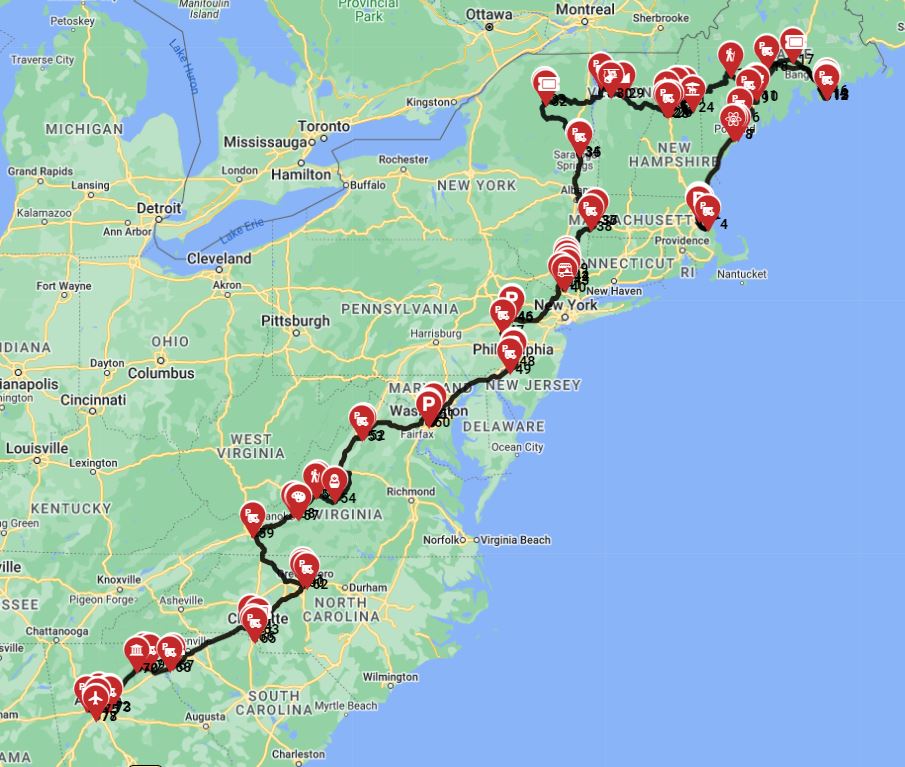
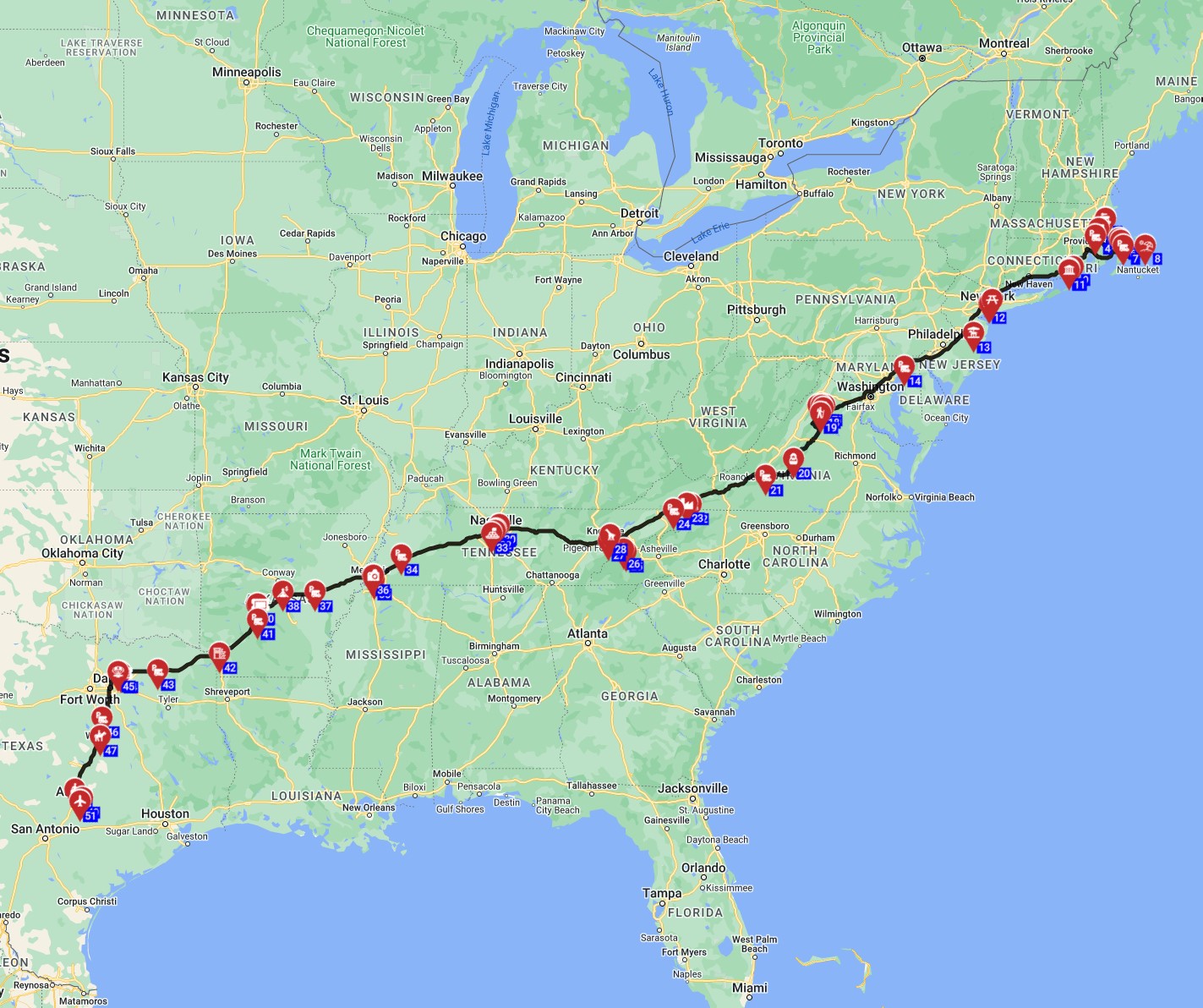
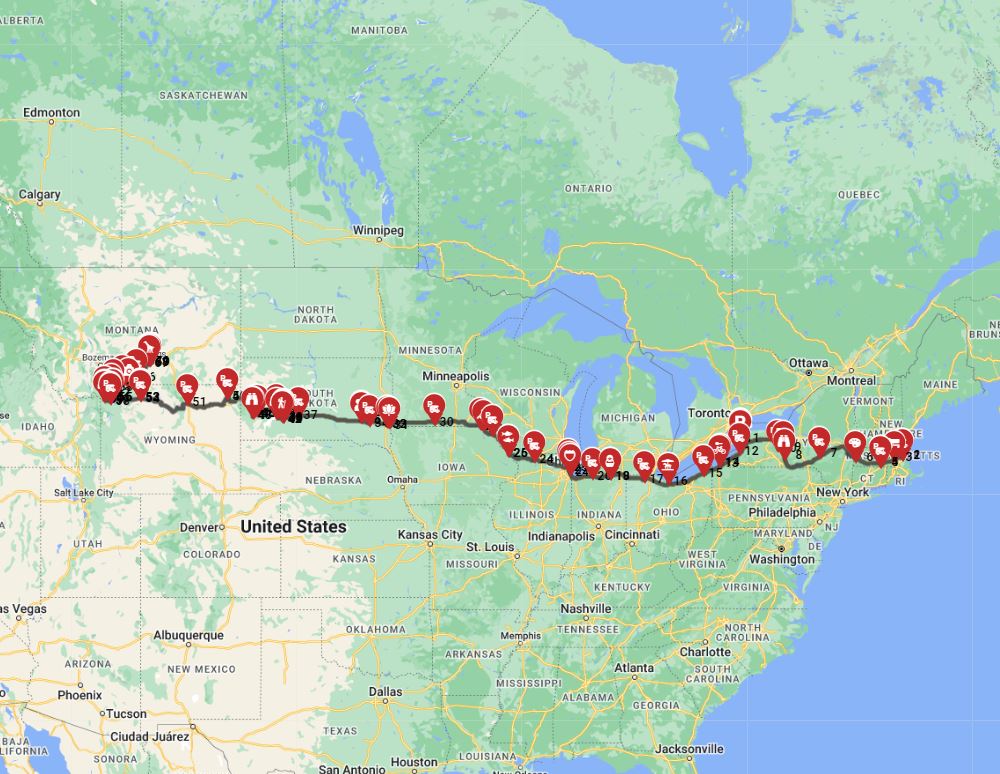
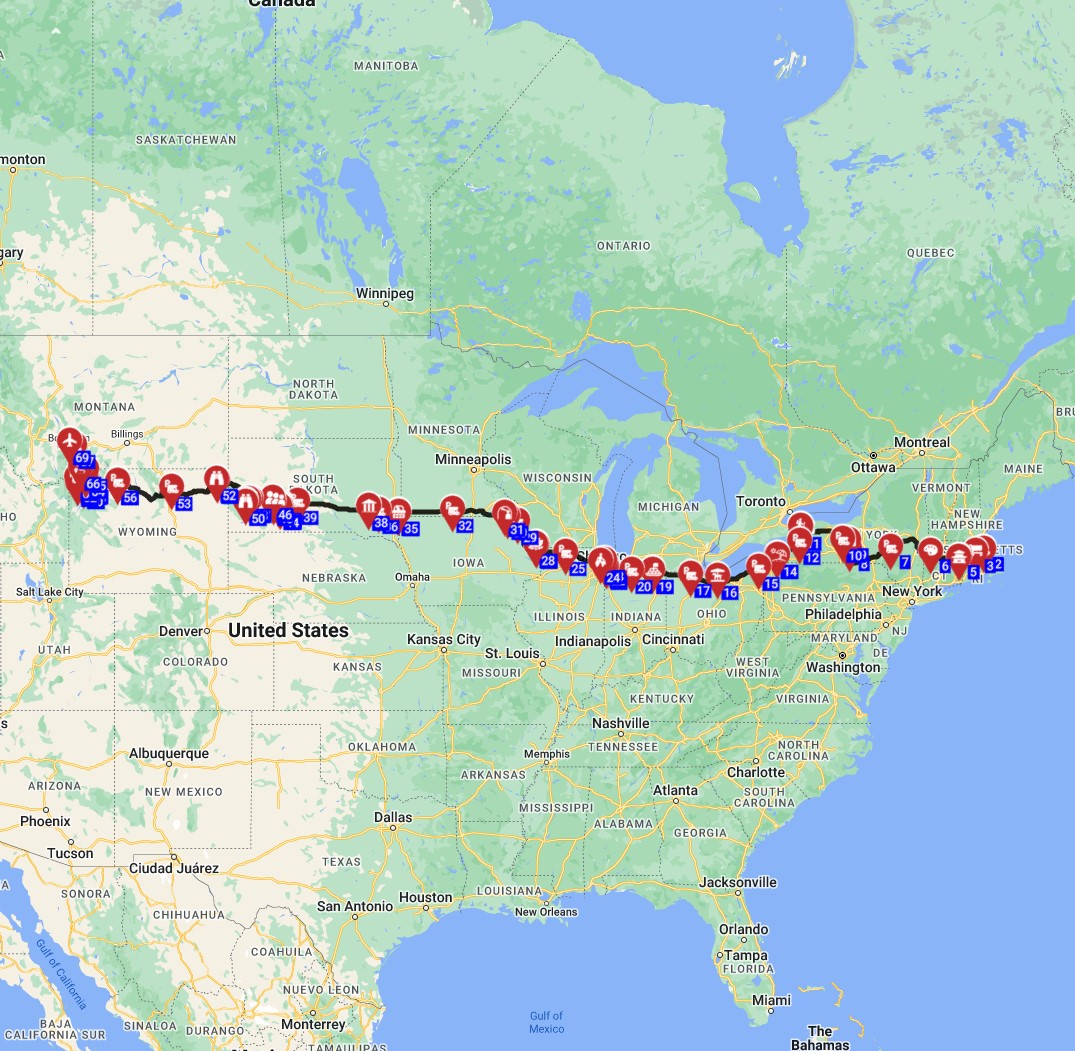
For finding campsites and campgrounds during your trip, we recommend using RV PLANET (rvplan.net) - a great resource for locating available spots along your route. You'll find a spot. If not at the first campground, then the next one. Call ahead before driving.
Recommended RV Class for North East US Roads
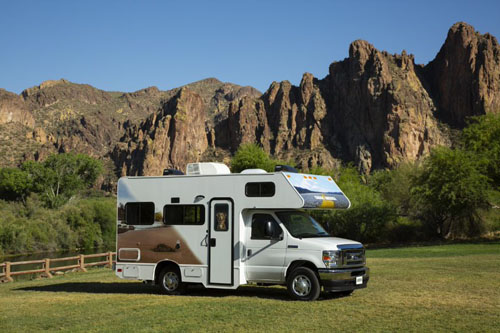
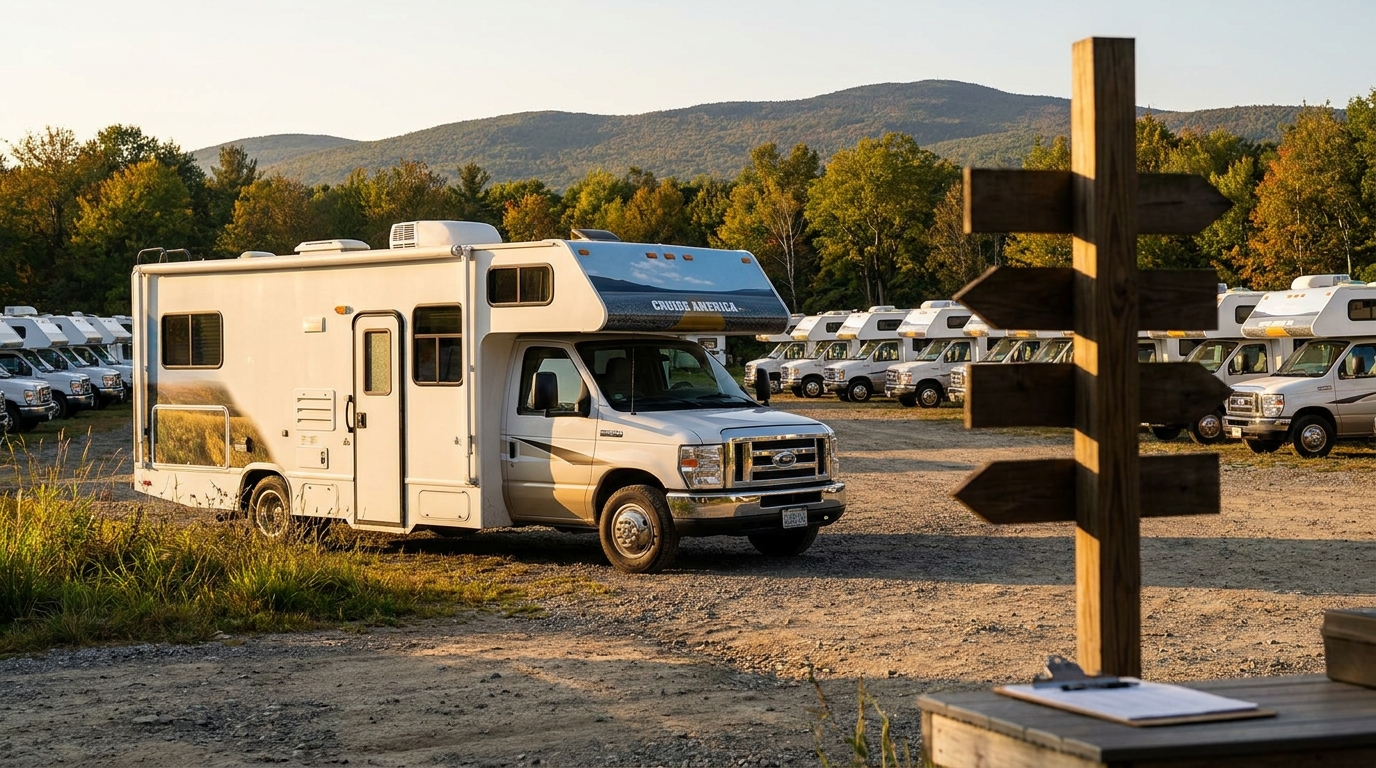
For navigating the diverse roads of the North East US, a Class B Camper Van or a Class SI Semi-integrated RV offers an ideal balance of maneuverability and comfort, making them suitable for both urban exploration and scenic rural routes. A Class B Camper Van, such as the "Active Standard Auto" (averaging 5.99 meters in length, with sleeping capacity for 2-3 people, and consuming about 8-10 Liters/100 km), is exceptionally agile for weaving through narrow city streets, finding parking in smaller spaces, and easily accessing historic city centers. These vans are also often more fuel-efficient, which is a significant advantage for budget-conscious travelers on a last minute trip. For those needing a bit more interior space and amenities, a Class SI Semi-integrated RV, like the "Comfort Standard Select Auto" (averaging 6.5-7 meters in length, sleeping 3-4 people, and with typical fuel consumption of 10-11 Liters/100 km), provides a comfortable living area while remaining relatively easy to drive on varied North East terrain. Our true RV specialists can help you compare options from our partners like El Monte and Cruise America to find the perfect fit for your adventure.
Should I Choose a Compact Van Instead of a Large RV in North East US?
While a compact camper van certainly offers superior maneuverability for navigating very tight city centers and winding mountain passes, a larger RV often provides significantly greater comfort and indoor living space, which can be a more suitable choice for extended trips in the North East US. Most main roads and interstate highways across the North East are perfectly navigable with larger rented RVs, such as a Class C alcove model or even a smaller Class A integrated motorhome like the "Class A - Thor ACE 30", providing ample living space, a private bathroom, and a fully equipped kitchen. A compact campervan, like a "Combi Van" (5 meters long), genuinely offers an advantage in very specific scenarios, such as confidently exploring the narrow, historic streets of coastal towns like Newport, Rhode Island, or navigating tight mountain roads in areas like the Adirondacks. For a last minute RV rental where comfort, especially for a family (4-6 people), and extensive amenities are a priority, opting for a larger Class C or a mid-size Class A motorhome might be the better trade-off, accepting slightly less urban flexibility. Consider your itinerary: if heavy urban exploration is the primary focus, a compact van is better; if scenic drives, comfortable campground stays, and having space for preparing meals are paramount, a larger RV is usually perfectly fine. Our RV-friendly recipes playlist is a great resource for meal ideas on the road, regardless of your RV size.
Can I Park Anywhere? Free & Wild Camping Rules in North East US
Free and wild camping for rented RVs in the North East US is generally quite restricted compared to the vast federal lands in the Western US, with legitimate options primarily limited to designated dispersed camping areas within national forests, specific retailer parking lots (always with explicit permission), or private land with owner consent. Unlike the extensive Bureau of Land Management (BLM) lands offering widespread dispersed camping, such opportunities are less common in the more densely populated North East. However, National Forests, such as the White Mountain National Forest in New Hampshire and Maine or the Green Mountain National Forest in Vermont, do offer some designated dispersed camping opportunities, though rules vary significantly by district and season, so always check ahead. Many national retailers like Walmart, Cracker Barrel, and major truck stops frequently permit overnight RV parking as a courtesy, but it is absolutely crucial to always ask permission inside the store or look for explicit signage before settling in for the night. Parking overnight in highway rest areas, on private property without permission, or in undesignated public spaces is typically illegal and can result in fines. Always prioritize safety and legality by checking local regulations and following posted signs for any overnight parking restrictions, as rules can vary greatly from one region to another.
Can I Drive an RV Into the City Center? Heights, Tunnels & Local Signage
Yes, a rented RV can almost always be driven into city centers in the North East US, but drivers must exercise extreme caution and pay close attention to all local signage indicating height restrictions, tunnel clearances, low bridges, and specific parking regulations. Many North East cities, characterized by their older infrastructure, feature numerous low bridges and tunnels, particularly on historic parkways or access roads leading into the urban core, which pose a significant hazard for taller RVs. For example, some tunnels might have clearances as low as 3.6 meters (12 feet), which many Class C and Class A RVs exceed. Always be meticulously aware of your rented RV's exact height and width and diligently look for posted clearance signs before entering any tunnel or underpass. Parking a larger RV in dense city centers is often challenging due to limited space and high costs; a practical approach is to park on the outskirts of the city and utilize public transportation to explore downtown. Be mindful of any local environmental zones or specific vehicle restrictions that might apply to larger vehicles in very dense urban core areas, although these are typically more aimed at commercial trucks than recreational motorhomes.
What is the 3-3-3 rule for RV travel?
The '3-3-3 rule' for RV travel, a widely recognized guideline for enhancing safety and enjoyment, recommends driving no more than 300 miles (approximately 480 km) a day, arriving at your destination campground by 3 PM, and staying for a minimum of 3 nights. This simple yet effective principle promotes a relaxed and truly enjoyable pace, significantly reducing driver fatigue and the stress often associated with hurried or rushed travel. Arriving by 3 PM allows ample daylight to comfortably set up your campsite, connect to utilities, and leisurely familiarize yourself with the immediate surroundings of the campground. Staying for at least 3 nights provides sufficient time to fully explore the local area, engage with its culture and food, and connect with the scenery without the constant pressure of packing and unpacking, which is particularly beneficial for last minute rv rental planners seeking a spontaneous yet comfortable experience. Adhering to this rule helps prevent burnout and allows for a deeper, more immersive appreciation of each travel destination.
What is the 444 rule for RV travel?
The '444 rule' for RV travel is an adaptable and slightly more flexible version of the 3-3-3 rule, suggesting that travelers aim to drive no more than 400 miles (approximately 640 km) a day, arrive at their campsite by 4 PM, and stay for a minimum of 4 nights. This guideline offers a bit more leeway for covering longer distances within a last minute RV trip, making it suitable for those with slightly less time or a more ambitious itinerary, while still prioritizing safety and adequate rest. Arriving by 4 PM still provides reasonable daylight for comfortable campsite setup, though certainly less than the earlier 3 PM recommendation. The extended stay of at least 4 nights ensures a good balance between travel days and leisure, allowing for more in-depth exploration of destinations and a deeper connection to the local environment. The 4-4-4 rule is often preferred by more experienced RVers or those who have a strong understanding of their rented vehicle's capabilities and their own personal driving endurance.
What states have banned RVs?
No states in the United States have implemented an outright ban on RVs; however, specific roads, parkways, or localized urban areas within states, including those in the North East US, may indeed have explicit restrictions on RV length, height, or weight. These restrictions are typically imposed due to specific infrastructure limitations, such as the numerous low bridges found on historic parkways in New York and Connecticut (some under 2.4 meters, or 8 feet), or the narrow, winding roads prevalent in older city centers like Boston. Certain environmental zones or residential areas might also have specific vehicle restrictions, but these are almost never a blanket prohibition on all RVs. It is always critical to consult local Department of Transportation resources or utilize RV-specific navigation applications to identify any potential restrictions on your planned route, particularly in the North East's older, more densely populated regions. Disregarding posted restrictions can lead to substantial fines, significant damage to your rented vehicle, or even severe accidents.
What is the 333 rule for campervan?
The '3-3-3 rule' for campervans is the same practical guideline as for larger RVs, advising travelers to drive no more than 300 miles (480 km) a day, arrive at their campsite by 3 PM, and stay for a minimum of 3 nights, promoting a relaxed and highly enjoyable travel pace. Even with the greater maneuverability and smaller footprint of a campervan, like the "2 Berth Hi Top", adhering to this rule significantly enhances safety by preventing driver fatigue and encouraging mindful travel. Arriving early allows ample time to set up your typically smaller campsite, find convenient parking, and comfortably enjoy evening activities without rush or stress. The extended stay of at least three nights encourages a deeper exploration of local attractions and cultural experiences, aligning perfectly with the spontaneous nature of last minute campervan trips in the North East US. This guideline fundamentally supports a sustainable and less stressful travel style, maximizing enjoyment over simply covering vast distances quickly.
Where can you sleep in an RV in the USA?
In the USA, a rented RV can typically be slept in at a variety of locations, including private campgrounds, state and national parks, designated dispersed camping areas, and with prior permission, in the parking lots of certain businesses like Walmart and Cabela's. Private campgrounds throughout the North East US offer a wide range of amenities, from basic hookups to resort-style facilities, often requiring reservations, especially in popular destinations during peak season like fall foliage or summer coastal getaways. State and national parks provide scenic and often rustic camping experiences, though availability for last minute bookings can be limited, so checking specific park regulations and booking policies is vital. Designated dispersed camping, often found on federal lands such as National Forests (e.g., White Mountain National Forest), offers a more rustic, free option but is considerably less common in the densely populated North East compared to western states. Many large retailers (like Walmart and Cracker Barrel) and truck stops frequently permit overnight parking for self-contained RVs, but it is always essential to ask management for explicit permission upon arrival to avoid any issues. Always prioritize safety and legality by diligently checking local ordinances and posted signs for any overnight parking restrictions.
Can Google Maps do RV routes?
While Google Maps provides excellent general navigation, it does not inherently offer RV-specific routing that accounts for critical vehicle parameters such as height, weight, and length, making dedicated RV GPS systems or specialized apps a much safer option for planning a last minute RV trip in the North East US. Standard Google Maps navigation will not automatically avoid low bridges, weight-restricted roads, or steep grades that can pose significant problems for RVs, particularly given the older infrastructure common throughout the Northeast. RV drivers must manually verify any suggested routes against their rented RV's exact specifications when using generic navigation tools. Specialized RV navigation apps, such as RV LIFE GPS, CoPilot RV, or Trucker Path, allow users to accurately input their vehicle dimensions and preferences, generating routes specifically tailored for RVs. For a last minute RV rental, investing in or downloading one of these RV-specific navigation solutions can prevent potentially costly, dangerous, and time-consuming detours.
Where can you park RV for free in the US?
Free RV parking in the US is primarily available at commercial businesses that explicitly permit overnight stays (such as Walmart, Cracker Barrel, many truck stops, and some casinos, always with permission), in designated dispersed camping areas on federal lands (like National Forests or Bureau of Land Management land), and occasionally at rest areas where explicitly permitted by state law. For last minute trips in the North East US, finding free spots requires diligence and careful checking of local rules, as extensive public lands like BLM land are far less prevalent than in the western US. Many large commercial establishments offer complimentary overnight parking as a courtesy to weary travelers; however, always secure permission from management upon arrival to prevent any potential issues. Dispersed camping is an option in some National Forests (e.g., White Mountain and Green Mountain National Forests), but typically requires complete self-sufficiency and strict adherence to 'leave no trace' principles. Some highway rest areas allow short-term overnight parking, but this varies by state and is generally intended for temporary stops rather than extended stays. Always prioritize safety and legality by researching local ordinances and observing all posted signs for overnight parking restrictions.
What is the 3-3-3 rule for RVs?
The '3-3-3 rule' for RVs, a widely recommended guideline for ensuring enjoyable and safe travel, suggests driving no more than 300 miles (approximately 480 km) per day, arriving at your campsite or destination by 3 PM, and staying for a minimum of 3 nights. This straightforward rule prioritizes adequate rest and actively prevents driver exhaustion, which is particularly crucial when navigating the varied terrains and potentially congested roads found throughout the North East US. Arriving early in the afternoon ensures you have ample daylight to safely maneuver and set up your rented RV, reducing stress and allowing for more leisure time to explore or relax. Staying for a minimum of three nights at each stop encourages a deeper immersion into your destination and avoids the constant packing and unpacking that can make RV travel feel rushed. Adopting this measured approach significantly enhances the overall quality of your last minute RV adventure, making it a more relaxed and memorable experience.
What's the biggest RV you can drive without a special license?
In most US states, including all states within the North East, you can typically drive a rented RV with a Gross Vehicle Weight Rating (GVWR) of up to 26,000 pounds (approximately 11,793 kg) using only a standard Class D driver's license. This weight threshold encompasses the vast majority of RVs available for last minute rental, including Class B camper vans like the "V2L", Class C alcove models such as the "CA-25", and many Class A integrated RVs like the "Class A - Thor ACE 30". For RVs with a GVWR that exceeds 26,000 pounds, specific state regulations may require a Commercial Driver's License (CDL) or a particular non-commercial 'Class A' or 'Class B' license. It is crucial for renters to verify the exact GVWR of their chosen rental RV and confirm it aligns with their licensing in both their home state and any states they plan to visit, as requirements can vary slightly. We at Bandana RV ensure full transparency regarding licensing for all our rental units.
Who has the least expensive RV insurance?
Determining the provider with the least expensive RV insurance is highly dependent on various individual factors, including the specific type of rented RV, the driver's history, the desired level of coverage, and the particular state, though common providers like Progressive, National General, and GEICO are frequently recognized for offering competitive rates and specialized RV policies. For last minute RV rentals, comprehensive insurance coverage is generally included within the rental agreement's base price or offered as an essential add-on by the rental company. The total cost of rental RV insurance can vary based on the deductible amount you choose, the liability limits, and any additional coverages you opt for, such as roadside assistance or top-level deductible reimbursement for extra peace of mind. Bandana RV ensures full transparency in all pricing, so you'll always know what your insurance coverage entails without any hidden fees. Our 24/7 support team is also available to clarify any insurance-related questions before, during, and after your booking, ensuring you're fully protected.
Top Cities for last minute rv rental in North East US
The North East US offers a wealth of vibrant cities perfect for starting or ending your last minute RV adventure, each providing unique charm and convenient access to diverse landscapes. When considering a one-way RV rental in North East US, these cities are fantastic options:
- Boston, Massachusetts: A city steeped in history, Boston offers a perfect blend of colonial charm and modern vibrancy. Pick up your rented motorhome here and explore the Freedom Trail, then head north to the rugged coast of Maine.
- New York City, New York: While driving a rented RV into the heart of Manhattan isn't practical, several rental depots are located just outside the city, offering easy access to the Hudson Valley or a departure point for coastal New England trips. Remember, drive slowly and carefully in urban areas.
- Philadelphia, Pennsylvania: Rich in American history, Philadelphia is a great starting point for exploring the Mid-Atlantic states or heading north to discover charming towns in Pennsylvania Dutch Country.
- Portland, Maine: Known for its picturesque waterfront, lighthouses, and delicious seafood, Portland is an ideal spot to begin a scenic week-long trip along the rocky coast, perhaps aiming towards Acadia National Park.
- Burlington, Vermont: Situated on Lake Champlain, Burlington offers access to the Green Mountains and is a fantastic base for enjoying Vermont’s famous fall foliage and exploring the "RV Travel Guide to North East US - Tips and Top Spots 2026".
- Baltimore, Maryland: With its historic Inner Harbor and vibrant neighborhoods, Baltimore serves as a convenient gateway to explore the Chesapeake Bay region or venture further into the Appalachian foothills.
- Providence, Rhode Island: This charming city offers easy access to Rhode Island's beautiful coastline and is a great starting point for shorter, relaxed trips to nearby beaches and historic sites.
- Pittsburgh, Pennsylvania: Located at the confluence of three rivers, Pittsburgh is a surprising hub for RV travel, providing access to the Allegheny Mountains and the broader Ohio Valley region.
Many suppliers, including major partners like Cruise America, offer one-way rentals between these cities, providing incredible flexibility for your route plans. Our team can help you find the best RV Rental USA - Complete Guide 2026 options to make your journey truly yours.
RV Rental in North East US for Couples vs. Families
Choosing a rented RV for your North East US adventure, whether for a couple or a family, involves balancing space needs with maneuverability and budget. For couples, a compact Class B Camper Van, such as the "rv rental denver example Category Van" or a "2 Berth Sandpiper" (each offering a double bed and basic amenities, around 5-6 meters in length), is often ideal. These smaller campervans offer superior fuel efficiency (8-10 Liters/100 km) and are easier to park and navigate through charming, narrow town streets and busy city centers like Boston. They provide a cozy, intimate setting perfect for a two-week adventure without feeling cumbersome. Our team of true RV specialists can help you find Luxury RV Rental in North East US - Premium Prices 2026 for couples seeking extra comfort.
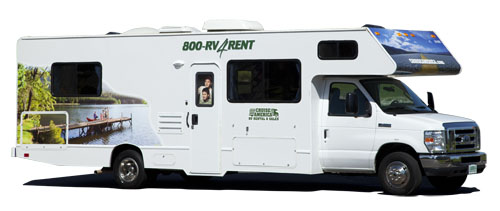
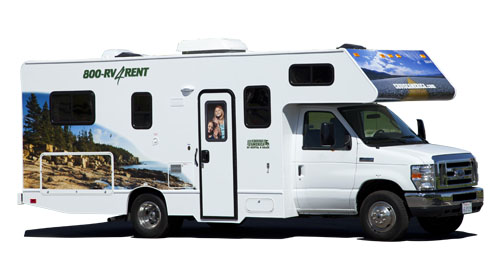
Families with kids (typically 4-6 people) will find a Class C Alcove motorhome, like the "24 Class C Motorhome" or a "6 Berth Discovery" (with sleeping for 5-6, usually including a bed over the cab and a dinette conversion), to be a more suitable choice. These vehicles, averaging 7-8 meters in length, provide significantly more interior living space, a separate bathroom with shower, and a larger kitchen, allowing for comfortable cooking and family dining. They are perfect for an extended road trip where everyone needs their own space and a bit more privacy. While larger, Class C motorhomes are still very manageable to drive in the North East, just remember to proceed slowly and carefully in urban areas. For detailed cost comparisons, explore our "Family RV Rental in North East US - Pricing Guide 2026" to find options that fit your budget.
Ancillary Costs to Budget for Your North East US RV Trip
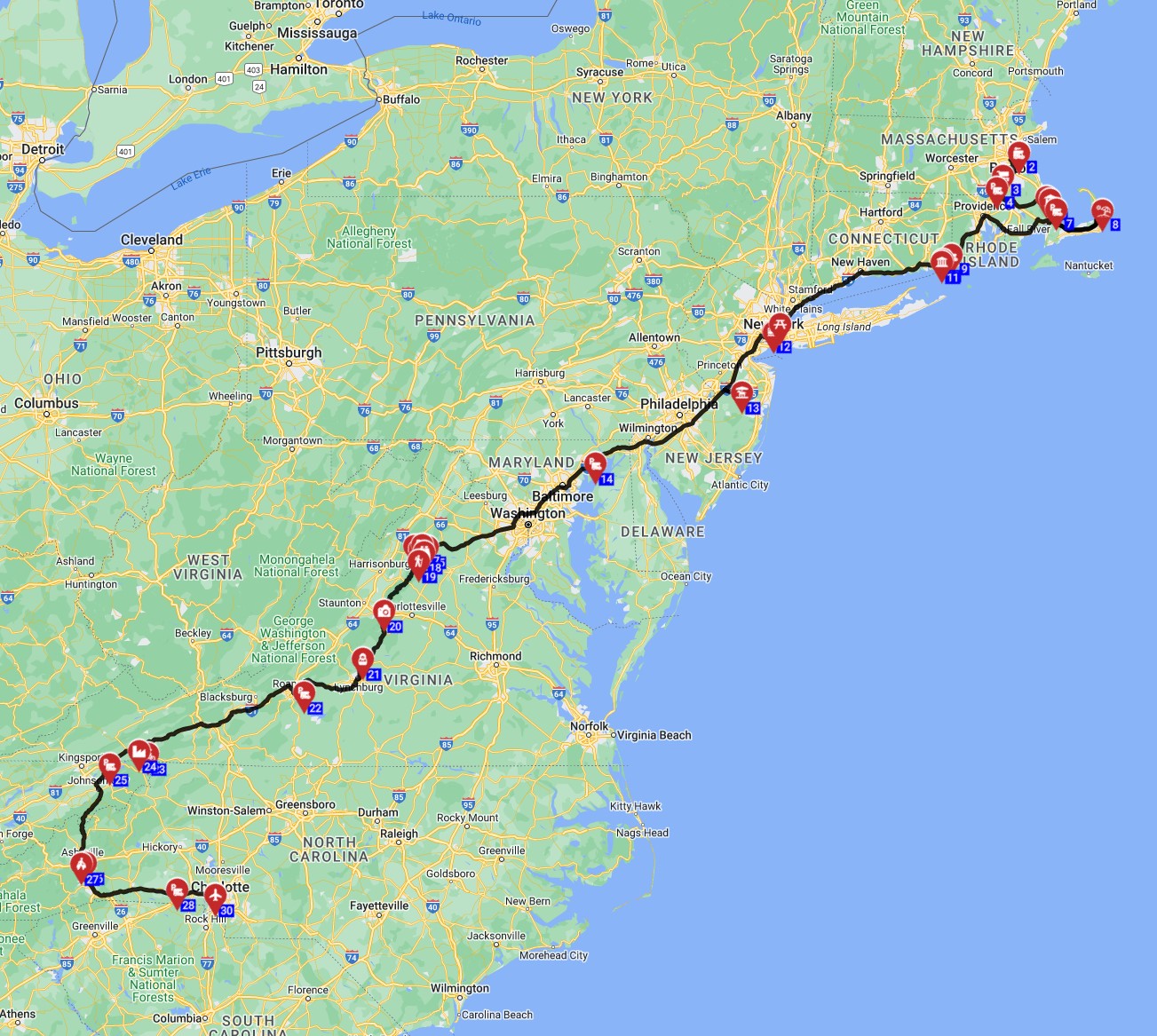
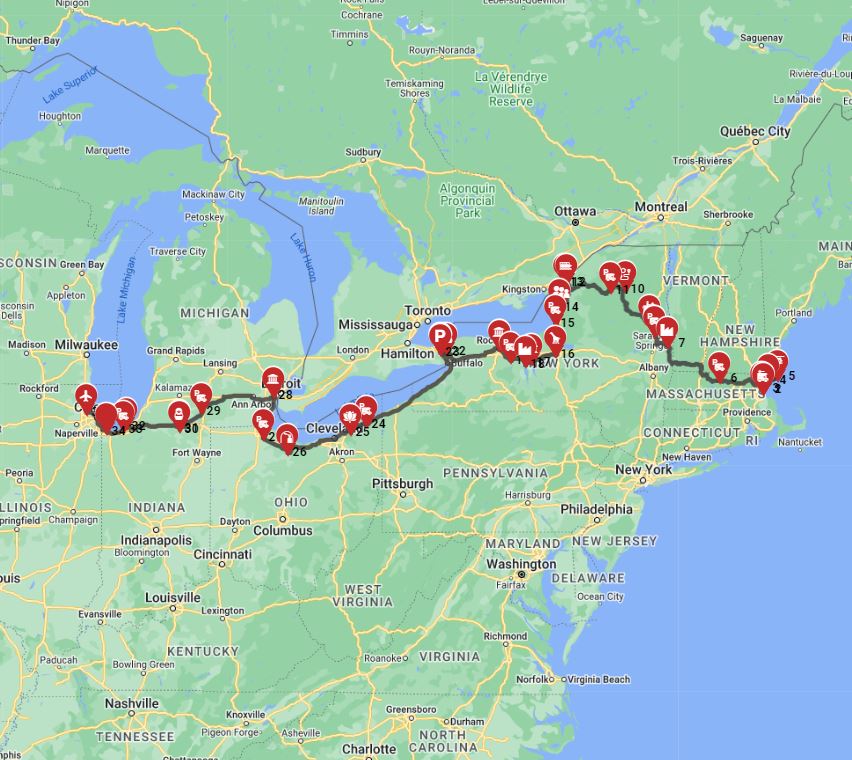
Beyond the initial rental cost, several ancillary expenses should be factored into your budget for a rented RV trip in the North East US to ensure full transparency and no surprises. Fuel will be a significant variable, as petrol prices fluctuate by state and demand, and RVs generally consume more fuel than standard cars. For example, a Class C motorhome might consume 10-12 Liters/100 km. Campground fees can range from $25-$70 per night, depending on amenities, location (e.g., national vs. private parks), and seasonality. Propane for heating, cooking (like for meals from our RV-friendly recipes playlist), and the water heater will add to your expenses, typically a modest amount for a week-long trip. Dump station fees (if not included at your campground) and water refill costs are usually minimal. Tolls, as discussed, are common in the North East and should be accounted for, especially if you opt for cash payments without an E-ZPass. Groceries for on-board cooking will vary based on your culinary preferences, but preparing meals in your RV is a great way to save money compared to dining out constantly. For budgeting, consider local attractions, activity fees, and any necessary permits for national or state parks, which can add $10-$30 per visit. On the routes offered through RV PLANET (rvplan.net), travelers can itemize and track every expense along the way for easy budgeting, ensuring you stay on track with your total trip cost.
Last Minute RV Rental Pricing & Availability in North East US
Yes, finding last minute RV rental deals in North East US is definitely possible, but it requires flexibility and a clear understanding that pricing is dynamic, much like airline tickets; rates change daily based on availability, seasonality, and supplier marketing decisions. Many national and state parks reserve only 25-30% of their campsites for advance bookings, leaving the majority available on a first-come, first-served basis, which benefits spontaneous last minute rv rental travelers. For optimal savings, consider traveling during the shoulder seasons (late spring or early fall, outside of peak foliage) or exploring areas slightly off the main tourist routes. Being flexible with your pickup and drop-off dates by a few days can sometimes reveal significantly better prices. Utilizing comparison platforms like Bandana RV allows you to quickly compare available motorhomes and campervans from major suppliers like El Monte and Cruise America, helping you pinpoint the best deals for your chosen dates. Remember, while you might secure a great price on a last minute rv rental, popular national parks can fill up quickly, so always call ahead to check campsite availability before driving long distances. Our "RV Rental Deals in North East US - Latest Offers 2026" can provide more insights into current promotions.
Final Thoughts
Embarking on a last minute rv rental adventure through the North East US offers an unparalleled sense of freedom and discovery. Whether you're chasing fall foliage, exploring historic sites, or relaxing by the ocean, a rented motorhome or campervan provides your mobile home base, allowing you to travel slowly and truly immerse yourself in each destination. Remember to keep your daily driving to a maximum of 100-150 km on average to truly feel the place, connect to the culture, the delicious local food, and the breathtaking scenery.
From navigating the unique roads and understanding local rules to finding the perfect campsite, we're here to support you every step of the way. With full transparency, dedicated support, and a passion for RV travel, Bandana Caravan makes planning your impromptu North East US road trip a breeze. We handle the details, you live the journey – personal service from day one until your booking is confirmed.
So, what are you waiting for? Get inspired for your next trip! Discover top destinations, planning tips, all in one place, and prepare to create unforgettable memories in the diverse and beautiful North East US.