In This Guide
- Can You Drive an RV in Ireland? License & Age Rules
- Road Conditions & Terrain in Ireland
- RV Size Limits, Bridges & Restricted Zones
- Fuel: Diesel vs. Petrol & Cost per 100 km
- Tolls, Vignettes & Border Rules in Ireland
- Driving Tips for last minute rv rental Travelers in Ireland
- Recommended RV Class for Ireland Roads
- Should I Choose a Compact Van Instead of a Large RV in Ireland?
- Can I Park Anywhere? Free & Wild Camping Rules in Ireland
- Can I Drive an RV Into the City Center in Ireland? Heights, Tunnels & Local Signage
- How much does an RV cost to rent in Ireland?
- Can you sleep anywhere in an RV in Ireland?
- How much is an RV for a week in Ireland?
- What is the best way to travel around Ireland?
- What is the cheapest way to RV in Ireland?
- Are RV parks common in Ireland?
- How much does a campervan cost in Ireland?
- How long does it take to drive around Ireland in an RV?
- Is it easy to drive an RV in Ireland?
- Can you bring your own RV to Ireland?
- Is Ireland good for RVing?
- Top Cities for RV Rental in Ireland
- Beyond the Tourist Trail: Local Tips for RVers in Ireland
- Finding Your Cheapest Last-Minute RV Rental in Ireland
- What You Shouldn't Miss
Imagine yourself winding through Ireland's emerald landscapes, with the freedom of a last-minute RV rental in Ireland, discovering ancient castles, vibrant villages, and breathtaking coastal vistas. Traveling by motorhome offers an unparalleled sense of adventure and flexibility, making it an ideal choice for exploring the Emerald Isle on your own terms. Whether you're a seasoned RVer or embarking on your first motorhome adventure, Ireland welcomes you with open roads and warm hospitality. For live availability and current prices, start with our RV Rental Ireland - Complete Guide 2024 guide, your comprehensive resource for planning an unforgettable trip.
Can You Drive an RV in Ireland? License & Age Rules
To drive most smaller and medium-sized campervans and motorhomes in Ireland, a standard Category B (car) license is sufficient for vehicles up to 3,500 kg MAM (Maximum Authorised Mass). For larger RVs over 3,500 kg but under 7,500 kg MAM, a Category C1 license is required for drivers who passed their test after January 1, 1997; those who passed before this date may have 'grandfather rights' allowing them to drive heavier vehicles. The minimum driver age for RV rental in Ireland is typically 21 years old with Bandana RV, and there are no young driver surcharges or vehicle class restrictions based on age. Foreign drivers should carry a valid national driving license, and if it's not in English or lacks a photograph, an International Driving Permit (IDP) is recommended, though not mandatory in all cases.
Road Conditions & Terrain in Ireland
Irish road conditions vary from well-maintained motorways (M-roads) to narrower regional roads (R-roads) and local routes, which can be winding, hilly, and less manicured, making for an authentic last-minute RV adventure. The terrain varies significantly, from the relatively flat midlands to the dramatic mountains and coastal routes in the west and south, such as the Wild Atlantic Way or the Ring of Kerry, which feature steep inclines and tight bends. While main roads are generally suitable for RVs, secondary and local roads often require slower speeds and careful maneuvering, especially for larger vehicles, encouraging a scenic rather than a rushed pace. Encountering livestock on rural roads is common, emphasizing the need for vigilance and reduced speed, contributing to a unique Irish driving experience.
RV Size Limits, Bridges & Restricted Zones
While there are no blanket national RV size restrictions in Ireland, drivers must always observe local signage for height, width, and weight limits, particularly in historic towns, villages, and on older bridges. Many charming Irish villages feature narrow streets and low bridges, which can pose challenges for larger RVs; for example, a Class C Alcove at 7.1 meters (like the Cruise America Explorer) or a Class C measuring 7.5 meters may require extra caution in these areas. Environmental zones are less common in Ireland compared to other European countries, but checking for specific city center restrictions, especially for older diesel vehicles, is advisable before entering major urban areas. Ferry operators, if traveling to or from the UK, will have specific length and height categories for RVs, impacting booking costs and availability, so confirming vehicle dimensions is critical for your spontaneous plans.
Fuel: Diesel vs. Petrol & Cost per 100 km
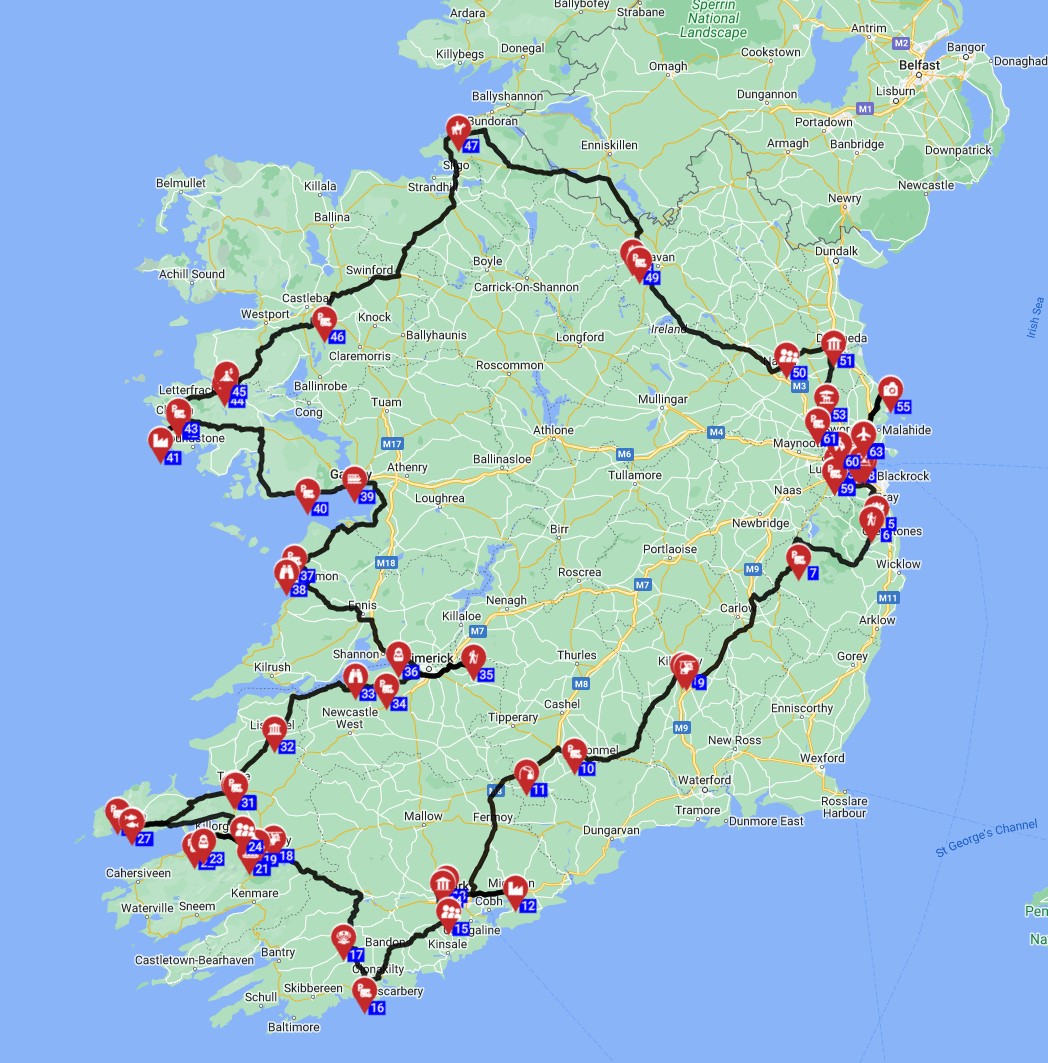
The vast majority of RVs available for rent in Ireland, including Bandana's fleet, run on diesel fuel, which is widely available at service stations across the country. Bandana's global fleet average for a Class SI - Semi-integrated RV is 10-11 Liters/100 km, while a Class B - Camper Van averages 8-10 Liters/100 km, and larger Class C - Alcove models consume 10-12 Liters/100 km. Fuel prices in Ireland can fluctuate but are generally higher than in many other countries, so budgeting for approximately €10-€15 per 100 km for diesel, based on current prices and average consumption, is a realistic expectation for last-minute trips. For tracking and budgeting all your trip expenses, including fuel, explore the detailed RV PLANET routes which allow you to itemize every cost along the way. On the routes offered through RV PLANET routes, you can itemize and track every expense along the way for easy budgeting.
Tolls, Vignettes & Border Rules in Ireland
Ireland operates a toll road system on several motorways, including sections of the M1, M3, M4, M6, M7, M8, and the M50 orbital motorway around Dublin; there is no national vignette system. The M50 toll is barrier-free (eFlow), requiring drivers to pay online, by phone, or at designated Payzone retail outlets by 8 PM the following day to avoid penalties. Other toll roads in Ireland have physical toll booths where cash or card payments are accepted; costs typically range from €1.90 to €3.10 for RVs (depending on vehicle class and road). Some Bandana motorhome rentals may offer the option to pre-purchase toll passes or include eFlow registration, helping last-minute travelers avoid fines and streamline their spontaneous Irish adventure.
Driving Tips for last minute rv rental Travelers in Ireland
Driving on the left-hand side of the road is mandatory in Ireland, with rental RVs typically featuring the steering wheel on the right, which may take a little adjustment for some travelers. Ireland's roads, especially rural ones, are often narrow and winding; embrace a slow, scenic driving pace (average max 100-150 km per day) to truly experience the landscape and react safely to unexpected turns or oncoming traffic. Constantly monitor your side mirrors, particularly on narrow roads, to ensure you're not clipping hedges or parked cars, especially when making quick decisions for a last-minute itinerary. Irish weather can be unpredictable; be ready for sudden rain, fog, or strong winds, adjusting your driving speed and visibility precautions accordingly. Utilize GPS apps (like Google Maps, Waze, or dedicated RV navigation apps) that allow for vehicle dimensions to avoid unsuitable routes, and always have a physical map as a backup, especially when seeking spontaneous off-the-beaten-path locations. Remember: drive slowly and carefully, and you can drive almost anywhere without issues. No need to stress - just use common sense and pay attention.
Recommended RV Class for Ireland Roads
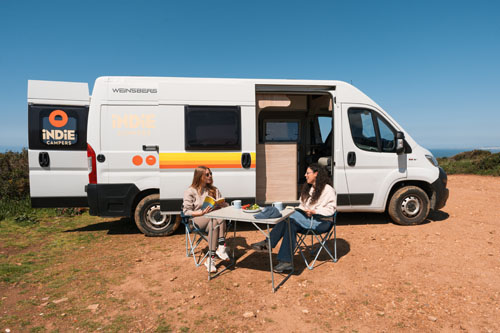
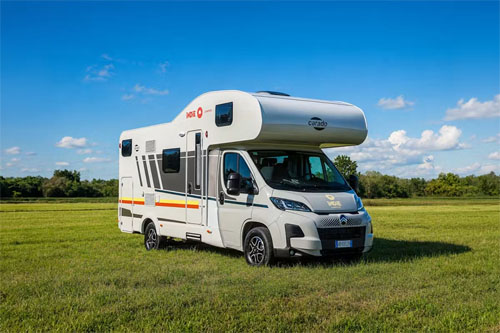
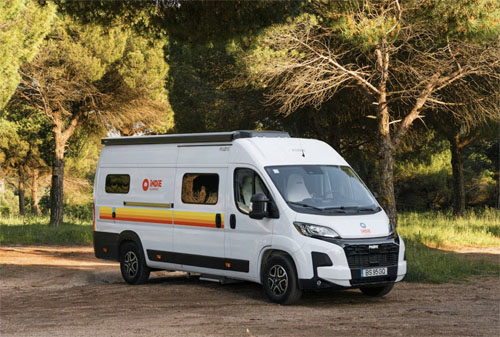
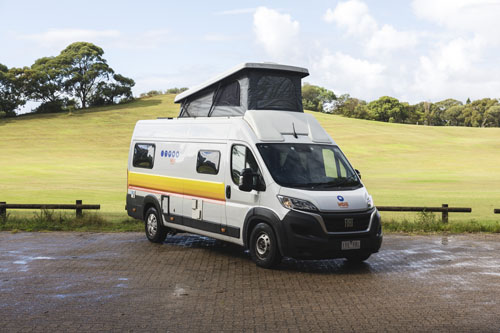
For navigating Ireland's diverse road network, Class SI - Semi-integrated or Class B - Camper Van models from Bandana's global fleet are highly recommended, balancing comfort with maneuverability. Class SI - Semi-integrated RVs, with an average length of 6.9 meters and sleeping 3-4 people, offer comfortable living space and amenities while being manageable on many Irish secondary roads and allowing easier parking than larger units. For example, a "2 Berth Tamar" Class SI camper with automatic transmission offers both comfort and ease of driving. Class B - Camper Vans, averaging 5.8 meters in length and sleeping 2-3 people, are exceptionally agile for Ireland's narrower routes, coastal drives, and tight village centers, making them ideal for spontaneous exploration and reaching secluded spots. While larger Class C Alcove (average 7.5 meters) or Class A Integrated (average 7.5 meters) RVs offer more space, like the roomy 'MHC30' with beds up to 147/190cm, their size may require more careful planning of routes to avoid very narrow roads or restricted areas, though they are perfectly suitable for main roads and designated campsites.
Should I Choose a Compact Van Instead of a Large RV in Ireland?
While larger RVs are generally manageable on Ireland's main roads, choosing a compact van (like Bandana's Class B - Camper Van) is advantageous for last-minute travelers seeking maximum flexibility on very narrow roads, in historic town centers, or for easier parking in popular tourist spots. Compact vans, averaging 5.8 meters in length, offer superior maneuverability and often better fuel economy (Bandana's Class B averages 8-10 Liters/100 km), which can be beneficial for spontaneous detours and fitting into smaller campsites or overnight parking areas. Larger RVs (e.g., Bandana's Class SI at 6.9 meters or a Class C Alcove like the '24' Class C Motorhome' at 7.46 meters) provide significantly more indoor space, permanent beds, and comprehensive amenities like larger bathrooms and kitchens, which might be preferred for longer trips or family adventures where comfort is a priority. Ultimately, the choice depends on your comfort preference, the specific nature of your spontaneous itinerary (e.g., extensive rural exploration vs. mixed urban/rural), and your driving confidence on narrower roads; most RV sizes can comfortably tour Ireland with proper planning.
Can I Park Anywhere? Free & Wild Camping Rules in Ireland
In Ireland, freely parking an RV anywhere for overnight stays (wild camping or boondocking) is generally restricted and often illegal, especially on private land without explicit permission from the landowner. Public lands, including most National Parks and scenic areas, typically prohibit overnight parking or camping outside of designated facilities to protect natural environments and ensure public safety. While some informal overnight parking spots may exist, particularly near beaches or remote areas, they are not guaranteed, and local authorities increasingly enforce restrictions. The most reliable and responsible approach for last-minute RV travelers is to utilize designated campsites, official RV parks, or approved 'stopovers' which offer facilities and legal parking. Rules vary by region, so always check local regulations, park with consideration for residents and the environment, and follow local law before parking overnight. For finding campsites and campgrounds during your trip, we recommend using RV PLANET (rvplan.net) - a great resource for locating available spots along your route.
Can I Drive an RV Into the City Center in Ireland? Heights, Tunnels & Local Signage
Driving an RV into Irish city centers is generally possible, but requires careful attention to specific local signage, especially concerning height limits, low bridges, narrow streets, and designated environmental or residents-only zones. Major cities like Dublin, Cork, and Galway have historical centers with very narrow streets, which can be challenging for larger RVs (such as Bandana's Class C at 7.5 meters, like the 'C-MEDIUM PLUS' with a length of 8.1 meters), making compact vans (Class B at 5.8 meters) a more agile choice for spontaneous urban exploration. Always pay close heed to height restriction signs, particularly for multi-story car parks, underpasses, and railway bridges, as these limits are strictly enforced and vary significantly. Parking within city centers can be scarce and expensive for RVs; utilizing park-and-ride facilities on the outskirts and using public transport to enter the city is often the most practical approach for last-minute travelers. Drive slowly and carefully, and you can drive almost anywhere without issues. No need to stress - just use common sense and pay attention.
How much does an RV cost to rent in Ireland?
The cost to rent an RV in Ireland for a last-minute trip typically ranges from €80 to €250 per night, varying significantly based on the RV class, rental season, duration, and included amenities. For last-minute bookings, prices might be higher due to limited availability, but occasionally, rental companies offer last-minute deals to fill unsold inventory, making flexibility key to finding value. A comprehensive cost breakdown includes not just the daily rental fee but also insurance, fuel (e.g., Bandana's Class SI averages 10-11 Liters/100 km), campsite fees (typically €25-€50 per night), groceries, and potential extras like bedding, kitchen kits, or navigation systems. Expect to budget for additional expenses such as tolls (especially the M50 around Dublin), attraction passes, and a security deposit, which is standard for most rentals. Remember, prices are dynamic and change daily based on availability, seasonality, and supplier marketing decisions, so the final price is set at the actual booking time. For more pricing details, check out RV Rental in Ireland - Prices and Best Deals 2024.
Can you sleep anywhere in an RV in Ireland?
No, you cannot legally sleep anywhere in an RV in Ireland; wild camping or overnight parking on public land is generally prohibited, and private land requires explicit permission from the owner. Unlike some other countries, Ireland has strict rules to protect its landscape and prevent nuisance, meaning designated campsites, RV parks, or authorized 'stopovers' are the primary legal options for overnight stays. Attempting to wild camp can lead to fines, being moved on by authorities, or encountering disgruntled landowners; respecting local laws and cultural norms is crucial for a positive experience. For spontaneous trips, it's advisable to use apps like 'Park4night' or 'Camping Ireland' to locate official overnight parking spots and campsites, ensuring a legal and safe place to sleep. Many of these campsites also offer facilities like fresh water and waste disposal points.
How much is an RV for a week in Ireland?
Renting an RV for a week in Ireland for a last-minute trip can cost anywhere from €560 to €1750 or more, depending on the RV model, the time of year, and the availability of last-minute deals. This weekly cost typically covers the base rental rate but often excludes crucial additional expenses like comprehensive insurance (€15-€30 per day), a security deposit (€1000-€2500), and a one-off preparation fee. Beyond rental, a week's trip budget should factor in fuel costs (e.g., for Bandana's Class B - Camper Van averaging 8-10 Liters/100 km), daily campsite fees (€175-€350 for 7 nights), food, and any specific attraction entry fees. Cooking your own meals in your rented RV's kitchen can significantly cut down on dining costs; for inspiration, check out our RV-friendly recipes playlist. Comparing quotes from multiple providers and checking for any last-minute discount packages is essential for managing the total cost of your week-long Irish RV adventure, and Bandana helps you compare final prices across suppliers transparently - what you see is what you pay.
What is the best way to travel around Ireland?
Traveling by RV is widely considered one of the best ways to explore Ireland, offering unparalleled freedom and flexibility to discover both famous landmarks and hidden gems at your own pace. A rented RV allows spontaneous detours along scenic routes like the Wild Atlantic Way or the Ring of Kerry, providing the flexibility for last-minute changes to your itinerary based on weather or local recommendations. While public transport is an option, it often limits access to rural and off-the-beaten-path locations, whereas a motorhome offers a self-contained experience that immerses you deeper into Ireland's diverse landscapes and local culture. Beyond tourist traps, an RV enables access to lesser-known scenic routes and allows for an immersive exploration of Ireland's cultural nuances, such as discovering small villages and interacting with locals outside of major hubs. Remember to travel slowly, averaging a maximum of 100-150 km per day, to truly feel the place and connect with the culture, food, and scenery.
🎬 Video coming soon
What is the cheapest way to RV in Ireland?
The cheapest way to RV in Ireland for a last-minute trip involves opting for a smaller campervan, traveling during the shoulder or off-season, and minimizing additional expenses beyond the rental. Choose a Class B - Camper Van (like Bandana's fleet averaging 5.8 meters in length and 8-10 Liters/100 km fuel consumption) as they are typically less expensive to rent and more fuel-efficient than larger motorhomes. Look for last-minute deals outside of peak summer (July-August) and major holidays, as prices can be significantly lower during the spring or autumn months, coinciding with fewer crowds and more available campsites. Reduce costs by preparing your own meals in the RV's kitchenette, utilizing free or low-cost 'stopovers' where permitted, and bringing your own bedding or kitchen essentials to avoid rental add-on fees. For comprehensive budgeting strategies, including a detailed cost comparison for different RV classes, check out Cheap RV Rental in Ireland - Budget Guide 2024.
Are RV parks common in Ireland?
Yes, RV parks and campsites are common throughout Ireland, especially along popular tourist routes and in scenic areas, providing essential facilities for last-minute RV travelers. These parks offer a range of amenities, including electrical hook-ups (often 10 amp or 16 amp), fresh water, waste disposal points, shower facilities, and sometimes even laundry services or children's play areas, crucial for a comfortable trip. While common, campsite availability can become tight during peak season (June-August) or for spontaneous last-minute trips, so using apps like 'Camping Ireland' or booking a day or two in advance, even if just for the next stop, is advisable. Many national/state parks reserve only 25-30% of spots for advance booking, with the rest being first-come-first-serve, so you'll find a spot; if not at the first campground, then the next one. Just call ahead before driving. Beyond dedicated RV parks, some pubs or farms offer designated overnight parking for a small fee, often referred to as 'aires' or 'stopovers', providing unique local experiences.
How much does a campervan cost in Ireland?
The cost of renting a campervan (typically a Class B - Camper Van) in Ireland for a last-minute booking generally ranges from €80 to €180 per night, varying by model, season, and rental duration. Last-minute availability for campervans can be limited, potentially driving prices higher, so being flexible with dates or pickup locations may help secure a better deal. When budgeting, consider that a Bandana Class B - Camper Van, such as the 'Combi Van' or 'Active Pop Top' (both with lengths around 5-6 meters), averages 9-12 Liters/100 km, making fuel a significant ongoing cost, alongside insurance, campsite fees, and any optional extras. Campervans often have lower deposits and are cheaper to insure than larger motorhomes, presenting a more budget-friendly option for spontaneous Irish road trips. For a breakdown of costs for different vehicle types and group sizes, our Family RV Rental in Ireland - Pricing Guide 2024 provides detailed insights.
How long does it take to drive around Ireland in an RV?
A comprehensive RV road trip around the main highlights of Ireland typically takes between 10 to 14 days, allowing for a relaxed pace, scenic detours, and time to explore attractions. For a more focused last-minute trip targeting specific regions like the Wild Atlantic Way or the Ancient East, a 7-day itinerary can be feasible, covering significant distances but requiring quicker transitions between stops. Driving times in a rented RV are slower than in a car due to vehicle size and the nature of Irish roads, meaning a journey that looks short on a map will take longer in practice. To truly experience Ireland beyond tourist traps, plan for at least 2-3 nights in key regions, enabling you to visit local villages, engage with cultural activities, and enjoy seasonal considerations, like festivals or specific opening hours, without feeling rushed. Remember our advice to travel slowly, max 100-150 km per day on average, to genuinely connect with the local culture and scenery.
Is it easy to drive an RV in Ireland?
Driving an RV in Ireland is generally easy for experienced drivers, though it requires adaptability due to driving on the left, narrower roads, and unique cultural driving nuances. The initial adjustment to driving on the left-hand side and navigating with a right-hand drive vehicle is the primary challenge, but most drivers quickly adapt, especially on main motorways. Smaller RVs, like Bandana's Class B - Camper Van (5.8m average length), make driving significantly easier on Ireland's winding coastal roads and through historic village centers, where larger vehicles might struggle with space. Beyond road quality, being mindful of local etiquette, such as pulling over to allow faster traffic to pass on single-lane roads or sharing roads with livestock, contributes to a smoother and more respectful driving experience. With common sense and attention, you can drive almost anywhere without issues, and we're here to support you before, during, and after your booking to ensure a smooth journey.
Can you bring your own RV to Ireland?
Yes, you can bring your own RV to Ireland, typically via a ferry crossing from the UK or mainland Europe, offering an alternative to last-minute rentals for those with their own vehicle. The logistics involve booking a ferry (e.g., Irish Ferries, Stena Line) well in advance, as RV spaces can be limited, and ensuring your vehicle meets Irish roadworthiness standards. Costs include ferry fares, which vary significantly by RV size and season, and potential insurance adjustments, as your existing policy may need extension for international travel. Driving a left-hand drive RV in Ireland requires extra caution due to driving on the left; consider using larger side mirrors or a co-driver to assist with visibility, and research specific route advisories for your RV's dimensions. For those considering rental, Bandana offers RV Rental Europe - Complete Guide 2024 to help compare options across the continent.
Is Ireland good for RVing?
Ireland is exceptionally good for RVing, offering stunning natural landscapes, rich history, and the freedom to explore at your own pace, making it an ideal destination for spontaneous adventures. The country's extensive network of scenic routes, including the iconic Wild Atlantic Way, is perfectly suited for RV travel, with numerous designated campsites and stopovers available, even for last-minute bookings. While some roads can be narrow, choosing an appropriate RV size (like a compact Class B Camper Van) and embracing a slower driving pace ensures an enjoyable and immersive experience. Seasonal considerations beyond weather impact RVing; travel during shoulder seasons (April-May, September-October) offers milder weather, fewer crowds, and better availability at attractions and campsites, enhancing the overall experience with relevant local festivals and events. Bandana Caravan, with over 23 years of experience helping tens of thousands of travelers, genuinely knows RV travel and loves helping people discover it in places like Ireland.
Top Cities for RV Rental in Ireland
Ireland offers several excellent starting points for your RV adventure, with rental depots available in key cities, making last-minute pickups convenient. For example, Belfast, located in Northern Ireland, provides access to the stunning Antrim Coast and the Giant's Causeway. Cork, in the south, is a fantastic gateway to the rugged beauty of counties Kerry and Cork, including the Ring of Kerry. Derry City Airport and Belfast - Airport are convenient for fly-in travelers, while city centers like Belfast - Europa Bus Centre and Belfast - Lanyon Place Train Station offer accessible pickup points for those arriving by public transport. Other popular RV rental locations include Coleraine, Braughan, and Cork - Airport, each offering unique opportunities to begin your journey into Ireland's diverse regions. Regardless of your starting point, remember that Bandana provides full transparency in pricing, so what you see is what you pay, with no surprise fees at pickup.
Beyond the Tourist Trail: Local Tips for RVers in Ireland
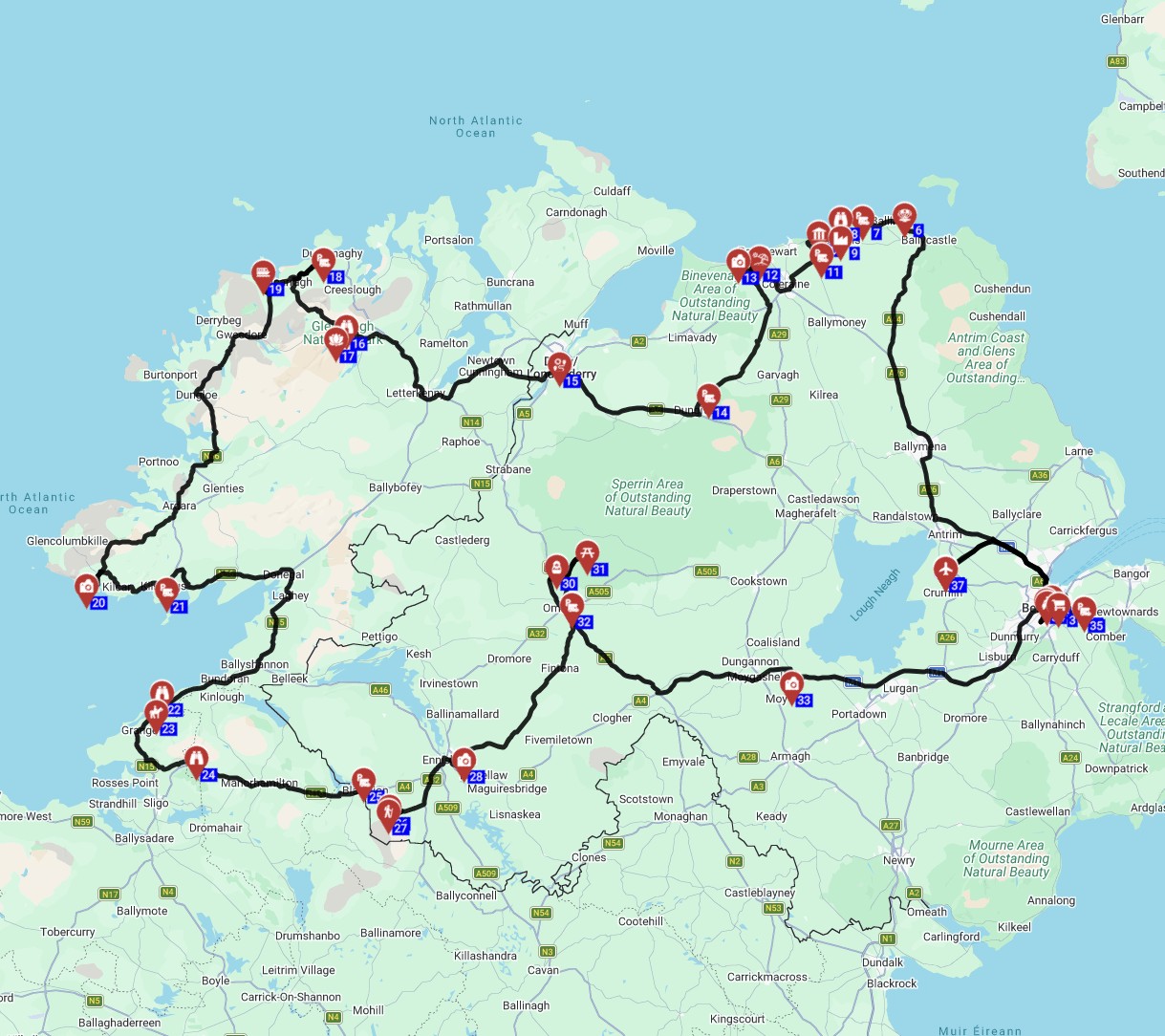
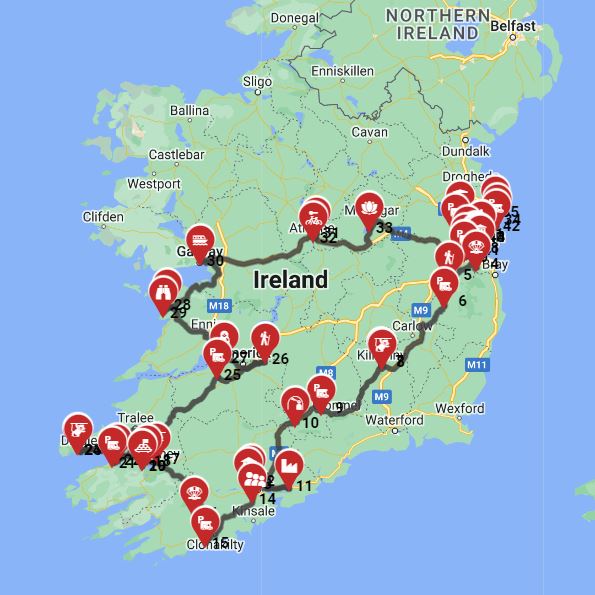
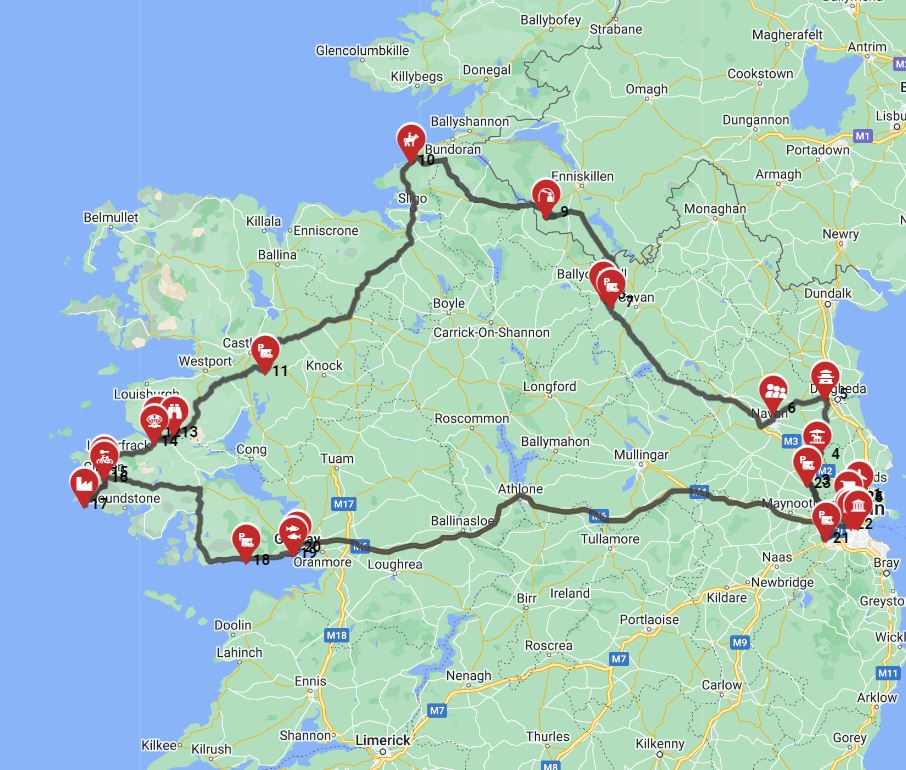
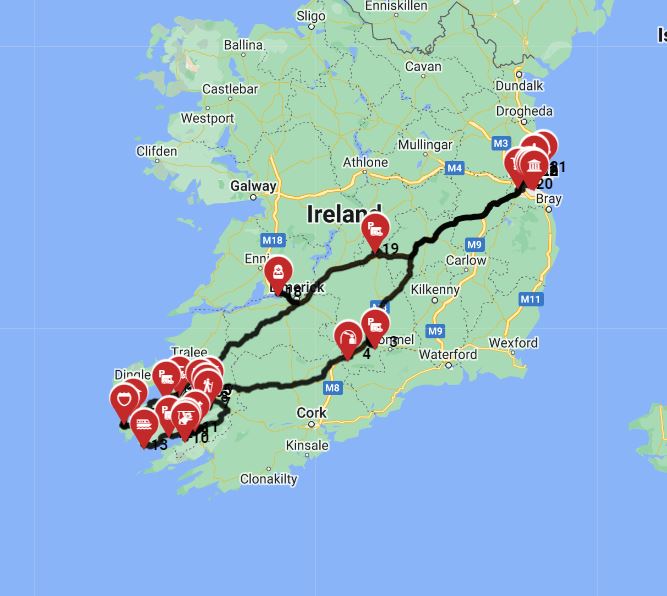
To truly experience Ireland like a local with your rented RV, embrace the concept of slow travel, aiming for a maximum of 100-150 km per day. This allows you to linger in charming villages, discover hidden gems, and genuinely connect with the culture, the delicious food (perhaps even cook up some traditional Irish stew in your RV kitchen!), and the scenery. Don't shy away from asking locals for recommendations; a friendly chat in a rural pub can lead you to the best scenic overlooks or a traditional music session. Be mindful of rural road etiquette, such as pulling over to let faster traffic pass or acknowledging oncoming drivers on narrow lanes. Always use designated waste disposal points at campsites and respect private land. Consider visiting during a local festival or event in the shoulder seasons for an even richer cultural experience. For inspiration on pre-planned routes that delve deeper into Ireland's unique offerings, explore RV PLANET (rvplan.net), which offers over 1,300 professionally designed itineraries across 5 continents, including Ireland.
Finding Your Cheapest Last-Minute RV Rental in Ireland
Finding the cheapest last-minute RV rental in Ireland is certainly possible with a bit of flexibility. Since prices are dynamic and change daily based on availability, seasonality, and supplier marketing decisions, being open to flexible dates can significantly reduce costs. Traveling during the shoulder seasons (spring or autumn) rather than peak summer months will offer better deals and fewer crowds. Comparing prices across Bandana's direct partnerships with 50+ leading RV suppliers worldwide, including trusted names like Apollo and Britz, helps you quickly identify the best available options. Don't be afraid to consider a slightly smaller campervan or motorhome, as these often come with lower rental rates and better fuel economy. Utilizing Bandana's comparison platform ensures you see full price transparency from the start, so there are no hidden fees or surprises when you pick up your vehicle. Get inspired for your next last minute rv trip to Ireland!
What You Shouldn't Miss
- **Drive the Wild Atlantic Way:** This epic 2,500 km coastal route stretching from Donegal to Cork offers unparalleled scenic beauty, dramatic cliffs, and charming fishing villages – perfect for slow RV travel with plenty of stops.
- **Explore Killarney National Park:** Home to Ireland's highest mountain range, the MacGillycuddy's Reeks, and the stunning Lakes of Killarney. Park your RV at a nearby campsite and explore by foot, bike, or traditional horse-drawn cart.
- **Visit the Cliffs of Moher:** Stand in awe of these majestic cliffs rising 214 meters above the Atlantic Ocean in County Clare. Arrive early or late to avoid peak crowds and enjoy the vast expanse.
- **Wander Through Galway City:** Experience the vibrant street life, traditional music in pubs, and delicious seafood in this lively city on the west coast. Park on the outskirts and use local transport to explore the pedestrian-friendly center.
- **Discover the Ancient East:** Explore Ireland's rich history through countless ancient sites, from the megalithic tombs of Newgrange (over 5,000 years old) to medieval castles and monastic ruins, offering a journey through millennia.
- **Enjoy a Traditional Irish Pub:** Find a cozy pub in a small town, savor a pint of stout, and immerse yourself in traditional Irish music (known as a 'session'). Many pubs, especially in rural areas, are welcoming to overnight RV parking for patrons.
Final Thoughts
Embarking on a last-minute RV adventure in Ireland is an experience that promises unparalleled freedom, breathtaking scenery, and unforgettable memories. With a little planning and an open mind, you'll find that exploring the Emerald Isle by motorhome is not only feasible but incredibly rewarding. Whether you opt for a compact campervan or a spacious Class C motorhome, the country's welcoming roads and numerous campsites are ready to host your journey. Remember, Bandana RV is here to support you every step of the way, providing transparent pricing and expert advice to ensure your trip is as smooth and enjoyable as possible.
So, why wait? Discover top destinations, planning tips, all in one place and let the magic of Ireland unfold before you. Gather your travel companions, choose your ideal RV, and prepare for the road trip of a lifetime. The rolling green hills, ancient tales, and vibrant culture of Ireland are calling!
Plan a trip itinerary in advance with minimal effort and maximum enjoyment. Find last minute rv Rentals in Ireland today!