In This Guide
- Where to Camp in South West US — Top Options
- Campground Types in South West US (National, Private, Wild)
- Featured RV Park or Campground in South West US
- Hookups & Amenities — What to Expect
- Booking Windows & Reservations in South West US
- Nearby Supermarkets & Resupply Points
- Best RV Class for Camping in South West US
- How to Save on Campgrounds in South West US
- What is the best time to RV in the Southwest?
- Is it easy to find RV parks in Southwest?
- How much does it cost to RV the Southwest?
- What should I bring for RV camping in the desert?
- What are some RV trips in the Southwest?
- Can you RV in National Parks in the Southwest?
- How do I rent an RV last minute?
Where to Camp in South West US — Top Options
For last-minute RV rentals in the Southwest US, flexible options are key. Beyond the highly sought-after national parks like Zion and Grand Canyon, which often require reservations months in advance, consider alternatives that frequently have same-day or next-day availability. Bureau of Land Management (BLM) lands offer incredible opportunities for free dispersed camping, allowing you to truly immerse yourself in the stunning desert landscapes. Numerous state parks, such as Valley of Fire State Park in Nevada or Snow Canyon State Park in Utah, provide accessible and picturesque camping with a higher chance of last-minute openings. Don't overlook national monuments like Vermilion Cliffs or Organ Pipe Cactus National Monument in Arizona, which often have less crowded campgrounds. These lesser-known spots or public land options are perfect for spontaneous trips and showcase the diverse beauty of the Southwest, from vibrant red rock formations to unexpected desert blooms.Campground Types in South West US (National, Private, Wild)
The Southwest US offers a varied camping experience across three main types of campgrounds. National Park and Forest Service sites are often the most scenic, but also the most competitive for reservations, with many operating on a first-come, first-served (FCFS) basis, particularly attractive for last-minute planners. Private RV parks are a reliable option, typically providing more amenities like full hookups, Wi-Fi, and laundry facilities, though at a higher cost, and they generally have better last-minute availability through their online booking systems. Dispersed camping on public lands, such as BLM or National Forests, is free and offers unparalleled solitude, but requires self-sufficiency as there are usually no hookups or facilities. It's crucial to understand the regulations for dispersed camping, always practicing "leave no trace" principles and clearly identifying designated legal camping areas to avoid issues.Featured RV Park or Campground in South West US
When aiming for last-minute RV park bookings in the Southwest, strategic selection is vital. Focus on RV parks located near smaller towns or regional attractions rather than exclusively adjacent to the most famous national park entrances, as these tend to be less saturated. RV parks that prominently advertise last-minute availability or feature real-time vacancy data on their websites are your best bet. Many regional state parks or county parks, while perhaps less renowned than national park offerings, often possess more openings and can provide excellent facilities, making them ideal for spontaneous RV adventures.Hookups & Amenities — What to Expect
RV camping in the Southwest US presents a spectrum of services. You can expect full hookups at many private RV parks, typically including 30 or 50 amp electrical service, potable water, and sewer connections, catering to modern RV comforts. For those venturing onto public lands or seeking a more primitive experience, sites on BLM or National Forest lands often have no services, requiring you to be self-sufficient with your water and waste management. Beyond hookups, many campgrounds provide additional amenities to enhance your stay, such as Wi-Fi (often an additional charge or limited), clean laundry facilities, hot showers, picnic tables, and fire pits, perfect for enjoying the desert evenings.Booking Windows & Reservations in South West US
Securing an RV spot in the Southwest for a last-minute trip is highly achievable with the right approach. While the most popular national park campgrounds often fill up months in advance, a significant portion of national park sites operate on a first-come, first-served (FCFS) basis, meaning arriving early in the morning can often secure a spot. Furthermore, many state parks, private RV resorts, and Bureau of Land Management (BLM) areas have more flexible reservation policies, frequently having openings available same-day or next-day. Embrace flexibility with your destination; if your first choice campground is full, the next one down the road often has availability. Remember, "You will almost certainly find a place — if not the first campground, then the next," so a little flexibility can open up incredible last-minute opportunities.Nearby Supermarkets & Resupply Points
When planning your RV journey through the Southwest US, stocking up on essentials is straightforward, with major grocery chains like Walmart, Safeway, Fry's, and Albertsons readily available in most towns and cities. These supermarkets are your go-to for replenishing food, water, and other necessities. It's wise to integrate stops in these towns every few days into your itinerary, especially when venturing into more remote desert areas where options become scarcer and often pricier. Stocking up on non-perishable items and water before departing from major metropolitan hubs like Phoenix or Las Vegas is a good strategy to ensure you're well-prepared for the vast and varied landscapes ahead.Best RV Class for Camping in South West US
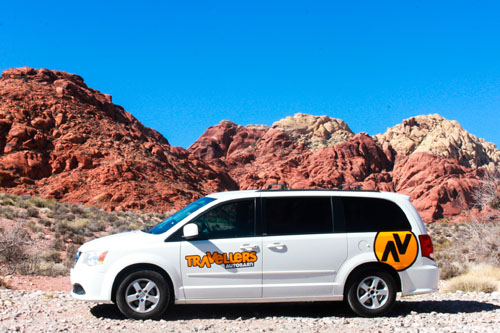
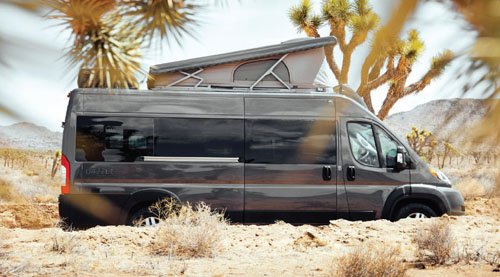
Choosing the right RV class is crucial for navigating the diverse terrains of the Southwest. For nimble navigation and accessing more secluded boondocking spots, a Class B camper van is an excellent choice. These typically measure around 5.8 meters in length, sleep approximately 2-3 adults, and offer good fuel efficiency, often around 8-10 liters/100 km, making them ideal for the vast distances. For families or those seeking more space and amenities, a Class C motorhome, averaging 7.5 meters and sleeping 4-5 adults, provides a comfortable living area and larger tanks, balancing comfort with accessibility for most Southwest itineraries. Consider also the Class SI semi-integrated RVs, around 6.9 meters long and sleeping 3-4, offering a streamlined profile and good amenities for couples or smaller families.How to Save on Campgrounds in South West US
Saving money on campgrounds in the Southwest US is achievable through several smart strategies. Look into utilizing discount programs offered by Bandana's partners or campground membership cards like Good Sam or Passport America, which can provide savings of 10-50% at participating private parks. Opting for shoulder season travel (spring and fall) often means lower rates and fewer crowds compared to peak summer months. Prioritize municipal, state, or county parks over premium private resorts, as they often offer better value. And for the ultimate savings, embrace free dispersed camping on BLM or National Forest lands, a fantastic way to immerse yourself in nature while significantly reducing costs, though it requires a greater degree of self-sufficiency.What is the best time to RV in the Southwest?
The best time to RV in the Southwest US is typically during the spring (March to May) and fall (September to November) to enjoy the most pleasant and moderate temperatures for outdoor activities. Spring often brings blooming wildflowers and comfortable days, ideal for hiking and exploring. Fall offers crisp air and stunning autumn foliage at higher elevations. Summer can bring extreme heat, with desert temperatures frequently exceeding 100°F (38°C) in lower elevations, while higher elevations can experience snow and freezing temperatures in winter. Be aware of the monsoon season from July to September, which can bring sudden, intense thunderstorms and flash flood risks, particularly in canyon areas.Is it easy to find RV parks in Southwest?
Finding RV parks in the Southwest US is generally easy, especially if you maintain some flexibility with your plans. While the most iconic national park campgrounds can be booked solid months in advance, the region boasts a wealth of options. Private RV parks and numerous state parks frequently have last-minute openings, particularly outside of peak season or popular holiday weekends. Furthermore, the abundance of dispersed camping opportunities on public lands (BLM and National Forests) means you can almost always find a spot to park your RV. Utilizing apps and websites like Campendium, iOverlander, or The Dyrt can help you find real-time availability and reviews, and always remember to call ahead to confirm if driving to a specific last-minute location.How much does it cost to RV the Southwest?
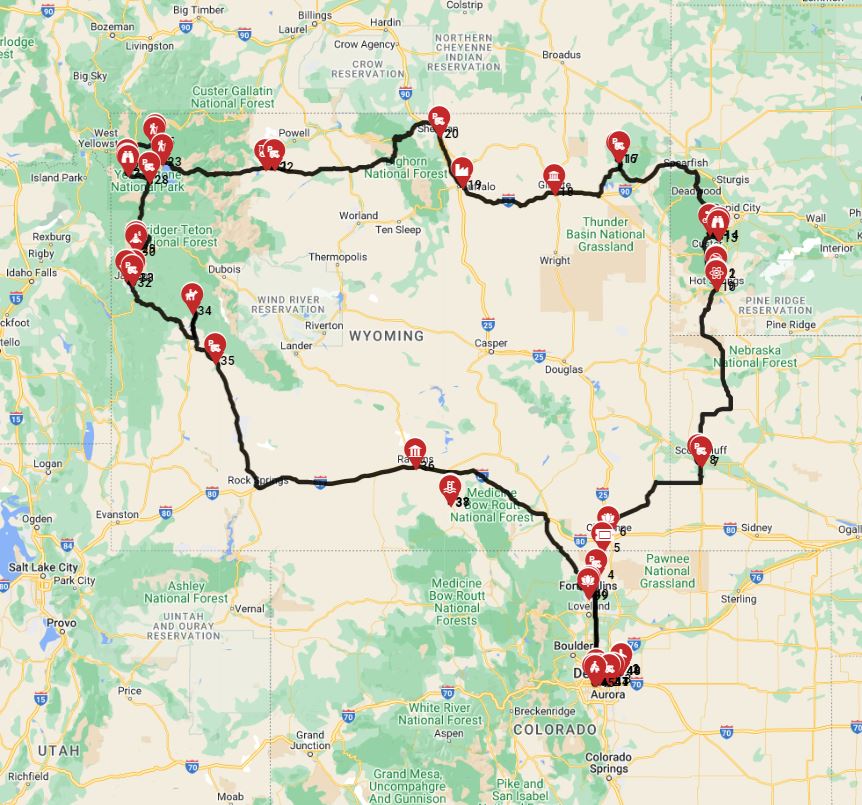
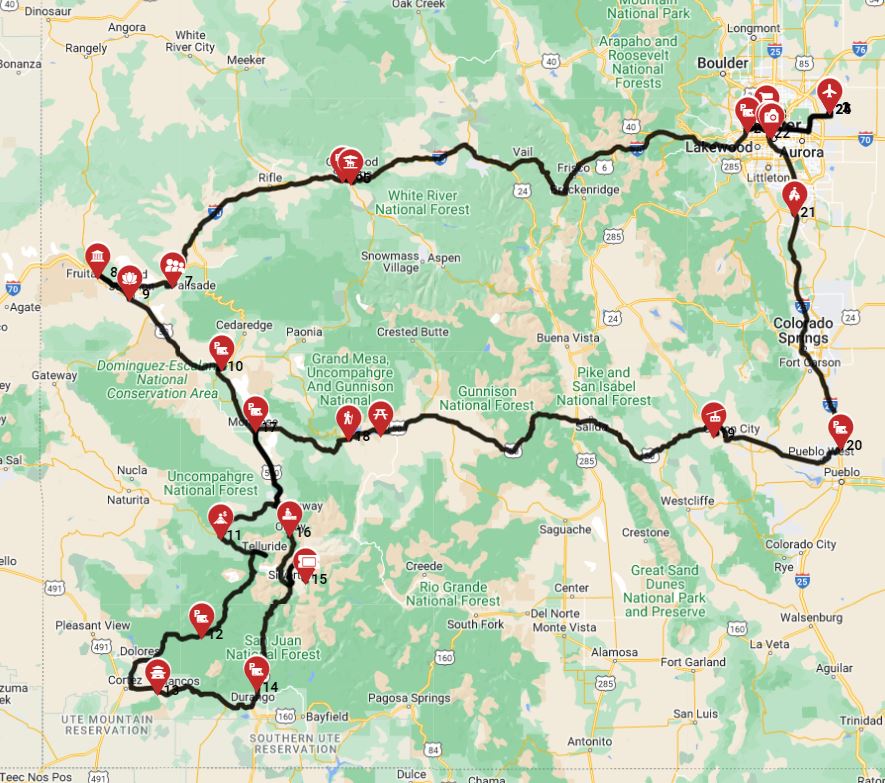
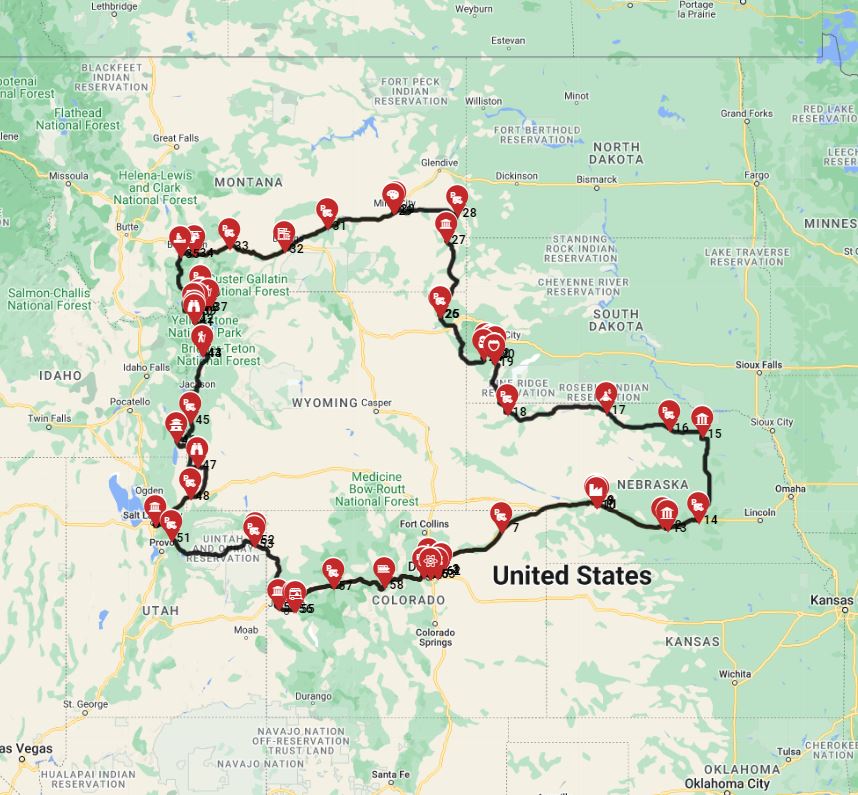
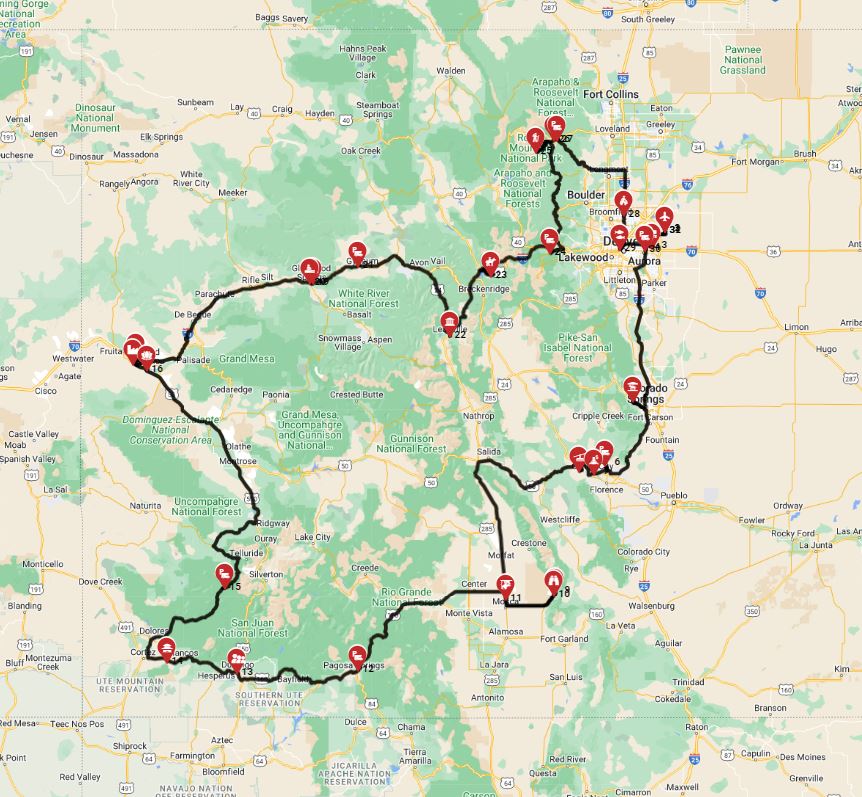
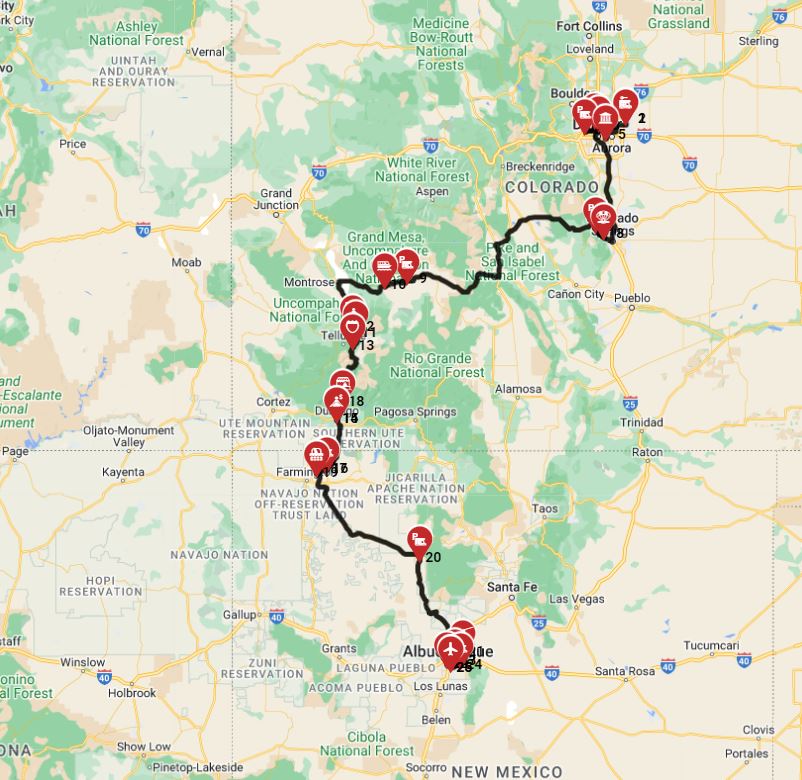
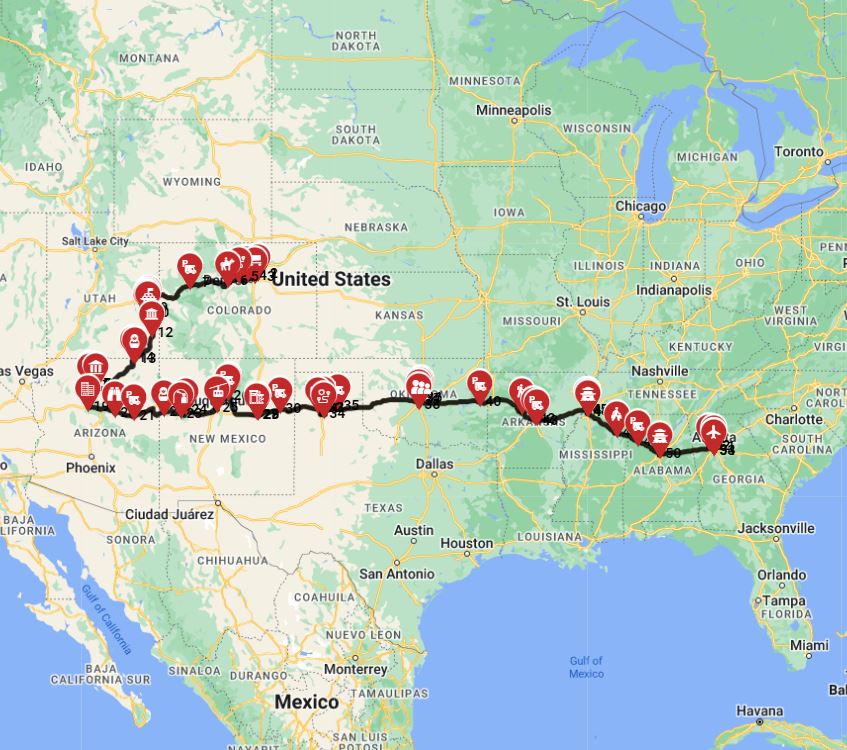
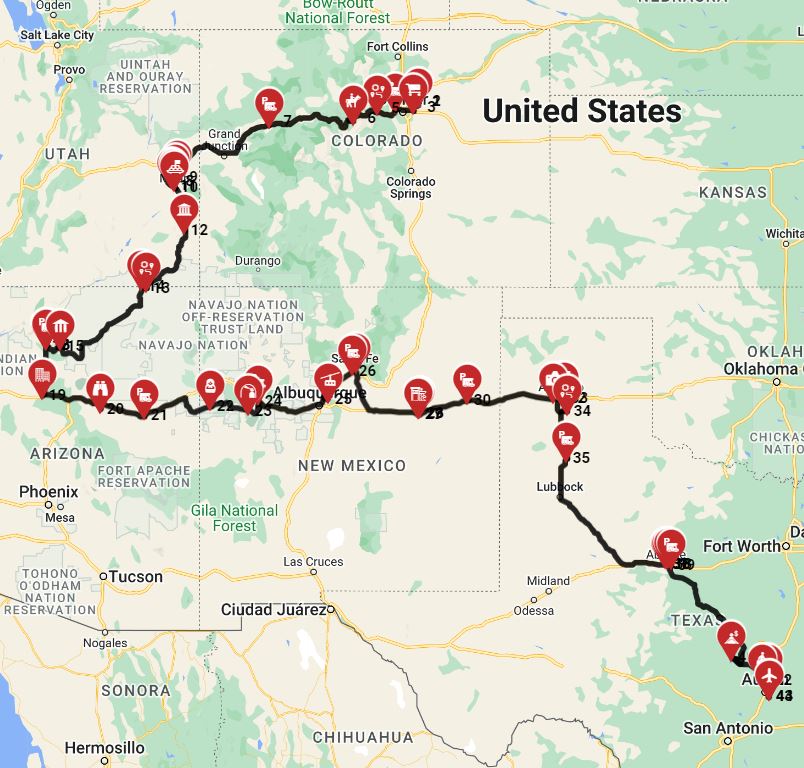
The cost to RV the Southwest US can vary significantly, with weekly expenses typically ranging from $500 to $1500+, depending on your choices. Key cost factors include the RV rental fees, which can range from $100-$300 per night for a Class C motorhome, with dynamic pricing affecting last-minute bookings. Fuel expenses are a major consideration, influenced by your RV's fuel efficiency (e.g., a Class C typically uses 10-12 Liters/100 km) and the vast distances involved. Campground fees span from free dispersed camping to $80+ per night for premium private resorts, with basic state and federal sites averaging $20-$40. Don't forget to budget for food ($50-$100+ per week), activities, and potential park entrance fees. For finding campsites and campgrounds during your trip, we recommend using RV PLANET routes — a great tool for locating available spots along your route.What should I bring for RV camping in the desert?
When preparing for RV camping in the Southwest desert, prioritize items that address the unique environmental conditions. Essential gear includes ample water storage—plan for at least 1-2 gallons per person per day for drinking and hygiene, and consider a portable water filter. Robust sun protection is crucial: pack wide-brimmed hats, sunglasses, high-SPF sunscreen, and protective clothing layers. Bring leveling blocks, as desert terrain can be uneven, and consider emergency communication devices like a satellite messenger for remote areas. Remember a reliable spare tire, tire pressure gauge, and a portable air compressor for managing changing road conditions. Versatile clothing layers are key, as desert temperatures can fluctuate dramatically between day and night.What are some RV trips in the Southwest?
The Southwest US offers incredibly diverse RV trip possibilities catering to various interests and durations. For a short, impactful journey, consider a 3-5 day loop from Las Vegas, Nevada, taking in the stunning landscapes of Valley of Fire State Park, followed by Sedona's red rocks in Arizona, and perhaps a scenic drive along a preserved section of historic Route 66. A week-long, 7-10 day itinerary could focus on Utah's "Mighty 5" National Parks (Zion, Bryce Canyon, Capitol Reef, Arches, Canyonlands), or a cultural and scenic exploration combining parts of Arizona and New Mexico, visiting ancient pueblos and saguaro forests. For extended explorations of 10-14+ days, a comprehensive loop through all four corners states is highly recommended, allowing time to discover less-visited national monuments, enjoy dispersed camping on vast BLM lands, and experience the charm of small towns like Moab, Utah, or Bisbee, Arizona.Can you RV in National Parks in the Southwest?
Yes, you can absolutely RV in National Parks throughout the Southwest, with most parks offering designated campgrounds equipped for various RV sizes. However, planning is essential due to high demand; reservations often fill up months in advance for popular sites, and individual parks may have specific RV length restrictions or limited access on certain roads. While direct in-park camping might be challenging for last-minute bookings, numerous excellent camping options are available just outside park boundaries. National Forests, State Parks, or private RV parks often serve as fantastic base camps, providing easier last-minute availability and convenient access to the iconic national park attractions.How do I rent an RV last minute?
To successfully rent an RV last minute in the Southwest, embracing flexibility is key. Be open to different RV classes—perhaps a smaller campervan if your preferred motorhome isn't available—and consider varying pick-up locations or slightly adjusting your travel dates. Explore smaller, local rental companies or peer-to-peer platforms, as they may offer more flexible booking options or have unbooked inventory. Always inquire directly with providers about cancellation policies, as this can be a source of last-minute availability. Ensure all your documents, including your driver's license and necessary insurance, are readily accessible to expedite the rental process once you find the perfect RV for your spontaneous adventure.What You Shouldn't Miss
- Drive a Scenic Byway: Explore routes like Utah's Scenic Byway 12, which winds through Grand Staircase-Escalante National Monument and connects Bryce Canyon and Capitol Reef National Parks, offering some of the most dramatic and varied desert landscapes.
- Experience Monument Valley Navajo Tribal Park: Camp or simply drive through this iconic landscape of sandstone buttes, often featured in films, for a profound connection to the land and Navajo culture.
- Hike to Delicate Arch in Arches National Park, Utah: Witness this natural sandstone arch, a symbol of Utah, ideally at sunrise or sunset for breathtaking light and fewer crowds. Remember to check park reservation requirements.
- Explore Sedona's Red Rock Country, Arizona: Drive through stunning red rock formations, hike to viewpoints like Cathedral Rock, or explore the charming arts and crafts scene in the town itself.
- Journey along historic Route 66: Detour onto preserved sections of this legendary highway in Arizona and New Mexico for a taste of classic Americana, visiting kitschy roadside attractions and charming small towns.
- Witness the Grand Canyon's vastness: Whether from the South Rim (more accessible) or the North Rim (quieter), the sheer scale of this natural wonder is a must-see for any RV traveler in the Southwest.
Final Thoughts
Embarking on a last-minute RV adventure in the Southwest US is an incredibly rewarding experience. The freedom of the open road, combined with the breathtaking natural beauty, makes for unforgettable memories. By embracing flexibility and utilizing resources like RV PLANET (rvplan.net) for route planning and campsite discovery, you can craft the perfect spontaneous getaway.
Remember that the spirit of RV travel often lies in the unexpected discoveries and the ability to adapt your plans. Whether you're chasing sunsets over Monument Valley or stargazing in a dark sky park, a rented RV is your comfortable, mobile basecamp for exploring this magnificent region. We're here to help you find the perfect vehicle and provide the support you need for a seamless journey.
Ready to hit the road? Compare motorhome prices for the South West US and start planning your adventure today!
On the routes offered through RV PLANET routes, you can itemize and track every expense along the way for easy budgeting.