In This Guide
- Top 5 Tips for RV Rental Beginners in Germany
- Before You Book - Class, Dates, Insurance
- Pre-Trip Prep - Packing Checklist for Germany
- On the Road - Driving, Fueling, Navigation
- At the Campground - Setup, Hookups & Etiquette
- RV Rental Beginners-Specific Tips for Germany
- Common Mistakes to Avoid in Germany
- How much does it cost to rent an RV in Germany?
- Is it easy to drive an RV in Germany?
- Do you need a special license to drive an RV in Germany?
- Do you need an international driving permit for Germany?
- What side of the road do you drive on in Germany?
- Can you wild camp in Germany with an RV?
- Is it legal to sleep in your car in Germany?
- What are Stellplätze in Germany?
- Are German campsites expensive?
- Do you need a vignette for RV in Germany?
- Understanding Germany's Umweltzonen (Low Emission Zones) for RVs
- Emergency Preparedness for RV Travel in Germany
- Technology and Connectivity for RVers in Germany
- Exploring Germany's Scenic RV Routes Beyond the Romantic Road
- What You Shouldn't Miss
- Why Book with Bandana Caravan
- Final Thoughts
- Frequently Asked Questions
Top 5 Tips for RV Rental Beginners in Germany
Germany offers an exceptional motorhome adventure, especially for first-time renters, with its pristine landscapes, historic towns, and world-class infrastructure. For live availability and current prices, start with our RV Rental Germany - Complete Guide 2026 guide. To ensure a smooth journey, consider these essential tips for RV rental beginners in Germany:- **Book your RV well in advance, especially for peak seasons (June-August and major holidays),** to secure preferred models like a compact campervan or a family-friendly Class C motorhome and potentially better rates.
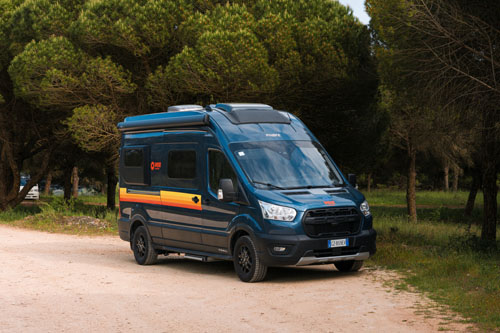
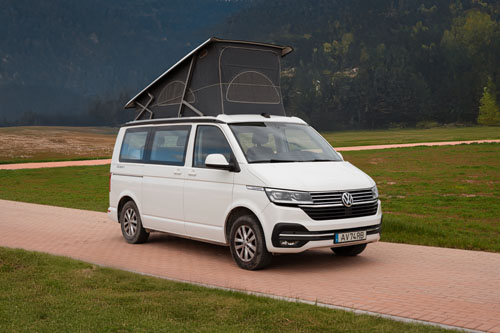
- **Understand the different RV classes** (e.g., Campervan, Class C Alcove, Class A Integrated) to match your travel style and group size, ensuring comfort for a couple or a family of 2+2. A compact campervan, like the "Active Pop Top Select", with an automatic transmission and amenities including a shower and toilet, is an excellent choice for a couple exploring Germany.
- **Familiarize yourself with basic German road rules**, including standard speed limits (e.g., 100 km/h on rural roads for RVs under 3.5t, lower for heavier vehicles) and Autobahn etiquette.
- **Allocate sufficient budget for all expenses**, including fuel (often €1.80-€2.00 per liter for diesel), 'Stellplatz' (motorhome parking) or campground fees (€10-€50 per night), and mandatory low emission zone stickers ('Umweltplakette'). Remember, prices are dynamic and fluctuate based on availability and seasonality. Our RV PLANET routes are great for tracking every expense.
- **Consider comprehensive insurance options** for peace of mind while exploring Germany's diverse landscapes, as you can upgrade to a top-level deductible for extra protection beyond the basic coverage typically included.
Before You Book - Class, Dates, Insurance
Choosing the right RV class for your German adventure depends on your group size, comfort preferences, and driving confidence. For example, a "Category Van" or "Active Standard" campervan is ideal for a couple, offering a cozy space with a toilet and shower, while a larger "Euro Deluxe" Class C motorhome might better suit a big family or group of friends with its 3 double beds, generous fresh water tank (e.g., 125 liters), and roof air conditioning. Renting a motorhome is a specialist service, and as true RV specialists, we can guide you through these choices. Locking in your RV rental dates early, particularly for summer months (July-August) or major holidays like Easter and Christmas, is crucial for securing availability and competitive pricing. Prices are dynamic, similar to flight tickets, changing daily based on demand and supplier decisions. While basic insurance is always included with RV rentals in Germany, renters should explore additional coverage options during the booking process. You can select comprehensive coverage during your search to see all relevant insurance options and upgrade to a top-level deductible for extra peace of mind. Remember, Bandana RV provides full transparency with no hidden fees, ensuring what you see is what you pay.Pre-Trip Prep - Packing Checklist for Germany
Preparing an organized packing checklist ensures you have all the essentials for comfortable and safe RV travel in Germany. Start with key documents: your passport, driver's license (a standard car license is sufficient for all motorhome classes), vehicle rental agreement, and European breakdown cover details. Consider Germany's varied climate, packing layers suitable for both warm days in Bavaria and cooler evenings in the Harz Mountains, especially outside of summer. Essential equipment for your rented motorhome includes a first aid kit (mandatory in Germany), reflective vests (mandatory for all occupants outside a broken-down vehicle), a warning triangle (mandatory), and a tire repair kit. For cooking delicious meals in your RV's kitchen, check out our RV-friendly recipes playlist. Don't forget adapters for electrical hookups (CEE 16A is standard) and GPS navigation specifically tailored for RVs to avoid narrow roads or low bridges. For finding campsites and campgrounds during your trip, we recommend using RV PLANET (rvplan.net) - a great resource for locating available spots along your route.On the Road - Driving, Fueling, Navigation
Navigating Germany's roads in a rented RV involves understanding local traffic laws, smart fueling strategies, and effective navigation tools. Drive slowly and carefully, and you can drive almost anywhere without issues. No need to stress - just use common sense and pay attention. While Germany's Autobahns are famed for sections without speed limits, RVs have specific restrictions (e.g., 100 km/h for vehicles under 3.5t, 80 km/h for heavier ones) and require diligent lane discipline. Driving larger motorhomes, like a "Group G" with 7 berths and a 140-liter fresh water tank, through narrow roads in historic German towns and villages can present challenges, so always check vehicle dimensions against street restrictions. Fueling an RV in Germany is straightforward, with widespread petrol stations ('Tankstellen') offering various fuel types like Diesel and Super (petrol). Remember, fuel prices at Autobahn service stations are significantly higher (often €0.10-€0.20 per liter more) than stations located a few kilometers off the highway. Utilizing reliable navigation apps tailored for RVs, such as those that account for vehicle size and weight, can significantly enhance your driving experience, helping to avoid unsuitable roads and ensuring a stress-free journey.At the Campground - Setup, Hookups & Etiquette
Setting up your rented motorhome at German campgrounds or 'Stellplätze' involves a clear sequence for hookups and respectful adherence to local camping etiquette. German campsites generally provide electrical hookups (CEE 16A standard), fresh water refill points, and waste disposal facilities ('Grauwasser' for grey water, 'Schwarzwasser' for black water), often requiring specific adapters and hoses. Always ensure you have a standard European two-pin CEE plug adapter for electricity. Respecting 'Ruhezeit' (quiet hours), often enforced in the afternoon (e.g., 1-3 PM) and overnight (e.g., 10 PM - 7 AM), is a fundamental aspect of German camping culture. During these times, vehicle movement, loud conversations, and even setting up/taking down camp are generally prohibited. Practicing diligent waste separation ('Mülltrennung') by sorting your trash into designated bins (paper, plastic, organic, glass) is also expected. Understanding and observing these social norms contributes to a harmonious experience for all campers and is part of enjoying your "Family RV Driving in Germany - Safe Routes 2026" adventure.RV Rental Beginners-Specific Tips for Germany
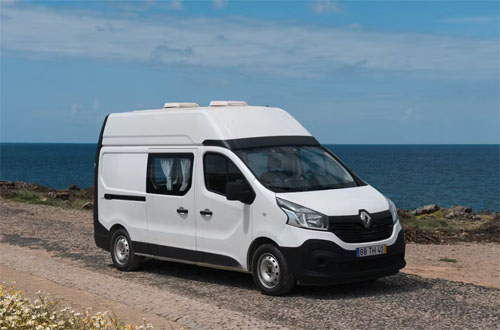
RV rental beginners in Germany benefit from selecting a motorhome class that is manageable to drive, such as a compact Class B campervan like the "Juliette 2-3" with a front air condition, or a slightly larger Class C motorhome like the "Explorer," offering comfortable space for 4 people with a 75-liter fuel tank. These vehicles include essential amenities for a comfortable journey. For families, consider RVs with distinct sleeping areas, like those with bunk beds (e.g., "Family Plus" motorhome) and plan routes that incorporate family-friendly attractions and playgrounds. Budget-conscious beginners can save significantly by utilizing Germany's extensive network of 'Stellplätze' for overnight stays, many of which are free or low-cost (typically €0-€20), and by cooking meals in their rented RV. Seniors might prefer motorhomes with lower entry steps and automatic transmissions for easier access and driving. While larger RVs offer more space, booking smaller RVs, such as a compact "Category Small AT" with automatic transmission, can simplify navigation through Germany's picturesque, but sometimes narrow, village streets and urban centers, ensuring a smoother journey for your "Weekly RV Rental in Germany - Pricing 2026" trip. Drive slowly and carefully, and you can drive almost anywhere without issues.Common Mistakes to Avoid in Germany
A common mistake for RV renters in Germany is not booking early enough, which can lead to limited choices and higher prices, especially for popular models during peak season; instead, aim to reserve your RV several months in advance to save up to 25% on peak rates. Overlooking the need for an 'Umweltplakette' (low emission zone sticker) is another pitfall; instead, plan to obtain one before entering designated cities to avoid fines up to €100. Many of our trusted suppliers, such as El Monte, Cruise America, Apollo, and Britz, offer a variety of modern motorhomes equipped for European travel. Underestimating fuel costs and 'Stellplatz' fees can strain a budget; instead, create a comprehensive budget factoring in all potential expenses, remembering that Autobahn fuel prices are often higher by 10-20 cents per liter. Disregarding German camping etiquette, especially quiet hours ('Ruhezeit' from 1-3 PM and 10 PM - 7 AM), can cause issues; instead, familiarize yourself with local norms like diligent waste separation ('Mülltrennung'). Attempting to wild camp illegally is a mistake; instead, utilize the extensive network of over 4,000 official 'Stellplätze' or traditional campgrounds for safe and legal overnight stays. We're here to help you compare final prices across suppliers, ensuring full transparency with no hidden fees, so you can avoid surprises.🎬 Video coming soon
How much does it cost to rent an RV in Germany?
The cost to rent an RV in Germany typically ranges from €80 to €200 per day, varying significantly based on RV class, season, rental duration, and included amenities. For instance, a compact campervan like the "Group A" might start at €80 per day in the low season, while a large 6-berth Class C motorhome like the "Euro Deluxe" could reach €200 or more per day in peak summer. Beyond rental fees, comprehensive budgeting for RV travel in Germany should account for fuel, which can vary with Autobahn vs. off-Autobahn driving, often being 10-20 cents cheaper per liter at gas stations off the main highways. Expect to budget for 'Stellplatz' fees (average €10-€20 per night for basic services) or traditional campground fees (average €25-€50 per night for more amenities), grocery prices (which can save significant money compared to restaurant meals), and attraction entry. Seasonal fluctuations mean peak summer months (July-August) generally incur higher rental and site fees compared to spring (April-May) or autumn (September-October), where you can often find a "Cheap RV Rental in Germany - Budget Guide 2026". For finding campsites and campgrounds during your trip, we recommend using RV PLANET (rvplan.net) - a great resource for locating available spots along your route, which also allows you to itemize and track every expense for easy budgeting.Is it easy to drive an RV in Germany?
Driving an RV in Germany is generally considered easy due to its impeccably maintained roads, clear signage, and a comprehensive Autobahn network that allows for efficient travel. Drivers accustomed to right-hand traffic will find Germany's roads intuitive. However, navigating larger motorhomes, such as a 7.4-meter "4 Berth Adventurer" with a 190-liter refrigerator, through narrow roads in historic German towns and villages can present challenges requiring careful driving and attention to signs indicating height, width, or weight restrictions. The Autobahn, while famous for sections without absolute speed limits, still requires adherence to RV-specific speed restrictions (e.g., 100 km/h for motorhomes under 3.5t) and diligent lane discipline. German drivers are typically disciplined and follow traffic laws, contributing to a predictable and generally safe driving environment for RVers. Regardless of RV size, remember: drive slowly and carefully, and you can drive almost anywhere without issues. No need to stress - just use common sense and pay attention to road signs and conditions.Do you need a special license to drive an RV in Germany?
Most standard RVs available for rental in Germany, specifically Class B campervans, Class C alcove motorhomes, and Class A integrated motorhomes up to 3,500 kg gross weight, can be driven with a regular Class B driving license. This is the standard car driver's license in many countries, including those in the EU, the USA, Canada, and Australia. For instance, a 2-berth "EcoLine 2" motorhome falls within this category. For larger motorhomes exceeding 3,500 kg but under 7,500 kg, a Class C1 license is generally required for EU citizens. However, this is rarely an issue for rental motorhomes which are typically designed to fall under the standard Class B limit. Drivers from non-EU countries should verify their domestic license's validity and consider obtaining an International Driving Permit (IDP) as a supplementary document, although it is not legally mandatory for all recognized foreign licenses. The minimum rental age for all motorhome classes in Germany is 21 years old, with no young driver surcharges.Do you need an international driving permit for Germany?
An International Driving Permit (IDP) is highly recommended for non-EU citizens driving a rented RV in Germany, as it provides a standardized translation of your domestic license into 9 languages, including German. While an IDP is not legally mandatory for all non-EU licenses that are recognizable and in English (e.g., USA, Canada, Australia), carrying one can significantly ease communication and prevent misunderstandings with local authorities, especially during traffic stops or rental pickups. For travelers from countries where driver's licenses are not in English or do not include a photograph (e.g., some Asian or African countries), an IDP becomes particularly important. Travelers should always check the specific requirements based on their country of origin and the duration of their stay in Germany, but for a hassle-free RV rental experience, an IDP is a small investment with big benefits.What side of the road do you drive on in Germany?
In Germany, all vehicles, including rented RVs and campervans, drive on the right-hand side of the road, and this is a critical rule to remember for a safe trip. This standard means that the steering wheel in German-registered vehicles is located on the left side of the cabin. For those used to a compact campervan rental, like the "Condo" with a 70-liter fuel tank, this will be familiar. Drivers accustomed to left-hand traffic (ee.g., from the UK, Australia, Japan, New Zealand) should practice careful awareness when merging onto roads, navigating roundabouts, and at intersections. It's often helpful to have a passenger assist with navigation, especially on the first few days of your journey, to reinforce the right-hand drive system. Familiarity with the rules of the road is crucial for enjoying your "Family RV Driving in Germany - Safe Routes 2026" adventure.Can you wild camp in Germany with an RV?
Wild camping with a rented RV in Germany is generally prohibited by law and can result in fines ranging from €10 to over €100, as overnight stays are typically restricted to designated areas. Unlike some other European countries, Germany has strict regulations against informal camping outside of official sites. For example, simply pulling over and setting up an awning or outdoor chairs, or even cooking an RV-friendly recipe, is considered illegal camping. While full-scale 'camping' is not permitted in undesignated public parking spaces, a single overnight stay for the specific purpose of 'restoring driving fitness' (i.e., taking a nap to avoid drowsy driving) is often tolerated. This exception does not apply to private property without explicit permission from the owner or within protected natural areas. The extensive network of over 4,000 'Stellplätze' (dedicated motorhome parking spots) and numerous traditional campgrounds serves as legal, safe, and often affordable alternatives for RV overnight parking.Is it legal to sleep in your car in Germany?
Sleeping in your car or rented campervan in Germany is generally permissible for a single night if it's for the explicit purpose of "restoring your driving fitness" (i.e., taking a necessary rest to avoid drowsy driving). This allowance typically applies to public parking areas, such as rest stops or large supermarket car parks, but it does not constitute "camping." This means you cannot set up external amenities like tables, chairs, or awnings, which would be considered illegal camping. It is strictly illegal to sleep in your car on private property without the owner's explicit permission or in designated nature reserves and protected areas. For prolonged stays or comfortable overnight lodging, official campgrounds or 'Stellplätze' are the legal, safe, and recommended options, providing amenities like fresh water and waste disposal. Always prioritize safety and legal compliance to ensure a smooth RV trip in Germany.What are Stellplätze in Germany?
'Stellplätze' are dedicated motorhome parking spots in Germany, specifically designed for RVs to stay overnight, often offering basic services at a significantly lower cost than traditional campgrounds. With over 4,000 such spots nationwide, they represent a unique and highly convenient aspect of RV travel in Germany. You might find a spot for a "Combi Van" or a larger "Group C" motorhome. These spots are typically found in towns, near attractions like castles or museums, or in scenic areas, providing a convenient and often budget-friendly option for RVers for a night or two. Services offered at 'Stellplätze' can range from basic parking to electricity (often metered), fresh water refill, and waste disposal facilities, though amenities are generally less extensive than full-service campgrounds. An in-depth comparison reveals 'Stellplätze' are ideal for short, self-sufficient stays, while traditional campgrounds offer more amenities like showers, laundromats, and recreational facilities, making them suitable for longer, more amenity-rich stays. For finding campsites and Stellplätze during your trip, we recommend using RV PLANET (rvplan.net).Are German campsites expensive?
German campsites offer a wide range of prices, generally considered moderate to expensive depending on location, amenities, and season, with daily rates typically ranging from €25 to €50 per night for a pitch with hookups. Premium sites, especially those in popular tourist regions like Bavaria or along the coast, or those offering extensive facilities like swimming pools and entertainment, often fall at the higher end of this scale. In contrast, 'Stellplätze' (dedicated motorhome parking spots) are a much more budget-friendly option, often costing €0-€20 per night for basic services. Compared to 'Stellplätze', traditional campgrounds provide more extensive facilities such as showers, toilets, laundry rooms, restaurants, and recreational activities, justifying their higher price point for a more comprehensive camping experience. Booking in advance, especially during peak season (July-August), can sometimes secure better rates, and many offer discounts for longer stays (e.g., a week-long trip) or for members of specific camping passes like ADAC CampCard. If you're looking for more ways to save, explore our "Cheap RV Camping in Germany - Budget Sites 2026" guide.Do you need a vignette for RV in Germany?
No, RVs and other passenger vehicles (including all motorhome classes) do not currently require a general vignette (road toll sticker) for using Germany's Autobahns or federal roads. This differs from some neighboring countries like Austria or Switzerland, where vignettes are mandatory for highway use. However, specific tolls may apply to a few private roads, tunnels, or bridges, which are always clearly signposted locally, so pay attention to road signs. It is important not to confuse a vignette with the 'Umweltplakette' (low emission zone sticker), which is a separate requirement for entry into certain German cities. While general highway use is free, planning to enter urban 'Umweltzonen' will necessitate obtaining the correct environmental sticker for your rented motorhome to avoid potential fines of up to €100.Understanding Germany's Umweltzonen (Low Emission Zones) for RVs
Germany's 'Umweltzonen' (low emission zones) are designated urban areas where vehicles must display a specific sticker, the 'Umweltplakette', to reduce air pollution. Over 50 German cities, including major destinations like Berlin, Munich, Hamburg, and Cologne, require these stickers for entry, with the color (green, yellow, or red) indicating the vehicle's emission class. A "Category Van AT" might qualify for a green sticker, while older models may not. Foreigners can easily obtain an 'Umweltplakette' online before their trip, from TÜV/Dekra stations in Germany (costs approximately €10-€20), or at some German vehicle registration offices. Bandana RV's direct partnerships with over 50 leading RV suppliers worldwide ensure that rental motorhomes are typically modern and meet the emission standards for a green sticker. Failing to display the correct sticker when entering an 'Umweltzone' can result in significant fines of up to €100. It is crucial for RV renters to ensure their vehicle meets the emission standards and to plan routes accordingly to avoid or legally enter these zones, which can be done efficiently with pre-planned routes from RV PLANET.Emergency Preparedness for RV Travel in Germany
Being prepared for emergencies during RV travel in Germany involves knowing breakdown procedures, handling medical situations, and carrying mandatory vehicle equipment. In the event of a breakdown with your rented RV, pull over safely to the side of the road, activate hazard lights immediately, place a warning triangle (mandatory) 100 meters behind your RV on federal roads, and wear a reflective vest (mandatory for all occupants exiting the vehicle on roadsides) while outside the vehicle. For medical emergencies or any urgent situation, dial 112 (the European emergency number) for ambulance services or police; ensure you have a first aid kit (mandatory for all vehicles in Germany) readily accessible in your motorhome. Travel insurance that covers medical emergencies and roadside assistance for your RV is highly recommended for peace of mind. Bandana RV stands behind its renters with supportive pre-booking comparison and post-booking coordination, making sure you're well-equipped. Always familiarize yourself with the location of your RV's essential safety tools and documents before starting your journey, and keep important contact numbers, including your rental provider's, handy.Technology and Connectivity for RVers in Germany
Leveraging technology and ensuring connectivity significantly enhances the RV travel experience in Germany, from streamlined navigation to staying in touch. For finding campsites and campgrounds during your trip, we recommend using RV PLANET (rvplan.net) - a great resource for locating available spots along your route, which also features 1,300+ pre-planned routes across 5 continents, including detailed itineraries for Germany. Best navigation apps for RVs, such as 'P4N (Park4Night)' or Google Maps with specific RV settings, can help find suitable routes that account for vehicle dimensions and avoid unsuitable roads or low bridges. Mobile data options include purchasing a local German SIM card from providers like Telekom or Vodafone for cost-effective internet access, or utilizing eSIM technology for flexible connectivity without physical card swaps. Wi-Fi availability varies at campsites: many premium campgrounds offer it, while 'Stellplätze' often do not, making a personal hotspot via your smartphone or a portable Wi-Fi device valuable. Translation tools like Google Translate are invaluable for communicating with locals, reading signs, and understanding menus, ensuring you connect to the culture and the food, making your week-long trip truly immersive.Exploring Germany's Scenic RV Routes Beyond the Romantic Road
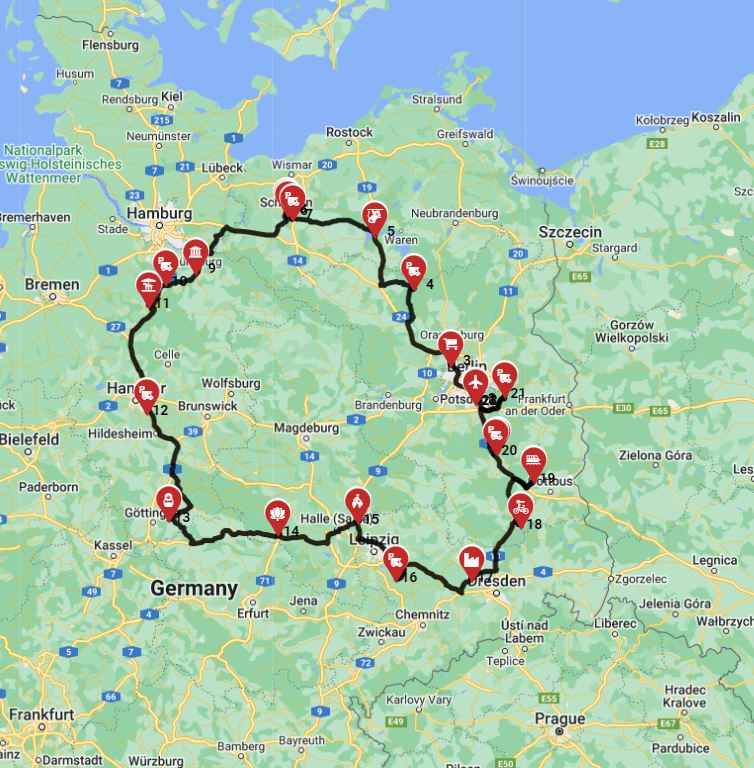
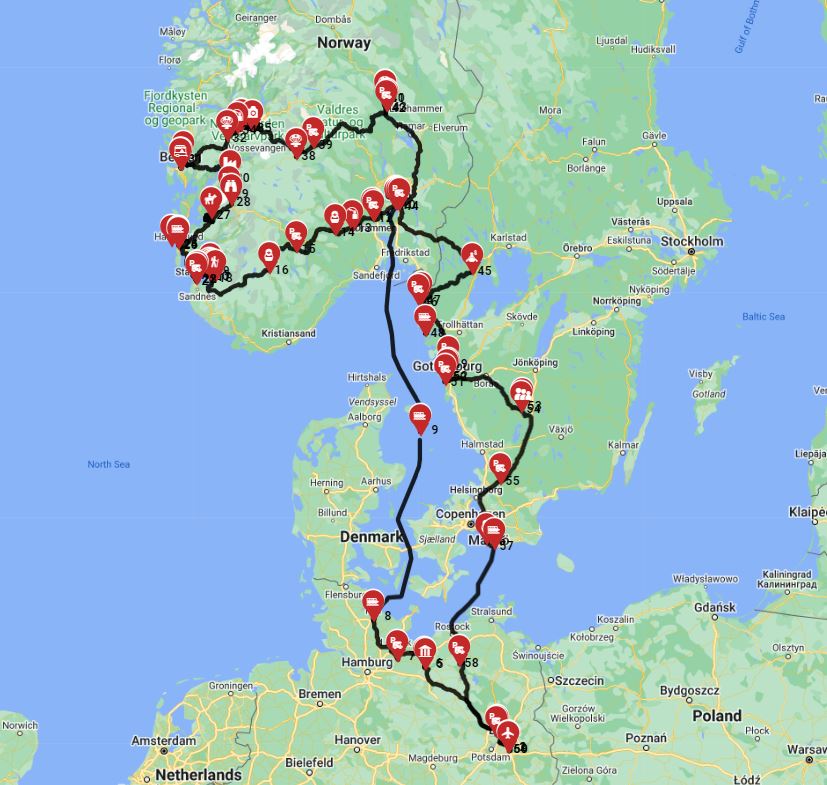
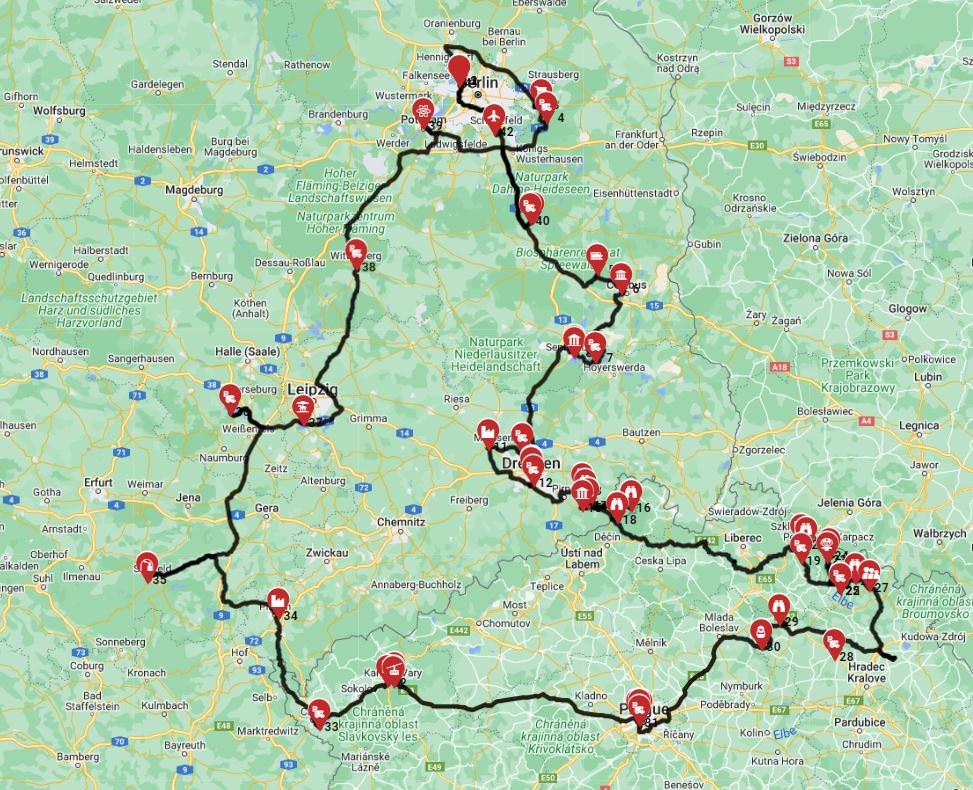
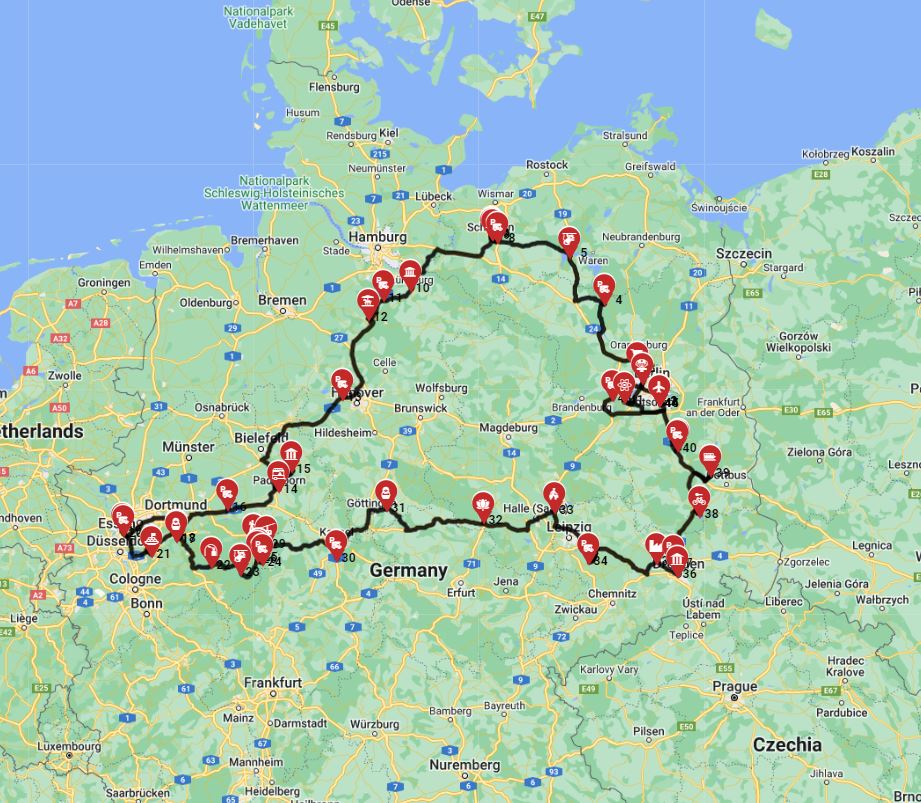
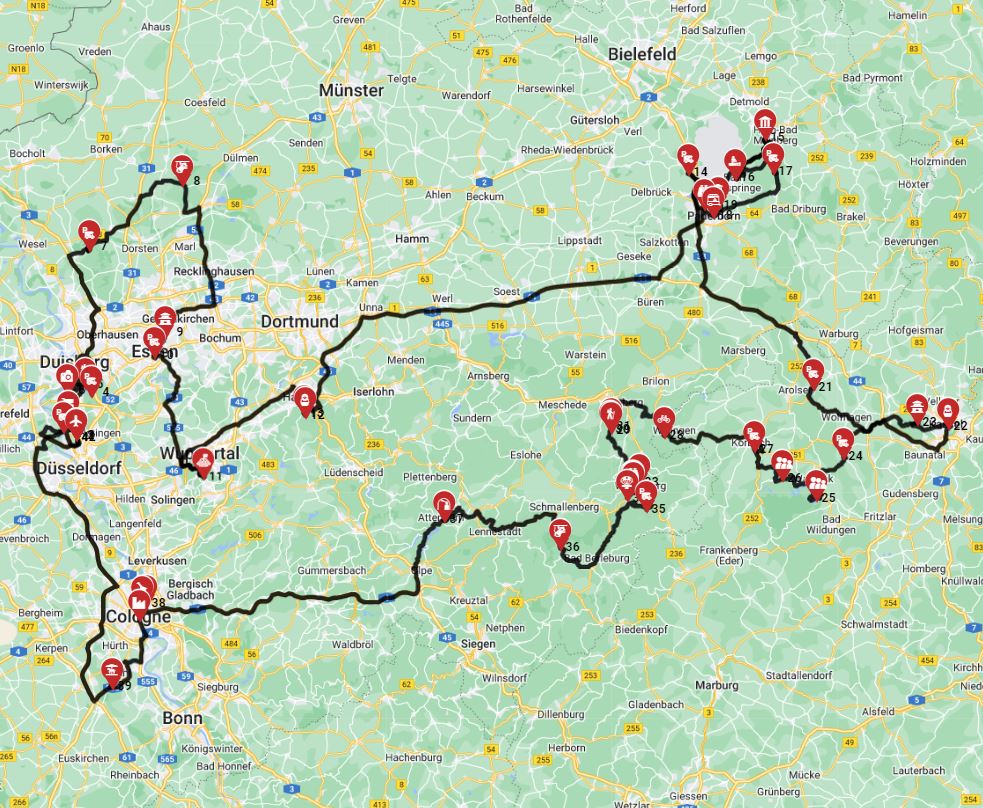
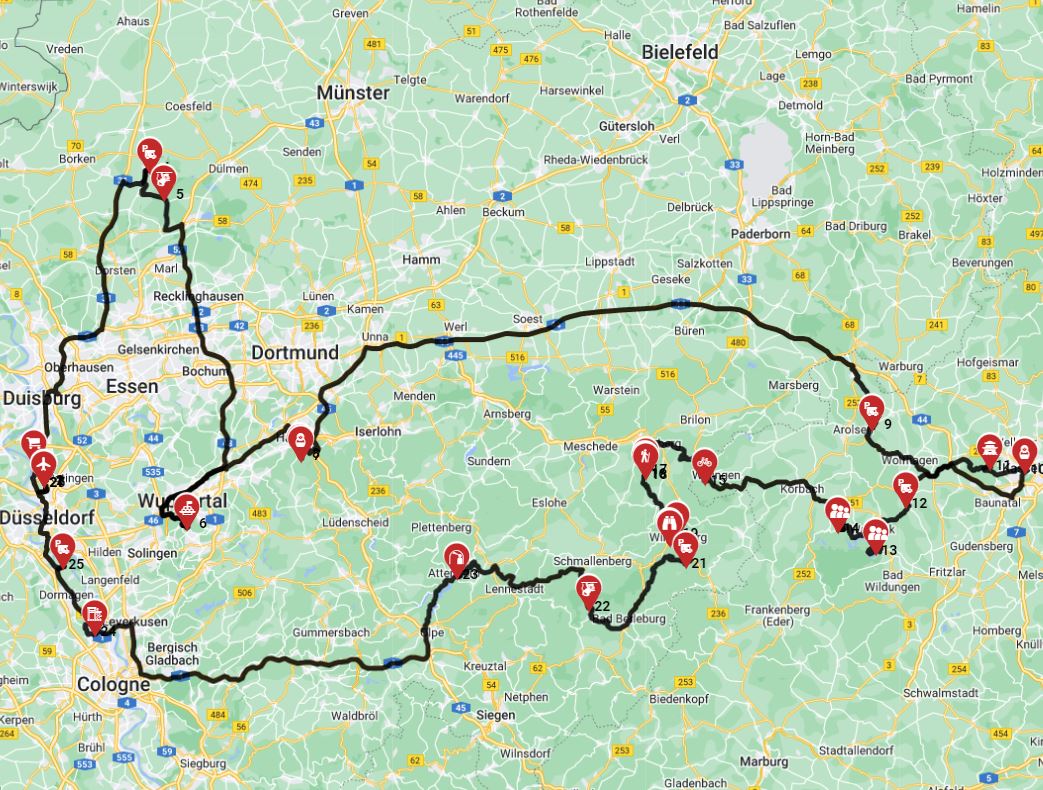
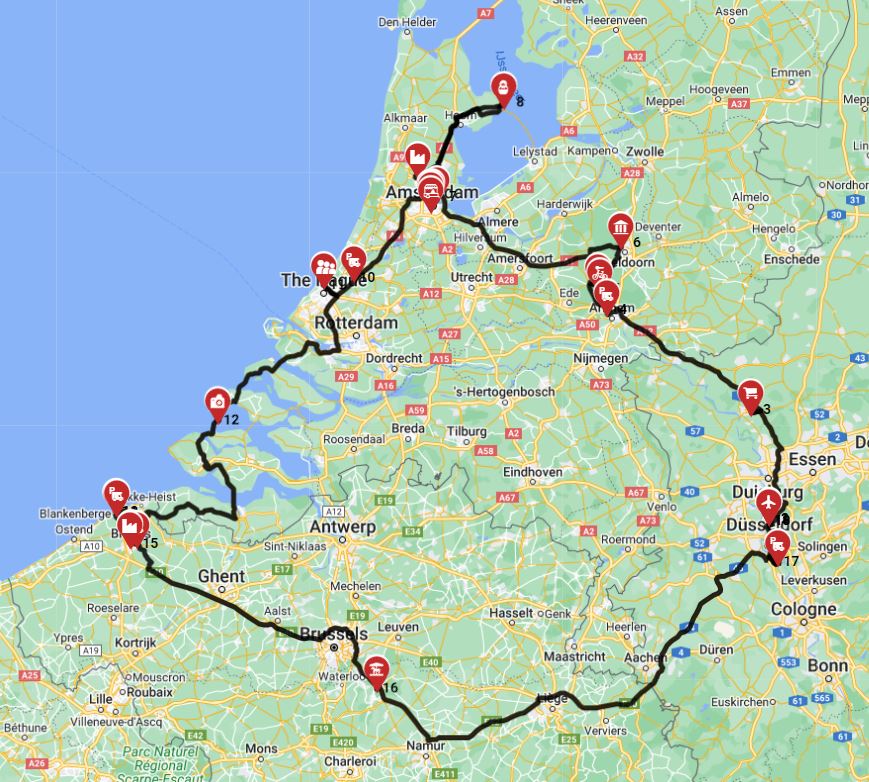
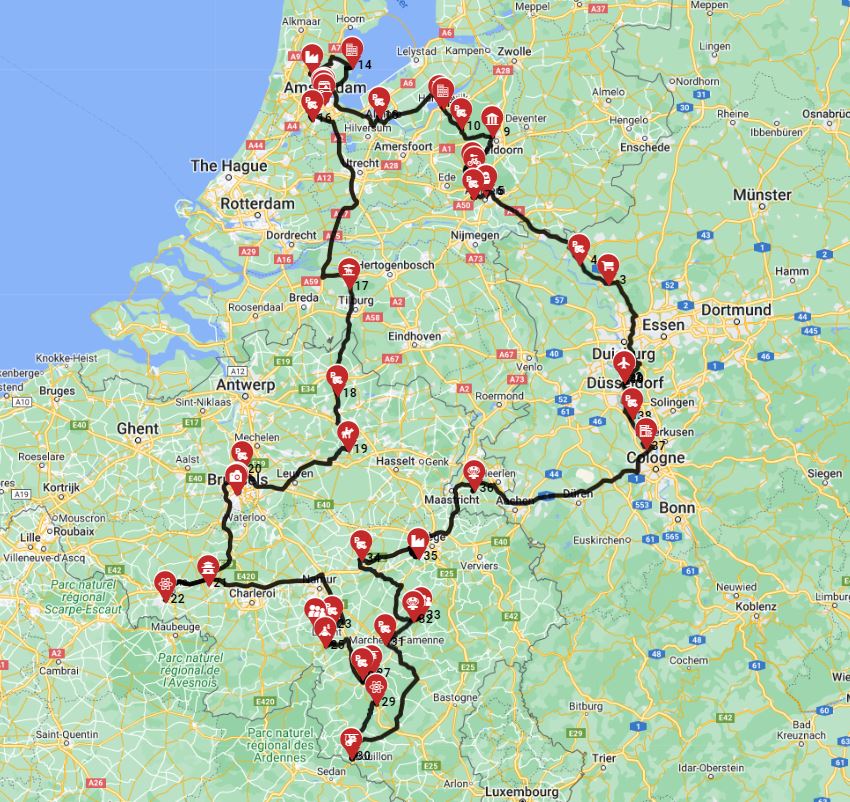
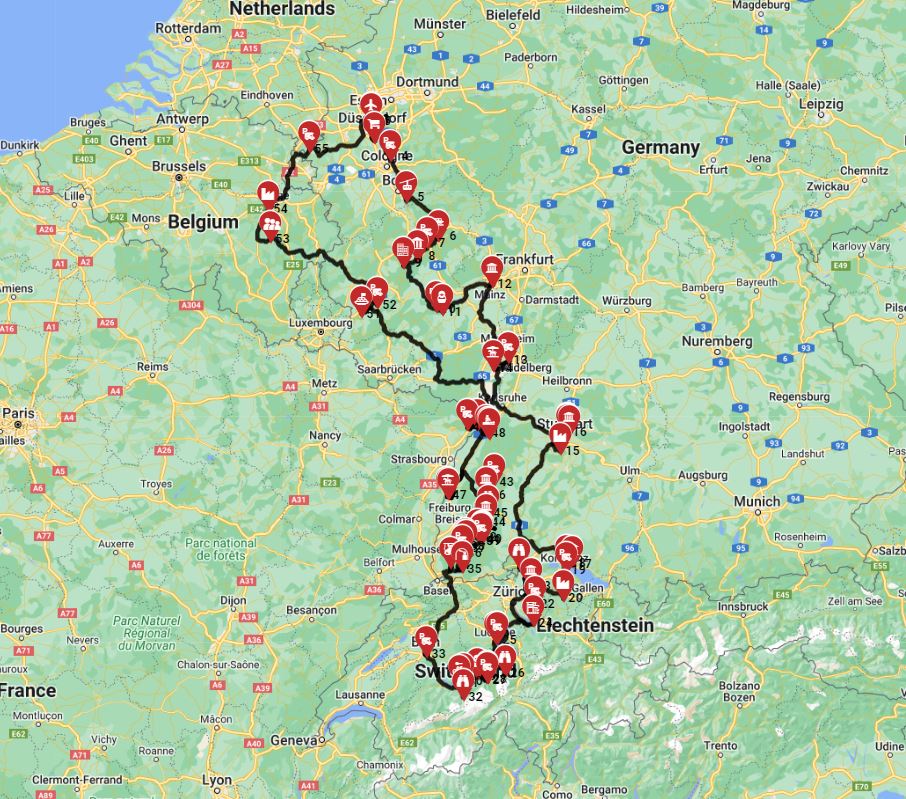
Beyond the perennially popular Romantic Road, Germany offers numerous lesser-known scenic routes perfectly suited for RV travel, revealing diverse landscapes and rich cultural treasures. Imagine yourself on a week-long trip, driving slowly, averaging 100-150 km per day, truly feeling the place. The German Wine Road (Deutsche Weinstraße) in the Palatinate region, Germany's oldest scenic route established in 1935, winds through picturesque vineyards and charming wine villages, offering opportunities for overnight stays at 'Winzerhöfe' (wineries) that provide Stellplätze. The German Fairy Tale Road (Deutsche Märchenstraße) connects towns and landscapes associated with the Brothers Grimm, offering a whimsical journey perfect for families with kids through 1000+ km of enchanting forests and historic sites. For breathtaking alpine vistas, the German Alpine Road (Deutsche Alpenstraße) traverses Bavaria's stunning mountain scenery, pristine lakes, and iconic castles like Neuschwanstein. These routes provide unique opportunities to experience Germany's regional specialties, idyllic villages, and local culture, away from the more crowded tourist paths. For more pre-planned routes by professionals, check out Rent&Plan itineraries on RV PLANET (rvplan.net), where you can also get a 25% planning discount. Another excellent option is the Frankfurt Roundtrip - North Germany - Including Hamburg & Berlin, a 15-day route covering 2230.1 km, which includes 2 historical sites, 2 museums, and 1 water park. For a shorter adventure, consider the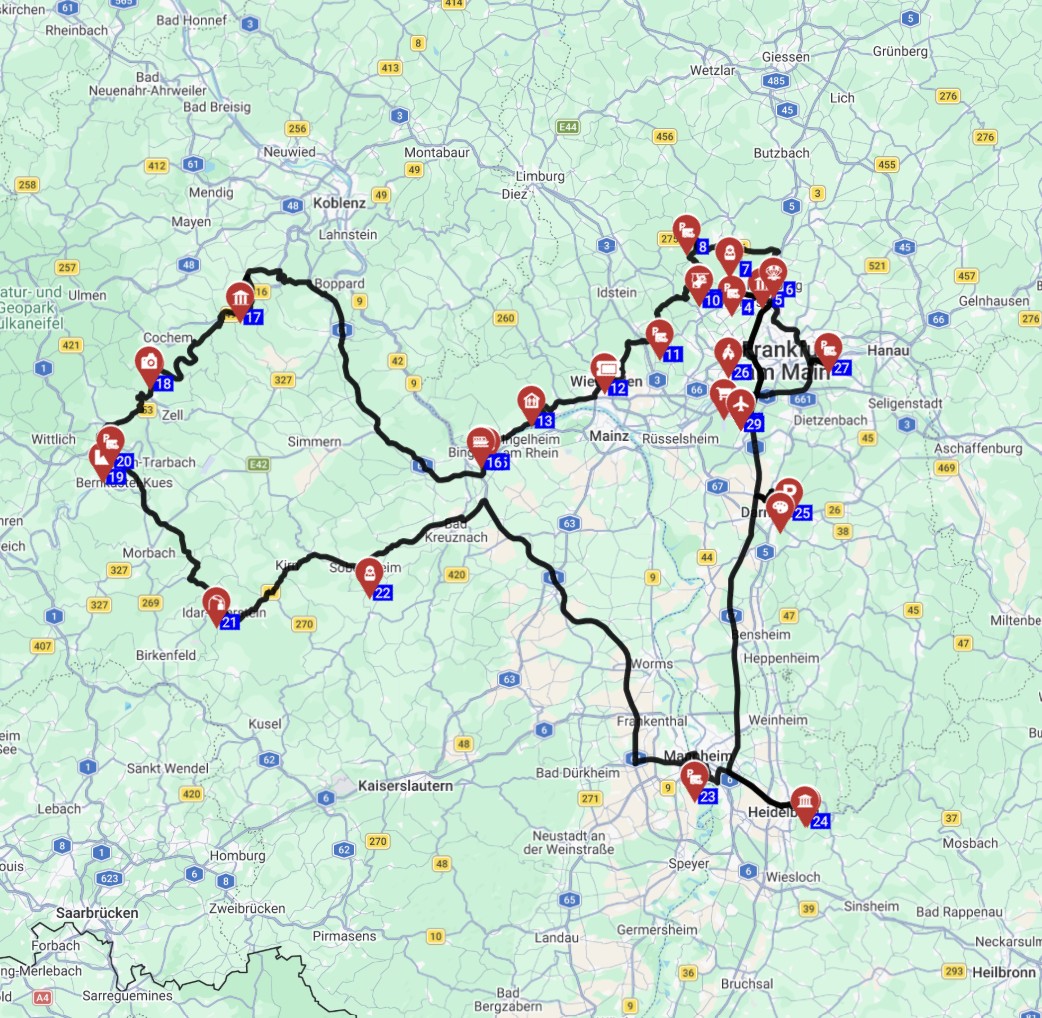
Frankfurt Round Trip - The Heart of Germany
What You Shouldn't Miss
- **Explore the Black Forest (Schwarzwald):** Drive through dense evergreen forests, quaint villages, and discover stunning waterfalls like Triberg. It's perfect for a scenic motorhome road trip, offering numerous family-friendly campgrounds and hiking trails.
- **Visit the Bavarian Alps and Neuschwanstein Castle:** Immerse yourself in fairy-tale landscapes and tour the iconic Neuschwanstein, King Ludwig II's extravagant castle. The nearby camping options provide spectacular mountain views.
- **Cruise the Moselle Valley (Moseltal):** This winding river valley is famous for its steep vineyards, charming medieval towns like Cochem, and ancient Roman history. Many small towns offer delightful 'Stellplätze' right by the river, allowing you to sample local wines.
- **Discover Berlin's History and Culture:** Park your RV at a city-edge campground and use public transport to explore Germany's vibrant capital, from the Brandenburg Gate to the East Side Gallery. Remember your 'Umweltplakette'!
- **Experience the German Wine Road (Deutsche Weinstraße):** As Germany's oldest scenic route, this 85 km stretch offers picturesque vineyards, wine festivals, and the chance to stay at a 'Winzerhof' (winery) with a dedicated RV spot. It’s a wonderful alternative to the more crowded "Romantic Road."
Final Thoughts
Embarking on your first motorhome trip in Germany is an exciting adventure, full of scenic roads, historic wonders, and vibrant culture. With a little preparation and the right mindset for slow travel, you'll discover a unique way to experience this beautiful country. Remember, you don't need to be an expert to start; just a willingness to explore and embrace the freedom of the open road. At Bandana Caravan, we're passionate about making RV travel accessible and enjoyable for everyone. We've laid out the essential tips, from understanding vehicle classes to mastering campground etiquette, to ensure your journey is as smooth and memorable as possible. So, go ahead, plan your perfect route, rent your ideal RV, and get ready to create lasting memories across Germany's stunning landscapes.On the routes offered through RV PLANET routes, you can itemize and track every expense along the way for easy budgeting.