In This Guide
- Top 5 Tips for rv rental beginners RV Rental in Catalonia
- Before You Book - Class, Dates, Insurance
- Pre-Trip Prep - Packing Checklist for Catalonia
- On the Road - Driving, Fueling, Navigation
- At the Campground - Setup, Hookups & Etiquette
- rv rental beginners-Specific Tips for Catalonia
- Common Mistakes to Avoid in Catalonia
- How much does it cost to rent an RV in Catalonia
- Where can you park an RV in Catalonia
- What is the best month to RV in Catalonia
- What do I need to know about driving an RV in Spain
- Is RV travel popular in Spain
- Are RV parks in Spain expensive
- What is the best way to travel around Catalonia
- Do you need a special license to drive an RV in Spain
- Can you wild camp in Spain with an RV
- Can you travel around Spain in a motorhome
Embarking on your first RV rental adventure in Catalonia is an incredibly exciting prospect, promising freedom to explore stunning coastlines, vibrant cities, and majestic mountains at your own pace. As true RV specialists with over 20 years of experience, we at Bandana RV are here to ensure your inaugural trip is nothing short of amazing, offering full transparency and support every step of the way. For live availability and current prices, start with our RV Rental Catalonia - Complete Guide 2026 guide.
Top 5 Tips for rv rental beginners RV Rental in Catalonia
For RV rental beginners exploring Catalonia, five essential tips will help ensure a smooth and enjoyable trip. First, choose an RV size carefully, considering that smaller campervans like the 'rv rental denver example Category Van' or Class C motorhomes are often easier to navigate through Catalonia's charming, often narrower village streets and winding mountain passes, particularly in areas like the Pyrenees or rural Girona. Second, familiarize yourself with local driving regulations specific to Catalonia, which can include unique speed limits and occasional restrictions in historic city centers such as Barcelona's Gothic Quarter or Tarragona's Old Town. Third, always plan your route and book campsites in advance, especially if traveling during peak seasons like summer (July-August) or major festivals such as La Mercè in Barcelona, when popular spots like Camping Vilanova Park fill up quickly. Fourth, budget effectively for tolls and fuel, as Catalonia boasts a well-maintained but extensive toll highway network (e.g., AP-7, C-32) that can add to your total trip cost; remember that on RV PLANET routes, you can itemize and track every expense for easy budgeting. Finally, learning a few basic Catalan phrases like "Bon dia" (Good day) or "Si us plau" (Please) will significantly enhance your local interactions and cultural immersion, making your journey even more rewarding. On the routes offered through RV PLANET routes, you can itemize and track every expense along the way for easy budgeting.
Travel slowly, aim for a maximum of 100-150 km per day on average, allowing ample time to soak in the atmosphere, connect with the local culture, savor the delicious Catalan food, and appreciate the diverse scenery.
Before You Book - Class, Dates, Insurance
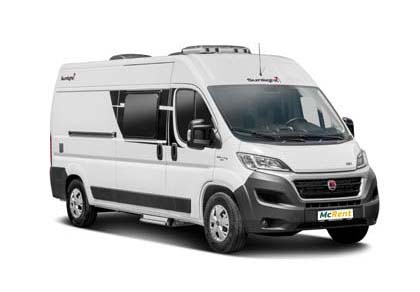
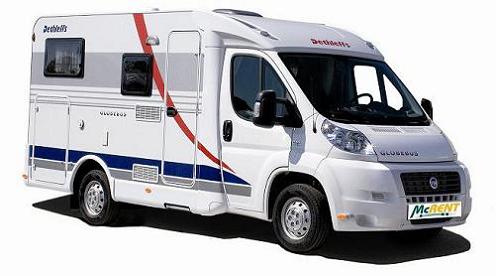
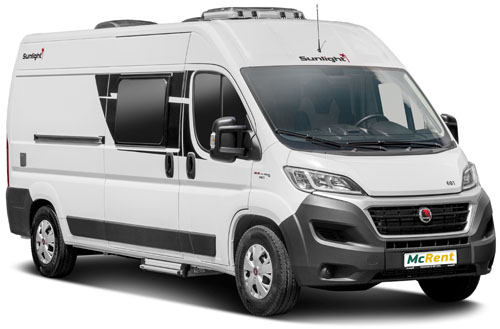
Before confirming your RV rental in Catalonia, considering vehicle class, booking dates, and insurance is crucial for a stress-free experience. Selecting the right motorhome class for beginners often involves balancing interior comfort with exterior maneuverability; a 'hire campervan example Paradise S/T' or a compact Class C like a 'camper for rent example Alcove Sport Plus' might be ideal for navigating Catalonia's varied terrain, from bustling Barcelona streets to the tight corners of coastal towns like Cadaqués. To secure the best rates and availability, especially during popular times like summer, Easter, or local holidays, it is advisable for RV rental beginners to book their preferred dates several months in advance. While spontaneity is part of the RV charm, popular campsites, particularly in national parks like Aigüestortes i Estany de Sant Maurici, often reserve 25-30% of their spots, with the rest available first-come, first-serve, so calling ahead is always a good idea. Basic insurance is always included with your rental; for comprehensive coverage, select the appropriate option during your search, as Bandana offers a top-level deductible reimbursement upgrade for extra peace of mind, presenting all insurance options clearly with full transparency and no hidden fees.
Pre-Trip Prep - Packing Checklist for Catalonia
A specialized packing list for RV travel in Catalonia should account for its diverse landscapes and climates, from the warm Mediterranean coast to the cooler Pyrenees mountains. Essential items include lightweight clothing for daytime, layers for cooler evenings, comfortable walking shoes for exploring cities like Girona and hiking trails in Montserrat, and rain gear. Consider bringing refillable water bottles to stay hydrated and reusable shopping bags to support Catalonia's strong environmental initiatives, particularly in markets like La Boqueria in Barcelona or local farmers' markets. Don't forget essential documents, such as your passport, a valid driving license (your standard car license is sufficient for all our rental motorhomes), and a copy of your RV rental agreement. A basic first-aid kit, sun protection (hat, sunglasses, high-SPF sunscreen), insect repellent, and any personal medications are also crucial. For cooking delicious meals in your mobile home, remember a few key pantry staples, and check out our RV-friendly recipes playlist for inspiration.
🎬 Video coming soon
On the Road - Driving, Fueling, Navigation
Driving an RV in Catalonia requires an awareness of specific road characteristics, including potential narrow streets in historic towns, winding mountain passes in areas like the Montseny Natural Park, and a comprehensive toll system on major highways such as the AP-7. Drive slowly and carefully, and you can drive almost anywhere without issues. No need to stress - just use common sense and pay attention. Fueling your rented RV in Catalonia is straightforward, with petrol stations (gasolineras) widely available, but it is wise to plan longer journeys between fills in more remote areas, particularly when heading into the Pyrenees. Major cities like Barcelona have many stations on their outskirts; for example, you'll find several along Gran Via de les Corts Catalanes as you leave the city. Effective navigation tools, such as a GPS with RV-specific settings (which can help avoid restricted zones or unsuitable roads for larger vehicles) or up-to-date physical maps, are essential for seamless travel. Remember that an International Driving Permit (IDP) is recommended for visitors from non-English-speaking countries, although it is not mandatory in most cases.
At the Campground - Setup, Hookups & Etiquette
Setting up your RV at a Catalan campsite involves a systematic process to ensure comfort and safety. First, position your rented mobile home on your chosen pitch, ensuring it is level. Next, connect the electricity, typically using a standard European 2-pin adapter for 16-amp hookups, which you'll find at most sites like Camping Les Salines near Roses. Following this, connect your fresh water hose to the campsite tap and your RV's inlet. Finally, manage your grey and black waste disposal by connecting your waste hose or preparing your cassette toilet for emptying at designated service points, usually clearly marked within the campground. For RV rental beginners, understanding the correct hookup order (electricity first, then water, and only then waste) is crucial for efficiency and to prevent electrical surges. Campsite etiquette in Catalonia emphasizes quiet hours, typically observed during afternoon siesta (around 2-5 PM) and overnight (11 PM - 8 AM); respecting communal areas, such as washrooms and barbecue facilities, and proper waste management by using recycling bins, are also important for a harmonious stay. For finding campsites and campgrounds during your trip, we recommend using RV PLANET (rvplan.net) - a great resource for locating available spots along your route.
rv rental beginners-Specific Tips for Catalonia
For RV rental beginners traveling in Catalonia, tailoring your approach to your travel group can enhance the experience significantly. Families with kids, for instance, should prioritize campsites offering amenities like playgrounds, swimming pools, and organized activities, such as Camping Sangulí Salou on the Costa Daurada. Plan kid-friendly stops near your route, like exploring Barcelona's Parc de la Ciutadella or the beaches of Sitges. Budget travelers can significantly save money by utilizing the designated 'áreas de autocaravanas' (motorhome service areas) often found on the outskirts of towns, which provide basic services like water and waste disposal, sometimes even for free. Planning meals to cook in your rented RV's kitchen can also cut down on dining expenses, and remember to compare prices for your RV Rental Deals in Catalonia - Latest Offers 2026. Seniors or those preferring more comfort may opt for larger, more ergonomic RV classes, such as a Class A 'Comfort Luxury', and choose campsites with easy access to facilities and flatter pitches. Lastly, consider booking guided tours or local experiences in popular cities like Barcelona or Girona; this allows you to delve deeper into Catalan culture without the stress of navigating a motorhome into dense urban centers or searching for large vehicle parking in busy areas. For further planning, explore our RV Travel Guide to Catalonia - Tips and Top Spots 2026.
Common Mistakes to Avoid in Catalonia
To ensure a smooth RV trip in Catalonia, beginners should avoid several common pitfalls. Instead of relying solely on general Spanish road rules, research Catalonia-specific regulations regarding wild camping and waste disposal, as municipal laws can vary greatly from Barcelona to the rural areas of Lleida; many areas explicitly forbid overnight parking outside designated campsites or *áreas de autocaravanas*. Rather than underestimating travel times, allow extra hours for scenic routes, potential traffic around metropolitan areas like Tarragona, and unexpected stops, especially when navigating winding mountain roads in the Pyrenees or popular coastal areas. For example, a drive from Barcelona to Figueres (about 140 km) might take longer than expected due to tolls and coastal traffic. Instead of overlooking essential documentation, ensure you have copies of all permits, insurance details (consider Bandana's top-level deductible reimbursement), and local emergency contacts readily accessible. Finally, rather than just visiting major cities, explore Catalonia's hidden gems and less-traveled routes, such as the medieval villages of the Garrotxa region or the serene coves of the Costa Brava, to discover authentic local experiences beyond standard tourist hotspots like La Rambla. Remember to travel slowly, averaging no more than 100-150 km per day, to truly savor your adventure.
How much does it cost to rent an RV in Catalonia
The cost to rent an RV in Catalonia varies significantly based on factors such as vehicle size, rental duration, season, and inclusions like insurance and mileage, with daily prices typically ranging from €70 for a compact campervan like 'Group A' in the off-season to €200 or more for a larger Class C motorhome like 'F3' during peak summer. A comprehensive cost breakdown for an RV trip in Catalonia should also account for typical fuel costs (diesel prices average around €1.60-€1.80 per liter), road tolls (which can add €10-€30 for major routes between cities), and average campsite fees, which can range from €20 for a basic pitch to €50+ per night for luxury sites with extensive amenities. Budget considerations for different travel styles, from basic campervans for couples to luxury motorhomes suitable for families, will influence the total expenditure, alongside personal spending on food and activities. Keep in mind that prices are dynamic, similar to flight tickets, changing daily based on availability and demand. For an idea of weekly costs, refer to our Weekly RV Rental in Catalonia - Pricing 2026 guide. Compare final prices across suppliers with Bandana, ensuring full transparency and no surprise fees at pickup.
Where can you park an RV in Catalonia
In Catalonia, rented RVs can generally be parked in designated campsites (*campings*), specific municipal motorhome service areas (*áreas de autocaravanas*), and in some public parking spaces provided they comply with local regulations. Understanding Catalonia-specific local regulations beyond general Spanish rules is crucial; for example, while overnight parking is often permitted in Barcelona along wide avenues outside the city center, true "wild camping" (setting up camp with awnings, chairs, or pop-outs) is generally restricted by national law and further by many municipal ordinances, including in coastal towns like Sitges. Waste disposal specifics are paramount, as improper disposal can result in significant fines; therefore, utilizing designated service points at official campsites or *áreas de autocaravanas* (like those found near Lleida or Girona) for emptying fresh, grey, and black water tanks is the only legal and responsible option. Always look for signage indicating "P" for parking or specific motorhome symbols.
What is the best month to RV in Catalonia
The best month to RV in Catalonia generally depends on your desired activities and region, but late spring (May-June) and early autumn (September-October) typically offer ideal weather and fewer crowds. In-depth seasonal considerations reveal that coastal regions, such as the Costa Brava (e.g., around Palafrugell or Lloret de Mar), are most pleasant from spring to early autumn, with average temperatures ranging from 18-25°C. Mountainous areas, including the Pyrenees, are best visited from late spring through early fall to avoid potential winter road closures (some high passes like Port de la Bonaigua can be inaccessible from November to April) and enjoy hiking or outdoor sports. Availability of campsites is highest outside of July and August, when local holidays and European tourists can lead to full bookings and higher prices, making these shoulder seasons a more relaxed option for RV rental beginners. For instance, a Class C motorhome that might cost €180/day in August could be found for €120/day in May or September. You'll find a spot if you're not in the busiest season; if not at the first campground, then the next one, but call ahead before driving.
What do I need to know about driving an RV in Spain
Driving a rented RV in Spain requires familiarity with general European road rules, but also specific attention to local regulations, particularly speed limits for larger vehicles (which might differ from cars), and varying road quality between major highways and rural routes. For Catalonia specifically, be aware of road tolls unique to the region, particularly on major highways connecting cities like Barcelona, Tarragona, and Girona (e.g., AP-7, C-32, which can be paid with cash, card, or via electronic tolling devices). Drive slowly and carefully, and you can drive almost anywhere without issues. No need to stress - just use common sense and pay attention. Navigating Catalonia's diverse terrain with an RV means understanding how to manage narrow mountain roads, such as those leading to Montserrat or through the Garrotxa Volcanic Zone, which can be challenging for larger RVs. Additionally, urban areas present parking and maneuverability challenges, especially in historic centers, so consider parking on the outskirts and using public transport or walking. Remember that your standard car driver's license is sufficient for all motorhome classes (Class A, Class B, and Class C) rented in Spain, so no special license is required.
Is RV travel popular in Spain
RV travel is indeed popular and growing significantly in Spain, attracting both domestic and international tourists who appreciate the freedom and flexibility it offers for exploring diverse landscapes and cultures. The increasing popularity is supported by a growing infrastructure of campsites and dedicated motorhome service areas (known as *áreas de autocaravanas*) across the country, particularly along coastal routes like the Costa Brava and in scenic national parks. Many travelers choose rented RVs to experience Spain's 'hidden gems,' less-traveled routes, and authentic local experiences, moving beyond standard tourist hotspots. This trend is particularly evident in regions like Catalonia, which boasts a varied topography and cultural richness perfectly suited for motorhome adventures. Bandana has been helping tens of thousands of travelers explore the world by RV since 2001, highlighting this growing global appeal.
Are RV parks in Spain expensive
RV parks in Spain offer a range of prices, generally considered moderate compared to some other European countries, with average campsite fees typically ranging from €20 for a basic pitch to €50 per night for a full-service site, depending on location, amenities, and season. These comprehensive cost breakdowns for an RV trip in Catalonia highlight that while basic sites, often found in rural areas like around Vic or Ripoll, can be budget-friendly, luxury campsites with extensive facilities (like pools, restaurants, and entertainment) nearer popular coastal destinations like the Costa Brava will naturally be more expensive. Budget-conscious travelers can also consider 'áreas de autocaravanas' which often provide basic services like water and waste disposal at a lower cost or sometimes even for free, though these are typically parking-only spots without full camping facilities. It's always best to check prices and availability in advance, especially during peak travel months or for popular coastal sites like Camping & Resort Sangulí Salou.
What is the best way to travel around Catalonia
The best way to travel around Catalonia depends on personal preferences, but a rented RV offers unparalleled flexibility to explore its diverse landscapes, from the rugged Pyrenees mountains to the sun-drenched Mediterranean coast, at your own pace. A motorhome allows direct access to Catalonia's hidden gems, less-traveled routes, and authentic local experiences, enabling spontaneous stops in charming medieval villages like Besalú or natural parks such as Cap de Creus, which are often inaccessible or difficult to reach by public transport. While public transportation is efficient in urban areas like Barcelona and its surrounding towns, a campervan provides the freedom to easily navigate between various regions, carry all your gear (including hiking or beach equipment), and adapt your itinerary spontaneously based on weather or mood. This self-contained travel style is perfect for those who want to immerse themselves fully in the region's culture and scenery, without being tied to hotel bookings or train schedules. We encourage slow travel, max 100-150 km per day on average, to truly feel the place.
Do you need a special license to drive an RV in Spain
For most standard RVs available for rent to beginners in Spain, a regular B-category driving license, which is the same license required for a car, is sufficient for vehicles up to 3,500 kg Maximum Authorized Mass (MAM). This covers the majority of campervans and smaller Class C motorhomes, such as a 'rent motorhome example A1' or a 'cruise america example EX-Group A', commonly rented in Catalonia. If the RV's MAM exceeds 3,500 kg but is less than 7,500 kg, a C1 license is required, while vehicles over 7,500 kg MAM necessitate a C license. However, Bandana's rental fleet typically consists of vehicles that fall within the standard B-category license requirements, making RV travel accessible for most drivers. It's essential to verify the specific weight of your chosen RV model on its rental page and ensure your existing driving license covers its category before renting, though generally, you won't need anything beyond your standard license.
Can you wild camp in Spain with an RV
Wild camping with a rented RV in Spain is generally prohibited by national law, but specific regulations can vary significantly at regional and municipal levels, making it a complex area for RV travelers. Catalonia-specific local regulations often mirror this, with many municipalities having ordinances explicitly forbidding overnight stays outside designated campsites or authorized motorhome parking areas, particularly in sensitive natural areas like the Aigüestortes i Estany de Sant Maurici National Park or busy coastal zones. It is permissible to park your RV on public land where parking is not explicitly forbidden, as long as no camping activities (e.g., deploying awnings, setting out chairs and tables, extending pop-outs, or generally occupying more space than the vehicle itself) are undertaken, essentially treating it as a parked vehicle. This distinction between "parking" and "camping" is critical for RV rental beginners to understand to avoid fines. Always look for local signage and, when in doubt, opt for a designated *área de autocaravanas* or official campsite for your overnight stay.
Can you travel around Spain in a motorhome
Yes, traveling around Spain in a motorhome is a highly popular and feasible option, offering extensive freedom to explore the country's diverse regions, from the northern mountains and lush green landscapes of Asturias to the sun-drenched southern coasts of Andalusia. Spain boasts a well-developed network of motorhome-friendly infrastructure, including numerous campsites, dedicated service areas (*áreas de autocaravanas*), and scenic routes tailored for RV exploration. This mode of travel allows visitors to discover both well-known tourist destinations, like Barcelona, and lesser-traveled routes, providing a unique opportunity for authentic local experiences and flexible itinerary planning. Our RV Rental Spain - Complete Guide 2026 offers a broader overview for those considering a wider Spanish adventure. Bandana RV offers direct partnerships with over 50 leading RV suppliers worldwide, including trusted names like Apollo and Britz, ensuring you have a vast selection of quality rented motorhomes for your Spanish journey.
What You Shouldn't Miss
- **Explore Barcelona's Gothic Quarter by Foot:** Park your campervan outside the city center, perhaps near Parc de la Ciutadella, and use public transport to dive into the narrow, historic streets of the Gothic Quarter, soaking in its unique atmosphere and architecture.
- **Hike Montserrat Mountain:** Drive your RV to the base of Montserrat and take the cable car or funicular up to the monastery. Enjoy breathtaking views and choose from numerous hiking trails in this unique mountain range.
- **Discover the Costa Brava's Hidden Coves:** Travel along the scenic coastal roads of the Costa Brava in your rented motorhome, making stops at picturesque towns like Cadaqués and seeking out secluded beaches for a swim or sunbathing.
- **Experience the Penedès Wine Region:** Take a leisurely drive through the Penedès region, just outside Barcelona, and visit a Cava winery for a tour and tasting, immersing yourself in Catalonia's rich viticultural heritage. Remember, designated drivers are a must!
- **Wander Medieval Girona:** Park your RV at one of Girona's convenient outer-city parking areas (like those near Parc de la Devesa) and explore the city's beautifully preserved medieval Old Town, the Jewish Quarter, and stroll along the Onyar River.
- **Journey through Garrotxa Volcanic Zone Natural Park:** Drive your motorhome to this unique natural park in Girona and hike amidst dormant volcanoes and ancient lava flows, a truly surprising natural wonder in Catalonia.
Final Thoughts
Your first RV rental trip in Catalonia is an adventure waiting to happen, full of unique landscapes, rich culture, and delicious food. By taking a little time to plan and familiarizing yourself with these beginner tips, you'll be well-prepared to navigate everything from bustling city outskirts to serene mountain roads with confidence. Remember, the journey is just as important as the destination, so travel slowly, embrace flexibility, and create lasting memories.
At Bandana RV, we're here to support you before, during, and after your booking, ensuring your path to discovery is smooth and enjoyable. We're true RV specialists who genuinely love helping people discover the joy of motorhome travel. Get inspired for your next trip! Discover top destinations and planning tips, all in one place!
Find Motorhome Rentals in Catalonia