For live availability and current prices, start with our RV Rental Ireland - Complete Guide 2026 guide.
In This Guide
- The 5 RV Families Compared for Ireland
- Class A (Integrated) - Best For
- Price Comparison by RV Class in Ireland
- Class SI (Semi-Integrated) - Best For
- Class C (Alcove) - Best For
- Class B (Campervan) - Best For
- Class TC (Truck Camper) - Best For
- Side-by-Side Comparison Table
- Our Recommendation for rv rental beginners Travelers in Ireland
- What are the Logistics of Bringing My Own RV to Ireland?
- What are the Driving Challenges for RVs in Ireland and How Can I Prepare?
- Is Wild Camping Allowed in Ireland and How Do I Find Spots?
- What are RV-Friendly Itineraries and Parking Options in Ireland?
- What is the Full Budget Breakdown for an RV Trip in Ireland?
- How Do I Manage Connectivity and Utilities for an RV in Remote Ireland?
- How Does Seasonality and Weather Impact RV Travel in Ireland?
- What Safety and Emergency Preparations Are Needed for an RV Trip in Ireland?
Ireland, with its stunning green landscapes, historic castles, and vibrant culture, is an exceptional destination for a rented motorhome adventure. For first-time RV renters, understanding the different types of vehicles and local travel nuances can make all the difference for an unforgettable week-long trip or longer extended road trip. At Bandana RV, we're true RV specialists, founded in 2001 and boasting over 23 years of experience in helping tens of thousands of travelers explore the world by RV.
To begin your journey into RV rental in Ireland, start with our RV Rental Ireland - Complete Guide 2024, which offers live availability and current prices to help you plan effectively. We believe in full transparency, ensuring no hidden fees and no surprises throughout your booking process and rental period. We're here to support you before, during, and after your booking, providing the confidence you need for your first Irish road trip.
The 5 RV Families Compared for Ireland
Choosing the right RV family significantly impacts your experience in Ireland due to varied terrain, often narrow roads, and variable climate, requiring a careful selection for beginners. When embarking on your first motorhome trip, considering your group size, desired comfort level, trip duration, and budget will help you select the most suitable RV type for the Emerald Isle. Generally, smaller, more maneuverable RVs are favored for navigating Ireland's unique road network, especially for first-time renters, offering a balance between comfort and ease of driving.
Whether you’re a couple seeking a cozy campervan or a family needing a spacious motorhome, our direct partnerships with 50+ leading RV suppliers worldwide, including trusted names like Apollo and Britz, ensure you have a wide range of options. You can compare final prices across suppliers, ensuring what you see is what you pay, with no surprise fees at pickup.
Class A (Integrated) - Best For
Class A integrated motorhomes, typically averaging 7.5m in length from Bandana's fleet, offer a luxurious and spacious experience, often sleeping around 4.4 people comfortably. These vehicles are best suited for beginners who prioritize comfort and space, traveling with a larger family (averaging 4 adults) or group, and planning to mostly stay on main routes and designated campsites. While offering extensive amenities and a high load capacity (averaging 209.5kg), their larger size can present significant driving challenges on Ireland's narrow country roads and in busy towns, and their fuel consumption is higher, typically 11-12 Liters/100 km.
Imagine your family gathered around a comfortable dining area in a spacious Class A, preparing meals with ease, possibly from our RV-friendly recipes playlist, before a stunning Irish backdrop. Remember, for peace of mind, you can upgrade to a top-level deductible for extra protection on your valuable rental.
Price Comparison by RV Class in Ireland
RV rental pricing is dynamic and flex-rate, meaning costs change daily based on availability, seasonality, and supplier decisions, similar to flight tickets. The table below pulls real example prices from Bandana's live search for various durations and RV classes in Ireland, providing a realistic estimate. Rental costs vary significantly based on vehicle class, seasonality, booking lead time, and the duration of your trip, with longer trips often yielding lower daily rates.
For example, a week-long RV driving tour in Ireland for a Class B campervan in May might cost around €80-€150 per day, whereas a Class C in July could range from €150-€250 per day. Our transparent pricing means there are no hidden fees or unexpected charges, allowing you to budget with confidence. We handle the details, so you can focus on living the journey.
| Family | Avg Length | Sleeps | Fuel Use | Best Use Case in Ireland |
|---|---|---|---|---|
| Class A (Integrated) | 7.5m | 4.4 | 11-12 Liter/100 km | Luxury, larger groups on main routes, designated campsites. |
| Class SI (Semi-integrated) | 6.9m | 3.8 | 10-11 Liter/100 km | Balanced comfort and maneuverability for couples/small families. |
| Class C (Alcove) | 7.5m | 5.8 | 10-12 Liter/100 km | Families/larger groups needing multiple beds, budget-conscious. |
| Class B (Campervan) | 5.8m | 3.2 | 8-10 Liter/100 km | Maneuverability, fuel efficiency, remote access for 1-2 adventurers. |
| Class TC (Truck Camper) | 5.5m | 2.4 | 12-17 Liters/100 km | Flexible, off-grid adventure, ability to detach for local exploration. |
These prices are estimates based on Bandana's flex-rate system and can change daily. For the most current pricing, please use the search box at the top of this page.
Class SI (Semi-Integrated) - Best For
Class SI semi-integrated motorhomes, with an average length of 6.9m and sleeping capacity for 3.8 people, strike an excellent balance between comfort and maneuverability, making them a balanced choice for beginners in Ireland. These RVs are ideal for couples or small families (averaging 3.4 adults) seeking more amenities than a campervan but a more manageable driving experience than larger Class A or C models. Bandana's fleet typically shows a fuel consumption of 10-11 Liters/100 km, offering a good compromise between space, features, and fuel efficiency on Irish roads.
If you're looking for an ideal size that still provides a separate sleeping area and a fully equipped kitchen, a semi-integrated motorhome like the '2 Berth Tamar' with automatic transmission, front air conditioning, and a TV (sourced from Bandana's specs) could be perfect. These are frequently featured in our RV Rental in Ireland - Prices and Best Deals 2024, providing comfort without the bulk of the largest motorhomes.
Class C (Alcove) - Best For
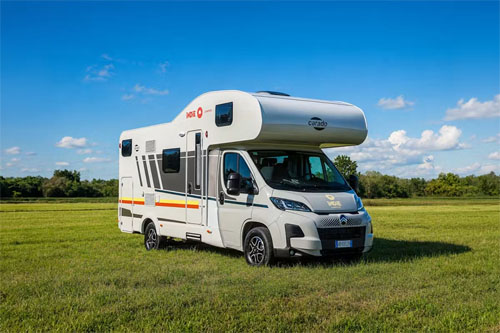
Class C alcove motorhomes, averaging 7.5m in length and sleeping around 5.8 people, are excellent for families due to the additional sleeping space located above the cab (averaging 4.4 adults). These vehicles are best for beginners traveling with larger families or groups who need multiple beds and appreciate the cost-efficiency of this class. While offering ample space and comfort, their height and length require careful navigation on Ireland's winding roads and during parking, with typical fuel consumption around 10-12 Liters/100 km from Bandana's global fleet.
For families considering a Family RV Rental in Ireland - Pricing Guide 2024, a Class C model like the '29′ Class C Motorhome' (sourced from Bandana's specs), featuring automatic transmission, generator, and slide-out options, offers plenty of room for everyone. Remember, driving slowly and carefully allows you to navigate almost anywhere without issues; there's no need to stress, just use common sense and pay attention.
Class B (Campervan) - Best For
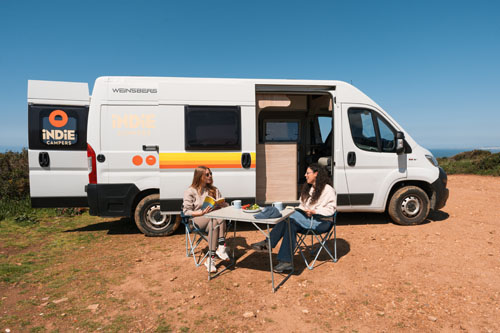
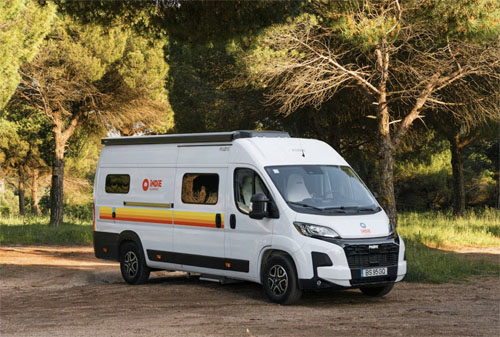
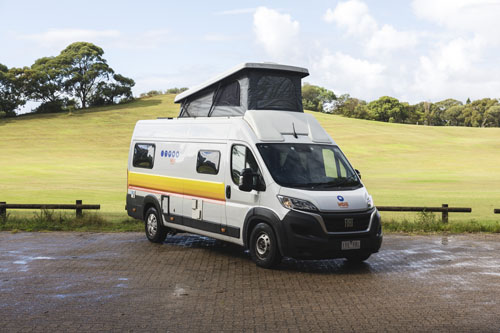
Class B campervans, with an average length of 5.8m, are the most maneuverable and fuel-efficient option, sleeping around 3.2 people and ideal for 1-2 beginners (averaging 2.7 adults) exploring Ireland. Their compact size makes them perfect for navigating Ireland's narrow boreens (country roads), tight village streets, and easier parking at attractions, offering excellent fuel economy (Bandana's fleet averages 8-10 Liters/100 km). While offering less interior space and amenities compared to larger classes, campervans are favored by adventurers prioritizing flexibility, ease of driving, and accessibility to remote areas over extensive living quarters.
For a truly agile adventure, a campervan, like the '2 Berth Hi Top' (sourced from Bandana's specs), featuring automatic transmission, front air conditioning, and a TV, provides the perfect blend of mobility and essential amenities. These are often highlighted in our Cheap RV Rental in Ireland - Budget Guide 2024, offering a more budget-friendly entry into RV travel. Opting for a campervan can give you the confidence to explore Ireland's charming, less-traveled paths.
Class TC (Truck Camper) - Best For
Class TC truck campers, averaging 5.5m in length and typically sleeping 2.4 people, are an excellent choice for beginners seeking a flexible, off-grid adventure in Ireland (averaging 2.1 adults). Positioned as detachable units on a truck chassis, they offer potential for enhanced off-road capability (though less common in Ireland's generally well-maintained rural roads) and the flexibility to use the truck independently for exploring once unhitched at a campsite. With typical fuel consumption of 12-17 Liters/100 km from Bandana's fleet, they provide a rugged, minimalist experience, appealing to those who prioritize versatility and access to more remote Irish terrain over extensive interior living space.
A truck camper, such as the '4x4 Scout Adventure Truck Camper Gold' (sourced from Bandana's specs), with 4-wheel drive and automatic transmission, provides a robust option for those wanting to explore beyond paved roads. While Bandana primarily focuses on motorhomes and campervans, we ensure full transparency on all available vehicle types through our partners for your informed choice.
Side-by-Side Comparison Table
This table provides a concise overview of the key specifications and ideal use cases for each RV family available for rent in Ireland, helping beginners make an informed decision for their trip. Understanding these differences can significantly influence your comfort and ease of travel across Ireland's diverse landscapes.
| Family | Avg Length | Sleeps | Fuel Use | Best Use Case in Ireland |
|---|---|---|---|---|
| Class A (Integrated) | 7.5m | 4.4 | 11-12 Liter/100 km | Luxury, larger groups on main routes, designated campsites. |
| Class SI (Semi-integrated) | 6.9m | 3.8 | 10-11 Liter/100 km | Balanced comfort and maneuverability for couples/small families. |
| Class C (Alcove) | 7.5m | 5.8 | 10-12 Liter/100 km | Families/larger groups needing multiple beds, budget-conscious. |
| Class B (Campervan) | 5.8m | 3.2 | 8-10 Liter/100 km | Maneuverability, fuel efficiency, remote access for 1-2 adventurers. |
| Class TC (Truck Camper) | 5.5m | 2.4 | 12-17 Liters/100 km | Flexible, off-grid adventure, ability to detach for local exploration. |
Our Recommendation for rv rental beginners Travelers in Ireland
For most RV rental beginners in Ireland, especially those navigating the country's unique roads, we highly recommend a Class B Campervan as the primary choice for rental. Its compact size ensures superior maneuverability on narrow country lanes and easier parking in towns and at attractions, mitigating common driving anxieties for first-timers. With average dimensions like the `V2L` (5.99m length, 2.05m width, 2 rear single beds, 11-13 L/100km fuel consumption - sourced from Bandana's specs), these vehicles offer a comfortable yet agile experience.
As a strong runner-up, a Class SI Semi-integrated motorhome offers a good balance of comfort and manageability, making it suitable for small families or couples desiring a bit more space without the significant bulk of larger RVs. For example, a `K3` (6.99m length, 2.32m width, sleeps 4, 12-14 L/100km fuel consumption - sourced from Bandana's specs) provides more living area while still being relatively easy to handle on Irish roads. Remember, travel slowly, max 100-150 km per day on average, to truly feel the place, connect to the culture, the food, and the scenery.
What are the Logistics of Bringing My Own RV to Ireland?
Bringing your own RV to Ireland involves navigating complex logistics including customs regulations, significant shipping costs, and potential vehicle modifications, making local rental often more practical. You'll need to research Irish customs duties and VAT, which can be substantial (potentially 23% VAT on the vehicle's value), and factor in the considerable cost and time involved in sea freight from your home country, which can run into several thousand euros. Additionally, consider vehicle modifications like headlight adjustments for left-hand drive traffic, ensuring your insurance policy covers international travel in Ireland, and planning for long-term stay requirements if your trip extends beyond typical tourist durations.
For visitors from non-English-speaking countries, an International Driving Permit (IDP) is recommended but not mandatory in most cases, as a standard car driver's license is sufficient for all motorhome classes. Renting locally often proves more practical and cost-effective for beginners than shipping a personal vehicle for typical vacation durations, avoiding these logistical complexities entirely.
What are the Driving Challenges for RVs in Ireland and How Can I Prepare?
Driving an RV in Ireland, especially for beginners, presents unique challenges such as navigating extremely narrow country roads (known as 'boreens'), driving on the left side of the road, and encountering unexpected obstacles like livestock, all of which require specific preparation. Practise driving a larger vehicle on the left side of the road before your trip, pay close attention to distinct Irish road signs (which may use different symbols or phrasing than you're accustomed to), and familiarize yourself with local passing etiquette on single-lane roads, which often involves pulling into passing places. Be prepared for unexpected obstacles like sheep or cattle freely roaming rural roads, drive defensively, and consider taking a smaller RV like a campervan (average 5.8m length) to minimize stress related to vehicle size and tight road conditions.
Pre-planning routes to avoid overly narrow roads where possible is highly recommended, and using a reliable GPS with RV-specific routing can be extremely helpful. Always allocate extra travel time for slower speeds and cautious driving, especially when exploring scenic routes such as parts of the Wild Atlantic Way, to fully enjoy your journey without rushing. Drive slowly and carefully, and you can drive almost anywhere without issues. No need to stress - just use common sense and pay attention.
🎬 Video coming soon
Is Wild Camping Allowed in Ireland and How Do I Find Spots?
Wild camping in Ireland with a rented RV is generally not legally permitted on private land without explicit landowner permission, nor is it widely supported by a comprehensive system of designated 'Aires' found in some other European countries. To wild camp responsibly and ethically, it's crucial to seek explicit permission from landowners if you wish to stay on private property, or utilize designated overnight parking areas where available, often found near scenic viewpoints or in some rural communities. Look for signage indicating permissible overnight parking at certain scenic spots or consider joining online RV communities and forums where users share known, safe, and respectful wild camping locations, emphasizing discretion and respect for local residents and the environment. There are around 60,000 km of rural roads that offer potential quiet spots, but always verify legality.
Always practice Leave No Trace principles: park discreetly, manage waste effectively, maintain low noise levels, and avoid blocking access or disturbing local residents or wildlife. Many national and state parks reserve only about 25-30% of their spots online, leaving the rest for first-come, first-serve arrivals, which means you'll usually find a spot. If not at the first campground, then the next one; just remember to call ahead before driving long distances. For finding campsites and campgrounds during your trip, we recommend using RV PLANET (rvplan.net) - a great resource for locating available spots along your route.
What are RV-Friendly Itineraries and Parking Options in Ireland?
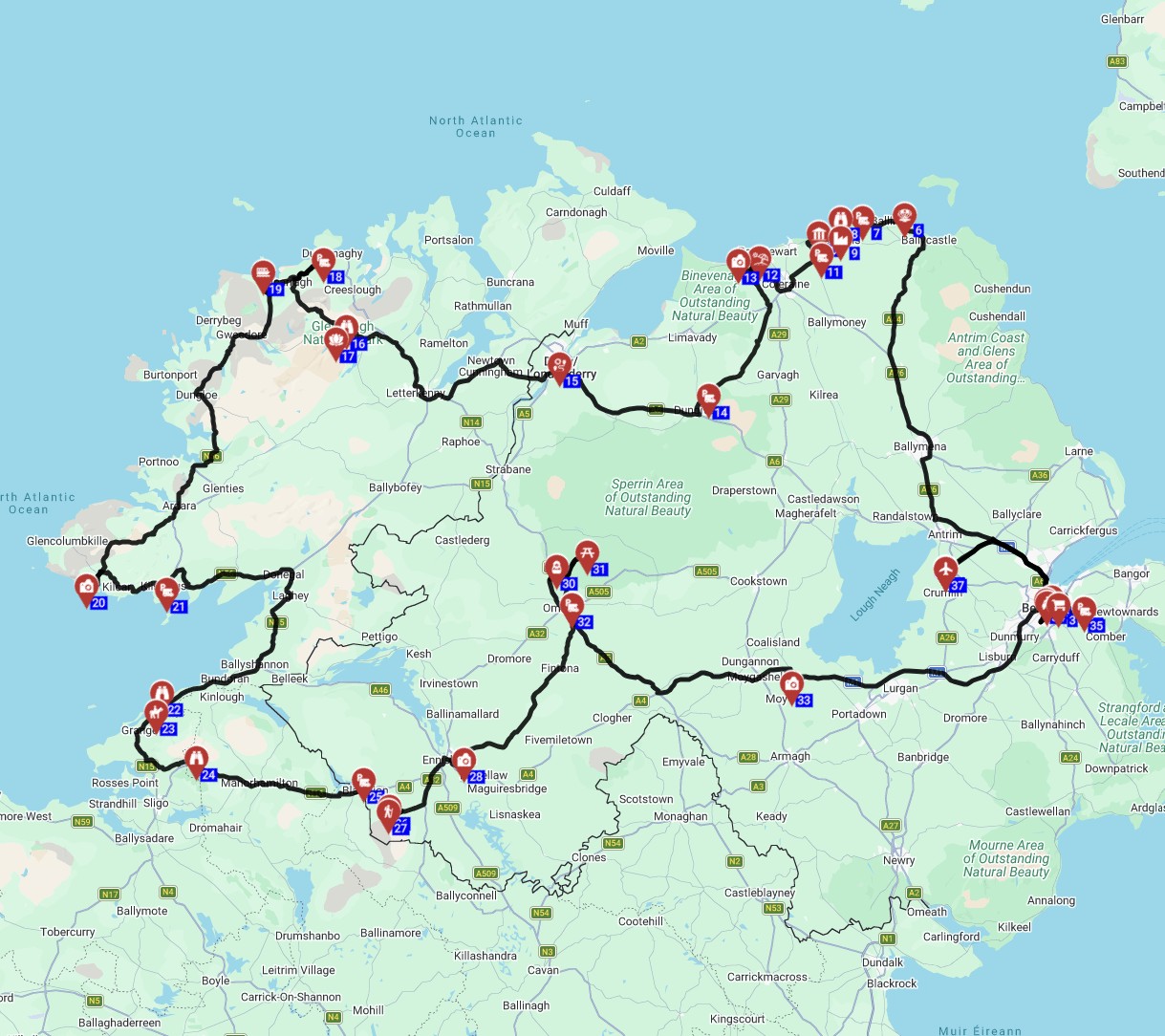
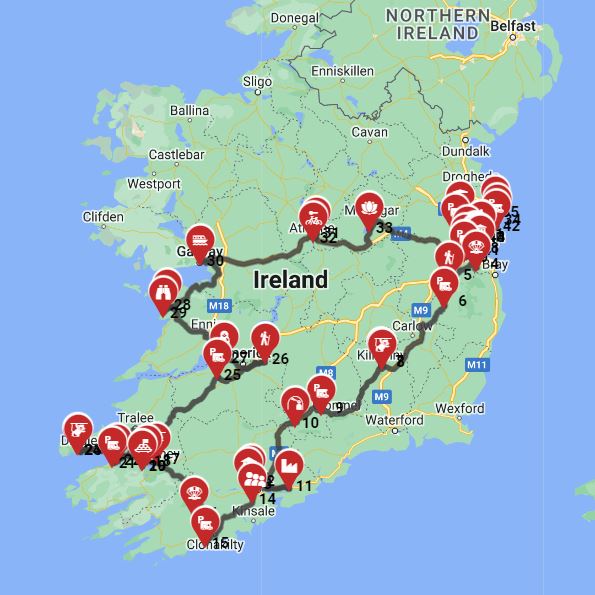
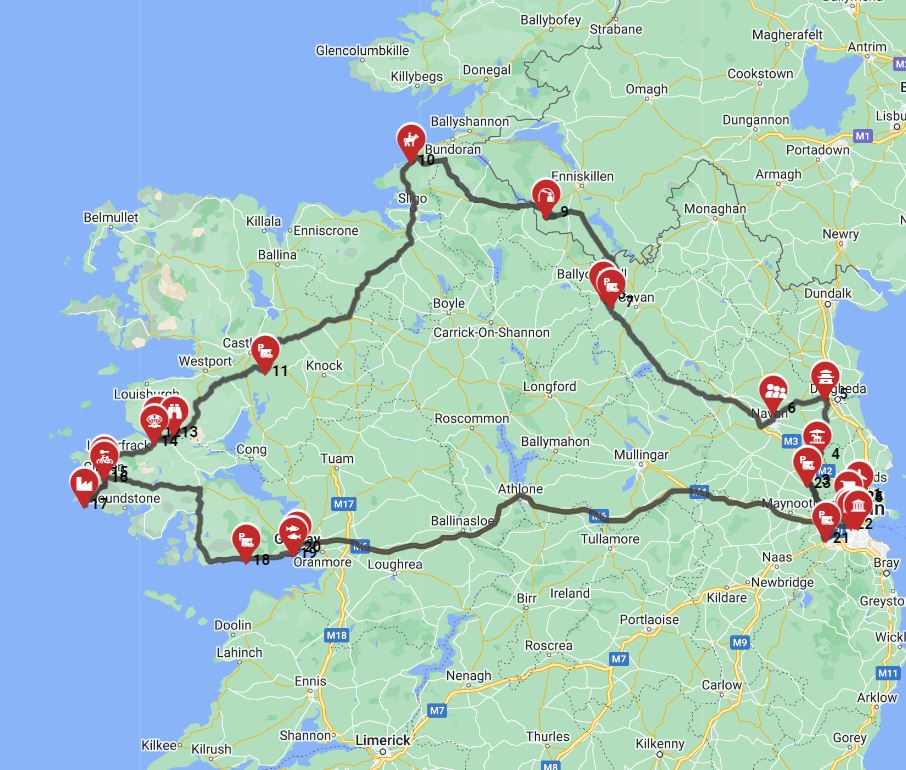
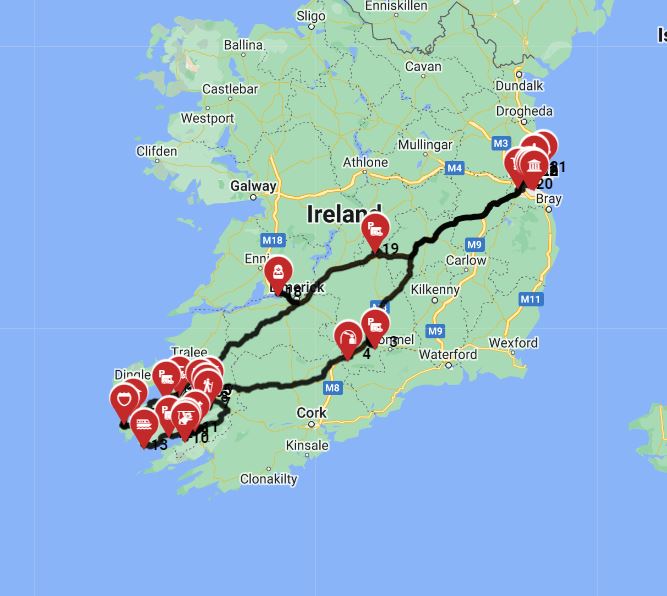
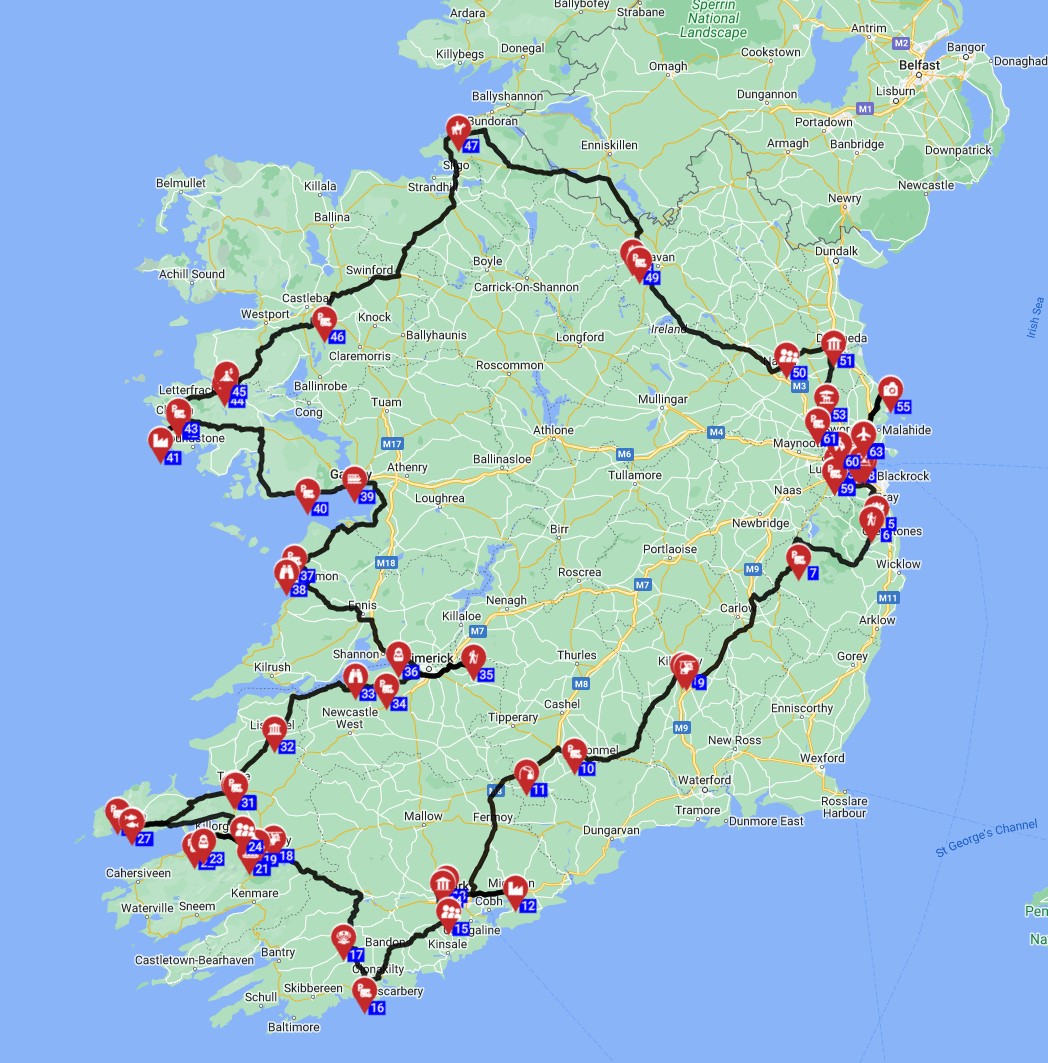
RV-friendly itineraries in Ireland prioritize routes that accommodate larger vehicles while ensuring access to key attractions and providing suitable overnight parking options, making planning crucial for beginners. Focus on well-known routes like the 2,500 km Wild Atlantic Way or the Ring of Kerry, but research RV-specific parking at popular sites in advance, as many attractions have dedicated, albeit often limited, spaces for larger vehicles. Combining sightseeing with planned overnight stops at official campsites or designated RV parks is essential, as these offer necessary facilities such as fresh water (avg 100-150 liters), dump stations, and electrical hook-ups, and reduce stress about finding parking. Explore lesser-known gems that may have more accessible parking for RVs and utilize apps like Park4Night or local tourism websites to identify suitable overnight stops and parking near attractions, and remember to always call ahead to confirm availability. On the routes offered through RV PLANET routes, you can itemize and track every expense along the way for easy budgeting.
Consider planning your routes to visit locations like the Cliffs of Moher, Giant's Causeway, or the Dingle Peninsula, noting that many smaller towns and villages offer communal parking areas where you can often park a motorhome for the day. For detailed, pre-planned routes by professionals and tools to create custom itineraries, explore RV PLANET routes. As a bonus, using rvplan.net grants you a 25% planning discount, rewarding you for smart preparation.
What is the Full Budget Breakdown for an RV Trip in Ireland?
A comprehensive budget for a rented RV trip in Ireland extends beyond just the rental costs, encompassing significant expenses like high fuel prices, average campsite fees, toll roads, propane refills, and potential unexpected costs. Allocate a substantial portion of your budget for fuel, as Ireland's petrol and diesel prices are generally higher than in many other European countries, averaging around €1.70-€1.90 per liter, and RVs consume more fuel, typically 8-17 Liters/100 km depending on the model. Factor in average campsite fees, which typically range from €25-€45 per night depending on location and facilities (such as electrical hookups or shower blocks), and budget for potential toll roads, especially around major cities like Dublin, which can add €5-€15 per passage.
Don't forget smaller but essential costs such as propane/LPG refills for cooking (a 9kg gas bottle can cost around €30-€40 to refill), waste disposal fees (if not included with your campsite stay), groceries for onboard meals, and attraction entry fees. Always set aside a contingency fund of at least 10-15% of your total budget for unexpected repairs or emergencies. On the routes offered through RV PLANET routes, travelers can itemize and track every expense along the way for easy budgeting, ensuring full transparency in your trip's financial planning.
How Do I Manage Connectivity and Utilities for an RV in Remote Ireland?
Managing connectivity and utilities for a rented RV in remote areas of Ireland requires proactive planning for propane/LPG refills, dump/water stations, and reliable internet access to maintain comfort and self-sufficiency. For propane/LPG refills, identify gas stations or specialized suppliers in larger towns along your route, as these can be sparse in very remote locations, and note that bottle connections may differ from other countries. Access to dump stations and fresh water refills (average tank capacity 80-150 Liters) is primarily found at official campsites, so plan your itinerary to incorporate regular stays at these facilities every 2-3 days.
To ensure reliable internet connectivity, purchase a local SIM card from major providers like Three or Vodafone upon arrival, as their 4G/5G coverage is generally good across most populated areas, but be aware that truly remote areas may still have limited signal or rely on slower 3G. Many modern RV rentals come with USB charging ports, but carrying a portable power bank is also a wise idea for charging devices. Remember, God is in the small details, and we take care of them, making the big difference in your travel experience.
How Does Seasonality and Weather Impact RV Travel in Ireland?
Seasonality and Ireland's often unpredictable weather significantly impact RV travel, influencing road accessibility, crowding at popular sites, camping conditions, and even ferry schedules for island hopping. Summer (June-August) offers the warmest weather (averaging 15-20°C) and longest daylight hours (up to 17 hours), but also brings peak crowds, higher rental prices, and increased competition for campsites and attractions, often requiring bookings 3-6 months in advance. Spring (April-May) and Autumn (September-October) offer a good balance of milder weather (10-15°C), fewer crowds, and more availability, though you should still expect frequent rain and cooler temperatures.
Winter (November-March) can present challenges like limited road accessibility in mountainous regions, reduced campsite availability (many close seasonally), shorter daylight hours (as little as 8 hours), and potentially severe weather conditions, requiring appropriate packing of waterproof layers and flexible route planning. Always check local weather forecasts frequently, pack layers of waterproof and warm clothing regardless of the season, and be aware that ferry schedules to islands like the Aran Islands can be affected by adverse weather, potentially causing delays or cancellations. Our Rent&Plan service can help you create flexible route plans that account for these seasonal variations.
What Safety and Emergency Preparations Are Needed for an RV Trip in Ireland?
Ensuring safety and emergency preparedness for an RV trip in Ireland, especially in remote areas, involves understanding local road safety, emergency services access, and comprehensive travel insurance. Familiarize yourself with Irish road rules, which include driving on the left side, speed limits (typically 100 km/h on national roads, 80 km/h on regional roads, and 50 km/h in urban areas), and the expectation for drivers to pull over to allow faster traffic to pass on narrow roads. Always carry a charged mobile phone for emergencies, as rural signal can sometimes be intermittent, and have a basic toolkit and knowledge of how to change a tire for minor breakdowns.
In case of a breakdown in a remote area, use your hazard lights, place a warning triangle (if available), and immediately contact your rental company's roadside assistance number or local emergency services by dialing 112 or 999. It is crucial to secure comprehensive travel insurance that specifically covers RV rental excess (which you can upgrade to a top-level deductible for extra peace of mind through Bandana), medical emergencies, and trip cancellations. Ensure all passengers know key emergency contacts and procedures, and keep important documents accessible. Our 24/7 support means real people are behind you every step of the way, providing pre-booking comparison, booking support, and post-booking coordination.
What You Shouldn't Miss
- Drive the Wild Atlantic Way: Traverse the world's longest coastal touring route, stretching 2,500 km from Donegal to Cork, revealing dramatic cliffs, hidden beaches, and charming seaside towns.
- Explore the Ring of Kerry: Embark on a spectacular 179 km scenic drive in County Kerry, offering breathtaking views of mountains, lakes, and the Atlantic Ocean.
- Visit the Cliffs of Moher: Witness the awe-inspiring natural beauty of these majestic cliffs in County Clare, rising over 214 meters (702 feet) at their highest point.
- Discover the Giant's Causeway: Explore the UNESCO World Heritage site in County Antrim, Northern Ireland, featuring approximately 40,000 interlocking basalt columns, a geological marvel.
- Wander through Killarney National Park: Immerse yourself in the stunning landscapes of Ireland's first national park, home to majestic mountains, ancient woodlands, and tranquil lakes.
- Experience Dublin's Historic Charm: Spend a day exploring Ireland's capital, from Trinity College to the Guinness Storehouse, before retreating to your comfortable rented motorhome outside the city bustle.
Looking for expert insights from Avi Bandana? Top 5 Adventures - recommendations from Avi Bandana.
Final Thoughts
Embarking on your first rented RV adventure in Ireland is an experience filled with freedom, breathtaking scenery, and unforgettable memories. From choosing the perfect campervan or motorhome to understanding local driving conditions and budgeting for your trip, planning is key. Remember, we’re here to help you every step of the way, ensuring your journey is smooth and enjoyable. Don't let the details overwhelm you; with Bandana, you have a supportive partner committed to full transparency and exceptional service.
Imagine yourself cruising along the Wild Atlantic Way, pulling over for an impromptu picnic with freshly prepared meals, or simply waking up to a stunning sunrise over an ancient Irish landscape. These are the moments that make RV travel so special, and they are well within your reach. Get inspired for your next trip! Discover top destinations, planning tips, all in one place with Bandana.
Ready to turn your Irish RV dream into a reality? Check Ireland RV Rental Prices Now and start planning your perfect journey with Bandana. We're confident you'll find the ideal vehicle for your adventure, and we look forward to helping you live the journey!