In This Guide
- The 4 RV Families Compared for Europe
- Class A (Integrated) — Best For
- Price Comparison by RV Class in Europe
- Class SI (Semi-Integrated) — Best For
- Class C (Alcove) — Best For
- Class B (Campervan) — Best For
- Side-by-Side Comparison Table
- Our Recommendation for RV Rental Beginners Travelers in Europe
- What is the 333 rule for campervan?
- How much does it cost to rent an RV in Europe?
- Is it cheaper to rent an RV or stay in hotels?
- What is the easiest RV to drive for beginners?
- What do Europeans call an RV?
- What is the best RV rental company?
- Who is the largest motorhome rental company in Europe?
- Which RV rental site is best?
- Where is the cheapest place to rent in Europe?
The 4 RV Families Compared for Europe
Choosing the right RV family is critical for a successful beginner trip in Europe, directly impacting maneuverability on narrow roads, fuel efficiency, and overall comfort throughout your journey. Europe's diverse terrain, from bustling historic cities to winding mountain passes, necessitates careful consideration of vehicle size and type. For live availability and current prices, start with our RV Rental Europe - Complete Guide 2026 guide. Bandana RV offers full transparency in all pricing, ensuring no hidden fees or surprises as you compare final prices across suppliers. We specialize exclusively in RV travel, providing unmatched personal experience and attention to the smallest details to help you find the perfect rented motorhome or campervan for your adventure. Smaller rented vehicles are generally better for navigating historic towns and smaller roads, while larger ones offer more comfort for longer stays or bigger groups, making the selection process an essential first step for any first-time RV renter in Europe.Class A (Integrated) - Best For
Class A integrated motorhomes are ideal for beginners seeking a luxurious, spacious experience akin to a bus, particularly for longer trips or larger groups who prioritize comfort over maneuverability in Europe. Bandana's fleet typically shows Class A motorhomes averaging 7.5 meters in length, capable of sleeping around 4 to 6 people, and offering an impressive average load capacity of 209.5 kg for all your gear. These larger models, such as the "Active First" with its TV feature, generally consume around 11-12 liters per 100 km. While offering extensive amenities like a well-equipped kitchen for preparing RV-friendly recipes playlist on the road, their size can be challenging on narrow village roads and limit access to certain campsites or city centers. Trade-offs in Europe include higher rental and fuel costs, but for those prioritizing ample living space and luxury, a Class A rented RV provides a truly grand travel experience.Price Comparison by RV Class in Europe
RV rental prices in Europe are dynamic and fluctuate significantly based on demand, season, specific pick-up location, and the chosen vehicle class. Larger and more luxurious classes like Class A typically command higher rental costs compared to smaller, more agile campervans, reflecting the differences in amenities and size. Beyond the base rental fee, beginners should consider additional costs such as insurance premiums, fuel expenses (which vary between diesel and petrol and fluctuate daily), tolls or vignettes for motorways, and potential one-way drop-off fees, which can range from €150 to €500. Because pricing is flex-rate and constantly changing, we are unable to display real example prices directly in this content. For the most up-to-date and live pricing tailored to your specific travel dates and desired pick-up location, please use the search box at the top of this page, knowing that Bandana offers full price transparency with no hidden fees or surprises. When planning your budget for the entire journey, remember that RV PLANET routes allow you to itemize and track every expense, making comprehensive budgeting easy.Class SI (Semi-Integrated) - Best For
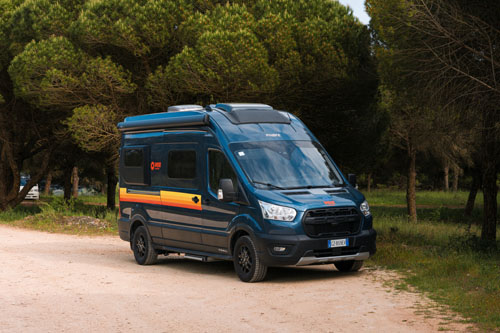
Class SI semi-integrated motorhomes offer a balanced blend of comfort and maneuverability, making them an excellent choice for beginner RV travelers in Europe. Bandana's fleet averages approximately 6.9 meters in length, sleeps around 3 to 4 people comfortably, and has an average load capacity of 72.2 kg, providing ample space for luggage. These rented motorhomes, often featuring an automatic transmission for easier driving like the "A 4 - Comfort Automatic", typically consume between 10-11 liters per 100 km, offering good fuel efficiency for extended road trips. They provide more interior space and amenities than campervans while being significantly easier to drive and park than full-sized Class A or C models on Europe's varied roads. Class SI motorhomes are ideal for couples or small families seeking comfort for week-long or two-week adventures without the bulk of larger vehicles, offering a good compromise between living space and agility for exploring diverse European landscapes.Class C (Alcove) - Best For
Class C alcove motorhomes are perfect for families or groups of friends, distinguished by the characteristic sleeping area (alcove) over the driver's cab, which offers extra sleeping capacity, making them an excellent choice for beginners in Europe. Bandana's fleet shows these vehicles average 7.5 meters in length, capable of sleeping around 4 to 6 people (like the "Glamys 265"), and have an average load capacity of 42.4 kg. These popular rented motorhomes typically consume between 10-12 liters per 100 km. Class C models provide ample living and sleeping space, making them a cost-efficient option for larger parties without sacrificing too much maneuverability on European roads compared to a Class A. Their robust build and generous interior are well-suited for extended family adventures, though their height can be a consideration for low bridges or certain urban areas, requiring attention while driving.Class B (Campervan) - Best For
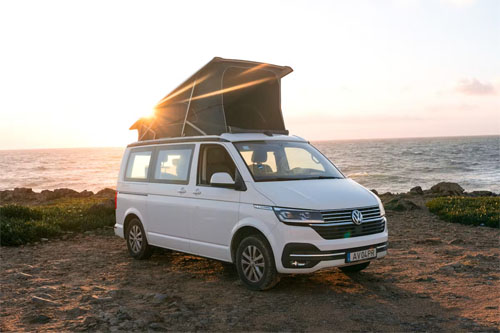
Class B campervans are the most agile and fuel-efficient option, making them excellent for beginner RV travelers in Europe who prioritize flexibility and urban access. Bandana's fleet shows campervans averaging 5.8 meters in length, capable of sleeping around 2 to 3 people (like the "Active Classic"), and with an average load capacity of 37 kg for luggage. These compact rented vehicles typically consume between 8-10 liters per 100 km, offering significant fuel savings. Their compact size allows for easy navigation through narrow European streets, parking in standard spaces, and accessing remote areas where larger RVs cannot go, minimizing driving stress. Ideal for solo travelers, couples, or small groups seeking a minimalist week-long or two-week adventure, Class B campervans balance comfortable sleeping quarters with a vehicle that feels much like a car to drive.Side-by-Side Comparison Table
To help beginners visualize the differences between RV classes, this table outlines key metrics and best use cases for motorhomes and campervans in Europe. This comparison simplifies your decision-making process when choosing a rented vehicle.| Family | Avg Length (m) | Sleeps | Fuel Use (L/100km) | Best Use Case in Europe |
|---|---|---|---|---|
| Class A (Integrated) | 7.5 | 4-6 | 11-12 | Luxury, spacious travel for larger groups/families; longer trips |
| Class SI (Semi-Integrated) | 6.9 | 3-4 | 10-11 | Balanced comfort and maneuverability; couples/small families |
| Class C (Alcove) | 7.5 | 4-6 | 10-12 | Families/groups prioritizing sleeping capacity and space |
| Class B (Campervan) | 5.8 | 2-3 | 8-10 | Solo/couples; urban access, agility, fuel efficiency |
Our Recommendation for RV Rental Beginners Travelers in Europe
For most RV rental beginners in Europe, a Class B (Campervan) is the primary recommendation due to its unparalleled maneuverability, fuel efficiency, and ease of driving on Europe's often narrow and winding roads. Its compact size, typically averaging 5.8 meters in length, makes parking and navigating urban areas much simpler, reducing stress for first-time renters. Drive slowly and carefully, and you can drive almost anywhere without issues, regardless of RV size; just use common sense and pay attention. A strong runner-up is the Class SI (Semi-integrated) motorhome, which offers a good balance of comfort and reasonable size (around 6.9 meters) for beginners who need a bit more space for longer trips or small families without the driving challenges of larger Class A or C vehicles. For detailed insights on costs, consider comparing options through our Cheap RV Rental in Europe - Budget Guide 2026.What is the 333 rule for campervan?
The "333 rule" for campervans, though not a universally recognized legal standard, is a popular guideline for safe and sustainable wild camping or free parking, particularly relevant for beginner RVers in Europe where regulations vary by country. This informal rule generally advises that you should stay a maximum of 3 nights in any one spot, maintain a minimum distance of 3 kilometers from other wild campers, and ensure you leave no trace by packing out all your rubbish to preserve the environment. This rule serves as a responsible traveler's mantra to minimize environmental impact and avoid drawing unwanted attention, especially in regions with strict wild camping laws. Always research specific country and local regulations, as wild camping is prohibited in many parts of Europe, and understand that compliance varies, addressing the value gap in detailed regulatory guidance.How much does it cost to rent an RV in Europe?
Renting an RV in Europe for beginners can cost anywhere from €70 to €250+ per night (approximately $75 to $270+ USD), depending heavily on the RV class, season, rental duration, and pick-up location, with a comprehensive budget needing to account for more than just the rental fee. For a small campervan (Class B) in the low season, prices might start around €70-€100 per night, while a larger family motorhome (Class C or SI) in peak summer can easily exceed €150-€200 per night. Beyond the base rental, significant ancillary costs include comprehensive insurance (often €15-€40/day), fuel (diesel typically €1.60-€2.00/liter, petrol slightly more), campsite fees (€20-€60/night), road tolls/vignettes (varying by country and potentially adding €10-€50 per country), and groceries. Beginners should factor in an additional 20-30% on top of the base rental for these essential variable costs to avoid budget surprises, addressing the crucial value gap in comprehensive cost breakdown. For a more granular cost estimation, explore our RV Rental in Europe - Prices and Best Deals 2026 guide. Remember, RV PLANET routes allow you to itemize and track every expense for easy budgeting during your trip.Is it cheaper to rent an RV or stay in hotels?
Renting an RV can be cheaper than staying in hotels for longer week-long or extended trips, especially for groups or families, but requires careful budgeting of all associated costs beyond just accommodation. While hotels offer fixed per-room rates, RV travel bundles accommodation and transportation, with costs like fuel, campsite fees, and potentially higher optional insurance premiums adding up. For a family of four, an RV can become more economical as it avoids booking multiple hotel rooms and allows for self-catering, significantly reducing food expenses compared to dining out in restaurants. Conversely, for solo travelers or short trips, or those primarily visiting expensive city centers where RV parking and access are challenging, hotels might prove more convenient and sometimes even cheaper overall, highlighting the importance of a detailed cost analysis tailored to your itinerary. Beginners should thoroughly calculate total potential hotel/restaurant costs versus total RV rental, fuel, campsite, and grocery costs for their specific adventure to determine the most economical option. For flexible travel, consider consulting our RV Rental Deals in Europe - Latest Offers 2026 for potential savings.What is the easiest RV to drive for beginners?
The easiest RV to drive for beginners in Europe is typically a Class B Campervan due to its compact size, maneuverability, and driving experience similar to a large SUV or van. These vehicles, like the "cruise america example EX-Group A" with a length of 5.99 meters and 8 Liter/100 km fuel consumption, are far less intimidating to navigate on narrow European roads, through city centers, and into tight parking spots than larger motorhomes. They offer good visibility, respond predictably, and have better fuel economy, which significantly reduces driving stress for first-timers. A Class SI (Semi-integrated) motorhome is also a manageable option, providing more living space than a campervan while still being relatively easy to handle compared to Class A or C models. Prioritizing shorter lengths and automatic transmissions (if available) can further enhance ease of driving for beginners in Europe, addressing the specific RV selection and practical driving advice gap.What do Europeans call an RV?
In Europe, what North Americans commonly call an "RV" (Recreational Vehicle) is most often referred to as a "motorhome" or "campervan," with specific terms varying slightly by country. A "motorhome" generally denotes larger, integrated vehicles with more amenities, similar to Class A, C, or SI vehicles in the US. A "campervan," on the other hand, refers to smaller, more compact vehicles, often built on a van chassis, equivalent to a Class B. Other terms you might hear include "wohnmobil" (German), "camping-car" (French), "autocaravana" (Spanish), or simply "camper" in many regions. Understanding these diverse terms is important for beginners to effectively communicate with locals, book campsites, and navigate local signage, providing valuable cultural context for RV travel in Europe. Bandana RV specialists are true experts who know what they're talking about, helping you navigate these nuances.What is the best RV rental company?
The "best" RV rental company for beginners in Europe often depends on individual priorities such as budget, desired vehicle class, pick-up location flexibility, and customer service reputation. Major international aggregators like Bandana, as well as local European companies (often associated with brands like Dethleffs and Hymer), and popular campervan specialists like Indie Campers, are popular choices. For beginners, look for companies that offer comprehensive insurance options, responsive 24/7 support for pre-booking, booking, and post-booking coordination, and clear upfront pricing to avoid hidden fees. Bandana specializes in connecting travelers with a wide array of options from over 50 leading RV suppliers worldwide, including trusted partners like El Monte, Cruise America, Apollo, and Britz, often providing competitive rates and diverse vehicle types suitable for beginners. Always compare terms, check for breakdown support inclusions (though Bandana doesn't provide 24/7 on-trip support itself, we ensure suppliers do), and read recent reviews to find a company that aligns with your specific beginner needs and travel style.Who is the largest motorhome rental company in Europe?
While direct claims of the "largest" can fluctuate, McRent is widely recognized as one of the most prominent motorhome rental companies in Europe, operating a vast fleet across numerous countries. McRent often partners with well-known European manufacturers like Dethleffs, Hymer, and Sunlight, offering a modern and diverse fleet of motorhomes (primarily Class C and SI equivalents). Other significant players include Indie Campers, particularly strong in the campervan segment with a pan-European presence, and various local enterprises throughout the continent. Aggregators like Bandana consolidate offerings from many fleets and individual owners, providing a wide selection that collectively represents a massive rental capacity across Europe. For beginners, a larger company often translates to reliability and extensive pick-up/drop-off locations, which can be advantageous for international travel and one-way options, as detailed in our One-Way RV Rental in Europe - Price Guide 2026.Which RV rental site is best?
For beginners looking to rent an RV in Europe, sites that offer comprehensive search filters, transparent pricing, and robust customer support are generally considered "best," with Bandana being a prime example. Sites like Bandana, CampervanGo, and local company websites (e.g., McRent.eu, IndieCampers.com) allow users to compare various vehicle types, prices, and amenities across different providers and locations. Bandana is particularly advantageous as it aggregates listings from a vast network of professional rental companies and private owners, offering a wider selection and competitive rates for all motorhome and campervan classes. A "best" site should feature clear information on insurance options (including the option to upgrade to a top-level deductible for peace of mind), mileage limits, and included extras, along with intuitive booking processes. Bandana provides supportive pre-booking comparison, booking support, and post-booking coordination, ensuring you're never alone in the rental journey. User reviews and detailed vehicle descriptions also contribute to a site's effectiveness in helping beginners make informed decisions, directly addressing the booking process and company selection. Always prioritize sites with secure payment gateways and clear cancellation policies.Where is the cheapest place to rent in Europe?
The cheapest places to rent an RV in Europe for beginners often align with countries that have a lower cost of living or a high supply of rental vehicles, such as Germany, Poland, and Portugal. Germany, as a hub for motorhome manufacturing and rental, frequently offers competitive prices due to a large fleet and strong competition among rental companies. Eastern European countries like Poland can provide significantly lower rental rates, though vehicle options might be less diverse, and insurance terms may vary. Portugal, particularly outside the peak summer season, is known for good value campervan rentals and generally lower fuel and campsite costs. However, the "cheapest" location can also depend on seasonal demand, with off-peak travel (shoulder seasons like spring and autumn) generally yielding lower prices across the continent, addressing the value gap in comprehensive cost breakdown and itinerary planning. Always compare prices from multiple pick-up locations, considering potential one-way fees if dropping off in a different country, as highlighted in our Luxury RV Rental in Europe - Premium Prices 2026 guide. You'll find a spot if you book day-to-day, or if you're a pre-planner, many national/state parks reserve 25-30% of spots for first-come-first-serve. Just call ahead before driving.What You Shouldn't Miss
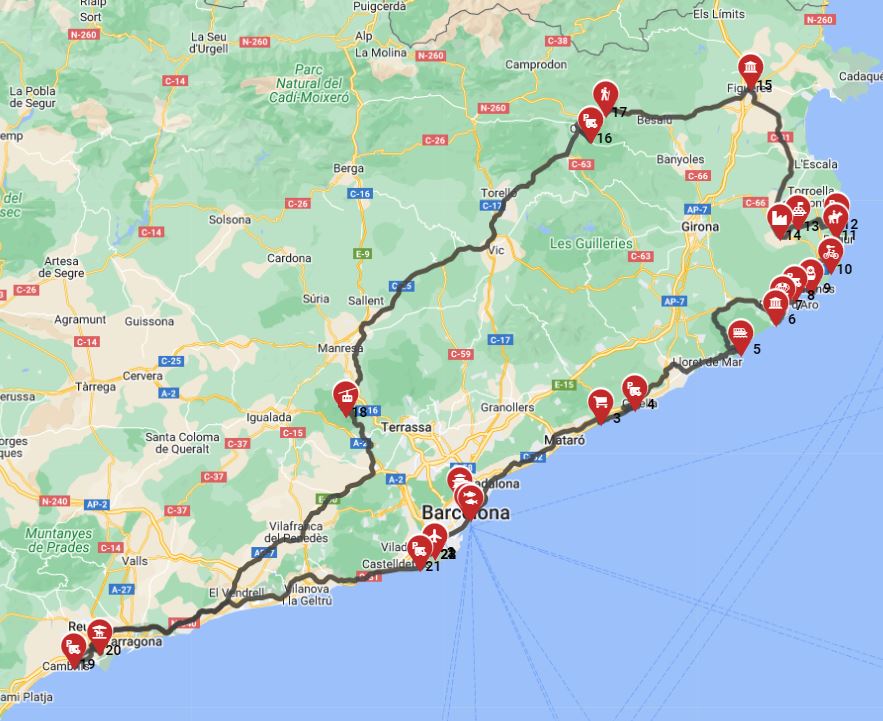
For an unforgettable RV rental adventure in Europe, don't miss out on these fantastic route plans available through RV PLANET (rvplan.net):-
**
(15 days, 2762 km):** This route immerses you in vibrant winter festivities, visiting 10 traditional markets, 2 historical sites, and 2 museums, offering a unique cultural experience.
 Vienna Roundtrip - The epic Eastern European Christmas markets
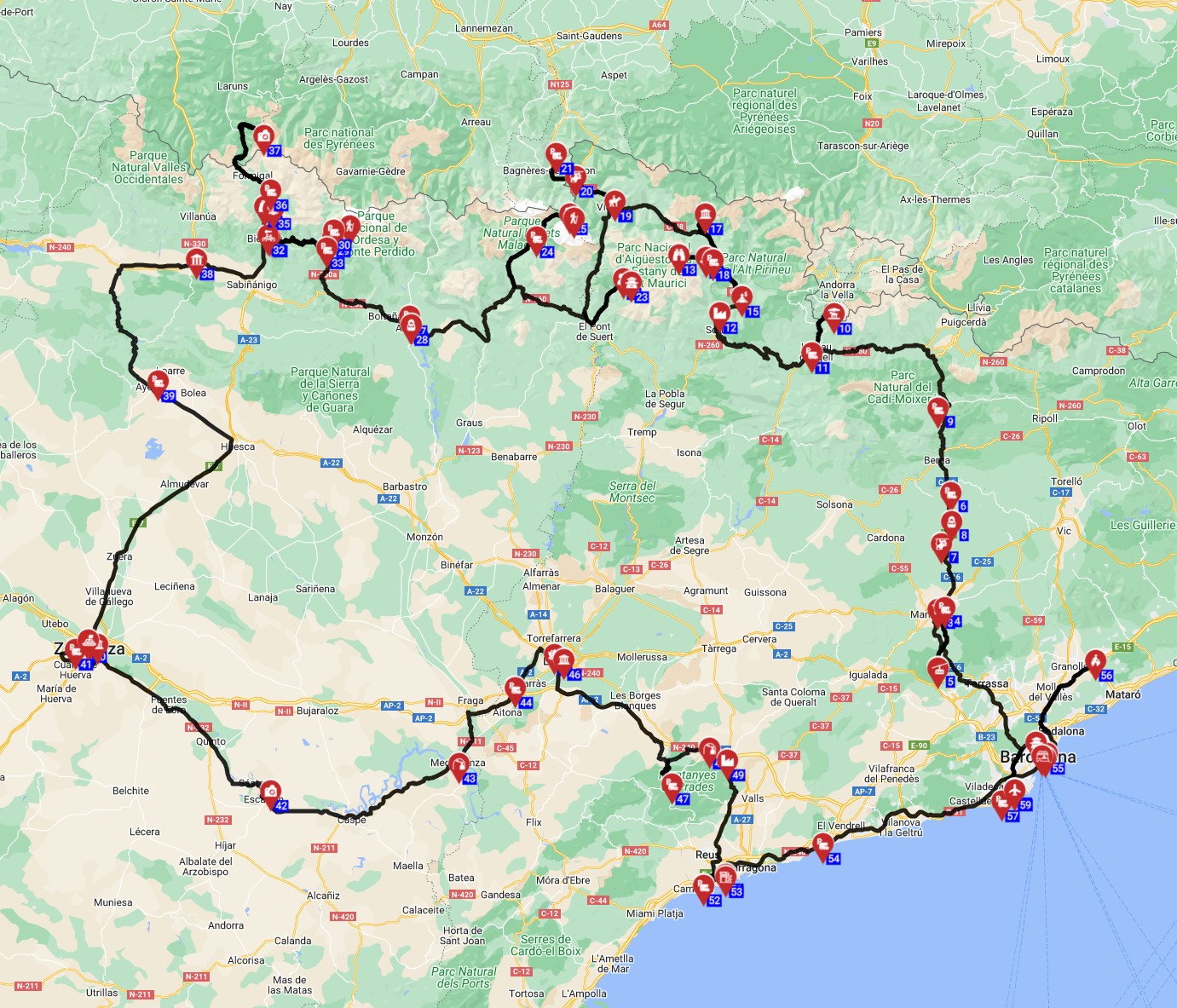
 - **Toulouse Round trip - European Charms & Family Delights (15 days, 2088.7 km):** Perfect for families, this route includes 1 amusement park, 2 caves, 2 family activities, and 1 water park among its 23 points of interest.
-
**
(18 days, 3579 km):** Venture to the far north with 3 animal watch experiences, 5 museums, and 4 hiking areas, showcasing stunning natural beauty.
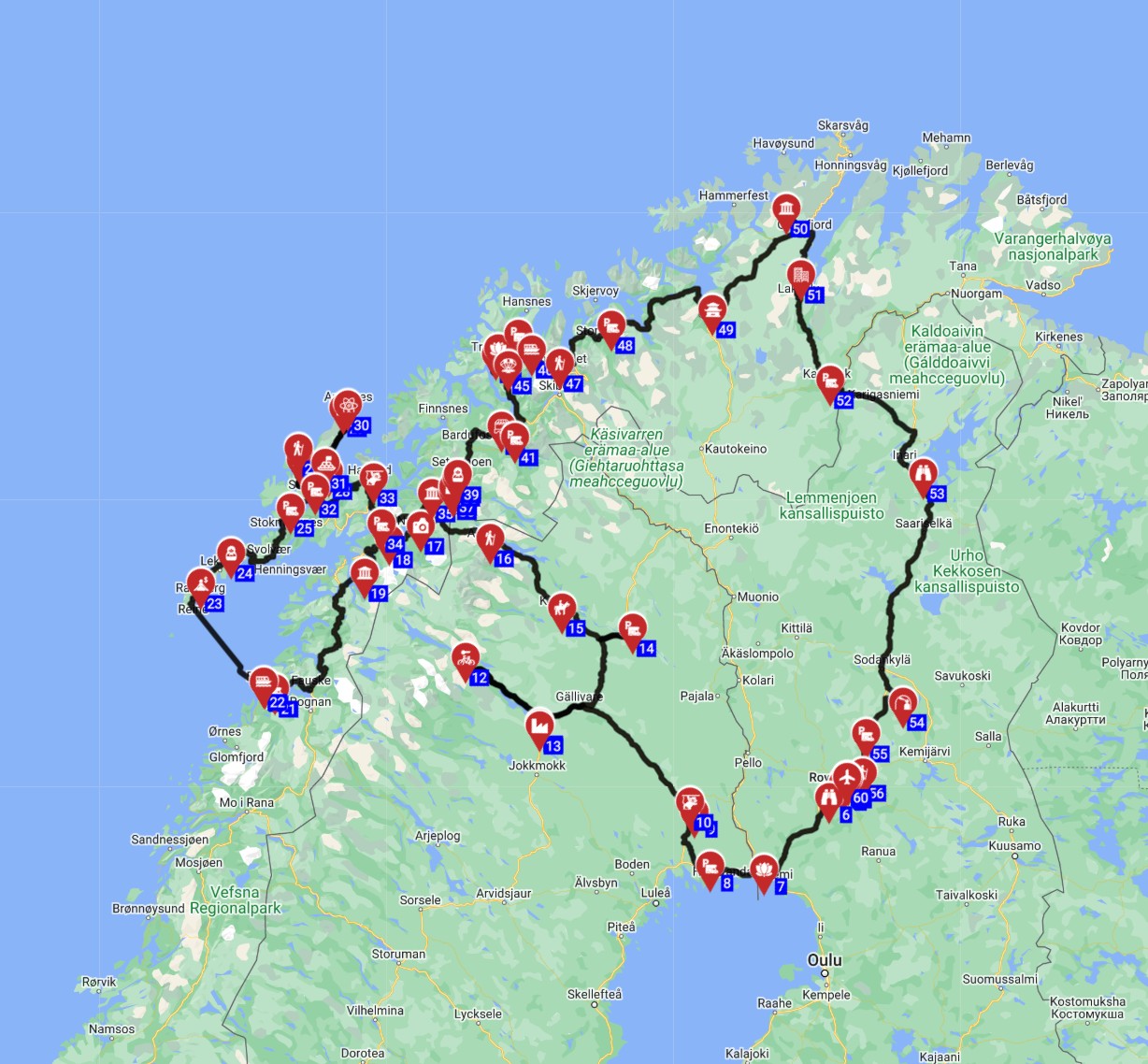 Rovaniemi Roundtrip - End of Europe scenic roads
Final Thoughts
Embarking on your first RV rental adventure in Europe is an exciting prospect, offering unparalleled freedom and the chance to truly immerse yourself in diverse cultures and breathtaking landscapes. Whether you opt for the nimble Class B campervan or a more spacious Class C motorhome, remember that the journey itself is the reward. Travel slowly, aiming for a maximum of 100-150 km per day on average, to truly feel the place, connect to its culture, savor the food, and appreciate the scenery. At Bandana Caravan, we are true RV specialists, dedicated to making your first European RV rental experience seamless and enjoyable. We're here to support you before, during, and after your booking, from comparing final prices across numerous suppliers with full transparency to offering options like upgrading to a top-level deductible for extra peace of mind. Your dream European road trip is within reach. Discover top destinations and planning tips all in one place with us.On the routes offered through RV PLANET routes, you can itemize and track every expense along the way for easy budgeting.