In This Guide
- Best West Europe RV Itinerary for rv rental beginners — Overview
- 7-Day Classic Route in West Europe
- 14-Day Extended Journey in West Europe
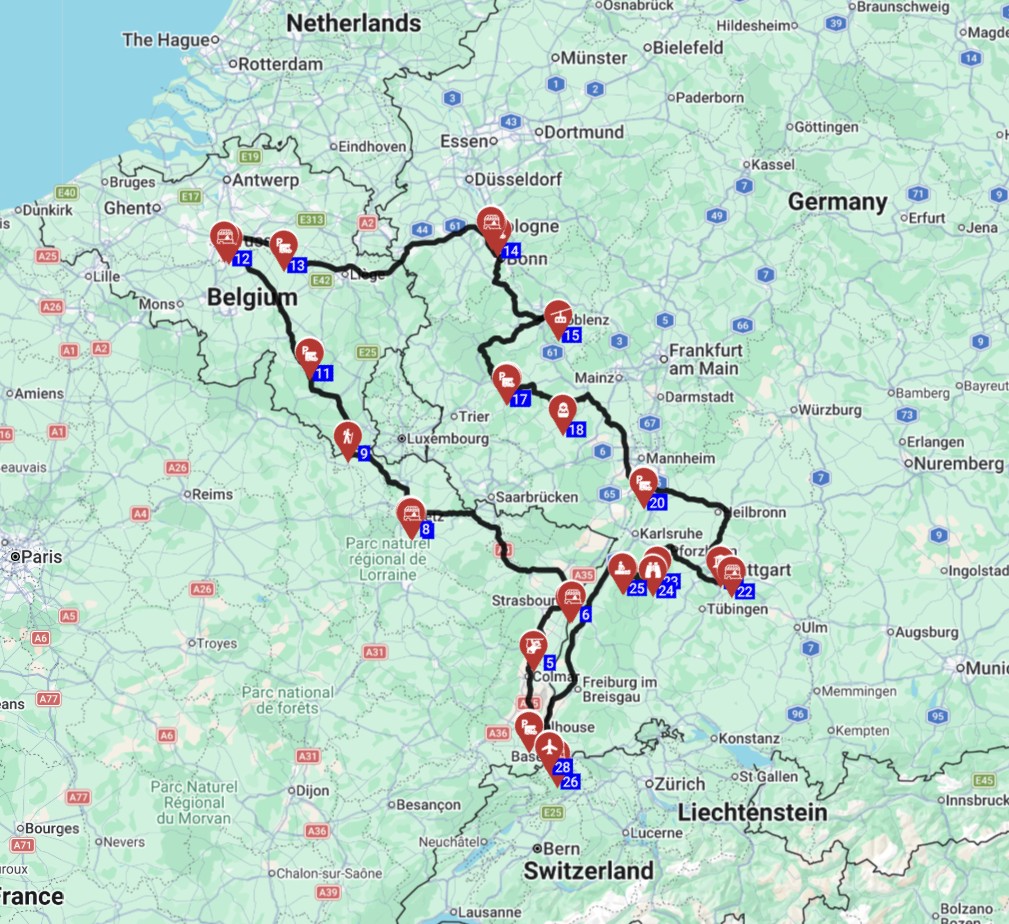
- Recommended RVPlan Trip for West Europe
- Must-See Stops Along the Way (Avi Bandana Picks)
- Daily Driving Distances & Drive Times in West Europe
- Best RV Class for This Itinerary — Couple & Family Picks
- What is the best RV for West Europe
- How much does it cost to RV in Europe for a month
- Is wild camping allowed in Europe RV
- Can I take my own RV to Europe
- Do you need a special license to drive an RV in Europe
- What is the best time of year to RV in Europe
- Is RVing in Europe difficult
- How many days do you need to RV around Europe
- Do you need to book campsites in Europe
- Is it safe to wild camp in West Europe
Embarking on your first motorhome adventure in West Europe is an exciting prospect, offering unparalleled freedom to explore vibrant cities, charming villages, and breathtaking landscapes at your own pace. At Bandana RV, we believe that discovering the joy of the open road should be easy and transparent from day one, which is why we’ve been helping tens of thousands of travelers since 2001. We partner with over 50 leading RV suppliers worldwide, including trusted names like Apollo and Britz, to ensure you have a vast selection of quality vehicles. Our commitment to full transparency means no hidden fees, ever—what you see is truly what you get.
For live availability and current prices, start with our RV Rental West Europe - Complete Guide 2026 guide. Whether you're looking for a swift week-long escape or an extended multi-country journey, West Europe provides an ideal playground for beginner RVers, blending convenience with captivating scenery.
Best West Europe RV Itinerary for rv rental beginners — Overview
A West Europe RV adventure for beginners typically covers around 1,000-2,000 km (600-1200 miles) over a recommended duration of at least 7 to 14 days, with the shoulder seasons (spring and early autumn) being ideal for pleasant weather and fewer crowds. This guide outlines routes through picturesque regions of France, Germany, and the Netherlands, focusing on manageable daily drives and diverse experiences. Imagine yourself waking up to the peaceful sounds of the countryside, with a freshly brewed coffee in hand, ready for a day of discovery. You'll enjoy a mix of scenic drives, charming towns, cultural sites, and natural beauty, ensuring a memorable first RV trip. The best seasons for a beginner trip are typically May-June and September-October for balanced weather, fewer tourists, and moderate prices on RV rentals and campsites.
We've meticulously crafted itineraries to ensure that even first-time renters feel confident and excited. Our team comprises true RV specialists who genuinely love helping people discover the magic of RV travel, not a travel agency side department. This deep expertise is reflected in our recommended routes and planning tools, designed to make your journey smooth and enjoyable.
7-Day Classic Route in West Europe
This 7-day classic RV route for West Europe offers a fantastic introduction to three diverse countries, with manageable daily drives averaging 100-260 km, perfect for beginners. Start your journey by picking up your rented motorhome in vibrant Amsterdam, a central and accessible hub for many of our partner suppliers. For a deeper dive into pricing and availability, check out "RV Rental in West Europe - Prices and Best Deals 2026".
- Day 1: Amsterdam, Netherlands → Utrecht, Netherlands (35 km / 22 mi)
Start your journey picking up your RV in Amsterdam. Drive slowly and carefully, and you can drive almost anywhere without issues. No need to stress - just use common sense and pay attention. Head to Utrecht, a charming city with canals and a medieval center. Explore the iconic Dom Tower and picturesque canals. Sleep: Citycamp Utrecht or a local Stellplatz. - Day 2: Utrecht, Netherlands → Bruges, Belgium (230 km / 143 mi)
Head south into Belgium to the fairy-tale city of Bruges. Wander cobbled streets, enjoy a tranquil canal cruise, and sample world-famous Belgian chocolates. Sleep: Camping Klein Strand or Camper Parking Bruges (Kanaaleiland). - Day 3: Bruges, Belgium → Luxembourg City, Luxembourg (280 km / 174 mi)
Travel to Luxembourg, a small but captivating country. Explore the historic Old Quarter, a UNESCO World Heritage site, and its impressive casemates. Sleep: Camping Kockelscheuer. - Day 4: Luxembourg City, Luxembourg → Trier, Germany (50 km / 31 mi)
Cross into Germany to Trier, the country's oldest city, boasting incredible Roman ruins like the Porta Nigra and Imperial Baths. Sleep: Knaus Campingpark Trier. - Day 5: Trier, Germany → Cochem, Germany (60 km / 37 mi)
Follow the picturesque Moselle River to Cochem, famous for Reichsburg Castle perched majestically above the town and its terraced vineyards. Sleep: Stellplatz Cochem (Am Moselufer). - Day 6: Cochem, Germany → Cologne, Germany (100 km / 62 mi)
Drive north to Cologne, home to the magnificent Cologne Cathedral, a vibrant art scene, and rich Roman history. Sleep: Reisemobilpark Köln. - Day 7: Cologne, Germany → Amsterdam, Netherlands (260 km / 162 mi)
Return to Amsterdam for your RV drop-off, making sure to allocate sufficient time for the drive and return procedures. This itinerary showcases how easy it is to traverse multiple countries with a comfortable rented campervan.
14-Day Extended Journey in West Europe
This 14-day extended RV journey offers a deeper immersion into the diverse cultures and landscapes of West Europe, averaging approximately 100-150 km per day for a relaxed and enjoyable pace. Imagine yourself lingering a little longer in each captivating spot, truly connecting with the culture, the food, and the scenery. For those interested in flexible drop-off locations, you can explore "One-Way RV Rental in West Europe - Price Guide 2026".
- Days 1-3: The Netherlands - Canals & Culture
Start in Amsterdam, explore its vibrant canals, world-class museums, and liberal culture. On Day 2, drive to Utrecht (35 km / 22 mi) for its medieval charm. Day 3, explore the iconic Kinderdijk Windmills (70 km / 43 mi) before heading to a campsite near The Hague (30 km / 19 mi) to enjoy the coastal vibe and city's international flair. - Days 4-6: Belgium - History & Gastronomy
Day 4: Drive to Bruges, Belgium (200 km / 124 mi), immersing yourself in its enchanting medieval streets. Day 5: Discover Ghent (50 km / 31 mi) and its impressive architecture. Day 6: Head to Brussels (60 km / 37 mi) for the Grand Place, Manneken Pis, and exquisite Belgian waffles and chocolates. - Days 7-9: Luxembourg & German Wine Routes - Castles & Roman Heritage
Day 7: Drive to Luxembourg City (220 km / 137 mi) for its dramatic cliff-top Old Town. Day 8: Cross into Germany to Trier (50 km / 31 mi) to explore its Roman ruins. Day 9: Follow the scenic Moselle River to Cochem (60 km / 37 mi), famous for its picturesque Reichsburg Castle and terraced vineyards. - Days 10-12: Germany - Rhine & Romantic Roads
Day 10: Drive along the Rhine Valley to Koblenz (50 km / 31 mi), where the Rhine and Moselle rivers meet, then continue to Rüdesheim (70 km / 43 mi) for wine tasting. Day 11: Explore the magnificent Rhine Gorge with its fairytale castles, perhaps taking a scenic ferry ride. Day 12: Head towards the Black Forest region, stopping in Heidelberg (120 km / 75 mi) for its iconic castle and vibrant university town atmosphere. - Days 13-14: Return to Base - Scenic Drives & Departure
Day 13: Enjoy a scenic drive through the northern Black Forest, perhaps stopping in Baden-Baden (60 km / 37 mi) for its thermal baths. Drive towards a major city for your departure, like Frankfurt (150 km / 93 mi) or back towards Amsterdam (450 km / 280 mi, a longer drive day or split with an overnight stop for drop-off). This route truly embodies the slow travel philosophy, allowing ample time for exploration.
Recommended RVPlan Trip for West Europe
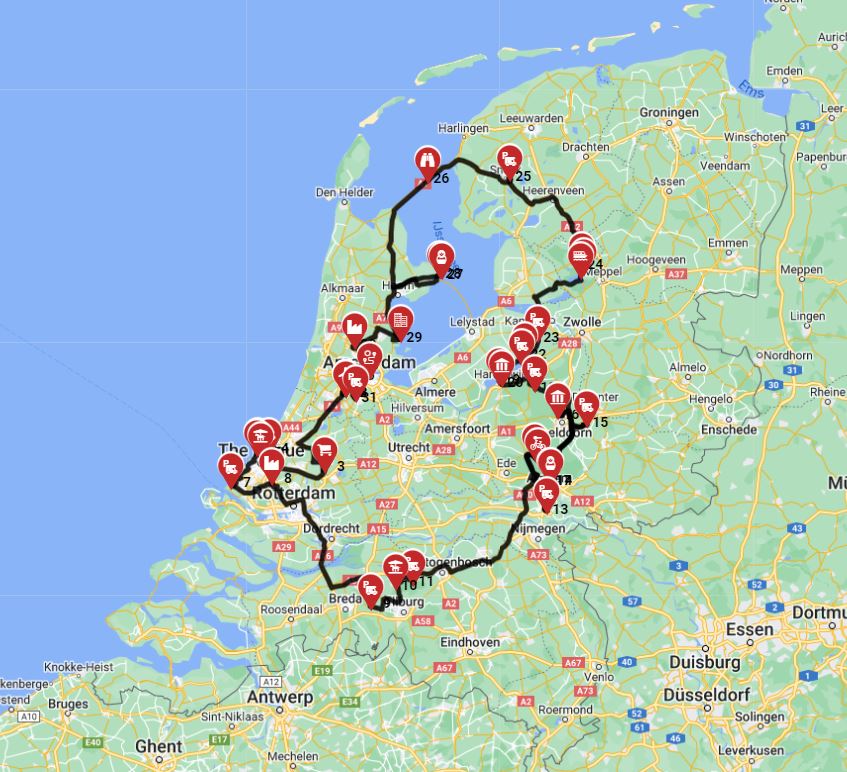
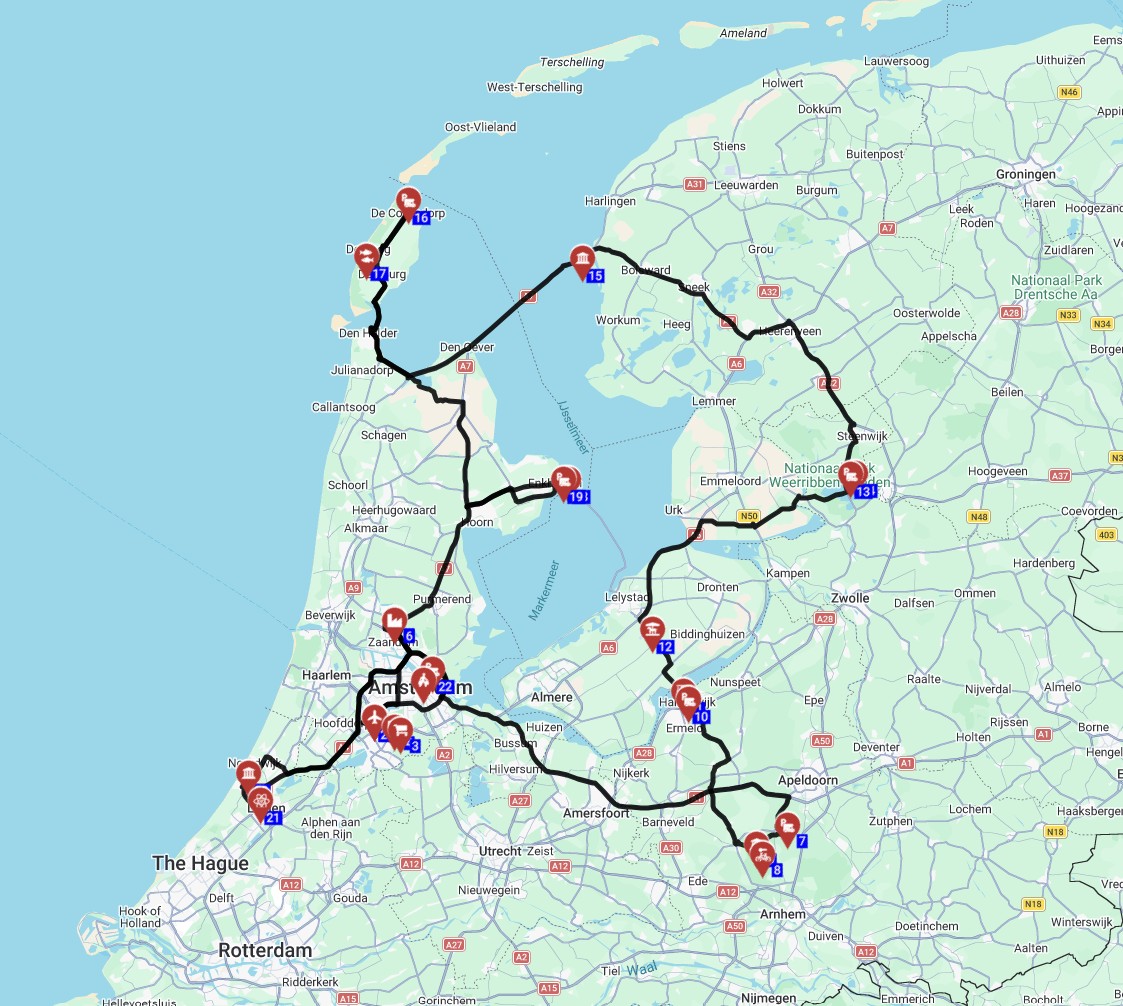
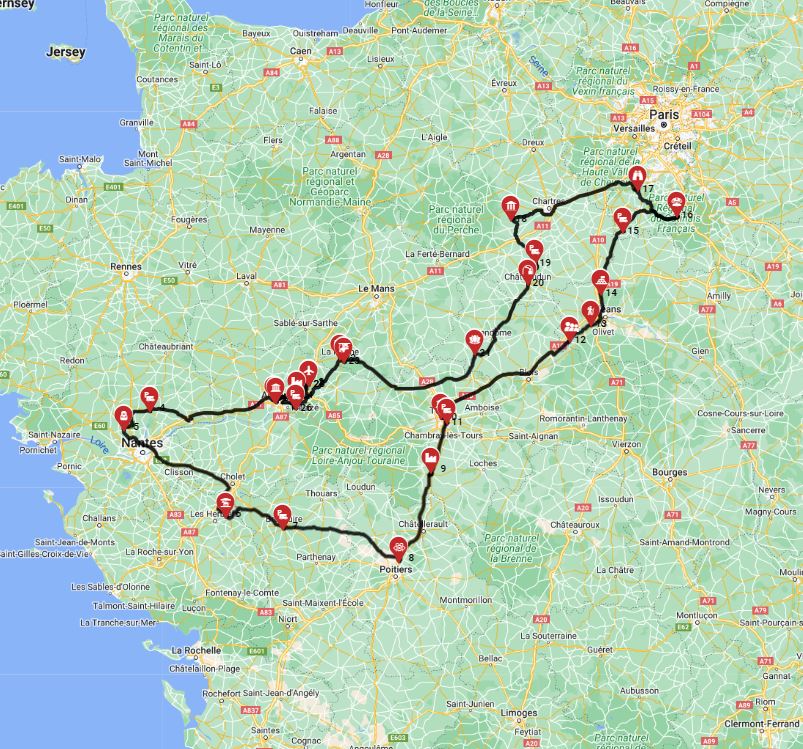
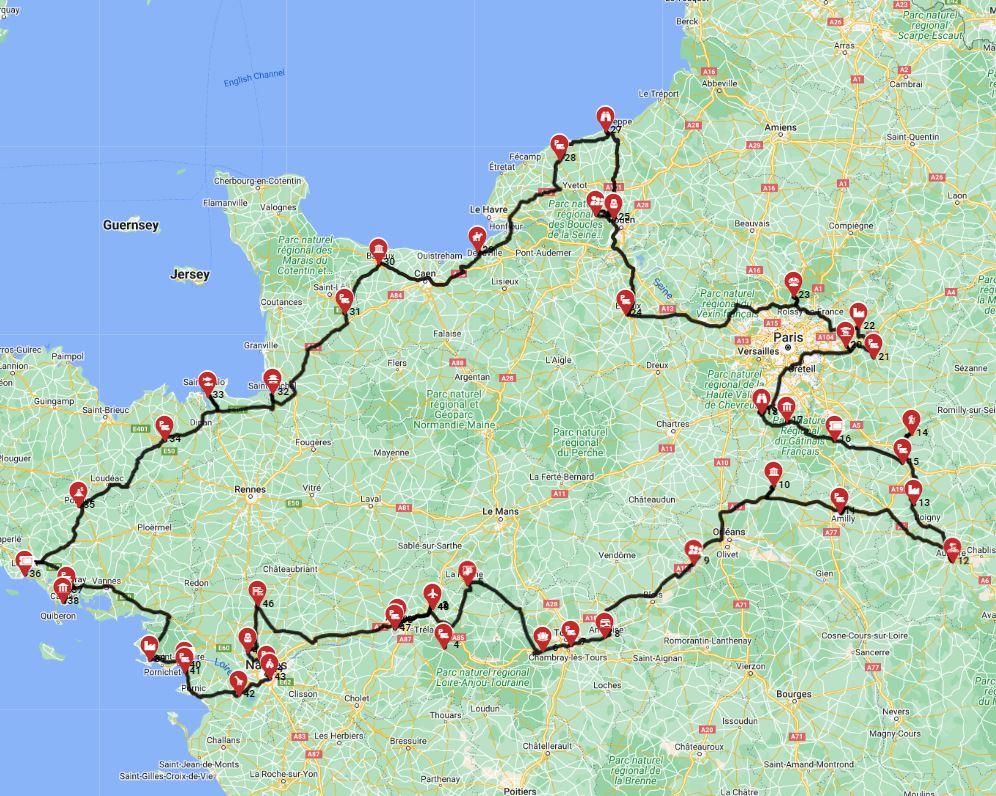
Bandana RV highly recommends exploring our curated RVPlan trips designed by travel experts specifically for West Europe. These professionally crafted routes offer ready-made itineraries, complete with detailed routes, recommended stops, and campsite suggestions, allowing you to seamlessly integrate your RV rental with a pre-planned adventure. Imagine having every detail thoughtfully organized for you, from scenic overlooks to charming towns. Users can browse a variety of options on rvplan.net, filtering by duration, region, and interest to find the perfect match for their West European RV experience. Plus, by utilizing RVPLAN.NET for your route planning, you'll receive a 25% planning discount, a fantastic reward for organizing your adventure in advance!
🎬 Video coming soon
Our Rent&Plan service takes the guesswork out of vacation planning. It provides full access to trip-planning software, removing the headache of planning for beginners. This service is a testament to our philosophy: we handle the details, you live the journey – with personal service from day one until your booking is confirmed.
Must-See Stops Along the Way (Avi Bandana Picks)
Avi Bandana’s personal picks for West Europe lean towards authentic experiences that blend cultural immersion with local flavors, moving beyond typical tourist traps. Embrace the chance to truly feel the place and connect to the local culture.
- Look for opportunities for traditional visits like exploring a local brewery in Bruges, visiting a cheese farm in the Netherlands, or enjoying a family-run vineyard tour along Germany's Moselle River. These stops offer a genuine taste of regional life.
- Seek out traditional restaurants that offer regional specialties; don't just stick to the main squares. For instance, savoring a rustic Alsatian winstub or a hearty German Gasthaus provides a deeper culinary experience. If you enjoy cooking your own meals in your campervan, remember to check out our RV-friendly recipes playlist for delicious ideas.
- Explore traditional market experiences in charming towns; these are fantastic places to pick up local produce, artisan crafts, and immerse yourself in daily life. From fresh bread to handcrafted souvenirs, markets offer a vibrant snapshot of the local community.
- Consider visiting a local industry site, such as a clog workshop in the Netherlands or a cuckoo clock maker in Germany's Black Forest, for unique insights and souvenirs that tell a story. These off-the-beaten-path gems make your journey truly special.
- Take a scenic drive through the Dordogne Valley in France, renowned for its prehistoric caves, medieval castles, and tranquil river vistas, offering a perfect blend of history and natural beauty.
Daily Driving Distances & Drive Times in West Europe
Avi Bandana recommends a maximum of 100 miles or 150 km per day on average to ensure a relaxed pace, allowing ample time to explore destinations without feeling rushed or fatigued. This "slow travel" approach, which we strongly advocate, enhances the RV experience, providing opportunities to discover hidden gems and truly soak in the local atmosphere rather than just rushing between major cities. Driving from Amsterdam to Bruges (approximately 250 km / 155 mi) can take around 3-4 hours, including short stops, but for beginners, it is ideally spread over two days to prevent overtiring.
A shorter drive, such as from Trier to Cochem (around 60 km / 37 mi), might only take 1 hour of actual driving, but offers a full day for scenic stops along the Moselle River and leisurely castle exploration. Factoring in navigation through smaller towns, finding parking, and inevitable stops for photos or coffee, daily drives should be kept intentionally short. Drive slowly and carefully, and you can drive almost anywhere without issues. No need to stress - just use common sense and pay attention. Remember, the journey is just as important as the destination when you're traveling with a rented RV.
Best RV Class for This Itinerary — Couple & Family Picks
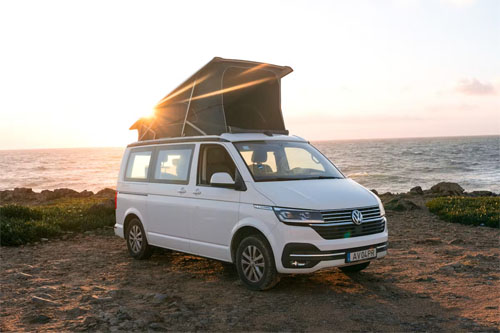
Choosing the right RV class significantly impacts your West Europe adventure, and Bandana Caravan offers a variety to suit every traveler. For couples, a Class B Campervan is often the ideal choice for exploring West Europe, offering excellent maneuverability on narrower European roads and easier parking in charming towns. These vehicles are generally more fuel-efficient and less intimidating for first-time RVers. For example, Bandana's fleet typically features Class B Campervans with an average length of 5.8 meters and sleeping places for 3.2, comfortably accommodating a couple with room to spare. These smaller motorhomes are agile and perfect for navigating historic city centers or winding country lanes.
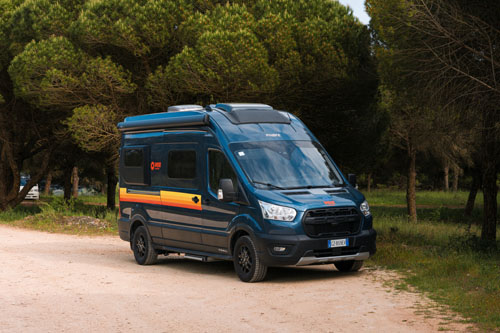
For families, a Class C Alcove RV provides more spacious living and sleeping arrangements, making it suitable for longer trips with children. The alcove over the cab offers an additional sleeping area, which kids often love. Bandana's fleet typically includes Class C Alcove RVs averaging 7.5 meters in length and accommodating 5.8 sleeping places, with space for 4.4 adults, making them a practical choice for a family of 3-4. While larger, these RVs still handle well on European highways. You can explore a variety of options, from a compact "rv rental denver example Category Van" to a more spacious "24' Class C Motorhome" with front air conditioning and a shower/toilet. We recommend checking our "RV Rental West Europe - Prices and Best Deals 2026" to compare different vehicle types and find one that suits your group size and budget. Remember, a standard car driver's license is sufficient for all motorhome classes, so you won't need any special permits for your rented motorhome.
What is the best RV for West Europe
The best RV for West Europe, especially for beginners, is typically a smaller, more maneuverable vehicle like a Class B Campervan or a compact Class SI - Semi-integrated motorhome, due to narrower roads, tighter parking, and city access considerations. While you can drive almost any size RV through cities by driving slowly and carefully, a smaller footprint can offer extra comfort. Class B Campervans, averaging 5.8 meters in length (based on Bandana's fleet and models like "Campervan for 2 - Automatic"), are excellent for couples, offering ease of driving and parking while providing essential amenities like a shower and toilet.
Class SI - Semi-integrated RVs, with an average length of 6.9 meters (e.g., "2 Berth Rover"), offer a good balance of comfort and agility, making them suitable for small families or couples seeking a bit more space without the bulk of larger models. These often include features like front air conditioning and TV. While larger Class C Alcove (like a "29′ Class C Motorhome" with 3 double beds) or Class A Integrated RVs (such as "rent rv example E3") offer more living space and amenities like a microwave, their increased length and width (averaging 7.5 meters for both in Bandana's fleet) can present challenges on historic European streets and in crowded tourist areas, making them less ideal for first-timers unless focusing on open road travel.
How much does it cost to RV in Europe for a month
RVing in West Europe for a month can range from €2,500 to €5,000+, depending heavily on the season, RV class, fuel consumption, campsite choices, and personal spending habits. Prices are dynamic like flight tickets, changing daily based on availability, seasonality, and supplier marketing decisions, with the final price set at actual booking time. For managing these expenses, remember that on RV PLANET routes, travelers can itemize and track every expense along the way for easy budgeting. On the routes offered through RV PLANET routes, you can itemize and track every expense along the way for easy budgeting.
- RV Rental Fees: Expect €1,200 - €3,000 per month for a smaller rented RV, varying significantly with peak season (summer being highest) and vehicle model. Off-peak travel in May or September can significantly reduce these costs. For luxury options, explore "Luxury RV Rental in West Europe - Premium Prices 2026".
- Fuel: With Bandana's Class SI or C RVs typically consuming 10-12 Liters/100 km, and fuel prices around €1.70 - €2.00/liter, driving 3,000 km will cost approximately €510 - €720.
- Campsites/Stellplätze: Budget €20-€45 per night for a full-service campsite (€600-€1350/month) or €10-€25 for a Stellplatz (€300-€750/month). A smart cost-saving strategy is to utilize legal wild camping (where permitted) or low-cost overnight parking options, particularly in countries with liberal rules.
- Food & Drink: Cooking most meals in your RV, buying local produce from vibrant markets, and limiting expensive restaurant visits can keep food costs to €400-€800 per month for two people, depending on your culinary preferences.
- Activities & Tolls: Allocate €200-€500 for attractions, activities, unavoidable road tolls (common in France and Italy), and occasional ferry crossings. Keep in mind that a rented campervan provides flexibility for cheaper sightseeing too.
- Cost-Saving Strategies: Cook your own meals, leverage free overnight parking where regulations allow, find free museums or walking tours, and travel during shoulder seasons to significantly reduce rental and campsite fees. We offer "RV Rental Deals in West Europe - Latest Offers 2026" for current discounts.
Is wild camping allowed in Europe RV
Wild camping with an RV in West Europe is generally restricted or illegal in many countries, but regulations vary significantly by country and even by region, making it crucial to research specific local laws before parking overnight. It's not a universal "yes" or "no" answer. Countries like Germany, France, and the Netherlands generally prohibit wild camping, but often permit overnight parking in designated spots. For instance, Germany has 'Stellplätze', France has 'Aires de Service', and other municipalities offer specific parking lots, provided your rented motorhome is self-contained and you don't set up a full camp (e.g., no awnings, tables, or chairs outside).
Portugal allows it in certain areas with restrictions, while Scandinavian countries (e.g., Norway, Sweden) generally have more liberal 'Right to Roam' laws that can extend to RVs, but even there, restrictions apply near houses or protected areas. Always look for signage, respect private property, and utilize apps like Campercontact or Park4Night for up-to-date information on legal and recommended overnight parking spots. We do not promise assistance in finding campsites during your rental; however, RV PLANET (rvplan.net) is a great resource for locating available spots along your route.
Can I take my own RV to Europe
Yes, you can take your own RV to Europe, but it involves significant planning regarding shipping, vehicle modifications, insurance, and understanding local driving regulations. This option is generally best suited for experienced RVers planning extended stays rather than typical week-long trips, as the initial investment and complexity are substantial compared to simply renting locally. The primary challenge is shipping your RV, which typically involves RoRo (Roll-on/Roll-off) or container shipping from major ports, costing several thousand euros and requiring careful logistical coordination. This process can take weeks or even months.
Your RV may need modifications for European road regulations, such as adjusting headlight beam patterns (if coming from a country with right-hand traffic and driving in a left-hand traffic country), specific reflectors, and potentially different electrical hookups (Europe uses 230V outlets). You'll also need comprehensive insurance valid for Europe, often requiring an international 'Green Card' from your insurer, and potentially supplemental European breakdown cover. Be prepared for potential import duties (if staying long-term) and the challenge of finding suitable maintenance and parts for a non-European model. For most vacationers, renting a campervan or motorhome directly through Bandana is a much simpler and more cost-effective solution.
Do you need a special license to drive an RV in Europe
In most West European countries, your standard driving license (Category B) is sufficient to drive RVs up to 3,500 kg Maximum Authorized Mass (MAM), which covers many smaller Class B campervans and Class SI - Semi-integrated vehicles. This is excellent news for first-time renters, as no special permits or commercial driver's licenses (CDL) are required for the vast majority of rental motorhomes. For RVs between 3,500 kg and 7,500 kg MAM (e.g., some larger Class C Alcove or Class A Integrated models), a Category C1 license is typically required, though these are less common in rental fleets specifically targeting beginners.
Drivers from non-EU/EEA countries should also obtain an International Driving Permit (IDP) alongside their national license. While not always mandatory, an IDP provides a translation of your license, which is often required by rental companies and highly recommended by local authorities for smooth travel and easier communication in case of an incident. Always verify the MAM of your chosen RV and confirm your license category eligibility before renting or driving, but rest assured that Bandana Caravan focuses on providing accessible options for all drivers 21 years and older, with no young driver surcharges on any vehicle class.
What is the best time of year to RV in Europe
The best time of year to RV in West Europe for beginners is typically during the shoulder seasons—late spring (May-June) and early autumn (September-October)—offering a perfect balance of pleasant weather, fewer crowds, and more moderate prices. These months provide comfortable temperatures for outdoor activities like hiking and sightseeing, and campsites are fully operational but less crowded than during peak summer. For instance, you'll find charming festivals and cultural events in cities like Amsterdam and Cologne, without the intense tourist rush.
Summer (July-August), while popular for sunny weather and long days, is peak tourist season, meaning significantly higher prices for rentals and campsites. Pre-booking is essential, and attractions can be very crowded, with potentially hot temperatures. Autumn (September-October) provides beautiful fall foliage, still-mild temperatures, especially in southern regions, and a significant drop in tourist numbers and prices, making it a wonderful time for a peaceful road trip. Winter (November-April) is generally not recommended for beginner RVers due to colder weather, many campsites closing, shorter daylight hours, and potential snow or ice, although specific regions may offer unique winter sports opportunities for experienced travelers. When planning your trip, consider our "RV Rental Deals in West Europe - Latest Offers 2026" for seasonal promotions.
Is RVing in Europe difficult
RVing in West Europe can present unique challenges compared to North America due to different infrastructure and driving customs, but it is ultimately a rewarding and manageable experience for beginners with proper planning and an adaptable mindset. Driving slowly and carefully, you can drive almost anywhere without issues. No need to stress - just use common sense and pay attention. Roads can be narrower, especially in historic towns and rural areas, and parking can be challenging in popular city centers. Many cities have Low Emission Zones (LEZ) or traffic restrictions for larger vehicles, which you should research in advance. Tolls are also common in countries like France and Italy, so factor these into your budget.
While English is widely spoken in tourist areas, having basic phrases in local languages (e.g., French, German, Dutch) and understanding local etiquette greatly enhances the experience and helps navigate smaller towns. Logistics like finding campsites or Stellplätze, understanding waste disposal rules, and adapting to different vehicle sizes and driving styles can require some adjustment. Always secure your rented RV, avoid leaving valuables visible, and research safe parking options in urban areas to deter petty crime. Practicing responsible waste disposal, minimizing water and electricity usage, shopping locally to support communities, and respecting natural environments and noise regulations are important sustainability practices to ensure your trip is enjoyable and respectful.
How many days do you need to RV around Europe
To comfortably RV around a significant portion of West Europe without feeling rushed, beginners should aim for a minimum of 7-10 days for a single country or a small regional loop, and ideally 2-4 weeks for a multi-country exploration. A 7-day itinerary (like our classic route) allows for a taste of 2-3 neighboring countries, focusing on key highlights with daily drives up to 150 km, ensuring you don't spend all your time on the road. For example, our "Weekly RV Rental in West Europe - Pricing 2026" options are perfect for such focused adventures.
A 14-day journey provides ample time to delve deeper into 3-5 countries, allowing for more relaxed exploration, cultural immersion, and flexibility for unexpected discoveries. This duration is ideal for blending sightseeing with leisurely days at scenic campsites. For a truly comprehensive multi-country tour, encompassing diverse regions and minimizing daily driving stress, 3-4 weeks is highly recommended. This longer period aligns perfectly with our recommendation of traveling slowly, max 100-150 km per day, to fully experience each place and connect with its unique charm. Remember, we handle the details, you live the journey, regardless of your chosen trip length.
Do you need to book campsites in Europe
Booking campsites in West Europe is highly recommended, and often essential, especially if you are traveling during peak season (July-August), visiting popular destinations, or arriving on weekends and public holidays. Many popular campsites, particularly those with desirable amenities like pools, restaurants, or prime locations (e.g., near beaches, national parks, or historic city centers), can be fully booked months in advance during summer. Planning ahead not only secures your spot but can also save you money, as early booking often unlocks better rates.
During off-peak seasons (shoulder months like May, June, September, October), you might find more availability for spontaneous arrivals, particularly in less touristy areas or smaller towns. However, even then, it's a good practice to call ahead or check online, especially if you're aiming for a specific campground. You'll find a spot. If not at the first campground, then the next one. Call ahead before driving. Utilize online booking platforms and campsite directories well ahead of your travel dates to secure your preferred spots and ensure a stress-free trip. For finding campsites and campgrounds during your trip, we recommend using RV PLANET (rvplan.net) - a great resource for locating available spots along your route.
Is it safe to wild camp in West Europe
The safety of wild camping in West Europe largely depends on the specific country, strict adherence to local laws, and common-sense precautions, as it is often illegal or discouraged in many West European nations. Prioritizing legal options like designated 'Stellplätze' (Germany), 'Aires de Service' (France), or official campsites is generally much safer and provides peace of mind, especially for beginners. Even where illegal, some RVers attempt to 'wild camp' discreetly, but this increases risks of fines or disturbances from authorities or locals.
When considering any overnight parking outside official sites, always choose well-lit, visible spots and avoid isolated or suspicious locations. Keep your rented motorhome doors locked and windows secured, just as you would with any vehicle. Be aware of petty crime, especially near popular tourist sites, and avoid displaying valuables. Ensure your RV is secured when left unattended. Have local emergency numbers handy, ensure your phone is charged, and have a basic understanding of roadside assistance procedures provided with your RV rental. Prioritize official campsites or designated motorhome parking areas for maximum security and peace of mind, especially as a beginner exploring West Europe. Remember, Bandana Caravan offers top-level deductible reimbursement, an optional upgrade you can purchase for extra peace of mind during your adventure.
What You Shouldn't Miss
- Explore the Canals of Amsterdam: Take a boat tour or cycle along the picturesque canals, experiencing the unique charm of this Dutch capital.
- Wander Through Medieval Bruges: Lose yourself in the cobblestone streets, admire the gothic architecture, and indulge in Belgian chocolates and waffles.
- Visit the Roman Ruins of Trier: Discover Germany's oldest city, home to impressive Roman gates, baths, and an amphitheater that transport you back in time.
- Cruise the Rhine Gorge: Take a scenic drive or river cruise along this UNESCO World Heritage site, dotted with fairytale castles and vineyards.
- Discover the Black Forest: Drive through dense pine forests, charming villages, and sample delicious Black Forest cake in southwestern Germany.
- Looking for expert insights from Avi Bandana? Top 5 Adventures - recommendations from Avi Bandana -
🎬 Video coming soon
Final Thoughts
A first-time RV adventure in West Europe is an incredible journey waiting to unfold, offering unparalleled freedom and the chance to create lasting memories. Whether you opt for a compact campervan or a spacious motorhome, the key is to embrace the philosophy of slow travel: take your time, savor each moment, and let the beauty of the region captivate you. With meticulous planning and the right vehicle, you're set for an unforgettable experience.
At Bandana RV, we're with you every step of the way, from comparing options to confirming your booking. Our commitment to full transparency and personalized support ensures that your first RV rental in West Europe is as seamless and enjoyable as possible. So, what are you waiting for? Your West European road trip awaits!
Discover top destinations, planning tips, all in one place! Plan a trip itinerary in advance with minimal effort and maximum enjoyment.
Compare Motorhome Prices for West Europe and embark on your journey today.