In This Guide
- Best Ireland RV Itinerary for rv rental beginners - Overview
- 7-Day Classic Route in Ireland
- 14-Day Extended Journey in Ireland
- Recommended RVPlan Trip for Ireland
- Must-See Stops Along the Way (Avi Bandana Picks)
- Daily Driving Distances & Drive Times in Ireland
- Best RV Class for This Itinerary - Couple & Family Picks
- What do I need to know before RVing in Ireland?
- How much does it cost to rent an RV in Ireland?
- Is RVing in Ireland difficult?
- Can you wild camp in Ireland in an RV?
- What is the best time of year to RV in Ireland?
- How long does it take to drive around Ireland in an RV?
- What are the rules for driving an RV in Ireland?
- What are the best places to visit in Ireland by RV?
- Do you need a special license to drive an RV in Ireland?
- What is the average fuel consumption for an RV in Ireland?
- Are there dump stations and water refill points for RVs in Ireland?
- Is it worth it to RV in Ireland?
- How do I find campsites in Ireland for my RV?
- Can I bring my dog in an RV rental in Ireland?
Best Ireland RV Itinerary for rv rental beginners - Overview
A beginner-friendly RV trip in Ireland typically involves a blend of iconic sights and scenic drives, often focusing on coastal routes like parts of the Wild Atlantic Way or the Causeway Coast to maximize picturesque experiences without extensive daily driving. An ideal beginner's itinerary often covers around 700-1000 km (430-620 miles) over a minimum recommended duration of 7 days, allowing for a relaxed pace. The best season for RV travel in Ireland is generally late spring (May-June) or early autumn (September), when the weather is milder, tourist crowds are smaller, and roads are less congested, ensuring a more comfortable and enjoyable exploration of the Emerald Isle.
Traveling in a rented motorhome offers unparalleled flexibility, letting you discover Ireland's magic at your own pace. With Bandana RV, you're choosing a true RV specialist, not a side department of a travel agency. We genuinely know RV travel and love helping people discover it, offering full transparency with no hidden fees and real people behind you with 24/7 support for pre-booking, booking, and post-booking coordination.
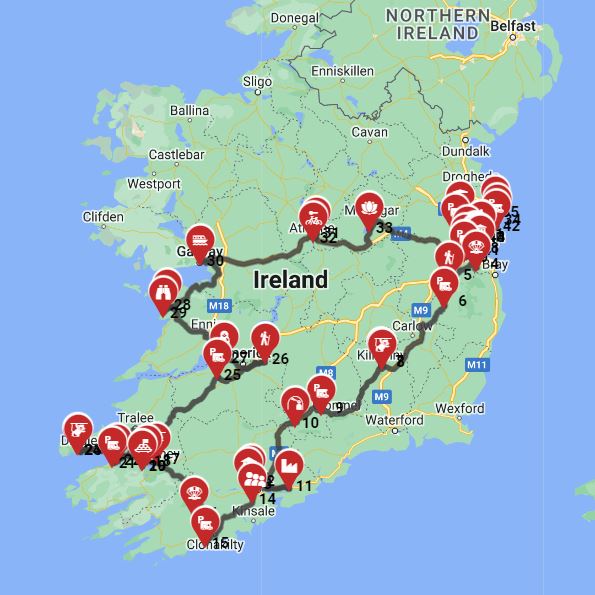
7-Day Classic Route in Ireland
This classic 7-day route in Ireland focuses on a manageable portion of the country, respecting Avi Bandana's recommendation of a maximum of 100 miles or 150 km per day to allow ample time for exploration and connection with local culture. This itinerary is designed to provide a taste of Ireland's highlights without feeling rushed, making it perfect for first-time RV renters in Ireland.
- Day 1: Dublin to Kilkenny (Approx. 125 km / 78 miles) - Begin your adventure from Dublin by picking up your rented RV. Drive to the medieval city of Kilkenny, where you can explore the impressive Kilkenny Castle and its charming medieval streets. Consider staying overnight at the Nore Valley Park Campsite, known for its family-friendly atmosphere.
- Day 2: Kilkenny to Cork (Approx. 130 km / 81 miles) - Head south to Cork, a vibrant city on the River Lee. Visit the historic English Market and the famous Blarney Castle for a chance to kiss the Blarney Stone. The Blarney Caravan & Camping Park offers a convenient overnight stop.
- Day 3: Cork to Killarney (Approx. 85 km / 53 miles) - Drive west into County Kerry, often called the gateway to the stunning Ring of Kerry. Explore Killarney National Park, Muckross House, and the beautiful Torc Waterfall. Fossa Beach Caravan & Camping Park is a great option for parking your motorhome rental.
- Day 4: Killarney to Dingle Peninsula (Approx. 60 km / 37 miles) - Embark on a breathtakingly scenic drive around the Dingle Peninsula, celebrated for its rugged beauty, ancient sites, and charming seaside towns. Dingle Peninsula Camping offers a perfect spot to pause and absorb the views.
- Day 5: Dingle Peninsula to Cliffs of Moher / Burren (Approx. 140 km / 87 miles) - Cross the Shannon Estuary, either by ferry (remember to check schedules in advance) or by driving north, to reach the dramatic Cliffs of Moher. Afterwards, explore the unique lunar-like landscape of the Burren. Nagles Camping & Caravan Park near Doolin provides an excellent base for the night.
- Day 6: Burren to Galway (Approx. 80 km / 50 miles) - Continue north to the lively Galway City. Immerse yourself in the vibrant Latin Quarter, enjoy traditional Irish music in its many pubs, and soak in the city's artistic atmosphere. Salthill Caravan Park is a popular choice for RV travelers.
- Day 7: Galway to Dublin (Approx. 210 km / 130 miles) - Head back towards Dublin for your RV drop-off, perhaps making a rewarding stop at the ancient monastic site of Clonmacnoise en route if time permits. This route offers a fantastic overview of Ireland for first-time RVers.
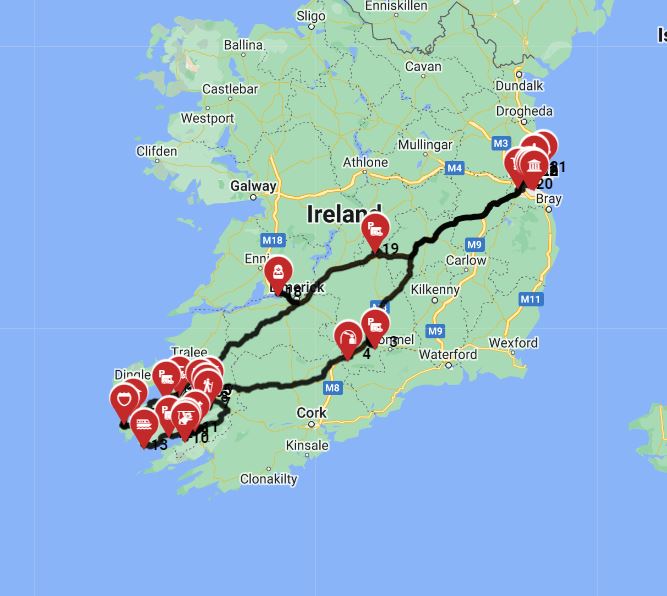
14-Day Extended Journey in Ireland
This 14-day itinerary expands upon the classic route, allowing for deeper exploration of regions like the Wild Atlantic Way and even parts of Northern Ireland, while adhering to Avi Bandana's recommendation of a maximum of 100 miles or 150 km per day. This extended plan provides more time for cultural immersion and enjoying the food and scenery without feeling rushed.
Days 1-3: Dublin & East Coast
- Day 1: Dublin Arrival & Exploration - Pick up your rented campervan in Dublin. Spend the day exploring the city's main attractions, such as Trinity College, the Guinness Storehouse, or St. Patrick's Cathedral. Overnight at Camac Valley Caravan & Camping Park.
- Day 2: Dublin to Wicklow Mountains (Approx. 50 km / 31 miles) - Drive south to the 'Garden of Ireland,' the beautiful Wicklow Mountains. Explore the ancient monastic site of Glendalough and enjoy scenic drives through the valleys. Roundwood Caravan & Camping Park is a great stop for the night.
- Day 3: Wicklow to Kilkenny (Approx. 100 km / 62 miles) - Head inland to medieval Kilkenny. Explore its iconic castle, St. Canice's Cathedral, and enjoy the city's vibrant crafts and culinary scene. Nore Valley Park Campsite offers good facilities for your motorhome rental.
Days 4-7: Southern Charm & Ring of Kerry
- Day 4: Kilkenny to Cork (Approx. 130 km / 81 miles) - Drive to Cork, visiting the English Market for local produce and perhaps Blarney Castle. Blarney Caravan & Camping Park is a practical option for an overnight stay.
- Day 5: Cork to Killarney (Approx. 85 km / 53 miles) - Journey to Killarney, the picturesque gateway to the Ring of Kerry. Dedicate time to Killarney National Park, with its stunning lakes and woodlands. Fossa Beach Caravan & Camping Park is well-located.
- Day 6: Ring of Kerry Scenic Drive (Approx. 170 km / 106 miles - longer day) - Dedicate a full day to the breathtaking Ring of Kerry. Drive slowly, taking time for numerous stops at scenic viewpoints, charming villages, and perhaps a seaside lunch. Glenross Caravan & Camping Park makes for a comfortable stop.
- Day 7: Killarney to Dingle Peninsula (Approx. 60 km / 37 miles) - Experience the rugged beauty of the Dingle Peninsula, known for its rich Gaelic culture, stunning coastlines, and resident dolphin, Fungie (though his appearances are less frequent now). Dingle Peninsula Camping offers a serene setting.
Recommended RVPlan Trip for Ireland
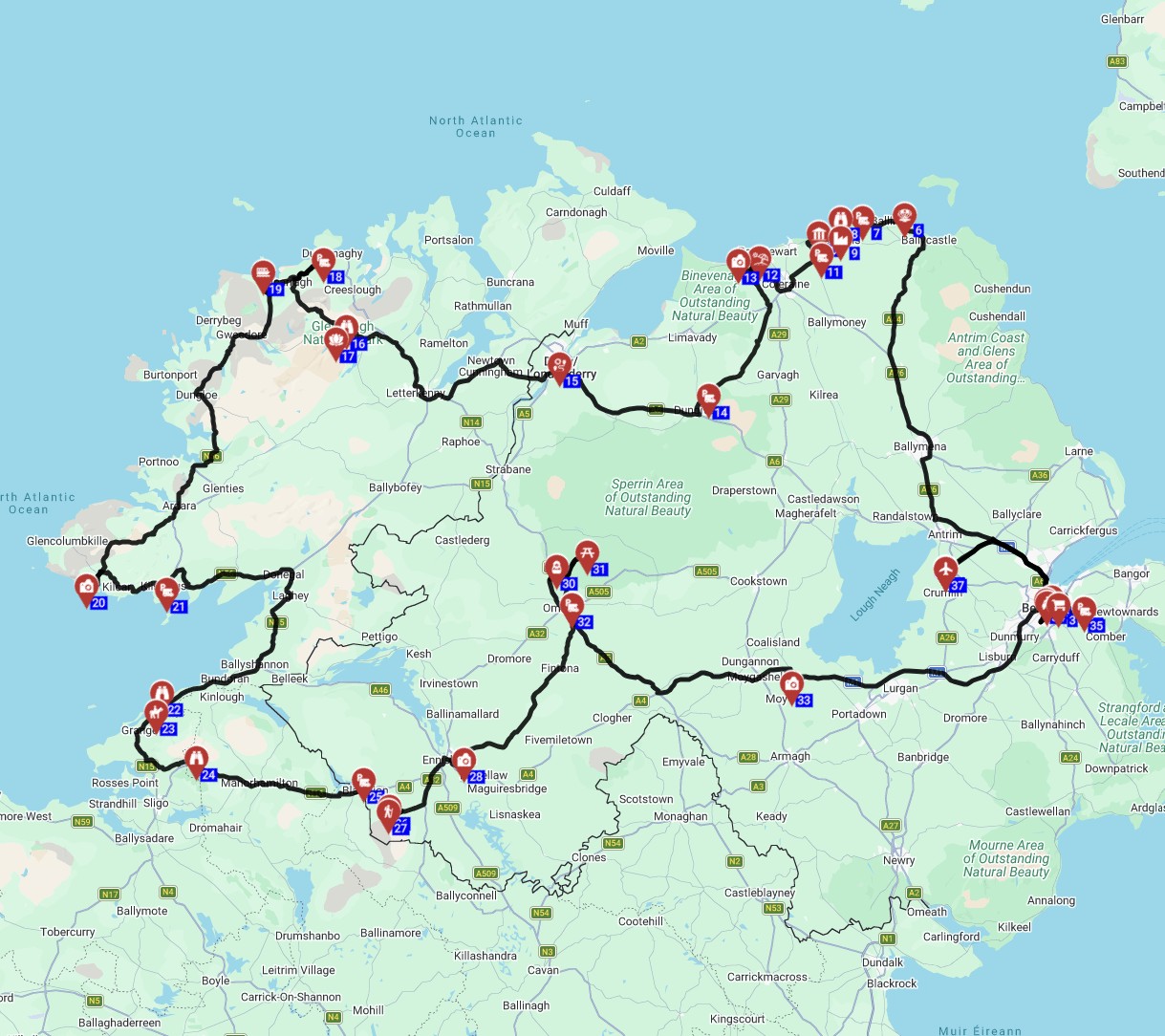
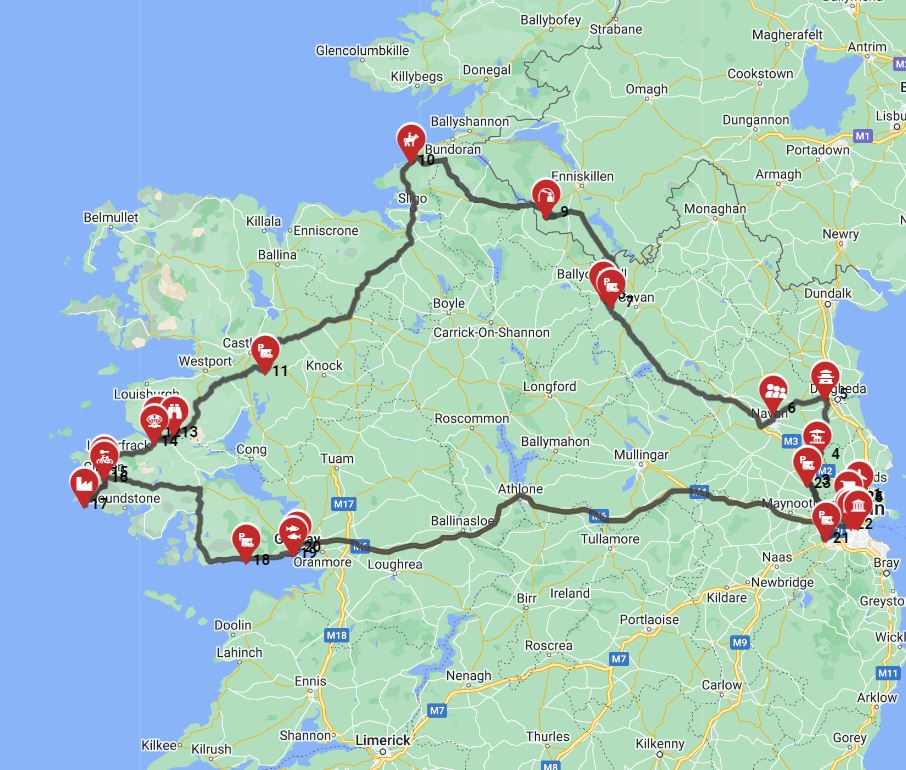
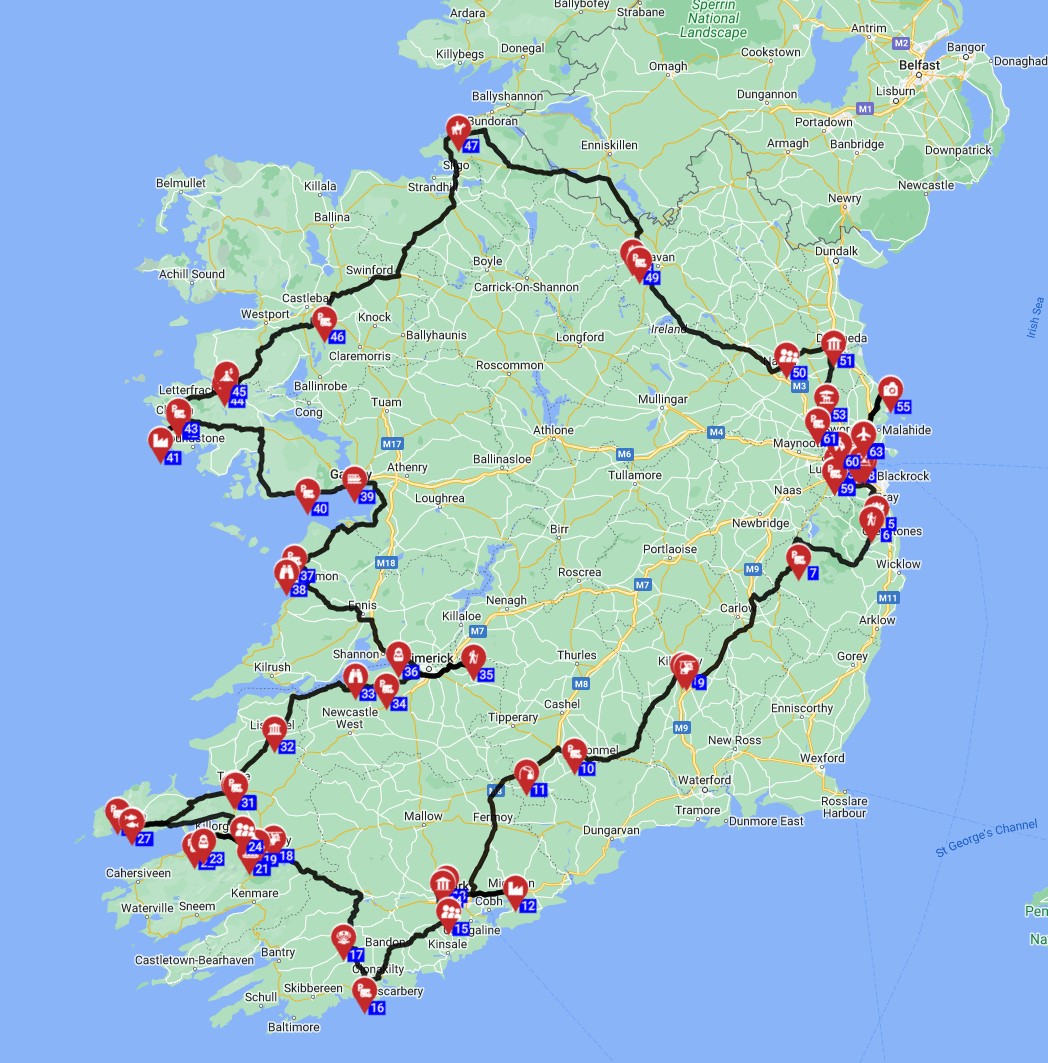
For those seeking a pre-planned route that balances family-friendly attractions with scenic drives, the '

Must-See Stops Along the Way (Avi Bandana Picks)
Avi Bandana's personal picks for an authentic Irish experience go beyond standard tourist traps, focusing on cultural immersion and local engagement, as highlighted by the extensive data and local insights gathered for RV PLANET routes. To truly connect with the heart of Ireland, consider these suggestions for your rented RV journey.
- Local Industry Exploration: Seek out local industries, such as a traditional Irish whiskey distillery or a craft brewery. These experiences offer genuine insight into Ireland's heritage, provide opportunities to connect with local producers, and, of course, taste some local flavor. For instance, the RV PLANET trip 'Belfast Round Trip' includes a 'Local Industry' stop, suggesting a visit to a local producer or craft workshop, encouraging a deeper understanding of the region's economy and traditions. You might even discover some unique ingredients for your RV-friendly recipes playlist!
- Traditional Visits: Engage in 'Traditional Visits' to sites that offer a genuine slice of Irish life or history, moving beyond the most crowded attractions. This could be a small folk museum in a quaint village, a heritage farm demonstrating ancient farming techniques, or even a local community event like a céilí (traditional dance gathering). The RV PLANET 'Belfast Round Trip' also features a 'Traditional Visit,' emphasizing cultural authenticity and allowing you to feel the true pulse of Ireland. Remember, these experiences often provide the richest memories and a chance to meet friendly locals.
Daily Driving Distances & Drive Times in Ireland
Avi Bandana recommends a maximum of 100 miles or 150 km per day on average when RVing in Ireland to allow ample time for exploration and to account for varying road conditions. This slower pace is crucial for beginners, as it enables you to savor the stunning scenery and navigate the roads comfortably. Traveling slowly is key to truly enjoying Ireland's scenic routes, especially the narrow, winding country roads and single-track lanes common in rural areas, where you’ll frequently encounter charming villages and unexpected viewpoints.
Expect average speeds to be lower than in many other countries due to road types, meaning a relatively short distance can take longer to cover than anticipated. No need to stress - just use common sense and pay attention. For instance, while driving a rented motorhome:
- Dublin to Galway (approx. 200 km / 124 miles): While seemingly short, this drive can take 2.5 to 3.5 hours, depending on traffic, road works, and the route taken, often longer if you stop to enjoy the scenery.
- Killarney to Dingle (approx. 60 km / 37 miles): This scenic drive, often on winding roads with frequent passing places, could easily take 1.5 to 2 hours with stops for photos and enjoying the views, underscoring the "slow travel" philosophy.
- Cliffs of Moher to Galway (approx. 80 km / 50 miles): Allow at least 1.5 to 2 hours, especially when navigating through small towns or along coastal routes, where the scenery demands a leisurely pace.
Best RV Class for This Itinerary - Couple & Family Picks
Choosing the right RV size is crucial for navigating Ireland's unique road infrastructure, which includes narrow country lanes and often tight parking spaces in towns and campsites, ensuring a comfortable and enjoyable journey for beginners. Bandana RV offers only motorhomes and campervans, ensuring you have the perfect mobile home for your Irish adventure.
For Couples: Class B - Camper Van
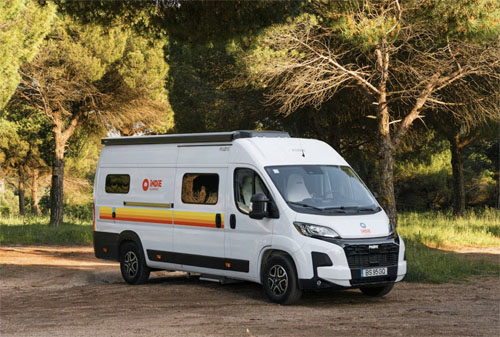
The Class B - Camper Van is an excellent choice for couples or solo travelers due to its compact size and superior maneuverability, making it ideal for Ireland's smaller roads and charming villages. Bandana's global fleet of Class B vans typically averages 5.8 meters in length, offering an average of 3.2 sleeping places and comfortable accommodation for around 2.7 adults, providing ample personal space without being cumbersome. Its smaller footprint significantly eases navigation in towns, parking at attractions, and utilizing passing places on single-track roads, enhancing the overall travel experience for beginners. Imagine easily pulling over for a spontaneous photo op of a sheep flock! We handle the details, you live the journey, ensuring a seamless experience from day one.
For Families: Class C - Alcove
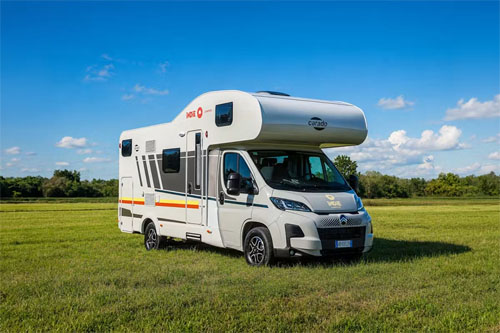
For families, the Class C - Alcove motorhome offers a good balance of space, comfort, and manageability for an RV adventure in Ireland. These vehicles in Bandana's global fleet typically average 7.5 meters in length, providing an average of 5.8 sleeping places and comfortable accommodation for about 4.4 adults, with the distinctive over-cab sleeping area that is particularly popular with children. While larger than a campervan, Class C models still provide a comfortable driving experience on main Irish roads while offering necessary living and sleeping space for a family, ensuring everyone has room to relax after a day of exploring. Drive slowly and carefully, and you can drive almost anywhere without issues. No need to stress - just use common sense and pay attention. To remove the planning headache entirely, Bandana's 'Rent&Plan' service combines your RV rental with a ready-made itinerary crafted by travel experts, offering full access to trip-planning software for a seamless and stress-free adventure.
What do I need to know before RVing in Ireland?
Before RVing in Ireland, it's essential to understand specific road rules, prepare a comprehensive packing list for unpredictable weather, and arrange for necessary documents and insurance to ensure a smooth journey. Bandana RV operates with full transparency, ensuring no hidden fees or surprises throughout your booking process.
Pre-Trip Planning Checklist:
- Documents: Ensure you have a valid driver's license. While a standard car license is sufficient for most rental motorhomes under 3,500 kg MAM, an International Driving Permit (IDP) is recommended for visitors from non-English-speaking countries (though not mandatory in most cases). Also, bring your passport, visa (if applicable), and copies of your RV rental agreement and insurance details.
- Insurance Specifics: Verify your rental insurance coverage, including roadside assistance, directly with your supplier. Consider upgrading to a top-level deductible reimbursement option for extra peace of mind, allowing you to travel with confidence. Always review what's included and what can be added for comprehensive protection.
- Packing Essentials: Ireland's weather is famously unpredictable and can change rapidly, often within a single day. Pack layers of clothing, durable waterproof outer gear (jacket and trousers are highly recommended), and sturdy waterproof walking shoes. Include a mix of warm and lighter clothing options. Don't forget adapters for electrical devices and a portable power bank for on-the-go charging.
- Driving Side: Remember Ireland drives on the left-hand side of the road, which can be a significant adjustment for international tourists accustomed to driving on the right. Take your time, practice in quiet areas if possible, and pay extra attention, especially at roundabouts and when turning.
- Currency: The Republic of Ireland uses the Euro (€); Northern Ireland uses the British Pound (£). It's wise to carry some cash for smaller purchases or remote areas, though card payments are widely accepted.
🎬 Video coming soon
How much does it cost to rent an RV in Ireland?
The cost to rent an RV in Ireland varies significantly based on factors such as the motorhome's size, rental duration, season, and the specific rental company, with daily rates typically ranging from €80 to €250+ for a standard Class C model. Remember, prices are dynamic, similar to flight tickets, changing daily based on availability, seasonality, and supplier marketing decisions, so the final price is set at the actual booking time.
Detailed Budget Breakdown for an RV rental in Ireland:
- Rental Costs: Expect to pay more during peak season (June-August) for larger, more luxurious models or a Class A motorhome. Shoulder seasons (April-May, September-October) often offer better value and fewer crowds. Booking 3-6 months in advance generally secures better rates.
- Fuel: Fuel is a significant ancillary cost in Ireland. Bandana's fleet, for example, typically consumes around 8-10 Liters/100 km for a Class B Camper Van and 10-12 Liters/100 km for a Class C Alcove. Factor in current fuel prices, which can be higher than in some other countries, especially in remote areas.
- Campsite Fees: Budget €25-€50 per night for a serviced pitch at a caravan park, which typically includes electricity hookup, fresh water, and waste disposal facilities. Prices can vary based on location, amenities, and season.
- Attractions: Entry fees for popular attractions like Blarney Castle (€20-€25 per adult) or the Cliffs of Moher (€8-€12 per adult) can add up. Look into heritage cards or multi-attraction passes if you plan to visit many sites.
- Food & Drink: Cooking in your rented RV saves money compared to eating out for every meal. Budget for groceries from local supermarkets and markets. However, enjoying a traditional pub meal or a full Irish breakfast will certainly add to the experience and should be factored into your costs.
- Hidden Fees: Always read your rental agreement carefully for potential additional costs such as mileage limits, extra driver fees, cleaning fees, security deposits, and one-way rental charges (which can be €100-€500 depending on distance). Bandana RV prides itself on full transparency, ensuring no hidden fees, no surprises. For easy budgeting and tracking every expense along your journey, use the RV PLANET routes planning tool, where you can itemize and manage all your trip costs.
Is RVing in Ireland difficult?
RVing in Ireland presents unique challenges, primarily due to the country's narrow, winding roads and the necessity of driving on the left, but with careful planning and cautious driving, it is a rewarding and manageable experience for beginners. Drive slowly and carefully, and you can drive almost anywhere without issues. No need to stress - just use common sense and pay attention.
Navigating Ireland's Unique Road Challenges:
- Narrow Single-Track Roads: Many scenic routes, especially in the west and along coastal areas, feature single-track roads with designated 'passing places.' Always be prepared to pull over safely to allow oncoming traffic or faster vehicles to pass. This requires patience and anticipation, but it's part of the authentic Irish driving experience.
- Left-Hand Driving Adaptation: For international tourists accustomed to driving on the right, adapting to left-hand driving can be challenging initially. Take your time, practice in quiet areas if possible (like large car parks), and always remember to keep left, especially when turning at junctions and roundabouts.
- Local Road Etiquette: Irish drivers are generally courteous and understanding of tourists navigating unfamiliar roads. A quick flash of headlights or a raised hand often signifies a 'go ahead' or 'thank you.' Be particularly mindful of farm vehicles, cyclists, pedestrians, and livestock (especially sheep!) on rural roads.
- Finding the Right RV Size: Choosing a smaller RV, like a Class B Camper Van (averaging 5.8m in length) or a compact Class SI Semi-integrated motorhome (averaging 6.9m), can significantly ease navigation and parking on Ireland's roads. Larger Class C motorhomes are also entirely manageable, just require a bit more awareness.
While the roads might be different from what you're used to, the freedom to explore Ireland's stunning beauty at your own pace from the comfort of your rented motorhome makes any initial driving jitters entirely worth it. Bandana RV offers 24/7 support for pre-booking comparison, booking assistance, and post-booking coordination, ensuring you feel confident before and during your journey.
Can you wild camp in Ireland in an RV?
While true 'wild camping' in a rented RV is generally not legally permitted in the Republic of Ireland without explicit landowner permission, 'staying overnight' in discreet, non-residential locations is often tolerated if done responsibly and respectfully. In Northern Ireland, rules can be stricter, so formal campsites are generally recommended. For finding campsites and campgrounds during your trip, we recommend using RV PLANET (rvplan.net) - a great resource for locating available spots along your route.
Nuances of Wild Camping vs. 'Staying Overnight':
- Legality and Ethics: Unlike some other countries, Ireland does not have a comprehensive 'right to roam' that extends to wild camping with motorized vehicles on private land or in most national parks without permission. Respect private property and local regulations at all times.
- Best Practices for 'Staying Overnight': When seeking a discreet spot, look for quiet lay-bys away from residential homes, large church car parks (if not explicitly prohibited and used respectfully), or public car parks that don't have clear 'no overnight parking' signs. The key is to arrive late and leave early, leaving absolutely no trace behind.
- Finding Discreet Spots: Utilize RV-specific apps like Park4Night or Campercontact, which often show user-submitted locations that are known to be quiet and generally acceptable for an overnight stop. Always prioritize safety and respect local communities.
- Leave No Trace: This is absolutely critical. Take all rubbish with you, do not discharge grey or black water anywhere other than a designated dump station, and leave the spot exactly as you found it. Be self-sufficient with your water and waste disposal.
- Avoidance: Steer clear of private driveways, sensitive ecological areas, and clearly marked 'no overnight parking' zones, especially if they are frequently patrolled. When in doubt, always opt for a formal campsite to avoid potential issues.
What is the best time of year to RV in Ireland?
The best time of year to RV in Ireland is typically during the shoulder seasons of late spring (May-June) and early autumn (September), when the weather is generally mild, and tourist numbers are significantly lower than in peak summer. This period offers a pleasant balance of good weather and fewer crowds, enhancing the overall RV travel experience in Ireland.
- May and June: These months offer longer daylight hours, allowing more time for exploration, and the landscapes are often in full bloom with vibrant greens and wildflowers. The weather is relatively dry, and temperatures are comfortable for outdoor activities, making it ideal for scenic drives and exploring historical sites by rented motorhome.
- July and August: While these are the warmest months, they are also the busiest, with the highest prices for RV rentals and campsites, and the most crowded attractions. If you travel during these months, planning and booking campsites well in advance are essential.
- September: Provides pleasant temperatures, beautiful autumn foliage, and noticeably fewer crowds after the summer holidays. Daylight hours begin to shorten, but there's still plenty of time to enjoy the scenery. This is a fantastic time for a Family RV Rental in Ireland - Pricing Guide 2024 trip.
- Winter (October-April): While some dedicated RVers enjoy the quiet solitude of Ireland in winter, many campsites close or offer limited services, and the weather can be cold, wet, and very windy. This period is generally less ideal for beginners due to harsher conditions and reduced amenities.
How long does it take to drive around Ireland in an RV?
To comfortably drive around a significant portion of Ireland in a rented RV, allowing for stops and enjoying the scenery at a relaxed pace, Avi Bandana recommends a minimum of 7 days for a classic route, with 10 to 14 days being ideal for a more comprehensive exploration. The charm of Ireland lies in its winding roads and countless stopping points, so slow travel is highly encouraged.
- A 7-day itinerary typically allows you to focus on one region, such as the southwest (including the Ring of Kerry and Dingle Peninsula) or a loop that includes parts of the Wild Atlantic Way, covering around 700-900 km (430-560 miles). This duration is perfect for a week-long RV driving tour in Ireland 2024.
- A 10 to 14-day journey provides ample time to explore both the Republic of Ireland and parts of Northern Ireland, including major scenic routes like the Causeway Coast, covering approximately 1500-2000 km (930-1240 miles) at a relaxed pace. This allows for deeper cultural immersion and more spontaneous stops.
- Given the slower average driving speeds on Irish roads and the desire to stop frequently for photos, local interactions, and meals, factor in 1.5-2 times the estimated non-stop driving time for any given route. Rushing through Ireland means missing out on its true essence.
Bandana RV encourages you to travel slowly - max 100-150 km per day on average. Take time to feel the place, connect to the culture, the food, and the scenery. This approach will maximize your enjoyment of your rented motorhome adventure in Ireland.
What are the rules for driving an RV in Ireland?
Driving a rented RV in Ireland requires adherence to standard Irish road rules, with particular attention to left-hand driving, speed limits, and understanding local road etiquette, especially on narrower routes. Familiarizing yourself with these rules ensures a safe and enjoyable journey across the Emerald Isle.
Key Driving Rules and Road Etiquette:
- Left-Hand Driving: Always drive on the left side of the road. Overtake on the right. This is the most crucial rule for international visitors.
- Speed Limits: Posted in kilometers per hour (km/h). Generally: 50 km/h (31 mph) in urban areas, 80 km/h (50 mph) on regional roads, 100 km/h (62 mph) on national roads, and 120 km/h (75 mph) on motorways. RVs may have lower specific limits on some roads - always check local signage.
- Seatbelts: All occupants of your rented motorhome must wear seatbelts when the vehicle is in motion, both in the front and rear.
- Alcohol Limits: Ireland has strict drink-driving laws. The legal limit is 50 milligrams of alcohol per 100ml of blood for experienced drivers (20 milligrams for learner/novice drivers). It is always safest to consume no alcohol if you plan to drive.
- Mobile Phones: It is illegal to use a hand-held mobile phone while driving. Hands-free devices are permitted.
- Passing Places: On single-track roads common in rural and coastal areas, use designated passing places to allow oncoming traffic or faster vehicles to pass safely. The vehicle closest to a passing place should usually pull in.
- Road Signs: Familiarize yourself with Irish road signs, especially those indicating narrow roads, sharp bends, and upcoming towns. Distances are in kilometers.
- Emergency Preparedness: Always carry your vehicle documents (rental agreement, insurance), a high-visibility vest (required by law in some European countries if you break down), and a warning triangle in your rented campervan. Know your rental company's breakdown assistance number. In an emergency, dial 112 or 999 for police, fire, or ambulance services.
What are the best places to visit in Ireland by RV?
Ireland offers a wealth of stunning destinations perfect for RV travel, with highlights including the dramatic Wild Atlantic Way, the historic East Coast, and the cultural richness of the midlands and Northern Ireland. The flexibility of a rented RV allows you to explore these iconic spots and discover hidden gems at your leisure, making it ideal for a first-time RV itinerary in Ireland.
Iconic Destinations:
- The Wild Atlantic Way: This spectacular 2,500 km (1,550 miles) coastal route stretches from Donegal in the north to Cork in the south, offering breathtaking cliffs, rugged beaches, and charming seaside towns. Key stops include the Cliffs of Moher, the Ring of Kerry, and the Dingle Peninsula. It's perfectly suited for leisurely RV exploration, allowing you to stop frequently and soak in the views.
- Causeway Coast (Northern Ireland): Venture into Northern Ireland to experience the iconic Causeway Coast, home to the geological wonder of the Giant's Causeway, the thrilling Carrick-a-Rede Rope Bridge, and numerous Game of Thrones filming locations. The 'Belfast Round Trip' RV PLANET trip specifically highlights this region.
- Killarney National Park: Located in County Kerry, this park features the magnificent Muckross House, the thundering Torc Waterfall, and picturesque lakes, ideal for hiking, cycling, and scenic drives. Numerous RV-friendly campsites are available nearby.
- Dublin & East Coast: While Dublin itself is best explored on foot or public transport, the surrounding East Coast offers historical sites easily accessible by RV, such as the ancient monastic site of Glendalough in the Wicklow Mountains or the early Christian settlement of Clonmacnoise in County Offaly.
Off-the-Beaten-Path Destinations and Experiences:
- Beara Peninsula (County Cork/Kerry): A less crowded but equally stunning alternative to the Ring of Kerry, offering dramatic coastal scenery, colorful villages, and winding roads that are a joy to navigate in a smaller RV rental.
- Donegal's Slieve League Cliffs: Taller than the Cliffs of Moher but far less touristy, these cliffs provide a truly wild, remote, and awe-inspiring experience for those willing to venture further north.
- The Burren (County Clare): A unique, lunar-like limestone karst landscape with ancient tombs, rare flora, and a rich archaeological heritage. It offers fantastic hiking opportunities and a serene escape.
- Cultural Immersion: To truly connect to the culture, seek out traditional music (known as 'craic and ceol') sessions in local pubs, especially in towns like Doolin, Dingle, or Galway. Visit local farmers' markets for authentic Irish produce and engage with locals at smaller, family-run campsites or community events to experience genuine Irish hospitality. This is a great way to discover new ingredients for your RV-friendly recipes playlist!
Do you need a special license to drive an RV in Ireland?
Most standard RVs available for rental in Ireland, including all Class A, Class B, and Class C motorhomes and campervans, can be driven with a regular Category B (car) driving license, provided the vehicle's Maximum Authorised Mass (MAM) does not exceed 3,500 kg (3.5 tonnes). This is excellent news for first-time RV renters, as it removes a potential barrier to entry.
- For larger motorhomes (those over 3,500 kg MAM) or if you plan to tow a trailer (which is generally not offered with Bandana RV rentals), you may require a higher license category, such as Category C1 or C. However, the vast majority of rental units fall within the standard Category B limit.
- Always confirm the MAM of your chosen RV with the rental company and carefully check the specific entitlements on your driver's license, especially if you obtained your license outside of the EU/EEA.
- Non-EU/EEA license holders may need an International Driving Permit (IDP) in addition to their national license. While often not legally mandatory in most cases, an IDP is highly recommended as it serves as an official translation of your license, which can be helpful for identification or in case of an incident.
- The minimum rental age in Ireland is 21 years old, and Bandana RV applies no young driver surcharges and no vehicle class restrictions based on age, making RV travel accessible for a wider range of adventurers.
What is the average fuel consumption for an RV in Ireland?
The average fuel consumption for a rented RV in Ireland varies by vehicle class, engine type, and driving conditions but generally falls within 8-12 Liters per 100 km for most common rental models. These figures can be significantly influenced by factors like driving speed, road incline, wind, and the RV's load capacity.
- Class B - Camper Van: Bandana's global fleet of Camper Vans typically consumes around 8-10 Liters/100 km due to their compact size and lighter weight. These are often Fiat Ducato-based models with efficient diesel engines.
- Class SI - Semi-integrated: These models, popular for their balance of space and maneuverability (e.g., the "2 Berth Rover" or "2 Berth Tamar"), commonly see fuel consumption rates of 10-11 Liters/100 km.
- Class C - Alcove: Larger than campervans, Class C Alcoves (like the "24' Class C Motorhome" with 82-liter fresh water tank or "MHC24") in Bandana's global fleet typically consume 10-12 Liters/100 km. These often accommodate more passengers, like 4.4 adults on average, affecting overall weight and consumption.
Factors like driving on narrow, winding coastal roads with frequent stops and starts, climbing hills, or encountering strong headwinds will naturally increase fuel consumption. To manage your ancillary costs, remember that RV PLANET routes allow you to itemize and track every expense along the way, including fuel, for easy budgeting. On the routes offered through RV PLANET routes, you can itemize and track every expense along the way for easy budgeting.
Are there dump stations and water refill points for RVs in Ireland?
Yes, Ireland has a network of designated dump stations (for grey and black water) and water refill points, primarily located at official campsites and some public facilities, making RV self-sufficiency manageable. For finding campsites and campgrounds during your trip, we recommend using RV PLANET (rvplan.net) - a great resource for locating available spots along your route.
Finding Facilities:
- Campsites: The most reliable places for waste disposal and fresh water refills are official caravan and camping parks. Most sites will have a clearly marked 'service point' for RVs, often included in your overnight stay fee. Some may allow non-guests to use facilities for a small fee.
- Motorway Service Areas: A growing number of larger motorway service stations are installing dedicated RV service points, offering convenient stops for emptying tanks and refilling water while on longer drives.
- Public Facilities: Some towns may have public facilities, though these are less common for black water disposal and often only provide fresh water. Check local tourist information centers for guidance on available facilities.
- Apps & Websites: Utilize RV-specific apps like Park4Night or Campercontact, which are invaluable resources. These apps often list service points and their amenities, including dump stations and water taps, along with user reviews and updates on their accessibility. The Camping Ireland website (www.campingireland.ie) is also an excellent official resource.
- Laundry Facilities & Connectivity: Many campsites also offer laundry facilities, allowing you to refresh your wardrobe during a longer trip. While on the road, mobile connectivity (3G/4G) is generally good across Ireland, particularly in populated areas and along major routes. Consider purchasing a local SIM card for reliable data access for navigation and staying connected.
Is it worth it to RV in Ireland?
RVing in Ireland is widely considered a worthwhile and enriching travel experience, offering unparalleled freedom to explore the country's stunning landscapes, vibrant culture, and charming villages at your own pace. The ability to bring your accommodation and kitchen with you truly transforms a vacation, especially for beginners.
- The flexibility of a rented RV allows you to deviate from traditional tourist routes, discover hidden gems down scenic back roads, and immerse yourself more deeply in local life, such as finding off-the-beaten-path destinations beyond the famous Wild Atlantic Way or the Causeway Coast.
- It provides the comfort and convenience of having your accommodation, kitchen, and belongings always with you, reducing the hassle of daily packing and unpacking at hotels. You can prepare delicious meals using local ingredients right on board your motorhome rental.
- While presenting unique driving challenges with its narrow roads and left-hand driving, the ability to wake up to a new, breathtaking view each day and experience authentic Irish 'craic' (fun) and 'ceol' (music) makes an RV adventure in Ireland incredibly rewarding.
For those seeking an intimate connection with Ireland's natural beauty and rich heritage, a motorhome or campervan rental offers an unmatched way to travel. Get inspired for your next trip and plan a trip itinerary in advance with minimal effort and maximum enjoyment using RV PLANET.
How do I find campsites in Ireland for my RV?
Finding campsites in Ireland for your RV is straightforward through dedicated online resources, mobile applications, and local tourist information, with options ranging from basic pitches to full-service holiday parks. This extensive network ensures that RV renters can always find a suitable place to stay.
Reliable Resources:
- Camping Ireland: The official website (www.campingireland.ie) is an excellent resource, listing most approved campsites across the Republic of Ireland. It provides detailed information on facilities, pricing, and booking information, making it easy to plan your overnight stops.
- Apps: Mobile applications such as Park4Night and Campercontact are incredibly popular among RVers. They list both official campsites and user-submitted locations that are known to be quiet and acceptable for an overnight parking spot, often with helpful user reviews, photos, and amenity details.
- Online Travel Agencies: Websites like Pitchup.com and Booking.com also list many Irish campsites, allowing for easy comparison of amenities and booking in advance.
- Northern Ireland: For campsites in Northern Ireland, websites like Discover Northern Ireland or the National Trust may provide comprehensive listings and booking options.
- Booking in Advance: During peak season (July-August) and for popular destinations or specific holiday weekends, it is highly recommended to book campsites in advance, especially if you require specific amenities or larger pitches for your motorhome. Many sites offer online booking or can be contacted directly by phone. Even if you prefer spontaneous travel, remember that many national/state parks reserve only 25-30% of spots online-the rest are first-come-first-serve. You'll find a spot. If not at the first campground, then the next one. Just call ahead before driving.
Can I bring my dog in an RV rental in Ireland?
Yes, it is possible to bring your dog in an RV rental in Ireland, as many rental companies offer pet-friendly vehicles, though this usually incurs an additional cleaning fee and requires adherence to specific rules and regulations. Traveling with your furry friend can enhance the adventure, but proper planning is key.
Pet Travel Considerations for RVers:
- Rental Company Policy: Always confirm directly with your RV rental provider if pets are allowed in their motorhomes or campervans and if there are any breed or size restrictions. Expect an extra pet cleaning fee, typically ranging from €50-€150, to ensure the vehicle is thoroughly cleaned for subsequent renters.
- Campsite Rules: Many campsites in Ireland are pet-friendly, but always check their specific policies regarding dogs, including leash requirements, designated dog walking areas, and any areas where dogs may be restricted (e.g., indoor facilities). Some campsites may charge a small per-pet fee per night.
- Transportation: Ensure your dog is safely secured while the RV is in motion, using a crate, a safety harness, or a car seat designed for pets. This is for their safety and to prevent distractions while driving.
- Documents & Health: If traveling from outside Ireland, your pet will need a pet passport, microchip, and up-to-date vaccinations (including rabies), and may require specific parasite treatments. Always check the latest entry requirements for pets into Ireland well in advance of your trip with the relevant authorities (e.g., the Department of Agriculture, Food and the Marine).
- Waste Management: Be a responsible pet owner by always cleaning up after your dog, especially at campsites and public areas. Carry plenty of waste bags and dispose of them properly.
Final Thoughts
Embarking on your first RV rental adventure in Ireland is an incredibly rewarding way to experience the Emerald Isle's legendary beauty and charm. From navigating picturesque coastal routes to discovering vibrant local culture, a rented motorhome or campervan provides unmatched freedom and flexibility. While some practicalities, like left-hand driving and narrow roads, require a mindful approach, the journey itself becomes part of the unforgettable experience.
Remember that planning is your best friend, especially for booking your perfect RV and securing campsites, but spontaneity still has its place in Ireland. With Bandana RV as your trusted specialist, you have the full transparency and support you need to set off with confidence. So, get ready to embrace the open road, meet friendly locals, and create lasting memories.
Ready to start your Irish RV adventure? Find RV rental deals in Ireland now and let Bandana help you compare motorhome prices for Ireland for your ideal trip!