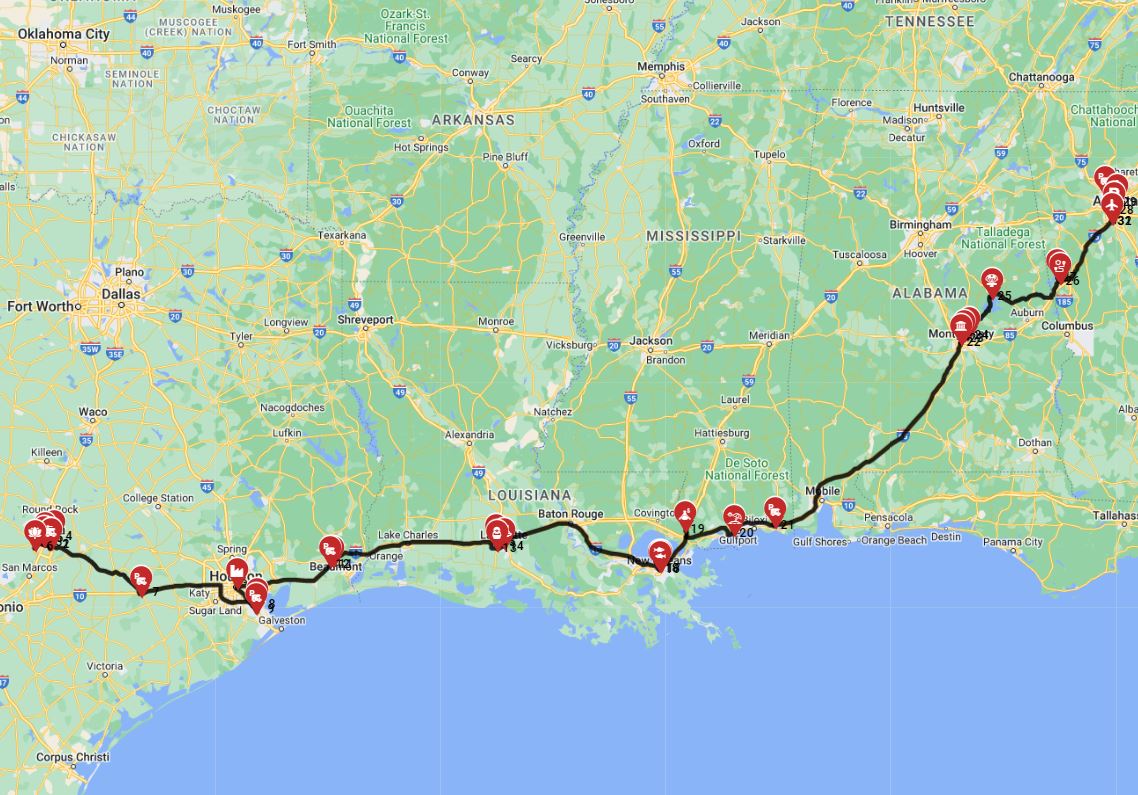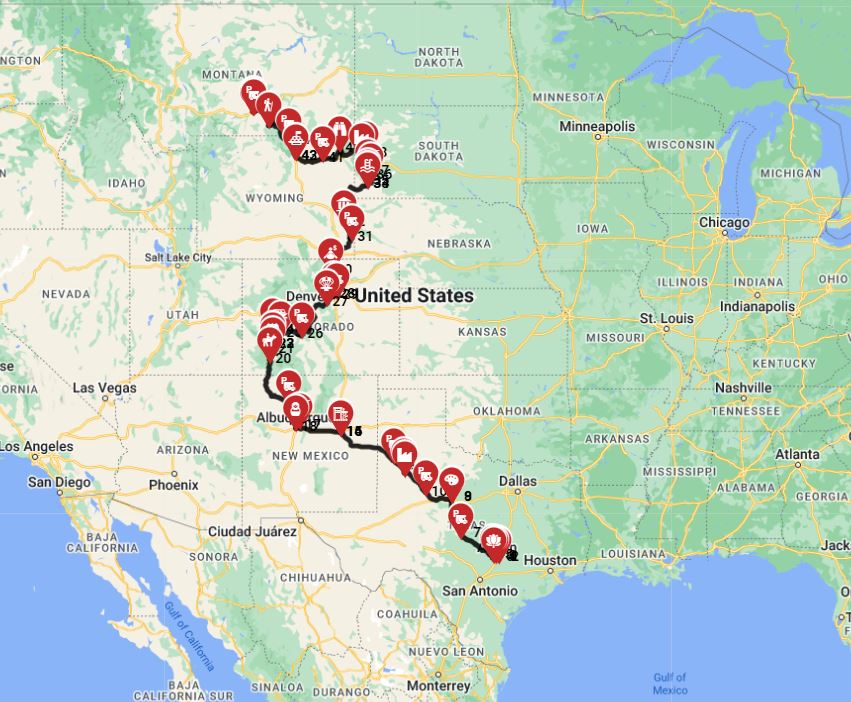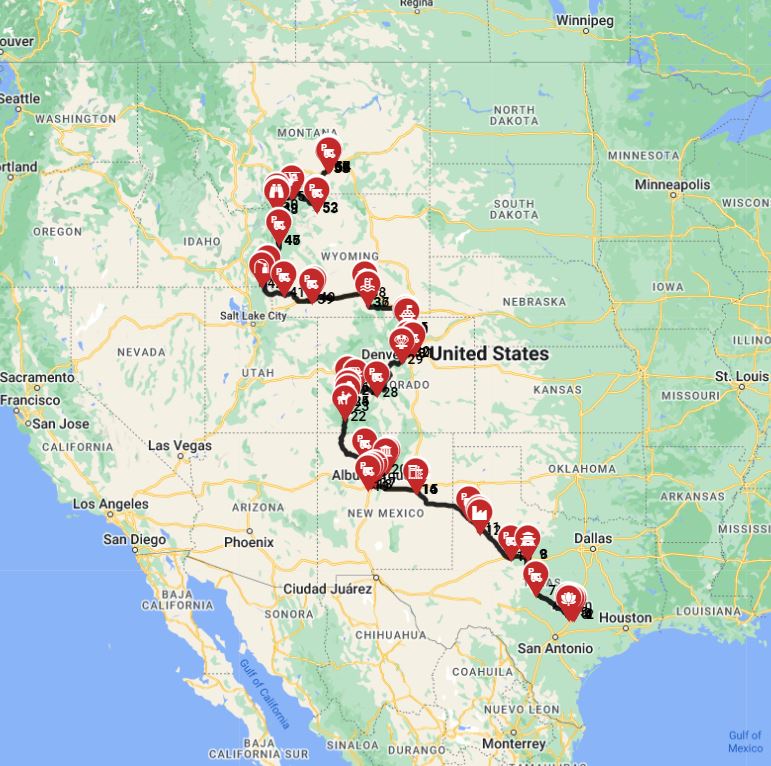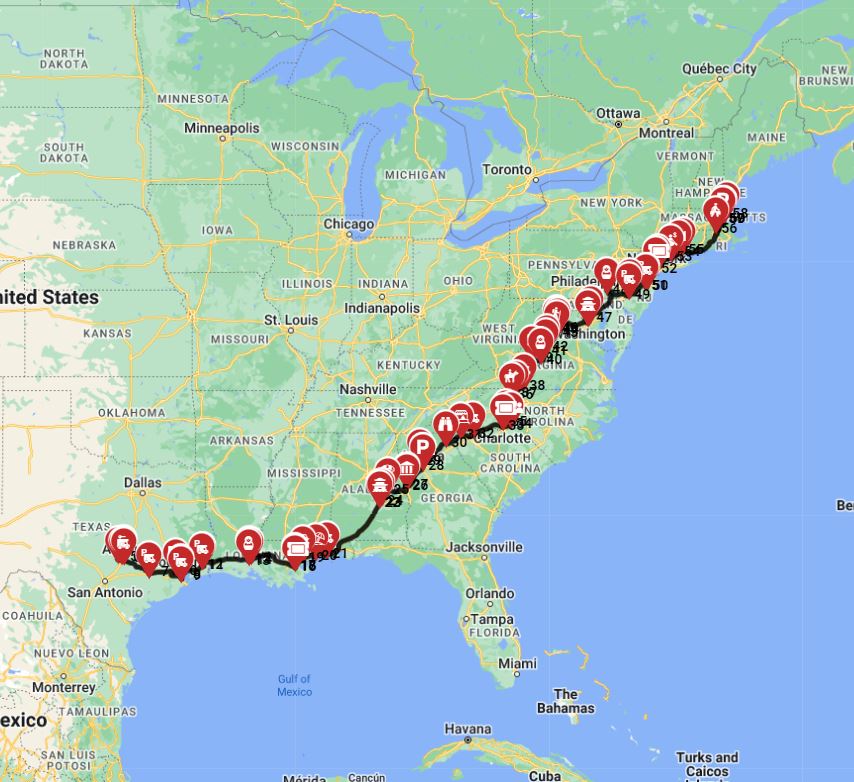
For live availability and current prices, start with our RV Rental Texas - Complete Guide 2026 guide.
In This Guide
- Can You Drive an RV in Texas? License & Age Rules
- Road Conditions & Terrain in Texas
- RV Size Limits, Bridges & Restricted Zones
- Fuel: Diesel vs. Petrol & Cost per 100 km
- Tolls, Vignettes & Border Rules
- Driving Tips for rv rental beginners Travelers
- Recommended RV Class for Texas Roads
- Should I Choose a Compact Van Instead of a Large RV in Texas?
- Can I Park Anywhere? Free & Wild Camping Rules in Texas
- Can I Drive an RV Into the City Center? Heights, Tunnels & Local Signage
- What is the best time of year to RV in Texas?
- What should I pack for an RV trip in Texas?
- How much does an RV trip in Texas cost?
- Are RV parks in Texas pet-friendly?
- How is cell service for RVers in remote Texas?
Embarking on your first RV adventure in Texas is an exciting prospect, offering unparalleled freedom to explore the Lone Star State's diverse landscapes, from its sun-drenched beaches to its rugged mountains and vibrant cities. As true RV specialists, Bandana Caravan is here to guide you through every step, ensuring your first motorhome rental experience is smooth, transparent, and unforgettable. We believe that discovering the joy of a rented RV should be straightforward, which is why we’re committed to full transparency- no hidden fees, no surprises.
For live availability and current prices, start with our RV Rental Texas - Complete Guide 2024 guide. This comprehensive resource will help you compare final prices across 50+ suppliers, including trusted partners like El Monte and Cruise America, ensuring what you see is what you pay.
Can You Drive an RV in Texas? License & Age Rules
Most rented RVs under 26,001 pounds Gross Vehicle Weight Rating (GVWR) can be driven in Texas with a standard Class C driver's license. This typically covers all Class B campervans, Class C motorhomes (like the "cruise america rv rental example Explorer" with its 2.5 Liter Turbo diesel engine and a 75 Liter fuel tank), and even many Class A motorhomes, so you won't need a special license for your vacation. For foreign drivers, a valid driver's license from your home country is generally sufficient, though an International Driving Permit (IDP) is recommended for translation, particularly if your home country's license is not in English. The minimum age to rent an RV in Texas is 21 years old, with no young driver surcharges and no vehicle class restrictions based on age, making it accessible for a wide range of adventurous travelers.
Understanding these basic licensing rules is your first step towards a stress-free journey. Remember, while a large Class A motorhome like the "MHLUX" can offer expansive living space, its operation still falls within the standard Class C license requirements for non-commercial use, giving you confidence on the road. We are true RV specialists, dedicated to making this information clear and concise, supporting you before and during your booking.
Road Conditions & Terrain in Texas
Texas features a remarkably diverse landscape, ranging from the flat plains and coastal areas along the Gulf to the rolling hills of the central Hill Country and the mountainous desert terrain of West Texas, necessitating adaptable driving strategies. Main interstates and state highways, such as I-35 or I-10, are generally well-maintained and entirely suitable for all sizes of rented RVs, providing smooth travel across vast distances. For instance, traveling from Dallas to Houston is a straightforward journey on excellent roads. When exploring less-traveled routes or navigating through charming small towns, especially when heading towards state parks or natural features in areas like Big Bend, you may encounter unpaved, gravel, or winding roads, requiring slower speeds and increased caution.
We always encourage slow travel, recommending a maximum of 100-150 km per day on average, to truly experience the diverse Texan environment. This allows ample time to feel the place, connect to the local culture and food, and appreciate the scenery, whether you're traversing the lush East Texas forests or the stark beauty of the Chihuahuan Desert. This approach minimizes stress and maximizes enjoyment, especially for first-time RV drivers.
RV Size Limits, Bridges & Restricted Zones
Texas generally accommodates large RVs with ease, with legal maximum dimensions typically allowing vehicles up to 65 feet (nearly 20 meters) in length and 14 feet (4.2 meters) in height. However, RV drivers must always pay close attention to road signage for specific low bridge warnings, especially when venturing off major highways into older towns like Fredericksburg or accessing smaller state or national park entrances. Weight restrictions also apply to certain bridges and roads, so operators of a rented motorhome should always be aware of their vehicle's Gross Vehicle Weight Rating (GVWR) to avoid exceeding posted limits. For example, a 6-berth motorhome like the "campervan hire nz example Euro Deluxe" is a sizable vehicle, so planning your route and checking for potential obstacles is a smart move.
Fortunately, there are no widespread environmental zones in Texas that restrict RV travel based on emissions, unlike some regions in Europe. However, specific local parks or historical sites might have their own vehicle restrictions or size limits, which is why pre-planning with resources like RV PLANET (rvplan.net) is invaluable. Our 24/7 support means real people are behind you before and after your booking, ensuring you have the confidence to address any questions about your route or vehicle.
Fuel: Diesel vs. Petrol & Cost per 100 km
The majority of larger rented RVs, such as Class A and Class C motorhomes like the "rv rentals utah example Sunrise Escape" (a 5-berth motorhome at 7.6 meters length), typically run on diesel fuel. Smaller Class B campervans, however, often use petrol (gasoline). Based on Bandana Caravan's global fleet averages, diesel RVs like many Class SI (Semi-integrated) and Class C models typically consume between 10-12 Liters/100 km, while Class B Camper Vans average around 8-10 Liters/100 km. For example, the "cruise america example EX-Group A" campervan has a 75 Liter fuel tank and a consumption of 8 Liters/100 km. Fuel availability is generally good across Texas, with numerous stations along major highways, though diesel pumps can be less common in very rural areas, necessitating pre-planning for fuel stops for larger rigs.
When planning your budget for an RV trip in Texas, fuel will be a significant expense, especially given the state's vast distances. Budget for varying fuel costs; current prices can fluctuate daily. Some rental motorhomes may include fuel discount cards, so inquire about such perks when booking. To help manage your overall trip budget, including fuel, campground fees, and groceries, remember that RV PLANET routes allow travelers to itemize and track every expense along the way for easy budgeting, ensuring full transparency in your adventure costs. On the routes offered through RV PLANET routes, you can itemize and track every expense along the way for easy budgeting.
Tolls, Vignettes & Border Rules
Texas has an extensive network of toll roads, particularly around major urban centers such as Dallas-Fort Worth, Houston, Austin, and San Antonio, which RVers will frequently encounter. Unlike some European countries that use vignettes, Texas operates on a per-use toll system, predominantly via electronic methods like TxTag, EZ Tag, or TollTag. Many Bandana RVs from suppliers like Cruise America may offer options for pre-purchasing toll passes or electronic transponders, which can significantly help beginners avoid fines and streamline travel through toll areas by automating payments. This is part of our commitment to transparent and hassle-free travel.
For those considering extending their adventure beyond Texas, travel within Texas and to neighboring U.S. states follows standard U.S. driving laws. However, attempting to cross international borders, specifically into Mexico, requires specific customs and vehicle importation documentation, which is generally not permitted with rental motorhomes from most suppliers. Always confirm international travel restrictions with your chosen rental provider before planning any cross-border trips.
Driving Tips for rv rental beginners Travelers
For beginners taking their first RV trip in Texas, careful route planning is key: Texas is vast, so pre-plan your journey, including suitable fuel stops for larger RVs and designated rest areas to avoid fatigue on long stretches. Always account for your vehicle's size and weight; practice wide turns, allow extra braking distance, and be mindful of your rented RV's height and weight, especially near low clearances or during strong crosswinds typical in some flat regions. Securing everything inside your motorhome before driving is also crucial; ensure all cabinets are latched, items are secured, and nothing can shift or fall during sudden stops or turns, which helps keep your kitchen clean and organized- check out our RV-friendly recipes playlist for ideas!
Additionally, always monitor Texas weather conditions, which can change rapidly to include severe thunderstorms, sudden downpours, or extreme heat; check forecasts regularly and be prepared to adjust travel plans if necessary. Staying hydrated and rested is paramount, especially when driving in Texas's often intense heat, ensuring all occupants are comfortable. Drive slowly and carefully, and you can drive almost anywhere without issues. No need to stress - just use common sense and pay attention. Our full transparency means you have the information you need to prepare for anything, and our professional support team is with you for pre-booking and post-booking coordination.
Recommended RV Class for Texas Roads
Class SI (Semi-integrated) and Class C (Alcove) RVs from Bandana Caravan's global fleet are highly recommended for navigating Texas roads due to their optimal balance of comfort and maneuverability. Class SI models, like many 2-berth options, with an average length of 6.9 meters and sleeping capacity for 3.8 people, offer a comfortable experience while remaining manageable for most state and national park roads. Class C Alcove RVs, such as the "CA-25" (7.6 meters long with a fresh water tank of 151 liters and sleeping 5 people) or the "MHC24" (a 7.3 meter Class C with sleeping capacity for 6), provide ample space for families or groups of 4-6, and their design makes them well-suited for Texas's well-developed highway system. These vehicles provide a home-away-from-home feeling without being overly intimidating for first-time renters.
For those prioritizing fuel efficiency and easier access to smaller spots, Class B (Camper Van) options, averaging 5.8 meters in length, are also excellent choices for Texas adventurers. A compact van like the "Category Van" or the "rv rental denver example Category Van" offers flexibility for navigating tighter areas while still providing essential amenities. Ultimately, the best rented RV for your Texas trip depends on your group size, desired amenities, and comfort preferences, and our wide selection across 50+ leading RV suppliers worldwide ensures you'll find the perfect fit.
Should I Choose a Compact Van Instead of a Large RV in Texas?
Generally, there is no issue driving any RV size in Texas due to its expansive road network, meaning comfort and indoor space often matter more than maneuverability for the majority of routes. Texas has wide highways and plenty of open spaces, which easily accommodate larger Class A or Class C motorhomes, allowing families of 4-6 to enjoy amenities like multiple sleeping areas and a full kitchen. For example, a "C-30" Class C motorhome can sleep up to 7 people comfortably.
However, a compact van (Class B) might genuinely help for specific situations, such as navigating very tight historic city centers like those in Galveston, finding parking in crowded urban areas like Austin or Houston, or accessing particularly narrow, unpaved park roads within smaller state parks. For instance, the "rv rental atlanta example US Tourer" is a compact campervan at 6.1 meters in length. For typical Texas road trips involving long distances and multiple stops, a larger RV (like a Class C or Semi-integrated motorhome) offers significantly more living space, amenities, and comfort, especially crucial during the hot summer months. Beginners should weigh the trade-off: choose a compact van if urban exploration or access to very off-the-beaten-path locations is paramount, but opt for a larger RV for a more comfortable and spacious journey across the state, such as those covered in the
Can I Park Anywhere? Free & Wild Camping Rules in Texas
Wild camping or boondocking with a rented RV on public lands in Texas is generally restricted outside of designated primitive campsites within national forests, state parks, or Bureau of Land Management (BLM) areas. Many businesses, such as Walmart stores, truck stops, and some casinos, may permit free overnight RV parking; however, always ask management for explicit permission upon arrival to avoid any issues. Always check local regulations and adhere to 'No Overnight Parking' signs, as unauthorized parking on private property can lead to fines or towing, underscoring the importance of transparent planning. For finding campsites and campgrounds during your trip, we recommend using RV PLANET (rvplan.net) - a great resource for locating available spots along your route.
Texas State Parks and National Parks/Forests offer numerous established campgrounds, typically requiring reservations and fees, providing amenities like hookups and dump stations for your motorhome. While spontaneity is part of the RV experience, booking a week-long trip to popular parks like Garner State Park (known for its Frio River access and 500+ campsites) often requires reservations 3 to 6 months in advance. However, don't fret if you're a spontaneous traveler; many national and state parks reserve 25-30% of their spots for first-come, first-serve arrivals, especially during off-peak seasons. You'll find a spot; if not at the first campground, then the next one. Just call ahead before driving to confirm availability, ensuring peace of mind.
Can I Drive an RV Into the City Center? Heights, Tunnels & Local Signage
Yes, RVs can almost always be driven into Texas city centers, including major hubs like Austin, Dallas, and Houston; however, careful attention to vehicle dimensions and local road signs is crucial. Drivers of rented motorhomes must pay close attention to local signage indicating height restrictions for tunnels, low bridges, or parking garages, which are common in dense urban areas, especially those with older infrastructure. For instance, the "rv rentals san antonio example Knaus Van 600Ti ME" is a smaller van at 6.76 meters, making city navigation easier than a larger Class A. While navigating city streets is usually fine, finding suitable parking for larger RVs, such as Class C or Class A models, can be challenging; consider utilizing park-and-ride options or parking on the outskirts and using public transportation, especially for day trips into urban areas like the Alamo in San Antonio.
Texas city centers do not typically feature environmental zones that restrict RV access, simplifying urban transit compared to some international destinations. However, temporary road closures or special event zones, common during festivals or sporting events in cities like Austin, may occur. With our full transparency, we empower you with the knowledge to make informed decisions for navigating urban environments with confidence. Drive slowly and carefully, and you can drive almost anywhere without issues. No need to stress - just use common sense and pay attention.
What is the best time of year to RV in Texas?
The best time to plan an RV trip in Texas is typically during the spring (March to May) and fall (September to November), when temperatures are mild and comfortable for outdoor activities across most regions. During these shoulder seasons, average daily temperatures range from 20-28°C (68-82°F), making hiking in Big Bend National Park or exploring the Texas Hill Country enjoyable. Beginners should consider avoiding the extreme heat of Texas summers (June to August), especially in central and western regions, where temperatures can regularly exceed 35°C (95°F), unless planning trips primarily to areas with water access or full hookup campgrounds for air conditioning. For example, a trip focused on coastal towns like Galveston in the summer would benefit from constant AC. Winter (December to February) offers an excellent opportunity to explore West Texas destinations like Big Bend, which can be too hot during other seasons, with mild daytime temperatures around 15-20°C (59-68°F).
Travelers along the Gulf Coast should be aware that hurricane season runs from June 1st to November 30th and monitor weather forecasts closely during these months. Regardless of the season, a well-prepared rented motorhome will offer comfort and flexibility. For more detailed insights into planning your trip, including seasonal considerations for different regions, refer to our Cheap RV Rental in Texas - Budget Guide 2024 or RV Rental in Texas - Prices and Best Deals 2024, which also cover dynamic pricing based on seasonality.
What should I pack for an RV trip in Texas?
For an RV trip in Texas, essential documents include your valid driver's license, your RV rental agreement, insurance information, and any pre-booked campground reservations. Given Texas's diverse and often intense climate, practical items should include strong sun protection- hats, sunglasses, and sunscreen with at least SPF 30 are crucial- and effective insect repellent, especially for evenings near water or in wooded areas. Pack appropriate clothing layers to adapt to fluctuating temperatures, from cool mornings to warm afternoons, and sturdy footwear for exploring national parks or historic sites. We recommend bringing a dedicated GPS device or downloading offline maps, as cell service can be spotty in remote parts of Texas, such as the Big Bend area, and a cellular booster can significantly enhance connectivity.
RV-specific essentials highly recommended for your rented motorhome include leveling blocks for uneven campsites, a reliable water filter for filling your fresh water tank (many Class C models like the "rv rentals utah example Sunrise Escape" have a 167 Liter fresh water tank), and basic tools for minor repairs. Always pack an emergency kit with a comprehensive first-aid kit, roadside assistance contacts, a powerful flashlight, and portable battery jump starters. Don't forget reusable water bottles to stay hydrated. For route inspiration and detailed packing lists, check out pre-planned routes available through RV PLANET like the

How much does an RV trip in Texas cost?
The cost of a rented RV trip in Texas varies widely but generally includes rental fees, fuel, campground fees, food, and activity expenses. Rental fees for a Class C motorhome can range from $150-$300 per day during off-peak season to $300-$500+ during peak times like spring break or major holidays, similar to prices detailed in our Luxury RV Rental in Texas - Premium Prices 2024 guide. Fuel will be a significant expense due to Texas's vast distances; budget for consumption rates around 10-12 Liters/100 km for most RVs, with current gas prices averaging around $0.90-$1.10 per liter ($3.50-$4.00 per gallon), meaning a 1-week trip covering 1000 km could cost $150-$250 just in fuel. Campground fees typically range from $20 for basic sites in state parks to $70+ per night for private resorts with full hookups and extensive amenities, so plan for an average of $35-$50 per night.
Additional costs include tolls, especially when traveling through major cities like Dallas or Houston, which can add $5-$20 to a daily budget. Groceries and dining out expenses can be managed effectively by cooking meals in your RV's kitchen, which is usually equipped with a stove and refrigerator like the "MHC24" with its 4 cubic ft. refrigerator. To reduce costs further, consider utilizing free overnight parking options where permitted, such as at some retail stores or truck stops, or look into our Weekly RV Rental in Texas - Pricing 2024 for potential longer-term discounts. Remember, prices are dynamic and change daily based on availability, seasonality, and supplier decisions, so comparing final prices across various suppliers via Bandana Caravan is always recommended.
Are RV parks in Texas pet-friendly?
Yes, many RV parks and campgrounds across Texas are pet-friendly, welcoming dogs and sometimes other domestic animals, reflecting Texas's general outdoor-loving culture. It is crucial to always check the specific pet policies of individual RV parks before booking, as some may have breed restrictions (e.g., no pit bulls), weight limits (e.g., dogs over 50 lbs), or a maximum number of pets per site (e.g., 2 pets per RV). Pets are typically required to be on a leash (usually 6 feet or less) at all times within campgrounds, and owners are always responsible for promptly cleaning up after their animals. Several of our rented motorhomes, like the "24' Class C Motorhome", are explicitly marked as "Pet Friendly."
While many Texas State Parks allow pets in campgrounds and on certain trails, always verify specific park rules as some areas, such as swimming beaches or certain sensitive ecological zones, may be off-limits to pets to protect wildlife. Never leave pets unattended in an RV, especially during Texas's hot months, as internal temperatures can quickly become life-threatening, even with windows open. Always consider your pet's comfort and safety when planning your itinerary, ensuring they have plenty of water and shade, making your Texas RV adventure enjoyable for the whole family.
How is cell service for RVers in remote Texas?
Cell service for RVers in remote parts of Texas, particularly vast areas of West Texas and around Big Bend National Park, can be spotty or non-existent, posing a challenge for connectivity. Major cellular carriers like Verizon, AT&T, and T-Mobile generally offer better coverage along interstates, in populated areas like Austin and Dallas, and within most state parks. However, once you venture into wilderness areas or long stretches of rural highway, coverage can drop significantly, impacting GPS navigation and communication.
For those needing consistent connectivity for remote work or emergencies during their week-long trip, investing in a portable Wi-Fi hotspot or a cellular signal booster can significantly improve service in marginal areas, often extending a weak signal to a usable one. It is highly advisable to download maps, essential documents (like your rental agreement and campground reservations), and any entertainment content offline before venturing into known dead zones. While some private RV resorts may offer Wi-Fi, it's often limited or unreliable due to high usage, making personal connectivity solutions a wise investment for remote travel in a rented motorhome or campervan. For those planning a one-way trip, consult our One-Way RV Rental in Texas - Price Guide 2024 to plan connectivity along your entire route, including remote drop-off locations.
🎬 Video coming soon
What You Shouldn't Miss
- Explore the dramatic landscapes of Big Bend National Park: This remote national park in West Texas offers stunning desert vistas, challenging hikes, and incredible stargazing opportunities.
- Immerse yourself in the Texas Hill Country: Drive scenic routes through charming towns like Fredericksburg and Wimberley, enjoy wineries, and swim in natural springs like Hamilton Pool Preserve.
- Visit the historic Alamo and River Walk in San Antonio: Experience rich Texan history and culture in this vibrant city, best explored slowly to soak in the atmosphere.
- Discover the Gulf Coast beaches: Enjoy driving and camping directly on the sand at places like Padre Island National Seashore (with a permit) for a unique oceanfront experience.
- Sample authentic Texas BBQ: Follow the "Official Texas BBQ Trails" for a culinary journey through the state, from East Texas brisket to Central Texas sausage.
- Looking for expert insights from Avi Bandana? Top 5 Adventures - recommendations from Avi Bandana
Final Thoughts
Your first RV adventure in Texas promises to be an extraordinary journey, filled with discovery and the freedom of the open road. From navigating diverse terrains to finding the perfect campsite, the tips and insights shared here are designed to make your debut as an RV traveler as smooth and enjoyable as possible. Remember, it's about embracing the journey, traveling slowly, and soaking in every moment of Texas's unique charm.
With Bandana Caravan, you're not just renting a motorhome; you're gaining a supportive partner dedicated to full transparency and providing you with the best tools and information for your trip. So go ahead, visualize yourself exploring vast landscapes and creating lasting memories. The roads of Texas are calling, and your perfect RV awaits!
Discover top destinations, planning tips, all in one place! Get inspired for your next trip and plan a trip itinerary in advance with minimal effort and maximum enjoyment.