In This Guide
- Can You Drive an RV in Tennessee? License & Age Rules
- Road Conditions & Terrain in Tennessee
- RV Size Limits, Bridges & Restricted Zones
- Fuel: Diesel vs. Petrol & Cost per 100 km
- Tolls, Vignettes & Border Rules
- Driving Tips for rv rental beginners Travelers
- Recommended RV Class for Tennessee Roads
- Should I Choose a Compact Van Instead of a Large RV in Tennessee?
- Can I Park Anywhere? Free & Wild Camping Rules in Tennessee
- Can I Drive an RV Into the City Center? Heights, Tunnels & Local Signage
- Is Tennessee RV friendly?
- What parts of Tennessee should I avoid?
- What are the best months to RV in Tennessee?
- How much does it cost to RV in Tennessee?
- How long does it take to drive across Tennessee?
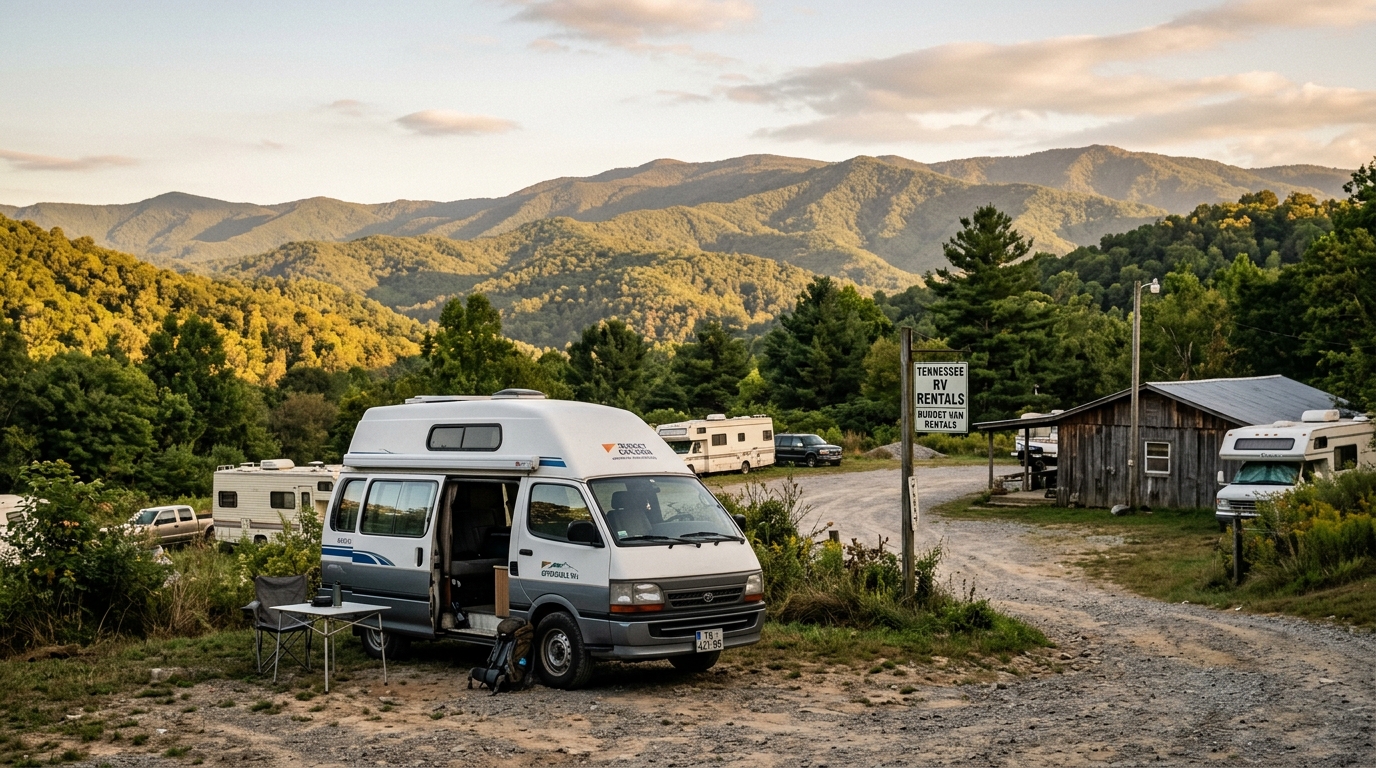
Embarking on your first RV rental adventure in Tennessee promises unforgettable experiences, whether you're chasing the vibrant music scenes of Nashville, exploring the majestic Great Smoky Mountains, or savoring the state's rich history. At Bandana RV, we believe everyone deserves to discover the joy of the open road with ease and confidence. We've been helping tens of thousands of travelers explore the world by RV since 2001, offering direct partnerships with over 50 leading RV suppliers worldwide, including trusted names like El Monte, Cruise America, Apollo, and Britz.
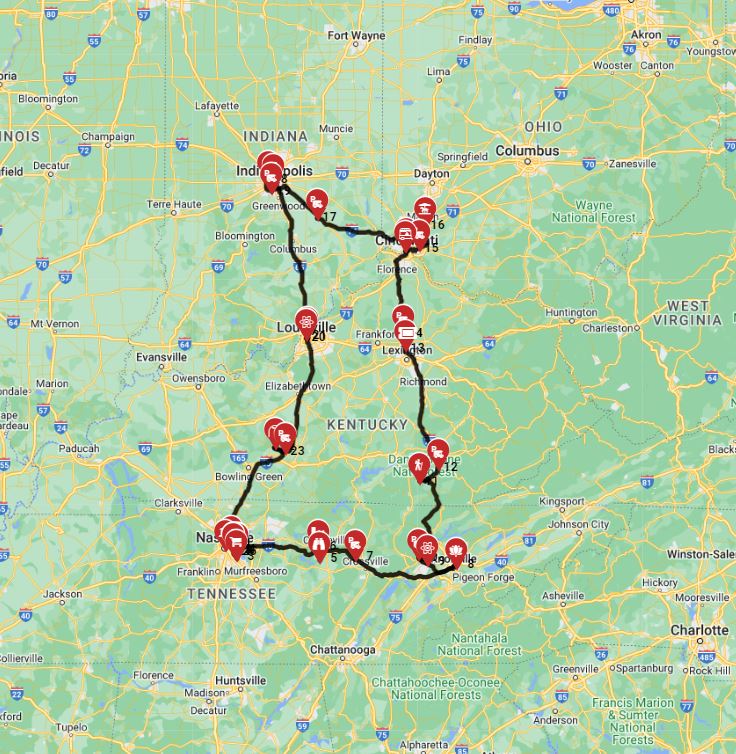
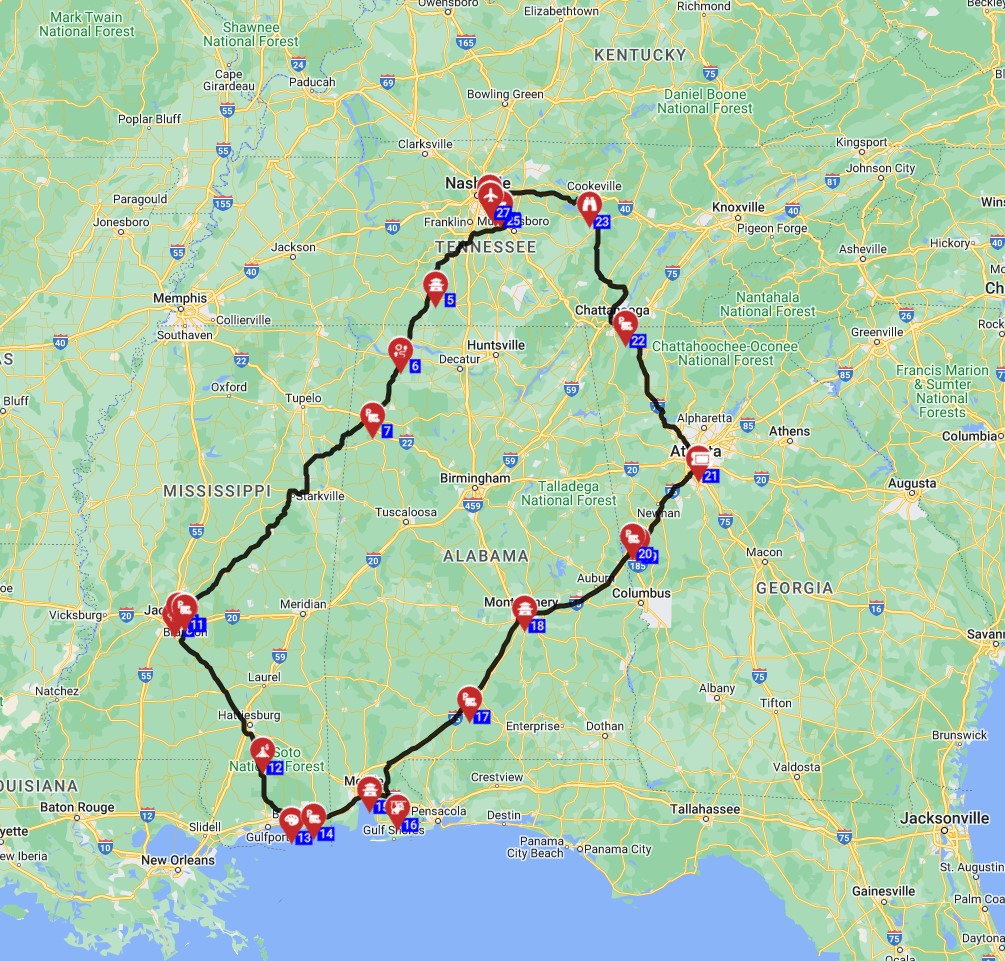
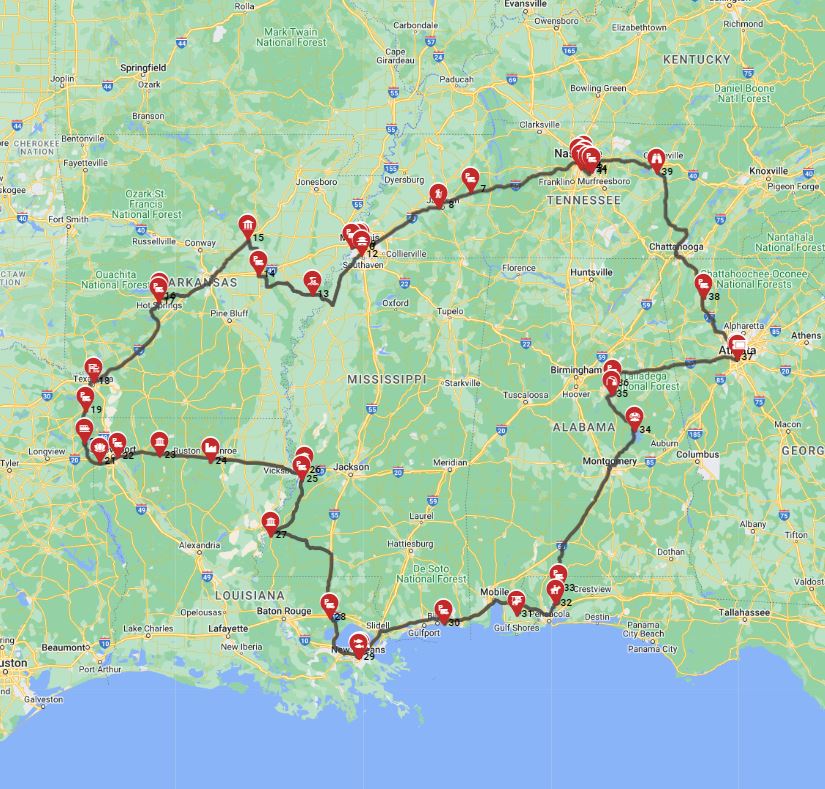
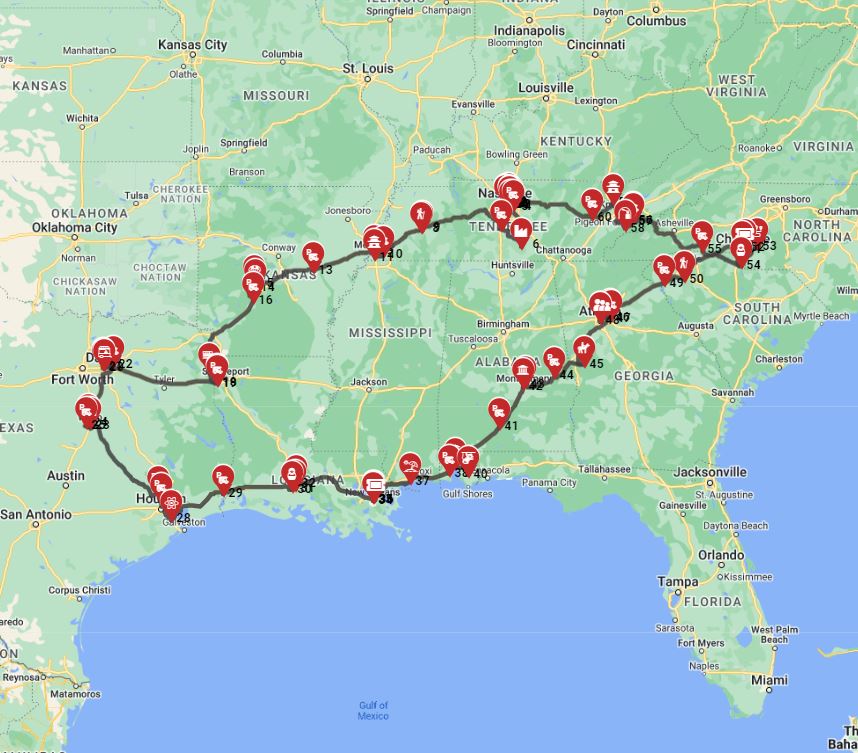
This guide is crafted for beginners, providing practical, authoritative insights to ensure your first time RV driving in Tennessee is smooth, safe, and truly enjoyable. For live availability and current prices, start with our RV Rental Tennessee - Complete Guide 2026 guide.
Can You Drive an RV in Tennessee? License & Age Rules
In Tennessee, most recreational vehicles (RVs) can be driven with a standard Class D driver's license if their Gross Vehicle Weight Rating (GVWR) is under 26,001 pounds (11,793 kg), meaning a Commercial Driver's License (CDL) is typically not required for Bandana's rental fleet units. This makes RV travel in Tennessee accessible for nearly anyone with a valid car license. For international visitors, while an International Driving Permit (IDP) is recommended to supplement your home country's license for clarity and ease of communication with authorities, it is generally not mandatory if your home license is in English. The minimum driver age for renting an RV in Tennessee is 21 years old across most suppliers, with no young driver surcharges or vehicle class restrictions based on age, making it easier for younger adventurers to hit the road. Bandana offers full transparency on all licensing and age requirements, ensuring no surprises.
Road Conditions & Terrain in Tennessee
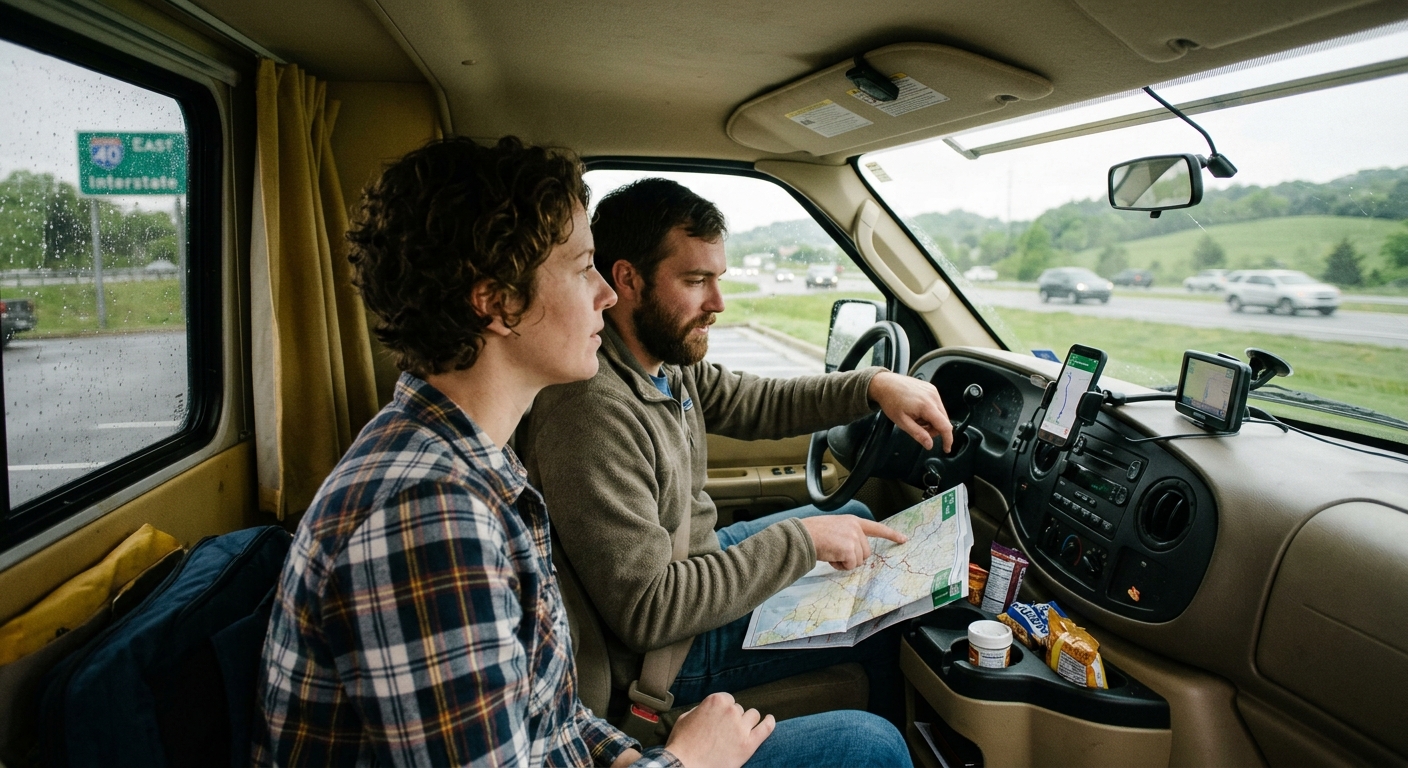
Tennessee offers diverse road conditions, ranging from flat, well-maintained interstates in the western and central parts of the state to winding, mountainous routes with steep grades and sharp curves in the eastern regions, particularly within the Appalachian and Cumberland areas. Interstates such as I-40, I-24, and I-65 are generally in excellent condition and are well-suited for comfortable RV travel, connecting major cities like Memphis, Nashville, and Knoxville. When venturing into Eastern Tennessee, especially towards the Great Smoky Mountains National Park or the Cumberland Plateau, be prepared for significant elevation changes and curving roads that demand a slower pace and extra attention. While secondary roads in rural areas might be narrower or less maintained, with occasional gravel sections, most popular routes are paved. RV beginners should plan for a relaxed pace, especially on mountain roads, to safely navigate curves and descents, and always be aware of their vehicle's size and braking distance. Traveling slowly, averaging a maximum of 100-150 km per day, allows you to truly feel the place and connect with the scenery.
RV Size Limits, Bridges & Restricted Zones
Tennessee roads generally accommodate standard RV sizes, but drivers must remain vigilant for specific height restrictions on older bridges, tunnels, and certain parkways, especially in urban centers and near national parks. The standard maximum length for a single RV in Tennessee is typically 45 feet (approximately 13.7 meters), and the combined vehicle length (RV plus a towed car, if applicable, which is not relevant for Bandana's motorhome/campervan rentals) generally shouldn't exceed 65 feet. Maximum RV height is usually 13 feet, 6 inches (about 4.1 meters), a critical measurement to keep in mind when encountering low-clearance signs. Pay special attention to height restrictions on secondary roads, entrances to historic districts (like Gatlinburg), and specific scenic parkways such as the Natchez Trace Parkway, which has advisories regarding length and weight. Always check road signage carefully for any specific local limits, which can vary by jurisdiction or specific road segments. Drive slowly and carefully, and you can drive almost anywhere without issues. No need to stress - just use common sense and pay attention.
Fuel: Diesel vs. Petrol & Cost per 100 km
RVs in Tennessee typically use either petrol (gasoline) or diesel, with fuel availability generally good across the state, though diesel pumps might be less common off major interstates. Many of Bandana's global fleet motorhomes, including Class SI - Semi-integrated (e.g., a "2 Berth Rover"), Class C - Alcove (e.g., a "24' Class C Motorhome"), and Class A - Integrated models, usually run on diesel fuel, while Class B - Camper Van models can be either petrol or diesel. Bandana's global fleet averages for fuel consumption typically range from 8-12 L/100 km for most Class B, SI, and C motorhomes, while larger Class A models or specialized vehicles like a "4x4 Camper B - TYR" might consume 12-17 L/100 km. Fuel prices fluctuate, so budgeting approximately $3.50-$4.50 per gallon (roughly $1.00-$1.20 per liter) is a sensible estimate for planning your trip costs. For instance, a Class C RV averaging 11 L/100 km would cost approximately $11-$13.20 per 100 km based on these fuel prices, excluding any potential fuel discount cards. When planning your budget, remember that you can itemize and track every expense along the way for easy budgeting with RV PLANET routes. On the routes offered through RV PLANET routes, you can itemize and track every expense along the way for easy budgeting.
Tolls, Vignettes & Border Rules
Tennessee is largely toll-free, with very few toll roads across the state, which significantly simplifies travel logistics for RV renters and helps avoid unexpected charges. As per current knowledge, Tennessee does not utilize a vignette system for road usage. However, it's always wise to briefly confirm your specific route for any rare or new toll sections, especially if you are entering or exiting major metropolitan areas like Nashville or Memphis, or crossing into adjacent states like Kentucky or North Carolina, where tolls may exist. When traveling from a neighboring US state, no specific border rules beyond standard driver's license and vehicle registration requirements apply to RVs, allowing for seamless interstate travel within the USA. Bandana provides full transparency on all potential fees, including any applicable toll passes that may be offered as optional upgrades with some rent-motorhome RVs.
Driving Tips for rv rental beginners Travelers
🎬 Video coming soon
For RV rental beginners embarking on a journey in Tennessee, prioritizing safety and a relaxed pace is paramount, starting with planning routes in advance and understanding your rented vehicle's dimensions. First, always pre-plan your route using an RV-specific GPS or mapping tool that takes into account your vehicle's height, weight, and length to prevent encountering low bridges or restricted roads, especially in mountainous areas like the Great Smoky Mountains or busy city centers like Nashville. Practice wide turns in an empty parking lot before you set off, as RVs like a "Class C - Alcove" require a much wider turning radius than typical cars; always swing wide to avoid curbs or other vehicles. Manage your speed by driving slower than you would in a car, especially on winding roads, mountain passes, and during adverse weather, allowing more reaction time. When descending steep grades, utilize lower gears to allow the engine to assist in braking (engine braking) and prevent your vehicle's brakes from overheating. Lastly, secure all cabinets, doors, and loose items inside your rented RV before driving to prevent damage, shifting cargo, and potential distractions. Remember, travel slowly, max 100-150 km per day on average, to truly feel the place and connect to the culture, the food, and the scenery.
Recommended RV Class for Tennessee Roads
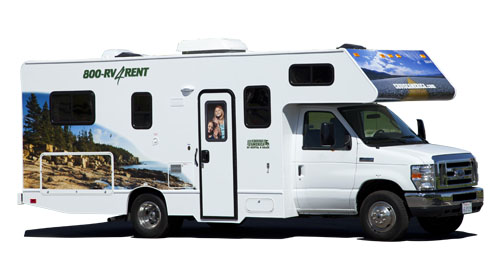
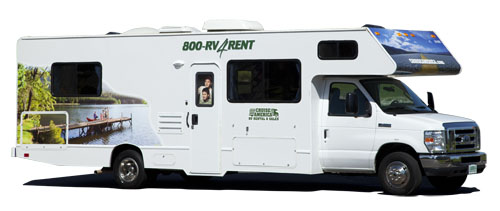
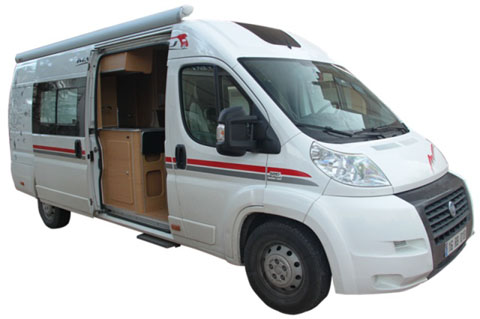
For exploring Tennessee's diverse landscape, Class SI - Semi-integrated and Class B - Camper Van RVs are frequently recommended for beginners due to their excellent balance of comfort and maneuverability. A Class SI - Semi-integrated motorhome, such as the "2 Berth Rover" which averages 6.9 meters in length and comfortably sleeps 3-4 people, offers ample living space while being easier to handle than larger Class A models. These are ideal for navigating both major highways and more scenic, winding routes. Class B - Camper Vans, like the "2 Berth Hi Top" or a "Category Van," averaging 5.8 meters in length and typically sleeping 2-3 people, are highly maneuverable, making them perfect for city streets in Memphis or Knoxville, tighter campgrounds, and scenic parkways that might have restrictions for larger vehicles. While Class C (average 7.5m, like the "29′ Class C Motorhome") and Class A (average 7.5m, such as a "Class A - Thor ACE 30") RVs provide more extensive space and amenities, their larger size demands increased caution and experience from beginners, particularly on narrower mountain roads in eastern Tennessee. Bandana RV specializes in motorhomes and campervans, ensuring you find the right fit for your Tennessee adventure.
Should I Choose a Compact Van Instead of a Large RV in Tennessee?
While a compact campervan offers superior maneuverability for tight spaces, a larger motorhome provides significantly more comfort and amenities, and most Tennessee roads can comfortably accommodate all standard RV sizes. A Class B - Camper Van, averaging 5.8 meters (19 feet) in Bandana's global fleet, excels in navigating historic town centers like those in Franklin or Jonesborough, fitting into smaller, more secluded campsites, and driving on narrower, winding mountain roads with greater ease. These smaller vehicles, like a "VW California Ocean" or "Acer," are perfect for couples or solo travelers seeking flexibility. Conversely, larger Class SI (averaging 6.9m), Class C (averaging 7.5m, such as "rv rentals example Comfort Class"), or Class A (averaging 7.5m, like an "Elnagh Baron 579") motorhomes from Bandana's fleet offer more expansive interior living space, a full bathroom, and larger kitchen facilities, greatly enhancing comfort and convenience for longer trips or families with 4-6 people. The decision ultimately hinges on your primary travel style: prioritize ease of driving and access to restricted areas with a compact van, or opt for greater comfort and amenities with a larger RV for broader exploration of Tennessee's diverse attractions. Remember, drive slowly and carefully, and you can drive almost anywhere without issues. For ideas you can prep on the road, watch our RV-friendly recipes playlist on YouTube.
Can I Park Anywhere? Free & Wild Camping Rules in Tennessee
While true 'wild camping' or boondocking is generally restricted to designated areas in Tennessee, free overnight parking may be available in specific locations like some national forests or certain retail parking lots, though it always requires explicit permission or adherence to specific rules. For instance, dispersed camping is generally permitted in the Cherokee National Forest in eastern Tennessee, provided you strictly follow Leave No Trace principles and local regulations, typically staying at least 200 feet from roads and water sources. Tennessee's state parks primarily offer fee-based campgrounds with a range of amenities like electric hookups, water, and dump stations, rather than free overnight parking. Some private retail establishments, such as Walmart or larger truck stops, may allow overnight RV parking; it is always crucial to inquire with management before settling in for the night to avoid any issues. Always research and confirm local regulations and property owner permissions before parking overnight anywhere, especially on private property or within city limits. For finding campsites and campgrounds during your trip, we recommend using RV PLANET (rvplan.net) - a great resource for locating available spots along your route.
Can I Drive an RV Into the City Center? Heights, Tunnels & Local Signage
Yes, RVs can generally be driven into Tennessee city centers like Nashville, Memphis, or Knoxville, but drivers must pay close attention to local signage regarding height restrictions, parking limitations, and specific traffic patterns. Main thoroughfares and larger roads leading into and through Tennessee cities are typically designed to accommodate standard RVs. Always be vigilant for low clearances under bridges, particularly older infrastructure in urban areas, and be aware that most multi-story parking garages will be too low for any Class B, Class C, or Class A motorhome. Navigating one-way streets, restricted turns, and congested traffic in cities like downtown Nashville or Memphis during peak hours can be more challenging for a larger rented RV; consider parking on the outskirts and utilizing public transportation or ride-sharing services to explore the core city. Tennessee cities currently do not implement specific environmental zones that restrict RV access based on emissions. Drive slowly and carefully, and you can drive almost anywhere without issues. No need to stress - just use common sense and pay attention.
Is Tennessee RV friendly?
Yes, Tennessee is generally very RV-friendly, offering a wide array of scenic routes, abundant campgrounds, and attractions highly accessible by recreational vehicles, though drivers should be prepared for varied terrain, especially in the eastern mountainous regions. The state boasts an extensive network of over 50 state parks and numerous private campgrounds equipped for RVs, providing countless options for overnight stays with amenities. Tennessee's beautiful natural landscapes, from the rolling hills of Middle Tennessee to the majestic peaks of the Great Smoky Mountains, are highly enjoyable via RV, with many scenic drives available. While most roads are accommodating, beginners should be mindful of the steeper grades and winding roads in the eastern mountains, which require careful driving. Overall, the combination of welcoming infrastructure, diverse natural beauty, and a rich cultural scene makes Tennessee an excellent and fulfilling destination for RV travel, whether you opt for a compact campervan like a "HiTop" or a spacious Class C motorhome like the "MHC24".
What parts of Tennessee should I avoid?
While no specific regions of Tennessee are inherently 'to avoid' for RV travel, beginners might want to exercise extra caution or plan alternative routes for extremely steep, winding, and narrow mountain roads, especially those not designated as major highways, or very congested urban cores during peak hours. Lesser-known, unpaved, or very steep backcountry roads in the Great Smoky Mountains National Park and the Cumberland Plateau should be approached with caution or, for larger RVs, generally avoided; stick to well-maintained main routes like US-441 through the national park. Navigating very tight historic districts or small downtown areas, such as parts of Gatlinburg or some older Appalachian towns, can be challenging due to narrow streets and extremely limited RV parking. Driving a large rented RV like an "MHC30" through downtown Nashville or Memphis during rush hour traffic can be stressful due to heavy congestion and complex street layouts; in these cases, consider parking on the outskirts and utilizing local public transport or ride-sharing services. Always consult an RV-specific GPS or up-to-date maps to identify potential road hazards or restrictions that might be unsuitable for your vehicle's specific dimensions, ensuring a smooth journey.
What are the best months to RV in Tennessee?
The best months to RV in Tennessee are typically spring (April-May) and fall (September-October) when the weather is mild and comfortable, natural beauty is at its peak with blooming flowers or vibrant foliage, and tourist crowds are generally more manageable. Spring, particularly April and May, offers pleasant temperatures ranging from 15-25°C (60-77°F), blooming wildflowers, and lush green landscapes, perfect for outdoor activities before the peak summer heat and humidity arrive. Fall, specifically September and October, is renowned for its spectacular fall foliage, especially in the eastern mountains, with comfortable temperatures ideal for hiking and exploring; however, popular areas like the Great Smoky Mountains can become very crowded, so booking campgrounds several months in advance is essential. Summer (June-August) can be hot and humid, especially in West and Middle Tennessee, with temperatures often exceeding 30°C (86°F), and popular attractions tend to be heavily visited, requiring early campground bookings. Winter (November-March) offers fewer crowds, but temperatures can be cold, with potential for snow and ice in the mountains, and many campgrounds may operate with limited services or close for the season.
How much does it cost to RV in Tennessee?
The total cost to rent an RV in Tennessee varies widely based on the RV class, duration, season, and your chosen travel style, but typically ranges from $1,000 to $2,500+ for a week-long trip, encompassing rental fees, fuel, campgrounds, and basic expenses. RV rental fees are the primary expense, ranging from approximately $100-$300+ per night depending on the RV class (e.g., a compact Class B campervan like the "Deuce" vs. a larger Class A motorhome), the age of the vehicle, and the booking season; prices are dynamic and change daily. Fuel costs, for a Class C RV averaging 10-12 L/100 km, can add a significant portion to your budget; estimating $10-$14 per 100 km is a reasonable figure based on current fuel prices. Campground fees in Tennessee state parks typically range from $25-$40 per night for a basic site with electric hookups, while private campgrounds with more amenities can cost $40-$80+ per night. Cooking in your rented RV's kitchen can significantly save money on food compared to dining out, but still budget for groceries, propane (for the stove and heating), and basic RV necessities like dump fees and tolls. When planning your route and budgeting for ancillary costs, remember that RV PLANET routes allow travelers to itemize and track every expense along the way for easy budgeting, ensuring full transparency with no hidden fees.
How long does it take to drive across Tennessee?
Driving across Tennessee from east to west (or vice versa) primarily via Interstate 40 typically takes approximately 6.5 to 7.5 hours for a continuous drive, covering a distance of about 450-500 miles (725-800 km). However, RV travel generally requires more time due to the need for frequent stops, a slower driving pace, and the larger size of the vehicle. For RV travelers, it is realistic to add an additional 25-50% to pure driving estimates to comfortably account for fuel stops, rest breaks, scenic overlooks, meals cooked in your RV's kitchen, and unexpected delays. Therefore, planning a cross-state RV journey over two days, with segments of 3-4 hours of driving per day, is highly advisable for a more relaxed and enjoyable experience, especially for beginners. Opting for slower, more scenic routes, such as parts of the Natchez Trace Parkway or mountain passes in the Great Smoky Mountains, will significantly increase the overall travel duration, but also reward you with breathtaking views and a deeper connection to the local culture. Remember, travel slowly, max 100-150 km per day on average, to truly feel the place, connect to the culture, the food, and the scenery.
What You Shouldn't Miss
- **Explore the Great Smoky Mountains National Park:** Drive the scenic Cades Cove Loop Road (11 miles, typically 2-4 hours with stops) and hike to Grotto Falls (2.6 miles roundtrip, moderate difficulty), experiencing the most visited national park in the USA. Remember to book campsites months in advance for peak season.
- **Immerse Yourself in Nashville's Music Scene:** Visit the Country Music Hall of Fame and Museum, catch a show at the historic Ryman Auditorium, and stroll Broadway's honky-tonks. RV-friendly parking options are often available on the city outskirts.
- **Discover Memphis's Rich History:** Explore Graceland, Elvis Presley's iconic home, and visit the National Civil Rights Museum at the Lorraine Motel. Don't forget to savor some authentic Memphis BBQ.
- **Drive the Natchez Trace Parkway:** Enjoy a serene journey along this 444-mile scenic byway (only 100 miles within Tennessee), offering numerous historical and natural stops, though larger RVs should note length and weight advisories.
- **Venture into Tennessee's Cave Country:** Explore Ruby Falls, a 145-foot underground waterfall in Chattanooga, or take a boat ride on America's largest underground lake at The Lost Sea Adventure in Sweetwater, two of Tennessee's over 10,000 documented caves.
- **Looking for expert insights from Avi Bandana?** Top 5 Adventures - recommendations from Avi Bandana.
Final Thoughts
Your first RV rental adventure in Tennessee is sure to be an incredible journey, filled with scenic beauty, rich history, and vibrant culture. Whether you choose a nimble campervan for urban exploration or a comfortable Class C motorhome for mountain escapes, the Volunteer State welcomes you with open roads and diverse experiences. With Bandana RV as your trusted partner, you have access to transparent pricing, dedicated support, and expert advice to make your trip planning effortless.
Remember to embrace the spirit of slow travel, allowing yourself the time to truly connect with each destination, savor the local cuisine, and appreciate the stunning landscapes. Don't rush; let Tennessee's charm unfold around you. From the country music rhythms of Nashville to the serene trails of the Smoky Mountains, your RV rental provides the perfect mobile headquarters for an adventure of a lifetime.
So, take the leap! Imagine yourself waking up to mountain views, cooking a delicious breakfast in your rented RV's kitchen, and setting off on another day of discovery. We're here to support you every step of the way, ensuring your first RV trip in Tennessee is nothing short of spectacular. Find your perfect motorhome rental in Tennessee today!