In This Guide
- What license do I need to drive an RV in Australia?
- Road Conditions & Terrain in Melbourne
- RV Size Limits, Bridges & Restricted Zones
- Fuel: Diesel vs. Petrol & Cost per 100 km
- Tolls, Vignettes & Border Rules
- Driving Tips for RV Beginners Travelers
- Recommended RV Class for Melbourne Roads
- Should I Choose a Compact Van Instead of a Large RV in Melbourne?
- Can I Park Anywhere? Free & Wild Camping Rules in Melbourne
- Can I Drive an RV Into the City Center? Heights, Tunnels & Local Signage
- Is it worth renting a campervan in Australia?
- How much does it cost to insure a rental RV?
- Does my credit card cover RV rental insurance?
What license do I need to drive an RV in Australia?
A standard Class C (car) driver's license is generally sufficient to drive most rental RVs in Australia, including those in Melbourne, provided the Gross Vehicle Mass (GVM) does not exceed 4.5 tonnes. The vast majority of Class B Camper Vans, Class SI Semi-integrated, and Class C Alcove motorhomes offered for rent in Australia fall within this 4.5-tonne GVM limit, making them accessible to standard license holders. For international visitors, an International Driving Permit (IDP) is highly recommended and often required, in conjunction with a valid driver's license from your home country, translated into English if necessary. Rental companies in Melbourne typically enforce a minimum driver age of 21 and require the license to have been held for at least one to two years, regardless of license class. Vehicles exceeding 4.5 tonnes GVM (e.g., larger buses converted to RVs) would require a Light Rigid (LR) or higher class license, though these are uncommon in standard rental fleets. This means you typically do not need a special license to rent and drive an RV in Melbourne, as long as it's within the 4.5-tonne GVM limit and you meet age and license holding requirements.Road Conditions & Terrain in Melbourne
Melbourne and its surrounding regions boast excellent, well-maintained major roads and highways, ideal for RV travel, though urban areas present unique driving challenges with trams and multi-lane traffic. Victoria's terrain varies from flat coastal stretches along the Mornington Peninsula and Great Ocean Road to undulating hills in the Yarra Valley wine region and more mountainous areas further afield in the High Country. While most popular tourist routes are sealed, some national parks or remote rural access roads might feature unsealed (gravel) surfaces; always check your rental agreement for restrictions on unsealed roads. RV beginners should anticipate slower driving speeds, particularly in bustling city areas and on winding scenic routes, and be mindful of Australian-specific hazards like native wildlife, especially at dawn and dusk. Drive slowly and carefully, and you can drive almost anywhere without issues. No need to stress - just use common sense and pay attention. Long-distance driving safety includes planning regular breaks and being aware of local conditions such as fire bans, which can be critical during summer months.RV Size Limits, Bridges & Restricted Zones
While Melbourne's infrastructure generally accommodates RVs, drivers must remain vigilant for specific height, weight, and length restrictions, especially when navigating urban areas or older infrastructure. The most infamous low bridge in Melbourne is the Montague Street Bridge, with a height limit of just 3.0 meters (9 feet 10 inches), which RVs should strictly avoid. Major tunnels (e.g., on CityLink and EastLink) typically have standard truck height clearances ranging from 4.6m to 5.0m, which most rental RVs will comfortably clear, but always observe posted signage. Melbourne does not have specific 'environmental zones' or congestion charges like some European cities, but parking within the central business district (CBD) can be challenging and restricted for larger vehicles. When planning trips that involve ferry travel, such as to Tasmania, ensure you accurately provide your RV's dimensions (length, height, weight) as limits apply, and bookings are essential.Fuel: Diesel vs. Petrol & Cost per 100 km
Most rental RVs in Melbourne, particularly Class C Alcove (7.6m average length) and Class SI Semi-integrated (6.5m average length) models, operate on diesel fuel due to its efficiency and power for heavier vehicles. Smaller Class B Camper Vans (5.7m average length) may be either diesel or petrol, with petrol options typically found in car-based conversions. Based on Bandana's fleet data, common fuel consumption averages around 14 Litres/100 km for Class B Camper Vans and Class C Alcoves, while Class SI Semi-integrated RVs can be more efficient, averaging 10-13 Litres/100 km. As of 2026, the average cost of diesel in Melbourne and regional Victoria can range from AUD 1.80 to AUD 2.20 per litre, depending on location and global oil prices. Beginners should budget approximately AUD 25-30 per 100 km for fuel costs when renting an RV in Melbourne, factoring in the vehicle's specific consumption and current fuel prices. On RV PLANET routes, travelers can itemize and track every expense along the way for easy budgeting. Some Bandana RV rentals may include fuel discount cards; inquire about this perk during the booking process to help manage your travel budget.Tolls, Vignettes & Border Rules
Melbourne and Victoria predominantly use electronic toll roads, specifically CityLink and EastLink, meaning there are no physical toll booths or vignettes to purchase. To avoid fines, RV renters must ensure their toll payments are covered, either by arranging a visitor pass directly with the toll provider (e.g., Linkt) or through the rental company's toll management system. Failure to pay tolls can result in significant fines issued by the Victorian government, which rental companies will pass on to you, often with additional administrative fees. Some Bandana RV rentals offer the convenience of pre-purchased toll passes; confirm this option when you book to streamline your travel and avoid unexpected charges. There are no border tolls or specific 'border rules' when driving an RV between Australian states, but always check your rental agreement for any interstate travel restrictions or one-way rental conditions, particularly if considering a "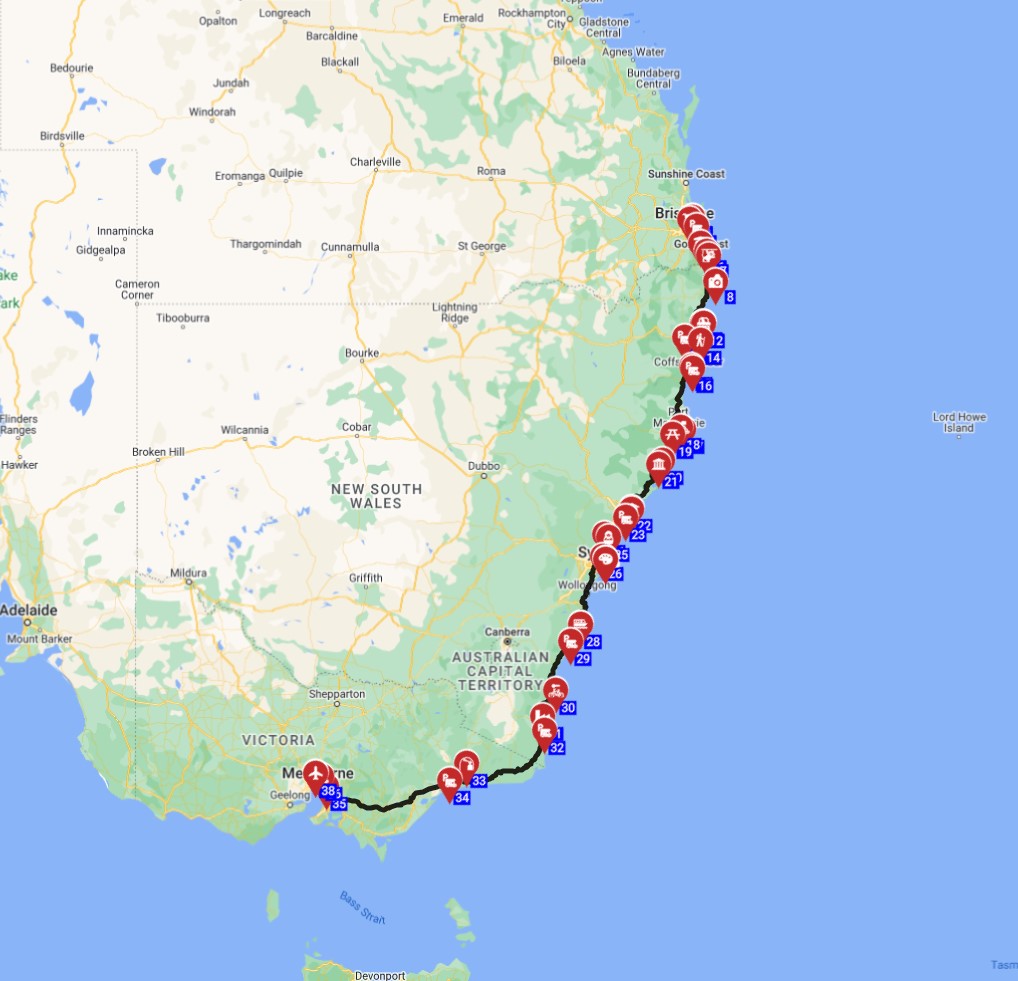
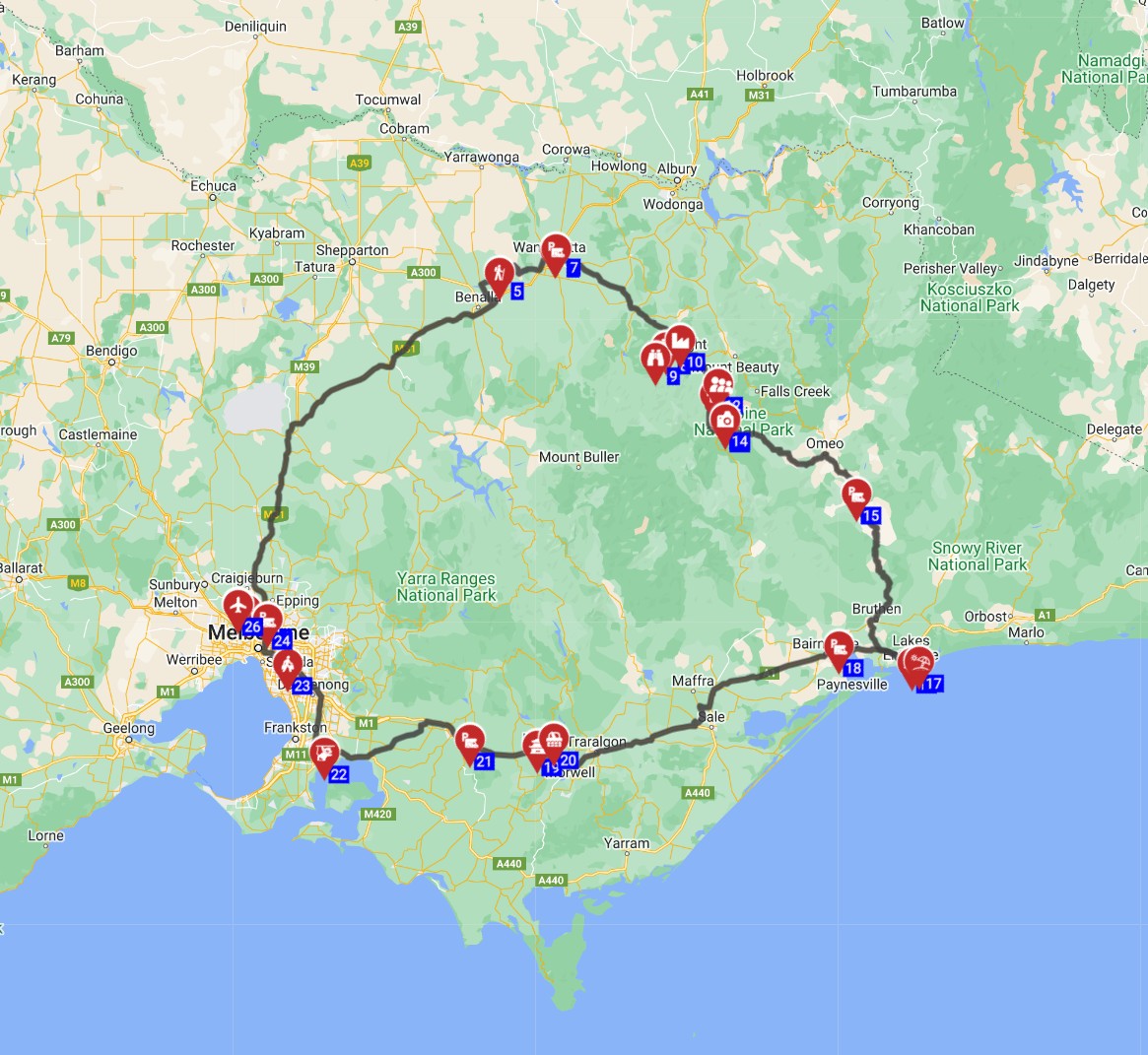
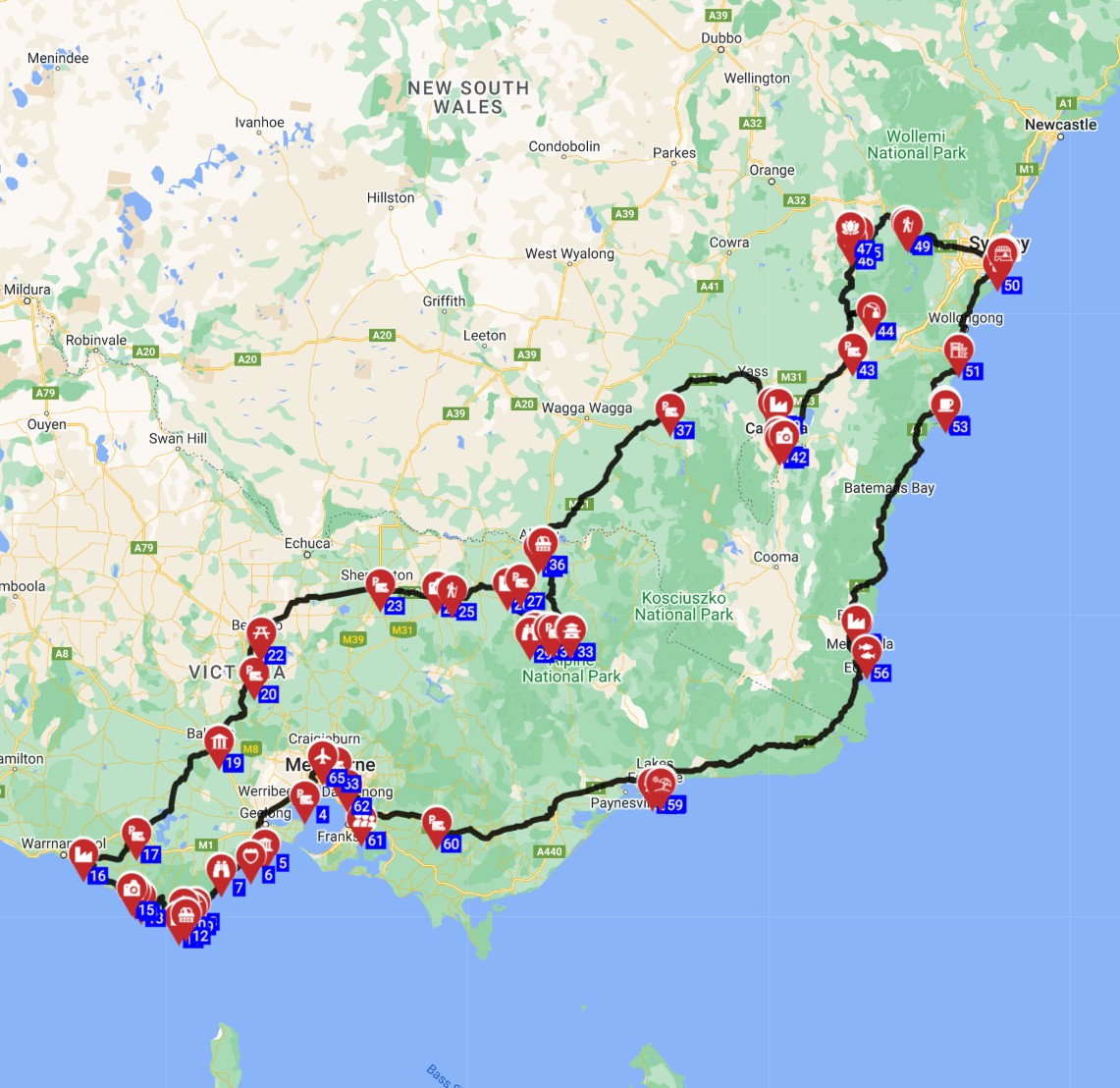
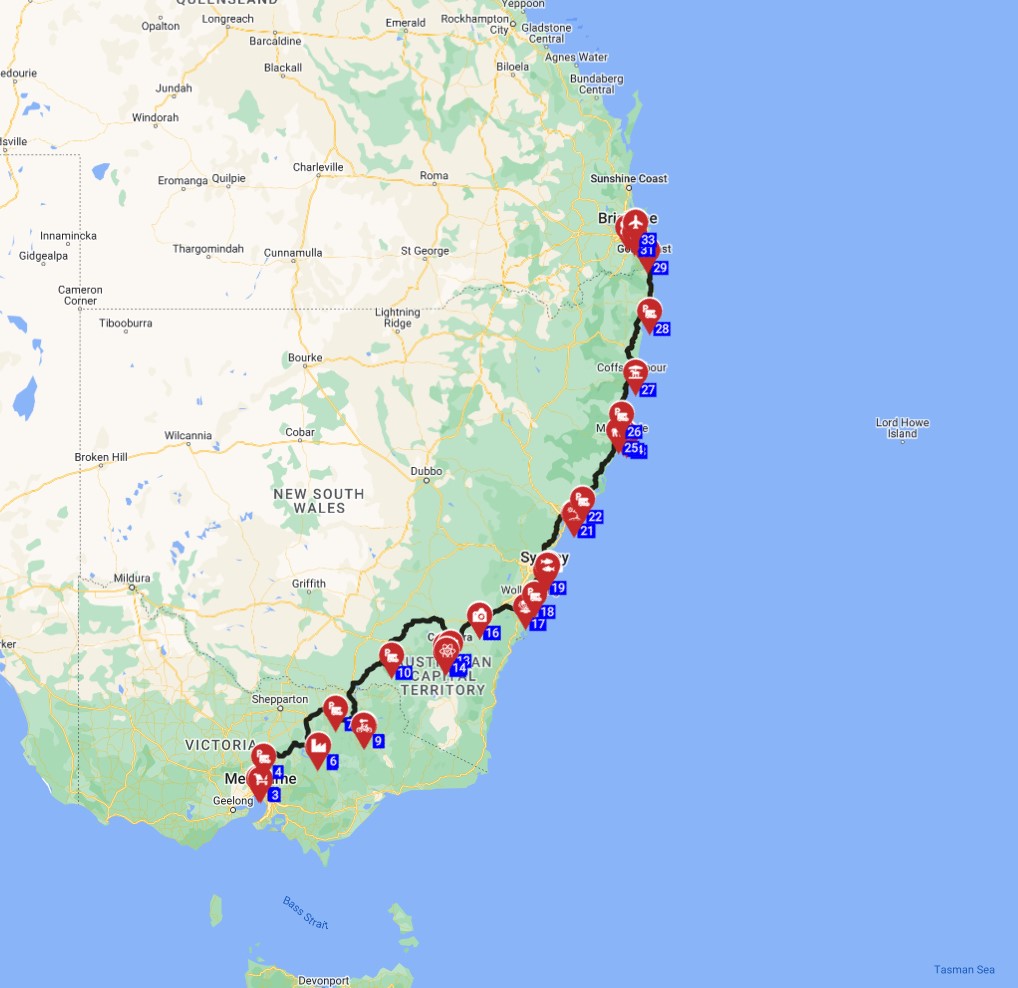
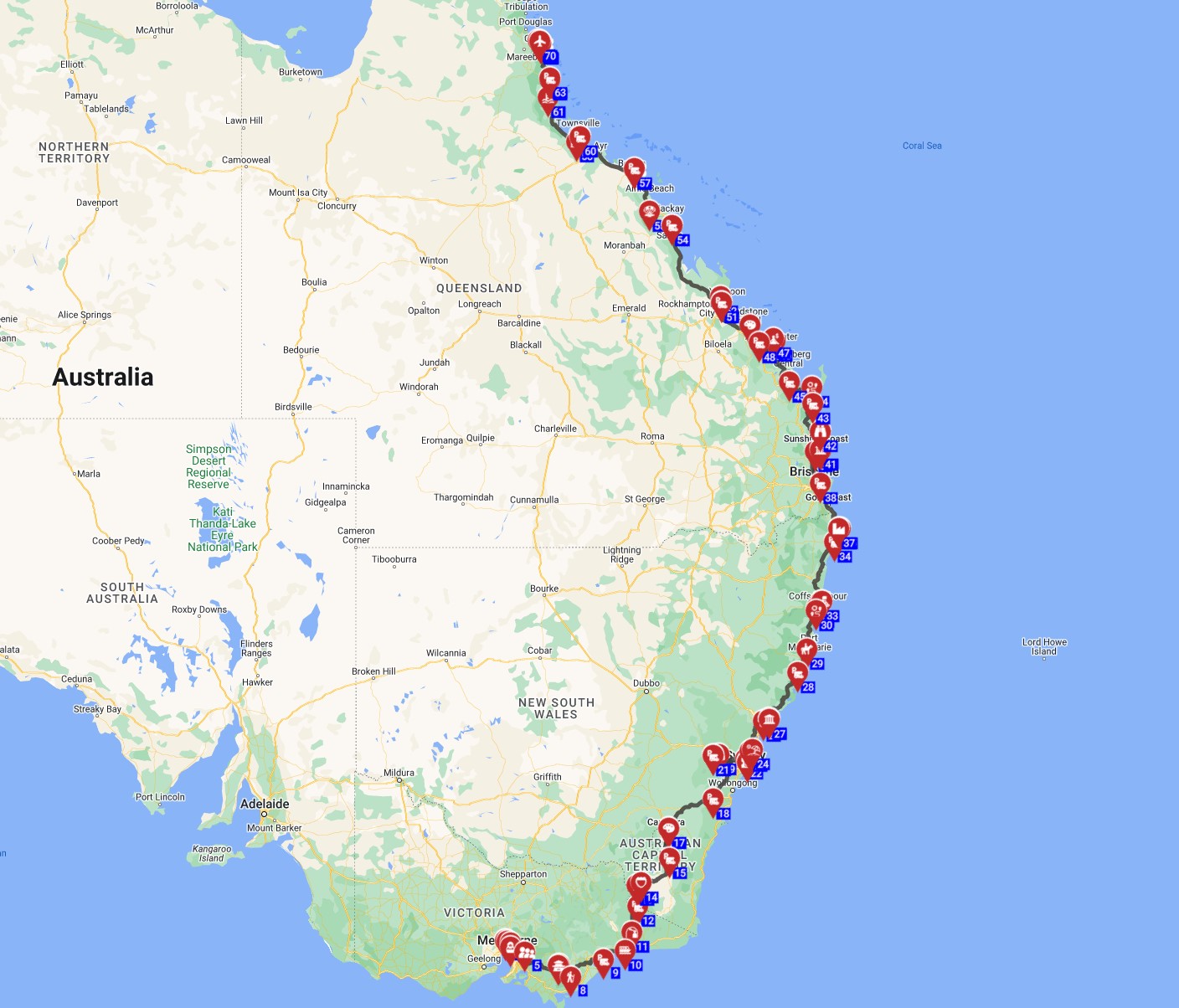
Brisbane to Melbourne - Coastal Wonders Journey
Driving Tips for RV Beginners Travelers
Practicing makes perfect: Before heading into Melbourne's bustling traffic, practice driving your rented RV in a quiet area near the pickup location to get accustomed to its size, braking, and turning radius. Watch for wildlife: Victoria's rural roads, especially at dawn and dusk, are prone to wildlife encounters (kangaroos, wallabies); drive defensively and be prepared to slow down or stop. Understand Victorian tolls: Familiarize yourself with Melbourne's electronic toll roads (CityLink, EastLink) and ensure your rental RV has a valid pass or account to avoid unexpected fines. Heed fire bans: During summer and autumn, Victoria frequently declares 'Total Fire Ban' days; check local warnings daily, as lighting campfires or using certain BBQs is strictly prohibited. Plan your campsites: Especially during peak seasons or school holidays, popular RV parks and campgrounds near Melbourne and its attractions fill up quickly; book ahead to secure your spot. Remember, travel slowly, max 100-150 km per day on average. Take time to feel the place, connect to the culture, the food, and the scenery. You can find many wonderful routes in our RV Travel Guide to Melbourne - Tips and Top Spots 2026.Recommended RV Class for Melbourne Roads
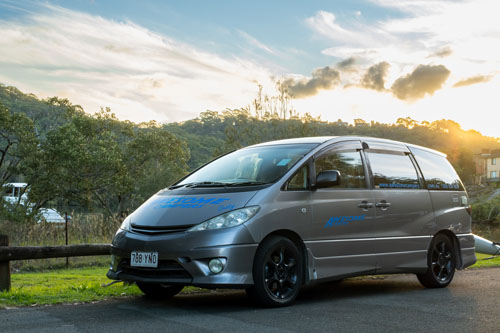
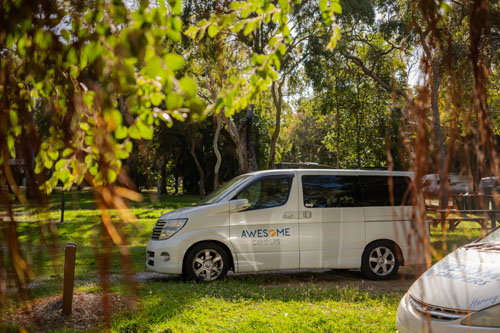
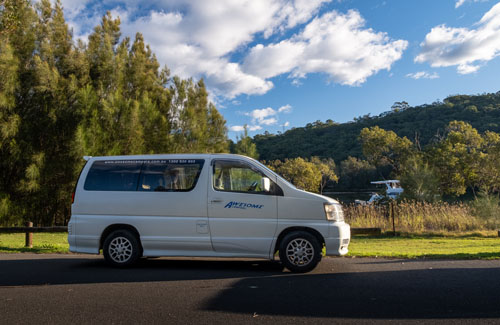
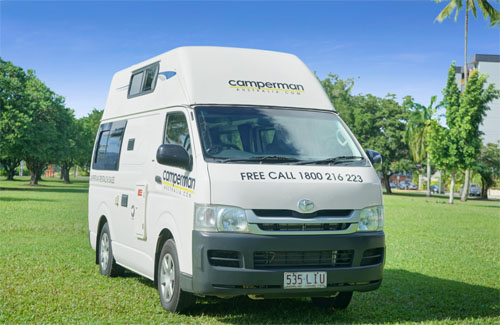
For RV rental beginners exploring Melbourne and its diverse surrounding regions, both **Class B - Camper Vans** and **Class SI - Semi-integrated** motorhomes are highly recommended for their balance of comfort and drivability. Class B Camper Vans, averaging 5.7m in length like the Active Classic, are ideal for couples or solo travelers, offering excellent maneuverability in urban environments, easier parking, and a fuel consumption typically around 14 Litres/100 km. Class SI Semi-integrated RVs, averaging 6.5m in length, provide more interior space and amenities, making them suitable for small families or those seeking extra comfort, while still being manageable on Victorian roads and having a more efficient fuel consumption of 10-13 Litres/100 km. While Class C Alcove RVs, averaging 7.6m in length like the "cruise america rv rental example Explorer", are also available and suitable for larger families, their increased length and height can make city parking and navigating tighter spaces more challenging for beginners. Explore options in "RV Rental in Melbourne - Prices and Best Deals 2026" to find your perfect fit.Should I Choose a Compact Van Instead of a Large RV in Melbourne?
While a compact van (Class B Camper Van) offers superior maneuverability and easier parking in Melbourne's busy city center and suburban streets, larger RVs generally present no significant driving challenges on major Victorian roads and highways. The decision often hinges on your priorities: a compact van, such as a "Category Van", is ideal for those prioritizing ease of urban navigation, fitting into standard parking spaces, and a more car-like driving experience. Conversely, a larger RV (such as a Class SI Semi-integrated or Class C Alcove, like the "rv rentals utah example Sunrise Escape" for families of 2+2) is a better choice if you value more spacious living areas, dedicated beds, a full kitchen and bathroom, and ample storage for longer trips or family travel. For beginners, a compact van reduces the learning curve associated with driving a larger vehicle, but the added comfort and amenities of a larger RV often outweigh the slight increase in maneuverability challenges for an extended Melbourne adventure. Melbourne's surrounding attractions are well-served by roads that accommodate larger RVs, making the choice more about your comfort needs than strict road limitations.Can I Park Anywhere? Free & Wild Camping Rules in Melbourne
Free camping and 'wild camping' (unregulated overnight parking) are generally restricted and often illegal within Melbourne's metropolitan area and most established towns across Victoria. Victorian regulations prohibit overnight parking in undesignated areas, including most public streets and carparks, with significant fines for non-compliance. For overnight stays, RV beginners should utilize designated commercial caravan parks, holiday parks, or official RV-friendly rest areas located outside of major urban centers, such as those along the Great Ocean Road. Many of Victoria's National Parks offer designated campgrounds, which usually require booking in advance and payment of a fee, but provide access to stunning natural environments. Always prioritize official campgrounds or permitted locations for overnight parking to ensure safety and comply with local laws; 'dump stations' for wastewater and fresh water refills are typically found at these sites. You'll find a spot. If not at the first campground, then the next one. Call ahead before driving.Can I Drive an RV Into the City Center? Heights, Tunnels & Local Signage
Yes, you can generally drive an RV into Melbourne's city center, but it requires careful attention to local signage, particularly regarding height limits, tunnel restrictions, and unique traffic rules. Drivers must be especially vigilant for notorious low bridges, like the 3.0m (9 feet 10 inches) Montague Street Bridge, and be aware that multi-story car parks are almost always unsuitable for RVs. Major arterial tunnels (e.g., on CityLink and EastLink) typically have generous clearances for RVs, but always adhere to posted height restrictions and dynamic lane signage. Melbourne's central business district features unique traffic elements like tram lanes, hook turns, and clearway restrictions, which RV drivers must understand and obey. While access is possible, parking an RV within the CBD is extremely challenging; it is often more practical to park at an RV-friendly location on the city fringe or a nearby caravan park, such as the Big4 Melbourne Discovery Holiday Park, and use Melbourne's extensive public transport system.Is it worth renting a campervan in Australia?
Renting a campervan in Australia is widely considered an exceptionally worthwhile experience, offering unparalleled freedom, flexibility, and a deeply immersive way to explore the country's diverse landscapes. It provides the unique ability to combine transport and accommodation, potentially leading to significant cost savings compared to separate car rentals and hotel bookings, especially for longer trips. A campervan allows beginners to access breathtaking natural attractions, national parks, and secluded coastal drives around Melbourne (like the Great Ocean Road or Wilson's Promontory) that are often inaccessible by public transport. The flexibility to modify itineraries, linger longer in favorite spots, and discover hidden gems at your own pace greatly enhances the travel experience, moving beyond rigid tour schedules. For those seeking a true Australian adventure, including camping under the stars and experiencing the country's unique RV culture, renting a campervan offers an unforgettable journey, often including Melbourne-centric itineraries for nearby wine regions and coastal escapes, such as those found on RV PLANET. Imagine yourself waking up to the sounds of nature after enjoying a home-cooked breakfast prepared right in your campervan kitchen. For culinary inspiration, check out our RV-friendly recipes playlist!How much does it cost to insure a rental RV?
The cost of insuring a rental RV in Australia varies significantly based on the rental company, the specific RV class, the duration of the rental, and the level of coverage chosen by the beginner traveler. Basic Collision Damage Waiver (CDW) is typically included in the rental price, but it often comes with a substantial excess (deductible) that can range from AUD 2,500 to AUD 7,500 or more. To reduce this high excess, beginners should budget an additional AUD 30 to AUD 80 per day for 'excess reduction' or 'all-inclusive' insurance packages offered by rental companies, which can lower your deductible to a few hundred dollars or even zero. Bandana provides top-level deductible reimbursement as an optional upgrade you can purchase, ensuring you travel with extra peace of mind. These premium packages often cover more specific damages (e.g., windscreen, tires, roof, underbody) and may include roadside assistance or single-vehicle accident cover, which are usually excluded from basic CDW. A detailed breakdown of RV rental insurance options in Australia, including what CDW and liability cover, specific exclusions, and actual costs, is a crucial consideration for budget-conscious RV beginners.Does my credit card cover RV rental insurance?
While some premium credit cards offer rental vehicle insurance as a perk, it is critical to confirm directly with your credit card provider whether this coverage explicitly extends to RVs or motorhomes, as many policies specifically exclude these vehicle types. Typically, credit card rental insurance focuses on covering the 'collision damage waiver' aspect, which would reduce or waive the rental company's excess in case of damage to the RV itself. However, credit card policies often do not provide crucial third-party liability coverage, which protects you financially if you cause damage to another vehicle or property during your rental period. Before relying on credit card coverage for your Melbourne RV rental, always contact your card issuer to confirm their specific terms, exclusions (especially for RVs/motorhomes), maximum coverage limits, and any requirements like paying the full rental amount with that card. For comprehensive protection, particularly concerning third-party liability and high excesses, it is generally recommended to either purchase the rental company's excess reduction options or secure a separate travel insurance policy that explicitly covers RV rentals in Australia. Always remember: what you see is what you get with Bandana, no hidden fees, no surprises.What You Shouldn't Miss
- Explore the iconic Great Ocean Road, a 243 km scenic drive from Torquay to Allansford, easily accessible with your rented motorhome from Melbourne.
- Discover the natural beauty of Wilson's Promontory National Park, just a 3-hour drive southeast of Melbourne, offering numerous RV-friendly campgrounds and over 30 marked hiking trails.
- Take a week-long or two-week adventure along the "Brisbane to Melbourne - Coastal Wonders Journey" route, covering 2321.4 km and including 2 wildlife watch opportunities and 1 historical site.
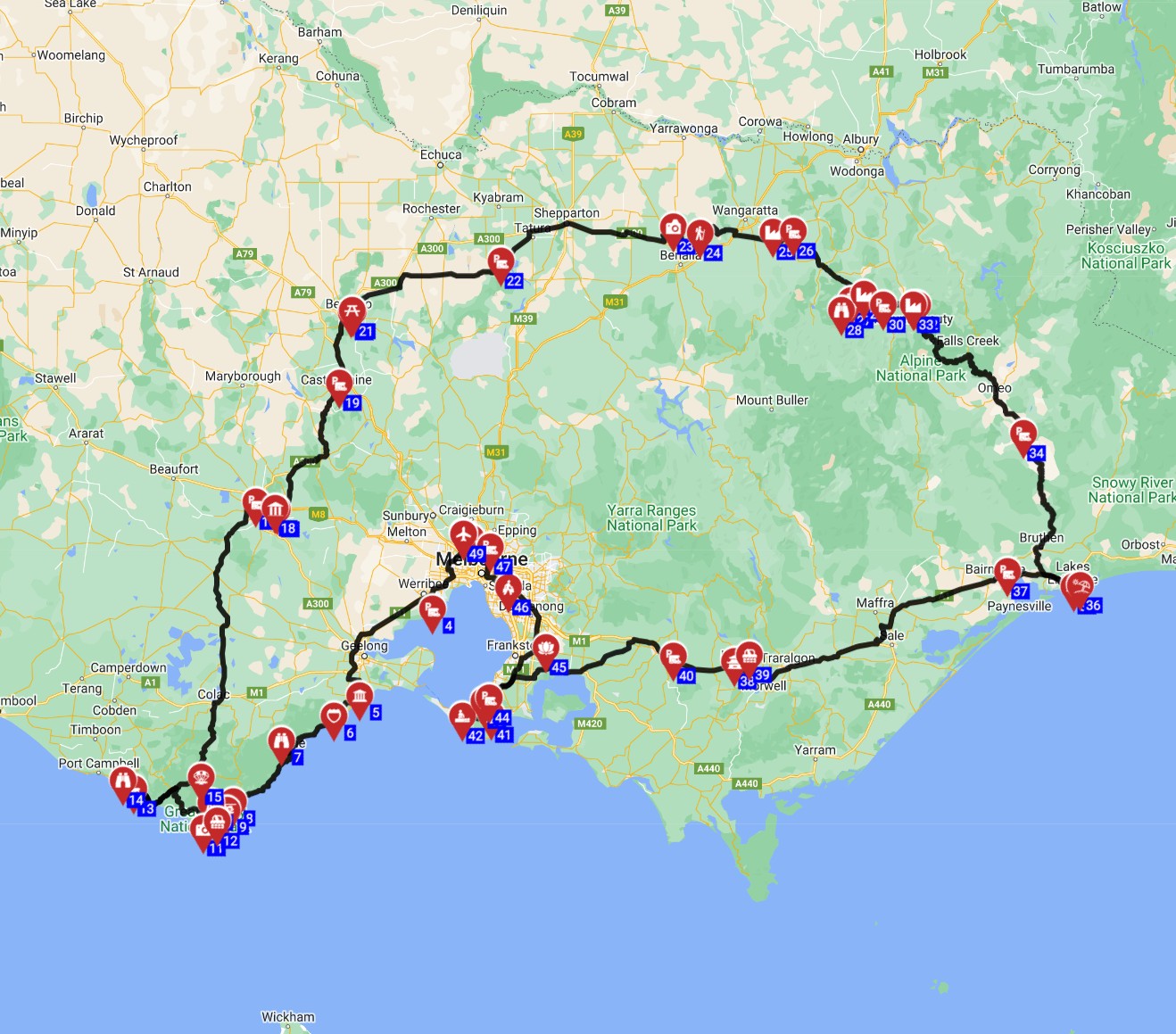
- Indulge in a "
", a 10-day trip covering 1318.8 km with 2 scenic routes and 1 traditional market.
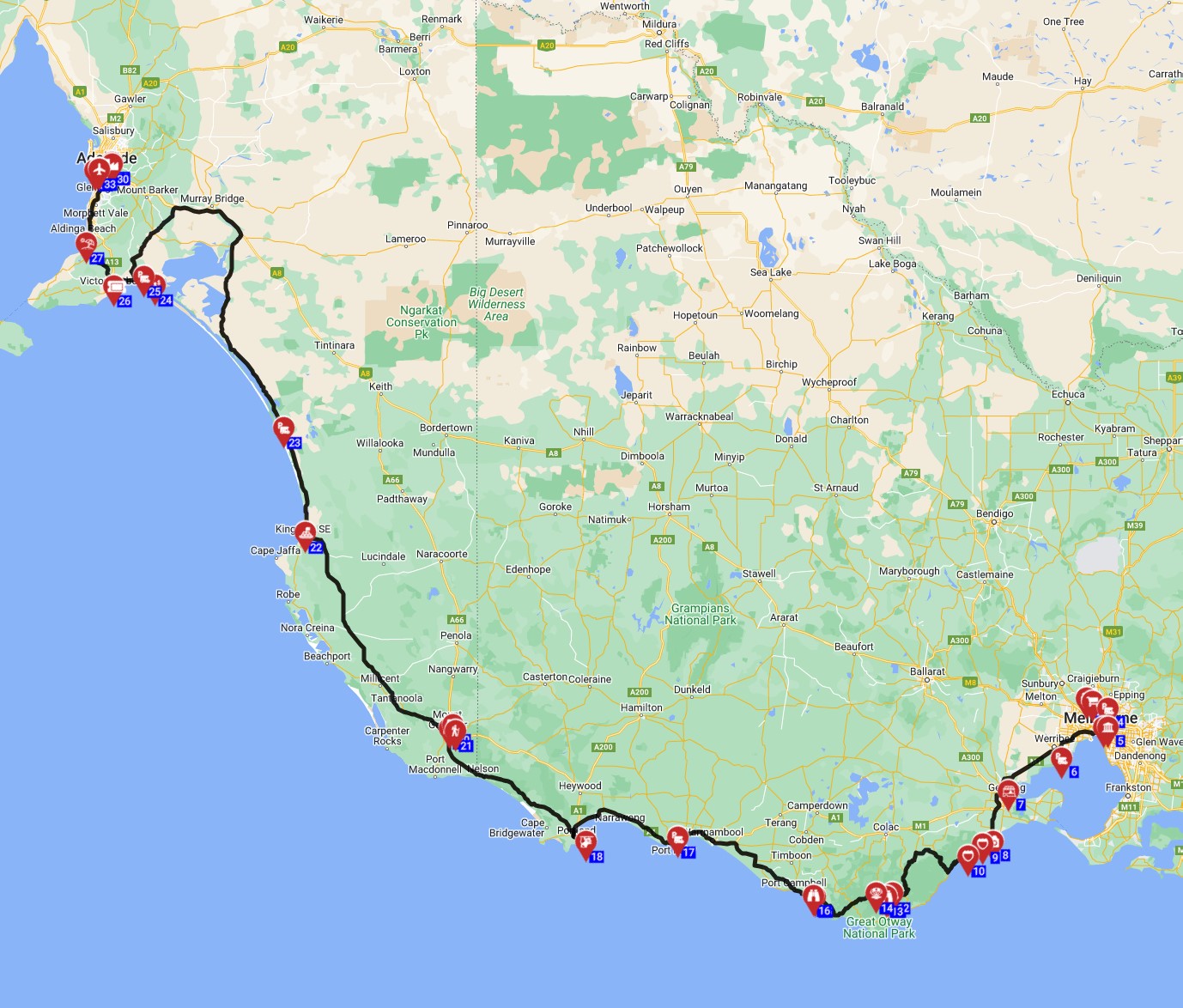
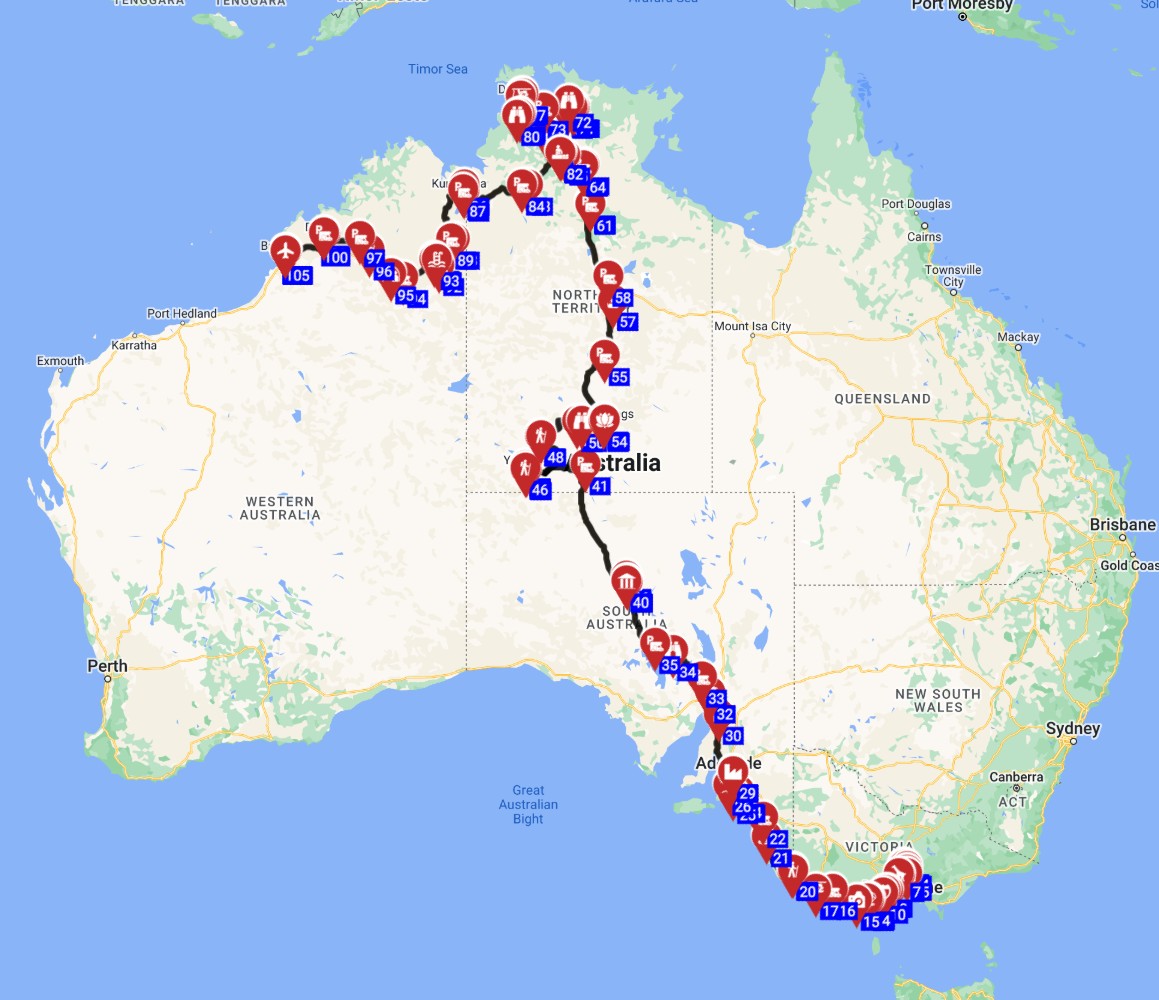
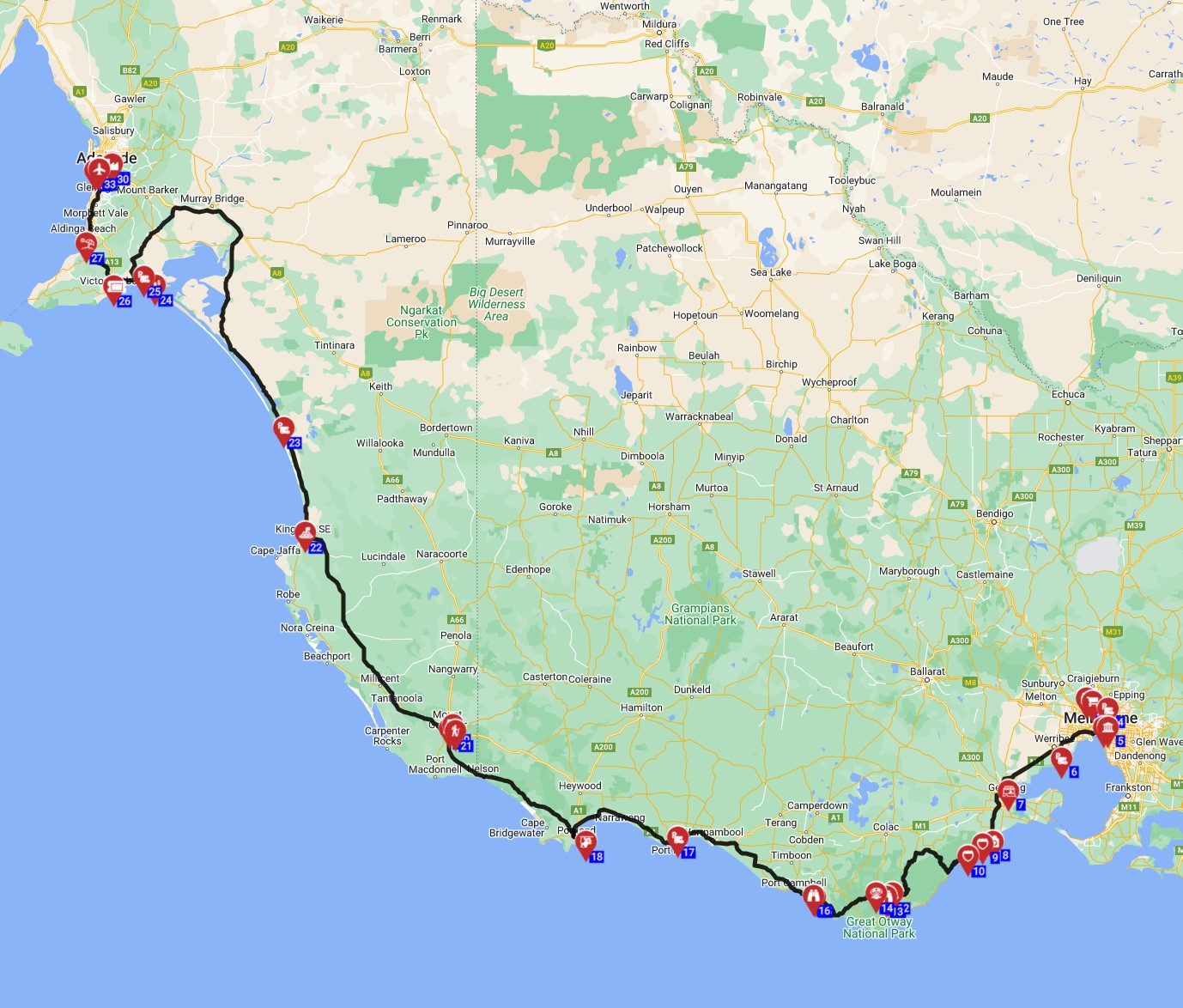 Melbourne to Adelaide - Coastal Charm and Adventure Trail
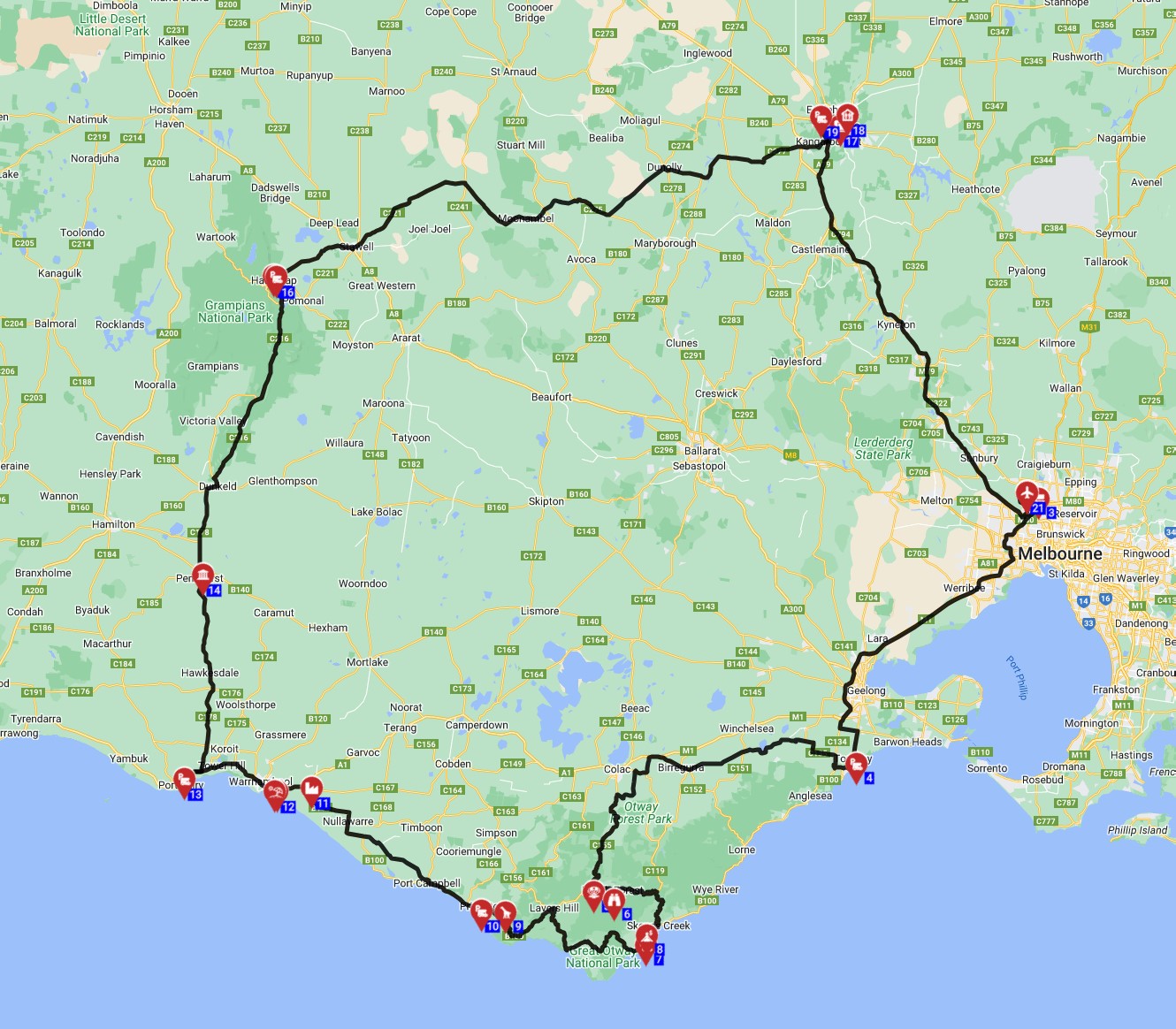
 - Plan an 8-day RV road trip from
, spanning 1184.8 km and featuring 1 amusement park and 1 historical site.
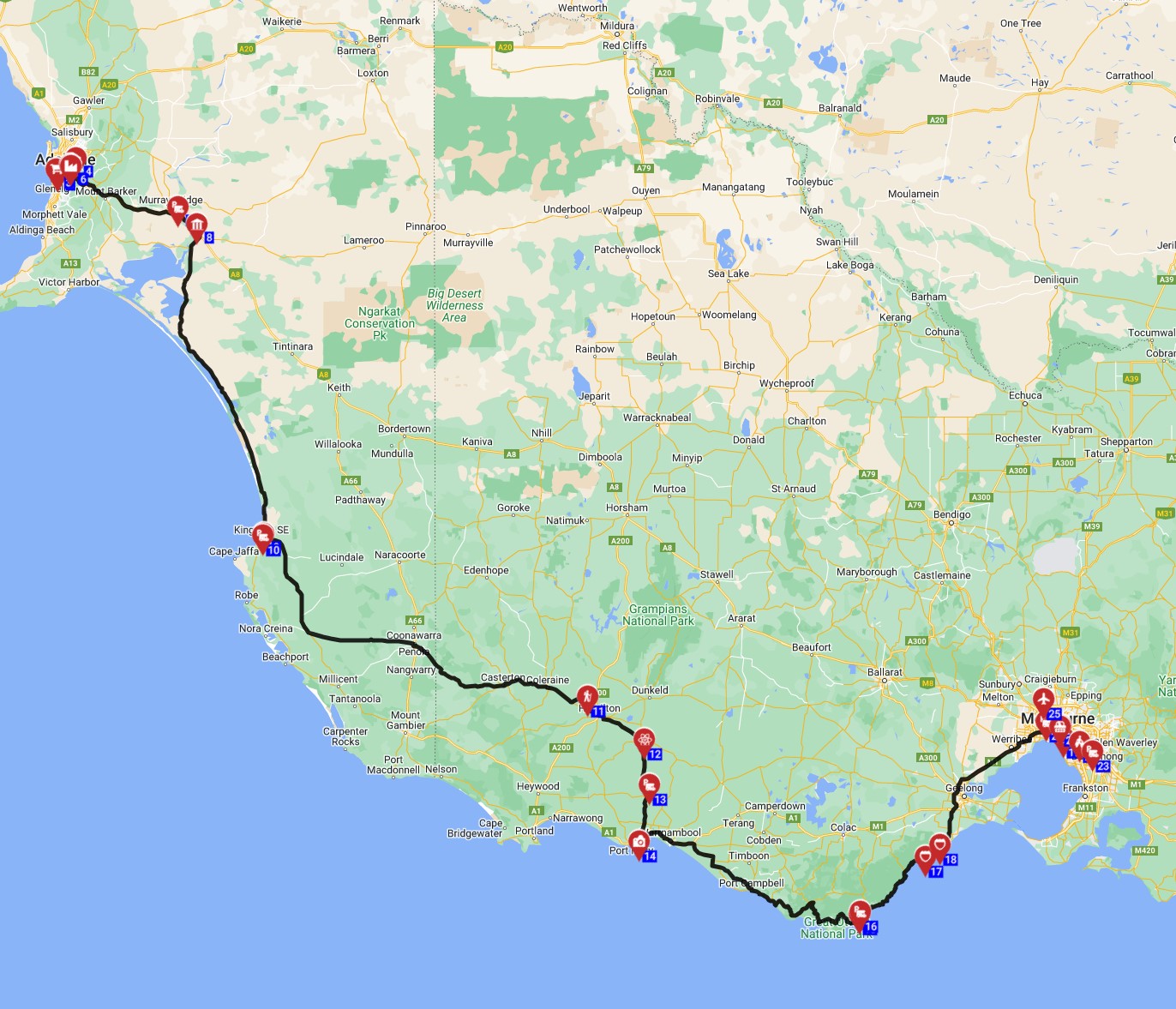 Adelaide to Melbourne - Coastal Wonders and City Lights Tour
 - Discover the Yarra Valley wine region, less than an hour's drive from Melbourne, known for its picturesque vineyards and local produce, with many RV-friendly stops.
Looking for expert insights from Avi Bandana? Top 5 Adventures - recommendations from Avi Bandana
Avi's personal touch and vast experience ensure you get the best recommendations for your RV adventure.
Final Thoughts
Your first RV adventure in Melbourne promises a journey filled with unforgettable sights, from the bustling cityscapes to the serene coastal roads. While new experiences can bring a few questions, with the right information and preparation, you'll be navigating Australia's roads like a pro. Remember to embrace slow travel, savor every moment, and connect with the unique culture and breathtaking scenery. At Bandana Caravan, we are dedicated to making your motorhome rental experience in Melbourne as smooth and enjoyable as possible. Our expert knowledge, transparent pricing, and robust support ensure you have a fantastic trip. So, take that leap, plan your route, and get ready for the adventure of a lifetime! Find Motorhome Rentals in MelbourneOn the routes offered through RV PLANET routes, you can itemize and track every expense along the way for easy budgeting.