In This Guide
- Can You Drive an RV in Japan? License & Age Rules
- Road Conditions & Terrain in Japan
- RV Size Limits, Bridges & Restricted Zones
- Fuel: Diesel vs. Petrol & Cost per 100 km
- Tolls, Vignettes & Border Rules
- Driving Tips for rv rental beginners Travelers
- Recommended RV Class for Japan Roads
- Should I Choose a Compact Van Instead of a Large RV in Japan?
- Can I Park Anywhere? Free & Wild Camping Rules in Japan
- Can I Drive an RV Into the City Center? Heights, Tunnels & Local Signage
- What is the total cost of an RV trip in Japan?
- What Cultural Etiquette Should RVers Know in Japan?
- What Types of RVs are Best Suited for Japan's Infrastructure?
- How Do I Handle Practical Logistics and Challenges While RVing in Japan?
- How Can I Navigate Language Barriers When RVing in Japan?
- What Specific Driving Strategies Should I Use for RVs in Japan?
- What Are the Best Seasons and Routes for RVing in Japan?
Embarking on a motorhome adventure in Japan is an incredible way to experience this captivating country, from its bustling cities to its serene natural landscapes. Japan offers a unique blend of ancient traditions and modern efficiency, all accessible from the comfort of your rented motorhome or campervan. For live availability and current prices, start with our RV Rental Japan - Complete Guide 2026 guide. At Bandana RV, we specialize in helping first-time RV drivers navigate the specifics of a Japanese road trip, ensuring you feel confident and prepared for every turn. We handle the details, you live the journey - offering personal service from day one until your booking is confirmed, and transparent pricing with no hidden fees or surprises.
Can You Drive an RV in Japan? License & Age Rules
Foreigners can indeed drive an RV in Japan, provided they hold an International Driving Permit (IDP) issued under the 1949 Geneva Convention, alongside their valid home country driver's license and passport. The minimum driving age for most RV rentals in Japan is typically 21 years old, with no young driver surcharges or vehicle class restrictions based on age across our fleet. For the majority of standard rental RVs (usually up to 3.5 tons), a regular B-category driving license (requiring an IDP) is sufficient for foreign drivers, as these vehicles fall under standard passenger vehicle classifications in Japan. There's no need for special licenses or additional permits for any Class A, Class B, or Class C motorhome you rent through Bandana RV, making the process straightforward for beginners.
Road Conditions & Terrain in Japan
Japan boasts excellent road quality throughout the country, including many rural areas, ensuring a smooth ride for your rented motorhome or campervan. However, many roads, particularly off major expressways and within mountain regions that cover over 70% of the country, can be notably narrow and winding, requiring careful navigation from RV beginners. You might encounter occasional well-maintained gravel roads when accessing more remote campsites or natural attractions. RV beginners should embrace a philosophy of slow travel, averaging a maximum of 100-150 km per day, allowing ample time for leisurely driving and appreciating the stunning Japanese landscape without rush. This approach lets you truly feel the place, connect to the culture, the food, and the scenery.
RV Size Limits, Bridges & Restricted Zones
While Japan's infrastructure is modern, RV drivers must be highly aware of height restrictions, particularly for underground parking garages, some tunnels, and older bridges, which can sometimes be as low as 2.8 to 3.5 meters. Larger rented RVs, such as Class C Alcoves (often around 7.5m in length) or Class A Integrated motorhomes (also averaging 7.5m), may face challenges on very narrow streets or in tight parking spots, making Class B Camper Vans (averaging 5.8m) or smaller semi-integrated models a more versatile choice for navigating diverse Japanese environments. Weight limits are generally not a concern for standard rental RVs on main roads, but specific environmental zones or ferry services might have applicable restrictions. Always check local signage meticulously for height, width, and weight restrictions, especially when entering smaller towns, traditional villages, or historic districts to avoid unexpected surprises.
Fuel: Diesel vs. Petrol & Cost per 100 km
Most rental RVs in Japan, particularly the smaller campervans and motorhomes commonly rented by tourists, run on petrol (gasoline), though some larger Class C models may be diesel; always confirm the specific fuel type of your rental vehicle upon booking. Bandana's global fleet generally sees Class B Camper Vans consuming approximately 8-10 Liters/100 km, while Class SI Semi-integrated and Class C Alcove models typically consume 10-12 Liters/100 km, but larger Class A models could be higher, up to 17 Liters/100 km. Fuel prices in Japan are generally higher than in many Western countries, so it's crucial for RV beginners to budget for this significant expense. You can track all potential costs, including fuel, on RV PLANET routes to ensure easy budgeting throughout your trip. On the routes offered through RV PLANET routes, you can itemize and track every expense along the way for easy budgeting.
Tolls, Vignettes & Border Rules
Japan's extensive expressway network is almost entirely toll-based, meaning that tolls will constitute a significant portion of any RV travel budget. There are no vignette systems in Japan; tolls are typically paid per section or distance traveled on expressways, similar to many highway systems in other parts of the world. An ETC (Electronic Toll Collection) card is highly recommended for RV renters in Japan, as it allows for seamless passage through toll gates without stopping and often provides beneficial discounts on tolls, simplifying your travel and saving money. As an island nation, Japan has no land borders, so you won't need to worry about cross-border rules or permits with neighboring countries for your RV trip within the country.
Driving Tips for rv rental beginners Travelers
Mastering navigation is paramount when driving a rented RV in Japan; utilize a reliable GPS (most rental RVs include one) set to English, and strongly consider purchasing a local Japanese SIM card or renting a portable Wi-Fi device for real-time traffic updates and translation apps. Remember that Japan drives on the left side of the road; take your time, especially on narrow, winding roads, and allow extra stopping distance for larger vehicles like Class C motorhomes. An ETC card is key for efficient travel on toll roads, as manual toll booths can be cumbersome for foreign drivers. Always plan your parking in advance, particularly in urban areas or popular tourist spots, as RV-suitable spaces can be limited and costly. Finally, plan for frequent breaks, especially if traveling with family, to utilize Japan's excellent Michi-no-eki (roadside stations) for restrooms, food, and rest, which are cultural highlights in themselves.
Recommended RV Class for Japan Roads
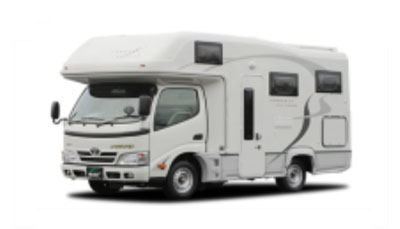
For navigating Japan's infrastructure, which features numerous narrow roads and often compact parking, Class B Camper Vans, typically averaging 5.8 meters in length, are highly recommended for their superior maneuverability. These smaller campervans, similar to a Combi Van or the nimble VW California Ocean, offer the best agility for accessing tight historic centers, smaller parking lots, and remote mountain passes where larger Class C or Class A models might struggle. Class SI Semi-integrated RVs, averaging around 6.9 meters in length, also provide a good balance of living space and relative agility, making them suitable for most Japanese routes, including many national parks and scenic drives. Prioritizing a rented RV with a smaller footprint will significantly enhance your driving experience and access to diverse locations across Japan, ensuring a more relaxed and enjoyable adventure. When comparing options, check our "RV Rental in Japan - Prices and Best Deals 2026" for a range of suitable vehicles.
Should I Choose a Compact Van Instead of a Large RV in Japan?
While larger RVs can certainly navigate Japan's major thoroughfares, a compact van or smaller motorhome often provides greater flexibility and less driving stress for beginners, particularly on narrow, winding roads and in dense urban areas. Compact vans, such as a Class B Camper Van around 5.8m long, excel in accessing tight historic centers, smaller parking lots, and remote mountain passes where larger vehicles might face significant challenges or restrictions. However, opting for a larger RV, like a Class SI Semi-integrated at 6.9m or a Class C Alcove at 7.5m, offers significantly more indoor space, enhanced comfort, and additional amenities, which can be a valuable trade-off for longer trips or families prioritizing living comfort and convenience. The best choice ultimately depends on your specific itinerary for Japan: if extensive city exploration and venturing into very remote areas are key, a compact van is advantageous; if comfort, generous amenities, and broader regional travel are your priorities, a larger Class C motorhome like the CA-25 or C-30 remains a viable and often more comfortable option.
Can I Park Anywhere? Free & Wild Camping Rules in Japan
True 'wild camping' or free overnight parking outside designated areas is generally not permitted or culturally acceptable in Japan for RVs, and it's best to avoid it to respect local customs and regulations. Michi-no-eki (roadside stations) are invaluable for RVers, as these government-designated rest areas often offer free overnight parking, clean restrooms, local produce, and sometimes even showers or hot springs, serving as a primary legal and convenient option for overnight stays. However, these are primarily meant for resting, not extended camping with awnings and outdoor setups. Formal campgrounds and dedicated RV parks (known as Auto-camps) are available throughout Japan and are the official, socially accepted option for longer overnight stays with full RV facilities, including water and dump stations. Always check local regulations and follow local law meticulously before parking overnight, respecting private property and public spaces to ensure a smooth trip.
Can I Drive an RV Into the City Center? Heights, Tunnels & Local Signage
Yes, you can drive a rented RV into most city centers in Japan, though it absolutely requires slow, careful driving and meticulous attention to specific local conditions and signage. Always pay close attention to posted height limits for tunnels, underpasses, and multi-story car parks, which can be significantly lower in densely packed urban areas; for instance, some parking garages might be restricted to vehicles under 2.1 meters. Be vigilant for local signage indicating residents-only streets, very narrow alleyways, or environmental zones where larger vehicles might be discouraged or restricted. To minimize stress, utilize GPS navigation systems that offer height and weight warnings, and consider parking your RV on the outskirts of very dense city centers, then using Japan's excellent public transport for inner-city exploration. Remember, drive slowly and carefully, and you can drive almost anywhere without issues. No need to stress - just use common sense and pay attention.
🎬 Video coming soon
What is the total cost of an RV trip in Japan?
The total cost of an RV trip in Japan encompasses several factors, starting with rental fees, which vary dynamically by RV class (e.g., a compact campervan like the Duo versus a larger Class C motorhome like MHC24), season, and booking lead time. Beyond the rental itself, significant expenses include fuel, which is generally higher priced than in many Western countries, and tolls on Japan's extensive expressway network. For example, a Class B Camper Van might consume 8-10 Liters/100 km, while a larger motorhome could use 10-12 Liters/100 km. Utilizing an ETC card is highly recommended to manage toll costs efficiently and potentially access discounts. Additional expenses include food (groceries can be a cost-effective alternative to eating out, and you can find great RV-friendly recipes playlist to cook in your RV), camping fees (formal campgrounds generally charge $25-$50 per night), and activity costs like entrance fees to temples, museums, or onsen visits. For a detailed breakdown and to itemize every expense along the way, consider planning your route using RV PLANET routes.
What Cultural Etiquette Should RVers Know in Japan?
RV renters in Japan must observe strict cultural etiquette, particularly regarding noise levels and meticulous waste disposal, to maintain harmony with local communities and respect public spaces. Waste disposal is highly specific; never dump grey water or trash indiscriminately – utilize designated facilities at formal campgrounds or follow the often complex local instructions for recycling and waste separation, which can involve 5-10 distinct categories with different collection days. When using public baths (Onsen/Sento) for daily hygiene, always wash thoroughly before entering the communal bath, follow all facility rules, and generally refrain from wearing swimsuits unless specified otherwise. At Michi-no-eki, respect fellow travelers and locals by keeping noise levels low, avoiding setting up extensive camping gear outside your rented vehicle, and using facilities respectfully, remembering they are rest stops, not traditional campsites.
What Types of RVs are Best Suited for Japan's Infrastructure?
For Japan's distinctive infrastructure, characterized by numerous narrow roads and smaller parking spots, compact campervans or 'Kei-camper' vans are often best suited due to their superior maneuverability. While the indigenous 'Kei-campers' are highly prevalent and practical for local travelers, Bandana's Class B Camper Vans, averaging around 5.8 meters in length, also offer excellent suitability for navigating Japan's unique road conditions. These include models like the Combi Van, which is ideal for a couple, or a slightly larger option like the Active Pop Top. Larger Western-style RVs, such as Class C Alcoves (averaging 7.5m), are feasible on major roads and expressways but may encounter significant challenges in tighter urban areas, smaller villages, or very narrow mountain passes. Prioritizing a rented vehicle with a smaller footprint will significantly enhance your driving experience and access to diverse locations across Japan, making for a more comfortable and less stressful adventure.
How Do I Handle Practical Logistics and Challenges While RVing in Japan?
Handling practical logistics and challenges while RVing in Japan requires proactive planning, especially since amenities like dedicated water and dump stations are less common than in some Western countries. Plan your stops at formal campgrounds or larger Michi-no-eki that offer these facilities to manage your fresh and grey water tanks. Laundry facilities are typically found at larger campgrounds, coin laundries (koin randorī) in towns, or sometimes at well-equipped Michi-no-eki. Managing propane and electricity involves understanding your RV's capabilities and ensuring you have appropriate adapters for Japanese outlets (Type A/B, 100V) if you plan to charge personal devices. Accessing reliable internet via a local SIM card or renting a portable Wi-Fi device is crucial for navigation, translation, and communication. Familiarize yourself with specific emergency procedures, including how to contact emergency services (110 for police, 119 for fire/ambulance), and learn a few basic Japanese phrases for emergencies or asking for assistance. Our 24/7 support is always available for pre-booking inquiries, booking assistance, and post-booking coordination, ensuring you're prepared from the start.
How Can I Navigate Language Barriers When RVing in Japan?
Navigating language barriers while RVing in Japan requires proactive preparation, as much signage, especially off major tourist routes and in rural areas, will be exclusively in Japanese. Utilize advanced translation apps (such as Google Translate with its invaluable camera function) for interpreting road signs, restaurant menus, and even product labels. Many modern GPS systems, often provided with Bandana RV rental vehicles, offer English language options; always confirm this upon pickup and download offline maps as a crucial backup. Learning a few key Japanese phrases for greetings (konnichiwa, arigato), asking for directions, expressing thanks, and simple requests will significantly enhance your local interactions and problem-solving capabilities. Remember, a smile and a little effort go a long way in Japanese culture.
What Specific Driving Strategies Should I Use for RVs in Japan?
One crucial driving strategy for RVs in Japan is to utilize an ETC (Electronic Toll Collection) card for maximum efficiency and potential discounts on the country's extensive network of toll roads; this prevents fumbling with cash at manual booths. Familiarize yourself with specific Japanese road rules, including strict adherence to posted speed limits (which are often lower than in Western countries, e.g., 80-100 km/h on expressways and 40-60 km/h on local roads), understanding traffic light sequencing, and always giving way to pedestrians. For parking solutions, particularly in urban and popular tourist areas, research designated RV parking in advance or consider parking at a Michi-no-eki and using public transport to access city centers. Always drive defensively, anticipate narrow roads, tight turns, and potential roadside obstacles, particularly when venturing into rural or mountainous regions. Remember that our Class B Camper Vans and Class C Motorhomes are well-suited for these varied conditions, and we are true RV specialists, not a travel agency side department, so we understand these nuances.
What Are the Best Seasons and Routes for RVing in Japan?
The best seasons for RVing in Japan are typically spring (March-May) for spectacular cherry blossom viewing and autumn (September-November) for stunning autumn leaves, both offering mild, pleasant weather and unique scenic experiences. Summer (June-August) can be hot and humid, with potential typhoon activity in some regions, while winter (December-February) brings heavy snow to northern regions like Hokkaido and the Japanese Alps, which is ideal for skiing but can be challenging for RV driving. Popular RV routes often leverage seasonal attractions, such as exploring Hokkaido in summer for cooler temperatures and vibrant flower fields, or Kyushu in autumn for its diverse natural beauty and numerous onsen. Consider itineraries that allow you to fully leverage your rented RV or campervan for unique experiences like remote festivals, charming rural onsen towns, or national parks that might be harder to reach by public transport. Planning a trip in advance with minimal effort and maximum enjoyment is easy with RV PLANET's pre-planned routes.
What You Shouldn't Miss
- Drive the Hokkaido Scenic Byways: Explore Hokkaido's vast landscapes in summer with routes like the Panorama Road in Biei, offering rolling hills, flower fields, and the famous Blue Pond.
- Visit Historic Kyoto with an RV: Park your motorhome on the city outskirts and use public transport to explore ancient temples, serene gardens, and vibrant geisha districts, then return to your mobile home.
- Experience the Japanese Alps: Navigate the winding mountain roads of areas like Nagano and Toyama, enjoying breathtaking views, hiking trails, and traditional villages, perfect for a Class B campervan.
- Relax in Onsen Towns: Integrate stops at famous hot spring towns like Hakone or Beppu, using public onsen facilities for a relaxing end to your day's drive.
- Explore Shikoku's Coastline: Discover the stunning coastal scenery and art installations of Naoshima island (accessible via ferry for foot passengers, park RV on mainland) or the historical pilgrimage route.
- Looking for expert insights from Avi Bandana? Top 5 Adventures - recommendations from Avi Bandana.
Final Thoughts
Taking your first RV trip in Japan promises an unparalleled adventure, a journey through stunning landscapes, vibrant cities, and rich cultural experiences. It’s a chance to immerse yourself in a unique blend of old and new, all at your own pace. With a little preparation and the right rented motorhome or campervan, you'll discover the freedom and flexibility that RV travel offers, creating memories that will last a lifetime.
Remember, Bandana RV is here to support you every step of the way, from choosing the perfect vehicle to understanding local regulations. We pride ourselves on full transparency and dedicated service, ensuring your focus remains on the joy of discovery. So, embrace the spirit of adventure, take the leap, and get ready to explore Japan like never before!
Ready to begin your Japanese RV adventure? Compare Motorhome Prices for Japan and find your ideal rental today.