In This Guide
- Can You Drive an RV in Ireland? License & Age Rules
- Road Conditions & Terrain in Ireland
- RV Size Limits, Bridges & Restricted Zones
- Fuel: Diesel vs. Petrol & Cost per 100 km
- Tolls, Vignettes & Border Rules
- Driving Tips for rv rental beginners Travelers
- Recommended RV Class for Ireland Roads
- Should I Choose a Compact Van Instead of a Large RV in Ireland?
- Can I Park Anywhere? Free & Wild Camping Rules in Ireland
- Can I Drive an RV Into the City Center? Heights, Tunnels & Local Signage
- Top Cities for RV Rental in Ireland
- Navigating Ireland: Practical Info for RV Renters
- What You Shouldn't Miss
Embarking on your first rented RV adventure in Ireland is an incredibly rewarding experience, offering unparalleled freedom to explore the Emerald Isle's breathtaking landscapes at your own pace. With a rented motorhome or campervan, you unlock a mobile home base, allowing you to chase sunsets along the Wild Atlantic Way or discover ancient historical sites tucked away in verdant valleys. This guide is specifically designed for first-time RV drivers in Ireland, providing all the essential knowledge to ensure a smooth, enjoyable, and unforgettable journey. For live availability and current prices, start with our RV Rental Ireland - Complete Guide 2026 guide, where you can compare final prices across 50+ suppliers with full transparency.
Can You Drive an RV in Ireland? License & Age Rules
Yes, individuals holding a valid Category B license can drive most standard RVs up to 3,500 kg in Ireland, while heavier vehicles exceeding this weight may require a Category C1 or C license. A standard Category B driver's license, which is what most car drivers possess, covers vehicles up to 3,500 kg with up to 8 passenger seats, perfectly adequate for the majority of rental campervans and Class C motorhomes available in Ireland. For visitors from EU/EEA countries, your national license is sufficient, but non-EU/EEA drivers should obtain an International Driving Permit (IDP) in addition to their national license as a recommendation, though it is not mandatory in all cases. The minimum driver age for renting an RV in Ireland is 21 years old, with no young driver surcharges or vehicle class restrictions imposed by Bandana's partners based on age.
Road Conditions & Terrain in Ireland
Ireland's road network offers a mix of well-maintained motorways (M-roads) suitable for long-distance travel, alongside numerous narrow, winding rural roads (National Primary N-roads and Secondary R-roads) that present varying terrain. Motorways are generally excellent for covering distances between major cities, providing smooth driving experiences. However, the true charm of Ireland lies off these main arteries, on the smaller N- and R-roads. These can be significantly narrower, often bordered by stone walls or high hedges, and may lack wide shoulders. Rural and minor roads require cautious driving due to limited visibility, blind spots, and the frequent possibility of encountering agricultural vehicles or livestock, such as sheep freely roaming unfenced areas. The terrain varies from the relatively flat central plains to the rugged, mountainous landscapes of counties like Kerry and Donegal, encouraging slower, scenic driving, typically a maximum of 100-150 km per day on average to truly absorb the beauty.
RV Size Limits, Bridges & Restricted Zones
While Ireland does not impose blanket RV size limits, drivers must remain vigilant for local signage indicating height, weight, and width restrictions, particularly on older roads and in historic towns. Height restrictions are commonly encountered for railway bridges, urban underpasses, and multi-story car parks; always check posted signs before proceeding. Standard rental motorhomes, usually under 3,500 kg, are generally unaffected by weight limits, though some very old bridges might have specific load restrictions. The width of a rented RV is often the most significant factor on Ireland's narrow rural roads, where tight passages between stone walls or oncoming traffic demand extra caution and sometimes require reversing. Environmental zones or specific vehicle restrictions for RVs are less common in Ireland compared to some larger European cities, but it's always wise to look for local signage in specific urban areas.
Fuel: Diesel vs. Petrol & Cost per 100 km
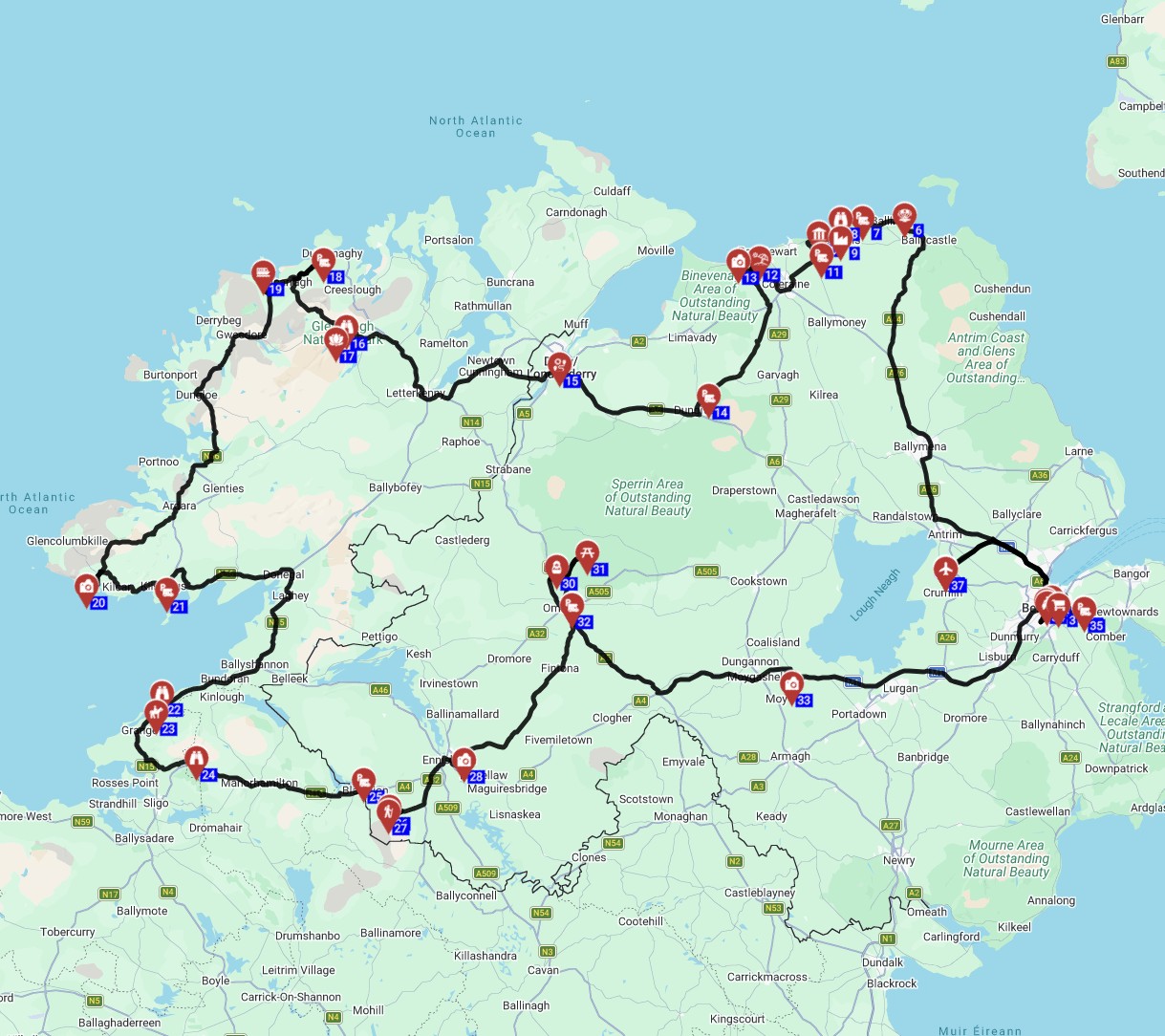
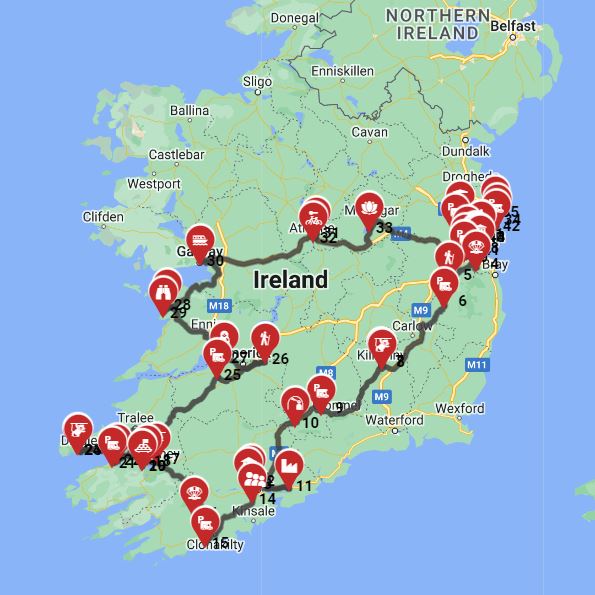
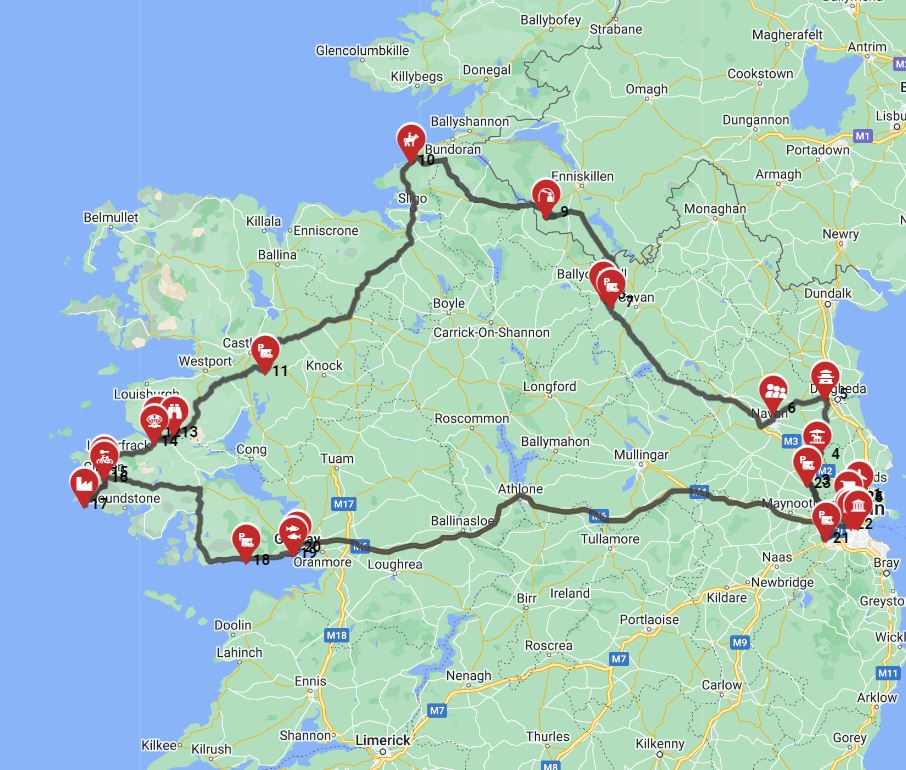
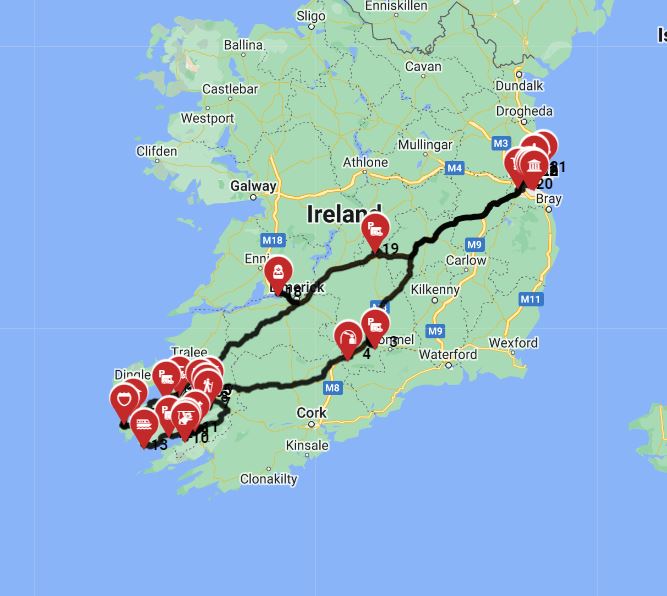
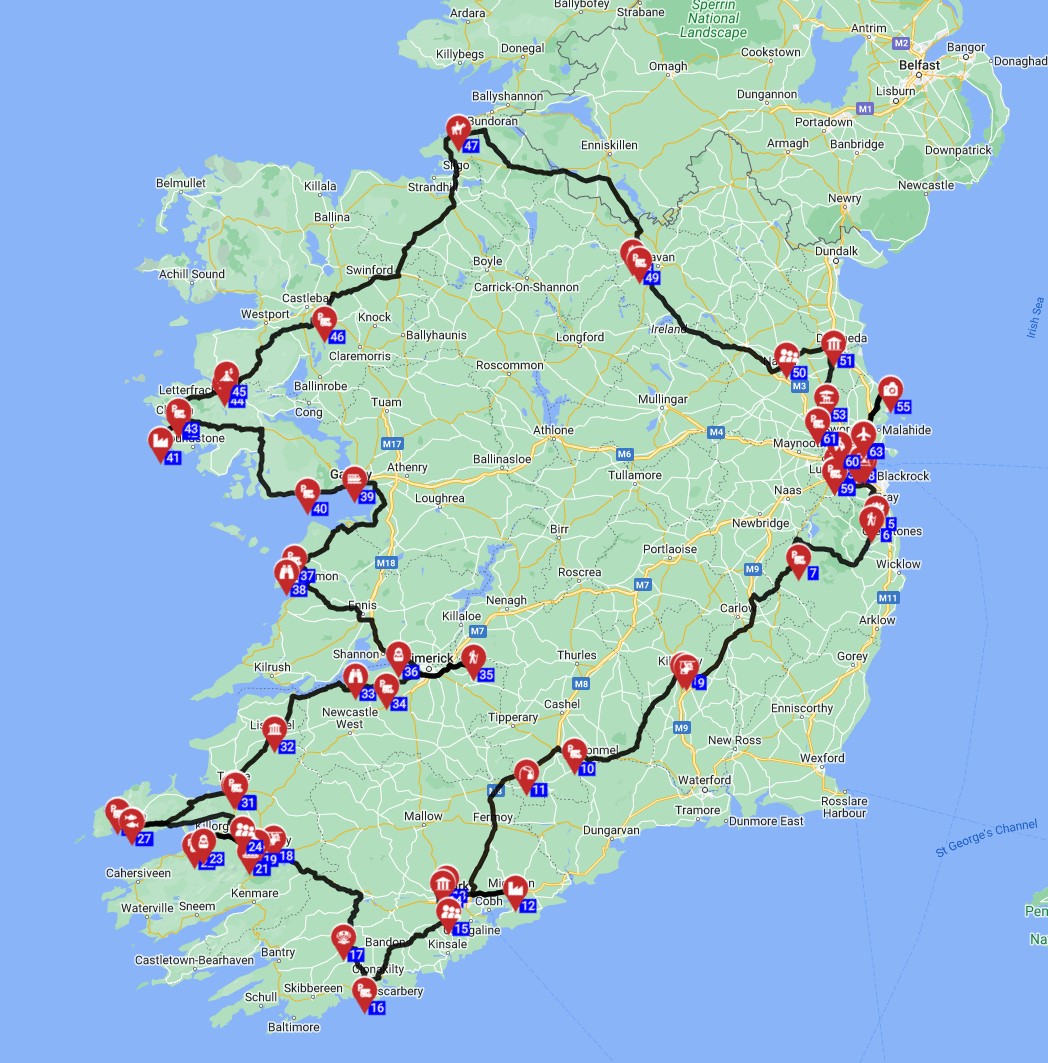
The vast majority of RV rentals in Ireland operate on readily available diesel fuel, making it the primary choice for nearly all motorhomes and larger campervans. Petrol (gasoline) is typically reserved for smaller cars and very compact campervans. Fuel stations are widespread across Ireland, though their availability can be more limited in very remote areas, so it is wise to refuel before long stretches on rural routes. Based on Bandana's global fleet averages, a Class SI Semi-integrated RV typically consumes between 10-11 Liters/100 km, while a Class C Alcove RV might consume 10-12 Liters/100 km. To estimate your fuel costs for a week-long trip, multiply the relevant Liters/100 km consumption by the current average diesel price, which can fluctuate daily. For comprehensive budgeting and tracking all ancillary trip costs like fuel, campground fees, and groceries, remember that RV PLANET routes allow travelers to itemize every expense along their planned journey. On the routes offered through RV PLANET routes, you can itemize and track every expense along the way for easy budgeting.
Tolls, Vignettes & Border Rules
Ireland primarily utilizes barrier-free electronic tolls on its motorways, meaning there is no vignette system required for RVs, and travel between the Republic of Ireland and Northern Ireland has no hard border controls. Most tolls, especially on the M50 orbital motorway around Dublin, are electronic and require online payment via eFlow.ie or at Payzone retail outlets within 24 hours of passing the toll point to avoid penalty charges. Other tolled roads may feature traditional barrier systems where payment can be made by cash or card at the booth. Ireland does not use the vignette sticker system common in some other European countries. For travel between the Republic of Ireland and Northern Ireland, both being part of the Common Travel Area, no physical border checks or specific documentation are typically required, offering seamless exploration across the island.
Driving Tips for rv rental beginners Travelers
For RV rental beginners in Ireland, mastering left-hand driving, anticipating narrow roads, and meticulous route planning are crucial for an enjoyable and safe journey. Always remember that traffic drives on the left side of the road, and at roundabouts, you should give way to traffic coming from the right. Be prepared for roads that are often narrower than you might expect, especially in rural areas; take your time, utilize your mirrors frequently, and be ready to pull over into designated passing places or a safe spot to allow oncoming traffic to pass. Maintain constant awareness of your rented RV's height, width, and length, particularly when navigating through small towns, under low bridges, and in car parks. We recommend using an RV-specific GPS or mapping app that can account for vehicle dimensions to help avoid unsuitable roads or low bridges. Planning for frequent breaks, especially on longer scenic routes, helps combat fatigue and allows ample time to appreciate Ireland's captivating scenery.
Recommended RV Class for Ireland Roads
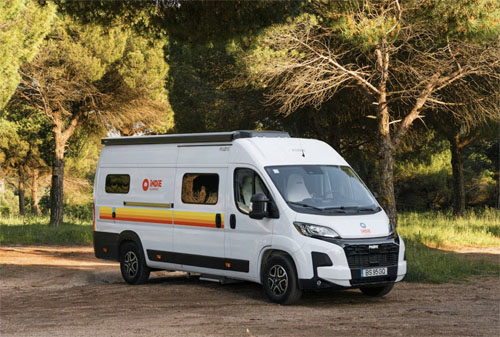
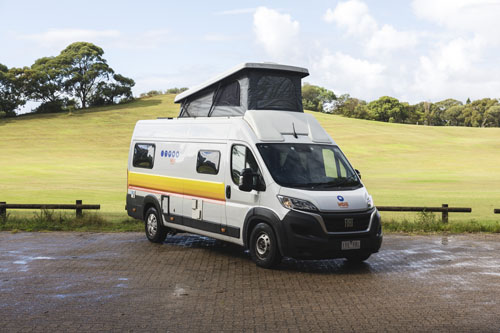
For navigating Ireland's diverse road network, Class B Camper Vans or Class SI Semi-integrated RVs are highly recommended due to their excellent balance of maneuverability and comfort. Class B Camper Vans, with an average length of 5.8 meters and a compact footprint, offer superior agility for narrow country roads and generally provide easier parking solutions in towns. The "V3" is a popular choice for couples, with a length of 6.36 meters and features like a refrigerator and shower, while the "Combi Van" is a 4-berth option at 5 meters in length. Class SI Semi-integrated RVs, typically averaging 6.9 meters in length, provide more interior space and amenities while remaining relatively manageable on most Irish routes, such as the "Active Standard Auto" which is a medium-sized model with an automatic transmission. These vehicle classes strike a good balance, offering enough comfort and facilities for week-long trips without being overly cumbersome for Ireland's often compact infrastructure. While larger Class C motorhomes are available, beginners might find the reduced length and width of Class B or SI vehicles less stressful on challenging roads, ensuring a more relaxed driving experience.
Should I Choose a Compact Van Instead of a Large RV in Ireland?
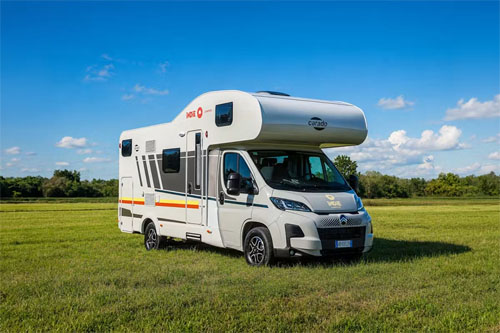
While most RV sizes can capably navigate Ireland, choosing a compact van or a smaller motorhome often offers significant advantages for accessing more remote areas and easing driving stress on challenging roads, though it does mean a compromise on indoor space. Compact vans excel in maneuverability, making them ideal for very narrow, winding country lanes (boreens), tight village centers, and finding parking more easily in crowded areas. For instance, models like the "Juliette 2-3" or "Active Classic" offer a nimble solution for couples. Larger RVs, such as a Class C Alcove like the "Motorhome MC4 Gold," provide superior indoor living space, more amenities, and often more comfortable sleeping arrangements, which can enhance the overall experience for those prioritizing comfort and on-board facilities for a family with kids in Ireland. For beginners, the smaller dimensions of a compact van can significantly reduce anxiety when driving on the left side of the road and navigating unfamiliar, tight spots. The trade-off is typically between the greater freedom of access and ease of driving offered by a compact van, versus the enhanced living space and facilities of a larger rented RV, especially when considering a Family RV Rental in Ireland - Pricing Guide 2026.
Can I Park Anywhere? Free & Wild Camping Rules in Ireland
While there are no official 'wild camping' laws specifically prohibiting RVs in Ireland, it is generally tolerated in remote areas provided you obtain explicit landowner permission and adhere strictly to Leave No Trace principles. Always seek permission from the landowner before parking overnight on private land, as trespassing can lead to legal issues. Wild camping with rented RVs is generally discouraged in national parks and designated scenic areas unless signs explicitly permit it, due to conservation efforts. It is paramount to practice 'Leave No Trace' principles: pack out all rubbish, respect wildlife, keep noise to a minimum, and leave no evidence of your stay. Utilizing official campsites is always the safest and most convenient option, as they provide essential facilities like fresh water, waste disposal points, and electricity. Rules and tolerance can vary by region; always check local council regulations and follow local law before parking overnight, particularly in popular tourist spots. For finding campsites and campgrounds during your trip, we recommend using rvplan.net, a great resource for locating available spots along your route.
Can I Drive an RV Into the City Center? Heights, Tunnels & Local Signage
Yes, it is generally possible to drive a rented RV into most Irish city centers, though drivers must be highly aware of potential height restrictions, narrow streets, and specific local signage for parking and access. Main routes into and through city centers like Dublin, Cork, or Galway are typically accessible to RVs, but side streets and older, historic districts can be very narrow and challenging. Pay close attention to signs indicating height or width restrictions, especially for multi-story car parks, underground garages, and low bridges within urban areas. Most tunnels are designed to accommodate standard vehicles, including RVs, but always observe posted clearance heights. Be aware of local signage for environmental zones (which are less common for RVs currently) or residents-only streets, which might restrict access or parking. Finding suitable RV parking in city centers can be challenging; it's often advisable for a first-time RV renter to park on the outskirts and use public transport to explore the city, making your adventure much more relaxed.
Top Cities for RV Rental in Ireland
Ireland offers several excellent starting points for your RV rental adventure, each providing access to unique regions and experiences. These cities serve as convenient hubs for picking up your motorhome or campervan from Bandana's network of trusted suppliers like Apollo or Britz.
- Belfast: A vibrant city in Northern Ireland, offering a fantastic base to explore the Causeway Coastal Route, the Mourne Mountains, and the history of the Titanic. You can find RV rentals from Belfast, including convenient pickup options at Belfast - Airport, Belfast - City Airport, Belfast - Europa Bus Centre, Belfast - Harbour, and Belfast - Lanyon Place Train Station.
- Cork: Situated in the southwest, Cork is the gateway to the stunning Wild Atlantic Way, charming coastal towns, and the scenic Ring of Kerry. You can compare and book your RV rental in Cork, including Cork - Airport.
- Dublin: The bustling capital city, perfect for those who want to experience urban culture before venturing out to the Wicklow Mountains or the Ancient East. For travelers looking to understand the overall landscape of options and planning, the RV Rental in Ireland - Prices and Best Deals 2026 provides valuable insights.
- Shannon: Conveniently located near Shannon Airport, this city offers easy access to the dramatic Cliffs of Moher, the Burren, and the wild beauty of County Clare.
- Galway: Known as Ireland's cultural heart, Galway is an ideal starting point for exploring Connemara, the Aran Islands, and the rugged western coastline. For those aiming for a more budget-conscious trip, consider our Cheap RV Rental in Ireland - Budget Guide 2026.
Each of these locations offers a variety of camper and motorhome rentals, ensuring you find the perfect vehicle for your week-long trip or extended road trip across Ireland. For more detailed information on options throughout Europe, consult our RV Rental Europe - Complete Guide 2026.
Navigating Ireland: Practical Info for RV Renters
Understanding local practicalities is crucial for a stress-free RV rental trip in Ireland, covering everything from driving customs to emergency services. In Ireland, you drive on the left-hand side of the road, and seatbelts are mandatory for all passengers. Speed limits are generally 120 km/h (75 mph) on motorways, 100 km/h (62 mph) on national roads, and 80 km/h (50 mph) on regional roads, with urban areas typically 50 km/h (31 mph). Always watch for signage, as local limits can vary. Emergency services can be reached by dialing 112 or 999. For staying connected, purchasing a local SIM card (available from providers like Vodafone, Three, or Eir) is recommended for reliable internet access and navigation, as Wi-Fi hotspots can be scarce in remote areas. Remember to travel slowly, aiming for a maximum of 100-150 km per day on average, to truly appreciate the local culture, food, and scenery. Planning your overnight stops is simple using resources like rvplan.net for campsites, and if you enjoy preparing meals in your rented RV, our RV-friendly recipes playlist offers plenty of inspiration for delicious meals on the go.
What You Shouldn't Miss
- The Wild Atlantic Way: Drive at least a section of this 2,500 km (1,553 mile) coastal route, marveling at dramatic cliffs, pristine beaches, and charming villages.
- Ring of Kerry: This 179 km (111 mile) scenic drive offers breathtaking views of mountains, lakes, and the Atlantic Ocean. Be sure to check local advice on which direction to drive larger vehicles.
- Giant's Causeway: Explore the UNESCO World Heritage site of hexagonal basalt columns, a geological wonder located in Northern Ireland, easily accessible by RV.
- Cliffs of Moher: Witness the iconic 214-meter (702-foot) high cliffs in County Clare, offering panoramic views of the Atlantic.
- Traditional Irish Pubs: Immerse yourself in local culture with live traditional music sessions, a pint of Guinness, and hearty pub food.
- Ancient Sites: Visit historical treasures like the Newgrange passage tomb (over 5,000 years old) or the Rock of Cashel, showcasing Ireland's rich past.
Looking for expert insights from Avi Bandana? Top 5 Adventures - recommendations from Avi Bandana.
🎬 Video coming soon
Final Thoughts
Your first RV rental trip to Ireland is an adventure waiting to unfold, filled with stunning scenery, rich history, and warm hospitality. While navigating a motorhome or campervan on unfamiliar roads might seem a little daunting at first, with a bit of preparation and this guide in hand, you'll find it an incredibly rewarding way to explore the Emerald Isle. Embrace the flexibility, the freedom, and the sheer joy of having your home on wheels as you discover Ireland's magic at your own pace.
Remember, we are here to support you every step of the way, from comparing the best deals on your preferred motorhome rental to ensuring you understand all the nuances of RV travel in Ireland. So, take the leap and start planning your unforgettable journey. The open roads of Ireland are calling!
Compare Motorhome Prices for Ireland and begin your incredible adventure today!