For live availability and current prices, start with our RV Rental Dublin - Complete Guide 2026 guide.
In This Guide
- Can You Drive an RV in Dublin? License & Age Rules
- Road Conditions & Terrain in Dublin
- RV Size Limits, Bridges & Restricted Zones
- Fuel: Diesel vs. Petrol & Cost per 100 km
- Tolls, Vignettes & Border Rules
- Driving Tips for RV Rental Beginners Travelers
- Recommended RV Class for Dublin Roads
- Should I Choose a Compact Van Instead of a Large RV in Dublin?
- Can I Park Anywhere? Free & Wild Camping Rules in Dublin
- Can I Drive an RV Into the City Center? Heights, Tunnels & Local Signage
- Can you rent RVs in Ireland?
- What insurance covers RV rentals?
- How much does it cost to insure a rental RV?
- Why is Ireland excluded from rental car insurance?
Can You Drive an RV in Dublin? License & Age Rules
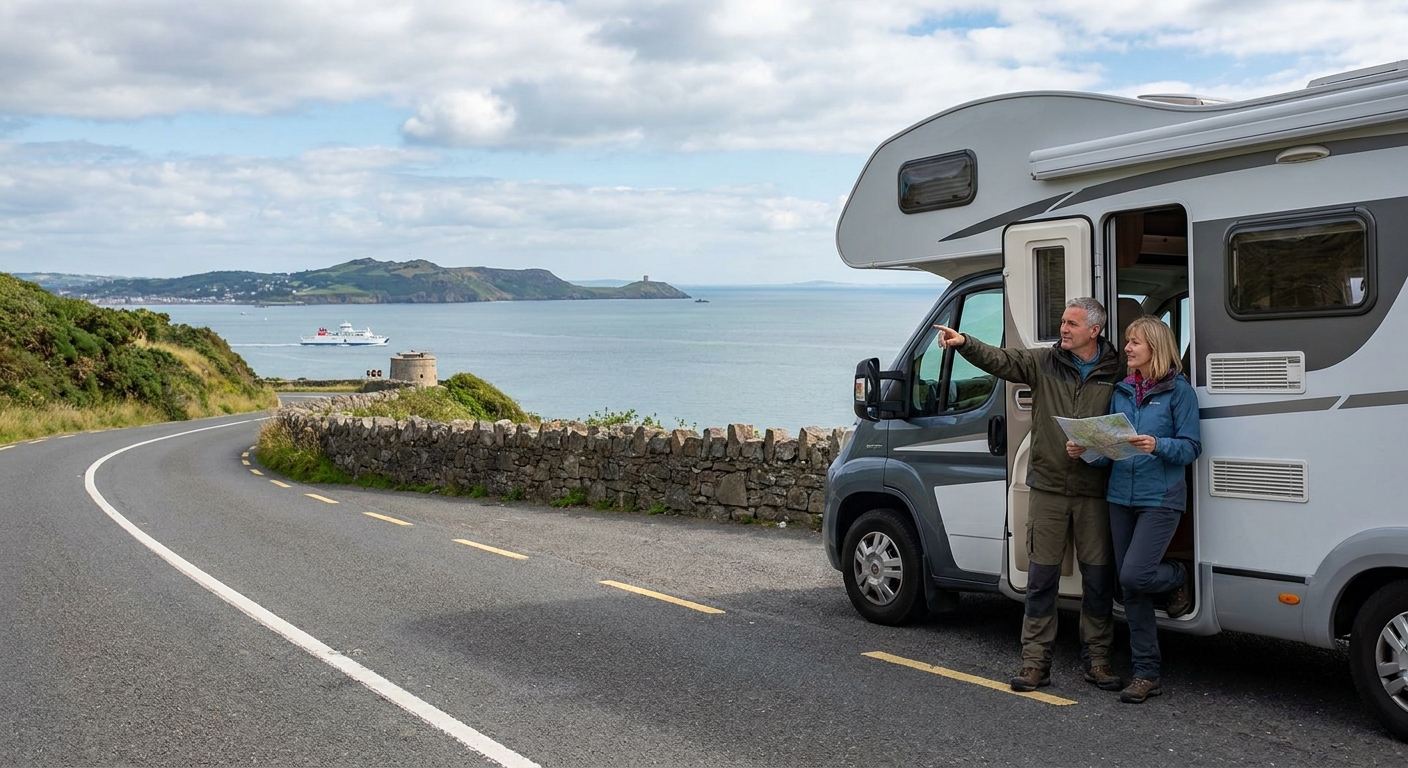
To drive an RV in Dublin, Ireland, most recreational vehicles up to 3,500 kg (3.5 tonnes) can be driven on a standard B category car license, provided the driver is at least 21-25 years old depending on the rental company's policy. A standard B license is sufficient for RVs up to 3,500 kg MAM (Maximum Authorised Mass). For RVs exceeding 3,500 kg, typically larger Class C Alcove or Class A Integrated models, a C1 (up to 7,500 kg) or C (over 7,500 kg) license is required. The minimum driver age for RV rentals in Ireland typically ranges from 21 to 25, with an upper age limit sometimes applying, and often requires holding a valid license for 2+ years. International drivers must present a valid national driving license and often an International Driving Permit (IDP) translated into English, especially for non-EU/EEA licenses. Always confirm specific license requirements and age restrictions with your chosen rental provider in Dublin, as policies can vary.
Road Conditions & Terrain in Dublin
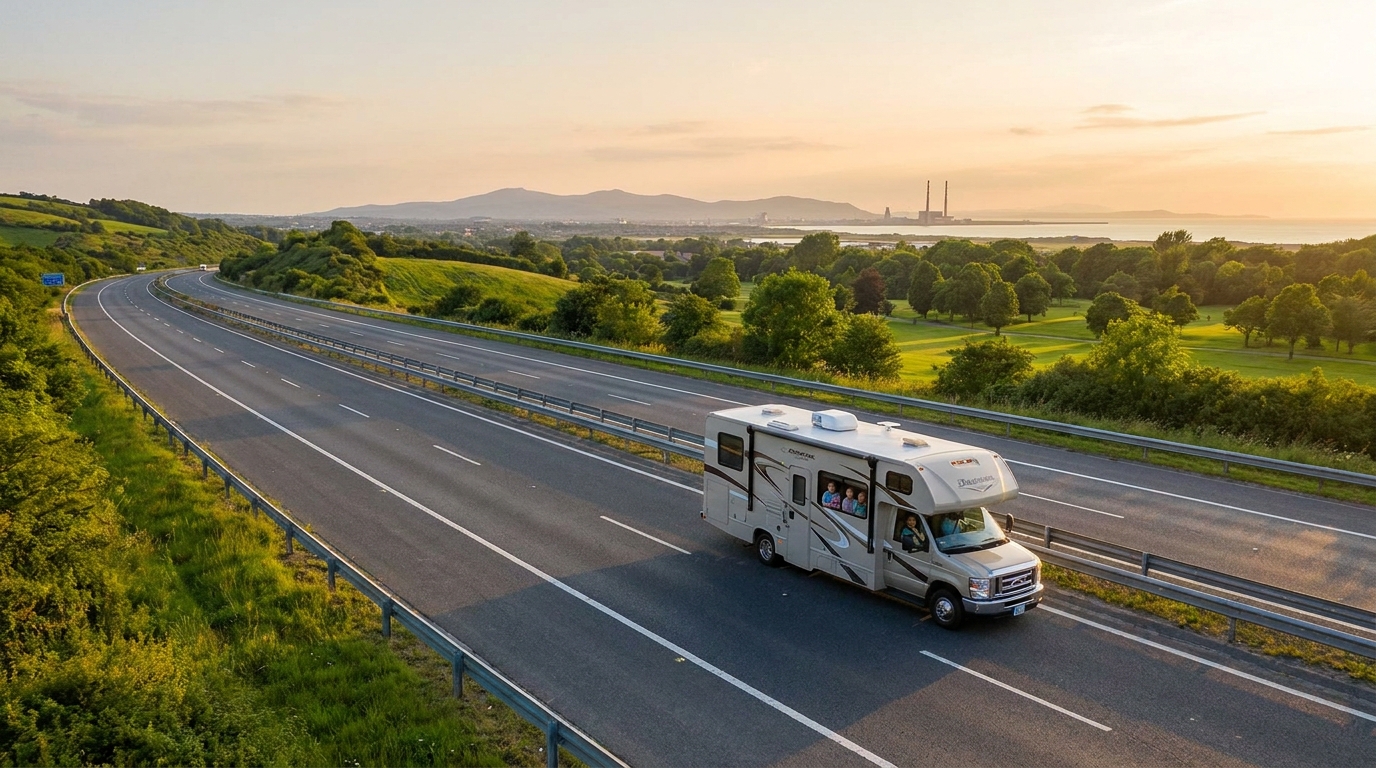
Roads in and around Dublin generally offer a mix of well-maintained motorways and national routes, alongside narrower, more winding secondary roads and urban streets. Motorways (M-roads) are excellent quality, multi-lane, and ideal for longer distances connecting Dublin to major cities. National Primary (N-roads) are generally good quality and wide enough for RVs, but some parts can be single-lane. Regional (R-roads) and Local Roads are often narrower, more winding, and may be less well-maintained, especially in rural areas surrounding Dublin. Dublin itself is relatively flat, but nearby areas like the Wicklow Mountains can feature hills, requiring careful driving. Urban driving in Dublin can involve congestion and challenging parking; consider using park-and-ride facilities for city exploration.
RV Size Limits, Bridges & Restricted Zones
While Ireland doesn't have widespread restrictive zones specifically targeting RVs, drivers must be vigilant for local signage indicating height, weight, and width restrictions, particularly when navigating older towns or rural routes near Dublin. Height restrictions are common in urban car parks, some historic bridges, and older underpasses; always check your RV's height. Weight restrictions can apply to older bridges or roads with poor infrastructure; adhere to posted limits. Many rural Irish roads and some older city streets can be very narrow, posing challenges for larger RVs. Dublin does not currently have a Low Emission Zone (LEZ), but always check local regulations closer to your travel date. If taking a ferry, ensure your RV's length, height, and weight meet the ferry's specifications for booking and pricing.
Fuel: Diesel vs. Petrol & Cost per 100 km
Most RVs in Bandana's fleet are diesel-powered, which is widely available across Ireland, and fuel costs typically range from 8-17 Liters per 100 km depending on the RV class and size. The vast majority of modern RVs, including Bandana's fleet, run on diesel fuel, which is easily accessible at all major fuel stations. Bandana's Class SI - Semi-integrated RVs typically consume 10-11 Liters/100 km, while Class C - Alcove RVs consume 10-12 Liters/100 km. Class B - Camper Vans are more economical at 8-10 Liters/100 km, and Class A - Integrated RVs consume 8-12 Liters/100 km. Class TC - Truck Campers, being larger and more rugged, can consume 12-17 Liters/100 km. Fuel prices fluctuate, so monitor local prices online for up-to-date figures. Some rent-motorhome providers may offer fuel discount cards; inquire at pickup. On the routes offered through RV PLANET routes, you can itemize and track every expense along the way for easy budgeting.
Tolls, Vignettes & Border Rules
Tolls are common on major motorways around Dublin and throughout Ireland, with cashless payment systems prevalent, while vignettes are not used, and border rules are simplified for travel to Northern Ireland. Several motorways (e.g., M1, M50) and bridges in Ireland have tolls; the M50 toll around Dublin is a barrier-free eFlow system requiring online payment by 8 PM the day after travel. Most tolls accept cash or card, but the M50 toll specifically requires online payment or Payzone outlets. Ireland does not use a vignette system for road access. There are no physical border controls for driving an RV from the Republic of Ireland into Northern Ireland, but be aware of different currencies and speed limits. Some rent-motorhome RVs may offer pre-purchased toll passes or electronic tags, which can help avoid fines.
Driving Tips for RV Rental Beginners Travelers
For RV rental beginners in Dublin, focusing on a relaxed pace, understanding your vehicle's dimensions, and planning your stops are crucial for an enjoyable Irish road trip. Always drive on the left-hand side of the road, as Ireland has right-hand drive vehicles; take time to adjust, especially at roundabouts. Be constantly aware of your RV's height, width, and length, particularly on narrow roads and when passing. Take it slow on Irish roads, as they can be narrow and winding; reduce speed and enjoy the scenery. Plan regular breaks every 2-3 hours, especially for families, and pre-plan fuel stops for budget efficiency. Consider opting for an automatic transmission RV if available, as it can reduce driving stress for beginners in traffic. Use an RV-specific GPS or adjust standard navigation settings to avoid unsuitable roads for larger vehicles.
Recommended RV Class for Dublin Roads
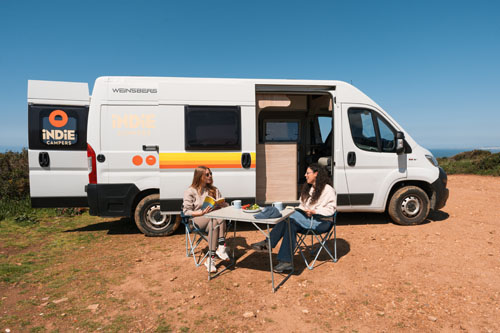
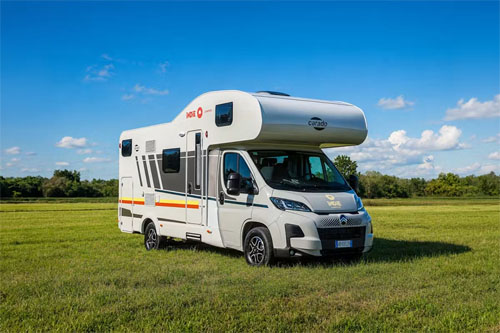
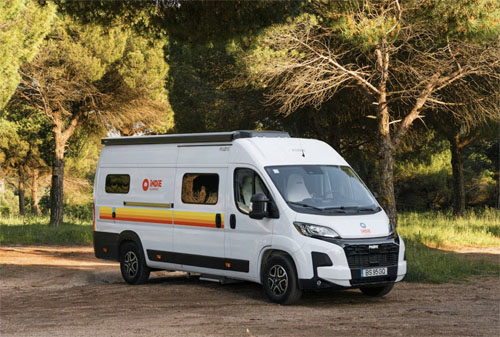
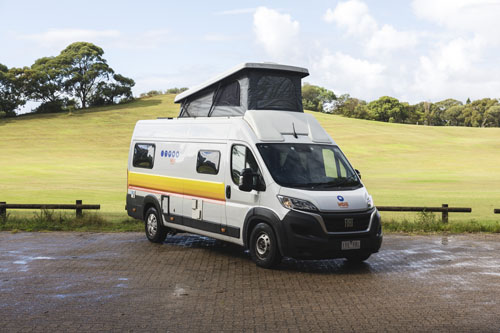
For beginners navigating Dublin's mix of urban and rural roads, a Class B Camper Van or a Class SI Semi-integrated RV from Bandana's fleet offers an excellent balance of maneuverability and comfort. Class B Camper Vans (average length ~5.8 meters) are highly maneuverable for city driving, narrow country lanes, and easier parking, with typical fuel consumption of 8-10 Liters/100 km. Class SI Semi-integrated RVs (average length ~6.9 meters) provide more living space and amenities than a camper van while remaining manageable for most Irish roads, with typical fuel consumption of 10-11 Liters/100 km. Class B Camper Vans are ideal for couples or small families, averaging 3.2 sleeping places and 2.7 adults. Class SI Semi-integrated RVs suit small families or groups desiring more comfort, averaging 3.8 sleeping places and 3.4 adults. Larger RVs like Class C Alcove (avg. 7.5m) or Class A Integrated (avg. 7.5m) might be more challenging for beginners on Ireland's narrow rural roads, though suitable for motorways.
Should I Choose a Compact Van Instead of a Large RV in Dublin?
While a compact van (Class B Camper Van) offers superior maneuverability in tight urban spaces and very narrow rural lanes around Dublin, a larger RV provides significantly more comfort and living space, making the trade-off often favor the larger vehicle for overall trip enjoyment. Compact vans are easier to park in standard car spaces and are more agile on extremely narrow or winding rural roads. Larger RVs offer more interior space, full amenities, and greater comfort for living, cooking, and sleeping, which is crucial for longer trips or adverse weather. Most Irish roads, including national and regional routes, can comfortably accommodate RVs up to 7-7.5 meters. The enhanced comfort and facilities of a larger RV often outweigh the slight challenges in maneuverability, especially for families. For most beginners, a Class SI Semi-integrated RV strikes a great balance, with a compact van recommended only if your itinerary focuses heavily on extremely tight locations. For ideas you can prep on the road, watch our RV-friendly recipes playlist on YouTube.
Can I Park Anywhere? Free & Wild Camping Rules in Dublin
While Ireland generally allows a more relaxed approach to overnight parking than some other countries, wild camping or sleeping in a motorhome in laybys around Dublin is largely discouraged and often illegal, with designated campsites being the safest and most legal option. Within Dublin city limits and immediate surrounding suburbs, overnight RV parking outside of official campsites or designated motorhome parks is generally prohibited. Sleeping in laybys (roadside parking areas) is typically not permitted in Ireland, especially on national routes, due to safety concerns and local bylaws. In very remote, rural areas, discreet overnight parking may be tolerated with landowner permission, but this is highly contextual and not applicable to the Dublin region. Ireland has numerous well-equipped campsites, many within easy reach of Dublin, offering essential facilities and security, which are the recommended and legal option for overnight stays. Always utilize apps like Park4night or Campercontact to find legal and safe overnight parking spots and campsites. Rules vary by region — always check local regulations and follow local law before parking overnight.
Can I Drive an RV Into the City Center? Heights, Tunnels & Local Signage
Yes, you can generally drive an RV into Dublin city center, but it requires careful attention to specific local signage, height restrictions in car parks and tunnels, and navigating heavy traffic. Major roads leading into Dublin city center are accessible to RVs, but multi-story car parks often have height restrictions (e.g., 2.0m) making them unsuitable. The Dublin Port Tunnel has a height limit of 4.65 meters, accommodating most RVs, but drivers of very tall Class A Integrated models should verify. Pay close attention to local signage for 'no entry' zones, 'residents only' parking, bus lanes, and one-way streets. Dublin city center experiences significant traffic congestion, and RV parking is extremely challenging and expensive. Consider parking at a peripheral campsite or a park-and-ride facility outside the city and using public transport (DART, Luas, bus) to explore the core. As of 2026, Dublin does not have specific Low Emission Zones (LEZs) that would restrict RV entry, but always check for updates.
Can you rent RVs in Ireland?
Yes, RVs (also known as motorhomes or campervans) are widely available for rent across Ireland, including convenient pickup locations near Dublin. Several reputable rental companies operate in Ireland, offering a diverse fleet from compact campervans to larger integrated motorhomes. Dublin serves as a primary hub for RV rentals, with many operators having depots easily accessible from Dublin Airport or the city center. It is advisable to book your RV well in advance, especially during peak season (June-August) and for popular models, to ensure availability and better rates. You can choose from various classes, including Class B Camper Vans for agile travel, Class SI Semi-integrated for balanced comfort, or larger Class C Alcove models for families. Rentals typically include a fully equipped kitchen, sleeping areas, and often a bathroom with a shower and toilet.
What insurance covers RV rentals?
RV rentals in Ireland typically include basic third-party liability insurance as standard, but renters should consider additional coverage options like Collision Damage Waiver (CDW) or Supplemental Liability Insurance (SLI) to protect against damage to the rental vehicle or higher liability claims. Third-Party Liability insurance is mandatory and covers damage or injury you might cause to another vehicle, person, or property, but not the rental RV itself. Collision Damage Waiver (CDW) is optional but highly recommended, reducing your financial responsibility for damage to the rental RV, usually to an excess (deductible) amount. Theft Protection (TP) is often bundled with CDW and covers the loss of the RV due to theft. Supplemental Liability Insurance (SLI) increases the third-party liability coverage beyond the basic minimum. Personal Accident Insurance (PAI) covers medical expenses for you and your passengers in case of an accident. Always review the specific insurance terms and conditions from your RV rental company, as coverage, excesses, and exclusions vary.
How much does it cost to insure a rental RV?
The cost to insure a rental RV in Ireland varies significantly based on the level of coverage chosen, the rental duration, the RV type, and the driver's age and history, typically ranging from a daily excess reduction fee to a percentage of the total rental cost. Basic third-party liability is usually included in the rental price as mandated by law. Collision Damage Waiver (CDW) and excess reduction fees are the main variable costs; a higher daily premium (e.g., €15-€40+ per day) can reduce your deductible to a lower amount or zero. External third-party providers (e.g., travel insurance, credit card benefits) may offer separate RV rental insurance, but verify specific coverage for RVs in Ireland. Factors affecting cost include driver age (younger/older drivers may face higher premiums), RV class (larger RVs might have higher costs), and rental duration. Budget an additional €15-€50 per day for comprehensive excess reduction and extra coverage when planning your RV rental.
Why is Ireland excluded from rental car insurance?
Ireland is often excluded from standard rental car insurance policies, particularly those offered by credit card companies or third-party providers, primarily due to higher claims rates and unique legal/regulatory frameworks for motor insurance in the country. Historically, Ireland has experienced higher rates of vehicle theft, vandalism, and traffic accidents, leading insurers to perceive it as a higher-risk market. Irish motor insurance laws and regulations can differ from those in other European countries, creating complexities for international insurers. Even if a credit card does cover Ireland for rental cars, RVs (motorhomes, campervans) are frequently explicitly excluded due to their specialized nature and different risk profiles. Always confirm coverage specifically for RVs when checking any credit card or third-party insurance benefits. It is strongly recommended to purchase specific RV rental insurance either through the rental company or a specialized third-party provider that explicitly covers RVs in Ireland.
What You Shouldn't Miss
- Drive the scenic coastal roads of the Dublin region, perhaps exploring the charming towns north of the city like Malahide or Skerries for a more relaxed introduction.
- Immerse yourself in history at a UNESCO World Heritage site like Newgrange (though a bit of a drive, it's a worthwhile journey for history buffs).
- Experience traditional Irish music and culture in a Dublin pub, and consider the unique hospitality of finding a pub that offers overnight parking for self-contained RVs.
- Take advantage of Dublin's proximity to nature by visiting the Wicklow Mountains National Park for stunning scenery and hiking opportunities shortly after arriving.
- Explore the Dublin Mountains Way for a refreshing day hike offering panoramic views of Dublin Bay, easily accessible from the city's edge.
Final Thoughts
Renting an RV for your first trip in Dublin and Ireland can be an incredibly rewarding experience. By understanding the driving nuances, licensing requirements, and road conditions, you'll be well-prepared for an unforgettable adventure. Remember to choose an RV that suits your comfort and travel style, and always prioritize safety and local regulations.
Bandana Caravan is here to support you every step of the way, ensuring you find the perfect RV for your journey. We simplify the process, offering transparent pricing and expert guidance so you can focus on the joy of the open road.
Find Motorhome Rentals in Dublin