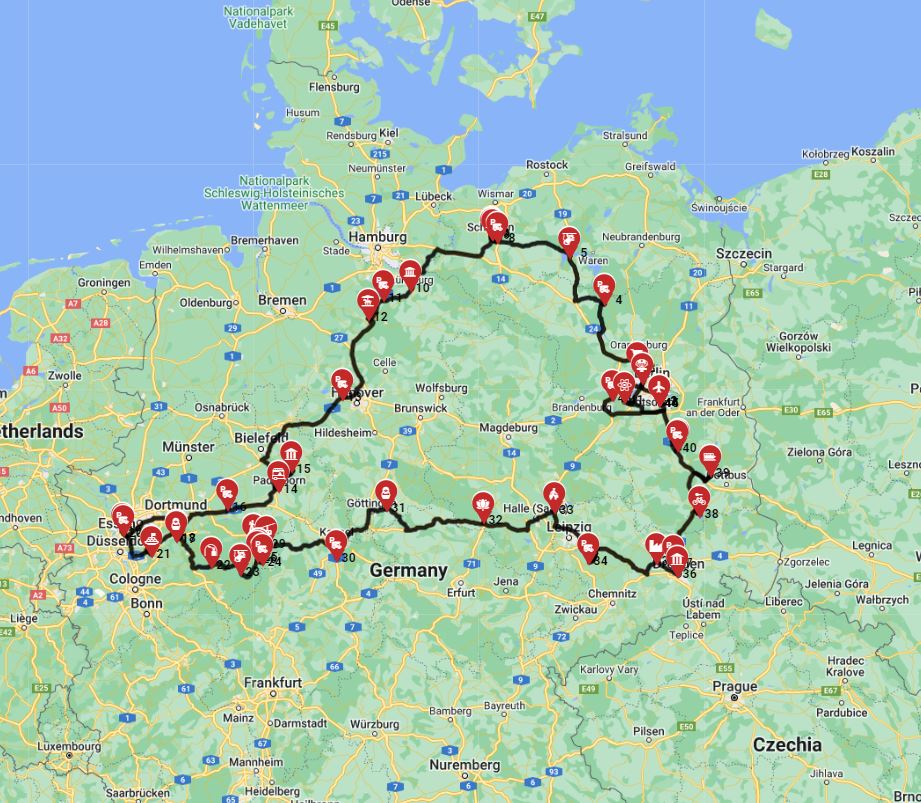
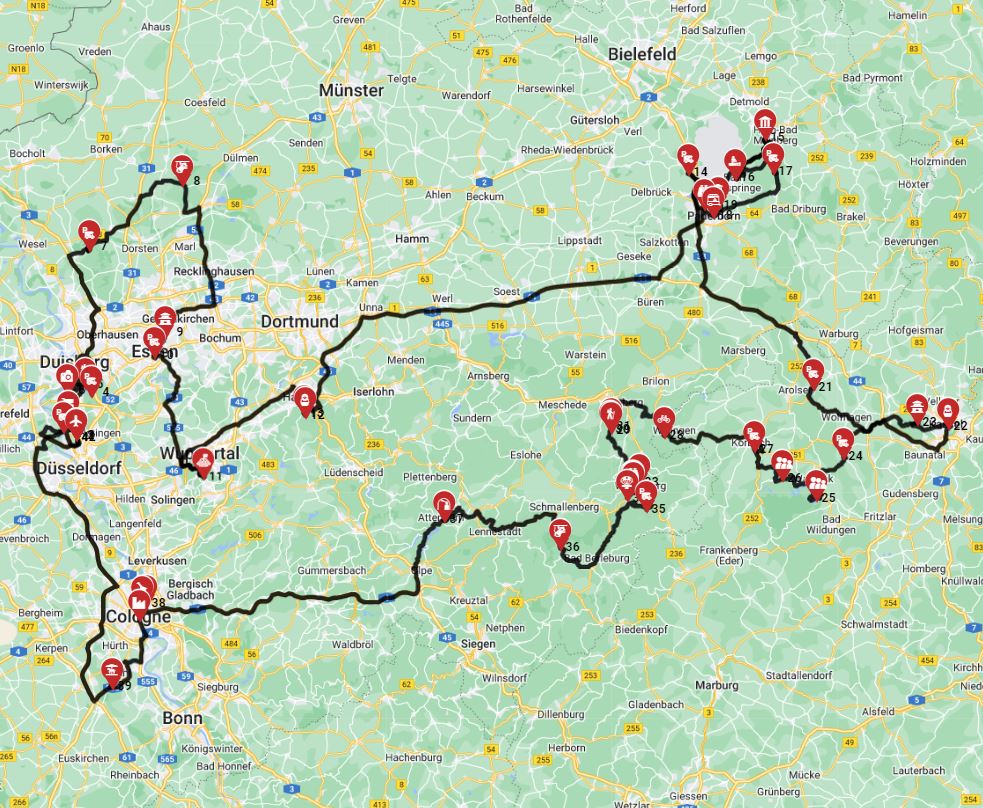
In This Guide
- Can You Drive an RV in Center Europe? License & Age Rules
- Road Conditions & Terrain in Center Europe
- RV Size Limits, Bridges & Restricted Zones
- Fuel: Diesel vs. Petrol & Cost per 100 km
- Tolls, Vignettes & Border Rules
- Driving Tips for RV Rental Beginners Travelers
- Recommended RV Class for Center Europe Roads
- Should I Choose a Compact Van Instead of a Large RV in Center Europe?
- Can I Park Anywhere? Free & Wild Camping Rules in Center Europe
- Can I Drive an RV Into the City Center? Heights, Tunnels & Local Signage
- What is the 333 rule for campervan?
- Can I drive in Europe with my USA driver's license?
- Can you rent a campervan to drive around Europe?
- Can you take a rented RV across the border?
- Can you drive an RV in Europe?
- What is the 3-3-3 rule for RV travel?
- What do Europeans call an RV?
- What kind of license do I need to rent an RV?
- How much does it cost to rent an RV in Europe?
- Where to get RV rental insurance?
Embarking on your first RV rental adventure in Center Europe is an exhilarating prospect, promising unparalleled freedom to explore picturesque landscapes, historic cities, and charming villages at your own pace. With a rented motorhome or campervan, you truly become the master of your itinerary, waking up to new horizons each day. At Bandana Caravan, we believe that RV travel should be accessible, transparent, and joyful for everyone, especially first-timers. We're here to share our genuine expertise and guide you through everything you need to know for a seamless and unforgettable journey.
For live availability and current prices, start with our RV Rental Center Europe - Complete Guide 2026 guide. We've been helping tens of thousands of travelers explore the world by RV since our founding in 2001, providing direct partnerships with over 50 leading RV suppliers worldwide, including trusted names like El Monte and Apollo. Our experience ensures you get the best advice and the right vehicle for your dream trip.
Can You Drive an RV in Center Europe? License & Age Rules
Most standard Class B (car) licenses from EU countries or an International Driving Permit (IDP) alongside a valid non-EU license are sufficient for driving rented RVs up to 3.5 metric tons in Center Europe. For those considering larger rented RVs weighing over 3.5 tons (but typically under 7.5 tons), a Class C1 license is required, while the very largest vehicles (over 7.5 tons) would need a Class C license. Rental companies typically enforce a minimum driver age of 21, and some may require a minimum of 25 for very large Class A motorhomes, with at least 1-3 years of driving experience. It's important to note that a standard car driver's license is actually sufficient for ALL motorhome classes (Class A, Class B, and Class C) in many rental scenarios, making RV travel more accessible than you might think. US and other non-EU license holders must carry an IDP alongside their original license; this is valid for up to six months in many European countries and is highly recommended for smooth interactions with local authorities, even if not strictly mandatory in every single case. As true RV specialists, we ensure that you are fully aware of all licensing requirements specific to your chosen RV rental and destination.
Road Conditions & Terrain in Center Europe
Road conditions throughout Center Europe are generally excellent, featuring well-maintained highways like Germany's Autobahns and Austria's Autobahnen that facilitate smooth RV travel. Terrain varies significantly across the region, from the flat plains of northern Germany and the Czech Republic to the more demanding mountainous regions of the Alps in Austria and Switzerland, which will require careful driving. Rural roads can be narrower and winding, especially when exploring picturesque villages or forested areas, while urban centers often present denser traffic and more limited parking options. For beginners, focusing on scenic, slower routes rather than always high-speed highways allows for better acclimatization to handling your rented RV and navigating local conditions. We always recommend slow travel, aiming for a maximum of 100-150 km per day on average, which allows you to truly feel the place, connect to the culture, the food, and the scenery.
RV Size Limits, Bridges & Restricted Zones
While most main roads in Center Europe readily accommodate standard RV rental sizes, drivers must be vigilant for clear signage indicating height, width, and weight restrictions, particularly in charming older towns and challenging mountain passes. Low bridges and tunnels are common in historical areas, so always pay close attention to posted height limits, which are often around 3.5 to 4 meters, and make sure you know your rented RV's exact dimensions. Many Central European cities, especially in Germany (Umweltzonen) and Austria, have environmental zones that require specific emission stickers, such as the 'Umweltplakette' in Germany, to enter legally; these can often be purchased beforehand. Remember, you can drive almost anywhere without issues if you drive slowly and carefully, using common sense and paying attention. No need to stress; just be aware of your vehicle's size. When considering ferry travel, particularly to islands or across lakes, always check the ferry operator's specific length and weight restrictions for your rented motorhome and book well in advance to avoid surprises. At Bandana Caravan, we believe in full transparency, so there are no hidden fees or surprises when you plan your trip with us.
Fuel: Diesel vs. Petrol & Cost per 100 km
The vast majority of rented RVs in Bandana's fleet, and generally across Europe, operate on diesel fuel, which is widely available at service stations throughout Center Europe. This is an important consideration for your trip budgeting. Based on Bandana's global fleet averages, fuel consumption typically ranges from 10–12 Liters/100 km for Class SI (Semi-integrated) and Class C (Alcove) RVs, and a more economical 8-10 Liters/100 km for Class B (Camper Van) models. At an illustrative diesel price of €1.80 per liter (prices can vary significantly by country and station in Center Europe), a common Class SI rented RV consuming 10.5 Liters/100 km would cost approximately €18.90 per 100 kilometers. This helps in estimating your total trip costs. For comprehensive planning, including detailed expense tracking for fuel and other ancillary costs, exploring RV PLANET routes allows travelers to itemize and track every expense along the way for easy budgeting. Some rental agreements or loyalty programs may offer fuel discount cards, which can help mitigate costs, though these are not universally available with every RV rental in Center Europe. On the routes offered through RV PLANET routes, you can itemize and track every expense along the way for easy budgeting.
Tolls, Vignettes & Border Rules
In Center Europe, RV rental drivers will encounter a mix of direct toll roads, common in countries like France, and vignette systems for highway use, particularly prevalent in Austria, Switzerland, and the Czech Republic. A 'vignette' is a sticker or digital pass that must be purchased for a specific duration (e.g., 10 days, 1 month, 1 year) and grants legal access to motorways and expressways; failing to display or possess a valid vignette results in hefty fines, often starting at €120. For Austria and Switzerland, a physical or digital vignette is mandatory for almost all highways, while certain tunnels, such as the Brenner Pass, incur additional tolls. Border crossings within the Schengen Area, which includes most of Center Europe, are typically seamless with no routine passport checks, but you should always carry your passport or national ID card, your RV rental documents, and your driver's license, as random checks can occur. Our Rent&Plan service includes pre-planned routes by professionals, which can help you navigate these various toll and vignette requirements seamlessly, ensuring your rented RV adventure is as smooth as possible.
Driving Tips for RV Rental Beginners Travelers
For RV rental beginners, getting comfortable behind the wheel of a motorhome or campervan in Center Europe is key to an enjoyable trip. Firstly, practice driving your rented vehicle in a low-traffic area to become accustomed to its size, turning radius, and braking, as it handles differently than a standard car. Secondly, employ RV-specific GPS navigation apps or devices that allow you to input your RV's dimensions, such as height, weight, and length, to intelligently avoid unsuitable roads, low bridges, or weight-restricted zones. Thirdly, plan frequent breaks, ideally every 2-3 hours, to stretch, refuel, and allow drivers to rest, as piloting a larger vehicle can be more demanding. Fourthly, familiarize yourself with common European road signs, especially those indicating speed limits, no-entry, and environmental zones, which may differ from signs in your home country. Finally, always plan your parking in advance, particularly in towns and cities, by looking for designated RV parks, stellplätze, or larger car parks suitable for longer vehicles. Remember, we're here to support you from day one until your booking is confirmed, offering guidance and resources to ensure you feel confident and prepared.
Recommended RV Class for Center Europe Roads
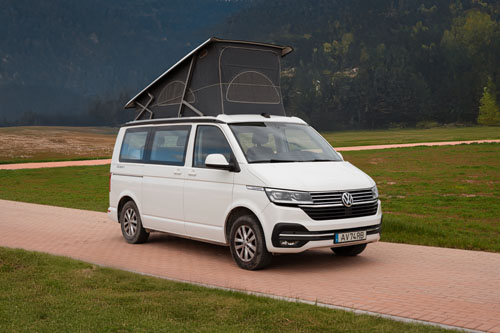
For RV rental beginners exploring Center Europe, a Class B (Camper Van) or a Class SI (Semi-integrated) RV typically offers the best balance of maneuverability and comfortable amenities for navigating varied European roads. Class B Camper Vans, like the "Active Pop Top" which has a double bed and compact kitchen and averages 5.99 meters in length, are highly agile, making them ideal for narrower village streets and easier parking in towns. Class SI Semi-integrated RVs, such such as the "K125" with a length of 6.99 meters and fresh water tank of 115 liters, provide more interior space and amenities than a campervan without the bulk of a large Class C or A, making them suitable for families seeking comfort on longer trips. These classes strike a good balance, being large enough for comfortable living but compact enough to handle most European road conditions, including many mountain passes and smaller city access roads. If you're looking for more space for a larger group, you might consider options explored in our Family RV Rental in Center Europe - Pricing Guide 2026 or even the Luxury RV Rental in Center Europe - Premium Prices 2026 for top-tier comfort. For ideas you can prep on the road, watch our RV-friendly recipes playlist on YouTube.
Should I Choose a Compact Van Instead of a Large RV in Center Europe?
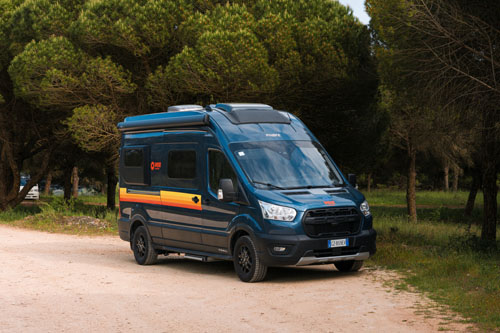
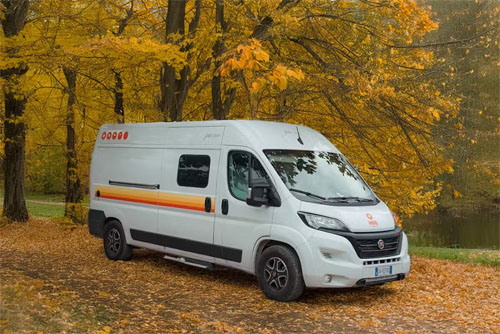
While a compact campervan (Class B) offers superior maneuverability and inherently easier parking, there is generally no major issue driving a larger RV (Class SI or Class C) on most main roads in Center Europe. The primary advantage of a compact van is its ease in navigating very tight historic city centers, extremely narrow mountain passes, or crowded urban areas where larger vehicles might struggle with sharp turns or finding suitable parking spots. However, the increased comfort, dedicated living and sleeping areas, and enhanced storage capacity of a larger rented RV, such as a Semi-integrated or Alcove model, often outweigh the minor maneuverability challenges for many beginners, especially for longer, week-long trips or family adventures. Drive slowly and carefully, and you can drive almost anywhere without issues. No need to stress; just use common sense and pay attention to signage. Most major European routes are well-equipped to accommodate a range of vehicle sizes, allowing you to prioritize interior comfort and space for an enhanced overall travel experience. If you're looking for the best value, check out RV Rental Deals in Center Europe - Latest Offers 2026 to see options across various sizes.
Can I Park Anywhere? Free & Wild Camping Rules in Center Europe
Free camping and wild camping are largely restricted or illegal in most of Center Europe, particularly in countries like Germany, Austria, and Switzerland, where strict regulations are in place. In Germany, overnight parking is generally permitted for 'rejuvenation' (i.e., sleeping to continue driving) but not for 'camping' (setting up chairs, awnings, or cooking outside), and it is often limited to specific, marked parking areas. Austria and Switzerland have even stricter rules, with wild camping largely prohibited outside of designated campsites or private land with explicit permission, often carrying high fines for non-compliance. Always prioritize staying in official campsites, stellplätze (motorhome parking areas), or RV parks, which reliably offer essential facilities like fresh water and waste disposal, as well as legal overnight stays. Rules can vary significantly by region and municipality, so always check local regulations and follow local law before parking your rented RV overnight. If not at the first campground, you'll find a spot at the next one; just call ahead before driving. For finding campsites and campgrounds during your trip, we recommend using RV PLANET (rvplan.net) — a great resource for locating available spots along your route.
Can I Drive an RV Into the City Center? Heights, Tunnels & Local Signage
Yes, you can almost always drive a rented RV into city centers in Center Europe, but it absolutely requires careful attention to local signage, especially regarding height and weight restrictions, and any designated environmental zones. Many European city centers feature low bridges, narrow streets, and pedestrian-only zones, so always watch diligently for signs indicating vehicle restrictions or diversions, which are often displayed prominently. Environmental zones, like the 'Umweltzonen' in Germany or similar schemes in other cities, are common and may require a specific sticker to enter, or they might be completely off-limits to certain vehicle classes. While access is often possible, finding suitable and legal parking for a larger rented RV in a bustling city center can indeed be challenging, often necessitating parking on the outskirts and utilizing efficient public transport. Drive slowly and carefully, and you can drive almost anywhere without issues. No need to stress; just use common sense and pay attention to local traffic laws, one-way systems, and residents-only streets to ensure a smooth and legal driving experience in urban environments.
What is the 333 rule for campervan?
The '333 rule' for campervans is a popular guideline for pacing your travel, suggesting you should drive no more than 300 kilometers in a day, arrive at your destination by 3 PM, and stay for at least 3 nights. This rule is particularly beneficial for RV rental beginners as it promotes a relaxed travel pace, significantly reduces driving fatigue, and allows ample time for setup, exploration, and unexpected delays. Arriving by 3 PM helps secure a good spot at popular campsites, especially during peak seasons, and provides sufficient daylight for settling in and exploring the immediate surroundings. Staying three nights minimizes the constant packing and unpacking, offering a more leisurely experience and deeper immersion in a location before moving on, perfectly aligning with our recommendation for slow travel in Center Europe.
Can I drive in Europe with my USA driver's license?
Yes, you can generally drive in Center Europe with a valid USA driver's license, but it must be accompanied by an International Driving Permit (IDP). The IDP translates your US license into 10 languages and is required by law in many European countries to validate your foreign license for tourist stays, typically up to six months. Ensure your US license is current and in good standing; the IDP alone is not sufficient and must always be presented alongside your original license. For comprehensive details on license categories and age requirements for RV rentals in Center Europe, refer to the "Can You Drive an RV in Center Europe? License & Age Rules" section earlier in this guide, which clarifies that a standard license is often all you need.
Can you rent a campervan to drive around Europe?
Yes, renting a campervan or motorhome to drive around Europe is a very popular and feasible way to explore the continent, offering immense flexibility and often cost-effectiveness compared to other travel styles. Many rental companies in Center Europe specialize in providing vehicles suitable for multi-country trips, often equipped with features tailored for diverse European travel. It is crucial to inform your rental company of your intended travel countries at the time of booking to ensure appropriate insurance coverage, roadside assistance, and any necessary cross-border documentation are in place. The Schengen Area agreement allows for seamless travel between most Central European countries without internal border checks, making multi-country RV tours straightforward once you have the correct rental permissions. For a broader perspective on RV travel across the continent, our RV Rental Europe - Complete Guide 2026 offers a wealth of information to inspire your journey.
Can you take a rented RV across the border?
Yes, in most cases, you can take a rented RV across borders in Center Europe, especially within the Schengen Area, but it is essential to declare your full travel itinerary to the rental company at the time of booking. Rental agreements typically specify which countries are permitted for travel, and some may incur additional fees for cross-border insurance or enhanced roadside assistance coverage. Ensuring your insurance and roadside assistance are valid in all countries you plan to visit is critical for peace of mind and to avoid potential issues in case of an accident or breakdown. Always carry all necessary rental documents, your driver's license, and an International Driving Permit (if applicable) when crossing borders, even if there are no physical checkpoints, as this demonstrates preparedness and full transparency.
Can you drive an RV in Europe?
Yes, driving an RV in Europe is not only possible but a highly popular and rewarding way to experience its diverse landscapes and rich cultures. Europe generally offers an excellent infrastructure for RV travel, including a vast network of well-maintained highways and dedicated campsites or 'stellplätze' equipped with necessary facilities for your rented motorhome or campervan. While road conditions are generally excellent, navigating narrow village streets or specific urban environmental zones requires careful attention to signage and some prior planning. For detailed information on license requirements, road conditions, and specific rules for Center Europe, refer to the foundational sections of this guide, which provide extensive advice for beginners.
What is the 3-3-3 rule for RV travel?
The '3-3-3 rule' for RV travel is a widely adopted guideline encouraging a relaxed pace for your journey: drive a maximum of 300 miles (or 300 kilometers) per day, aim to arrive at your campsite by 3 PM, and plan to stay for at least 3 nights at each chosen location. This principle is designed to significantly enhance the travel experience by preventing burnout from over-driving, allowing ample time for comprehensive exploration of each destination, and reducing the stress of constant driving and setup. Adhering to the rule helps RV beginners truly acclimatize to their rented vehicle, increases the likelihood of securing desirable campsite availability by arriving earlier, and fosters a deeper connection with each unique location visited. While primarily a guideline, it promotes a more enjoyable and less rushed RV adventure, particularly suitable for those new to motorhome holidays in Center Europe and aligns perfectly with our philosophy of slow, immersive travel.
What do Europeans call an RV?
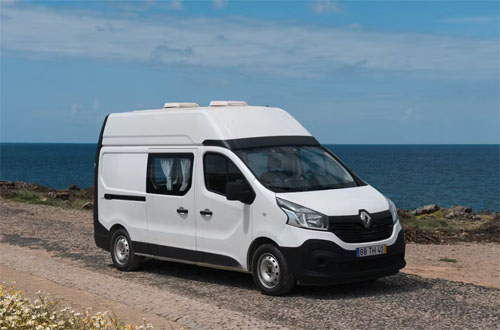
In Europe, what Americans commonly refer to as an 'RV' (Recreational Vehicle) is most often called a 'motorhome' or 'campervan,' depending on its specific size and configuration. In the United Kingdom and Ireland, 'motorhome' is the prevalent term for larger vehicles with integrated living spaces, while 'campervan' typically denotes smaller, van-based conversions like a "Combi Van" that averages 5 meters in length and has a fuel tank of 80 liters. In German-speaking countries such as Germany, Austria, and Switzerland, a motorhome is known as a 'Wohnmobil,' and a campervan is frequently called a 'Campingbus' or 'Kastenwagen.' French speakers, particularly in France, use 'camping-car' for motorhomes and 'fourgon aménagé' for campervans, illustrating the fascinating regional variations in terminology across the continent, but all refer to the same fantastic mode of rental travel.
What kind of license do I need to rent an RV?
To rent most standard RVs (up to 3.5 metric tons) in Center Europe, you typically need a Class B driver's license, which is the standard car license in EU countries. If you plan to rent a larger RV that weighs between 3.5 and 7.5 metric tons, a Class C1 license is generally required. For non-EU citizens, a valid domestic driver's license must be presented along with an International Driving Permit (IDP) to be legally recognized for your rental. Rental companies often have additional requirements, such as a minimum driver age, commonly 21 years old (not 25), and a certain number of years of driving experience, typically 2-3 years. There are no young driver surcharges or vehicle class restrictions based on age when booking through Bandana Caravan, ensuring straightforward access to your desired rented motorhome or campervan.
How much does it cost to rent an RV in Europe?
The cost to rent an RV in Europe varies significantly, typically ranging from €80 to €200+ per day, depending on several factors including the RV class, season, rental duration, and pick-up location. Compact campervans (Class B) and smaller semi-integrated models (Class SI) like a "K2D" which has a fuel tank of 75 liters usually fall on the lower end of this spectrum, while larger integrated (Class A) or family-sized alcove (Class C) RVs command higher prices. Peak season, usually the summer months and major holidays, sees the highest rental rates in Center Europe, while shoulder seasons in spring and autumn often offer more budget-friendly options. Longer rental periods often come with a lower daily rate, and prices can also fluctuate based on amenities, mileage allowances, and the specific insurance packages included in your rental. Prices are dynamic, similar to flight tickets, changing daily based on availability and supplier decisions, with the final price set at the actual booking time. We provide full transparency, so you'll never encounter hidden fees, ensuring what you see is what you get. For detailed pricing guides, explore our Weekly RV Rental in Center Europe - Pricing 2026 guide.
Where to get RV rental insurance?
Basic RV rental insurance is typically included by the rental company as part of your booking for your trip in Center Europe, covering liability and often a collision damage waiver with a high deductible (excess). It is highly recommended to purchase supplemental insurance to significantly reduce your deductible or gain additional coverage, which can often be done directly through the rental company at the time of booking. Many third-party insurance providers specialize in RV rental insurance, offering comprehensive coverage that can sometimes be more affordable or provide broader protection for common incidents like tire damage, windscreen damage, or loss of personal belongings. Before purchasing, it is wise to review your personal travel insurance policies and credit card benefits, as some may offer limited coverage for rental vehicles, but this rarely extends to the specific and extensive needs of an RV. With Bandana, you can upgrade to a top-level deductible for extra peace of mind, ensuring your travel plans are protected.
🎬 Video coming soon
What You Shouldn't Miss
- **Drive through the Bavarian Alps (Germany):** Experience breathtaking mountain scenery, charming alpine villages like Oberammergau, and majestic castles such as Neuschwanstein with your rented motorhome.
- **Explore Prague's Old Town (Czech Republic):** Park your campervan on the outskirts and use public transport to wander through the cobblestone streets, marvel at the Astronomical Clock, and soak in the vibrant atmosphere.
- **Cruise along the Danube River (Austria):** Follow sections of this historic river, stopping at picturesque towns like Melk with its stunning abbey, and enjoy scenic views of vineyards and valleys.
- **Hike in the Dolomites (Italy/Austria):** Immerse yourself in the dramatic peaks and emerald lakes of this UNESCO World Heritage site, offering incredible opportunities for outdoor adventure with your RV rental as your mobile base.
- **Discover Medieval Castles in Switzerland:** Journey through regions dotted with historic fortresses, perhaps visiting Chillon Castle on Lake Geneva, and enjoy the stunning Swiss landscapes en route.
- **Indulge in Viennese Coffee House Culture (Austria):** Experience the elegant coffee houses of Vienna, tasting local pastries and soaking in the imperial history, easily accessible from an RV park.
Looking for expert insights from Avi Bandana? Top 5 Adventures — recommendations from Avi Bandana
Final Thoughts
Setting out on your first RV rental journey through Center Europe is more than just a trip; it's an invitation to experience incredible destinations on your own terms. From the moment you pick up your chosen motorhome or campervan, you'll unlock a freedom that traditional travel simply can't match. Remember the simple tips we've shared, embrace the idea of slow travel, and let the beauty of Center Europe unfold before you.
At Bandana Caravan, we're dedicated to making this dream a reality for you. We provide the tools, the transparency, and the genuine expertise to ensure your first RV adventure is not just good, but truly exceptional. Whether you’re meticulously planning every stop months in advance or prefer the spontaneity of day-to-day decisions, we’re here to support you every step of the way.
So, why wait? Imagine yourself cruising through the scenic routes, stopping wherever your heart desires, and creating memories that will last a lifetime. Discover top destinations, planning tips, all in one place!
Check Center Europe RV Rental Prices Now and begin your unforgettable journey!