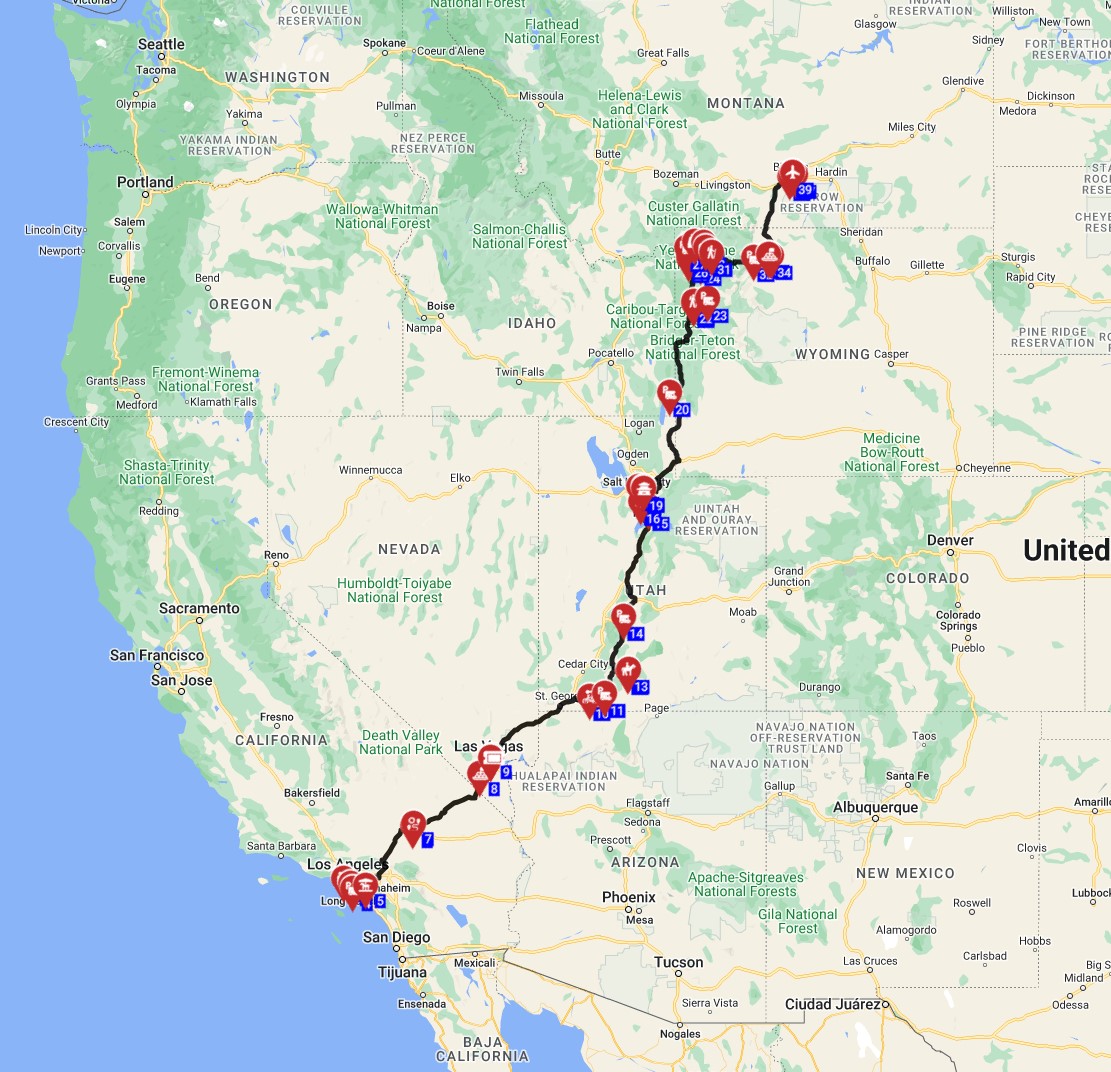
In This Guide
- Can You Drive an RV in California? License & Age Rules
- Road Conditions & Terrain in California
- RV Size Limits, Bridges & Restricted Zones
- Fuel: Diesel vs. Petrol & Cost per 100 km
- Tolls, Vignettes & Border Rules
- Driving Tips for rv rental Travelers
- Recommended RV Class for California Roads
- Should I Choose a Compact Van Instead of a Large RV in California?
- Can I Park Anywhere? Free & Wild Camping Rules in California
- Can I Drive an RV Into the City Center? Heights, Tunnels & Local Signage
- What RV Logistics Do I Need to Plan for in California? Dump Stations, Water, and Permits
- How Much Does an RV Trip to California Cost? Budgeting for Fuel, Campgrounds & Food
- How Do Different RV Classes Handle California's Terrain? Tips for Steep Grades and Narrow Roads
- When Is the Best Time to RV in California? A Seasonal Guide
- Where Can I Boondock in California? Free & Dispersed Camping Guide
- How Reliable is Cell Service in California's Remote RV Areas? Connectivity Tips
- What Are California's RV Road Challenges and Safety Tips? Notorious Routes & Wildlife
- What Are Alternative RV Camping Options in California? Beyond Standard Campgrounds
- Top Cities for RV Rental in California
- What You Shouldn't Miss
- Why Book with Bandana Caravan
- Final Thoughts
- Frequently Asked Questions
California, with its vast landscapes stretching from pristine coastlines to towering mountains and arid deserts, offers an unparalleled adventure for motorhome travelers. Navigating the Golden State in a rented RV provides the freedom to explore diverse terrains and iconic destinations at your own pace. For live availability and current prices, start with our RV Rental California - Complete Guide 2026 guide.
Can You Drive an RV in California? License & Age Rules
Most recreational motorhomes under 26,000 lbs GVWR in California can be driven with a standard Class C driver's license. This standard license is sufficient for a wide range of motorhomes, including Class B campervans, Class C alcove models, and many Class A integrated RVs, provided their gross vehicle weight rating (GVWR) remains below 26,000 lbs. If your rental motorhome exceeds 40 feet in length or has a GVWR of 26,000 lbs or more, a non-commercial Class A or Class B license might be required, though these are less common for typical vacation rentals. Rental companies typically require drivers to be at least 21 years old to rent an RV, and Bandana Caravan proudly offers options for drivers aged 21 and above, with no additional young driver surcharges or vehicle class restrictions based on age. Foreign drivers should carry a valid driver's license from their home country, and while not always mandatory, an International Driving Permit (IDP) is highly recommended as an official translation of your license for smoother interactions with authorities. You can get more details on specific requirements by checking our "RV Rental in California - Prices and Best Deals 2026" page.Road Conditions & Terrain in California
California features a diverse and generally well-maintained road network, ranging from expansive multi-lane freeways to winding mountain passes and scenic coastal routes. As you traverse the state in your rented motorhome, you will encounter varied terrain such as flat desert stretches, challenging steep mountain grades in areas like the Sierra Nevada, and iconic coastal highways like Highway 1. While the vast majority of main roads are suitable for motorhomes and campervans, it's wise to research specific routes, as some roads, particularly within national parks or very rural areas, can be narrow, winding, or have seasonal closures. For instance, 'The Grapevine' on I-5 is known for its steep grades and heavy traffic, requiring careful driving. We always encourage slow, scenic travel, averaging no more than 100-150 km per day, allowing you to truly immerse yourself in California's diverse landscapes and safely navigate any challenging sections.RV Size Limits, Bridges & Restricted Zones
While California generally accommodates standard RVs, drivers must be mindful of height, weight, and length restrictions, especially in specific areas or when planning detailed itineraries. The standard legal height limit for vehicles on California roads is 14 feet, but many older bridges, tunnels, and parking structures, particularly in dense urban areas like San Francisco or within national parks, may have lower clearances. Most recreational motorhomes are well within federal length limits (often 40-45 feet for single vehicles), but some narrower, winding roads or historic districts might have more restrictive signage. Drive slowly and carefully, and you can drive almost anywhere without issues. No need to stress - just use common sense and pay attention. Currently, California does not have widespread environmental zones that restrict RV access based on emissions, but always verify local regulations for specific cities or national parks if you plan an urban visit. Additionally, ferry services, such as those to Catalina Island, have specific size and weight limitations, and RVs are typically not permitted on them.Fuel: Diesel vs. Petrol & Cost per 100 km
RVs in California can run on either diesel or petrol, depending on the specific model of your rental. Larger Class A and some Class C motorhomes commonly utilize diesel engines, while smaller Class B campervans and many Class C models typically run on petrol. Both fuel types are widely available across California, though diesel stations might be less frequent in very remote wilderness areas. Bandana's global fleet data indicates that fuel consumption for Class B Camper Vans averages around 8-10 Liters/100 km, Class SI Semi-integrated RVs at 10-11 Liters/100 km, and Class C Alcoves at 10-12 Liters/100 km. Actual fuel costs per 100 km will vary significantly based on current California fuel prices, your driving style, the terrain you encounter, and the load of your rented motorhome. When planning your budget, remember to account for these dynamic prices, as well as campground fees, permits, and groceries. For estimating and tracking every expense along the way, RV PLANET routes offer helpful itemization tools.Tolls, Vignettes & Border Rules
California primarily utilizes electronic tolls on specific bridges, express lanes, and a few highways, rather than a statewide vignette system found in some European countries. For example, the Golden Gate Bridge has a FasTrak-only toll collection. The FasTrak system is California's electronic toll collection method, allowing for automatic toll payments and often offering a discount compared to pay-by-plate options. Many rental RVs can be equipped with FasTrak transponders, simplifying toll payment and helping you avoid potential fines for missed tolls. It is always advisable to check your planned route for any toll roads or bridges and discuss pre-arranging toll payment options with your rental provider to avoid unexpected charges. When traveling from California to neighboring states like Nevada or Arizona, there are no specific border crossing fees or complex rules beyond adhering to standard road laws. For planning your journey across state lines, consult resources like RV Rental USA - Complete Guide 2026.Driving Tips for rv rental Travelers
Driving a rented motorhome or campervan for the first time in California requires a bit of adjustment, but it's easily mastered with a few key tips. Always allow extra braking distance due to the vehicle's increased size and weight, as stopping distances are longer than in a standard car. Practice wider turns, especially in intersections and parking lots, to accommodate the RV's dimensions and avoid curb rash. When descending steep grades in mountainous regions, utilize lower gears to save your brakes and maintain better control. Plan your route carefully to anticipate narrow roads or low clearances. Taking frequent breaks is essential, especially for families, to combat driver fatigue and allow everyone to stretch and enjoy the scenery. Finally, be vigilant for wildlife, particularly at dawn and dusk, in rural and forested areas of California, and always follow all local fire safety protocols, checking for current fire restrictions before lighting any campfires. Remember, slow travel, averaging a maximum of 100-150 km per day, allows you to truly feel the place, connect to the culture, the food, and the scenery.Recommended RV Class for California Roads
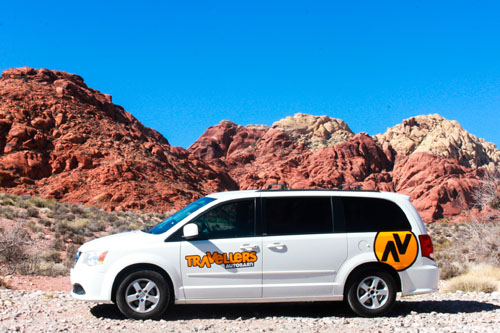
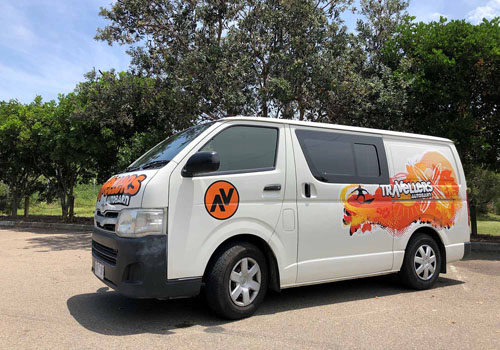
California's incredibly diverse landscapes are generally suitable for all RV classes, though Class B Camper Vans and Class SI Semi-integrated RVs offer an optimal balance of maneuverability and comfort for varied itineraries. Class B Camper Vans, averaging 5.8 meters in length (like the 'rv rental denver example Category Van' with shower and toilet), are perfect for navigating tighter city streets, winding coastal roads, and accessing smaller, more secluded campsites. They also boast impressive fuel efficiency, often around 8-10 Liters/100 km. Class SI Semi-integrated RVs, with an average length of 6.9 meters, such as the '2 Berth Tamar' or '2 Berth Rover', provide more spacious living areas than a campervan while remaining relatively easy to drive, making them suitable for longer trips and families. For larger groups or those desiring maximum comfort and amenities, Class C Alcove (averaging 7.5m, like a '29′ Class C Motorhome') or even some Class A Integrated RVs are viable, particularly for main highways and established campgrounds like those you might find on a RV PLANET route. Your ideal choice depends on your specific travel style and destinations; a compact Class B is excellent for urban exploration and remote areas, while a Class SI or C provides a comfortable home base for national parks and scenic drives.Should I Choose a Compact Van Instead of a Large RV in California?
The choice between a compact van (Class B) and a larger RV (Class C or A) in California depends on your priorities and travel style. A compact van, such as an 'Active Classic' (a Class B Camper Van with front air conditioning and ideal for a couple), offers superior maneuverability for tight city centers, narrow mountain passes, and significantly easier parking, with fuel efficiency around 8-10 Liters/100 km. However, larger RVs like a 'Family Sleeper (FS)' (a large Class C Alcove) are generally well-suited for California's expansive highway network and offer substantially more living space, dedicated bathrooms, and amenities like larger refrigerators and kitchens. If ease of driving and access to smaller, more secluded campsites are your primary concerns, a compact van is an excellent choice. If comfort, indoor space for cooking (check out our RV-friendly recipes playlist for inspiration), and ample storage are higher on your list, a larger Class SI or Class C motorhome will provide a more comfortable experience, especially for extended road trips or families. Most of California's main attractions, including its iconic national parks and major campgrounds, are accessible by larger RVs, making the trade-off in maneuverability often well worth the added comfort and features.Can I Park Anywhere? Free & Wild Camping Rules in California
Free and wild camping, often referred to as boondocking, in California is primarily permissible on designated Bureau of Land Management (BLM) and National Forest lands. However, it is largely prohibited on private property, city streets, and without explicit permission. BLM lands, particularly throughout the desert regions near destinations like Joshua Tree or Death Valley National Park, often offer abundant dispersed camping opportunities. When utilizing BLM land, you are typically required to camp at least 200 feet from water sources and established roads, and to strictly adhere to Leave No Trace principles. National Forests across the state, including the expansive Sierra National Forest, also allow dispersed camping, usually outside of developed campgrounds, though specific regulations can vary by forest and district and often require a campfire permit. Overnight parking in most city limits or at highway rest areas is generally not permitted for camping purposes, though specific localities or businesses (like some casinos or Walmarts) might have designated areas or allow short-term overnight parking. Always check local regulations and follow posted laws before parking overnight to avoid issues.Can I Drive an RV Into the City Center? Heights, Tunnels & Local Signage
Yes, most rented RVs can generally be driven into California city centers, but drivers must be extra vigilant for specific local signage regarding height restrictions, low tunnels, and parking limitations. Always pay close attention to posted height limits for overpasses, parking garages, and tunnels, as these can be significantly lower than standard highway clearances; a large Class A motorhome can easily be over 12 feet tall. Some cities, particularly older ones like San Francisco with its historic architecture, may have narrow streets or specific historic districts where large RVs are difficult to maneuver or are explicitly restricted. While California currently has fewer vehicle restrictions based on emissions compared to some international destinations, always check local transportation department websites if you plan an extended urban visit. The primary challenge for RVs in city centers is often parking, which may require scouting dedicated RV-friendly lots, utilizing street parking outside peak hours, or parking further out and using public transport to reach your destination. Remember, drive slowly and carefully, and you can drive almost anywhere without issues. No need to stress - just use common sense and pay attention.What RV Logistics Do I Need to Plan for in California? Dump Stations, Water, and Permits
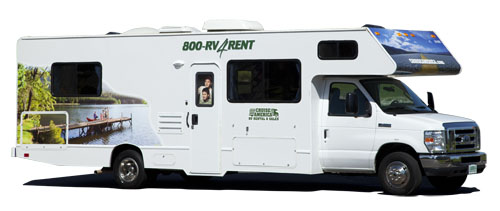
Planning essential RV logistics in California involves identifying convenient locations for dump stations, water refills, and propane, alongside securing necessary permits or reservations for popular destinations like National Parks. Dump stations and potable water refills are widely available at private campgrounds, many state parks, dedicated RV parks, and some rest stops or larger gas stations. Propane, crucial for heating, cooking, and refrigeration in many motorhomes (like the 'cruise america rv rental example Explorer' which has a 9 kg gas bottle for its 4-burner gas stove and refrigerator), can be refilled at dedicated propane facilities, certain gas stations, and hardware stores across the state. Permits or advance reservations are absolutely crucial for popular areas, especially within iconic National Parks such as Yosemite, Big Sur, or some highly sought-after state parks. These destinations often require advance booking for campsites, and during peak seasons, sometimes even for vehicle entry. Utilize RV-specific apps and online resources to efficiently locate nearby services for water, waste, and fuel. For finding campsites and campgrounds during your trip, we recommend using RV PLANET (rvplan.net) - a great resource for locating available spots along your route.How Much Does an RV Trip to California Cost? Budgeting for Fuel, Campgrounds & Food
An RV trip to California involves various costs beyond the rental itself, including fuel, campground fees, and food, which can be managed effectively with careful budgeting and strategic planning. Fuel will likely be a significant expense; factor in Bandana's global fleet average consumption rates, such as a Class SI at 10-11 Liters/100 km (e.g., '2 Berth Tamar') or a Class C at 10-12 Liters/100 km (e.g., '24' Class C Motorhome'), and consider current California fuel prices. Campground fees in California vary widely, ranging from free dispersed camping on BLM/National Forest lands to $20-50+ per night for basic state park sites and $50-100+ for private RV resorts with full hookups and amenities. Budgeting for National Park entrance fees (e.g., $35 per vehicle for a 7-day pass) and any specific activity permits or tours is also important. Cooking your own meals inside your rented RV, using its kitchen facilities, can significantly reduce food costs compared to dining out frequently, offering substantial savings over traditional hotel stays where dining expenses are often higher. On RV PLANET routes, travelers can itemize and track every expense along the way for easy budgeting. For more detailed insights into pricing, see our "RV Rental in California - Prices and Best Deals 2026" guide.How Do Different RV Classes Handle California's Terrain? Tips for Steep Grades and Narrow Roads
Different RV classes navigate California's diverse terrain with varying degrees of ease, yet all are capable of exploring the state's beauty. Smaller Class B campervans and Class C motorhomes generally offer greater maneuverability on narrow winding roads (like sections of Highway 1) and steep grades. Class B Camper Vans (e.g., 'rv rental denver example Category Van', avg. 5.8m) are agile and perform exceptionally well on these challenging routes, making them ideal for accessing more remote or less-developed areas. Class C Alcove (e.g., '24 Class C Motorhome', avg. 7.5m) and Class SI Semi-integrated RVs (e.g., '2 Berth Tamar', avg. 6.9m) provide a good balance, handling main highways comfortably while still being manageable on many secondary roads. For these, steep grades require attention to gearing and speed. Larger Class A Integrated RVs (e.g., 'Class A - Thor ACE 30', avg. 9.37m) are best suited for major highways and established RV parks. Extra caution and advanced planning are needed on narrow, winding roads and when encountering steep ascents or descents. Regardless of your chosen RV rental class, practice downshifting on steep descents to prevent brake fade, maintain adequate following distance, and always scout parking locations in advance, especially in popular tourist areas.When Is the Best Time to RV in California? A Seasonal Guide
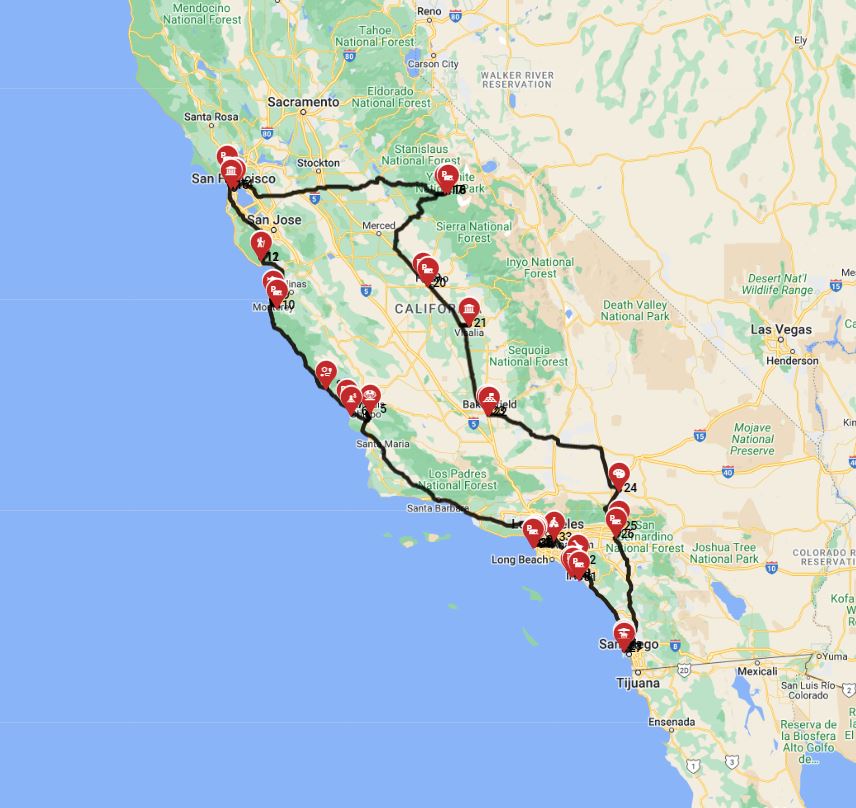
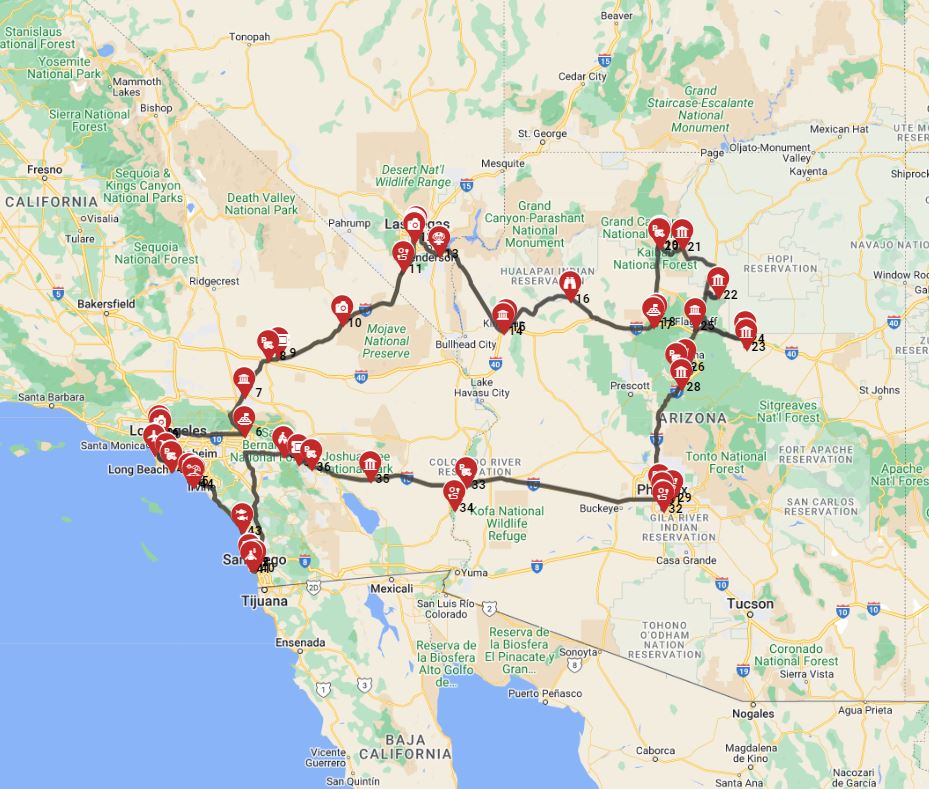
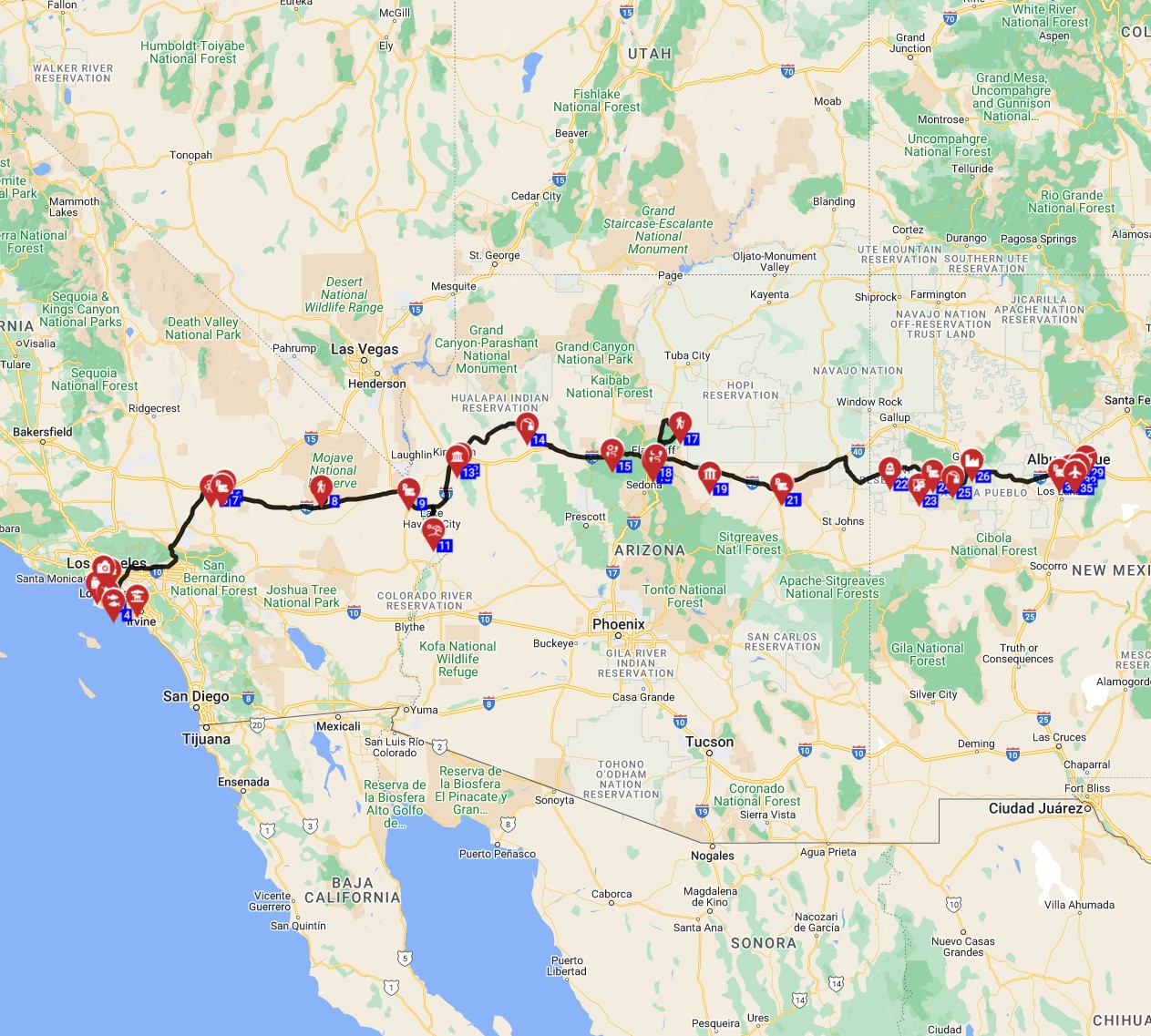
The best time to RV in California depends heavily on the specific region you plan to visit and your desired activities, with each season presenting unique opportunities and challenges. Spring (April-May) offers mild temperatures statewide, abundant blooming wildflowers, and typically open mountain passes, making it ideal for visiting deserts, coastlines, and lower-elevation national parks before the peak summer crowds and heat. Summer (June-August) is, of course, peak season, perfect for coastal trips, high-elevation mountain areas like Yosemite (though Tioga Pass may still be closed early season), and water activities; however, expect intense heat in the deserts and heavy crowds. Booking campgrounds well in advance is crucial during these months. Fall (September-November) brings beautifully pleasant weather, fewer crowds, and stunning fall foliage in the mountains, but it also coincides with California's fire season, requiring awareness of current fire warnings and air quality. Winter (December-March) is best for exploring desert regions (e.g., Joshua Tree, Anza-Borrego) and mild coastal areas, while major mountain passes like Tioga Pass in Yosemite or portions of Highway 395 may be closed due to snow and ice. Consider a route plan that embraces these seasonal changes, like the "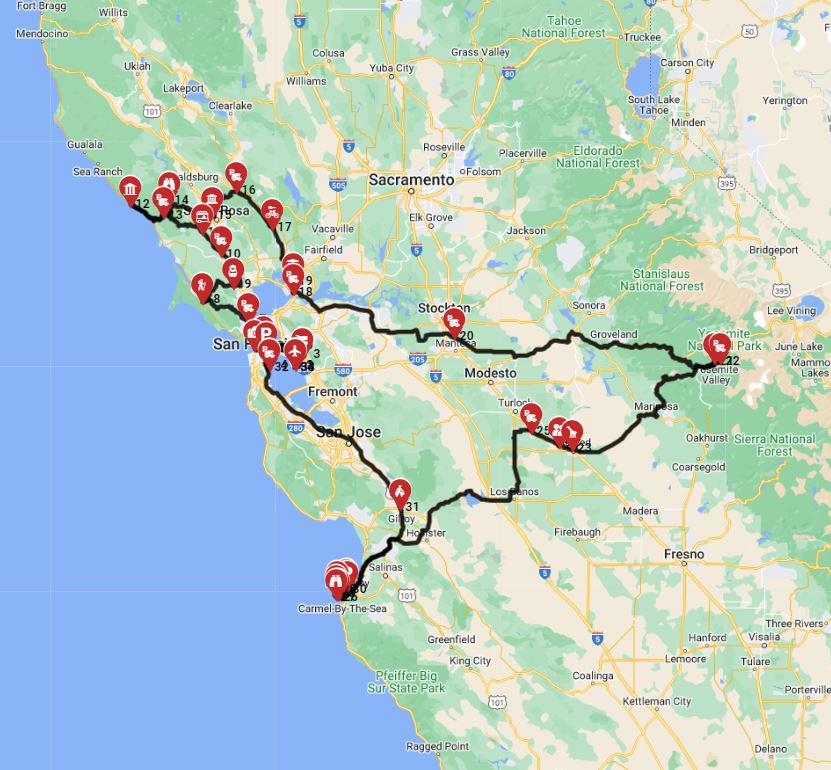
San Francisco Roundtrip
Where Can I Boondock in California? Free & Dispersed Camping Guide
Boondocking and dispersed camping in California are primarily permitted on vast tracts of Bureau of Land Management (BLM) and National Forest lands, offering incredible opportunities for free overnight stays with adherence to specific regulations and Leave No Trace principles. Many BLM lands, particularly throughout the extensive desert regions of Southern California (such as near Joshua Tree, Death Valley, or the Imperial Sand Dunes), provide designated or open dispersed camping areas. These usually have a maximum stay limit of 14 days within a 28-day period. National Forests across the state, including the Sierra National Forest, Inyo National Forest, and Shasta-Trinity National Forest, also allow dispersed camping away from developed campgrounds. Always practice Leave No Trace principles: pack out all trash, properly dispose of human waste, minimize campfire impacts (if allowed, a campfire permit is usually required), and respect local wildlife. Essential gear for boondocking includes adequate fresh water storage (a Class C motorhome like the 'cruise america rv rental example Explorer' holds 82 Liters), solar panels or a generator for power, a reliable waste disposal system, and leveling blocks for uneven terrain.How Reliable is Cell Service in California's Remote RV Areas? Connectivity Tips
Cell service reliability in California's remote RV areas, especially within vast National Parks and wilderness regions, can be spotty, making offline maps and pre-downloaded content absolutely essential. While some private campgrounds offer Wi-Fi, it's not a guarantee for consistent connectivity. Major cellular carriers such as Verizon, AT&T, and T-Mobile offer varying degrees of coverage; Verizon often provides the most robust signal in more remote areas, but "dead zones" are still common in mountainous terrain and deep canyons. National Parks like Yosemite, Sequoia & Kings Canyon, and Death Valley typically have very limited or no cell service outside of visitor centers or specific developed areas. For enhanced connectivity, consider bringing a cellular booster or a mobile hotspot from a different carrier than your primary phone to increase your chances of finding a signal. Many private RV parks and some state park campgrounds do offer Wi-Fi, which can be a reliable option when available, but speeds may vary. Planning your week-long trip with digital independence in mind will ensure a smoother experience.What Are California's RV Road Challenges and Safety Tips? Notorious Routes & Wildlife
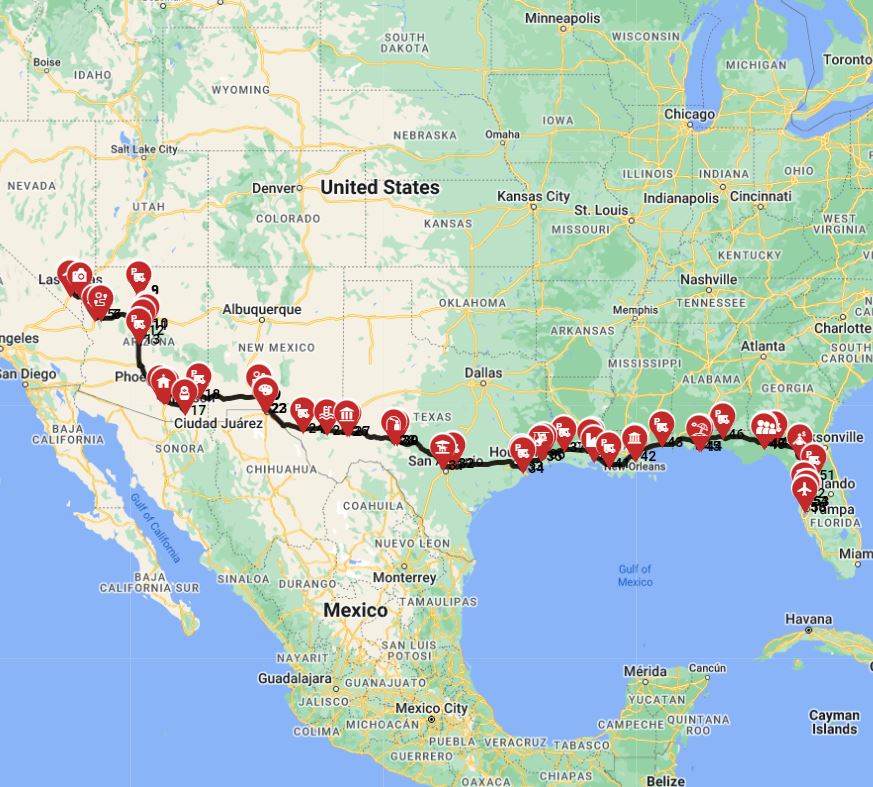
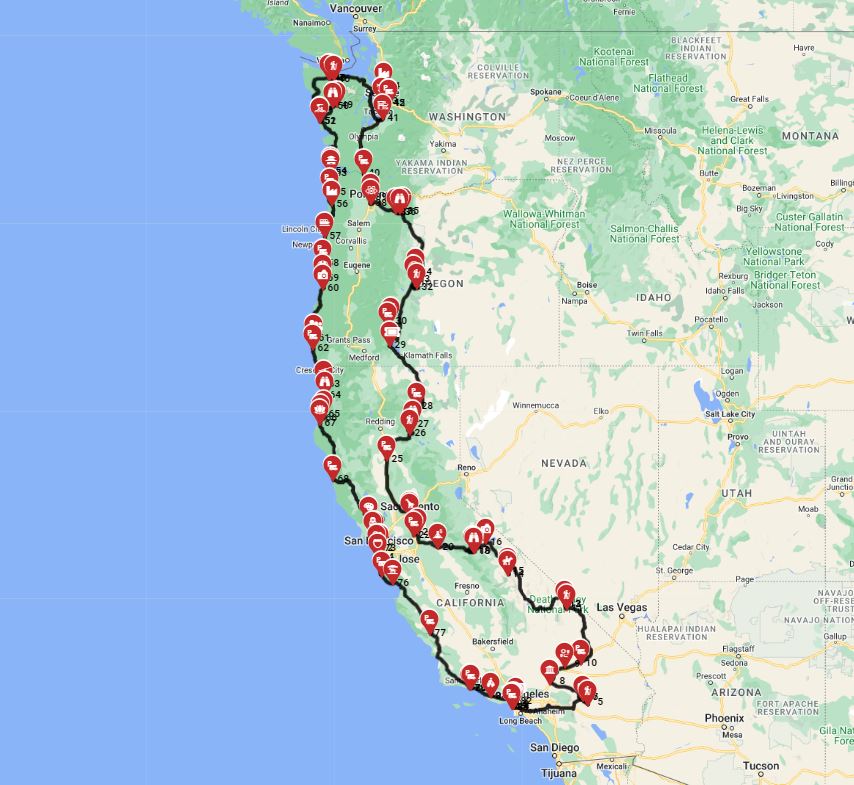
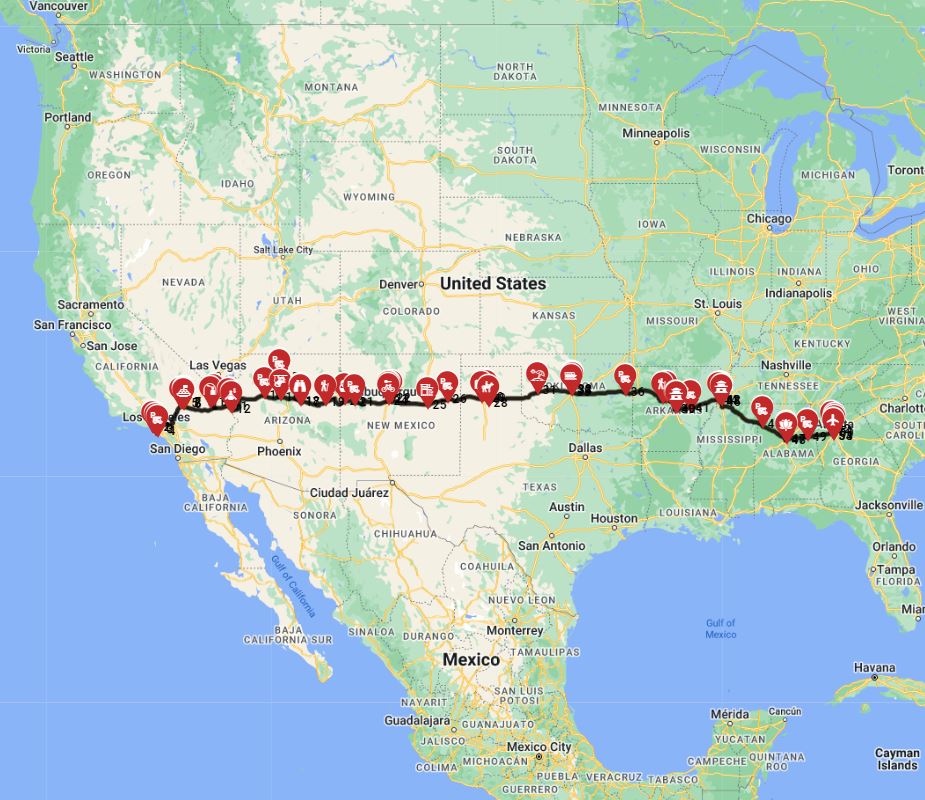
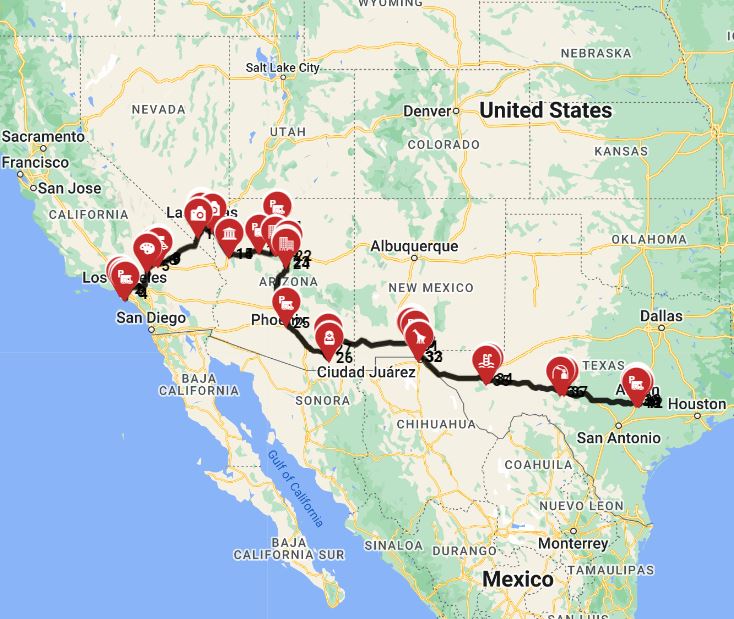
Rented RV travelers in California should be prepared for specific road challenges like the steep grades on "The Grapevine" (Tejon Pass on I-5) and narrow, winding sections of Highway 1, alongside being acutely aware of wildlife encounters and crucial fire safety protocols. "The Grapevine" is notorious for its steep inclines and declines, especially when traveling northbound or southbound, requiring careful speed and gear management for all motorhomes. Sections of Highway 1, particularly south of Big Sur, are famous for incredibly narrow, winding roads and tight curves with steep drop-offs, necessitating slow speeds and heightened awareness for larger RVs. Wildlife encounters, particularly with deer, elk, and occasionally bears, are common in rural and forested areas; always drive cautiously at dawn and dusk, and use appropriate food storage practices in bear country. California's fire season (typically summer and fall) requires strict adherence to fire safety protocols, including knowing current burn bans, carrying a fire extinguisher, and familiarizing yourself with evacuation routes in fire-prone areas. For an extensive journey, consider a route like "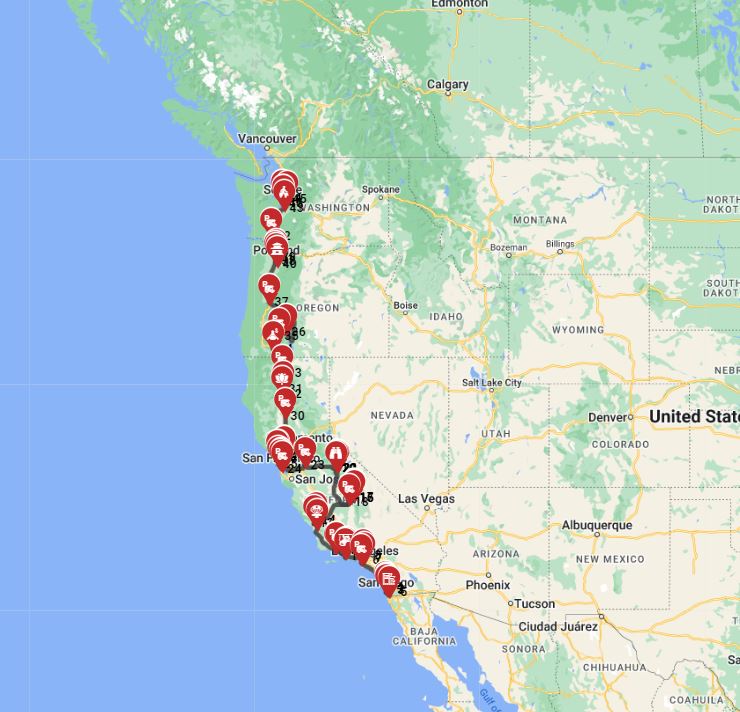
San diego to Seattle - California to the Pacific Northwest
🎬 Video coming soon
What Are Alternative RV Camping Options in California? Beyond Standard Campgrounds
Beyond traditional campgrounds, California offers a variety of alternative RV camping experiences through innovative platforms and less-known local gems, providing unique overnight stays for your motorhome rental. Hipcamp is a fantastic resource that connects RVers with private landowners offering unique camping spots, from picturesque vineyards and working farms to secluded private forest clearings. This often provides a more secluded and personalized experience than crowded state or national parks. Harvest Hosts is another popular membership program offering free overnight RV parking at wineries, breweries, farms, and attractions across California; members are simply encouraged to support the host business through purchases, like a bottle of wine or local produce. California's extensive network of county and regional parks often provides charming, less crowded alternatives to its more famous state and national parks, sometimes with unique amenities or locations. Additionally, some casinos, fairgrounds, and large retail stores (always ask permission first!) may offer overnight parking, providing convenient stopovers on longer journeys. For detailed information on these alternative spots, including 170+ campsites, consulting RV PLANET (rvplan.net) can help you discover these hidden gems.Top Cities for RV Rental in California
California offers numerous excellent cities for picking up your RV rental and starting an unforgettable adventure. Los Angeles, with its sprawling network of RV rental suppliers like El Monte and Cruise America, serves as a popular starting point for exploring Southern California's beaches, theme parks, and deserts. San Francisco provides a gateway to Northern California's wine country, Redwood forests, and the iconic Pacific Coast Highway, and often features specialized campervan rental options perfect for navigating its hilly streets. San Diego is ideal for those planning to explore the southern coast, Baja California, or the Anza-Borrego Desert. Further inland, cities like Sacramento offer convenient access to the Sierra Nevada mountains and Gold Rush history. Don't overlook cities like San Jose, which offer diverse attractions and serves as a good base for exploring the Bay Area and beyond. Each of these cities provides a range of vehicle classes, from compact campervans ideal for couples (like the 'Active Bunk Auto') to large Class C motorhomes suitable for families (like the 'MHC30', with sleeping for 9 people and a V-10 engine). For detailed options, compare offers for RV Rental Deals in California - Latest Offers 2026.What You Shouldn't Miss
California is a treasure trove of experiences waiting to be discovered by your rented RV. Don't miss the awe-inspiring granite cliffs and giant sequoias of Yosemite National Park; it's a quintessential stop that leaves visitors speechless. Drive the iconic Highway 1 along the Big Sur coastline for breathtaking ocean views and dramatic cliffs. Explore the vibrant culture and diverse cuisine of San Francisco, taking a day to wander Fisherman's Wharf and marvel at the Golden Gate Bridge. For a unique desert experience, head to Joshua Tree National Park with its distinct flora and rock formations, ideal for hiking and stargazing. In Southern California, enjoy the sun-drenched beaches of San Diego and the world-class entertainment of Anaheim. For wine lovers, a visit to Napa Valley or Sonoma is a must, with plenty of RV-friendly vineyards for tasting.Looking for expert insights from Avi Bandana? Top 5 Adventures - recommendations from Avi Bandana
Final Thoughts
Embarking on your first motorhome adventure in California is an experience that promises unparalleled freedom and unforgettable memories. From the moment you pick up your rented RV, you're not just driving a vehicle-you're steering your own mobile home to explore diverse landscapes, charming towns, and iconic landmarks. We hope this guide empowers you with the knowledge and confidence to navigate California's roads and make the most of your journey. Remember, the key is to embrace the journey, take it slow, and savor every moment. Whether you're a meticulous planner or a spontaneous traveler, the Golden State welcomes all RVers with open arms. With a variety of rental options, transparent pricing, and our dedicated support, Bandana Caravan is here to ensure your California road trip is nothing short of spectacular. Get ready to create lasting memories on the open road.On the routes offered through RV PLANET routes, you can itemize and track every expense along the way for easy budgeting.