In This Guide
- Where to Camp in Texas - Top Options
- Campground Types in Texas (National, Private, Wild)
- Featured RV Park or Campground in Texas
- Hookups & Amenities - What to Expect
- Booking Windows & Reservations in Texas
- Nearby Supermarkets & Resupply Points
- Best RV Class for Camping in Texas
- How to Save on Campgrounds in Texas
- RV Emergency Preparedness and On-Road Support in Texas
- What is the average price to rent an RV in Texas
- How much does it cost to stay at an RV park in Texas
- How much is it to rent an RV for a week in Texas
- Is Texas a good state for RV camping
- What RV parks in Texas are open year-round
- What is the best month to RV in Texas
- Where can I park my RV for free in Texas
- Can you sleep in your RV anywhere in Texas
- What are the rules for living in an RV in Texas
- What are some fun things to do in Texas in an RV
- What You Shouldn't Miss
- Why Book with Bandana Caravan
- Final Thoughts
- Frequently Asked Questions
🎬 Video coming soon
Where to Camp in Texas - Top Options
Texas offers diverse RV camping experiences across its distinct geographical regions, providing a perfect setting for every kind of outdoor enthusiast. The Texas Hill Country, famed for its scenic beauty, numerous wineries, and abundant outdoor activities like hiking and river floating, boasts numerous private and state parks such as Guadalupe River State Park, which often offer comprehensive amenities. Along the picturesque Gulf Coast, RVers can indulge in beach access and watersports at iconic locations like Galveston Island State Park or Padre Island National Seashore. For those seeking vast, rugged landscapes and unparalleled stargazing opportunities, West Texas is ideal, particularly Big Bend National Park and its nearby state parks, which feature incredibly dark night skies where thousands more stars are visible than in most places. East Texas provides a tranquil escape with its piney woods and numerous lakes, perfect for serene forest camping and fishing. These regions collectively offer over 170 diverse campsites ranging from basic to full-service.Campground Types in Texas (National, Private, Wild)
Texas features a variety of campground types, each offering distinct experiences for RVers, making it crucial for beginners to choose according to their preferences. National Park System sites, such as Big Bend National Park or Padre Island National Seashore, provide rustic natural settings, often with limited amenities like basic water or no hookups, and typically require advance reservations, especially during peak seasons. Texas State Parks are immensely popular, offering a balance of natural beauty and essential amenities like electric and water hookups, with booking highly recommended well in advance. Private RV Parks and Resorts, including well-known chains like Jellystone Park locations or KOA campgrounds, usually offer the most comprehensive amenities, such as full hookups, Wi-Fi, swimming pools, and various recreational activities, often found closer to urban areas. Dispersed camping, commonly known as boondocking, is legally permitted in designated areas within Texas's National Forests, like Sam Houston National Forest, and on certain public lands managed by agencies such as the Bureau of Land Management in remote West Texas. These options require complete self-sufficiency, including managing your own water, waste, and power, and strict adherence to Leave No Trace principles.Featured RV Park or Campground in Texas
When selecting an RV park in Texas, beginners should prioritize features that align with their comfort and activity preferences to ensure a smooth trip. Key considerations for a comfortable stay include ensuring the park offers full hookups (water, electric, and sewer) for maximum convenience, clean restroom and shower facilities, and reliable Wi-Fi availability (though its strength can vary). Proximity to desired attractions, accessible campsites for easier maneuvering of your rented motorhome, and positive reviews regarding staff helpfulness and overall park maintenance are also critical factors. For those traveling with children, family-friendly amenities such as playgrounds, swimming pools, and planned activities can significantly enhance the experience. Before finalizing your booking, always verify specific details, review photos, and check accessibility information directly on the park's website. One great resource for detailed campsite information and route planning is RV PLANET (rvplan.net), which helps you locate available spots along your route and even itemize trip expenses.Hookups & Amenities - What to Expect
RV parks across Texas typically offer a robust range of hookups and amenities designed to enhance your camping experience, especially for beginners. Most sites provide electric hookups, with both 30-amp and 50-amp services being standard to accommodate various RVs, along with reliable water connections and sewer (dump) hookups for full convenience. Beyond utility connections, common amenities often include clean restrooms with hot showers, well-maintained laundry facilities, and sometimes Wi-Fi access, although the strength and reliability of Wi-Fi can vary significantly from one park to another. Many campgrounds also feature communal areas such as picnic tables, fire rings for cozy evenings, recreational halls, and convenient access to outdoor activities like hiking trails or fishing lakes. For new RVers, it's essential to confirm that your rented motorhome's electrical connection matches the park's amperage and to learn the proper procedures for connecting and disconnecting all utilities to ensure a safe and enjoyable stay.Booking Windows & Reservations in Texas
For RV rental beginners planning a trip to Texas, understanding booking windows is crucial, especially when aiming for popular destinations or traveling during peak seasons. Proactive planners should target booking state and national park campsites 6-12 months in advance, particularly for weekends, major holidays, and the pleasant spring or fall months, as these spots fill up quickly due to high demand. However, many national park campgrounds reserve only a portion (typically 25-30%) of their spots for advance reservations, leaving the remainder available on a first-come, first-served basis. This means spontaneous travelers can often secure a site by arriving early in the day. If your first choice is full, don't worry—you'll find a spot. If not at the first campground, then the next one. Always call ahead before driving to confirm availability. Private RV resorts or smaller municipal parks frequently have more flexibility for same-day or next-day bookings, especially during off-peak times. While finding a spot is almost always possible in Texas, flexibility with your exact location and having a few backup options is always a smart approach for new RVers.Nearby Supermarkets & Resupply Points
Stocking your rented RV for a Texas adventure is incredibly convenient, with numerous supermarket and resupply options strategically located near popular camping areas. Major Texas grocery chains like H-E-B, renowned for their vast selections, are widely available, alongside national retailers such as Walmart and Kroger, found throughout the state. These stores offer comprehensive selections for all your grocery needs, camping supplies, and other necessities, making resupply stops effortless during your journey. For those venturing into smaller towns or more remote regions, particularly in West Texas, it's wise to plan ahead with a well-stocked pantry. However, even in less populated areas, local general stores can often provide essential provisions. Always consult your route and identify convenient resupply points to avoid running low on essentials. For easy budgeting and tracking all your trip expenses, including groceries and fuel, consider using RV PLANET routes, which allow you to itemize every cost along the way.Best RV Class for Camping in Texas
Choosing the best RV class for camping in Texas significantly depends on your personal travel style, the size of your group, and your desired level of amenities. For couples or solo travelers prioritizing flexibility, maneuverability for exploring charming small towns, or engaging in dispersed camping, a Class B Campervan is an excellent choice. Our Bandana global fleet offers compact options averaging 5.8 meters in length, comfortably accommodating about 2-3 adults. These smaller campervans provide better fuel efficiency and often grant access to more remote or less developed campsites. Families or groups desiring more space and comprehensive amenities for longer trips, especially with plans for full hookup sites, might prefer a Class C Alcove motorhome. These models, such as the "cruise america rv rental example Explorer" with a 82-liter fresh water tank and seating for 4, typically average 7.1 meters in length and sleep around 4-5 adults. Class C RVs offer distinct sleeping areas, ample storage, and a generally more comfortable living experience. Class A motorhomes offer the most luxurious experience, like a "Class A - Thor ACE 30" with 189 liters of fresh water, sleeping up to 6 people. Consider Texas's diverse terrain: while narrower Hill Country roads might favor smaller RVs, the wide-open highways leading to Big Bend National Park can easily accommodate larger units. Drive slowly and carefully, and you can drive almost anywhere without issues. No need to stress — just use common sense and pay attention.How to Save on Campgrounds in Texas
Saving money on campgrounds in Texas is entirely achievable through various smart strategies, allowing beginners to extend their RV adventures without breaking the bank. One effective method is leveraging campground discount cards, which are sometimes offered or recommended through your RV rental provider like Bandana, providing significant savings on daily rates at participating private parks and resorts. Booking your trip during the shoulder seasons (late spring or early fall) often allows you to avoid peak pricing and larger crowds, offering better value and typically milder, more enjoyable weather for outdoor activities. Opting for municipal, county, or regional parks over more amenity-rich private resorts usually results in substantially lower nightly fees while still providing essential amenities like electric and water hookups. Furthermore, consider staying for three or more nights at a single location to qualify for weekly rates, which are frequently discounted compared to daily charges, and if traveling with friends, sharing hookup costs where permitted can also reduce individual expenses.RV Emergency Preparedness and On-Road Support in Texas
For RV rental beginners, preparing for potential emergencies and understanding the available on-road support options in Texas is vital for a stress-free trip. Always ensure your rental RV includes comprehensive roadside assistance coverage. This is a critical safety net for unexpected breakdowns, tire issues, or other mechanical problems, especially when traversing remote areas of West Texas. It's prudent to carry a basic emergency kit, which should include a first-aid kit, a reliable flashlight with extra batteries, essential basic tools, extra water, and a fully charged cell phone along with a portable charger. Familiarize yourself with the locations of major towns and cities along your planned route, as these are where you'll typically find access to RV repair services. Websites and dedicated apps can help you locate these services. In the event of a serious emergency, always dial 911 immediately. Additionally, it's a good practice to inform a trusted contact of your travel itinerary, particularly when venturing into areas with limited cell service.What is the average price to rent an RV in Texas
The average price to rent an RV in Texas varies significantly based on several factors, including the specific RV class, the duration of your rental, the season of your trip, and the particular rental company you choose. Beginners can generally expect daily rental costs to range broadly, typically from $100 for a compact campervan to $300 or more per night for larger, more luxurious Class A or C motorhomes. These prices are dynamic, much like flight tickets, changing daily based on availability and supplier marketing decisions. It’s crucial to remember that this base rate usually doesn't include additional costs such as mileage fees, comprehensive insurance coverage (though you can upgrade to a top-level deductible for extra peace of mind), preparation fees, or charges for generator usage. Booking during the off-peak season, such as winter (excluding holiday periods), or opting for longer rental durations, can often result in lower average daily rates. Always obtain a detailed, transparent quote that itemizes all potential charges before confirming your RV rental in Texas to avoid any surprises.How much does it cost to stay at an RV park in Texas
The cost to stay at an RV park in Texas ranges widely, primarily depending on the type of park, the array of amenities offered, its specific location, and the time of year. For example, basic state park campsites equipped with electric and water hookups typically cost between $20 and $40 per night. In contrast, private RV resorts, which often boast full hookups, strong Wi-Fi, swimming pools, and extensive recreational amenities, can range from $40 to over $100 per night. During peak seasons, such as spring break, summer holidays, or major events, prices usually climb to the higher end of these ranges, and securing reservations well in advance becomes essential. Beginners should carefully factor these nightly costs into their overall trip budget, along with potential extra charges for additional vehicles, guests, or specific premium sites, to ensure a well-planned and financially comfortable RV adventure.How much is it to rent an RV for a week in Texas
Renting an RV for a week in Texas can cost anywhere from approximately $700 to $2,100 or more, with the final price heavily influenced by the specific RV class, the time of year, and any included mileage packages. Opting for weekly rates often provides a slight discount compared to booking individual nights, making extended trips more cost-effective for beginners. This estimate generally covers the base rental fee, but new RVers should also budget for additional expenses. These typically include comprehensive insurance coverage, a security deposit, various preparation fees, and potentially a per-mile charge if you exceed a set mileage limit. Furthermore, significant fuel costs, which can be substantial given Texas's vast distances, and nightly campground fees are separate from the core RV rental cost. Always request a comprehensive, transparent quote that details all weekly rental components to prevent any unexpected charges upon pickup, and inquire about any available weekly specials or package deals.Is Texas a good state for RV camping
Texas is an excellent state for RV camping, offering an incredible diversity in landscapes, activities, and RV-friendly infrastructure that caters to all types of travelers. From the rugged mountains and vast deserts of West Texas, home to Big Bend National Park, to the tranquil pine forests of East Texas, the rolling hills and spring-fed rivers of the Hill Country, and the extensive Gulf Coast beaches, there is a unique camping experience to suit every preference. The state boasts a vast and well-maintained network of state parks, national parks, and private RV resorts, all equipped to accommodate various sizes of motorhomes and provide a wide range of amenities. Texas's sheer size translates to endless road trip possibilities, with plenty of attractions including vibrant cities like Austin and San Antonio, historical sites, natural wonders, and distinct local cultures waiting to be explored. While summers can be very hot, particularly in Central and West Texas, the spring and fall offer ideal weather for exploring, making Texas a fantastic year-round RV destination with proper planning for seasonal conditions.What RV parks in Texas are open year-round
Many RV parks in Texas, especially private campgrounds and resorts, operate year-round to accommodate the steady stream of travelers in all seasons. While some state parks might have limited services or partial closures during the cooler winter months, a significant number of these public parks also remain open and fully accessible throughout the entire year. Popular year-round options frequently include many KOA locations, Jellystone Park resorts, and numerous independently owned private RV parks, particularly those situated in warmer southern regions or major tourist areas like the Hill Country. It is always a wise practice for beginners to verify year-round availability by checking the specific park's website or calling them directly, as operational schedules and amenities can occasionally change seasonally. Camping in the milder Texas winter can be a particularly pleasant experience, often characterized by fewer crowds and potentially lower rates, though preparing for occasional cold fronts is always a sensible precaution.What is the best month to RV in Texas
The best months to RV in Texas for beginners are typically spring, from March to May, and fall, from September to November, due to the consistently milder temperatures and generally pleasant weather. During these shoulder seasons, the intense heat of summer is less pronounced, and the humidity is lower, making outdoor activities like hiking, exploring state parks, and enjoying city attractions far more comfortable. Spring brings with it a spectacular display of wildflowers, including the famous Texas bluebonnets, and vibrant natural beauty, while fall offers comfortable temperatures perfect for long drives and scenic stops. Summer, spanning June to August, is generally very hot, especially in Central and West Texas, requiring diligent use of your rented RV's air conditioning and careful planning of activities for early mornings or late evenings. Winter, from December to February, is mild in many parts of Texas, particularly the south, making it a popular choice for "snowbirds" escaping colder climates, though occasional cold fronts can occur.Where can I park my RV for free in Texas
Free RV parking in Texas, commonly known as boondocking or dispersed camping, is available in specific designated areas but requires careful planning and strict adherence to local regulations. Legal dispersed camping opportunities exist within the three National Forests in Texas-Sam Houston, Davy Crockett, and Angelina National Forests-where motorhomes can typically park in designated areas for up to 14 days. Limited Bureau of Land Management (BLM) land in West Texas also offers free camping, primarily in very remote, undeveloped areas where complete self-sufficiency is paramount, as amenities are non-existent. Additionally, many large retail chains like Walmart or Cracker Barrel may permit overnight RV parking in their expansive parking lots. However, it is absolutely crucial to always ask store management for explicit permission first, as policies can vary significantly by individual location and specific city ordinances. Beginners exploring free camping options must be fully prepared with sufficient fresh water, power, and waste management solutions.Can you sleep in your RV anywhere in Texas
No, you cannot legally sleep in your RV just anywhere in Texas; overnight parking is restricted and generally requires you to be in designated areas or to have explicit permission. Sleeping in a rented RV is typically permitted in official campgrounds, including Texas state parks, national parks, and private RV parks, where you have secured and paid for a campsite. Many cities and counties across Texas have local ordinances that strictly prohibit overnight parking of RVs on public streets, in residential neighborhoods, or on unauthorized private lots. While some businesses, such as large retail stores like Walmart or certain restaurant chains like Cracker Barrel, might allow overnight stays for RVs in their parking lots, it is always crucial to ask permission from the store management before parking. To avoid any legal issues, fines, or being asked to move, beginners should meticulously plan their nightly stops in advance and stick to established, approved RV parking locations.What are the rules for living in an RV in Texas
While Bandana specializes in RV rentals for vacation travel, those considering extended stays in a rented RV in Texas will find the state generally accommodating. Texas does not impose a state income tax, making it an attractive location for longer-term residents to establish domicile, though this involves specific steps like vehicle registration and updating your driver's license. For long-term parking, you typically need to be on private land with proper hookups or in an RV park designed for extended stays, as most public campgrounds have duration limits, often 14 days. Local ordinances can prohibit continuous RV parking on public streets or in unapproved locations within city limits, so always check local regulations wherever you plan to stay. Ensure your rented RV is registered and insured according to Texas state law, and for any mail, consider using a mail forwarding service or a Post Office box to maintain an address.What are some fun things to do in Texas in an RV
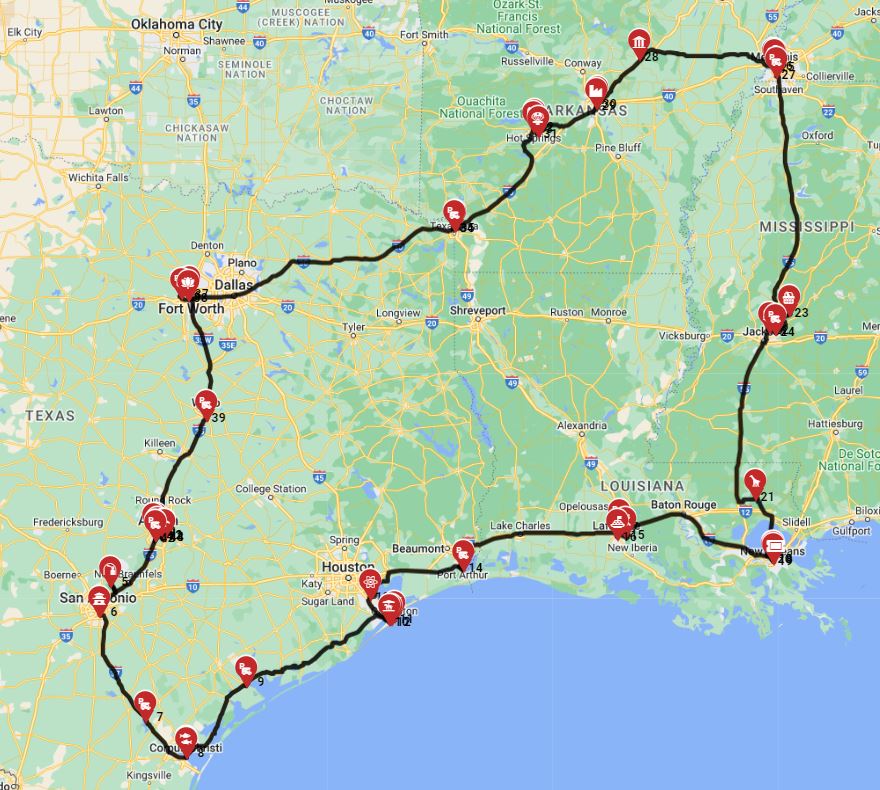
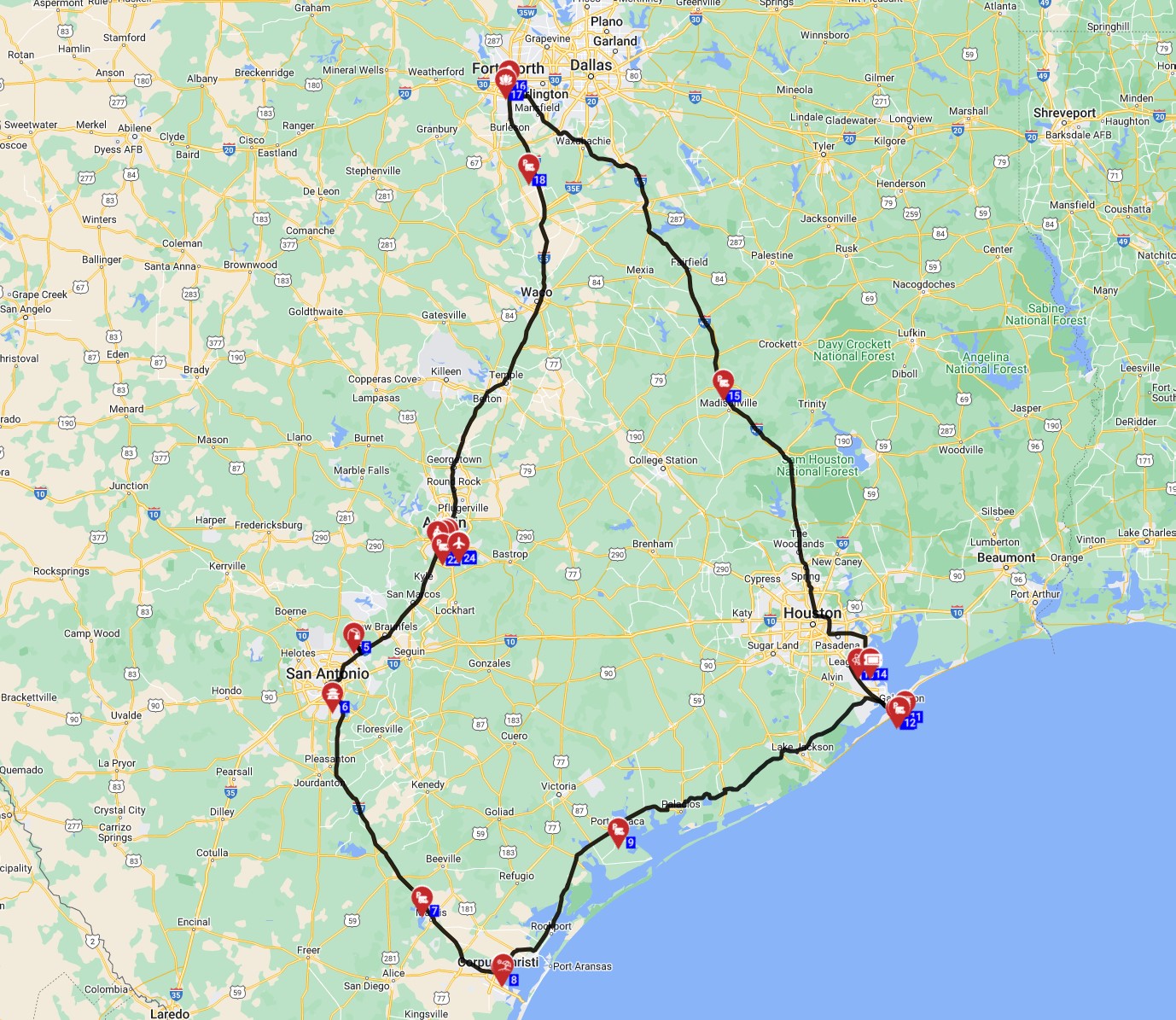
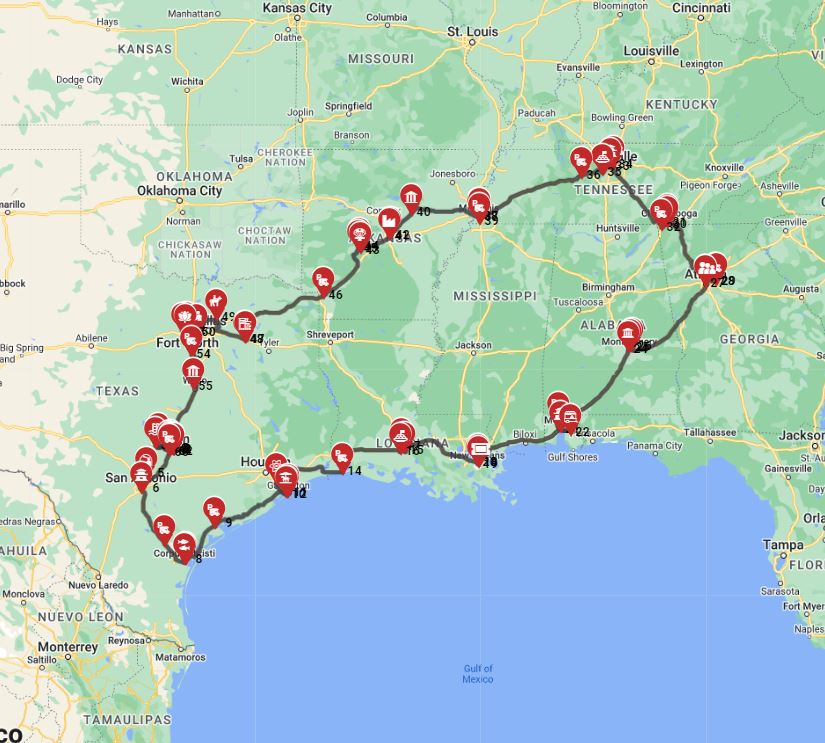
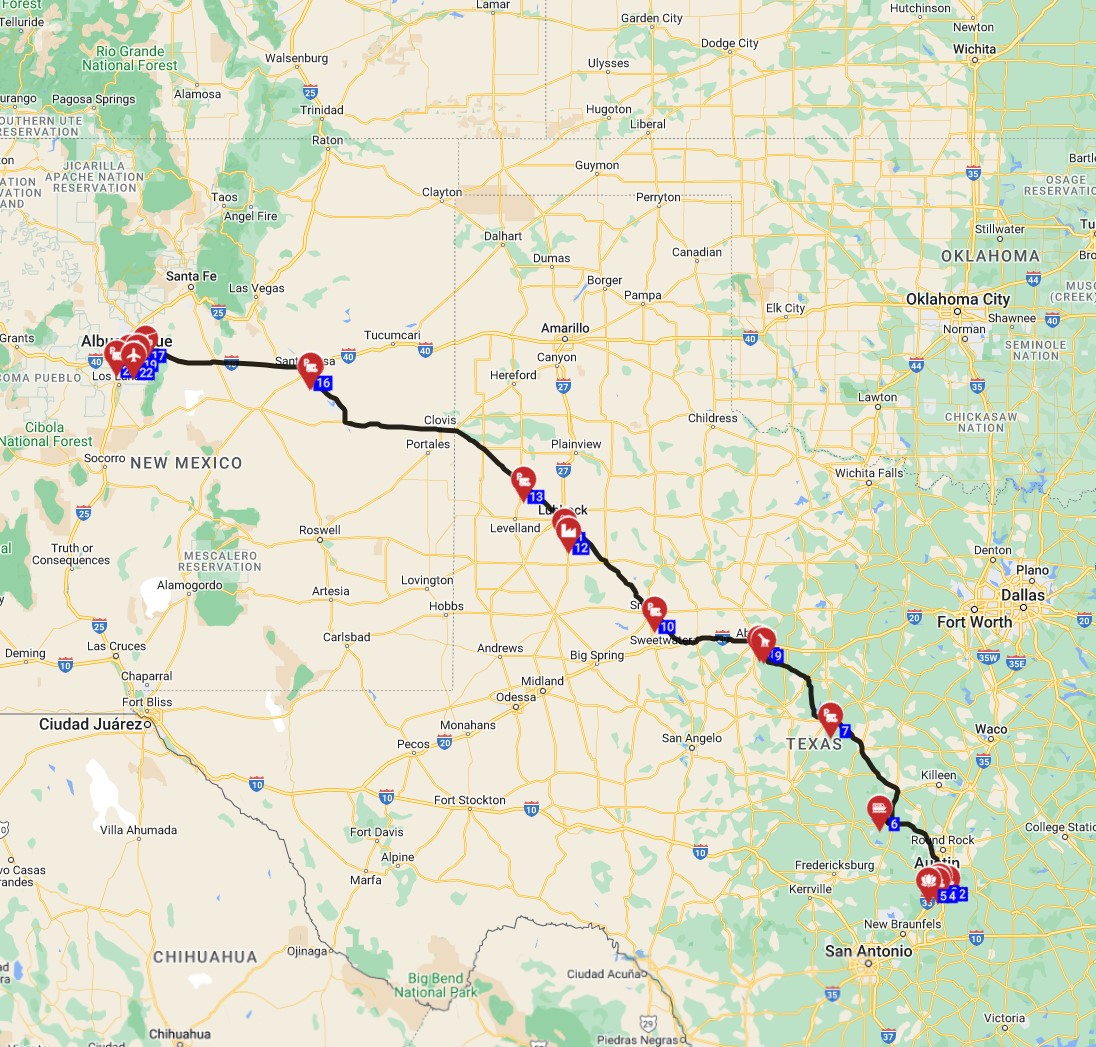
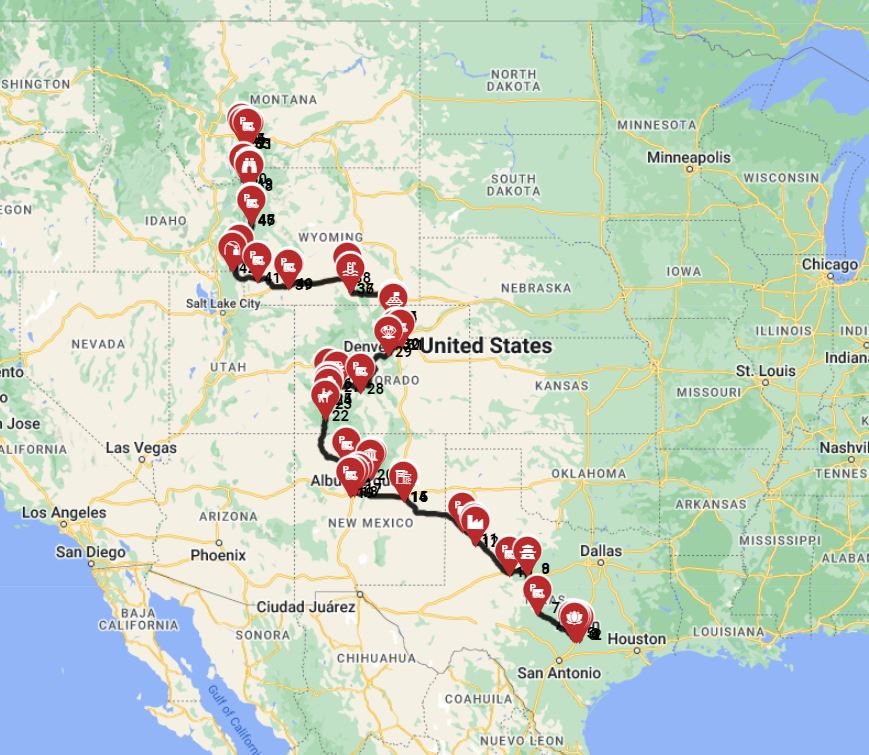
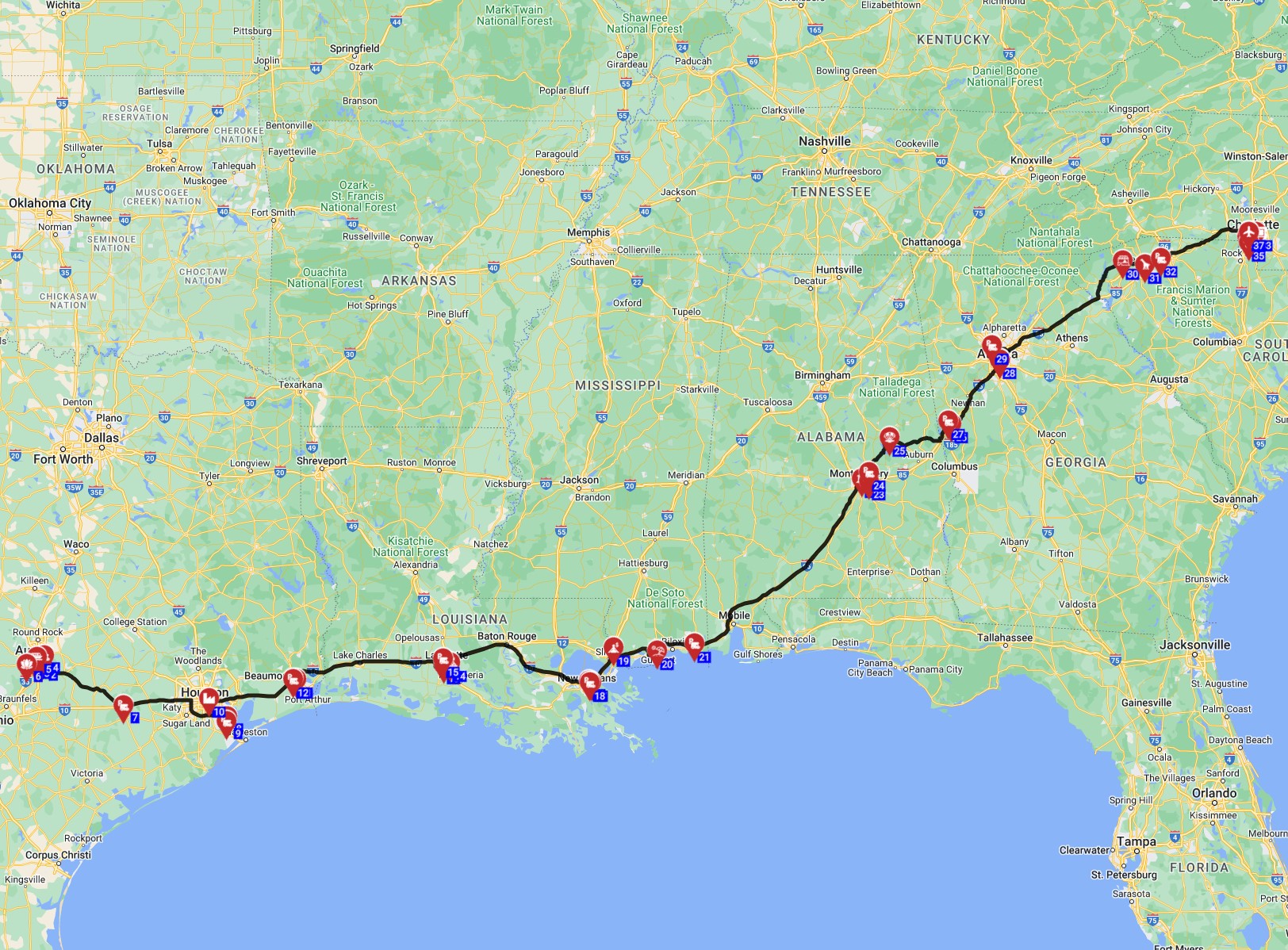
Texas offers an abundance of fun activities for RVers, catering to diverse interests from thrilling outdoor adventures to rich cultural explorations. You can explore the vast wilderness of Big Bend National Park and Big Bend Ranch State Park for exceptional hiking, unparalleled stargazing in the darkest night skies of the lower 48 states, and incredible desert landscapes. Enjoy refreshing water activities and delightful beach camping along the Gulf Coast at places like Padre Island National Seashore or Galveston Island. Discover the unique charm of the Texas Hill Country with its numerous wineries, craft breweries, refreshing swimming holes like Hamilton Pool Preserve, and quaint German-influenced towns such as Fredericksburg. Immerse yourself in Texas history by visiting the iconic Alamo in San Antonio or exploring the historic Spanish missions, which are part of a UNESCO World Heritage Site. You can also embark on a culinary journey through the state's renowned BBQ and Tex-Mex trails, sampling authentic dishes featuring the official state pepper, the jalapeño. For a truly unforgettable experience, consider a pre-planned route like the "
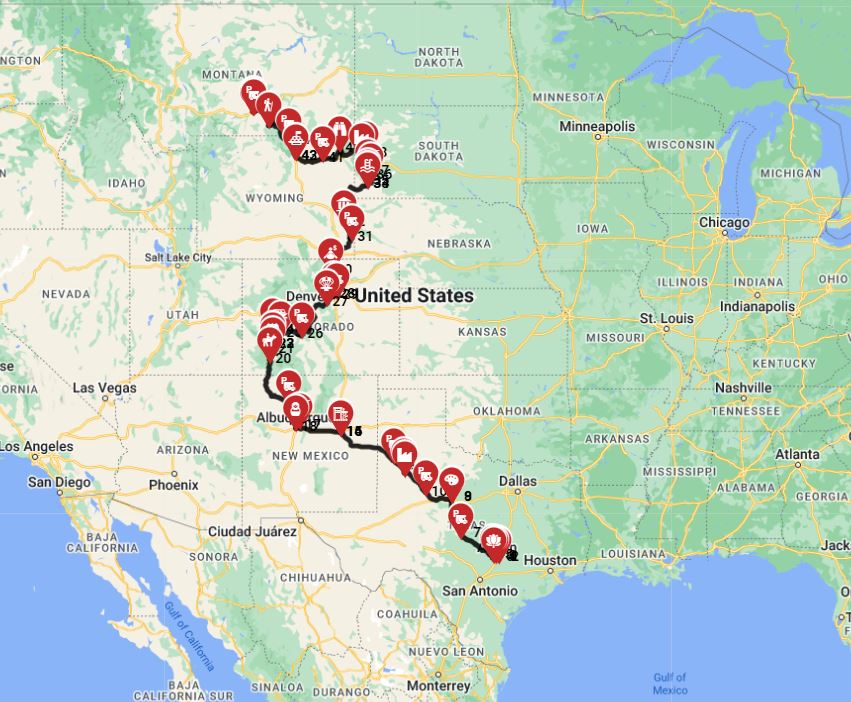
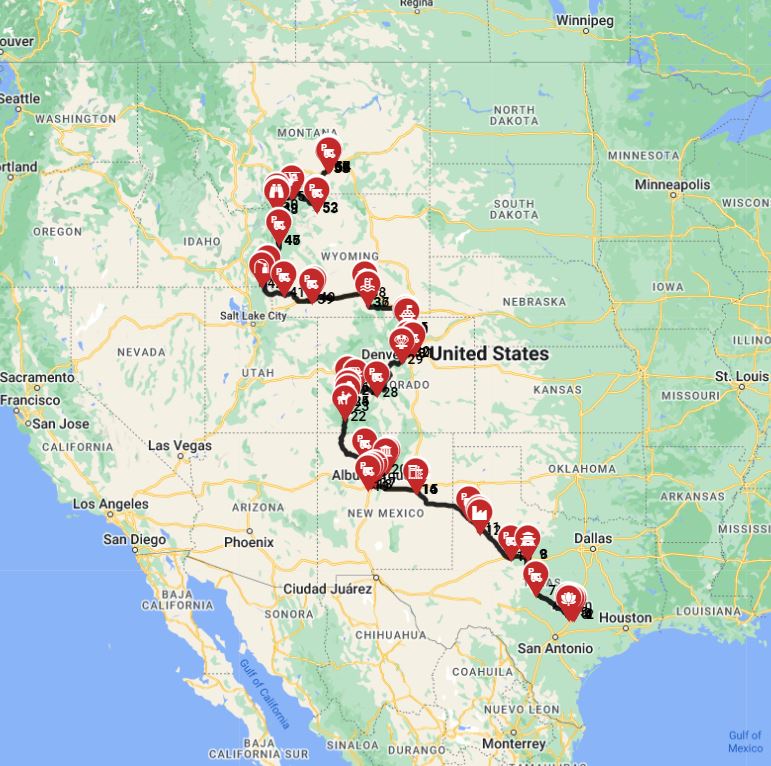
Albuquerque Roundtrip - Epic New Mexico and Texas Loop
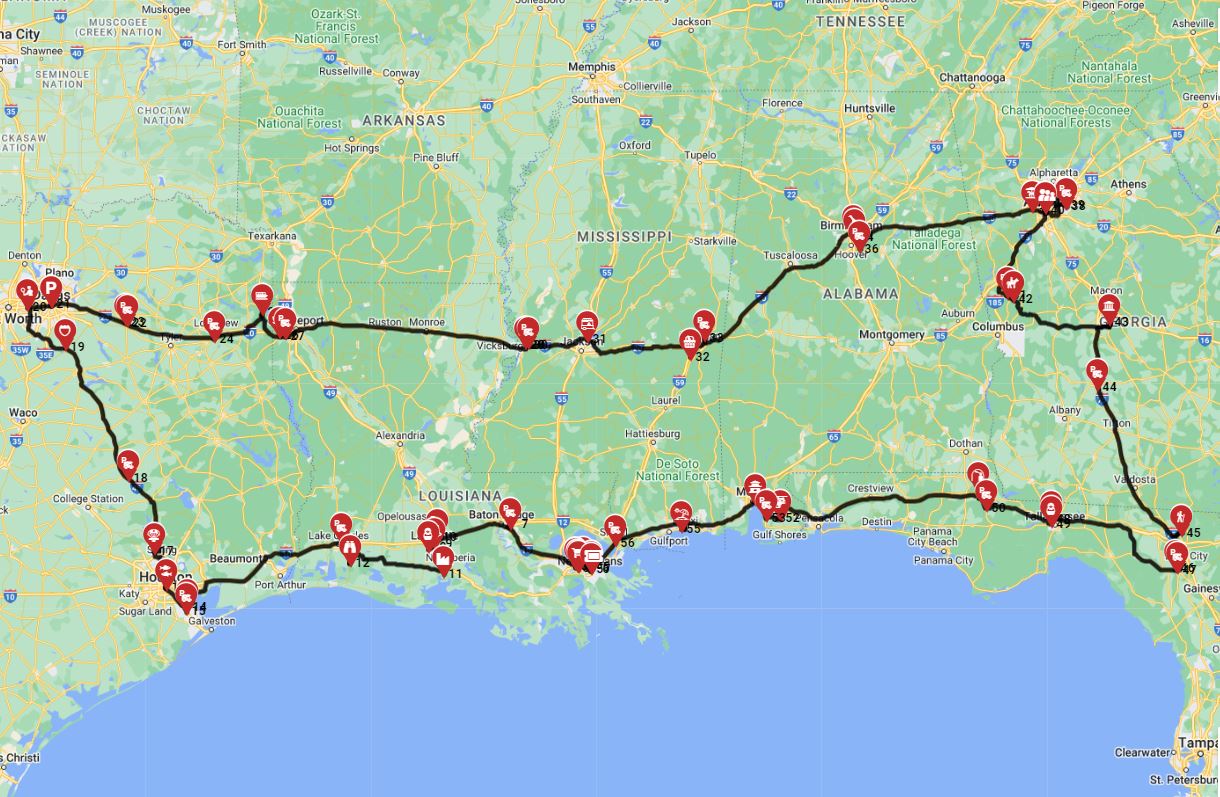
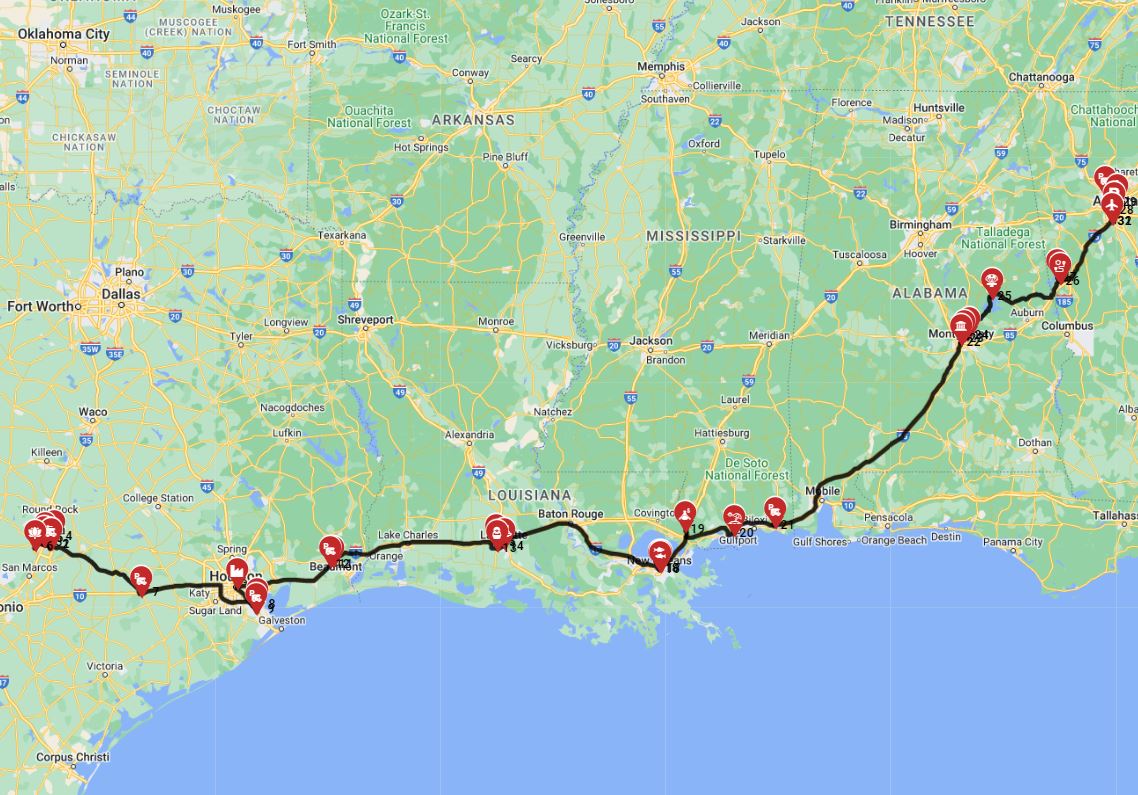
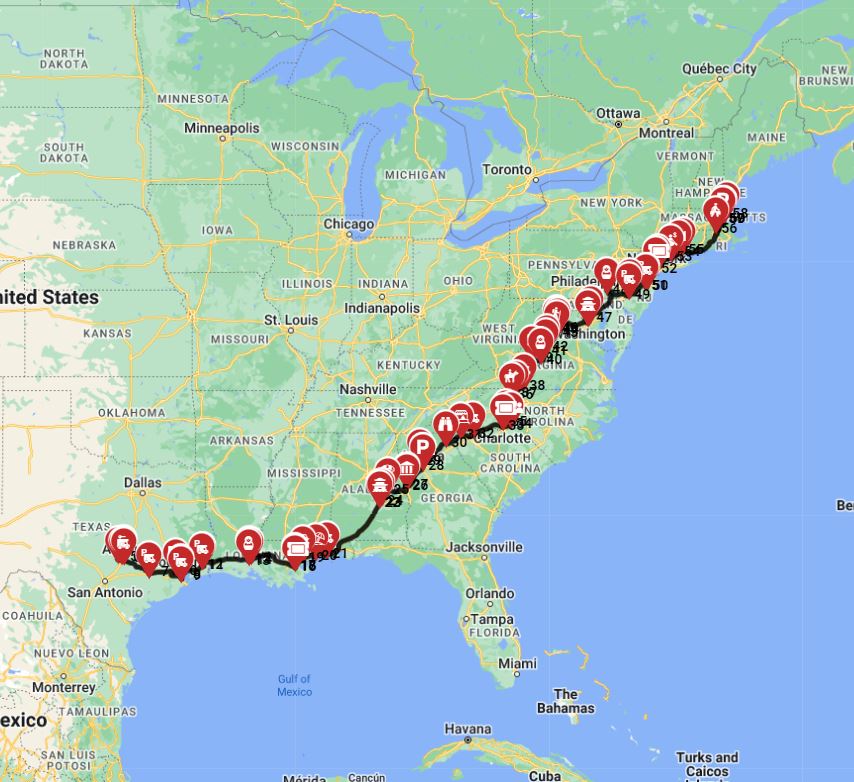
New Orleans roundtrip - New Orleans to the Heart of Texas and Beyond
What You Shouldn't Miss
- **Big Bend National Park:** Immerse yourself in the vast Chihuahuan Desert, hike dramatic mountain trails, and experience some of the darkest night skies in the USA, perfect for stargazing from your rented motorhome.
- **Texas Hill Country Wine Trail:** Explore charming towns like Fredericksburg and drift through scenic vineyards. Many offer RV-friendly parking and tastings.
- **Padre Island National Seashore:** Enjoy miles of undeveloped coastline, ideal for beach camping and birdwatching, especially during migratory seasons.
- **San Antonio's River Walk & The Alamo:** Discover Texas history and vibrant culture with a stroll along the historic River Walk, followed by a visit to the iconic Alamo.
- **Palo Duro Canyon State Park:** Hike or bike through the "Grand Canyon of Texas," offering stunning geological formations and ample RV camping spots.
Final Thoughts
Your first RV camping trip in Texas promises to be an incredible journey filled with diverse landscapes, rich culture, and unforgettable experiences. With a rented motorhome from Bandana, you gain the freedom to explore at your own pace, from the serene pine forests to the rugged deserts and bustling cities. We pride ourselves on providing full transparency, 24/7 support for your booking process, and access to expertly crafted itineraries to help you plan with confidence. Don't let the idea of RV travel for beginners intimidate you. Texas is remarkably RV-friendly, offering endless possibilities for adventure. Embrace the open road, discover hidden gems, and create lasting memories. Whether you opt for a compact campervan or a spacious Class C motorhome, your Texas road trip awaits. Compare Motorhome Prices for Texas and start planning your perfect adventure today.On the routes offered through RV PLANET routes, you can itemize and track every expense along the way for easy budgeting.