In This Guide
- Where to Camp in California - Top Options
- Campground Types in California (National, Private, Wild)
- Featured RV Park or Campground in California
- Hookups & Amenities - What to Expect
- Booking Windows & Reservations in California
- Nearby Supermarkets & Resupply Points
- Best RV Class for Camping in California
- How to Save on Campgrounds in California
- How Much Does an RV Rental in California Cost
- Are RV Rentals Worth It
- What is the Best Month to RV in California
- What are the Rules for RV Camping in California
- Can You Live in an RV Full Time in California
- Where Can I RV for Free in California
- What is the RV Rule of Thumb
- What is the Most Scenic Drive in California by RV
- What Size RV Can Go on Highway 1 and What Parts are Closed
- How Far in Advance Should I Book an RV Rental in California
🎬 Video coming soon
California, a state of unparalleled diversity, offers an incredible playground for first-time RV adventurers. From sun-drenched beaches and towering redwood forests to dramatic deserts and majestic mountain ranges, renting a motorhome in California provides the ultimate freedom to explore at your own pace. For live availability and current prices, start with our RV Rental California - Complete Guide 2026 guide.
Where to Camp in California - Top Options
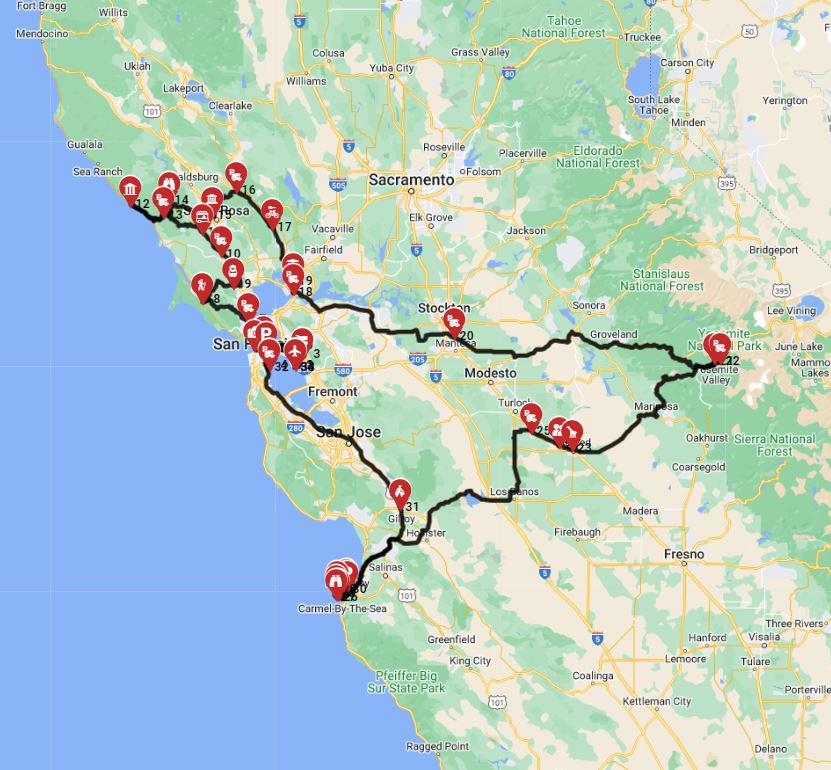
California offers diverse RV camping experiences, from coastal sites to Sierra Nevada mountains and desert landscapes, providing options for every preference. Imagine waking up to the sound of crashing waves at a beach campground or the crisp mountain air surrounded by giant trees. Popular regions for camping with a rented RV include the iconic national parks such as Yosemite, Sequoia, and Joshua Tree, the serene Redwood Coast, and the scenic Highway 1 corridor. Travelers seeking unique experiences with potentially fewer crowds can also explore lesser-known state parks and regional parks, which often offer hidden gems and stunning natural beauty.
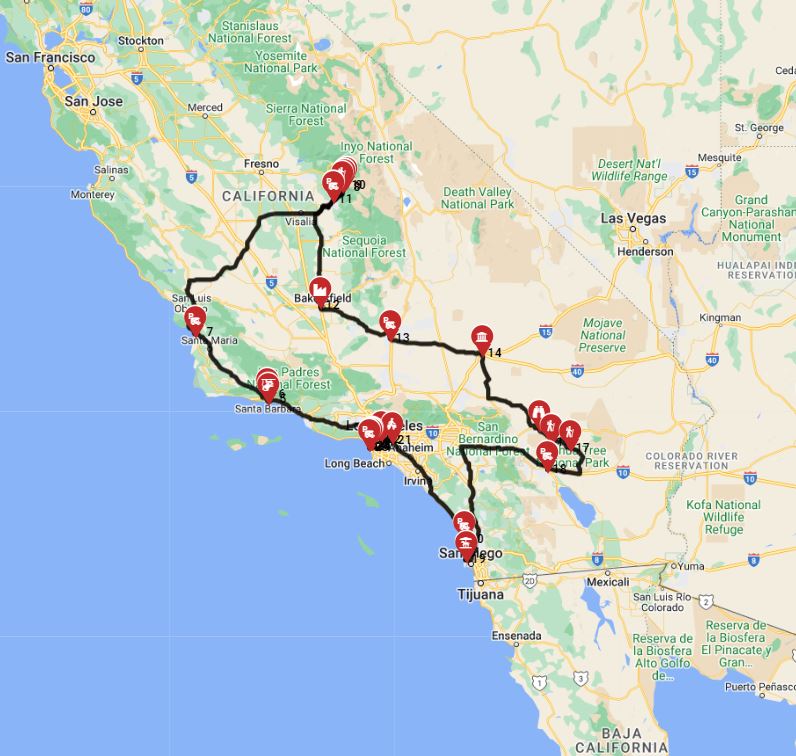
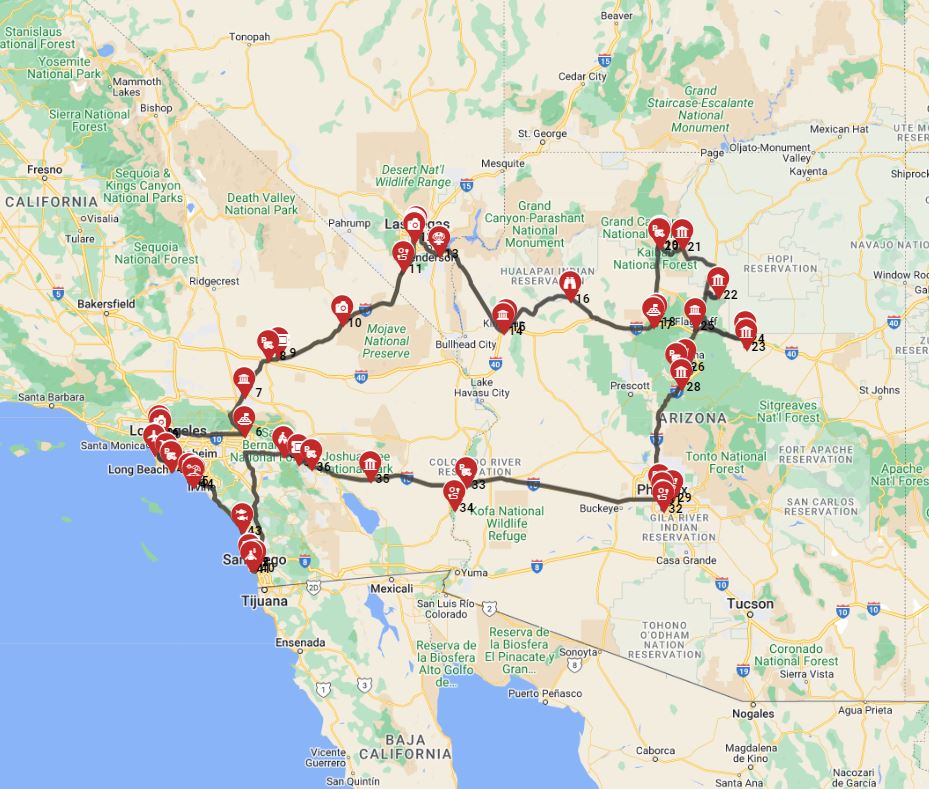
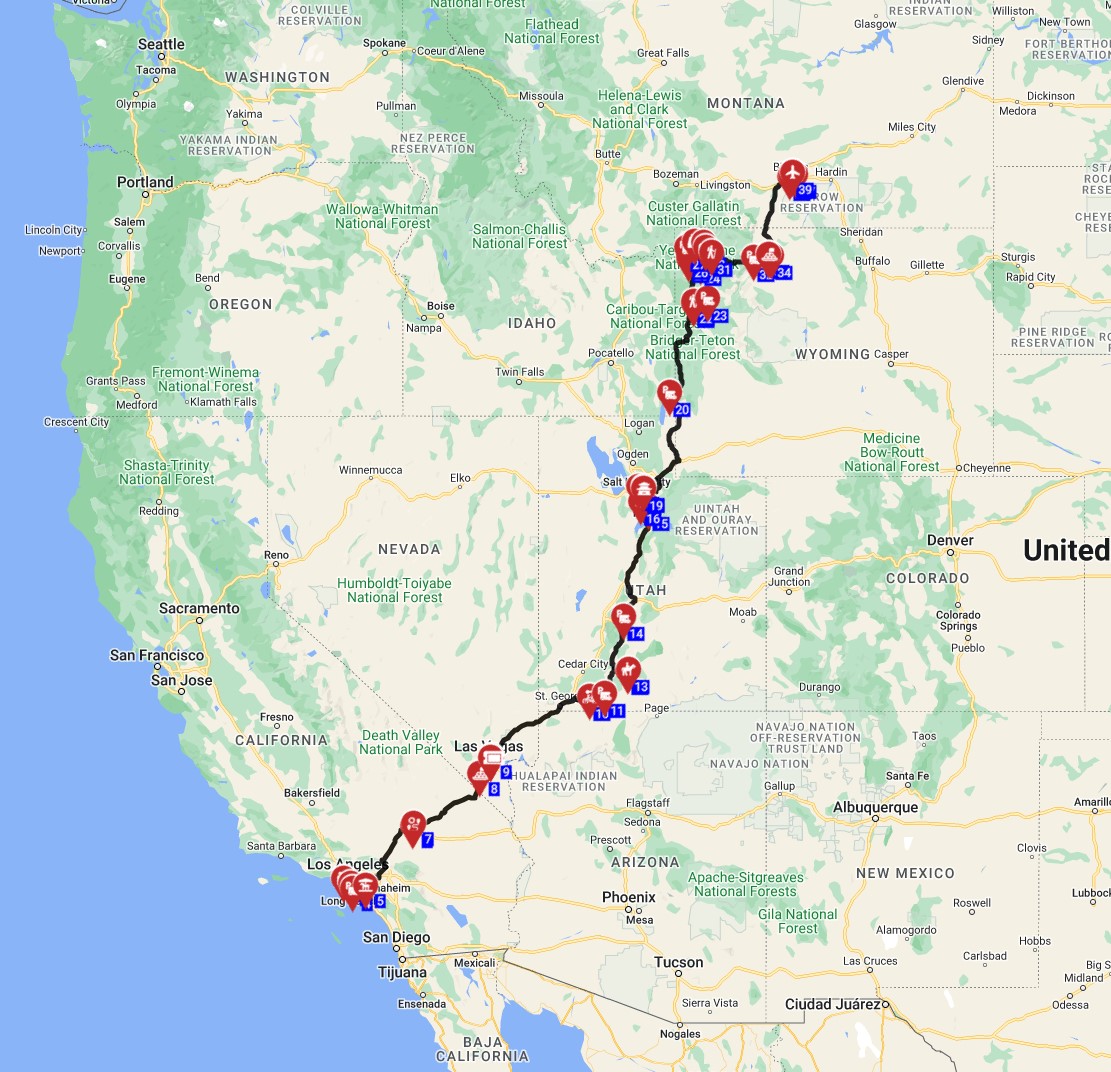
Planning your route through California opens up incredible possibilities. For instance, the
Whether you dream of Yosemite's granite cliffs, the ancient forests of Redwood National Park, or the unique rock formations of Joshua Tree, California has a perfect spot for your rented camper.
Campground Types in California (National, Private, Wild)
California offers three primary types of RV campgrounds: National Parks & Forests, Private RV Resorts, and Wild Camping. National Parks & Forests often feature rustic sites with limited hookups, requiring advance reservations, especially for highly sought-after locations like Yosemite where spots can book out a year in advance. These campgrounds provide an authentic outdoor experience, focusing on nature and typically offering basic amenities like picnic tables and fire rings.
Private RV Resorts, on the other hand, provide full hookups (electric, water, sewer), extensive amenities such as pools, clubhouses, and laundry facilities, and are generally easier to book last-minute but come at a higher price point. These are perfect for travelers who appreciate more comforts and services. For finding campsites and campgrounds during your trip, we recommend using RV PLANET (rvplan.net) - a great resource for locating available spots along your route.
Wild Camping, also known as Boondocking or Dispersed Camping, is legally permitted on much of California's Bureau of Land Management (BLM) and National Forest land for up to 14 days, requiring self-sufficiency and adherence to Leave No Trace principles. This option is fantastic for those looking to truly get off the grid with their rented motorhome, offering unparalleled solitude and access to remote natural areas.
Featured RV Park or Campground in California
When selecting an RV park in California, prioritizing sites offering appropriate hookups (30/50 amp electric, water, sewer) and essential amenities like clean restrooms, showers, and laundry facilities is crucial for a comfortable trip. Many top-rated parks boast additional perks such as swimming pools, dog parks (great for pet-friendly travel), general stores, and convenient proximity to major attractions or natural beauty. Always consider factors like site size, privacy, and accessibility to ensure it comfortably accommodates your specific rented RV class and travel preferences, especially if you're traveling with a larger Class A motorhome.
A prime example is the popular Upper Pines Campground in Yosemite Valley, offering stunning views and proximity to hiking trails, although it requires booking months in advance. For a coastal experience, San Elijo State Beach Campground near San Diego offers direct beach access and ocean views, typically accommodating Class C Alcoves and campervans. Another excellent choice is the Campland on the Bay in San Diego, a private resort providing full amenities, a marina, and various family activities, perfect for those seeking a vibrant atmosphere. Remember to confirm pet policies if you're bringing furry friends along for the adventure!
Hookups & Amenities - What to Expect
Standard RV hookups in California typically include 30-amp or 50-amp electrical connections, fresh water hookups, and sewer connections for efficient grey and black water tank disposal. This ensures that your rented motorhome functions just like a home on wheels, allowing you to use appliances, charge devices, and enjoy running water. Many campgrounds, particularly private resorts, offer additional amenities such as Wi-Fi access, laundry facilities, hot showers, picnic tables, fire rings, and sometimes even cable TV. These extra comforts can make an extended road trip feel even more luxurious.
For boondocking or dry camping, you will rely entirely on your RV's onboard tanks and battery power, necessitating careful management of water, waste, and energy resources. This might involve conserving water for showering and cooking. If you’re preparing meals in your RV’s kitchen, you might want to check out our RV-friendly recipes playlist for inspiration. Knowing your rented camper's capacities for fresh water (e.g., a "cruise america rv rental example Explorer" has an 82 Liter fresh water tank) and waste is key to successful dry camping. Remember, Bandana RV provides transparent information about all equipment included with your rental.
Booking Windows & Reservations in California
For popular national and state parks in California, reservations should ideally be made 6 months to a year in advance, especially for peak season (summer and holidays) due to exceptionally high demand. Many national park campgrounds, however, only release 25-30% of their spots for reservations, with the remainder often available on a first-come, first-served basis, providing excellent options for more spontaneous travelers. Don't stress too much about booking far in advance for every single night; you'll find a spot. If not at the first campground, then the next one. Always call ahead to confirm availability before driving long distances, particularly for first-come, first-served sites, as popular locations can fill up quickly, especially on weekends.
When it comes to booking your rented RV, flexibility can be your best friend. Traveling during the shoulder seasons (spring or fall) or considering a mid-week pickup can often yield better availability and rates. Bandana RV offers full transparency in pricing, so you'll always see the final cost upfront when comparing different suppliers.
Nearby Supermarkets & Resupply Points
California features major supermarket chains like Safeway, Ralphs, Vons, and Albertsons, alongside big-box stores like Walmart and Target, which are widely accessible near most urban and many rural areas. Planning your RV route to include stops in towns with these stores for fresh groceries, water, and other essential supplies is important, especially before venturing into remote areas for extended periods. This approach ensures your rented motorhome is always well-stocked. On the routes offered through RV PLANET routes, you can itemize and track every expense along the way for easy budgeting.
Local farmers' markets can also provide unique regional produce and support local communities, offering a cultural insight and fresh ingredients to enhance your RV culinary experience. Before heading out to national parks or remote BLM lands, ensure your fresh water tanks are full and waste tanks are empty. You can also itemize and track every expense along the way for easy budgeting with RV PLANET routes, which helps manage all your ancillary costs like groceries, fuel, and campground fees.
Best RV Class for Camping in California
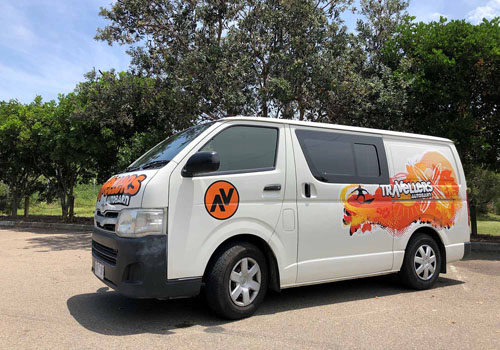
Choosing the best RV class for camping in California depends on your travel style and group size. Class B Camper Vans, which Bandana's fleet averages 5.8m in length and 3.2 sleeping places, are ideal for navigating narrow roads and accessing smaller campgrounds, perfect for couples or solo travelers seeking flexibility and boondocking capabilities. These agile vehicles, like a "2 Berth Hi Top", are easy to drive and park.
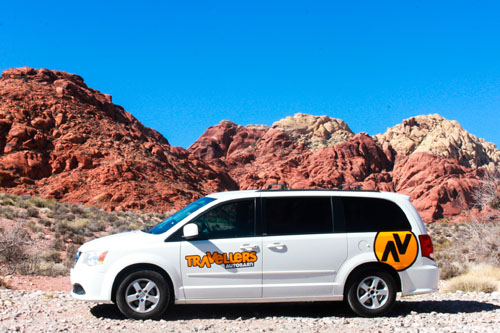
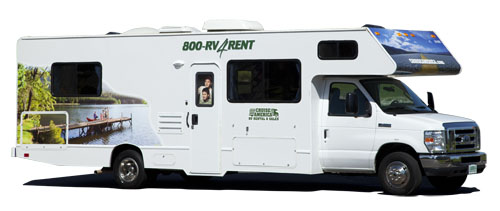
Class C Alcoves (Bandana's fleet averages 7.5m in length and 5.8 sleeping places) offer a good balance of space and maneuverability for families, suitable for most state parks and private campgrounds. A popular "24' Class C Motorhome" sleeps up to 5 people, has a 166 Liter fresh water tank, and includes a shower and toilet, making it a comfortable choice. Drive slowly and carefully, and you can drive almost anywhere without issues. No need to stress - just use common sense and pay attention. For a more luxurious experience, Class A Integrated RVs (Bandana's fleet averages 7.5m in length and 4.4 sleeping places) provide ample space, but their larger size may limit access to certain national park roads or smaller, more rustic campsites, making them better suited for RV resorts. For example, a Class A - Thor ACE 30 is 9.37m long and sleeps 6.
We understand that deciding on the right vehicle is a big part of the adventure, and as true RV specialists, we're here to help you compare options from over 50 leading RV suppliers like El Monte and Cruise America. Our deep expertise in RV rentals means we can confidently guide you to the perfect mobile home for your California adventure.
How to Save on Campgrounds in California
You can significantly save on campground fees in California by utilizing various strategies, which can make your RV rental trip more economical. Many private campgrounds offer discounts through membership programs or loyalty cards; some rental providers may also include discount cards, providing substantial savings on nightly rates. Opting for municipal or regional campgrounds over private RV resorts also typically offers lower prices and often provides a more rustic, nature-focused experience, with nightly rates often ranging from $20-$50 compared to $50-$80+ at private resorts.
Booking stays of 3 or more nights can often qualify you for weekly rates, presenting a substantial saving compared to nightly bookings and encouraging longer stays. Additionally, considering travel during the shoulder seasons (spring and fall) can lead to lower campground rates and fewer crowds compared to the peak summer months. Our Rent&Plan service can even provide pre-planned routes that incorporate budget-friendly camping options, and you can enjoy a 25% planning discount when you use rvplan.net for your route planning.
How Much Does an RV Rental in California Cost
The average cost to rent an RV in California typically ranges from $100 to $400 per night, depending on the RV class, season, rental duration, and included amenities, often proving more economical than hotels for families or longer trips. Entry-level Class B camper vans may start around $100-$200/night, while larger Class A or C motorhomes can be $250-$400+/night, with additional costs for insurance, mileage, and cleaning fees. Prices are dynamic, similar to flight tickets, changing daily based on availability and seasonality.
Beyond the initial rental fee, you should budget for fuel (e.g., Bandana's Class C averages 10-12 Liter/100 km, while a larger "MH-A" can use 25 Liter/100km), campground fees ($20-$80/night), propane, and activities to get a complete cost picture for your trip. For a detailed overview of what to expect, explore our "RV Rental in California - Prices and Best Deals 2026" guide. RVing often becomes cheaper than hotels when traveling with multiple people, as accommodation and transportation costs are combined, plus you save by cooking your own meals, making it a truly budget-friendly option for families.
For couples looking for more premium options, consider our "Luxury RV Rental in California - Premium Prices 2026" guide to explore higher-end Class A or larger Class C motorhome rentals.
Are RV Rentals Worth It
RV rentals are absolutely worth it for travelers seeking flexibility, comfort, and the ability to immerse themselves in California's diverse natural landscapes, offering a unique adventure often more suited for exploring national parks and remote areas than traditional hotels. Imagine waking up to a breathtaking view of the Pacific Ocean or a serene mountain lake from your mobile home. RVs provide the freedom to change itineraries spontaneously, cook your own meals, and bring more gear, enhancing the overall travel experience, especially for active families or groups.
While initial costs can seem higher, RVing can be more budget-friendly for extended trips or larger groups compared to booking multiple hotel rooms and dining out frequently. The experience of waking up to a different scenic view each day, having your 'home' with you, and bonding with travel companions in a unique setting often outweighs the convenience of hotels. Plus, Bandana RV offers full transparency with no hidden fees, ensuring what you see is what you pay.
To really maximize the value, remember to travel slowly, aiming for a maximum of 100-150 km per day on average. This allows you to truly feel the place, connect to the culture, the food, and the scenery, making your rented RV experience in California unforgettable.
What is the Best Month to RV in California
The best months to RV in California are generally April-May (spring) and September-October (fall), offering pleasant temperatures, fewer crowds than peak summer, and beautiful natural scenery across most regions. During spring (April-May), you'll find ideal conditions for wildflowers, moderate temperatures for deserts and southern California, and weather before the hottest summer months hit inland areas; however, snow can still affect higher elevations in the Sierra Nevadas.
Fall (September-October) offers golden foliage in the mountains, pleasant coastal weather, and cooler temperatures perfect for hiking, though fire season precautions remain important, especially for those in a rented campervan. Summer (June-August) is peak season with hot temperatures, especially inland, but perfect for high-elevation mountains and coastal areas; this period requires booking well in advance due to very high demand. Winter (November-March) offers snow sports in the mountains and mild weather in desert and southern coastal regions, but be sure to watch for road closures due to snow and potential rainstorms, which can impact travel for any rented motorhome.
What are the Rules for RV Camping in California
RV camping in California is governed by specific regulations that vary by land type, generally requiring adherence to campground rules, fire restrictions, waste disposal guidelines, and respecting quiet hours, with additional considerations for pet-friendly travel. Always check individual campground rules for quiet hours (typically 10 PM to 6 AM), generator use, number of vehicles per site, and strict restrictions on campfires, especially during fire season which usually runs from late spring through fall.
For waste disposal, always use designated dump stations for grey and black water tanks; illegal dumping is strictly prohibited and can result in significant fines and environmental damage. Many national and state parks have strict pet rules, often restricting them to paved areas, campgrounds, or specific trails; always confirm pet policies for specific locations and trails to ensure compliance with your furry companions in your rented RV. Be aware of road and tunnel length restrictions in certain areas, particularly in national parks like Yosemite, which can impact larger Class A or Class C RVs.
For those planning a longer journey across the nation, check our "RV Rental USA - Complete Guide 2026" for broader regulations.
Can You Live in an RV Full Time in California
While living in an RV full-time is a common lifestyle in California, it involves navigating specific legalities regarding residency, mail, and local ordinances, and often requires strategic planning for boondocking and managing utilities. There are no statewide laws prohibiting full-time RV living, but local city and county ordinances often restrict overnight parking in residential or commercial areas; establishing residency for vehicle registration, mail, and voting usually requires a fixed address, such as a P.O. box or a friend's address.
Many full-timers utilize Bureau of Land Management (BLM) and National Forest lands for free, dispersed camping, which typically has a 14-day stay limit within a 28-day period. This is distinct from our focus at Bandana RV, which is exclusively on RV rentals for vacation travel, offering temporary adventures rather than permanent living solutions.
Where Can I RV for Free in California
You can RV for free in California primarily on Bureau of Land Management (BLM) land and within many National Forests, which permit dispersed camping for up to 14 days in designated areas, offering a truly off-the-beaten-path experience. These public lands are abundant in California, particularly in the desert regions (e.g., Mojave National Preserve area) and mountainous areas, providing numerous opportunities for boondocking without hookups for your rented campervan or motorhome.
Some Walmart stores, casinos, and truck stops also permit overnight RV parking, often referred to as "boondocking lite," but always ask management for permission first. Free camping typically means no amenities (water, sewer, electricity), so ensure your rented RV is self-contained and you strictly practice Leave No Trace principles, packing out all trash. This style of camping requires careful management of your fresh water (e.g., a "Van" has an 83 Liter fresh water tank) and waste tanks.
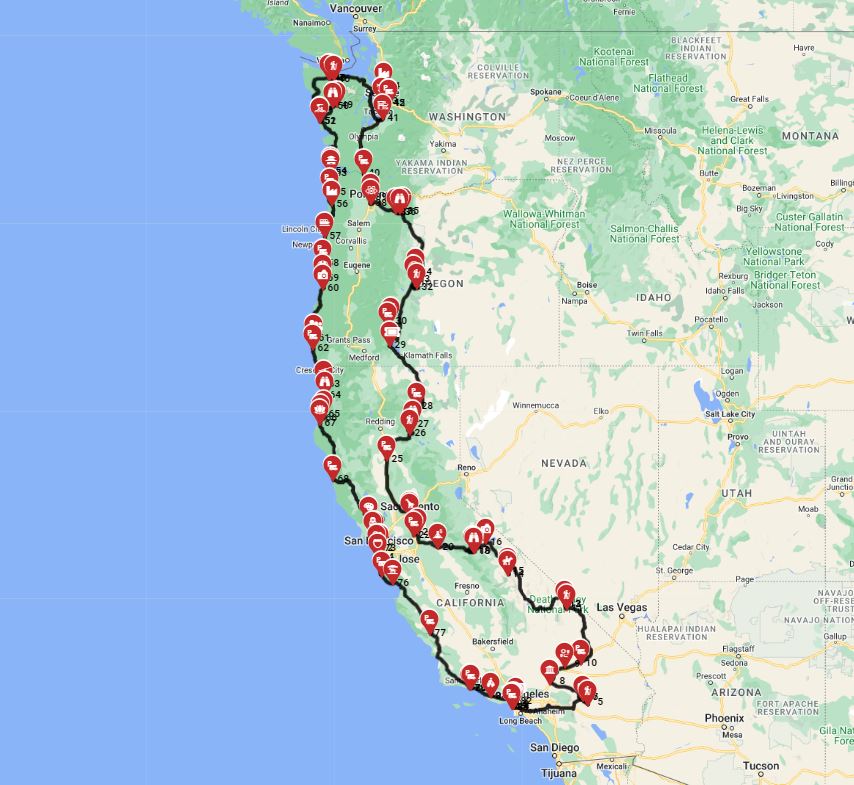
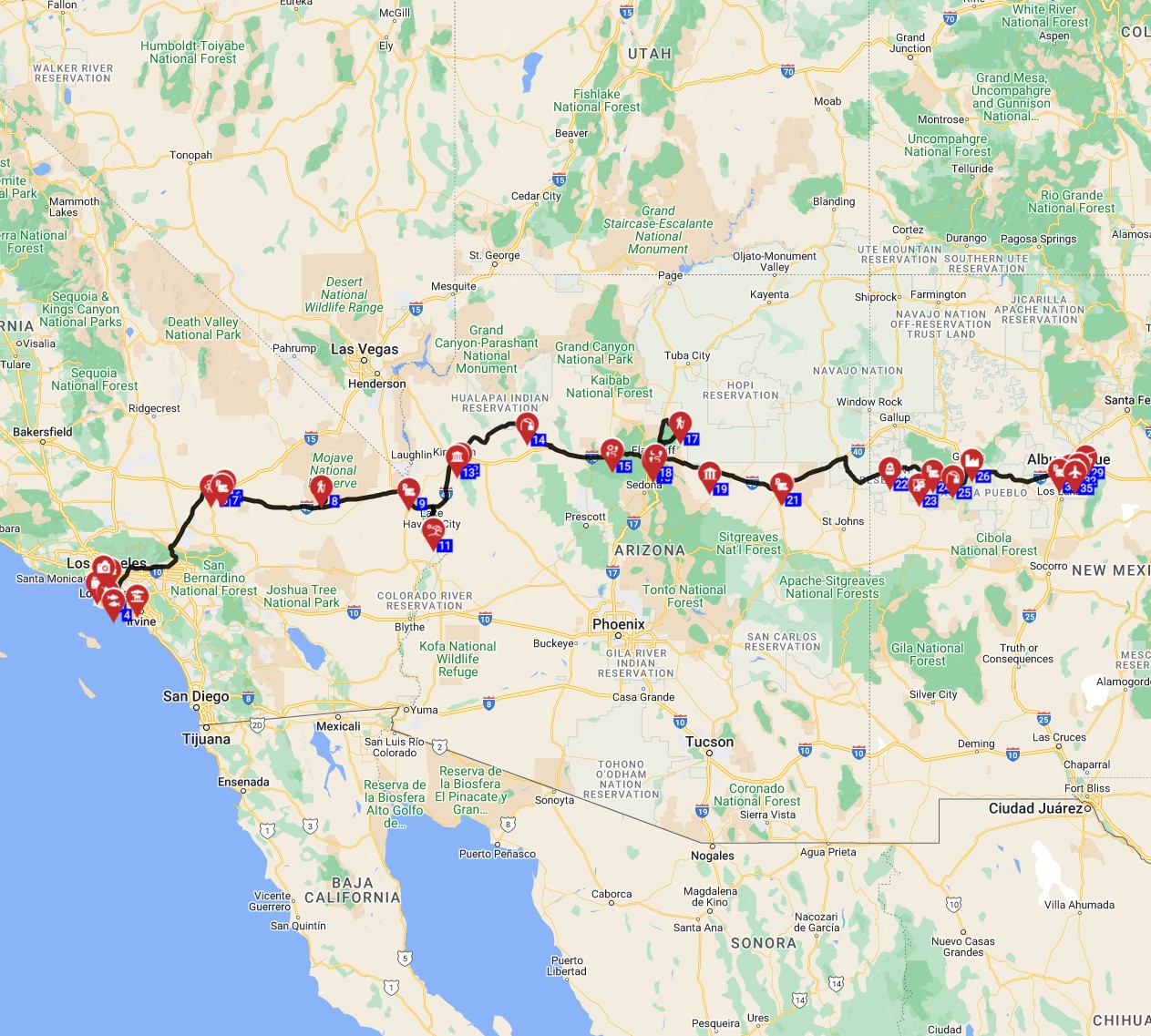
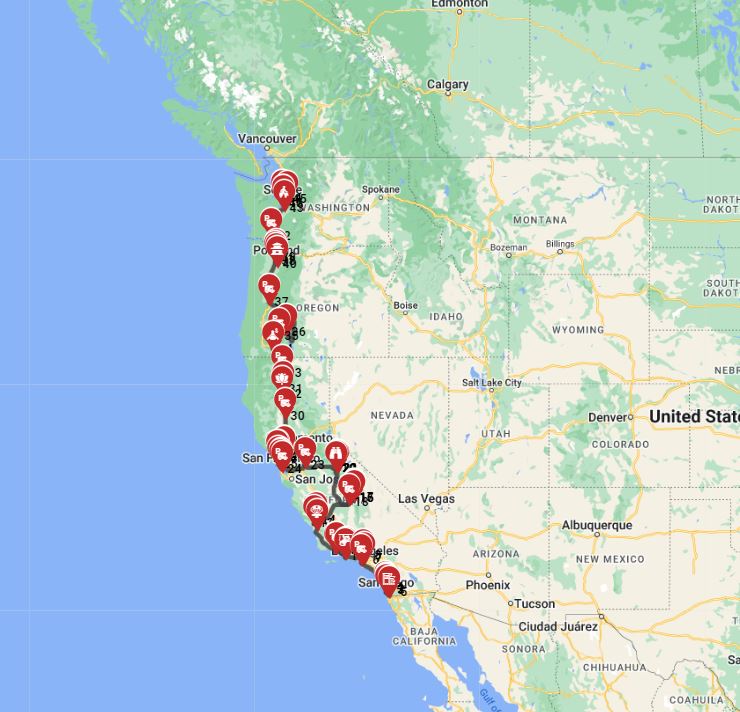
For those seeking adventure from San Diego all the way to the Pacific Northwest, the
What is the RV Rule of Thumb
A key RV rule of thumb, especially for beginners in California, is "If in doubt, don't," emphasizing safety and caution for both new and experienced RVers alike, particularly when navigating unfamiliar roads, parking, or operating vehicle systems. Always prioritize safety; this includes performing a pre-trip inspection of tires, fluid levels, and lights, and understanding your rented RV's weight, height, and length limitations. For instance, a Class C motorhome like the "MHC24" has a length of 7.3m and a width of 2.51m, important dimensions to keep in mind.
Be mindful of steep grades, common in the Sierra Nevadas, and narrow roads often found in California's scenic areas. Drive slowly and carefully, taking turns wide, allowing extra braking distance, and descending in a lower gear. Knowing how to reset circuit breakers, identify common issues with water pumps or propane, and having essential tools for minor repairs on hand can address unexpected problems on your adventure. Always level your RV before extending slide-outs or using absorption refrigerators for optimal functionality, comfort, and safety.
What is the Most Scenic Drive in California by RV
California offers numerous scenic RV drives, with Highway 1 along the Big Sur coastline often considered the most iconic, though other stunning routes like Tioga Pass (Highway 120 through Yosemite) and the Redwood Highway (US-101) provide equally breathtaking experiences. The Pacific Coast Highway (Highway 1) is known for dramatic ocean cliffs and redwood forests, offering pull-offs for stunning views; plan carefully due to potential size restrictions and closures on certain sections.
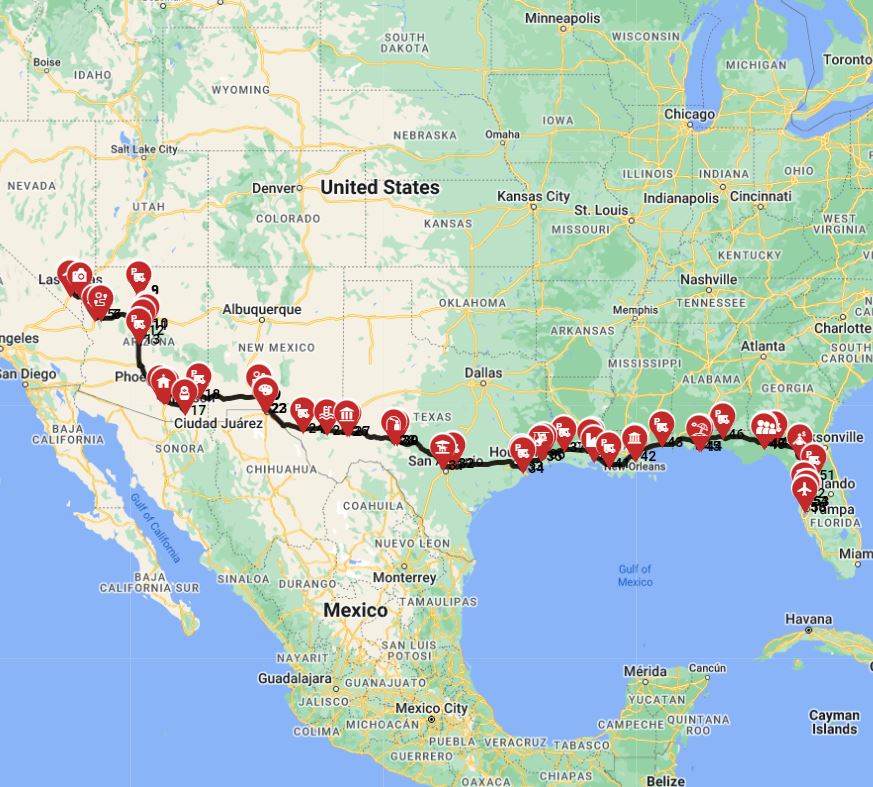
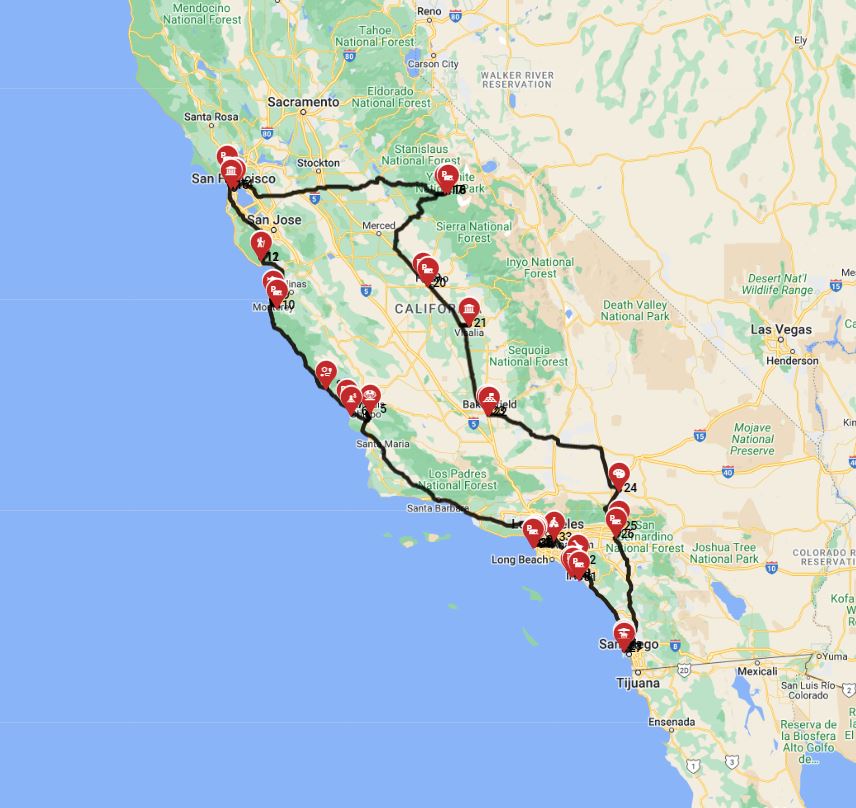
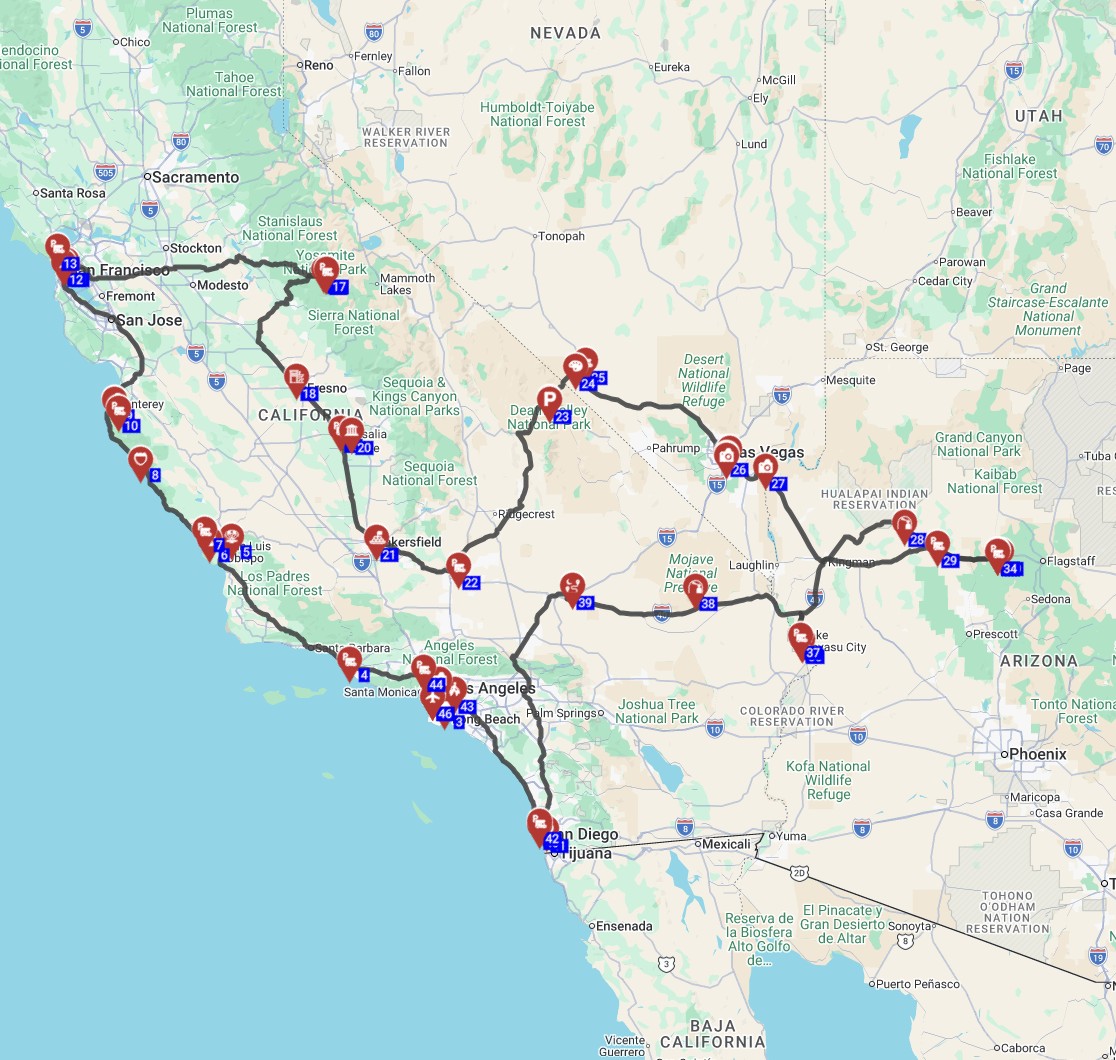
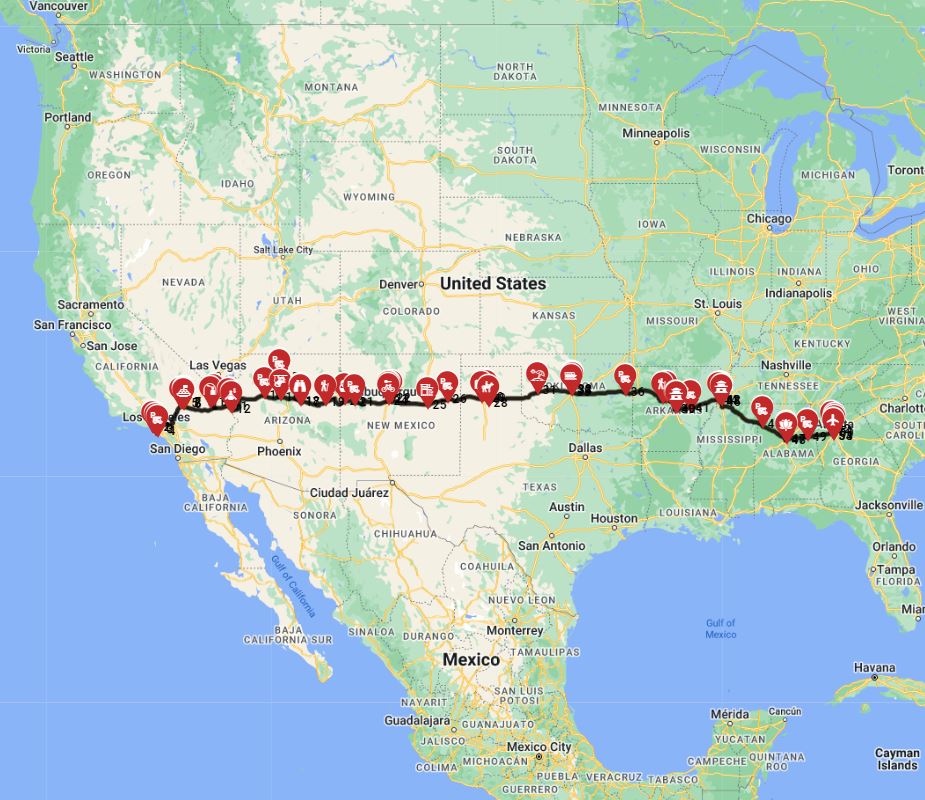
Tioga Pass Road (Highway 120), a spectacular high-alpine route through Yosemite National Park, is typically open seasonally (late May/early June to October/November), featuring granite domes, alpine meadows, and pristine lakes. The Redwood Highway (US-101) weaves through groves of ancient giant redwoods in Northern California, offering majestic views and access to numerous state and national parks. For those seeking something different, explore unique landscapes in Joshua Tree National Park or Anza-Borrego Desert State Park for stunning desert flora and fauna, especially beautiful in spring with wildflowers. An ambitious route like
What Size RV Can Go on Highway 1 and What Parts are Closed
While much of Highway 1 in California is accessible to RVs, specific sections, particularly the winding Big Sur stretch, are best navigated by smaller RVs due to narrow lanes, tight curves, and limited pull-offs, and road closures can occur due to rockslides or inclement weather. Class B camper vans (average 5.8m length) and smaller Class C RVs (average 7.5m length) are generally best suited for the Big Sur portion of Highway 1 due to challenging turns, steep grades, and limited pull-offs. Drive slowly and carefully, and you can drive almost anywhere without issues. No need to stress - just use common sense and pay attention. Larger Class A RVs, like the "MHLUX" which is 10.7m long, may find this section difficult or even prohibited in some areas.
Highway 1 is prone to closures, especially between Carmel and San Simeon (Big Sur), due to rockslides, mudslides, or infrastructure damage; always check Caltrans (California Department of Transportation) for current road conditions before planning your trip. If parts of Highway 1 are closed or unsuitable for your RV size, inland routes like US-101 or I-5 offer viable alternatives, though they lack the iconic coastal views. For more details on specific routes and their suitability for different vehicle sizes, refer to a "One-Way RV Rental in California - Price Guide 2026" or consult our expert team of true RV specialists.
How Far in Advance Should I Book an RV Rental in California
For RV rentals in California, it is highly recommended to book at least 3-6 months in advance, especially if planning a trip during peak season (summer, holidays) or to popular destinations like national parks, to secure your preferred RV class and dates. During summer months (June-August) and major holidays, demand for rented RVs and campgrounds surges, making early booking crucial to avoid disappointment and potentially higher prices. Prices are dynamic, and early booking often unlocks better deals.
If traveling during shoulder seasons (spring or fall) or the off-season, you may find more availability and potentially better rates with less advance notice, sometimes 1-2 months is sufficient. Smaller, more agile Class B camper vans, like the "Active Pop Top" at 5.99m in length, are particularly popular and often book up quickly, so if you have a specific model in mind, booking as early as possible is advised. Bandana RV compares final prices across 50+ leading RV suppliers, ensuring you get the best deal with full transparency and no hidden fees.
For those planning a week-long trip, our "Weekly RV Rental in California - Pricing 2026" guide can offer more insights into rates and availability, helping you plan your perfect Californian escape.
What You Shouldn't Miss
- **Explore Yosemite National Park:** Beyond the Valley, drive or hike up to Glacier Point for panoramic views of Half Dome and Yosemite Falls.
- **Drive the Iconic Highway 1 (Big Sur):** Take your rented campervan slowly along this legendary coastal route, stopping at Bixby Bridge and Pfeiffer Big Sur State Park.
- **Wander Among Giants in Redwood National and State Parks:** Experience the awe of ancient redwood groves, particularly along the Avenue of the Giants, which offers dedicated RV-friendly pull-offs for a truly immersive experience.
- **Discover the Unique Beauty of Joshua Tree National Park:** Hike among the striking Joshua trees and rock formations, staying overnight at a serene campground under a blanket of stars.
- **Experience Southern California's Beach Culture:** Park your rented RV near a vibrant beach town like Santa Cruz or San Clemente, enjoying surfing, sun, and fresh seafood.
- **Gold Rush Immersion in Bodie State Historic Park:** Step back in time at this incredibly preserved ghost town, a fascinating look into California's historical past, easily accessible by motorhome with nearby camping options.
Looking for expert insights from Avi Bandana? Top 5 Adventures - recommendations from Avi Bandana.
Final Thoughts
Embarking on your first RV camping trip in California is an adventure waiting to happen, promising unparalleled freedom and memories that will last a lifetime. Whether you dream of serene coastal drives, majestic mountain escapes, or vibrant city explorations, a rented motorhome offers the perfect way to experience the Golden State's diverse landscapes. Don't let the planning process intimidate you; with a little preparation and the right resources, your journey will be smooth and enjoyable.
Remember, we're here to support you every step of the way, from comparing the best deals on your preferred campervan to coordinating the details of your booking. So, pack your bags, choose your route, and get ready to discover the incredible beauty of California from the comfort of your own mobile home. The open road is calling!
Discover top destinations and planning tips, all in one place! Find rv Rentals in California today.