In This Guide
- Top 5 Tips for family rv rental RV Rental in West Europe
- Before You Book - Class, Dates, Insurance
- Pre-Trip Prep - Packing Checklist for West Europe
- On the Road - Driving, Fueling, Navigation
- At the Campground - Setup, Hookups and Etiquette
- Family-Specific Tips for West Europe
- Common Mistakes to Avoid in West Europe
- How do European RVs differ from North American models for family travel?
- What are the regulations for traveling with pets in an RV across West Europe?
- What are the best connectivity and navigation apps for RVing in West Europe?
- What cultural etiquette should RV renters know for West Europe?
- What are essential security and safety tips for RVing in West Europe?
- What are the advantages of off-season RV travel in Western Europe?
- How can I plan an RV trip for families with young children or mobility challenges in West Europe?
- How can I RV sustainably and eco-friendly in Western Europe?
Embarking on a family RV rental adventure through West Europe offers an unparalleled sense of freedom and discovery, perfect for creating lasting memories with your loved ones. Imagine waking up to the rolling hills of Tuscany, cooking breakfast overlooking a serene French vineyard, or parking near a historic German castle, all from the comfort of your mobile home. This guide is designed to equip you with all the essential Family RV Tips for West Europe - Travel with Kids 2026, ensuring your journey is smooth, enjoyable, and packed with incredible experiences.
At Bandana RV, we're true RV specialists, not just a side department of a generic travel agency. We understand the nuances of motorhome travel, especially when navigating diverse regions like West Europe. For live availability and current prices, start with our RV Rental West Europe - Complete Guide 2026 guide. We are committed to full transparency, meaning no hidden fees and no surprises, so you can plan your trip with complete confidence.
Top 5 Tips for family rv rental RV Rental in West Europe
Securing your ideal RV for a family trip in West Europe requires strategic planning. Book your RV well in advance, especially for peak season (June-August) and popular destinations like the French Riviera, to ensure your preferred model and dates are available and to potentially save up to 20% on rental costs.
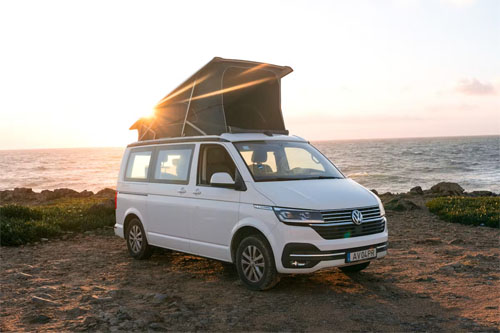
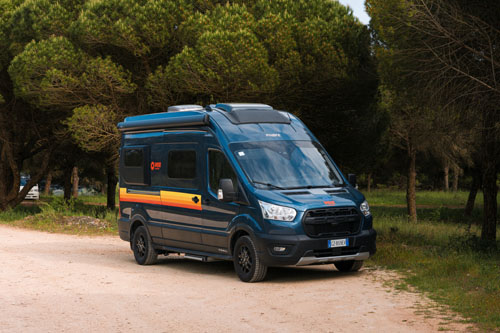
Choosing an RV class suitable for European roads and your family's size is crucial for comfortable travel. Smaller Class B campervans or Class C motorhomes are often easier to navigate through medieval towns and winding mountain passes, compared to larger American-style RVs. For instance, a campervan for 2, like the luxury rv rentals example Carthago Malibu 600 with a 2.3 L engine, is perfect for a couple, while a 6-berth motorhome similar to the MIC with a 145-liter refrigerator would suit a larger family.
Familiarize yourself with local driving rules and road signs across the countries you plan to visit, as regulations can vary significantly (e.g., speed limits for RVs over 3.5 metric tons might be lower). Budgeting for tolls, vignettes (required in countries like Austria and Switzerland), and varying fuel prices is essential; expect diesel prices to be around €1.70 to €2.00 per liter. On the routes offered through RV PLANET routes, you can itemize and track every expense along the way for easy budgeting.
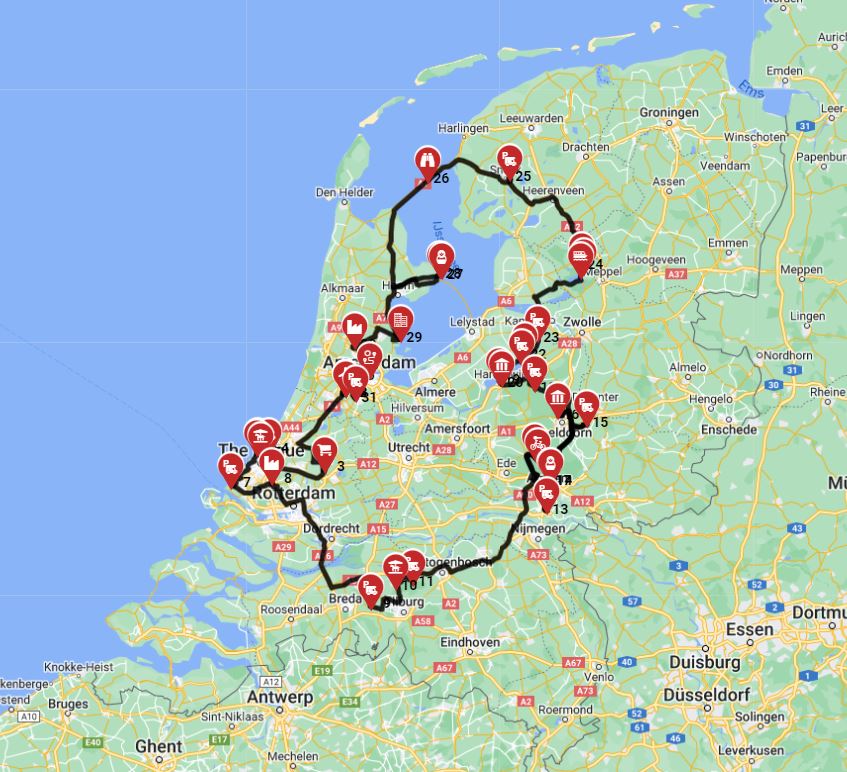
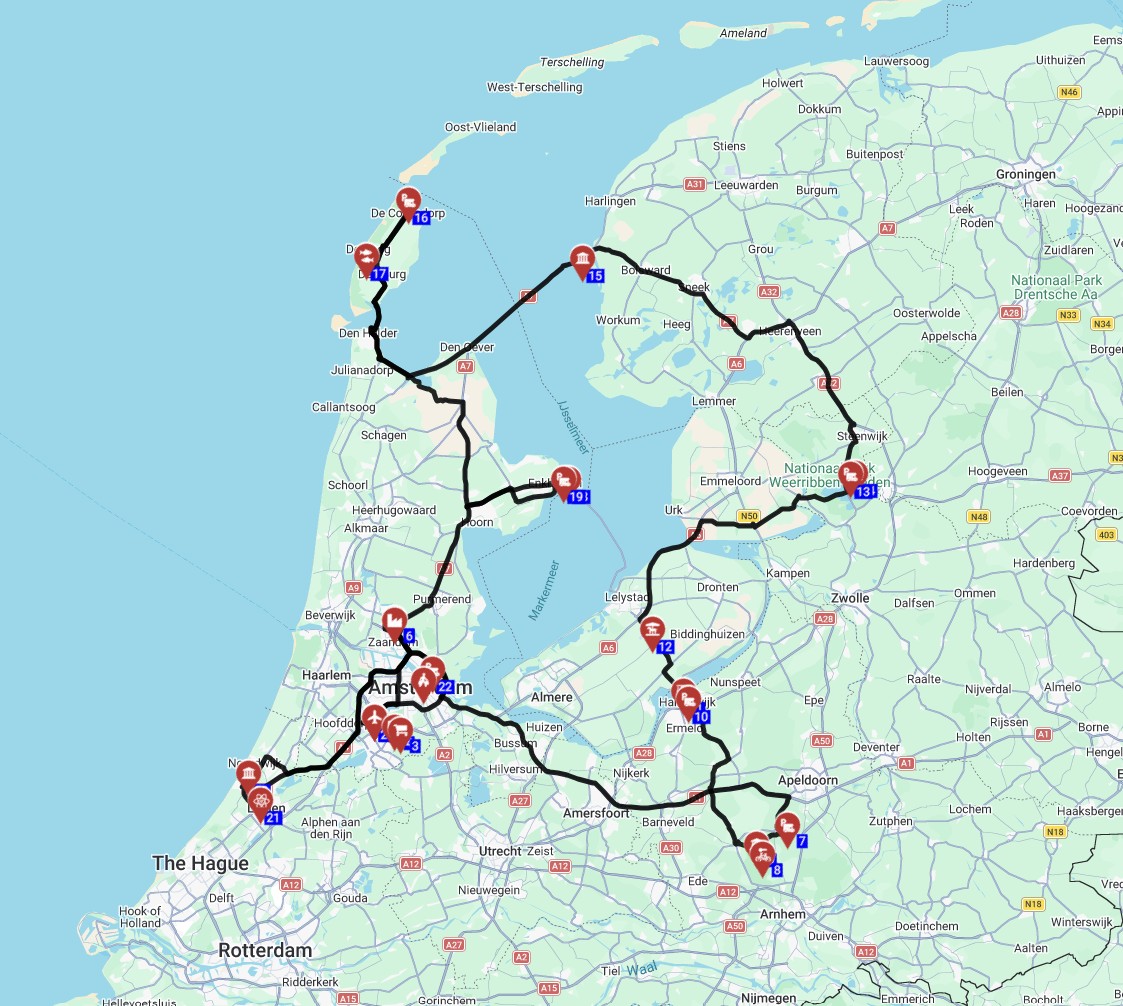
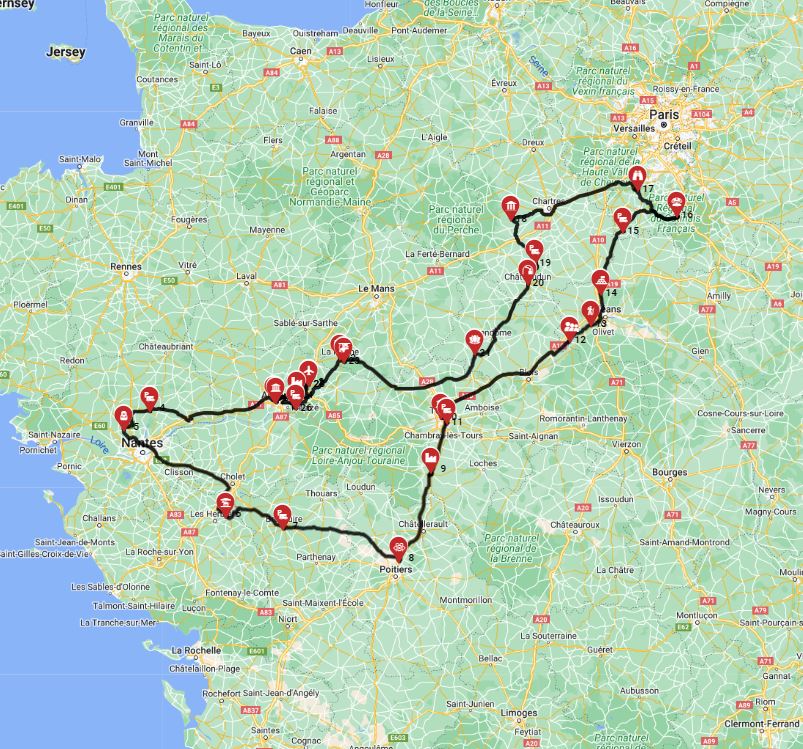
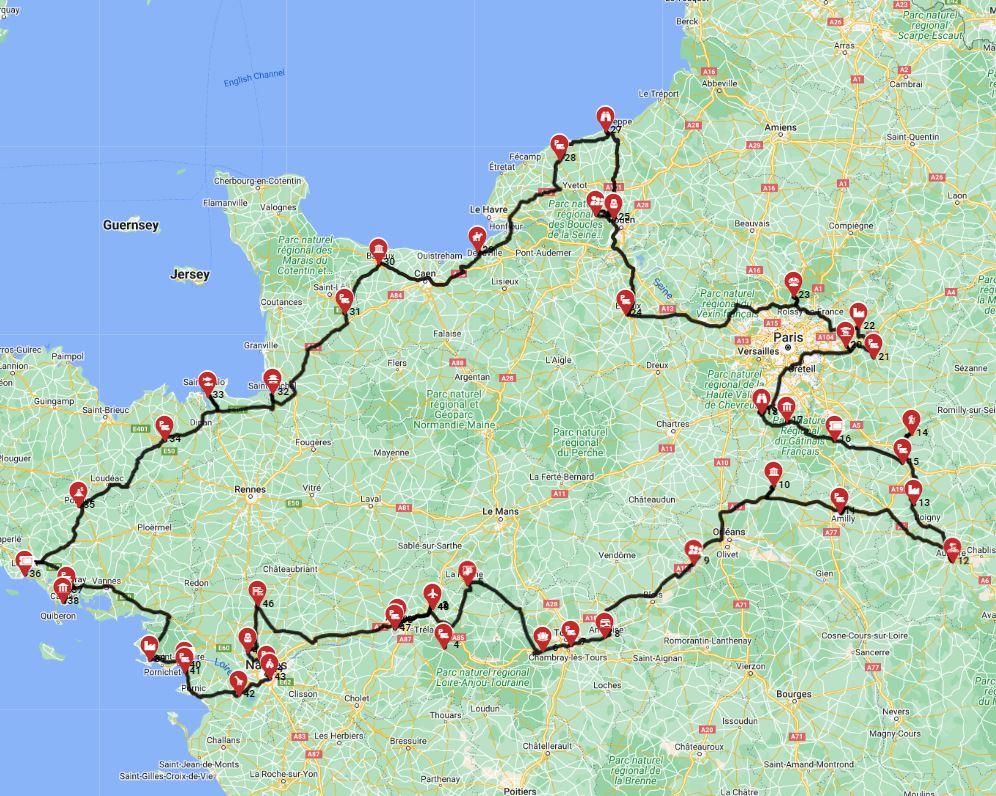
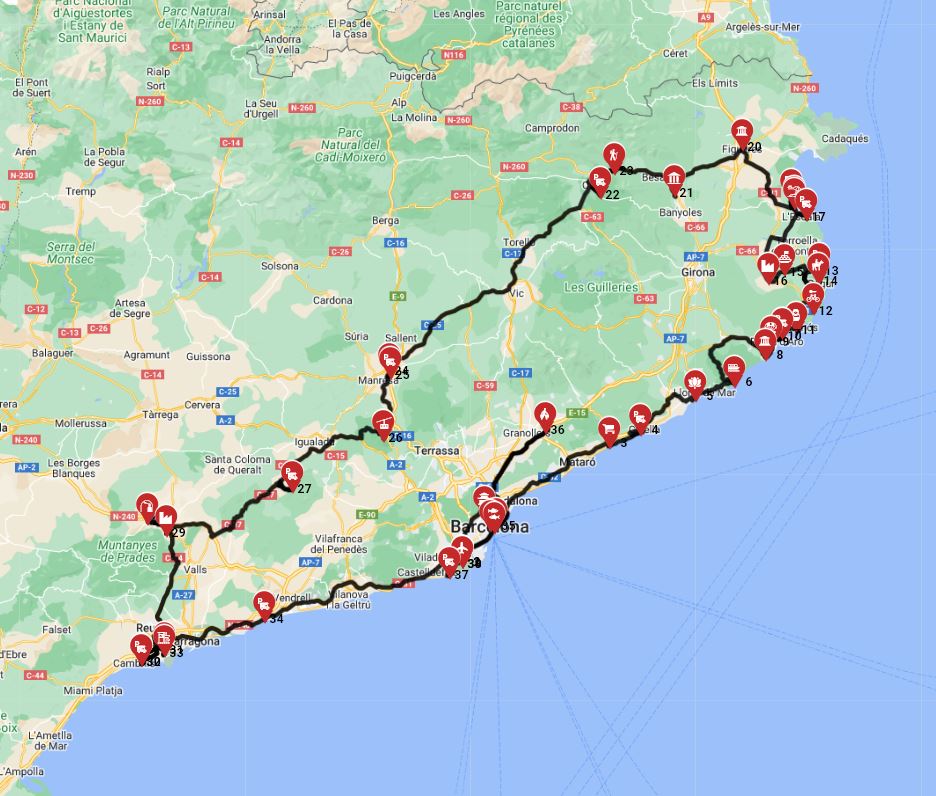
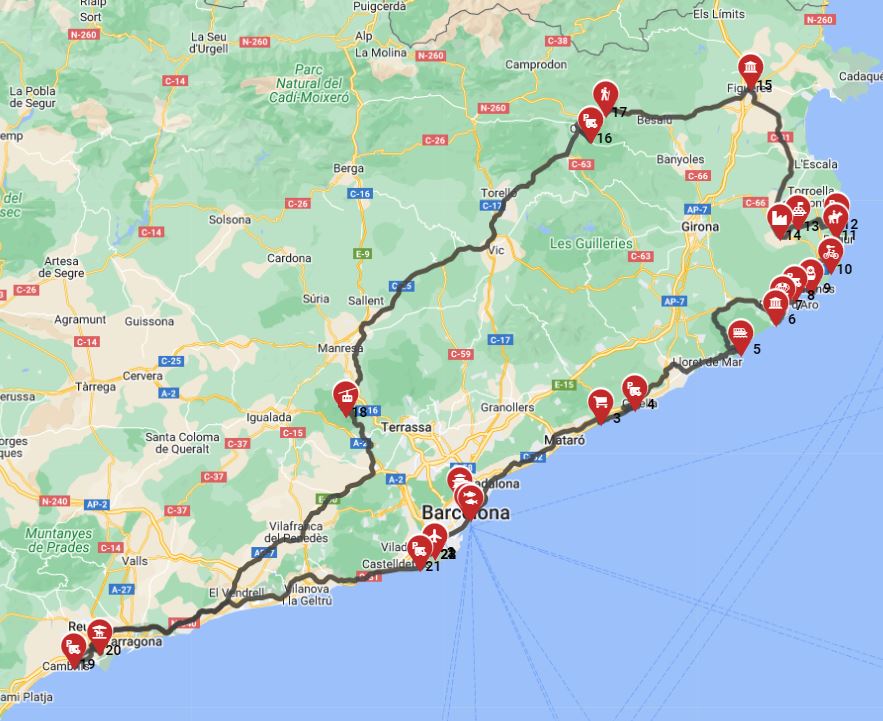
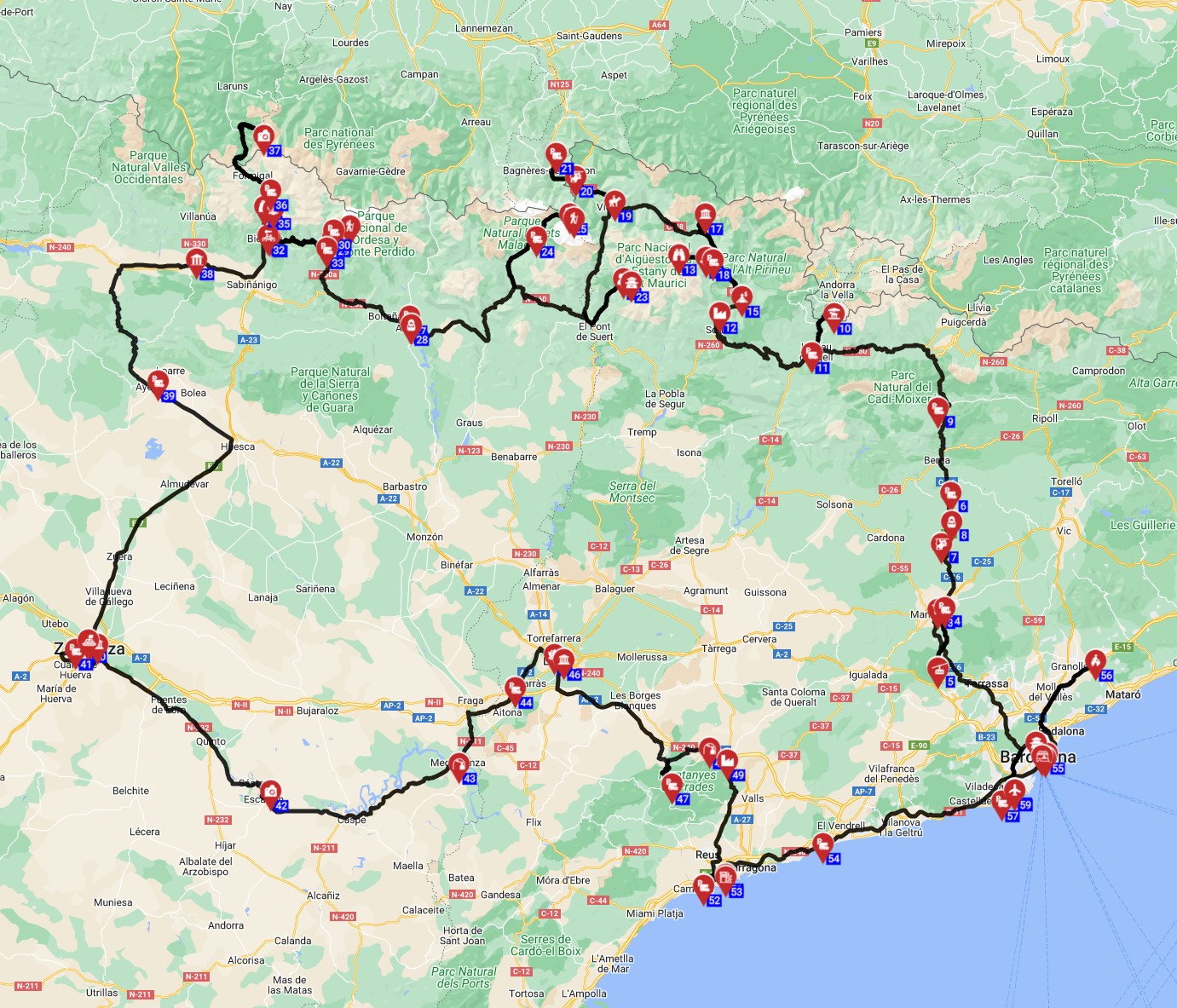
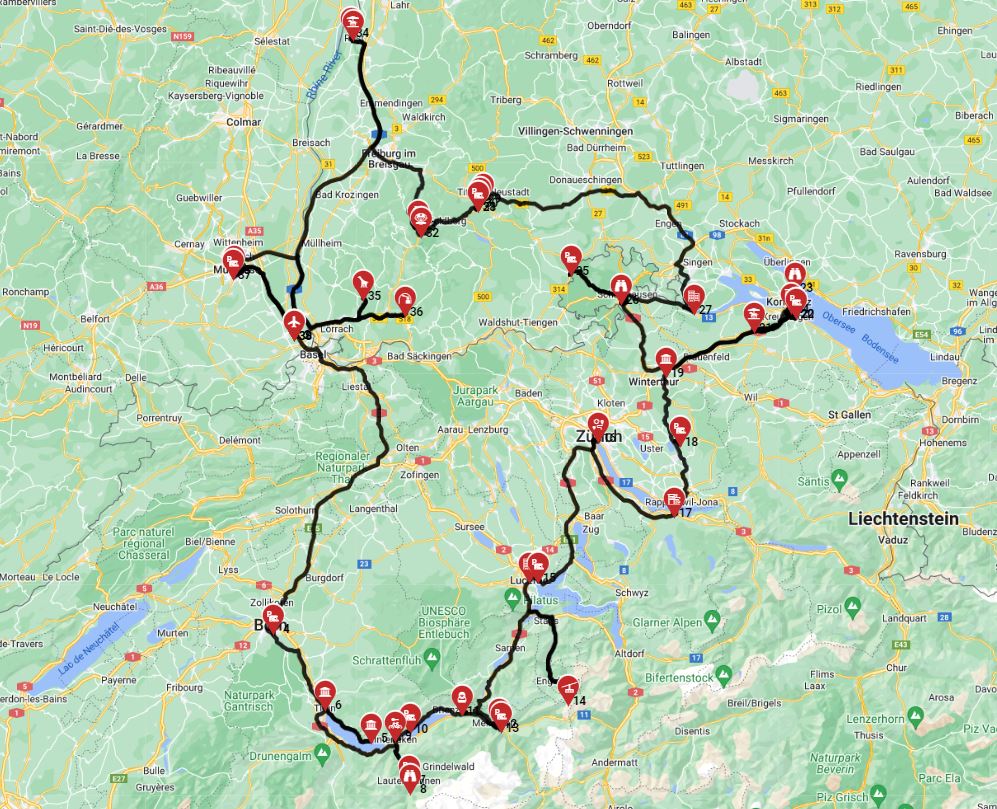
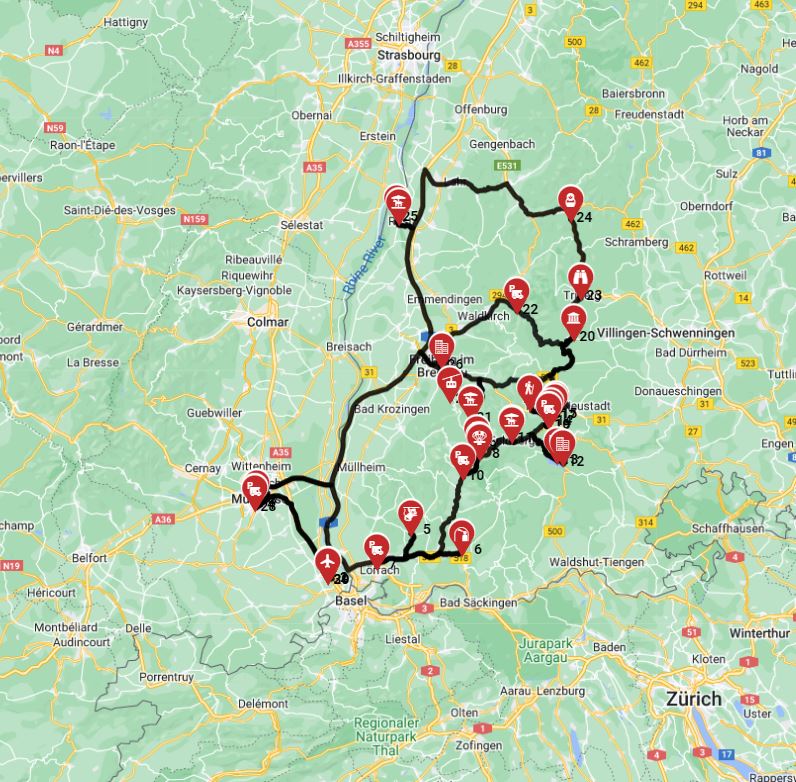
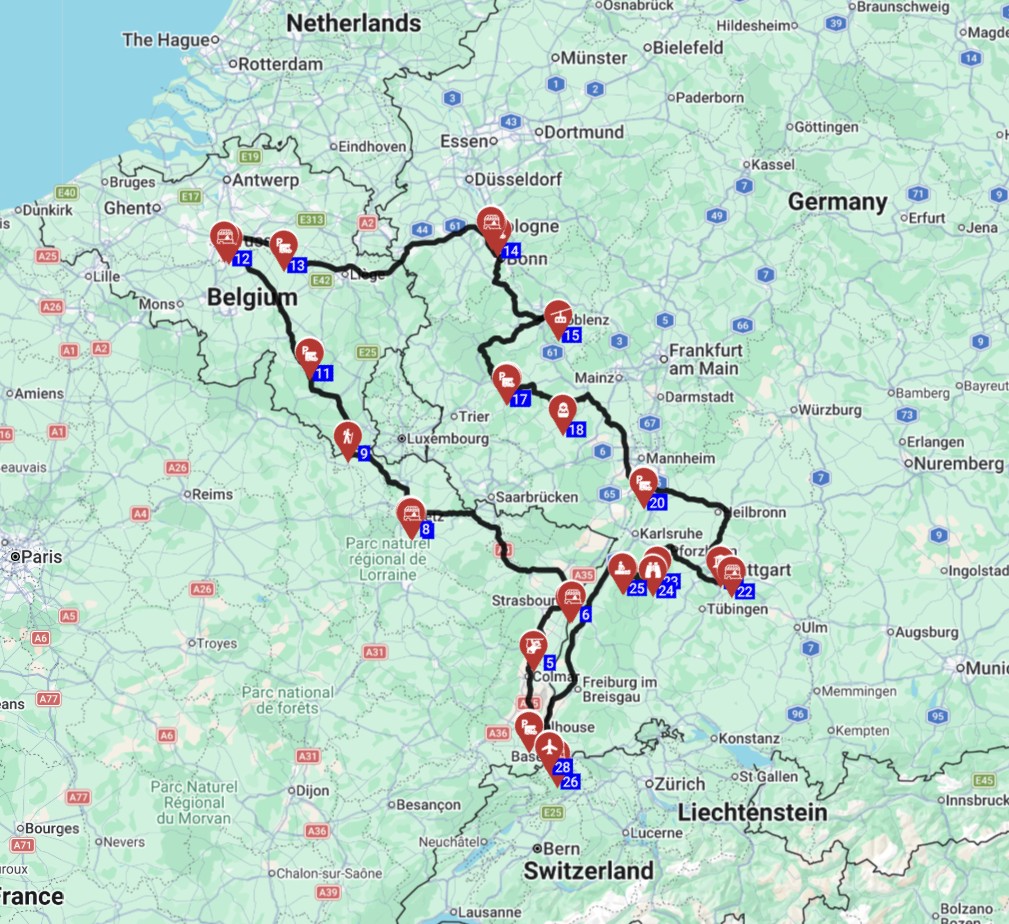
Planning your route with family-friendly stops, considering driving distances manageable for children (aim for max 100-150 km per day on average), ensures a relaxed pace. This slow travel approach allows you to truly feel the place, connect to the culture, savor the food, and soak in the scenery.
Finally, utilize resources like RV PLANET (rvplan.net) to find campsites and research your route plans. The platform's RV PLANET routes feature allows you to itemize and track every expense, helping you manage your budget easily.
Before You Book - Class, Dates, Insurance
Selecting the right motorhome class is paramount for a successful family RV rental in West Europe. European roads are often narrower, and city centers can be tight, making compact campervans (Class B or smaller Class C equivalents) or semi-integrated motorhomes generally more suitable. These vehicles, such as a "Category Van" or a "Comfort Class" motorhome, offer better maneuverability without sacrificing essential amenities like a shower and toilet.
The best time to lock in your rental dates for West Europe is typically 3 to 6 months in advance, especially if you plan to travel during peak season from June to August. This early booking ensures a wider selection of vehicles and often better rates, with potential savings of up to 20%. While last-minute availability can exist, prices are dynamic, much like flight tickets, and tend to increase closer to the departure date. For those who enjoy pre-planned routes by professionals, our Rent&Plan service can help organize everything efficiently.
Basic insurance is always included with your rental. For enhanced peace of mind, you can upgrade to a top-level deductible for extra protection. Our platform allows you to compare comprehensive coverage options during the search process, ensuring full transparency with no hidden fees or surprises.
Pre-Trip Prep - Packing Checklist for West Europe
A well-organized packing list is crucial for a comfortable RV journey through West Europe. Essential clothing items include:
- Layered clothing for varied climates, as weather can change quickly across regions.
- Comfortable walking shoes for exploring cities and natural trails.
- Rain jackets or ponchos, as unexpected showers are common.
- Swimsuits for beach days or campsite pools.
- Sleepwear for a good night's rest in your rented mobile home.
When it comes to the RV kitchen, think practical and space-saving for your culinary adventures. Most rentals include basic cooking equipment, but consider bringing:
- Reusable water bottles to stay hydrated and reduce plastic waste.
- Basic spices and non-perishables for easy meal prep; for some delicious ideas, check out our RV-friendly recipes playlist.
- A small cutting board and knife if the rental's aren't up to your standards.
- Dish soap and a sponge for keeping your onboard kitchen tidy.
For safety and connectivity, several items are highly recommended:
- A comprehensive first-aid kit for minor emergencies.
- Reflective vests and a warning triangle, which are often legally required in many European countries for roadside breakdowns.
- A GPS with European maps or reliable navigation apps that allow for RV dimensions to avoid unsuitable routes.
- A European SIM card or an eSIM plan for consistent data connectivity.
- Power banks and universal adapters to charge your devices.
Crucial documents to have on hand, both physical and digital copies, include:
- Passports and any required visas.
- Your national driver's license alongside an International Driving Permit (IDP), which is recommended for visitors from non-English-speaking countries.
- Your RV rental agreement and all insurance documents.
- Credit cards and a small amount of local currency for immediate expenses.
- Details of your travel insurance.
🎬 Video coming soon
On the Road - Driving, Fueling, Navigation
Driving a rented motorhome in West Europe presents unique considerations compared to other regions. Be aware of varying speed limits for RVs; for example, vehicles over 3.5 metric tons may have lower limits on motorways than cars. Also, research potential low emission zones (LEZ) in city centers like Paris or Berlin, where certain vehicle types might be restricted or require special permits.
Fueling your campervan or RV is generally straightforward, with Diesel (often labeled "Gazole" in France or "Diesel" in Germany) being the most common fuel type. Compare prices between highway stations and supermarket pumps for potential cost savings; supermarket stations typically offer more competitive rates. Remember, prices for fuel are dynamic and can change daily.
Utilize RV-specific GPS or navigation apps that allow you to input your vehicle's dimensions (height, width, weight). This is critical for avoiding unsuitable roads, low bridges, or weight-restricted areas that are prevalent in older European towns. Drive slowly and carefully, and you can drive almost anywhere without issues. No need to stress - just use common sense and pay attention. For additional travel strategies, consider checking out our "RV Travel Guide to West Europe - Tips and Top Spots 2026" for more localized advice.
At the Campground - Setup, Hookups and Etiquette
Arriving at a campground in West Europe and setting up your rented campervan is usually a smooth process. Upon arrival, the first step is to level your RV using ramps if necessary, ensuring a comfortable stay. Next, connect your electricity using the CEE 17 blue plug, which is the standard across most European campgrounds. Then, fill your freshwater tank and connect your greywater disposal if a direct hookup is available at your pitch.
Locate and properly use designated chemical toilet emptying points (black water) and greywater drains. These facilities are clearly marked and essential for maintaining hygiene and respecting environmental standards. Our focus on full transparency means we provide all necessary information regarding these processes to avoid any surprises.
Respecting quiet hours, generally observed from 10 PM to 7 AM, is a cornerstone of European campground etiquette. Keep your pitch tidy, dispose of waste properly in designated recycling and general waste bins, and follow specific campsite registration procedures upon check-in. Many national/state parks reserve only 25-30% of spots; the rest are first-come-first-serve, so you'll find a spot. If not at the first campground, then the next one. Call ahead before driving to confirm availability.
Family RV Rental-Specific Tips for West Europe
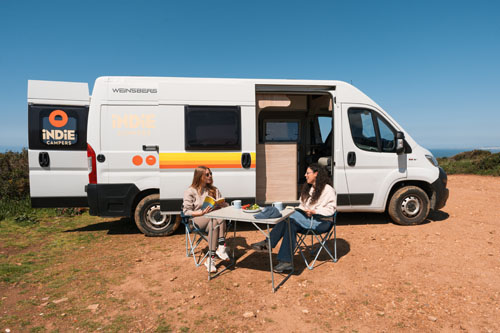
Traveling through West Europe with a family in a rented motorhome is an enriching experience, and a few tailored tips can make it even better. For families with children, pack quiet games, books, or tablets to keep them entertained during drives and ensure nap-friendly journeys by utilizing window shades and planning around their schedules. A "Group G" motorhome, for instance, offers up to 7 sleeping places with bunk beds and spacious dining, ideal for larger families.
If you're traveling with seniors or individuals with mobility challenges, consider RV models with easy access, such as a lower entry step or fixed bed layouts for enhanced comfort. Confirming that campgrounds have accessible facilities along your route is also a good practice. Bandana RV can assist with pre-booking comparison and post-booking coordination to help you find suitable options, emphasizing that we're here to support you before, during, and after your booking.
Budget-conscious families can look for "stellplätze" (Germany) or "aires de services" (France) which are designated overnight parking spots for motorhomes, often free or low-cost, and equipped with basic services. Preparing meals in your RV is also a great way to save on dining expenses; many Class C motorhomes like the CA-25 come with a 3-burner gas stove and a 150-liter refrigerator. For more ideas on how to make delicious meals on the go, explore our RV-friendly recipes playlist.
For those seeking luxury options, you can find RVs with automatic transmission, larger bathrooms, separate sleeping areas, and premium kitchen or outdoor kits. Vehicles like the Luxury Small motorhome offer comfort and exclusive features, demonstrating that there's a rental RV for every family's preference and budget. Our "Luxury RV Rental in West Europe - Premium Prices 2026" guide offers more details on high-end options.
Common Mistakes to Avoid in West Europe
To ensure a smooth family RV adventure in West Europe, it's wise to be aware of common pitfalls. Instead of ignoring vehicle dimensions, always be intimately aware of your rented RV's height, width, and length. Using RV-specific navigation apps that consider these measurements will help you avoid low bridges, narrow city streets, and restricted areas. Drive slowly and carefully, and you can drive almost anywhere without issues. No need to stress - just use common sense and pay attention.
Instead of assuming driving rules are universal, research specific laws for each country you visit; for example, reflective vests and warning triangles are mandatory in many places, and some countries require a "vignette" (highway toll sticker). Our "RV Rental in West Europe - Prices and Best Deals 2026" guide can help you understand potential costs.
Instead of overpacking, pack efficiently and lightly. European RVs generally offer less storage space than North American models, and many campgrounds provide laundry facilities. This also helps with fuel efficiency, which is a key ancillary cost to consider; remember that on RV PLANET routes, you can track all your expenses for easy budgeting.
Instead of neglecting cultural norms, take a moment to research local customs regarding noise levels, waste disposal, and general interactions to ensure a respectful and positive trip. Being friendly and showing effort to speak a few local phrases is always appreciated. Finally, instead of last-minute bookings, secure your RV and popular campsites several months in advance for better availability and pricing, especially during peak seasons. While spontaneity is great, key family-friendly spots fill up.
And definitely, instead of being without power, pack the correct CEE 17 blue plug adapter for electricity hookups, as this is standard throughout much of Europe. Universal travel adapters for your personal electronics are also essential.
How do European RVs differ from North American models for family travel?
European RVs, often called motorhomes or campervans, are typically more compact and narrower than their North American counterparts, making them better suited for the smaller roads and urban centers of Western Europe. For example, a common Class C motorhome in Europe might have a length of 6.5 to 7.5 meters (about 21-25 feet), significantly shorter than many American RVs that can exceed 10 meters (33 feet). This size difference allows for easier navigation through ancient villages and tight parking spaces. The Group C motorhome with a length of 5.54 meters and sleeping capacity for 4 people, or the MIB motorhome for 6, exemplify these compact, yet efficient designs.
They prioritize efficient use of space, often featuring clever convertible dinettes, smaller kitchens with 2-3 burner gas stoves, and integrated bathrooms designed for compactness, such as those found in a F2 model with a 140-liter fresh water tank. Hookups for electricity, water, and waste generally follow European standards, requiring different adapters (like the CEE 17 blue plug) for power and specific disposal methods for grey and black water. Handling characteristics are optimized for European driving, with many models built on a van chassis, offering better fuel efficiency and greater maneuverability on diverse road conditions.
What are the regulations for traveling with pets in an RV across West Europe?
Traveling with pets in a rented RV across Western European borders typically requires a valid EU Pet Passport or an Animal Health Certificate (AHC) issued by a licensed veterinarian, especially for travel from non-EU countries. This document serves as proof of your pet's identity and health status across member states.
All pets must be microchipped with an ISO-compliant microchip and vaccinated against rabies, with the vaccination recorded in their passport or AHC. The rabies vaccination must be administered at least 21 days before travel, and your pet must be at least 12 weeks old when vaccinated. Some countries may have additional requirements, such as tapeworm treatment for dogs entering specific regions (e.g., Ireland, Finland, Malta) or restrictions on certain dog breeds, so it's always best to check the specific regulations for each country you plan to visit well in advance of your trip, as rules can change.
What are the best connectivity and navigation apps for RVing in West Europe?
For reliable mobile internet access in West Europe, purchasing a local SIM card or an eSIM from a major provider with good cross-border roaming capabilities (e.g., Vodafone, Orange, Deutsche Telekom) offers reliable and cost-effective data coverage across most Western European countries. Consider a plan with a generous data allowance, as streaming and navigation can consume significant data.
RV-specific navigation apps like Sygic Truck & RV Navigation, Campercontact, or park4night are highly recommended. These applications allow you to input your rented RV's dimensions (height, width, weight) to avoid unsuitable roads, low bridges (some as low as 2.5 meters), or weight-restricted areas that are common in older European infrastructure. It's also wise to download offline maps for your chosen navigation app, as cell service can be spotty in remote mountainous or rural areas.
Power solutions for off-grid camping include investing in portable power stations for smaller electronics, ensuring your rental RV has a robust leisure battery system, and potentially utilizing solar panels if your campervan is equipped. Many modern motorhomes, like a MH19 Small - Economy with a 151-liter fuel tank, come with onboard power capabilities to keep you connected.
What cultural etiquette should RV renters know for West Europe?
When interacting with locals in West Europe, always try to use a few basic phrases in the local language, such as "Bonjour" (Hello), "S'il vous plaît" (Please), and "Merci" (Thank you) in France, or their German, Italian, or Spanish equivalents. This small effort is highly appreciated and can significantly ease communication and foster positive interactions.
Regarding camping, strict adherence to designated camping areas and proper waste disposal is crucial. Wild camping, or parking overnight outside of official campsites or designated 'Aires/Stellplätze,' is largely illegal or heavily restricted in much of Western Europe, carrying varying fines from €50 to €500. Be mindful of noise levels, especially during quiet hours (typically 10 PM to 7 AM) at campgrounds and in residential areas, respecting local peace. When parking your rented RV, ensure you are not blocking access, violating local signage, or encroaching on private property. Always leave no trace, taking all trash with you to designated disposal points.
What are essential security and safety tips for RVing in West Europe?
To secure your rented RV in West Europe, always lock all doors and windows when leaving the vehicle unattended, even for a short time, and especially at night. Consider using additional security measures like steering wheel locks or alarm systems if your rental motorhome is equipped with them. Vehicles such as the DVC come with ABS for enhanced driving safety.
For personal safety, be aware of your surroundings, particularly in busy tourist areas, markets, or at overnight parking spots. Keep valuables out of sight within your RV and avoid displaying large amounts of cash or expensive electronics. In case of breakdowns or emergencies, immediately contact your rental company's 24/7 emergency number (provided at pickup) and local emergency services (112 is the pan-European emergency number, reachable from any phone). Having a basic understanding of key emergency phrases in local languages or a reliable translation app can be invaluable when language barriers are present.
What are the advantages of off-season RV travel in Western Europe?
Traveling by a rented RV in Western Europe during the off-season, such as early spring (March-April), late autumn (October-November), or winter (December-February), offers distinct advantages. You will generally experience fewer crowds at popular attractions like the Eiffel Tower, the Colosseum, or the castles of Bavaria, leading to a more relaxed and authentic experience. This often means shorter queues and more intimate encounters with local culture.
A significant benefit is finding significantly lower rental prices for motorhomes and reduced rates for campsites compared to the peak summer months. For example, weekly RV rental costs can decrease by 30-40% in shoulder seasons. Off-season travel also allows for unique experiences, such as visiting enchanting Christmas markets in Germany and Austria, skiing in the Alps (with appropriate RV modifications like winter tires and chains), or enjoying vibrant fall foliage in regions like the Black Forest. While some campsites or attractions may have limited hours or closures, careful planning using resources like RV PLANET (rvplan.net) can reveal unique local events and less commercialized interactions, making your journey even more special. This offers a different perspective than a peak-season family rv trip.
How can I plan an RV trip for families with young children or mobility challenges in West Europe?
Planning a family RV trip in West Europe with young children or mobility challenges requires thoughtful consideration of the rented vehicle and itinerary. For families with young children, prioritize RVs with sufficient sleeping berths that can accommodate child safety seats and choose campsites offering playgrounds, pools, or dedicated family-friendly activities. Many Class C motorhomes, similar to the MH-B which can accommodate up to 6 people, are ideal with features like bunk beds.
When traveling with individuals with mobility challenges, select an RV model with easier access, such as a lower entry step, a ramp (if available as an add-on), or a larger, more accessible bathroom. Confirm that campgrounds along your chosen route have accessible facilities and paved pathways. Plan shorter driving days with frequent breaks to accommodate varying needs, ensuring comfort and reducing travel fatigue for all family members, aiming for no more than 100-150 km per day. Research attractions and routes beforehand to ensure they are accessible or suitable for young children, looking for family-friendly museums, parks with gentle walking trails, or attractions with stroller/wheelchair access. Our Rent&Plan service can assist in crafting customized itineraries that cater to specific family needs.
How can I RV sustainably and eco-friendly in Western Europe?
To minimize your environmental impact while RVing sustainably and eco-friendly in Western Europe, adopt mindful consumption habits. Conserve water and electricity within your rented RV by taking shorter showers and turning off lights when not needed. Use eco-friendly cleaning products and properly dispose of all waste at designated recycling and waste points, which are readily available at most European campgrounds and 'Aires'.
When navigating protected areas, adhere strictly to all signage regarding off-road driving, waste disposal, and wildlife interaction to preserve natural habitats. Many regions have strict rules to protect their delicate ecosystems. Seek out eco-conscious campsites that emphasize sustainability, offer comprehensive recycling facilities, and promote responsible tourism practices; these are increasingly common throughout West Europe. Consider embracing slow travel, spending more time in fewer locations, averaging 100-150 km per day. Utilize bicycles or public transport where possible, especially for exploring cities like Amsterdam or Paris, to further reduce your carbon footprint while enjoying local culture and scenery.
What You Shouldn't Miss
- Drive the Romantic Road in Germany: Traverse 460 km (285 miles) through picturesque towns like Rothenburg ob der Tauber and Fussen, ending near Neuschwanstein Castle.
- Explore the Loire Valley Châteaux, France: Visit magnificent castles like Château de Chambord and Château de Chenonceau, often with family-friendly activities, and enjoy local wines.
- Hike in the Swiss Alps: Park your motorhome near Interlaken and take a cable car up to enjoy breathtaking mountain views and accessible trails for all ages.
- Cycle along the Dutch Canals: Rent bikes in a charming town like Utrecht and explore the flat, scenic routes, stopping at windmills and local farms.
- Savor Belgian Chocolates and Waffles: Station your campervan in Bruges or Brussels and indulge in culinary delights while wandering through historic city centers.
- Discover the Coastlines of Portugal: Drive the Algarve coast, enjoying stunning beaches and fresh seafood, with numerous beachfront campgrounds available.
Looking for expert insights from Avi Bandana? Top 5 Adventures - recommendations from Avi Bandana.
Final Thoughts
A family RV rental in West Europe offers an incredible opportunity to explore diverse cultures, stunning landscapes, and historic cities at your own pace. With Bandana RV, you're not just renting a vehicle; you're gaining a partner who provides transparent pricing, extensive vehicle options, and robust support from the moment you start planning until your booking is confirmed. We handle the details, so you can truly live the journey and focus on making unforgettable memories with your family.
Remember to embrace slow travel, savor every moment, and let the open road guide you through an amazing European adventure. Our extensive network and personalized service ensure you have everything you need for a comfortable and joyous trip. Get inspired for your next trip, discover top destinations, planning tips, all in one place!
Ready to start your West European family RV adventure? Check West Europe RV Rental Prices Now and begin planning your perfect itinerary today!