In This Guide
- Top 5 Tips for family rv rental RV Rental in Texas
- Before You Book - Class, Dates, Insurance
- Pre-Trip Prep - Packing Checklist for Texas
- On the Road - Driving, Fueling, Navigation
- At the Campground - Setup, Hookups and Etiquette
- family rv rental-Specific Tips for Texas
- Common Mistakes to Avoid in Texas
- What is the best month to RV in Texas?
- Can you stay in an RV anywhere in Texas?
- How much does it cost to rent an RV in Texas per day?
- Are RV parks open all year in Texas?
- What is the most popular RV destination in Texas?
- Is it hard to drive an RV in Texas?
- What are the camping laws in Texas?
Embarking on a family RV rental adventure in Texas promises unforgettable memories, from coastal beaches to vast deserts and vibrant cities. Texas, often called the "Lone Star State," offers a unique blend of natural beauty, rich history, and diverse culture, making it an ideal destination for a motorhome journey with kids. For live availability and current prices, start with our RV Rental Texas - Complete Guide 2026 guide.
Top 5 Tips for family rv rental RV Rental in Texas
Planning a successful family RV rental trip in Texas involves strategic preparation to ensure everyone has a fantastic time. Firstly, select an RV size that comfortably accommodates your family and suits your planned Texas destinations; for instance, a Class C motorhome is a popular choice for families of 2+2, offering a good balance of space and drivability. Secondly, focus your trip on a specific Texas region, as the state's immense size (covering over 695,662 square kilometers) makes it too vast to cover comprehensively in a single week-long or two-week trip, preventing excessive driving and maximizing exploration. Remember, traveling slowly, ideally a maximum of 100-150 km per day on average, allows you to truly feel the place, connect to the culture, the food, and the scenery.
Thirdly, booking your preferred RV model and campsites well in advance, especially for popular parks and peak travel seasons like spring break, is highly recommended to secure your spots. Many national and state parks reserve only 25-30% of their spots, leaving the rest for first-come, first-served arrivals, so don't stress if you haven't pre-booked every night—you'll find a spot, and if not at the first campground, then the next one, just call ahead before driving. Fourthly, pack versatile clothing layers and essentials to prepare for Texas's varied and sometimes extreme weather conditions, which can range from hot desert days to cool coastal evenings and sudden thunderstorms. Finally, embrace flexibility in your itinerary, allowing for spontaneous stops at unique local attractions and experiences, as some of the best adventures are often unplanned discoveries.
Before You Book - Class, Dates, Insurance
Choosing an RV class for family travel in Texas often involves balancing space, amenities, and ease of driving. Class C motorhomes, like the "cruise america rv rental example Explorer" with a 7.1m length and sleeping capacity for 4, are a popular choice for families seeking a good balance, offering comfortable sleeping areas and a full kitchen. Campervans (Class B motorhomes), such as the "rv rental denver example Category Van" equipped with a shower and toilet, are ideal for smaller families or couples who prefer a more agile vehicle for navigating diverse landscapes, while larger Class A motorhomes provide expansive living spaces, often including multiple slide-outs for extra room.
Securing your desired RV rental dates for a Texas family trip is best done 3-6 months in advance, particularly for popular travel periods like spring break, summer, or holidays, to ensure availability and potentially benefit from early booking discounts. For those who enjoy spontaneous travel, last-minute deals can sometimes be found, though specific models and popular campground spots might be limited. Regarding insurance, basic insurance is always included with your Bandana RV rental, and to see prices including the most comprehensive coverage, select that option during your search; all relevant insurance options, including the ability to upgrade to a top-level deductible for extra peace of mind, will then be clearly shown. This commitment to full transparency means no hidden fees and no surprises.
🎬 Video coming soon
Pre-Trip Prep - Packing Checklist for Texas
A comprehensive packing checklist for a family RV trip in Texas includes items tailored to the diverse climate and activities you might encounter across its vast regions, from the humid Gulf Coast to the arid West Texas desert. Remember that a rented RV, whether a spacious Class A like the "rent rv example E3" or a more compact "campervan hire new zealand example Aquila", will typically come with basic cooking utensils and some kitchenware, but personal preferences for certain items are key. For delicious meal ideas on the road, check out our RV-friendly recipes playlist.
Clothing and Personal Items:
- Lightweight, breathable clothing for hot days (e.g., in Dallas or Houston summer).
- Layers for cooler evenings, especially in the Texas Hill Country or West Texas desert.
- Swimsuits and towels for lake, river, or coastal activities.
- Hats and sunglasses for sun protection, essential throughout the state.
- Comfortable walking shoes for exploring parks and sandals for relaxed evenings.
- Rain gear (light jacket or poncho) for unexpected thunderstorms.
Kitchen and Food Supplies:
- Basic cooking utensils and pots/pans (confirm what's included with your specific rental).
- Reusable water bottles and insulated cups to stay hydrated in the heat.
- Non-perishable snacks and drinks, especially for longer drives through less populated areas.
- A cooler for day trips or extra beverage storage.
- Dish soap and sponge for keeping your mobile kitchen tidy.
Safety and Navigation:
- First-aid kit (including medications, pain relievers, bandages).
- Sunscreen and after-sun lotion are essential for Texas's strong sun.
- Insect repellent (essential, especially near water bodies and during warmer months).
- Flashlights or headlamps for navigating campgrounds at night.
- Roadside assistance contact information and your RV rental agreement.
- Local maps for areas with limited cell service, particularly in remote regions like Big Bend National Park.
Important Documents:
- Driver's license (a standard car license is sufficient for all motorhome classes).
- RV rental agreement and insurance details.
- Campground reservation confirmations.
- Pet vaccination records (if traveling with pets), as many parks require them.
- Identification for all family members.
When considering ancillary costs for your trip, such as fuel, campground fees, propane, and tolls, remember that on RV PLANET routes, travelers can itemize and track every expense along the way for easy budgeting. On the routes offered through RV PLANET routes, you can itemize and track every expense along the way for easy budgeting.
On the Road - Driving, Fueling, Navigation
Navigating Texas by RV is generally manageable due to its expansive, well-maintained highway systems, but it requires awareness of your vehicle's size and weight. Drive slowly and carefully, and you can drive almost anywhere without issues. No need to stress - just use common sense and pay attention. Pay close attention to increased stopping distances and check clearances for bridges or low-hanging obstacles, especially when driving a larger Class A motorhome like the "Class A - Thor ACE 30" (9.37m length) compared to a compact Class B campervan such as the "Combi Van" (5m length). Be mindful of strong crosswinds common in open Texas landscapes, particularly in West Texas and the Panhandle, which can significantly affect RV handling.
Planning fuel stops is crucial across Texas's vast distances, especially in more rural areas like West Texas where services can be sparse. Utilizing apps designed to locate RV-friendly fuel stations with ample space for maneuverability will save time and stress. For navigation, consider using an RV-specific GPS or mapping application that accounts for vehicle height and weight, and always have offline maps downloaded for areas with potential cell service gaps. An International Driving Permit (IDP) is recommended for visitors from non-English-speaking countries but is not mandatory in most cases, though it can ease communication if stopped by law enforcement. Whether you're exploring the "

Exploring the open roads of Texas in a rented motorhome allows you to discover hidden gems. Whether you choose a nimble "DVC" campervan with a 3.7L gas engine or a larger "MHC28" Class C motorhome, Texas highways are largely accommodating.
At the Campground - Setup, Hookups and Etiquette
Setting up your RV at a Texas campground involves a specific sequence to ensure safety and convenience. First, level your rented motorhome using blocks or an automatic leveling system, which is crucial for comfort and proper appliance function, especially for refrigerators. Next, connect your electrical hookup, ensuring you have the correct 30 or 50 amp adapter. Then, connect your potable water hose, ideally with a pressure regulator to protect your RV's plumbing from high water pressure commonly found in some Texas parks. Finally, connect your sewer hose securely to the campground's sewer inlet and your RV's waste tank outlet, ensuring it has a slight downhill slope to prevent leaks and blockages.
Observing campground etiquette, such as adhering to quiet hours (typically 10 PM - 7 AM), maintaining a tidy campsite, and keeping pets leashed, contributes to a pleasant experience for everyone. Many Texas campgrounds, from state parks to private resorts, offer various amenities, from full hookups to bathhouses and recreational facilities. Respecting fellow campers' privacy and the natural environment, like being mindful of fire bans in dry seasons, are key aspects of responsible RV camping in Texas. Even with a large family motorhome, you'll find spots, and if not at the first campground, then the next one, just call ahead before driving.
family rv rental-Specific Tips for Texas
Planning a family RV rental trip in Texas with kids and pets requires extra consideration to ensure everyone's comfort and enjoyment. For kid entertainment during long drives, pack a variety of games, books, or pre-downloaded movies and shows, and scout out playgrounds or family attractions at your planned stops across Texas, like the Houston Space Center or San Antonio's Riverwalk. Scheduling longer drives during children's nap times can help maintain routines and ensure a more peaceful journey for younger family members in a comfortable "MH-B" motorhome (9.1m length, 6 sleeping places).
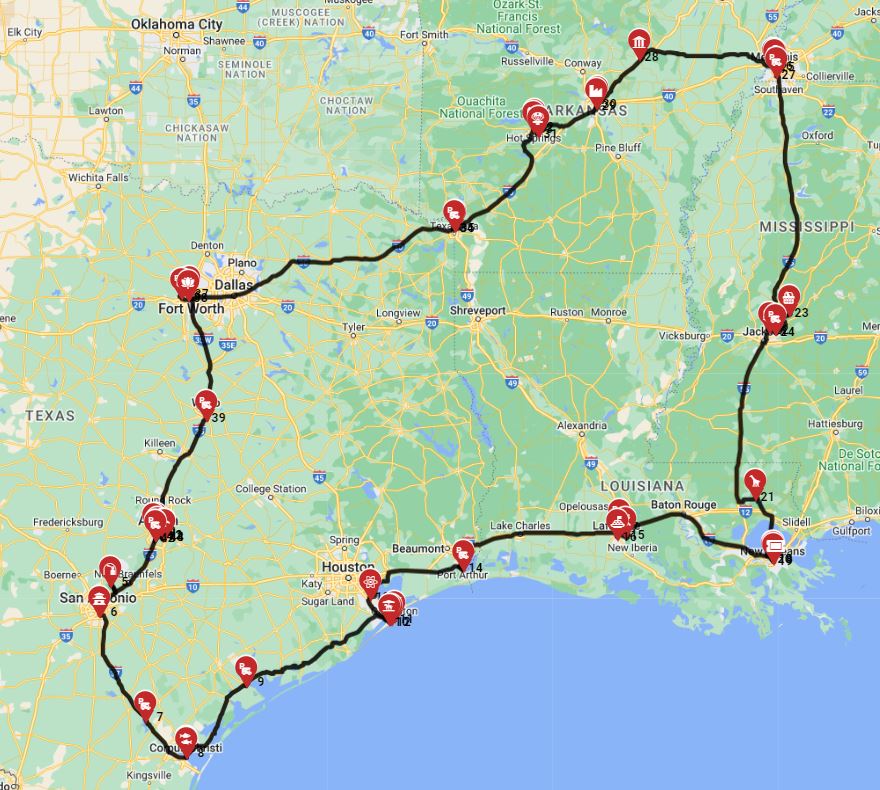
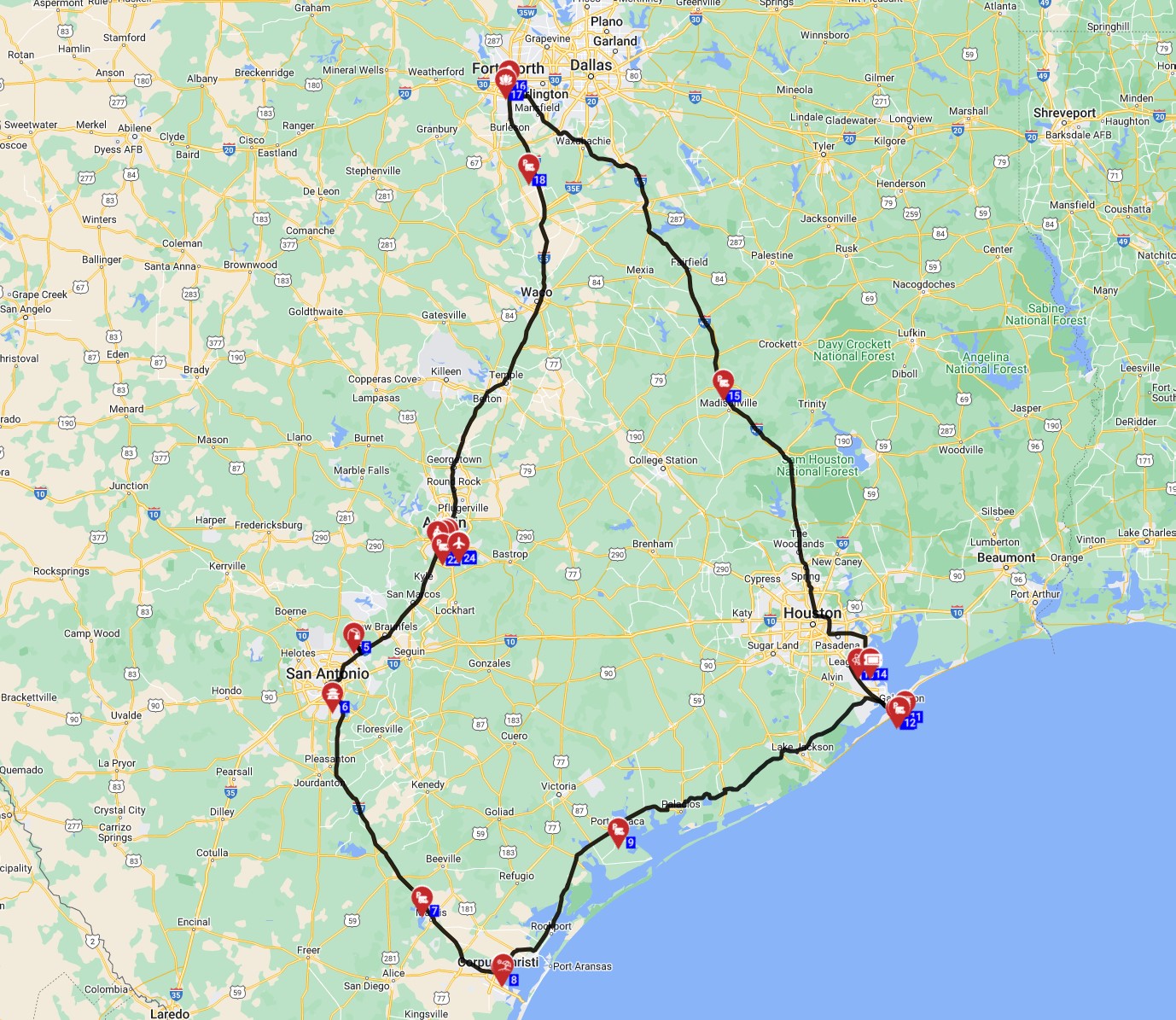
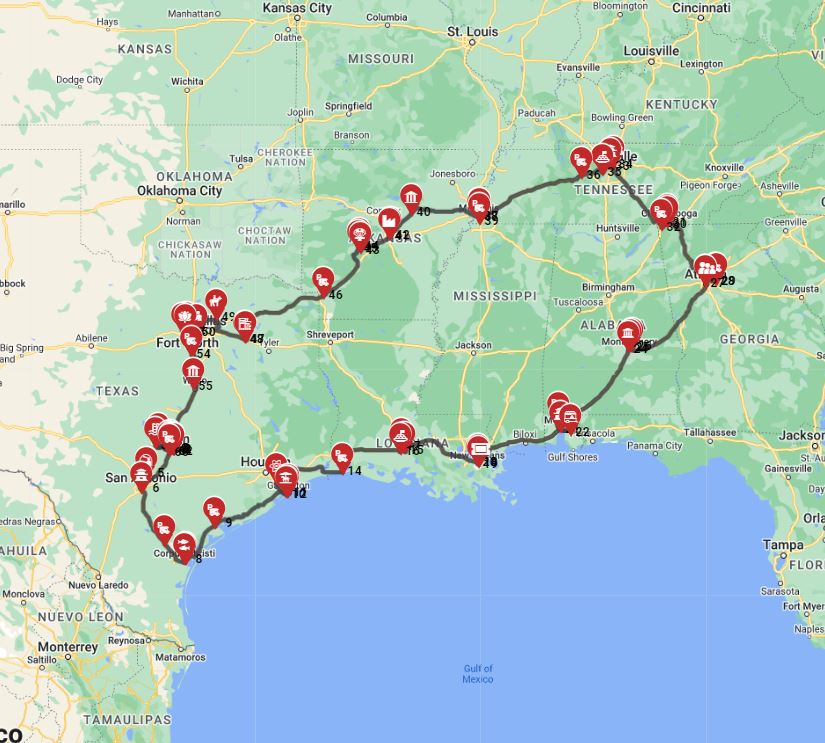
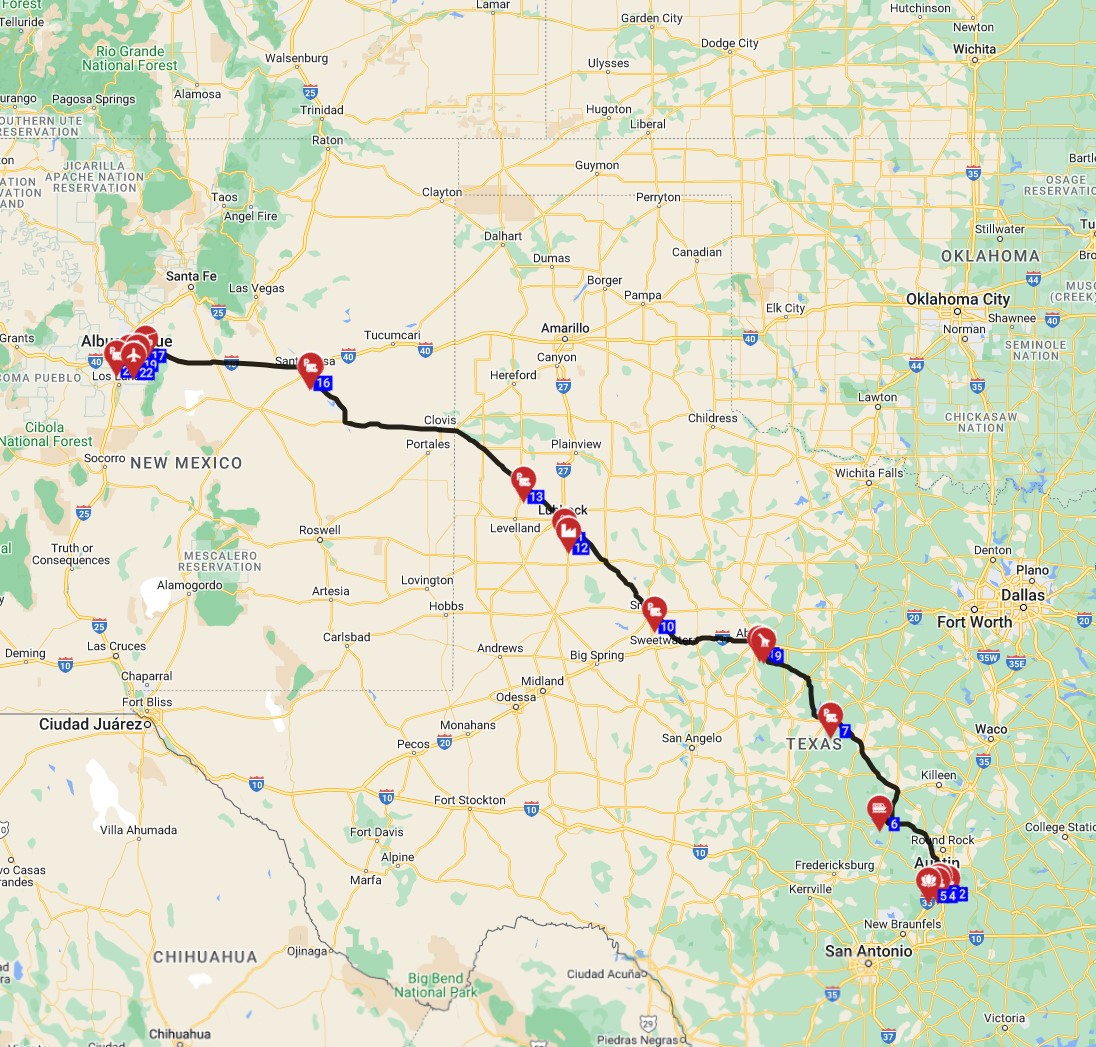
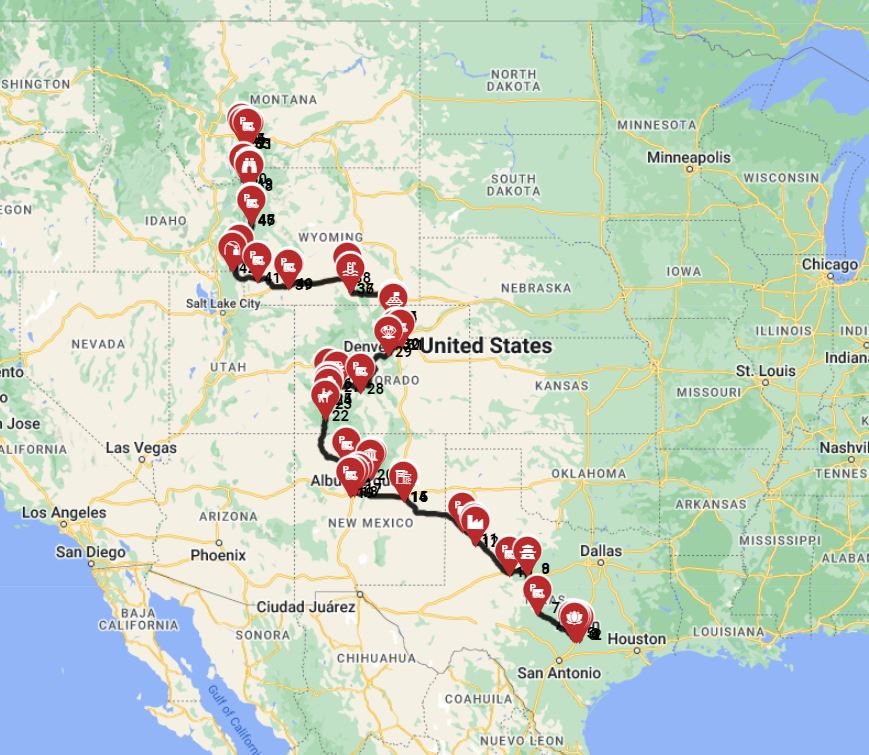
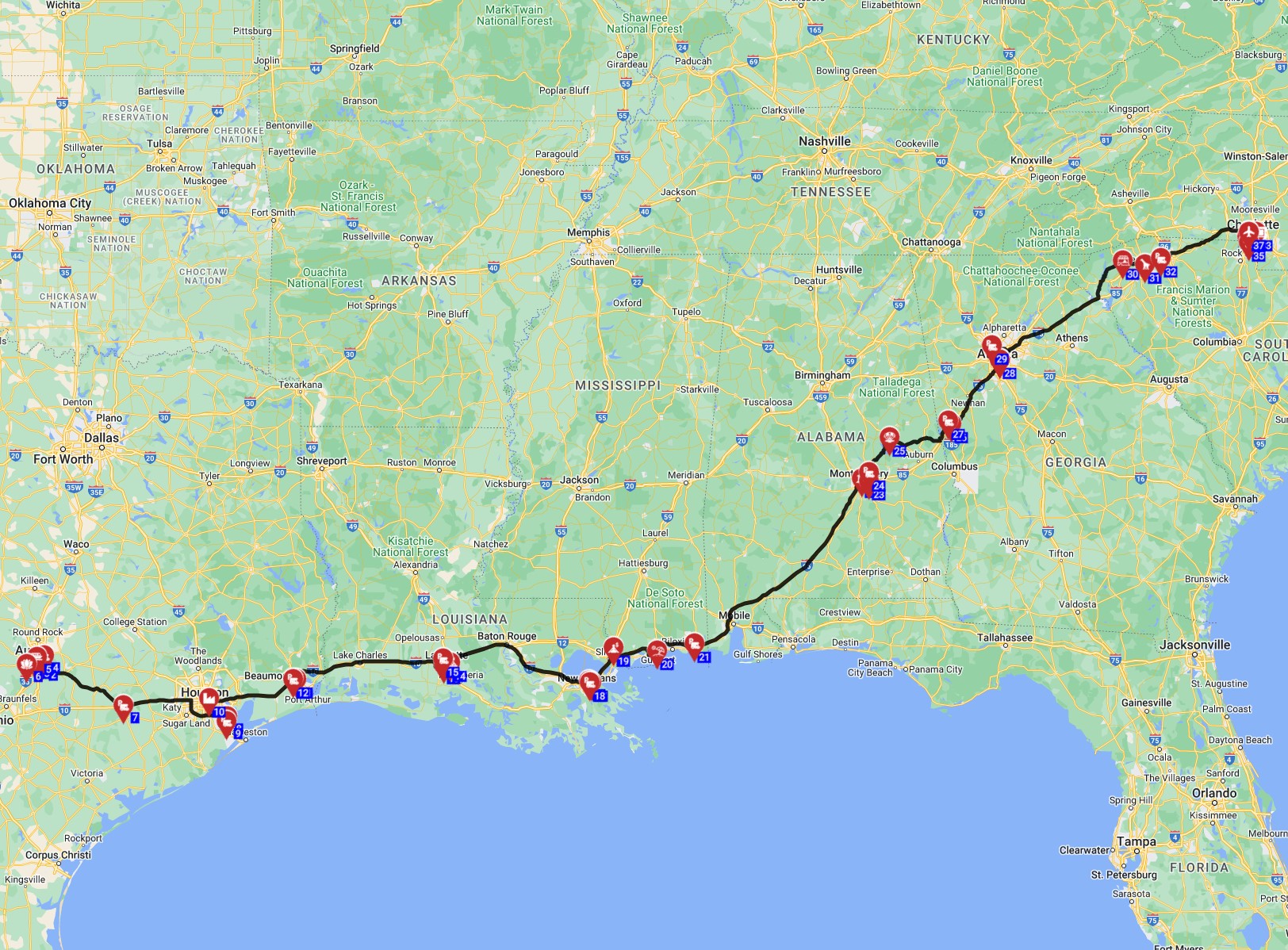
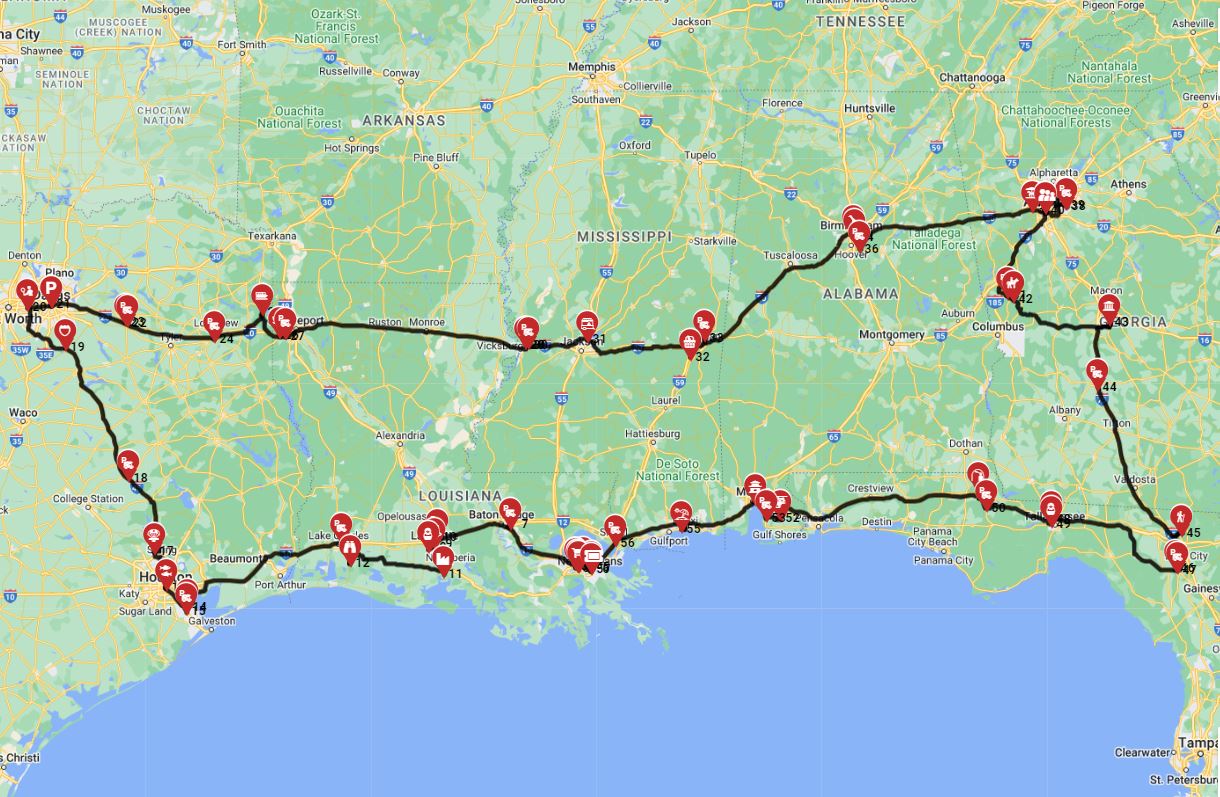
When traveling with pets, always identify pet-friendly RV parks, hiking trails, and attractions in Texas in advance, ensuring compliance with leash laws and park regulations, as many state parks welcome leashed dogs but may have restrictions in certain areas. Keeping a well-stocked cooler with easily accessible snacks and drinks can prevent meltdowns and keep everyone hydrated, especially during hot Texas days. Prioritize safety by childproofing accessible areas within the RV, securing loose items before driving, and reviewing emergency procedures with the entire family. For comprehensive route plans that detail family-friendly stops and pet policies, consider using RV PLANET (rvplan.net), which offers over 1,300 pre-planned routes across 5 continents, including specific itineraries for the USA, like the "
Common Mistakes to Avoid in Texas
To ensure a smooth family RV rental experience in Texas, several common mistakes can be easily avoided with proper planning. A frequent oversight is underestimating the sheer size of Texas; instead, plan your itinerary to focus on one or two regions, such as the Gulf Coast or the Hill Country, to minimize driving and maximize exploration time, adhering to a slow travel pace of 100-150 km per day. Ignoring weather warnings, especially for extreme heat (temperatures often exceed 35°C in summer), severe thunderstorms, or flash floods, can be dangerous; instead, consistently monitor local forecasts and be prepared to adjust plans, especially if traveling in a campervan. Failing to book campsites and popular attractions in advance, especially during peak season, can lead to disappointment; instead, secure your reservations well ahead of time, understanding that only 25-30% of state and national park spots are typically reserved in advance.
Forgetting essential supplies like sunscreen, bug spray, or extra water can detract significantly from your trip, especially in remote areas like Big Bend; instead, use a comprehensive packing checklist tailored to Texas's unique environment. Disregarding Texas-specific camping laws, such as fire bans (common in dry conditions) or waste disposal regulations, can result in fines or environmental damage; instead, familiarize yourself with local rules before your trip. Additionally, when considering trip expenses beyond the rental itself, like fuel and food, budgeting tools available through RV PLANET routes allow you to itemize and track every cost for easy financial management. Another common mistake is overpacking; remember, a rented RV provides ample storage, but excess weight can impact fuel efficiency and handling.
What is the best month to RV in Texas?
The best months to RV in Texas are generally spring (March-May) and fall (October-November), as these seasons offer mild temperatures, comfortable humidity, and vibrant natural beauty across the state. Springtime is particularly ideal for experiencing the famous Texas wildflowers, such as bluebonnets, which blanket the Hill Country in April, and offers comfortable conditions for hiking in state parks like Garner or Enchanted Rock. Fall provides equally pleasant weather perfect for outdoor activities and exploring, with cooler temperatures making destinations like Big Bend National Park more accessible and enjoyable for activities like stargazing.
Summer (June-September) in Texas is characterized by intense heat, particularly inland where temperatures can reach over 38°C, requiring RVers to prioritize shaded campsites, water activities, and robust air conditioning in their motorhome. Winter (December-February) can be pleasant in South Texas, attracting "winter Texans" seeking milder climates, with average daily temperatures around 15°C, while Northern and Panhandle regions may experience freezing temperatures and require RV winterization, so plan accordingly. No matter the season, Bandana RV provides true RV specialists who understand these nuances and are ready to help you compare family RV rentals in Texas, ensuring you find the right vehicle for your adventure.
Can you stay in an RV anywhere in Texas?
No, you generally cannot stay in a rented RV anywhere in Texas; overnight camping is restricted to designated RV parks, state parks, national forests, or private land with explicit permission. Unauthorized camping on public land, including roadsides or rest areas, is typically prohibited and can result in fines. Legal boondocking or primitive camping opportunities exist in Texas but are more limited than in some western states; these are primarily found within specific National Forests (like Sam Houston or Davy Crockett National Forests) or a few Bureau of Land Management (BLM) areas, often requiring self-contained motorhomes. These locations may have fewer amenities, like no electrical hookups, requiring an RV with a good fresh water tank, such as a "MH23 Medium - Economy" with a 115-liter capacity.
Some retail establishments, such as Walmart or Cabela's, may allow overnight RV parking for a single night, but it is always essential to ask a manager for permission upon arrival, as policies can vary by location. Membership programs like Harvest Hosts and Boondockers Welcome offer unique, private overnight stays at farms, wineries, and other local businesses across Texas, often requiring a self-contained RV and a membership fee. Always research and confirm camping regulations for your specific destination in Texas to avoid unexpected issues.
How much does it cost to rent an RV in Texas per day?
The daily cost to rent an RV in Texas typically ranges from approximately $100 for a compact Class B campervan, like a "rental denver example Category Van", to over $300 for a spacious Class A motorhome or a large Class C with amenities such as a "C-LARGE" with slide-outs. Rental prices are dynamic, much like flight tickets, changing daily based on availability, seasonality (peak seasons like spring and summer see higher prices), the RV's size and class, the duration of the rental, and the age and amenities of the vehicle. For a precise estimate tailored to your travel dates, our "RV Rental in Texas - Prices and Best Deals 2026" guide offers comprehensive comparison tools.
Additional costs not included in the daily rental rate often include fuel (a significant expense for Texas's long distances, with an average fuel consumption for a Class C at 20-25 liters per 100 km), campground fees (ranging from $25-$70+ per night for full hookups), propane, dumping fees, tolls, and optional add-ons like kitchen kits or linens. One-way rentals, discussed in our "One-Way RV Rental in Texas - Price Guide 2026", also incur a drop-off fee. For those seeking budget-friendly options, exploring "Cheap RV Rental in Texas - Budget Guide 2026" can provide valuable insights, while "Luxury RV Rental in Texas - Premium Prices 2026" details higher-end options. For weekly RV trips, our "Weekly RV Rental in Texas - Pricing 2026" page offers further details. Remember, Bandana RV offers full transparency with no hidden fees, so the price you see is the price you pay at booking.
Are RV parks open all year in Texas?
Most RV parks in Texas operate year-round, particularly those located in popular tourist areas, major cities like Austin and Houston, and the warmer southern regions of the state, such as along the Gulf Coast. While many parks are open continually, some smaller, privately-owned parks or those directly associated with seasonal attractions might have reduced services or close completely during off-peak winter months in more northern parts of Texas. For instance, parks in South Texas, catering to "winter Texans," often see increased occupancy from December to February and provide full hookups, warm facilities, and consistent availability.
It is always advisable to check the specific operating hours, availability, and reservation policies of individual RV parks before planning your trip, especially around holidays or during potential weather extremes like hurricane season on the coast. Even if a park is technically open, some amenities, such as pools or certain recreational facilities, may have seasonal closures. For finding campsites and campgrounds during your trip, we recommend using RV PLANET (rvplan.net) - a great resource for locating available spots along your route and confirming seasonal operations. This ensures you'll find a spot; if not at the first campground, then the next one, just call ahead before driving.
What is the most popular RV destination in Texas?
While "most popular" can be subjective and depend on traveler preferences, the Texas Hill Country is consistently among the top choices for RVers, encompassing scenic areas like Fredericksburg, New Braunfels, and Garner State Park, known for its beautiful Frio River access and 500+ RV sites. Coastal regions such as Galveston Island and South Padre Island also draw significant crowds for their beaches, fishing, and numerous resort-style RV parks, especially during warmer months. For instance, Padre Island National Seashore offers over 70 miles of undeveloped beach where 4WD RVs can primitive camp directly on the sand.
Big Bend National Park and Big Bend Ranch State Park, located in remote West Texas, are highly sought after by adventurous RVers for their stunning desert landscapes, world-class stargazing opportunities, and extensive hiking trails, though they require careful planning due to limited services. For those seeking urban adventures, areas surrounding San Antonio (home to The Alamo and the Riverwalk) and the Dallas-Fort Worth metroplex offer numerous RV parks with convenient access to cultural attractions, dining, and family entertainment. Regardless of your destination, Bandana RV, with over two decades of experience since being founded in 2001, helps tens of thousands of travelers explore the world by RV, providing access to direct partnerships with 50+ leading RV suppliers worldwide, including El Monte and Cruise America, ensuring you find the ideal motorhome for any Texas adventure.
Is it hard to drive an RV in Texas?
Driving an RV in Texas is generally manageable, as the state boasts expansive, well-maintained highway systems designed to accommodate large vehicles. While major interstates are typically wide and offer plenty of space, navigating dense urban traffic in cities like Houston, Dallas, or Austin can be challenging due to congestion and tighter turns; however, drive slowly and carefully, and you can drive almost anywhere without issues, with no need to stress – just use common sense and pay attention. Your standard car driver's license is sufficient for all motorhome classes (Class A, Class B, and Class C) in Texas, so no special license or CDL is required.
Some regions, such as the winding, hilly roads of the Texas Hill Country or the mountainous and remote routes leading to Big Bend National Park, demand more experience and caution from RV drivers due to elevation changes and narrower roads. RVers should also be prepared for strong crosswinds, particularly in the open plains of West Texas and the Panhandle, which can affect vehicle stability and require careful handling. Overall, with a bit of practice and mindful driving, traveling through Texas in a rented motorhome is a rewarding experience, offering the freedom to explore diverse landscapes at your own pace, especially in a Class C motorhome like the "MH19 Small - Economy" model.
What are the camping laws in Texas?
Camping laws in Texas primarily regulate where and how individuals can establish overnight stays, focusing on designated campgrounds, fire safety, and environmental protection. Overnight camping in a rented motorhome is generally permitted only in established Texas State Parks, National Forests, National Parks, authorized private RV parks, or on private land with the owner's explicit permission; unauthorized camping on public land is typically prohibited. It's important to research specific park regulations, as a large "Category Family 5" motorhome, which sleeps 6, might have different access considerations than a smaller "Class B - Camper Van" model.
Fire bans are frequently implemented across various Texas counties, especially during dry seasons (often summer and fall), making it illegal to have open flames or charcoal grills outside of enclosed RV stoves; always check local conditions before starting a fire to prevent wildfires. Waste disposal regulations require all greywater and blackwater to be discharged at designated RV dump stations, prohibiting their release onto the ground or into water sources to protect the environment and public health. Texas also enforces regulations regarding quiet hours (generally 10 PM to 7 AM), pet leash laws, and adherence to 'Leave No Trace' principles in all camping areas to preserve natural resources and ensure a positive experience for all visitors. These details are crucial for any "RV Rental USA - Complete Guide 2026" to Texas.
What You Shouldn't Miss
- **Big Bend National Park:** Witness unparalleled stargazing in one of the darkest skies in the continental U.S. and explore dramatic desert landscapes, including the majestic Santa Elena Canyon.
- **Texas Hill Country Wine Trail:** Explore over 50 wineries and vineyards nestled in the rolling hills between Austin and San Antonio, offering tastings and scenic drives.
- **Padre Island National Seashore:** Experience unique beachfront camping with a 4WD RV on over 70 miles of undeveloped barrier island, perfect for fishing and birdwatching.
- **San Antonio Riverwalk:** Stroll along the vibrant urban waterway, enjoying historical missions, delicious Tex-Mex cuisine, and family-friendly boat tours.
- **Palo Duro Canyon State Park:** Descend into the "Grand Canyon of Texas" for breathtaking views, hiking, and the unique experience of camping on the canyon floor.
- **Looking for expert insights from Avi Bandana? Top 5 Adventures - recommendations from Avi Bandana**
Final Thoughts
Exploring Texas by rented RV with your family is an adventure waiting to happen. From the vibrant culture of its cities to the stunning wilderness of its national parks, a motorhome provides the ultimate flexibility and comfort for creating lasting memories. Remember, we are here to support you every step of the way, before, during, and after your booking, ensuring a seamless and enjoyable experience.
Embrace the open road, take your time to discover the unique charm of each region, and let the spirit of Texas inspire your journey. With a little planning and our expert guidance, your family RV trip will be an unforgettable chapter in your travel story. God is in the small details, and we take care of them. That's what makes the big difference.