In This Guide
- Top 5 Tips for family rv rental RV Rental in North Canada
- Before You Book - Class, Dates, Insurance
- Pre-Trip Prep - Packing Checklist for North Canada
- On the Road - Driving, Fueling, Navigation
- At the Campground - Setup, Hookups & Etiquette
- family rv rental-Specific Tips for North Canada
- Common Mistakes to Avoid in North Canada
- What is the 3-3-3 rule for RV travel?
- What are the drawbacks of renting an RV?
- How much to rent an RV for a week in Canada?
- What is the cheapest way to rent an RV?
- Can Americans RV in Canada?
- What not to forget when RV camping?
- What is the 4-4-4 rule for RV travel?
- What You Shouldn't Miss
- Why Book with Bandana Caravan
- Final Thoughts
- Frequently Asked Questions
Exploring North Canada in a rented motorhome or campervan with your family promises an adventure unlike any other. Imagine the vast, untamed wilderness stretching out before you, the crisp, clean air, and the magic of the Midnight Sun or the Aurora Borealis. This incredible journey requires thoughtful planning, especially when traveling with kids, to ensure comfort and safety in such a unique environment. For live availability and current prices, start with our RV Rental North Canada - Complete Guide 2026 guide.
Top 5 Tips for family rv rental RV Rental in North Canada
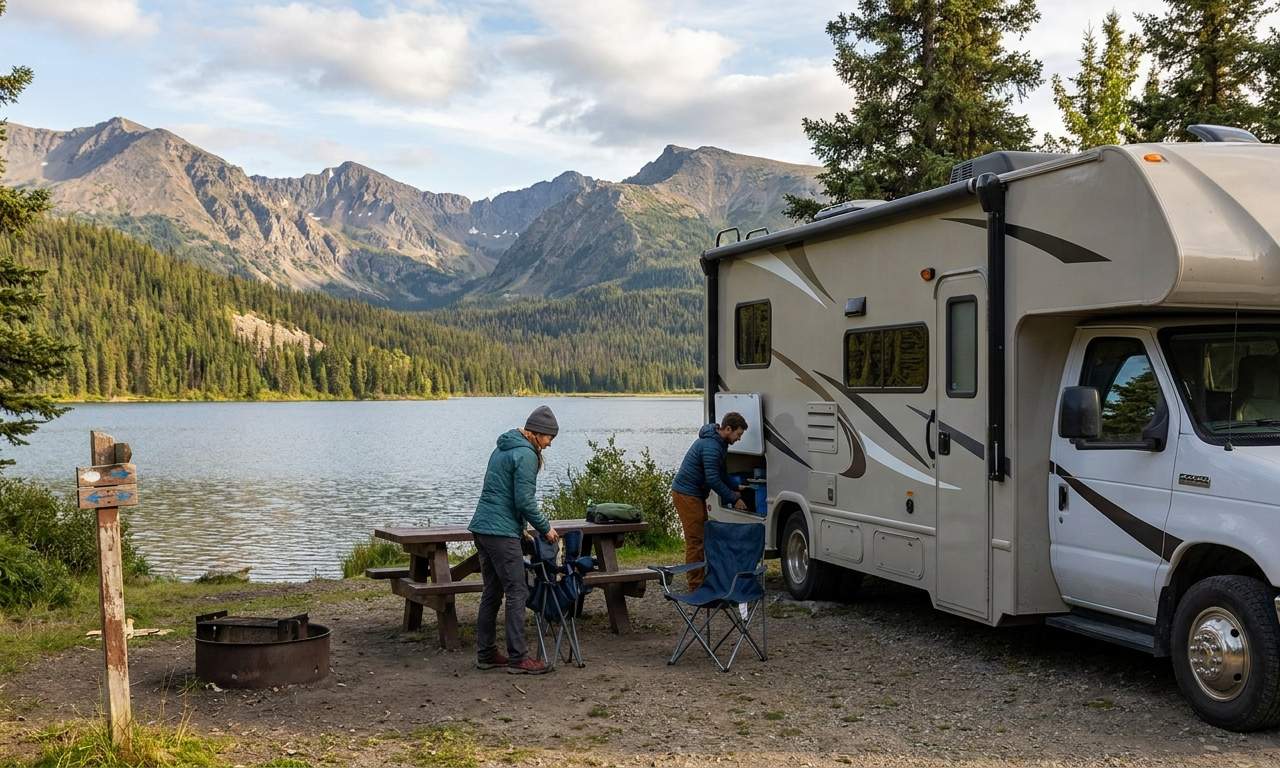
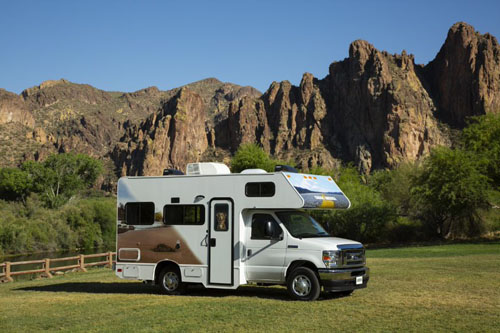
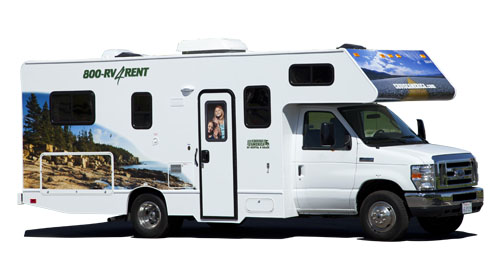
Preparing for a family RV rental in North Canada involves specific considerations due to the region's unique geography and climate. Selecting a motorhome suitable for varied northern terrain and family size is paramount; for instance, a Class C motorhome like the "MHC24" with a large fresh water tank (150 Liters) and sleeping capacity for 6 people provides ample space and resources for extended family trips. Packing extensively for extreme weather, including sudden temperature drops, ensures everyone stays comfortable, even when summer temperatures can unexpectedly drop to near freezing at night.
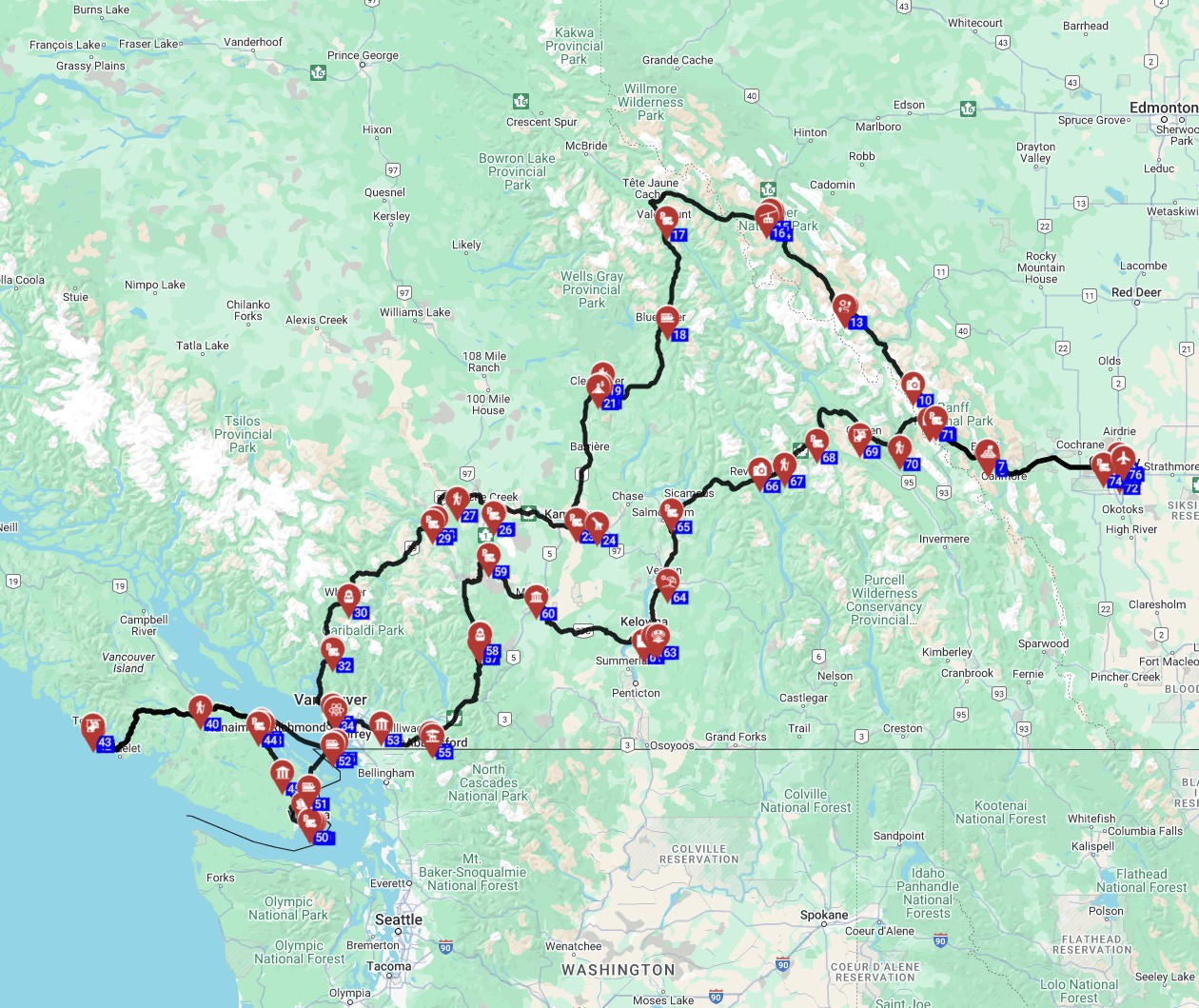
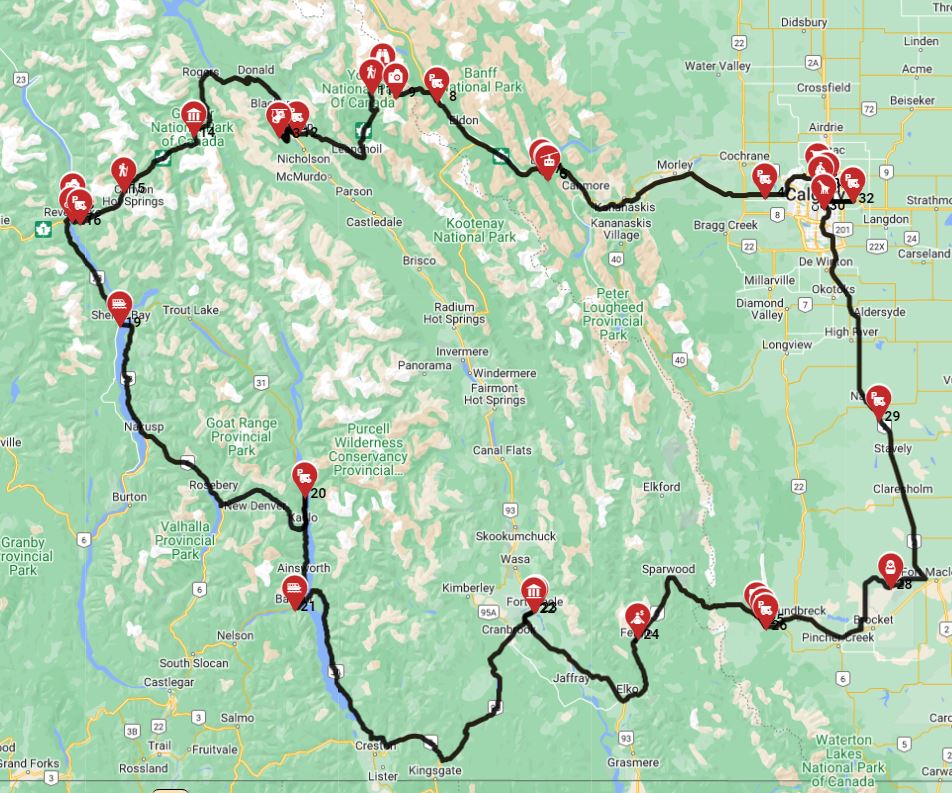
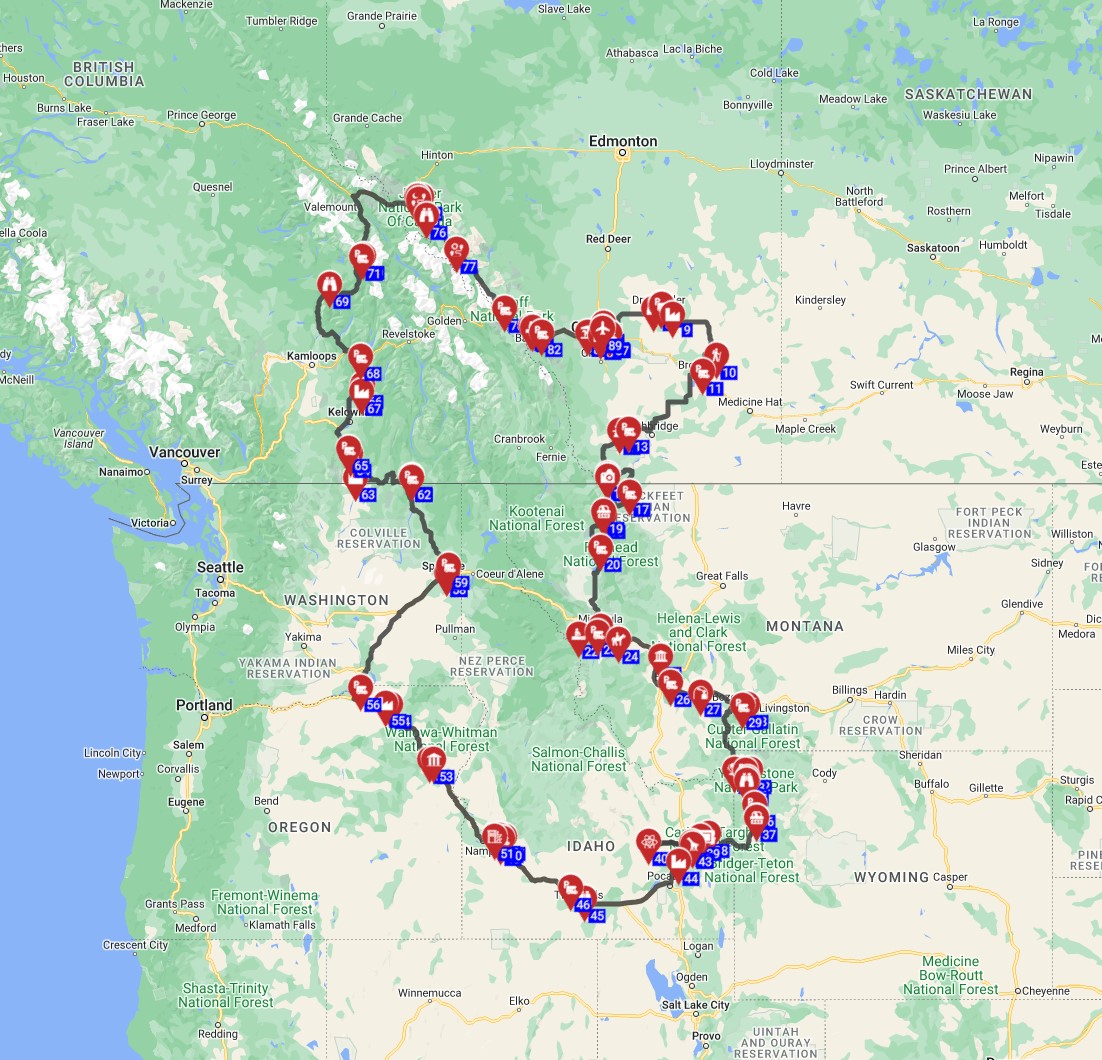
Planning fuel and water stops diligently is crucial due to long distances between services, as some stretches of highway in Yukon or the Northwest Territories can exceed 200 km without a gas station. Familiarizing yourself and your family with wildlife safety protocols, especially bear awareness, is non-negotiable for anyone exploring these wild lands. Always carry bear spray, know how to store food securely, and understand how to react if an encounter occurs. Finally, budgeting generously for higher fuel and supply costs in remote northern communities helps avoid surprises, as groceries and gasoline can be 30-50% more expensive than in metropolitan areas. On the routes offered through RV PLANET routes, you can itemize and track every expense along the way for easy budgeting.
Before You Book - Class, Dates, Insurance
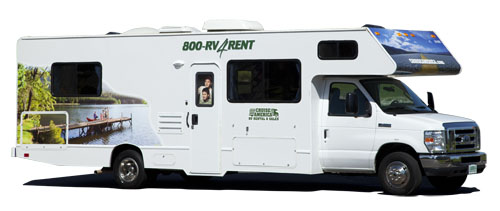
Choosing an RV class for North Canada involves considering family size and anticipated road conditions, with higher clearance models often preferred for gravel sections of routes like the Dempster Highway or parts of the Alaska Highway. Class C motorhomes with sleeping capacity for 4-7 individuals, such as an "MH-A" or "MHC28", are popular choices for families due to their balance of size, amenities, and maneuverability. Smaller campervans like the "Active Pop Top" may offer greater fuel efficiency (e.g., 9-12 Liters/100km) and easier parking but might require more careful packing for colder conditions. Locking in dates well in advance, especially for summer or shoulder seasons, ensures availability and potentially better rates, while also allowing time to prepare for variable northern weather. Popular summer months (July and August) can see rentals increase by 15-20% compared to June or September.
Basic insurance is always included with your rental. To see prices including the most comprehensive coverage, select that option during your search; then all relevant insurance options will be shown transparently. You can also upgrade to a top-level deductible reimbursement for extra peace of mind, a popular choice for those venturing into less accessible areas of North Canada. Remember, Bandana offers full transparency on pricing, so what you see in your comparison is what you pay, with no hidden fees or surprises.
🎬 Video coming soon
Pre-Trip Prep - Packing Checklist for North Canada
A comprehensive packing checklist for North Canada includes layers for extreme weather, essential safety gear for remote travel, and provisions for limited connectivity. Even in summer, daytime temperatures can range from 15-25°C, but nighttime lows can drop to 5°C or even below freezing, making thermal base layers, waterproof outerwear, and warm hats and gloves indispensable for every family member. Prioritize items that address potential wildlife encounters, such as bear spray (ensure you know how to use it safely) and an air horn, and bring along robust insect repellent to combat the intense mosquito season from June to August.
Long stretches without resupply opportunities mean packing enough non-perishable food for several days is wise; consider a varied menu for cooking on board from our RV-friendly recipes playlist. Essential safety gear includes a detailed physical map of your route (as GPS can be unreliable), a compass, a first-aid kit, a headlamp for each person, and a basic toolkit for minor RV issues. For communication beyond cell service, a satellite messenger or phone is highly recommended, especially when exploring less-traveled routes. Don't forget entertainment for the kids, as internet access is often sporadic or non-existent in many areas. Our RV Rental in North Canada for Couples - Pricing 2026 guide offers further insights into vehicle features ideal for diverse travel needs.
At the Campground - Setup, Hookups & Etiquette
Proper RV setup in North Canada involves securing your site, connecting hookups in the correct order, and adhering to campground etiquette. Many campgrounds in the territories, especially in national and territorial parks, offer limited hookups or operate on a first-come, first-served basis for 70-75% of their spots, so calling ahead is recommended. When setting up, ensure your motorhome is level for comfort and proper appliance function. Connect your electrical hookup (typically 15-30 amp in most northern campgrounds), fresh water hose, and sewer hose in the standard order: sewer first, then water, then electric. Remember that propane is essential for heating and cooking, especially in cooler northern nights.
Always practice diligent bear-aware food storage, keeping all food and scented items locked inside your rented RV or in designated bear-proof lockers to prevent attracting wildlife. Ensure proper waste disposal at designated dump stations, as responsible waste management is vital in these pristine environments. Respect quiet hours, typically from 10 PM to 7 AM, to maintain peace and safety for all campers. These simple courtesies help preserve the unique northern camping experience for everyone. If you're considering a winter adventure, our Winter RV Driving in North Canada - Safety Guide 2026 provides essential information for cold-weather camping.
family rv rental-Specific Tips for North Canada
When traveling with family in North Canada, plan for kid-friendly entertainment that doesn't rely on internet, as connectivity is often sparse or non-existent for lengthy periods. Board games, books, audio stories, and pre-downloaded movies are invaluable during long drives or evenings at remote campsites. Ensure the RV layout, such as a Class C motorhome like the "cruise america rv rental example Explorer" with a large double bed and smaller beds over the cab, allows for comfortable nap spots and quiet time during long drives, crucial for managing children's energy levels.
Pack a variety of snacks and activities to manage the mental preparedness for isolation and long stretches between communities. Having familiar comfort foods and engaging games can make a big difference for younger travelers. Consider a rental motorhome that offers good suspension for family comfort on potentially rougher northern roads, as gravel sections can be bumpy. Engaging children in navigation (with physical maps) or wildlife spotting (with binoculars) can turn potential boredom into exciting learning opportunities. For broader budgeting, remember that RV PLANET routes allow travelers to itemize and track every expense along the way for easy budgeting.
Common Mistakes to Avoid in North Canada
Underestimating North Canada's extreme weather and its rapid changes is a common mistake; instead, pack layers and monitor forecasts closely, as a sunny 20°C day can quickly turn into a chilly 5°C evening. Neglecting to plan for remote travel logistics, such as fuel and water scarcity, can lead to serious issues; always top up your tanks and carry extra water (e.g., 20-liter jerry cans) and fuel when passing through towns, as distances between services can be over 300 km. Ignoring wildlife safety protocols is dangerous; instead, educate your family on bear safety, carry bear spray, and store food properly to prevent attracting animals to your campsite.
Failing to budget for higher costs in northern communities for fuel, food, and supplies can strain finances; instead, over-budget slightly, expecting to pay 20-50% more for basic necessities. For example, a full tank of gas for a Class C motorhome can cost over CAD $200 in remote areas. Over-relying on cell service for navigation or communication is a mistake; instead, download offline maps, carry a physical map, and consider renting a satellite device for emergencies, as cellular coverage is extremely limited outside of towns. Remember, slow travel is the way to truly experience North Canada; aim for a maximum of 100-150 km per day on average to take time to feel the place, connect to the culture, the food, and the scenery. Our Family RV Rental in North Canada - Pricing Guide 2026 offers more detailed cost breakdowns.
What is the 3-3-3 rule for RV travel?
The 3-3-3 rule for RV travel suggests driving no more than 300 miles (approximately 480 km) a day, arriving by 3 PM, and staying for a minimum of 3 nights. This guideline is designed to reduce driver fatigue, allow ample time for camp setup and relaxation, and encourage a slower, more immersive travel experience, which is especially beneficial when traveling with kids who need regular breaks and playtime. For instance, arriving by 3 PM ensures you can secure a good spot, especially in popular national or territorial parks where 25-30% of sites are often first-come, first-served.
While a good guideline, adapt the 3-3-3 rule in North Canada to account for slower driving conditions on gravel roads and longer distances between attractions or fuel stops, prioritizing safety and resource management. On routes like the Alaska Highway, a 300-mile day might be ambitious if encountering unpaved sections or unexpected wildlife. Consider a "2-2-2" rule (200 km, arrive by 2 PM, stay 2 nights) to account for the unique challenges and opportunities for discovery in North Canada. Our RV Travel Guide to North Canada - Tips and Top Spots 2026 provides more route-specific advice.
What are the drawbacks of renting an RV?
Drawbacks of renting an RV include higher fuel consumption compared to a standard car, potential for unexpected maintenance costs, and the learning curve associated with driving and operating a larger vehicle. A Class C motorhome, for example, might have a fuel consumption of 18-25 Liters/100 km, which can quickly add up over long distances. While Bandana works with reliable suppliers like El Monte and Cruise America to ensure well-maintained vehicles, minor issues can occur, requiring basic troubleshooting on the road.
In North Canada specifically, these drawbacks are amplified by significantly higher fuel prices, the increased likelihood of minor vehicle issues on rough roads, and the challenge of waste disposal in remote areas where dump stations are less frequent. Connectivity challenges mean relying less on digital resources, adding to the planning burden, and the potential for mental preparedness for isolation can be a factor for some. However, with Bandana's 24/7 pre-booking support, you get help comparing options and understanding what to expect, making your preparation much smoother. For those looking at options, our Luxury RV Rental in North Canada - Premium Prices 2026 also details how amenities can affect cost and experience.
How much to rent an RV for a week in Canada?
The cost to rent an RV for a week in Canada typically ranges from CAD $1,000 to $3,000+, depending on the RV class, season, rental company, and included amenities. For a family of four, a Class C motorhome might average CAD $1,400-$2,100 per week during shoulder season, increasing to CAD $2,100-$3,500+ in peak summer. Prices are dynamic and change daily based on availability and supplier marketing decisions, similar to flight tickets, so the final price is set at actual booking time.
In North Canada, budgeting beyond rental costs is crucial, as significantly higher fuel prices (potentially 30-50% higher than urban centers), increased food costs in remote areas, and potential fees for specific permits (e.g., for certain parks or Indigenous lands) or campgrounds can substantially raise the overall trip expense. An additional CAD $500-$1,000+ per week might be needed for these ancillary costs. Shoulder seasons, like late May/early June or September, may offer lower rental rates but require greater preparedness for extreme weather conditions. For precise figures, check our "RV Rental in North Canada - Prices and Best Deals 2026" guide.
What is the cheapest way to rent an RV?
The cheapest way to rent an RV often involves booking during the off-season or shoulder seasons, opting for smaller, older models, and taking advantage of early bird discounts or relocation deals. Traveling in late spring (May-June) or early autumn (September-October) can yield savings of up to 20-30% compared to peak summer rates. For example, a compact campervan like the "Hi5 Camper" might cost CAD $100-$150 per day in the shoulder season, while a large family motorhome like the "Motorhome MC6 Gold" could be CAD $200-$350 per day during the same period.
To save money in North Canada, consider booking smaller, fuel-efficient RVs suitable for family needs, utilize boondocking or free overnight spots where safe and permitted, and stock up on groceries in larger towns before heading into remote, more expensive areas. Plan your meals carefully, as cooking in your rented RV can save significant money compared to eating out. Be aware that while cheaper upfront, older RVs might incur higher fuel costs or potential minor repair costs on rough northern roads, which should be factored into the overall budget. Always compare final prices across suppliers to ensure you're getting the best deal with no surprise fees at pickup, a key differentiator of Bandana Caravan.
Can Americans RV in Canada?
Yes, Americans can RV in Canada, provided they meet standard border crossing requirements for themselves and their vehicle, including valid passports for all travelers, driver's licenses, and proper vehicle registration and insurance. A standard car driver's license is sufficient for driving all motorhome classes (Class A, Class B, and Class C) in Canada, with no special license or CDL required. It's recommended to carry your RV rental agreement and proof of insurance readily available.
For travel to North Canada, American RVers should be aware of specific nuances, such as ensuring their insurance is valid for Canadian territories, understanding Canadian firearms laws (generally, it's best to leave firearms at home as regulations are strict and vary), and being prepared for potentially extensive questioning at remote border crossings regarding supplies and intentions. Certain remote areas or Indigenous lands may also require specific permits, which international travelers should research in advance, especially when crossing into the Yukon or Northwest Territories. Bandana specializes in cross-border RV rental planning, offering local expertise and support.
What not to forget when RV camping?
When RV camping, essential items not to forget include basic kitchen supplies (pots, pans, cutlery, plates), bedding, a well-stocked first-aid kit, essential tools for minor repairs, and entertainment options for downtime. A rented Class C motorhome typically includes a refrigerator (like the "MHC24" with a 283-liter refrigerator) and stove, so planning meals and packing groceries efficiently is simple. Portable camping chairs and an outdoor mat can enhance your campsite experience significantly.
For RV camping in North Canada, critical additional items include extensive layers for extreme weather, a satellite communication device for areas without cell service, extra fuel and water containers (e.g., a 10-liter water jug and a 5-gallon fuel can), bear spray, and detailed physical maps or downloaded offline navigation apps. Proper food storage containers to deter wildlife and robust insect repellent for intense mosquito seasons (June-August) are also vital for a comfortable and safe trip. Don't forget powerful flashlights or headlamps, as northern nights can be exceptionally dark. Our "Family RV Tips for North Canada - Travel with Kids 2026" itinerary often includes these considerations.
What is the 4-4-4 rule for RV travel?
The 4-4-4 rule for RV travel, a variation of the 3-3-3 rule, suggests driving no more than 400 miles (approximately 640 km) a day, arriving by 4 PM, and staying for a minimum of 4 nights. This rule allows for slightly longer travel days and extended stays at each location, offering a more relaxed pace for those who prefer to explore fewer destinations more deeply, which can be ideal for families who want to settle in and enjoy a location.
When applying the 4-4-4 rule in North Canada, prioritize safety on varied terrain, account for slower speeds on unpaved roads, and ensure your longer daily distances don't exceed fuel or water availability between remote service points. While 400 miles might be feasible on the Alaska Highway, it could be challenging on the Dempster Highway or other gravel routes where average speeds are lower. Always verify road conditions and service availability, especially when planning longer drives. Travel slowly, max 100-150 km per day on average. Take time to feel the place, connect to the culture, the food, and the scenery. For detailed route plans and points of interest, consider Rent&Plan options from rvplan.net for North Canada.
What You Shouldn't Miss
- Drive the Dempster Highway: This iconic gravel road is Canada's only public highway crossing the Arctic Circle. Experience endless tundra and stunning mountainscapes, but plan meticulously for fuel and supplies.
- Explore Kluane National Park and Reserve, Yukon: Home to Canada's highest peak, Mount Logan (5,959 meters), this UNESCO World Heritage site offers breathtaking hiking, wildlife viewing, and designated RV campgrounds with essential amenities.
- Discover Dawson City, Yukon: Step back in time to the Klondike Gold Rush era. This charming historic town offers unique cultural experiences, from gold panning to the famous (or infamous) Sourtoe Cocktail Club.
- Witness the Aurora Borealis (Northern Lights): In the colder months (September to March), North Canada provides some of the best viewing opportunities for this spectacular celestial display, especially away from city lights.
- Visit Yellowknife, Northwest Territories: The capital city of the NWT offers a vibrant Indigenous culture, houseboat communities, and serves as a prime hub for aurora viewing and exploring the Canadian Shield.
- Experience the Midnight Sun: During summer, particularly in June and July, revel in the continuous daylight north of the Arctic Circle, perfect for extended outdoor activities and long evening drives.
Looking for expert insights from Avi Bandana? Top 5 Adventures - recommendations from Avi Bandana
Final Thoughts
A family RV rental adventure through North Canada is a journey of a lifetime, offering unparalleled opportunities to connect with nature, witness incredible wildlife, and create lasting memories. While the region presents unique challenges, with careful planning and the right mindset, your family can navigate these pristine landscapes safely and enjoyably.
Remember that the key to a successful trip is thorough preparation, embracing the remote nature of the North, and traveling at a relaxed pace. Bandana Caravan is here to support you every step of the way, from comparing the best motorhome options to providing transparent pricing and expert advice. So, gather your loved ones, choose your ideal rented RV, and get ready for an unforgettable journey into the heart of North Canada. Discover top destinations, planning tips, all in one place!