In This Guide
- What family rv rental RV Rental Costs in Japan (2026)
- Seasonal Pricing - Peak vs. Shoulder vs. Off-Season in Japan
- What's Included vs. What's an Add-On
- Hidden Costs to Budget For in Japan
- How to Save on family rv rental RV Rental in Japan
- How do you navigate Japan's unique road infrastructure with an RV?
- What are the full budgeting considerations for an RV trip in Japan, including food and activity costs?
- What are the rules and etiquette for overnight RV stays in Japan, including Michi-no-Eki?
- What cultural etiquette is important for RV travelers in Japan?
- What are some detailed themed itineraries for RV travel in Japan?
- How can RV travelers overcome language barriers in Japan?
- How do Michi-no-Eki (roadside stations) support RV travel in Japan?
- What vehicle considerations are important when renting an RV in Japan?
- How does RV travel in Japan compare to other modes of transport?
- Top Cities for RV Rental in Japan
- Road Rules and Essential Information for RVers in Japan
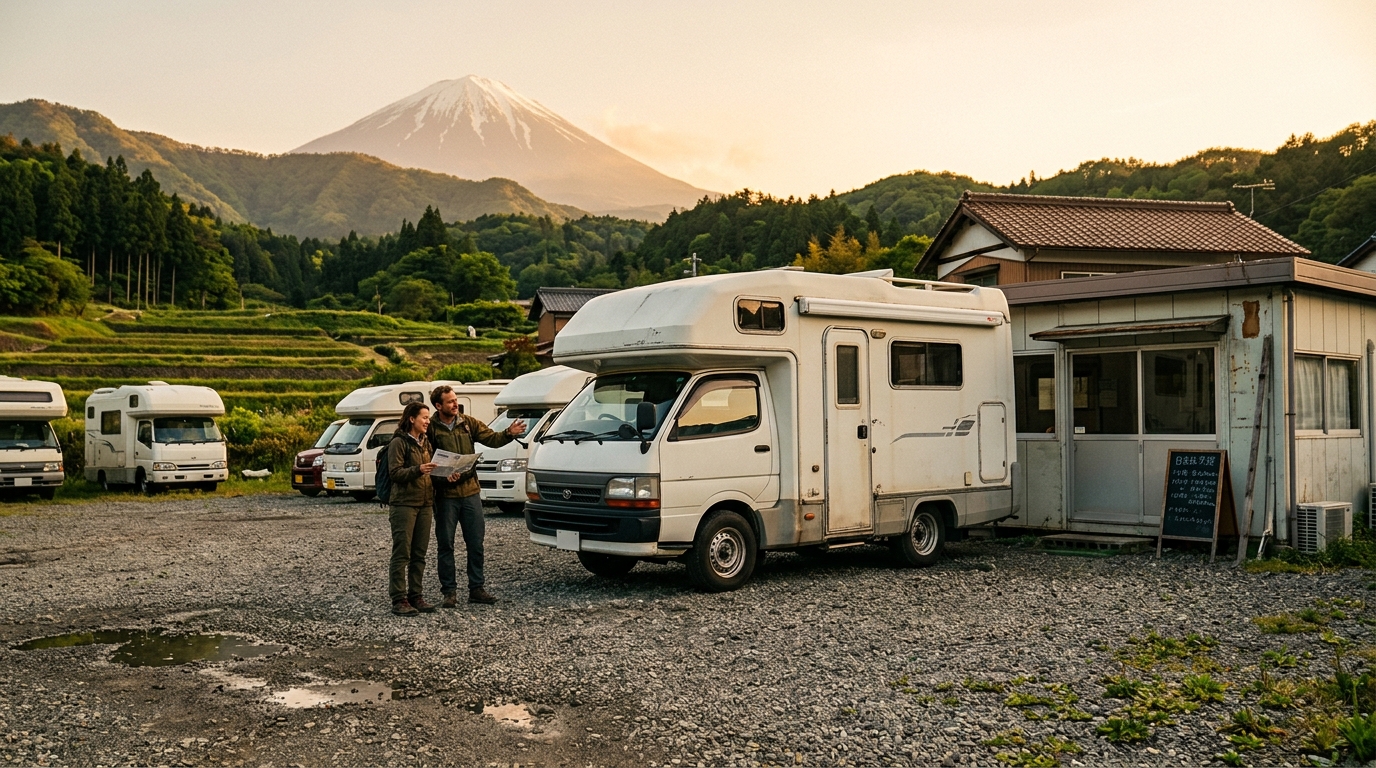
Imagine yourself winding through scenic Japanese landscapes, from the vibrant streets of Tokyo to the tranquil slopes of Mount Fuji, all from the comfort and flexibility of your own rented motorhome. A family RV rental in Japan offers an unparalleled way to explore this fascinating country at your own pace. With Bandana RV, we believe in making your adventure as seamless and enjoyable as possible, offering full transparency with no hidden fees and dedicated support from real people every step of the way. For live availability and current prices, start with our RV Rental Japan - Complete Guide 2026 guide.
What family rv rental RV Rental Costs in Japan (2026)
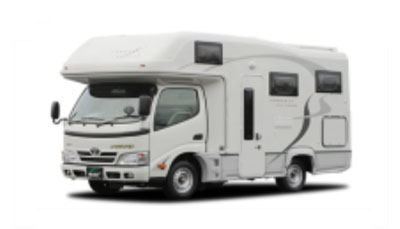
Family RV rental costs in Japan are dynamic, fluctuating based on the season, the size and class of the RV, and your rental duration, typically starting from around $150 USD per day. April generally stands out as the cheapest month for RV rental in Japan, often presenting savings of 20-30% compared to peak season rates. For instance, a compact campervan like the "hire campervan example Paradise S/T" ideal for couples or small families might average $150-220 USD per day in April, while a larger Class C motorhome like the "rv rentals example Comfort Class" suitable for a family of 4-6 could range from $200-350 USD daily in shoulder season.
To give you a clearer picture, here’s a realistic cost breakdown for different rental durations for a family of four in a Class C motorhome in Japan, excluding ancillary costs for now: On the routes offered through RV PLANET routes, you can itemize and track every expense along the way for easy budgeting.
- 1-week family RV trip: Expect to pay approximately $1,400 - $2,800 USD ($200-400 per day), varying greatly by season and vehicle model.
- 2-week family RV adventure: Costs could range from $2,600 - $5,000 USD, with daily rates potentially decreasing slightly for longer bookings.
- 1-month extended family RV journey: A month-long rental might cost $4,500 - $8,000+ USD, offering the best daily value due to longer rental discounts.
Prices change daily based on availability and supplier decisions, similar to flight tickets, so always check current flex-rates for precise daily costs for your specific dates. Bandana RV offers a straightforward comparison platform to help you find the best deals for your family rv rental in Japan.
Seasonal Pricing - Peak vs. Shoulder vs. Off-Season in Japan
RV rental prices in Japan are significantly influenced by seasonality, with peak periods seeing rates substantially higher than shoulder or off-season travel. Peak season, typically spanning July-August and major national holidays like Golden Week (late April-early May) and Obon (mid-August), commands the highest prices, often 50-100% more than low-season rates. During these times, a 4-berth campervan might jump from $200 to $400+ USD per day, with limited availability.
Shoulder seasons, covering May-June and September-October, offer an excellent balance of pleasant weather and more moderate pricing for a family rv rental in Japan. These months provide beautiful scenery, fewer crowds, and daily rental rates that are usually 15-30% lower than peak season, making them ideal for a two-week adventure. Off-season, from November to March (excluding year-end holidays), generally provides the lowest rates, with April being a notably affordable month before the summer rush. Monitoring flex-rate drops by checking prices regularly can yield significant savings, especially for spontaneous travelers.
What's Included vs. What's an Add-On
When securing a family RV rental in Japan, basic insurance coverage is always included, providing fundamental protection against vehicle damage and third-party liability. However, the exact inclusions and optional add-ons can vary significantly between RV models and rental stations, necessitating careful review during the booking process. To ensure full transparency and no surprises, Bandana RV clearly outlines what's covered.
Common add-ons you might consider for your trip include enhanced comprehensive insurance tiers for a lower deductible, additional mileage packages beyond a standard daily allowance (often 150-200 km), and convenience items like a kitchen kit (utensils, pots, pans), bedding and towel sets, or a GPS navigation system. Generator usage might also be an extra charge, though many smaller campervans don't include them. You can easily use the toggle feature on our comparison platform to see if essentials like kitchen utensils, tableware, and bedding are included for each specific rental listing, ensuring you get everything you need without overspending.
Hidden Costs to Budget For in Japan
When planning your RV trip in Japan, it's crucial to factor in ancillary costs beyond the rental fee, as these can significantly impact your total budget. Specific toll fees are a major consideration; Japan's extensive expressway network relies heavily on tolls, which can accumulate quickly based on distance and route. An ETC (Electronic Toll Collection) card, often available for rent, is highly recommended for smooth passage and can sometimes offer small discounts.
Fuel costs, which can fluctuate, are another substantial expense, with an average fuel consumption of a Class C motorhome like the Cruise America "cruise america rv rental example Explorer" being around 11 liters per 100 km. Anticipate various campsite fees, which typically range from $20-60 USD per night depending on facilities and location; some Michi-no-Eki also request small contributions for extended overnight parking. Additionally, budget for dump-station charges, though many Michi-no-Eki provide free waste disposal facilities. For an easy way to track and manage these expenses, explore RV PLANET routes, where you can itemize every cost along your journey. We pride ourselves on full transparency, so you'll never face hidden fees from Bandana RV.
How to Save on family rv rental RV Rental in Japan
Saving money on your family RV rental in Japan is achievable with smart planning and flexibility. Booking during shoulder seasons (May-June, September-October) instead of peak summer or holiday periods often results in significantly better rates and more pleasant weather conditions. Consider selecting a smaller RV class, such as a compact campervan like the "rv rental denver example Category Van" if it comfortably accommodates your family (typically 2-4 people), as these generally have lower rental prices and better fuel efficiency.
Opting for longer rental durations, like a two-week adventure or an extended road trip, typically decreases the average daily rate, providing better value. You can also monitor flex-rate drops by regularly checking prices on our platform, especially for off-peak travel dates, as availability and demand frequently influence pricing. Additionally, inquire if the rental company offers perks like pre-purchased toll road usage, campground discount cards, or fuel discount cards, as these can mitigate significant ancillary costs during your trip. Our dedicated team is always ready to assist you in comparing options to find the most cost-effective family rv rental in Japan.
How do you navigate Japan's unique road infrastructure with an RV?
Navigating Japan's unique road infrastructure with a rented RV requires careful attention to road dimensions, efficient use of the toll system, and strategic parking. Many urban and rural roads can be significantly narrower than those in Western countries, making careful driving essential, especially with larger Class C motorhomes. Drive slowly and carefully, and you can drive almost anywhere without issues. No need to stress - just use common sense and pay attention.
Japan's toll system, predominantly ETC (Electronic Toll Collection), is highly efficient; acquiring an ETC card, often available for rental, is strongly recommended for seamless passage on expressways. Finding suitable parking for different RV sizes, particularly in cities and popular attractions like Kyoto or Tokyo, can be challenging. Pre-planning your stops and utilizing dedicated RV parking facilities, especially at Michi-no-Eki (roadside stations), is crucial. GPS systems in rental RVs are typically reliable, but familiarity with basic Japanese road signs or using translation apps can prove invaluable for specific directions and a stress-free journey.
What are the full budgeting considerations for an RV trip in Japan, including food and activity costs?
A comprehensive budget for an RV trip in Japan extends well beyond initial rental fees, encompassing specific toll fees, fuel, various campsite costs, and daily living expenses like food and activities. Toll fees on Japan's extensive expressways can quickly accumulate; planning for daily averages of $20-50 USD or considering a Japan Expressway Pass (if eligible) can help manage this. Fuel costs are another significant factor, and while variable, a Class C motorhome consumes roughly 11-15 liters per 100 km; some rental companies may offer fuel discount cards to help.
Campsite fees differ widely, from basic public sites costing $15-30 USD per night to private campgrounds with extensive facilities and onsen access ranging from $40-80 USD. Budgeting for food involves a balance of grocery shopping for cooking in your RV kitchen (which can save money) and indulging in local restaurants, with average daily food costs per person ranging from $30-70 USD. Activity costs encompass entry fees for attractions, visits to traditional onsen (typically $10-25 USD per person), and various cultural experiences. When you plan your route with RV PLANET routes, you can itemize and track every expense, making budgeting for your entire trip easier and more transparent.
🎬 Video coming soon
What are the rules and etiquette for overnight RV stays in Japan, including Michi-no-Eki?
Overnight RV stays in Japan adhere to distinct rules and etiquette, primarily distinguishing between illegal wild camping/boondocking and the widely accepted practice of overnight parking at *Michi-no-Eki* (roadside stations) and highway service areas. Wild camping or boondocking on public lands or non-designated areas is generally illegal and not culturally accepted in Japan, with designated campgrounds being the only legal option for full camping activities such as setting up awnings or barbecues. Instead, utilize the abundant campgrounds available across the country, many of which offer excellent facilities.
Michi-no-Eki and highway service areas (SA/PA) are widely recognized and accepted for overnight *parking* primarily to rest, not for traditional camping. Specific etiquette at these locations includes maintaining quiet hours, leaving no trace, and not monopolizing multiple parking spots, often limiting stays to a single night. Respecting the local communities, properly disposing of waste at designated points (available at many Michi-no-Eki or campgrounds), and minimizing disturbance are crucial for a positive and respectful RV travel experience. For detailed route plans, including certified campgrounds, consider exploring RV PLANET routes.
What cultural etiquette is important for RV travelers in Japan?
Cultural immersion for RV travelers in Japan involves understanding and practicing local etiquette regarding interactions, waste disposal, onsen use, and community respect. When interacting with locals, a slight bow is a common greeting, and even learning a few basic Japanese phrases like "Arigatou gozaimasu" (thank you) or "Sumimasen" (excuse me) is greatly appreciated. Be mindful of noise levels, especially in quiet residential areas or at campgrounds and Michi-no-Eki during evening hours.
Proper waste disposal is paramount; Japan has strict recycling rules, so meticulously separate your trash into categories (e.g., burnable, non-burnable, plastics, glass) and use designated bins or facilities, never leaving litter behind. Onsen (hot spring) etiquette dictates showering thoroughly before entering the baths, not wearing swimsuits (unless explicitly specified for mixed-gender or private baths), and maintaining a calm, quiet atmosphere to preserve the serene experience. Adhering to these customs demonstrates respect for Japanese culture and ensures a more welcoming experience throughout your family rv rental in Japan. We handle the details, you live the journey - personal service from day one until your booking is confirmed.
What are some detailed themed itineraries for RV travel in Japan?
RV travel in Japan offers fantastic opportunities for detailed, themed itineraries that showcase unique cultural and natural experiences far beyond typical tourist routes. Imagine a Historical Trails route, weaving through regions connecting ancient capitals like Kyoto and Nara, allowing flexible stops at temples, shrines, and traditional villages. You could spend a week exploring the Kii Peninsula's sacred sites, staying at local campgrounds with your campervan.
For food lovers, a Foodie Adventures itinerary could take your rented motorhome through Hokkaido for fresh seafood, Tohoku for exquisite sake breweries, or Kyushu for ramen and local delicacies. During winter, combine skiing or snowboarding at resorts in Hokkaido or Nagano with the flexibility of an RV for accommodation and easy access to different slopes on a Ski-by-RV Trip. Consider a Volcanic Landscapes route around Mount Fuji's surrounding lakes (like Lake Kawaguchiko), Aso in Kyushu, or the dramatic scenery of Hokkaido's national parks. Finally, a Cherry Blossom Route allows you to follow the *sakura zensen* (cherry blossom front) across Japan, stopping at various viewing spots and parks, adjusting your schedule to catch peak bloom in different regions. Looking for expert insights from Avi Bandana? Top 5 Adventures - recommendations from Avi Bandana.
How can RV travelers overcome language barriers in Japan?
RV travelers can effectively overcome language barriers in Japan through a combination of practical tools and cultural awareness. Familiarizing yourself with basic Japanese road signs is crucial; while many have English translations, understanding common symbols for "stop," "yield," "parking," and directional signs will greatly assist navigation with your rented motorhome. Learning a few key phrases for campgrounds, shops, and emergencies can also make a significant difference in daily interactions.
Recommended translation apps like Google Translate or Papago are invaluable, offering real-time translation of text, speech, and images (great for menus or instructions). Many Japanese people, especially in tourist-heavy areas, speak some English and are eager to help, so patience and a willingness to try communicating are key. Common scenarios where language might be a hurdle include checking into campgrounds, asking for directions at a Michi-no-Eki, or ordering food at a local eatery. Remember, a smile and a polite "Sumimasen" (excuse me) go a long way in bridging communication gaps.
How do Michi-no-Eki (roadside stations) support RV travel in Japan?
Michi-no-Eki (roadside stations) are an integral and invaluable part of RV travel in Japan, serving as versatile support infrastructure that offers a range of facilities and a sanctioned option for overnight parking. These stations provide much more than just a place to pull over; they typically feature clean 24-hour restrooms, local produce markets selling regional specialties, and restaurants offering delicious local cuisine. Many Michi-no-Eki also offer free Wi-Fi, making them convenient spots for planning your next leg of the journey, communicating with family, and staying connected.
Crucially for RVers, Michi-no-Eki are widely accepted for overnight *parking* (distinct from full camping), providing a safe, well-lit, and convenient place to rest your rented motorhome during an extended road trip. While not all have dedicated dump stations, many do, and they are excellent places to replenish fresh water supplies. Utilizing these stations allows RV travelers to experience local culture and cuisine, reducing the need for expensive hotel stays and enhancing the overall flexibility and enjoyment of a family rv rental in Japan.
What vehicle considerations are important when renting an RV in Japan?
Choosing the right rented RV for Japanese roads involves specific vehicle considerations, with size and transmission type being primary factors, especially for foreign travelers. Compact and medium-sized RVs or campervans are generally recommended for easier navigation on Japan's often narrower roads and for finding suitable parking in cities and at popular attractions. For example, a vehicle like the "V3" is only 6.36 meters long and 2.05 meters wide, making it much easier to maneuver than a larger 7.6-meter Class C motorhome like the "24 Class C Motorhome."
Most rental RVs in Japan come equipped with automatic transmissions, which simplifies driving for international visitors who may not be accustomed to manual gears, particularly when navigating unfamiliar road conditions. Foreign travelers should carefully weigh their comfort needs against the realities of Japanese roads. While larger models offer more living space and amenities (such as a dining area with seating for 4-5 people, a separate shower, and a toilet like in the "MHC24" with its 150-liter fresh water tank), compact RVs (like a "Camper Angel" with a 140/200cm bed) are much easier to handle and often provide better fuel economy, making them an excellent choice for a family rv rental in Japan. Bandana RV, as true RV specialists, offers a diverse fleet of motorhomes and campervans, ensuring you find the perfect fit for your Japanese adventure.
How does RV travel in Japan compare to other modes of transport?
RV travel in Japan offers unique advantages over traditional modes like trains or buses, providing unparalleled flexibility, direct access to remote natural and cultural sites, and often proving more cost-effective for families or groups. Unlike rigid train or bus schedules, a rented motorhome gives you complete freedom to alter your itinerary spontaneously, discover hidden gems, and linger longer in locations you love. This flexibility is perfect for slow travel, allowing you to cover max 100-150 km per day on average, taking time to feel the place, connect to the culture, the food, and the scenery.
While Japan's train system (Shinkansen) is incredibly efficient and fast, RV travel grants direct access to stunning remote areas, national parks, and coastal routes that are difficult or impossible to reach via public transport, enriching your experience of Japan's diverse landscapes. For families with 4-7 people, an RV can be more economical by combining accommodation and transportation expenses. Cooking meals in your onboard kitchen (you can find great RV-friendly recipes playlist online) and utilizing free or low-cost overnight parking at Michi-no-Eki can lead to significant savings compared to hotel stays and restaurant dining. This immersive experience allows for a deeper, more personal journey through the Japanese countryside and culture.
Top Cities for RV Rental in Japan
Japan offers several excellent starting points for your family RV rental adventure, with major cities providing convenient access to a wide range of rented motorhomes and campervans. These cities serve as key hubs for exploring different regions:
- Tokyo: As the bustling capital, Tokyo offers numerous rental stations and is a fantastic gateway to central Japan, including iconic Mount Fuji, the Hakone region, and the tranquil Japanese Alps.
- Osaka: Located in the Kansai region, Osaka is ideal for exploring western Japan, including the historic cities of Kyoto and Nara, as well as the beautiful coastal areas of Wakayama.
- Kyoto: While a smaller hub, Kyoto provides a picturesque starting point for a cultural RV journey, allowing easy access to its ancient temples and nearby traditional towns.
- Nagoya: Positioned between Tokyo and Osaka, Nagoya is a practical choice for those looking to explore the Chubu region, including the scenic Kiso Valley and the historic Nakasendo trail.
- Sapporo (Hokkaido): For a different kind of adventure, Sapporo is the primary rental location for exploring Hokkaido, known for its vast natural landscapes, national parks, and ski resorts.
- Fukuoka: In Kyushu, Fukuoka offers access to the island's unique volcanic landscapes, hot springs (onsen), and vibrant local food scene.
- Hiratsuka Kanagawa: A coastal city in Kanagawa Prefecture, Hiratsuka is a good alternative for picking up your RV, offering direct routes to the Shonan coast and proximity to the Izu Peninsula.
- Nagano: Famous for its winter sports and monkeys, Nagano is an excellent base for exploring the Japanese Alps and charming rural villages, perfect for a mountainous week-long RV driving tour in Japan.
Choosing your pickup city carefully can greatly influence your itinerary and offer distinct regional experiences. Many suppliers like Apollo and Britz operate in these major hubs, offering a wide array of options for your family rv rental in Japan.
Road Rules and Essential Information for RVers in Japan
Understanding Japan's specific road rules and practical information is crucial for a smooth and safe RV trip. In Japan, you drive on the left-hand side of the road, and vehicles are right-hand drive. A standard car driver's license is sufficient for driving all motorhome classes (Class A, B, and C). An International Driving Permit (IDP) is highly recommended for visitors from non-English-speaking countries, though not strictly mandatory for all. The minimum rental age for a family rv rental in Japan is 21, and Bandana RV has no young driver surcharges or vehicle class restrictions based on age.
Speed limits typically range from 40-60 km/h in urban areas, 80 km/h on national roads, and 100 km/h on expressways. Pay close attention to signage, as speed limits can change frequently. For emergencies, the general emergency number is 110 for police and 119 for fire and ambulance services. Fuel types are primarily gasoline (petrol) and diesel; ensure you know your RV's specific requirement. For staying connected, purchasing a local SIM card (available at airports or electronics stores) or renting a pocket Wi-Fi device is highly recommended, as free public Wi-Fi can be scarce outside major cities. Having offline maps downloaded is also a smart move. Remember, our commitment to full transparency means you'll always have clear information and support before, during, and after your booking, making your RV Driving an RV in Japan - Complete Guide 2026 a truly enjoyable experience.
What You Shouldn't Miss
- Visit a Michi-no-Eki: Experience local culture and fresh produce at one of Japan's 1,200+ roadside stations.
- Soak in an Onsen: Plan your route around volcanic regions to enjoy traditional hot springs, many found in or near campgrounds.
- Explore Mount Fuji's Five Lakes: Drive a rented motorhome around the stunning lakes for iconic views of Japan's most famous peak.
- Walk a Bamboo Forest: Immerse yourself in the serene beauty of Arashiyama Bamboo Grove near Kyoto, easily accessible with your RV.
- Indulge in Local Cuisine: Stop at regional markets and restaurants for authentic ramen, sushi, tempura, and more.
- Discover Ancient Temples: Park your campervan near historic sites in Nara and Kyoto to witness Japan's rich spiritual heritage.
Looking for expert insights from Avi Bandana? Top 5 Adventures - recommendations from Avi Bandana.
Final Thoughts
Embarking on a family RV rental adventure in Japan is an extraordinary way to discover this unique country, offering a blend of cultural immersion and natural beauty that traditional travel often misses. From the dynamic costs influenced by seasonal demand to the intricate etiquette of overnight stays at Michi-no-Eki, understanding the nuances of RV travel in Japan is key to a rewarding experience. Our goal at Bandana RV is to empower you with all the information and support you need, ensuring transparency and peace of mind from your initial planning stages to the moment you hand back the keys.
Whether you dream of a week-long RV driving tour in Japan through ancient landscapes or an extended road trip chasing cherry blossoms, the freedom of a rented motorhome allows you to craft unforgettable memories at your own pace. Embrace the slow travel philosophy, take time to savor every moment, and let us handle the details. Your Japanese RV adventure awaits!
Compare Motorhome Prices for Japan and start planning your incredible journey today.