In This Guide
- What RV Rental Costs in Alaska (CurrentYear)
- Seasonal Pricing - Peak vs. Shoulder vs. Off-Season in Alaska
- What's Included vs. What's an Add-On
- Hidden Costs to Budget For in Alaska
- How to Save on RV Rental in Alaska
- Is it cheaper to rent an RV or stay in a hotel?
- Should I rent an RV in Alaska?
- Can I park my RV anywhere in Alaska?
- What is the average rental cost of an RV?
- What is the cheapest price for an RV rental in Alaska?
- What's the cheapest state to buy an RV in?
- What is the 3-3-3 rule for RVs and campers?
- How much does an Alaskan camper cost?
- What is the cheapest way to rent an RV?
- How much to rent RV for 1 week?
Imagine yourself and your family on an unforgettable adventure through the vast, wild beauty of Alaska. Renting an RV offers unparalleled freedom to explore towering mountains, ancient glaciers, and abundant wildlife at your own pace. With a rented motorhome, your accommodations and transportation are rolled into one convenient package, allowing you to chase the midnight sun or the aurora borealis across this magnificent state.
Planning an Alaskan RV trip involves understanding costs, navigating diverse road conditions, and knowing what to expect. At Bandana RV, we're true RV specialists, dedicated to making your journey seamless. For live availability and current prices, start with our RV Rental Alaska - Complete Guide 2026 guide.
What RV Rental Costs in Alaska (2026)
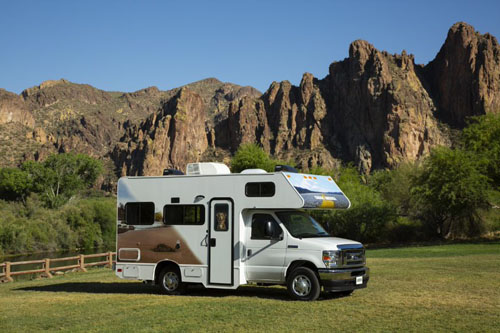
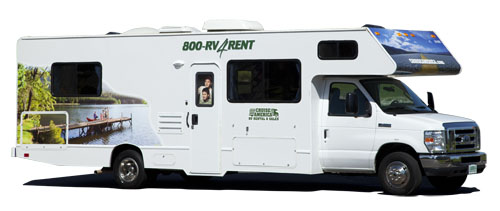
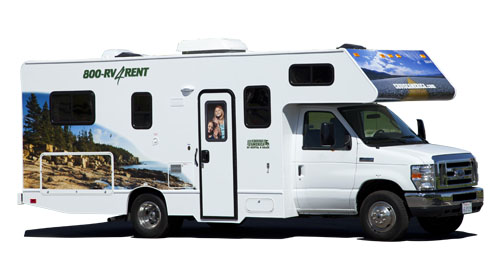
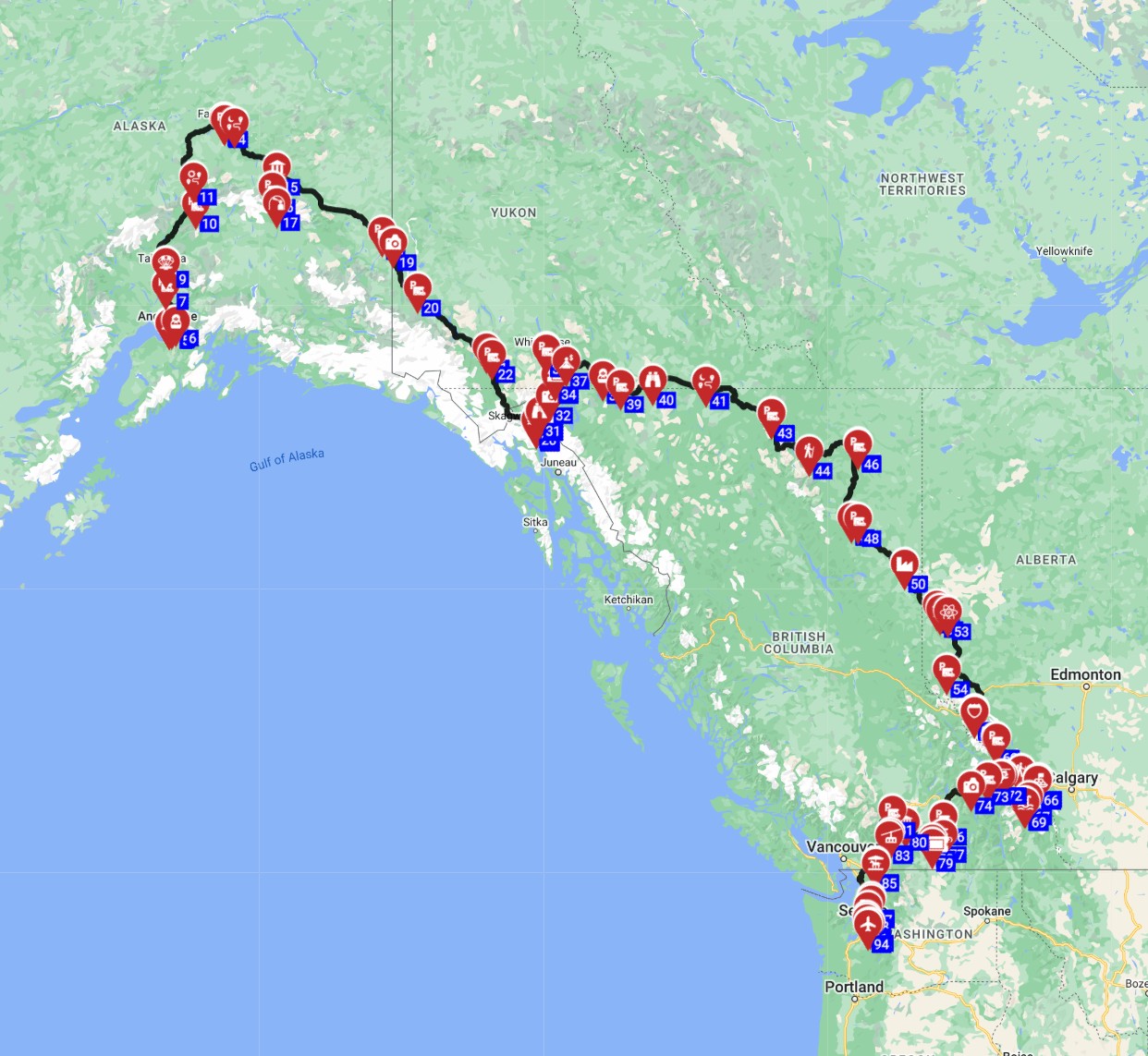
RV rental prices in Alaska during CurrentYear are dynamic, changing daily based on availability, demand, and the specific supplier's marketing decisions. April is typically the cheapest month for RV rental in Alaska, offering budget-friendly rates for early-season adventurers. For a 1-week trip, a compact campervan like the "alaska rv rental example Paradise S/T" (ideal for a couple) might range from $150-$250 per day in the shoulder season, while a larger Class C motorhome such as an "alaska rv rental example Category B" (ideal for families of 2+2) could cost $250-$400 per day. For bigger families or groups seeking more space and amenities, a large Class C, similar to an "rv rentals example Comfort Class" (ideal for a big family / group of friends), can range from $350-$600+ per day, especially during peak summer.
The total cost for a two-week RV trip in Alaska for a family of four, including the rental, estimated fuel, and typical campground fees, could range from $3,500 to $8,000+, heavily influenced by the chosen RV size, travel dates, and optional add-ons. Couples renting a smaller campervan, like a "Patagonia Camper 4x4 double cab" which is excellent for two, might budget $2,500-$5,000 for a two-week journey. A month-long family adventure in a spacious Class C motorhome, like those offered by Apollo or El Monte, could require a budget of $7,000-$15,000 or more, especially when considering extensive mileage and varying campground costs. Always compare final prices across suppliers to ensure full transparency, as what you see on Bandana RV is what you pay, with no surprise fees at pickup. On the routes offered through RV PLANET routes, you can itemize and track every expense along the way for easy budgeting.
Seasonal Pricing - Peak vs. Shoulder vs. Off-Season in Alaska
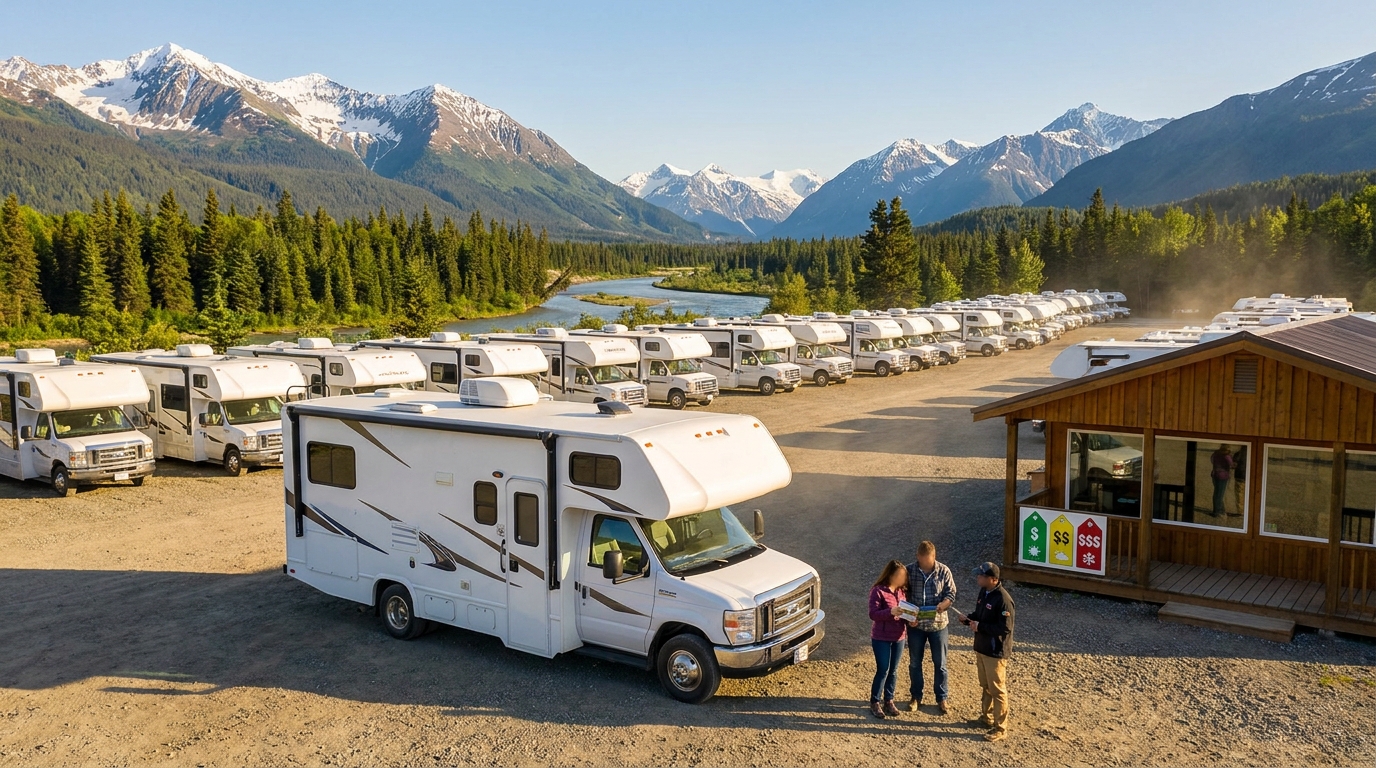
Seasonal demand significantly impacts RV rental prices in Alaska, with distinct pricing structures for different times of the year. Peak season, typically from July to August, sees the highest demand and therefore the highest daily rental prices, often reaching $350-$700+ for Class C motorhomes due to popular events like the salmon runs and optimal weather. Shoulder seasons, spanning May-June and September, offer a balanced experience with good weather and lower rental prices, usually 15-30% less than peak rates, making them an excellent choice for budget-conscious travelers. For example, a Class C motorhome that costs $400/day in July might be $280-$340/day in May.
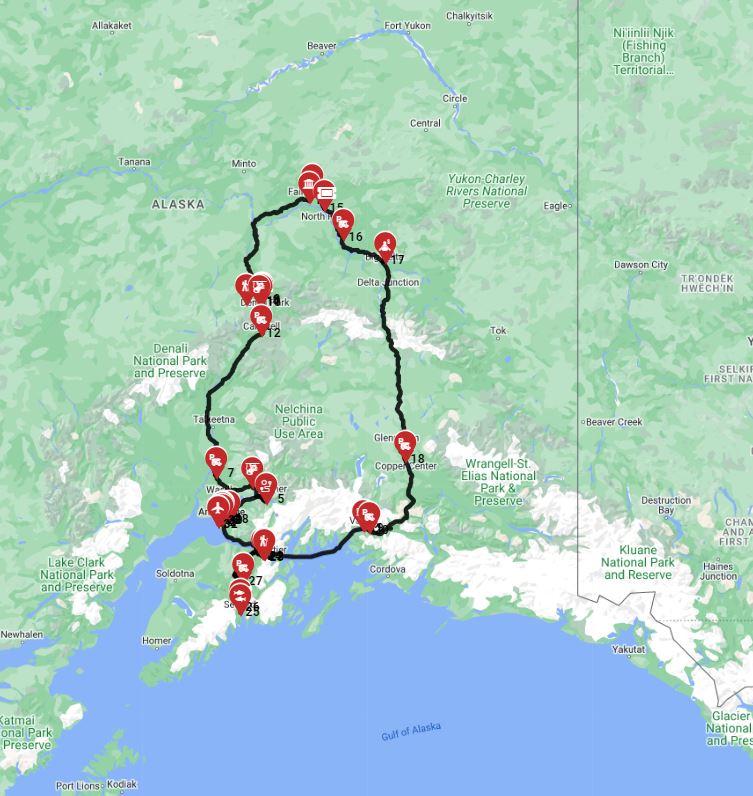
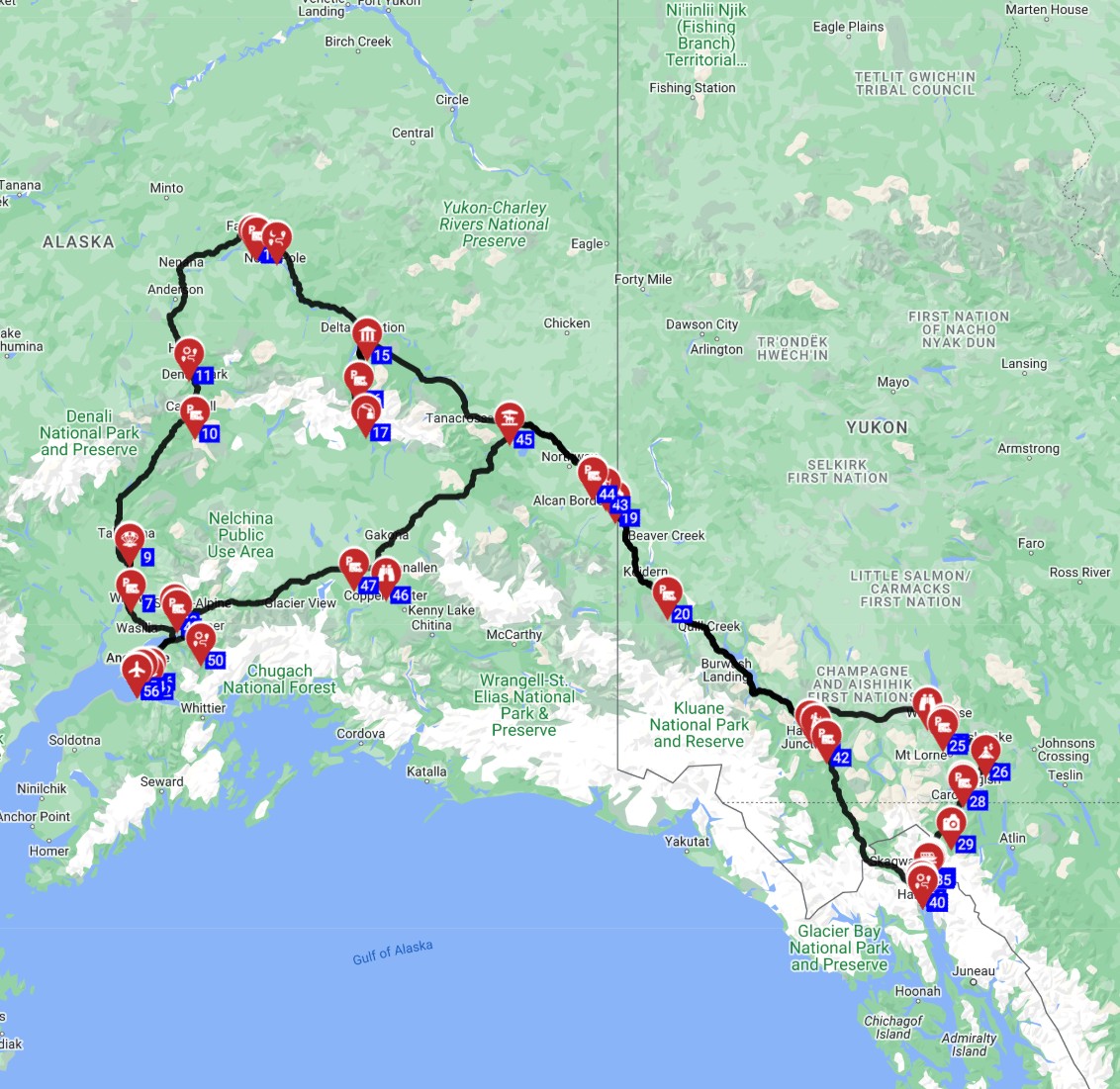
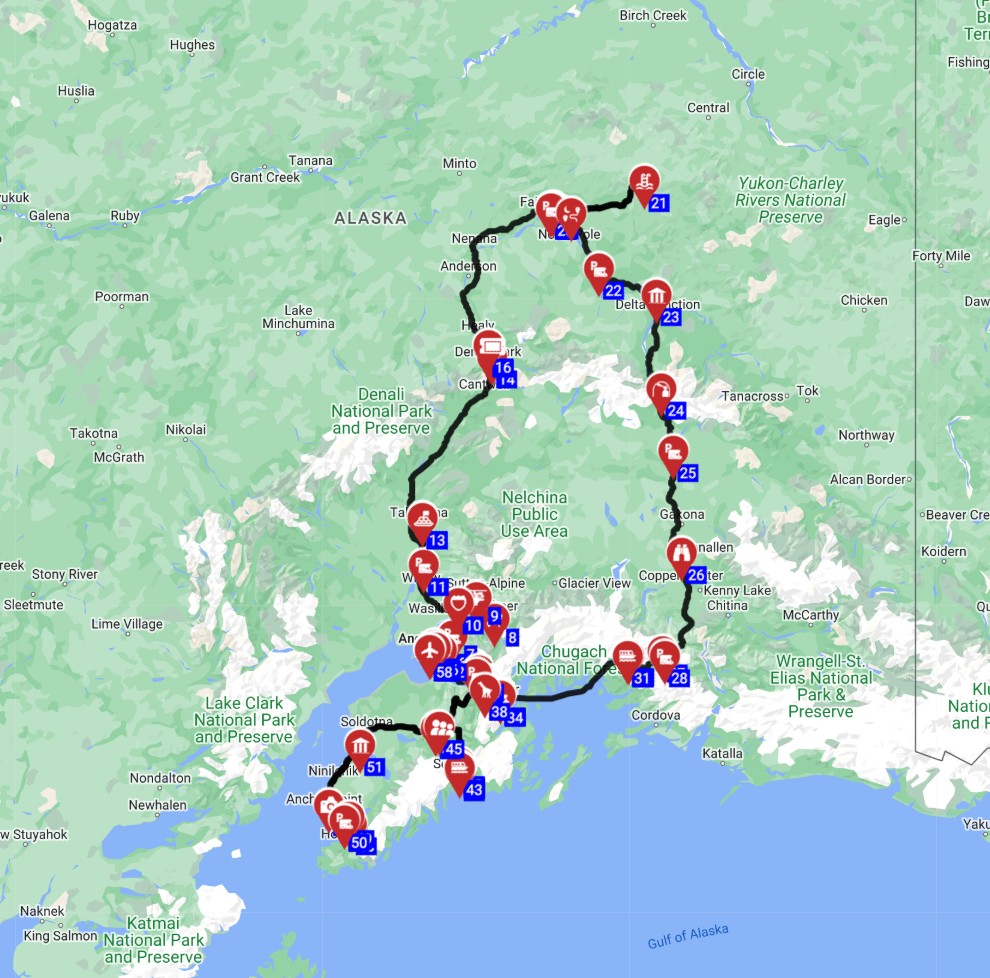
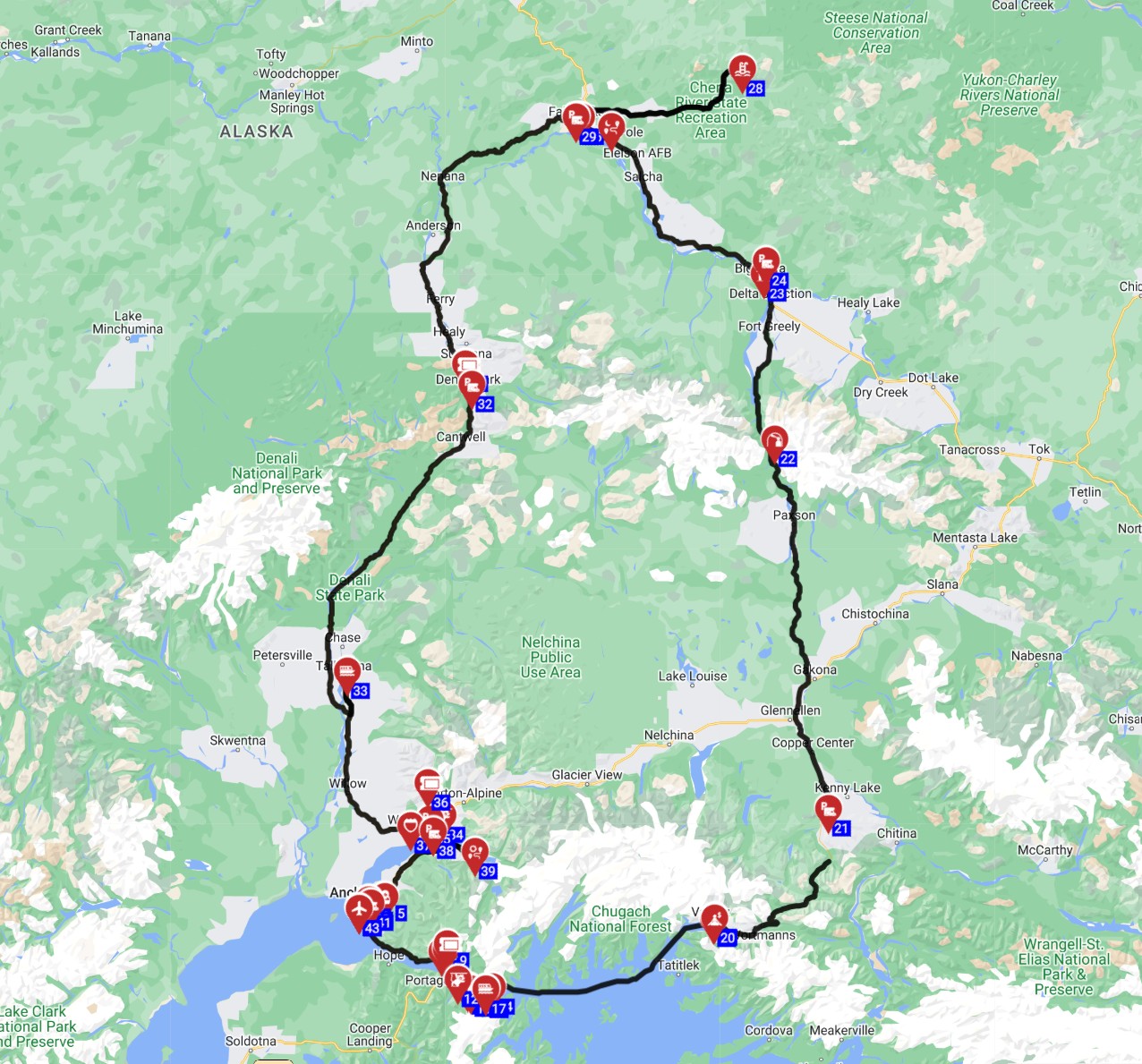
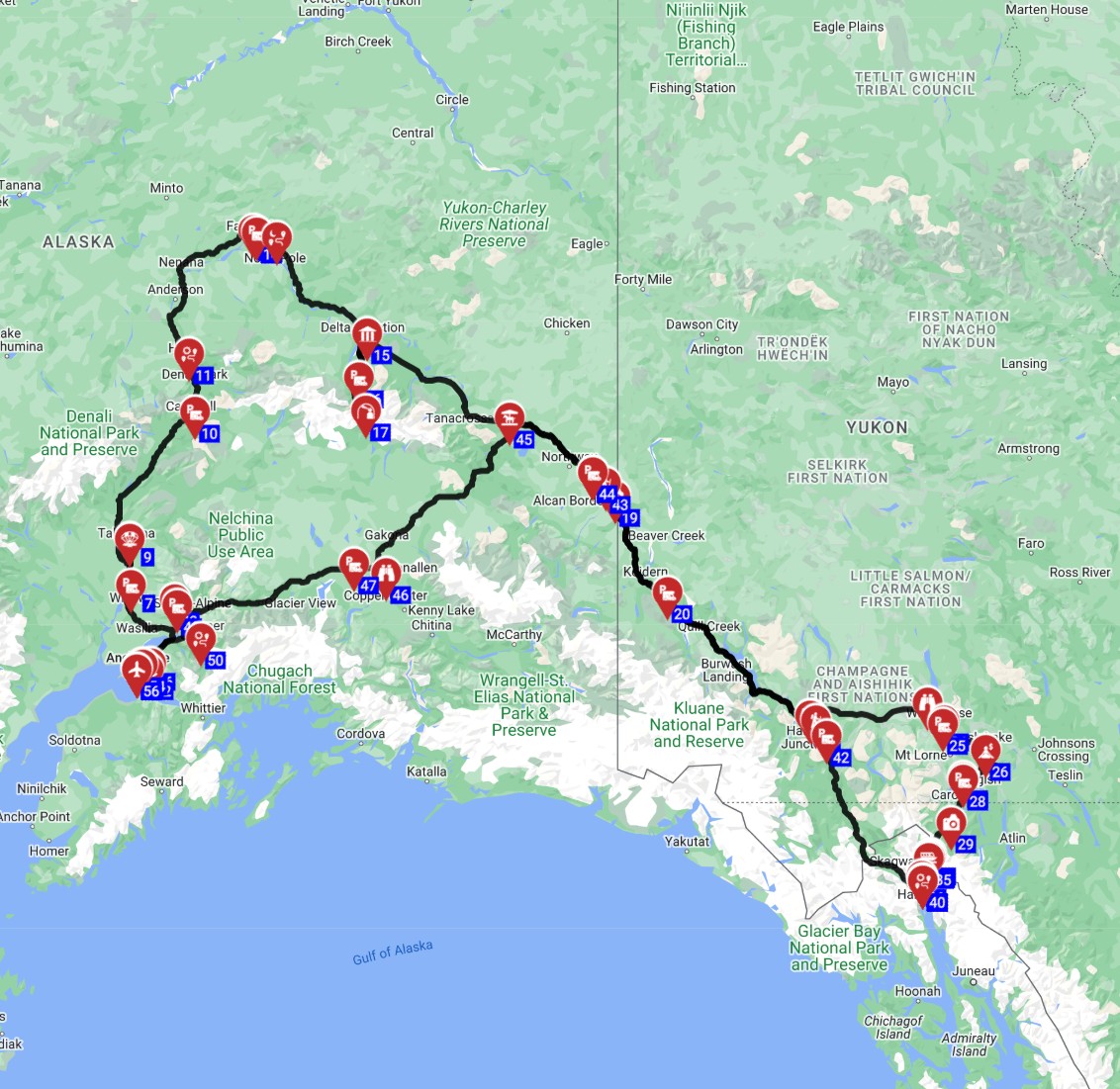
Off-season, from October to April, provides the lowest rental rates, sometimes dropping to $150-$250 per day for a Class C. However, travel during this period comes with limitations, including colder weather conditions, reduced campground services, and potential road closures, requiring careful planning and a winter-ready vehicle. Many local businesses, including some RV rental companies and campgrounds, operate on limited schedules or close entirely outside the summer months. For those looking to explore specific routes, understanding seasonal variations is critical; for example, the famous "
What's Included vs. What's an Add-On
Basic insurance is always included with RV rentals in Alaska, providing fundamental coverage for your peace of mind. Standard rentals typically include essential vehicle equipment, a propane tank (often full), and a certain amount of initial mileage (e.g., 100 miles per day), varying by supplier. For example, a Class C "Adak Argonaut 21 - Bronze" usually comes with a 122-liter fresh water tank and a 65-liter waste water tank, ready for immediate use.
Add-ons typically include comprehensive insurance tiers, offering options like top-level deductible reimbursement for extra peace of mind, which can range from $20-$50 per day. Other common additions are extra mileage packages (if you plan to exceed the daily allowance, which can be crucial for extensive Alaskan journeys averaging 100-150 km per day), generator usage fees (often $3-$8 per hour, important for boondocking), kitchen kits (pots, pans, utensils) and bedding sets (linens, towels), costing around $50-$150 per person or per kit. To see prices including the most comprehensive coverage, select that option during your search on Bandana RV, and all relevant insurance options will be displayed. These inclusions and add-ons vary by RV model and rental station, requiring verification for each specific booking, ensuring full transparency in your rental experience.
Hidden Costs to Budget For in Alaska
When planning your RV adventure in Alaska, beyond the rental fee, it is crucial to budget for several ancillary trip costs to avoid surprises. Fuel costs are a significant factor, averaging around $3.50-$5.00 per gallon (compared to the national average of $3.00-$4.00), and can be notably higher in remote Alaskan regions, where gas stations are sparse and prices may exceed $6.00 per gallon. Campsite fees vary widely, from free boondocking on Bureau of Land Management (BLM) and National Forest lands to $20-$50+ per night for full hookups at state or private campgrounds, with popular national park sites like Denali requiring reservations and fees around $30-$40 per night.
Dump station charges may apply (typically $5-$25) when you are not staying at a campground with included services, which is common if you are dry camping extensively. Tolls are rare in Alaska, but always check your specific route for any unexpected fees. Groceries can also be more expensive in Alaska due to transportation costs, so planning your meals and utilizing your RV's kitchen can lead to significant savings. Consider bringing non-perishable staples from home or purchasing them in larger cities. For finding campsites and campgrounds during your trip, we recommend using RV PLANET (rvplan.net) - a great resource for locating available spots along your route, where you can also itemize and track every expense for easy budgeting. Don't forget to check our RV-friendly recipes playlist for meal ideas on the road!
How to Save on RV Rental in Alaska
Savvy travelers can significantly reduce their RV rental costs in Alaska by adopting flexible strategies. Booking during shoulder seasons (April-May or September) for significantly lower daily rates, sometimes 15-30% below peak summer prices, is highly effective. Choosing a smaller RV class, such as a Class B campervan like the "alaska rv rental example Paradise S/T" or a compact Class C motorhome like an "Adak Argonaut 21 - Bronze", if it comfortably fits your group size (e.g., 2-4 people), will reduce both rental and fuel costs. These smaller vehicles are also more maneuverable on Alaska's varied roads. Opting for longer rental durations often decreases the average daily rate; a two-week adventure typically offers a better value per day than a single week. For example, some suppliers provide 10% discounts for rentals over 10 days.
Additionally, monitor flex-rate drops by checking prices frequently, especially if you have flexibility with your travel dates or RV type, as last-minute deals can sometimes appear. Pre-purchase toll usage or fuel packages if offered by the rental company, as these can provide convenience and potential savings over paying individual fees. While not commonly available with all rental types, inquiring about campground discount cards or loyalty programs, which some RV rentals include, could also help trim your budget on accommodation.
Is it cheaper to rent an RV or stay in a hotel?
Renting an RV can indeed be a more economical choice than staying in hotels for longer trips or larger groups traveling through Alaska. For a week-long or two-week adventure, an RV combines the costs of accommodation and transportation into a single, often lower, daily expense. With a rented motorhome, you also gain the flexibility to prepare your own meals, which can significantly cut down on restaurant expenses, especially with a full kitchen featuring a 3-burner gas stove and a 170-liter refrigerator like in the "rv rentals utah example Sunrise Escape" Class C.
While hotels offer amenities like daily housekeeping and on-site dining, their costs can quickly accumulate in popular Alaskan tourist destinations such as Anchorage, Fairbanks, or Denali National Park, where nightly rates can easily exceed $200-$300. When comparing, a full cost analysis should consider RV rental rates, fuel, campground fees, and groceries, versus hotel rates, car rental, and restaurant meals, where the RV often emerges as the more budget-friendly option for an immersive Alaskan experience.
Should I rent an RV in Alaska?
Renting an RV in Alaska is highly recommended for travelers seeking flexibility, immersive nature experiences, and convenient access to remote wilderness areas. Alaska's vast landscapes are best explored at your own pace, allowing you to linger at scenic viewpoints, spontaneously decide on a hiking trail, or chase wildlife sightings without being tied to hotel bookings. For families, a Class C motorhome with sleeping for 5 or 6, such as a "cruise america rv rental example Explorer", provides comfortable living space and amenities like a full kitchen and bathroom on the go.
The ability to pull over and cook a meal with a view, or camp near national parks and state parks, offers a profound connection to Alaska's natural environment. Be prepared for unique Alaskan road conditions, which can include extensive gravel sections on highways like the Dalton Highway (north of Fairbanks) or McCarthy Road (near Chitina), and dramatic frost heaves. Driving a rented motorhome allows you to carry all your essentials, from warm gear to camera equipment, ensuring you are ready for any adventure. For more specific insights on navigating these roads, consider reading our "First-Time RV Driving in Alaska - Beginners Guide 2026".
Can I park my RV anywhere in Alaska?
While Alaska offers numerous opportunities for boondocking (free, dispersed camping) on public lands, it is not permissible to park an RV just anywhere; specific regulations govern parking on public, private, and municipal properties. Designated campgrounds, including both public (state, national forest, BLM) and private facilities, are the safest and most legal places to park overnight, often providing amenities like fresh water and dump stations. Boondocking is generally allowed on Bureau of Land Management (BLM) and National Forest lands in Alaska, but requires adherence to Leave No Trace principles, responsible waste disposal, and checking local regulations for fire restrictions and stay limits (often 14 days).
For navigating remote areas, being self-sufficient is key; ensure your rented RV has ample fresh water capacity (e.g., a "MH-A" Class A motorhome can have a 167-liter fresh water tank) and a working generator if you plan to dry camp for extended periods. Parking is strictly prohibited on private land without explicit permission, and city ordinances frequently restrict overnight parking on urban streets, in retail parking lots, or at trailheads without proper permits. Always research specific locations in advance using resources like RV PLANET (rvplan.net) to understand camping rules, bear safety protocols, and ensure you have emergency communication methods (like a satellite messenger) when venturing into areas with limited cell service. Remember to always respect wildlife and maintain a clean campsite to protect Alaska's pristine environment.
What is the average rental cost of an RV?
The average rental cost for an RV in Alaska varies significantly by class, season, and duration, but typically ranges from $150 to $400 per night before additional fees. For instance, a smaller Class B campervan, ideal for a couple, might average $170-$300 per night, while a mid-sized Class C motorhome like an "Adak Argonaut 23 - Gold" (sleeping 4-5) usually falls into the $250-$450 per night range. Larger Class A motorhomes or luxury Class C models for big families, such as the "Denali Searcher 30 - Gold", often command $400-$700+ per night during peak demand.
Peak season (July-August) can see daily rates increase by 30-50% compared to shoulder or off-season months. The total cost also depends on crucial factors like mileage packages, insurance coverage upgrades (like top-level deductible reimbursement), and add-on amenities selected, such as kitchen kits or bedding. Keep in mind that prices are dynamic and can change daily based on supplier availability and demand, so checking current rates frequently through Bandana RV's comparison platform is recommended.
What is the cheapest price for an RV rental in Alaska?
The cheapest prices for an RV rental in Alaska are typically found during the shoulder seasons, particularly April or September, when daily rates can be 15-30% lower than summer peaks. For example, a compact Class B campervan, like the "alaska rv rental example Paradise Family 5", might be available for as low as $150 per day during these months, whereas a mid-sized Class C "alaska rv rental example Category C" could start from $250 per day. Smaller vehicles often offer the lowest base rates.
Booking well in advance, 3-6 months out, can also yield lower prices and better availability, especially for popular models. Conversely, looking for last-minute deals may sometimes present discounted rates, though availability will be limited. Selecting an RV with minimal add-ons, choosing lower mileage packages, and being flexible with your travel dates and RV type are key strategies to securing the most budget-friendly options for your Alaskan adventure. Comparing prices across various reputable suppliers like El Monte and Cruise America on Bandana RV ensures you find the best value.
What's the cheapest state to buy an RV in?
The cheapest state to *buy* an RV is typically less about the state itself and more about factors like low sales tax, minimal registration fees, and the overall used market availability within that state. Popular RV destinations with high turnover, such as Florida or Arizona, often have larger inventories of used RVs, which can lead to more competitive prices. However, for most travelers planning a temporary trip to Alaska, purchasing an RV solely for that purpose is generally not cost-effective; renting provides a significantly more practical and budget-friendly solution.
Renting an RV in Alaska eliminates the long-term commitment, maintenance costs, storage fees, and depreciation associated with ownership. It also allows you to try different vehicle types, from a nimble campervan to a spacious Class C motorhome like an "rv rental atlanta example Eclipse Camper", to find what best suits your travel style without the upfront investment. Bandana RV specializes exclusively in RV rentals for vacation travelers, making it simple to find the perfect temporary home on wheels for your Alaskan journey without the complexities of RV ownership.
What is the 3-3-3 rule for RVs and campers?
The '3-3-3 rule' for RVs and campers is a popular guideline that suggests you should travel no more than 300 miles (approximately 480 km) a day, arrive at your destination by 3 PM, and stay for at least 3 nights in each location. This rule promotes a more relaxed and enjoyable travel experience, allowing ample time to immerse yourself in each destination, avoid driving fatigue, and set up your campsite without rushing. For example, on a route like the "
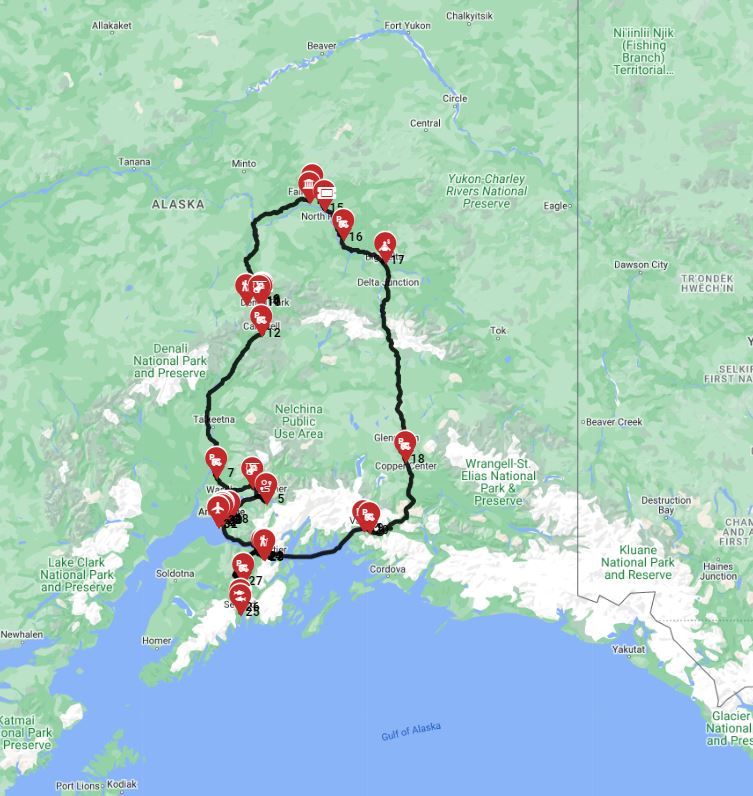
Adhering to the 3-3-3 rule is particularly beneficial in Alaska, where scenic drives, abundant wildlife viewing opportunities (like moose or caribou), and varying road conditions (including gravel roads and potential frost heaves) often warrant a slower pace. Arriving by 3 PM ensures you can secure a good campsite, especially in popular national or state parks during peak season, as many operate on a first-come, first-serve basis for 70-75% of their spots. By embracing this slow travel philosophy, you truly take time to feel the place, connect to the culture, the food, and the scenery, making your rented RV adventure in Alaska much more rewarding.
How much does an Alaskan camper cost?
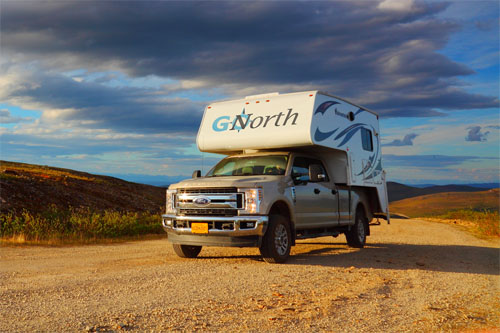
The term 'Alaskan camper' can refer to a specific brand of pop-up truck camper, known for its robust design for challenging terrains, or generally to any recreational vehicle well-suited for Alaska's unique conditions. Purchasing a new Alaskan brand camper can range from $20,000 to over $40,000, but for travelers visiting for a vacation, renting a suitable truck camper or a compact motorhome is far more practical and cost-effective. For a rental, truck campers, often 4x4 models like the "Patagonia Camper 4x4 double cab" (ideal for a couple), are excellent choices for navigating Alaska's diverse terrain, including some gravel roads and remote trails.
Rental costs for a truck camper in Alaska can typically range from $150-$250 per night, depending on the season and specific model, offering a versatile and maneuverable option for off-grid camping. These vehicles, including a variety of Class B campervans like the "rv rental denver example Category Van", often feature essentials like a sleeping area, a basic kitchen with a refrigerator, and sometimes a toilet or shower, making them ideal for adventurers who prioritize agility and a rugged travel experience. Always verify specific features and capacities when booking to ensure your chosen camper meets your needs.
What is the cheapest way to rent an RV?
The cheapest way to rent an RV in Alaska involves a combination of smart planning and flexibility. Booking during shoulder seasons (April-May or September) is paramount, as daily rates for a Class C motorhome like an "alaska rv rental example Category B" can be 15-30% lower than peak summer. Choosing smaller RV classes, such as compact Class B campervans or truck campers designed for agility, will not only reduce the base rental price but also significantly cut down on fuel consumption, a major ancillary cost in Alaska.
Opting for longer rental durations, typically one week or more, often results in a lower average daily rate; for example, a two-week rental might offer a 5-10% discount compared to two separate week-long bookings. Utilizing comparison platforms like Bandana RV allows you to compare prices across multiple reputable suppliers simultaneously, helping you find the best deals. Finally, flexibility with your exact travel dates and pickup/drop-off locations can help you capitalize on special offers or one-way relocation deals that may become available, although these are less common in Alaska than in the lower 48 states.
How much to rent RV for 1 week?
The cost to rent an RV for one week in Alaska typically ranges from $1,050 to $2,800, depending on the RV class, time of year, and included amenities. For instance, a compact Class B campervan, like the "rv rental seattle example ERA VAN" (sleeping 2-3), might cost $1,050-$1,750 for a seven-day rental during the shoulder season. A mid-sized Class C motorhome, perfect for a family of four, such as the "cruise america rv rental example Explorer" (sleeping 4), would likely fall into the $1,750-$3,150 range for a week.
Larger Class A or Class C motorhomes designed for bigger groups or luxury experiences, including models with slide-outs like the "rv rentals utah example Sunrise Escape" (sleeping 5), could cost $2,450-$4,900+ for a week. These estimates usually exclude additional costs such as mileage fees (often $0.35-$0.75 per mile), insurance upgrades (an optional top-level deductible for peace of mind), and generator usage, which can add $50-$150 to a week's budget. Planning your week-long trip, like the "
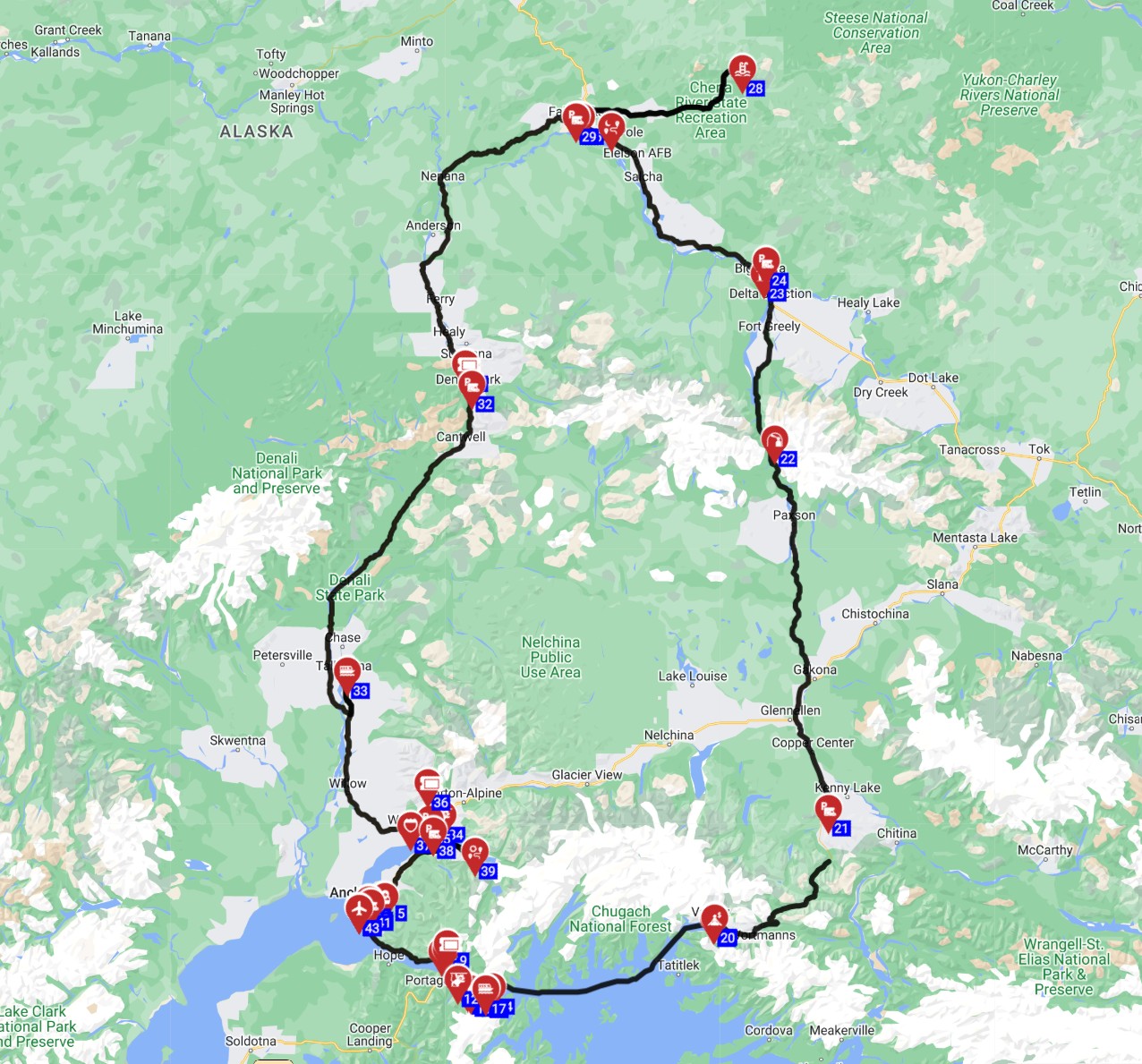
What You Shouldn't Miss
Looking for expert insights from Avi Bandana? Top 5 Adventures - recommendations from Avi Bandana:
- Denali National Park: While the full Park Road is mostly restricted to shuttle buses, experiencing Denali's iconic wildlife and the towering peak of Denali itself from your RV at Savage River Campground (mile 15) is a must. The National Park Service website provides essential information on permits and bus tickets.
- Kenai Fjords National Park: Explore the dramatic coastal landscape near Seward. Rent a motorhome and drive to the Exit Glacier area for hiking, or take a scenic boat tour from the harbor to see glaciers calve and marine wildlife up close.
- The Alaska Highway: Embark on an epic journey along this historic route, whether you start in Fairbanks or drive a section from the Yukon. It's a true road-tripping classic, best enjoyed with a slow travel pace of 100-150 km per day.
- Fairbanks and the Arctic Circle: Drive a rented motorhome north from Fairbanks towards the Arctic Circle, offering incredible opportunities to witness the Midnight Sun in summer or the Northern Lights in winter. Just be prepared for the remote nature of the journey.
- Valdez: Known as "Little Switzerland," this charming town offers stunning fjord views, tidewater glaciers, and excellent opportunities for sea kayaking or glacier hiking. The drive along the Glenn Highway and Richardson Highway to Valdez is incredibly scenic, passing numerous waterfalls and glacier viewpoints.
Final Thoughts
Exploring Alaska in a rented RV offers an unmatched sense of freedom and adventure, allowing your family to create cherished memories amidst breathtaking natural wonders. From the dynamic costs influenced by seasons and vehicle types to the unique challenges and incredible rewards of Alaskan roads, we hope this guide has provided you with the confidence to plan your ultimate road trip. Remember, whether you're a meticulous pre-planner or a spontaneous adventurer, the beauty of Alaska awaits, and with common sense and careful attention, you can drive almost anywhere without issues.
At Bandana RV, we're with you from the moment you start dreaming to the minute you book, offering full transparency and unwavering support. So, go ahead, get inspired, and compare Motorhome Prices for Alaska now. Your family's incredible Alaskan journey starts here!