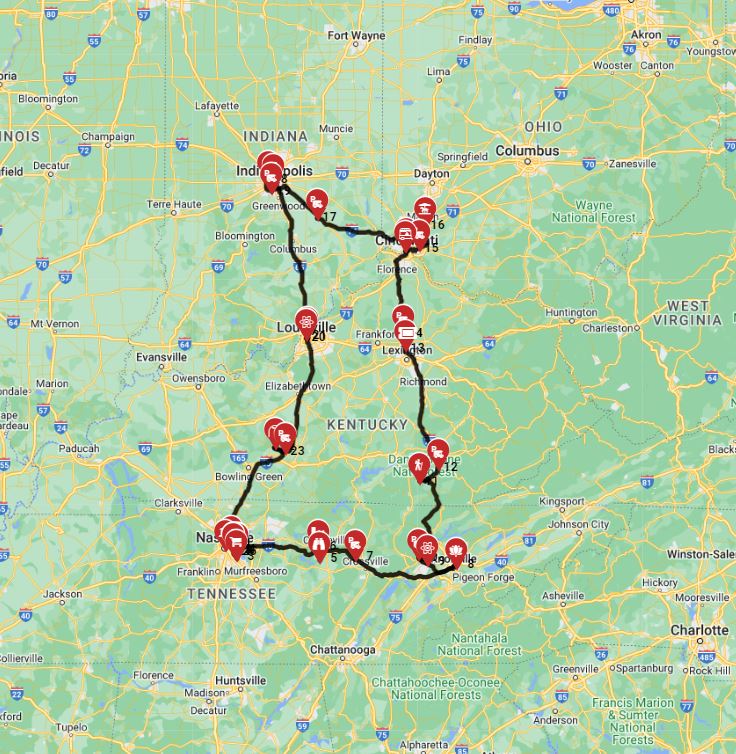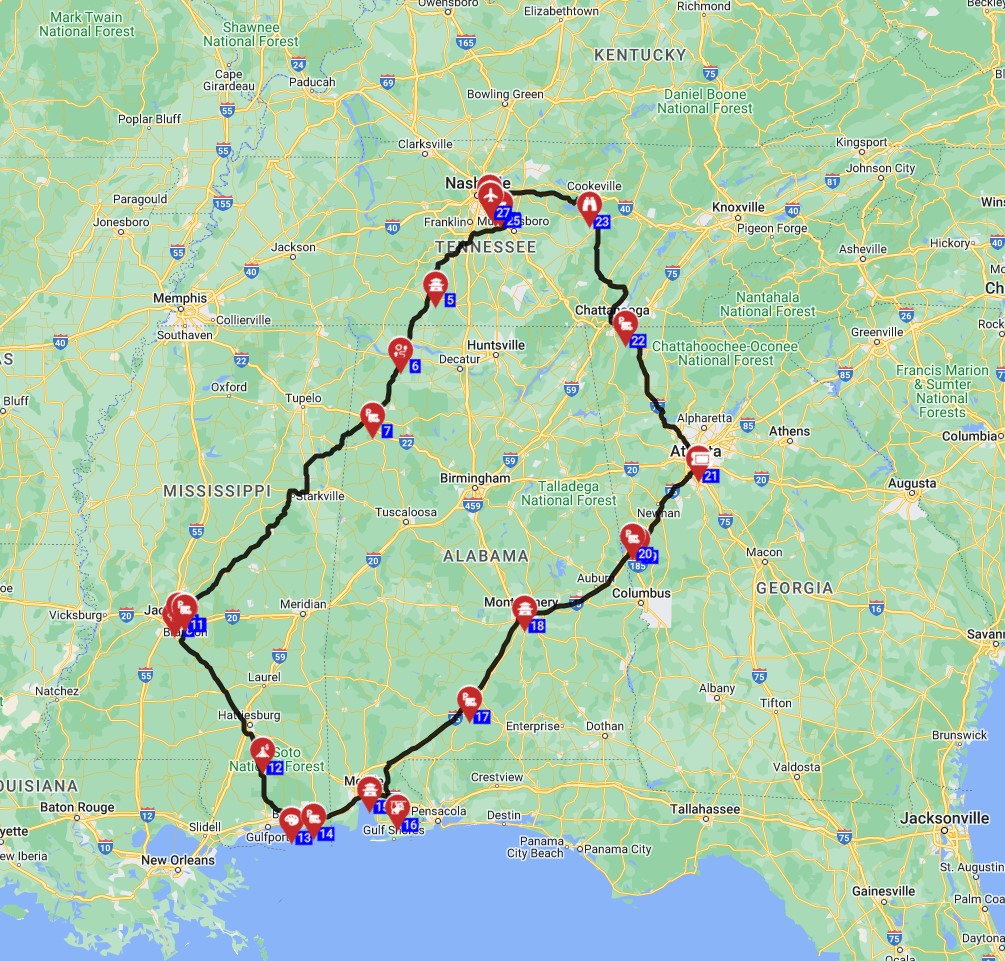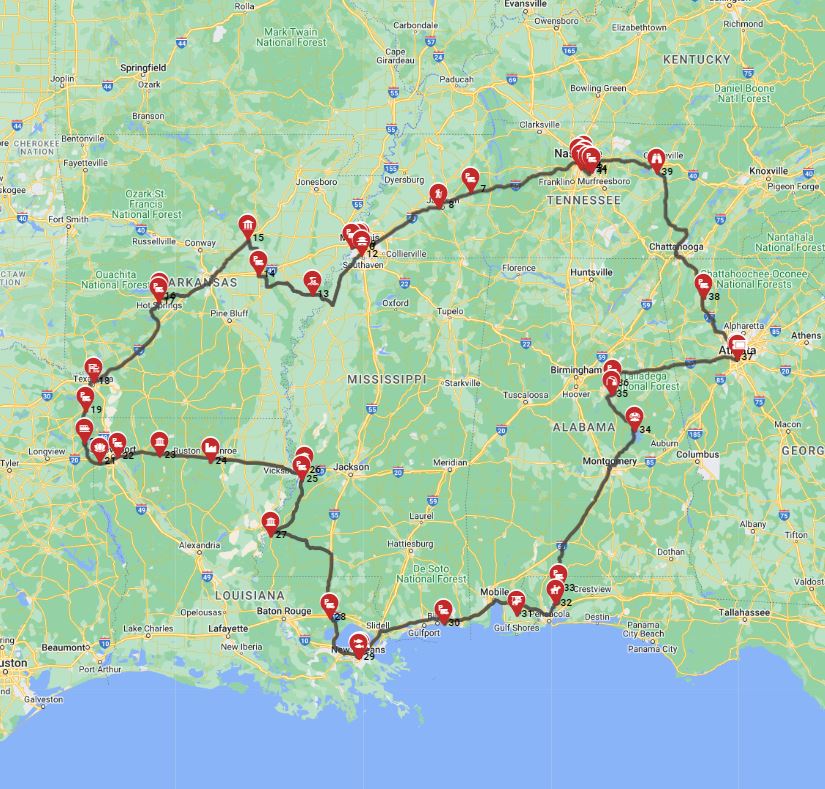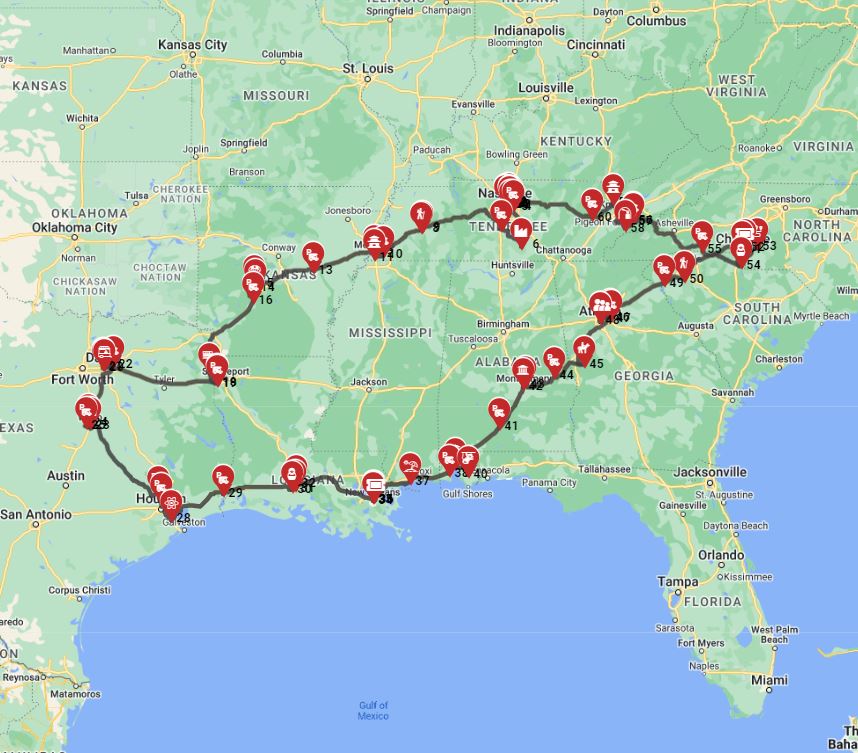
In This Guide
- Best Tennessee RV Itinerary for family rv rental — Overview
- 7-Day Classic Route in Tennessee
- 14-Day Extended Journey in Tennessee
- Recommended RVPlan Trip for Tennessee
- Must-See Stops Along the Way (Avi Bandana Picks)
- Daily Driving Distances & Drive Times in Tennessee
- Best RV Class for This Itinerary — Couple & Family Picks
- How much does it cost to rent an RV in Tennessee for a week?
- What is the best month to RV in Tennessee?
- What is the cheapest way to RV in Tennessee?
- Where can I RV camp for free in Tennessee?
- Can you live in an RV in Tennessee?
- Is it hard to drive an RV in Tennessee?
- Do you need a special license to drive an RV in Tennessee?
- Is Tennessee pet friendly for RV?
Best Tennessee RV Itinerary for family rv rental — Overview
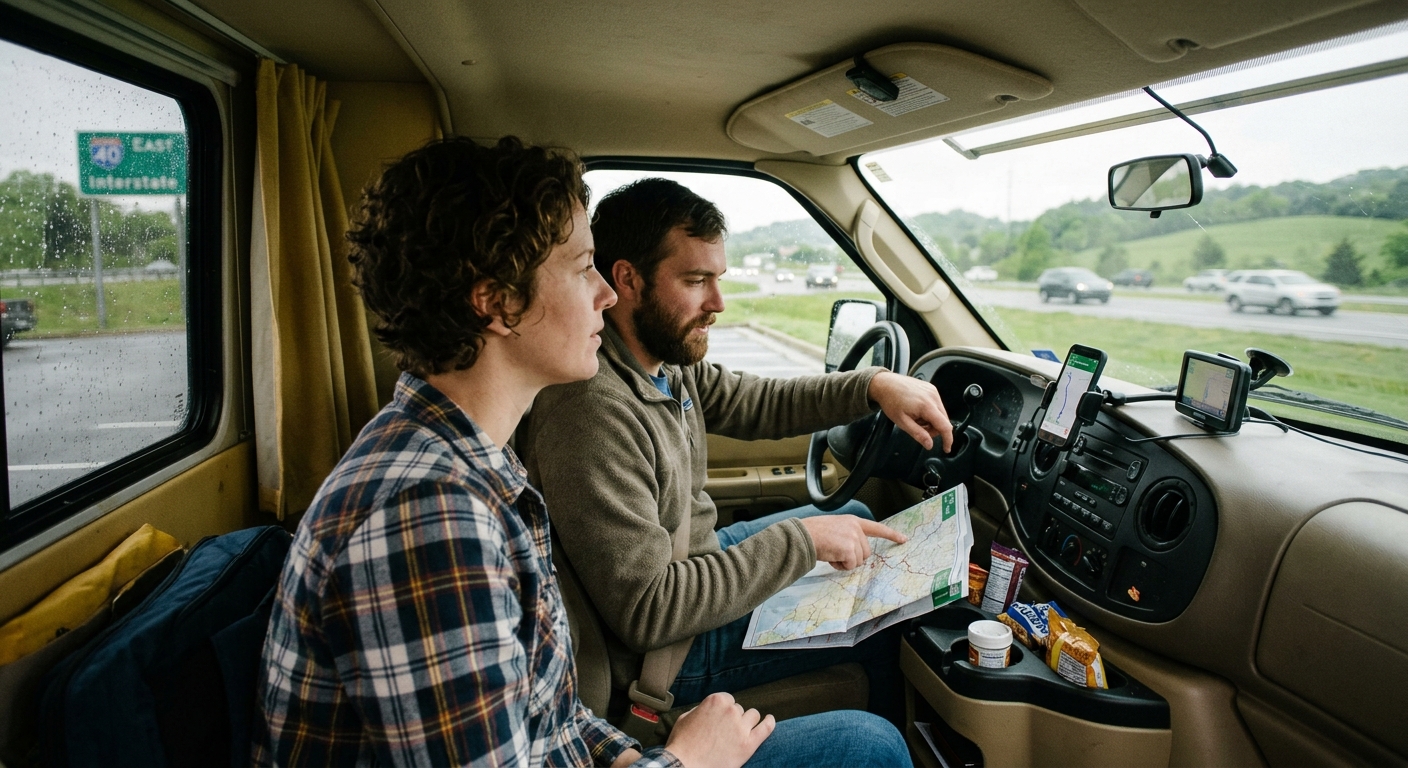
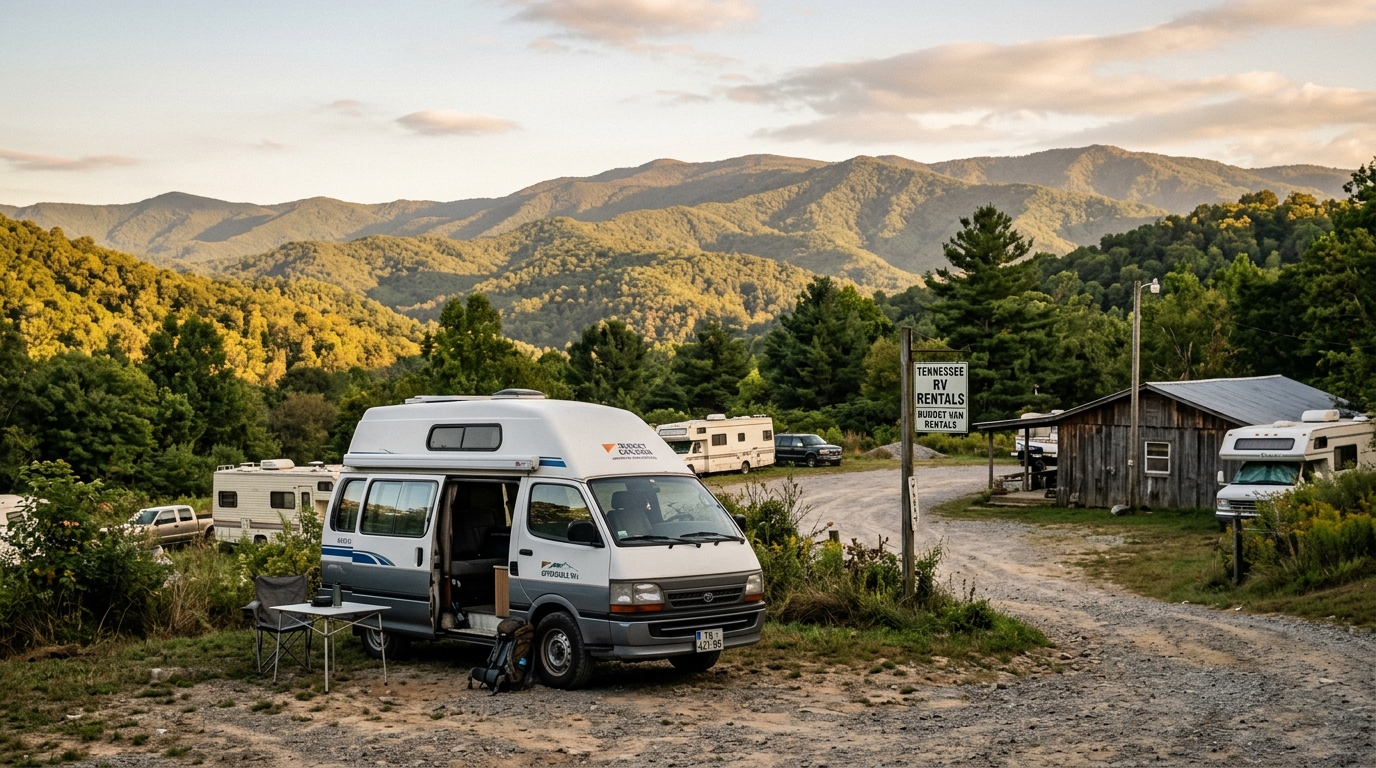
A Tennessee RV family adventure blends vibrant music cities with stunning natural landscapes, offering something for every age. A minimum 7-day trip is recommended for a focused experience, with 14 days allowing for a comprehensive cross-state journey. Total mileage for a 7-day central Tennessee loop is approximately 370 miles (595 km). The best seasons are Spring (April-May) for wildflowers and mild weather, and Fall (September-October) for spectacular foliage and comfortable temperatures. For live availability and current prices, start with our RV Rental Tennessee - Complete Guide 2026 guide.
7-Day Classic Route in Tennessee
This 7-day itinerary focuses on a relaxed pace through Central Tennessee, respecting Avi Bandana's recommendation of a maximum 100 miles (150 km) per day. Travel slowly, max 100-150 km per day on average. Take time to feel the place, connect to the culture, the food, and the scenery.
Day 1: Nashville → Edgar Evins State Park (approx. 70 miles/110 km). Highlight: Country Music Hall of Fame (morning), then lakeside camping. Sleep: Edgar Evins State Park Campground.
Day 2: Edgar Evins State Park → Fall Creek Falls State Park (approx. 50 miles/80 km). Highlight: Explore Fall Creek Falls, Tennessee's tallest waterfall. Sleep: Fall Creek Falls State Park Campground.
Day 3: Fall Creek Falls State Park → Rock Island State Park (approx. 30 miles/48 km). Highlight: Kayaking or hiking to Twin Falls. Sleep: Rock Island State Park Campground.
Day 4: Rock Island State Park → Lynchburg (approx. 80 miles/130 km). Highlight: Jack Daniel's Distillery tour, charming small-town exploration. Sleep: Tims Ford State Park (nearby).
Day 5: Lynchburg → Franklin (approx. 60 miles/95 km). Highlight: Historic Downtown Franklin, Civil War battlefields. Sleep: Franklin RV Park or nearby private campground.
Day 6: Franklin → Montgomery Bell State Park (approx. 40 miles/65 km). Highlight: Enjoy hiking, fishing, or golfing at the state park. Sleep: Montgomery Bell State Park Campground.
Day 7: Montgomery Bell State Park → Nashville (approx. 40 miles/65 km). Highlight: Visit The Parthenon or explore Music Row before returning your RV.
14-Day Extended Journey in Tennessee
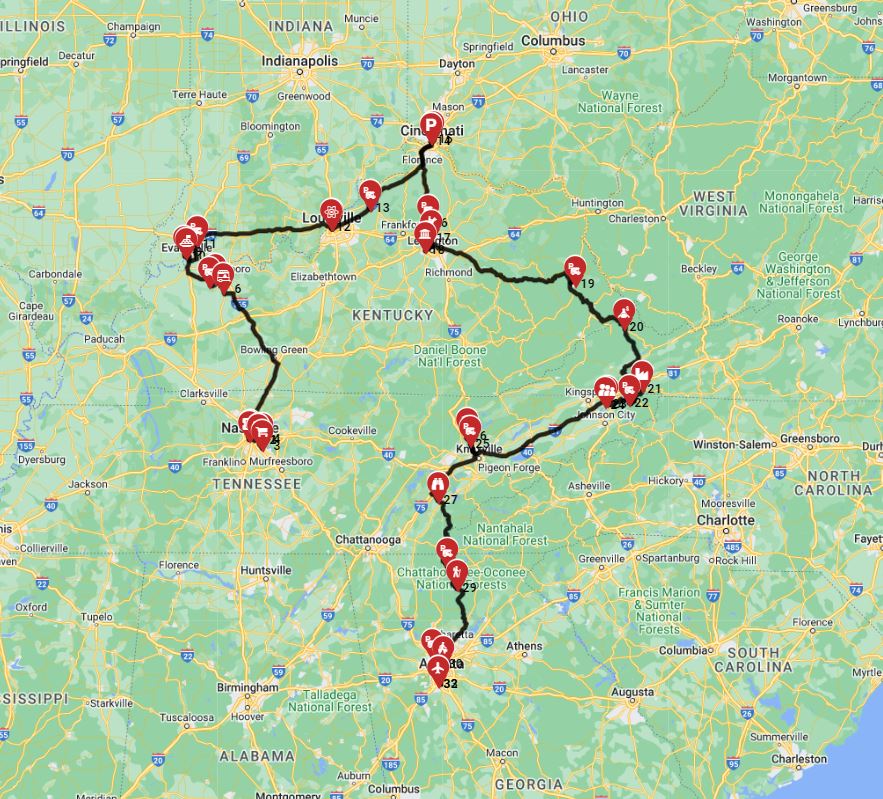
This extended 14-day itinerary offers a comprehensive exploration of Tennessee, from its eastern mountains to its western blues, maintaining a relaxed daily driving distance for optimal enjoyment. Remember to travel slowly, max 100-150 km per day on average, to truly savor each destination.
Days 1-2: Nashville & Middle Tennessee. Explore Ryman Auditorium, Grand Ole Opry, The Parthenon, and local eateries. Sleep: Nashville area RV Park (e.g., Nashville KOA).
Day 3: Nashville → Fall Creek Falls State Park (approx. 100 miles/160 km). Begin with a scenic drive to the waterfalls. Sleep: Fall Creek Falls State Park Campground.
Day 4: Fall Creek Falls State Park → Chattanooga (approx. 60 miles/95 km). Highlights include Lookout Mountain, Ruby Falls, and the Tennessee Aquarium. Sleep: Raccoon Mountain Caverns & Campground.
Day 5: Chattanooga → Great Smoky Mountains National Park (Townsend/Cades Cove entrance) (approx. 100 miles/160 km). Enjoy a scenic drive into the mountains, exploring the Cades Cove Loop. Sleep: Cades Cove Campground (NPS) or nearby.
Days 6-7: Great Smoky Mountains NP / Gatlinburg / Pigeon Forge. Explore Clingmans Dome, the Gatlinburg Arts & Crafts Community, Dollywood, and numerous hiking trails. Sleep: Private RV Park near Pigeon Forge/Gatlinburg.
Day 8: Pigeon Forge → Knoxville (approx. 40 miles/65 km). Visit World's Fair Park, the Sunsphere, and explore downtown Knoxville. Sleep: Volunteer Park RV (near Knoxville).
Day 9: Knoxville → Cookeville / Cummins Falls (approx. 80 miles/130 km). Visit Cummins Falls State Park (requires a hike to the falls base). Sleep: Edgar Evins State Park (nearby).
Day 10: Cookeville → Loretta Lynn's Ranch (Hurricane Mills) (approx. 60 miles/95 km). Tour the iconic country music legend's ranch. Sleep: Loretta Lynn's Ranch Campground.
Day 11: Loretta Lynn's Ranch → Natchez Trace Parkway (Hohenwald area) (approx. 80 miles/130 km). Drive a portion of the historic Natchez Trace Parkway and visit the Meriweather Lewis site. Sleep: Meriweather Lewis Campground (USFS).
Day 12: Hohenwald → Shiloh National Military Park (approx. 80 miles/130 km). Explore the Civil War battlefield and historic sites. Sleep: Pickwick Landing State Park (nearby).
Day 13: Shiloh → Memphis (approx. 100 miles/160 km). Begin exploring Memphis: Graceland, Beale Street. Sleep: Memphis KOA or RV Park.
Day 14: Memphis. Continue exploring Beale Street and the National Civil Rights Museum. Return RV to a local depot, or plan for a longer return drive to Nashville, acknowledging it will exceed the daily average mileage recommendation for a truly relaxed pace.
Recommended RVPlan Trip for Tennessee
As no specific RVPlan data was provided, we recommend exploring Bandana's diverse range of pre-planned RV trips through our 'Rent & Plan' service. For finding campsites and campgrounds during your trip, we recommend using RV PLANET (rvplan.net) — a great resource for locating available spots along your route. These expert-crafted itineraries remove planning headaches, offering detailed routes, campsite suggestions, and activities tailored to your interests, ensuring a smooth and enjoyable Tennessee adventure.
Discover top destinations, planning tips, all in one place!
Must-See Stops Along the Way (Avi Bandana Picks)
Avi Bandana's philosophy for memorable RV trips centers on experiencing authentic local culture, unique culinary delights, and engaging with the natural landscape. For live availability and current prices, start with our Family RV Rental in Tennessee - Pricing Guide 2026 guide.
Traditional Visits: In Nashville, don't miss iconic music history at the Ryman Auditorium or the Country Music Hall of Fame. For a touch of history, Shiloh National Military Park offers a powerful look into the Civil War.
Traditional Restaurants: Seek out true Southern comfort food—try Nashville's famous hot chicken or savor authentic Memphis barbecue. Local diners often provide the best hidden gems.
Local Markets: Visit farmers' markets in towns like Franklin or Knoxville for fresh, local produce, artisan crafts, and a taste of community.
Local Industry: Take a tour of the Jack Daniel's Distillery in Lynchburg for a deeper dive into Tennessee's distilling heritage.
Get inspired for your next trip!
Daily Driving Distances & Drive Times in Tennessee
Avi Bandana recommends a maximum of 100 miles or 150 km per day on average for an RV trip in Tennessee. This slower pace allows families to fully experience each destination, enjoy scenic detours, and avoid travel fatigue, enhancing the overall RV adventure.
Example 1: Nashville to Chattanooga is approximately 130 miles (210 km), typically taking 2.5-3 hours of driving.
Example 2: Chattanooga to Gatlinburg (via US-27 N and US-321 S) is about 100 miles (160 km), requiring around 2-2.5 hours of driving.
Example 3: Memphis to Nashville, at approximately 210 miles (340 km) and 3.5-4 hours of driving, is a longer leg best suited for a dedicated travel day or the final return, exceeding the daily average recommendation for a truly relaxed pace.
Best RV Class for This Itinerary — Couple & Family Picks
Bandana's 'Rent & Plan' service not only provides a wide range of RVs but also helps you pair the perfect vehicle with expert-crafted itineraries, removing the planning headache. Plan a trip itinerary in advance with minimal effort and maximum enjoyment.
Couple Pick: Class B - Camper Van
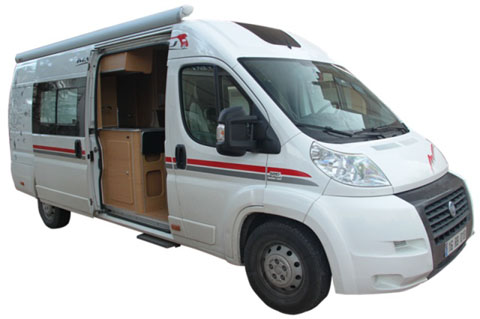
For a couple exploring Tennessee, a Class B - Camper Van is an ideal choice, offering exceptional maneuverability and fuel efficiency. Bandana's global fleet average for Class B camper vans is 5.8 meters in length, making them easy to navigate through city traffic like Nashville or winding mountain roads in the Great Smoky Mountains. With an average of 3.2 sleeping places, a couple enjoys comfortable living with extra space, and typical fuel consumption is around 10 Liter / 100 Km.
Family Pick: Class C - Alcove
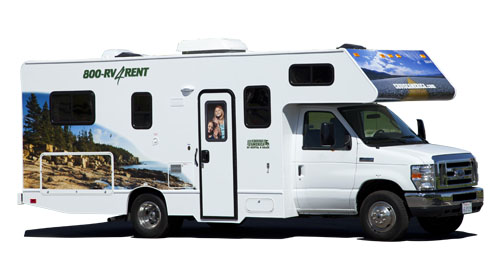
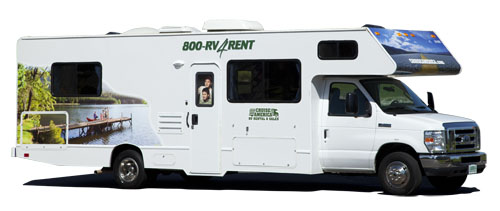
For families, a Class C - Alcove motorhome provides the perfect blend of space, comfort, and ease of driving for a Tennessee adventure. These RVs, averaging 7.5 meters in length, comfortably accommodate families with an average of 5.8 sleeping places (ideal for 4-5 adults, based on Bandana's global fleet data). The alcove design offers an additional sleeping area, perfect for children, and while larger than a Class B, they remain relatively easy to drive. Bandana's global fleet average for Class C motorhomes typically sees fuel consumption between 10 – 12 Liter/100 km, balancing size with reasonable operating costs.
Find family rv Rentals in Tennessee.
How much does it cost to rent an RV in Tennessee for a week?
Typically, weekly RV rental prices in Tennessee range from $700-$1,500 for smaller campervans up to $2,000-$3,500+ for larger Class A or C motorhomes during peak season, influenced by factors like RV class, season, and advance booking.
Factors influencing cost: RV class (Class B is generally cheapest, Class A is most expensive); season (peak summer is highest, spring/fall are moderate, winter is lowest); rental duration (weekly rates are often discounted compared to daily); amenities (luxury features increase cost).
Additional costs: Budget for insurance (often mandatory), mileage fees, fuel (consider an RV's common fuel consumption, e.g., Bandana's Class C averages 10-12 Liter/100 km), campground fees, and potential pet fees or dump station charges. For finding RV rental costs and best deals in Tennessee, check out RV Rental in Tennessee - Prices and Best Deals 2026. On the routes offered through RV PLANET routes, you can itemize and track every expense along the way for easy budgeting.
Budget tip: Booking several months in advance can secure better rates, especially for popular RV classes and peak travel times.
How much does a 1-week / 2-week / 1-month family rv trip cost in Tennessee? Get a realistic cost breakdown using our tools.
What is the best month to RV in Tennessee?
The best months to RV in Tennessee are typically April-May (Spring) and September-October (Fall) due to pleasant temperatures, beautiful scenery, and fewer crowds compared to peak summer.
Spring (April-May): Offers mild weather, blossoming wildflowers (especially vibrant in the Great Smoky Mountains), and lush greenery, perfect for hiking and outdoor festivals. Temperatures are comfortable for camping.
Fall (September-October): Showcases spectacular foliage across the state, particularly in the Great Smoky Mountains, making it ideal for scenic drives and enjoying crisp air. Early fall can still be warm, while late fall brings cooler nights.
Summer (June-August): While popular for family vacations, summer can be hot and humid with larger crowds and higher prices. However, it's excellent for water activities on Tennessee's many lakes and rivers.
Winter (November-March): Offers the lowest prices and fewest crowds. Western Tennessee has milder winters, while mountain areas can experience cold temperatures and snow, potentially limiting access to some higher elevation roads in the Smokies. It's suitable for cozy RVing and enjoying quiet natural beauty.
What is the cheapest way to RV in Tennessee?
The cheapest way to RV in Tennessee involves strategic planning around off-peak seasons, choosing smaller, more fuel-efficient RVs, and leveraging free or low-cost camping options.
RV Type: Opting for a smaller, more fuel-efficient RV like a Class B Camper Van (Bandana's global fleet averages around 10 Liter / 100 Km) can significantly reduce rental and fuel costs. Compare Motorhome Prices for Tennessee to find the best fit.
Travel Season: Traveling in the shoulder seasons (late spring, early fall) or even winter avoids peak pricing and crowds, leading to lower rental rates and potentially cheaper campsite fees.
Camping Options: Utilize Tennessee State Parks ($20-$40/night) for affordable campgrounds with amenities, or explore dispersed camping on designated national forest lands (like parts of Cherokee National Forest) for free stays. For campground options, check out RV Camping in Las Vegas - Best Campgrounds & Tips 2026 for detailed recommendations.
Food & Activities: Cooking your own meals in your RV is far more economical than dining out. Prioritize free attractions like scenic drives, hiking trails, and state park activities over paid entertainment. For ideas you can prep on the road, watch our RV-friendly recipes playlist on YouTube.
I'm flexible — how do I find the cheapest family RV rental? Explore our RV Rental Deals in Tennessee - Latest Offers 2026 for the latest savings.
Where can I RV camp for free in Tennessee?
Free RV camping in Tennessee, also known as dispersed camping or boondocking, is primarily available on designated national forest lands, though opportunities are less abundant and more restricted than in some Western states.
Cherokee National Forest: This is the primary location for legal dispersed camping in Tennessee. RVs can typically camp along Forest Service roads unless explicitly prohibited, requiring adherence to Leave No Trace principles (pack in, pack out all trash, minimize impact). Always check specific district regulations before arriving.
Walmart/Cracker Barrel: Many Walmart Supercenters and Cracker Barrel restaurants permit overnight RV parking as a courtesy, but it's crucial to always ask a manager for permission upon arrival. This is for overnight rest, not long-term camping.
Truck Stops/Rest Areas: While not suitable for camping, some allow overnight parking for rest purposes. Always look for posted signs and be aware of truck noise.
Finding Sites: Apps like iOverlander, Campendium, and FreeCampsites.net can help identify potential free or low-cost spots, often with user reviews and vital information about suitability for different RV sizes and cell service connectivity.
Can you live in an RV in Tennessee?
Living in an RV in Tennessee is legally permissible, though it presents logistical challenges regarding residency, mail, insurance, and long-term parking, which require careful planning. For current prices and deals on RV rentals in Tennessee, explore our RV Rental in Tennessee - Prices and Best Deals 2026 guide.
Legal Domicile: Full-time RVers must establish a legal domicile, often achieved by using a mail forwarding service in a specific county where you plan to register vehicles and vote.
Vehicle Registration & Insurance: RVs must be registered in Tennessee with valid insurance. Be aware that insuring a full-time RV can differ from insuring a vacation RV, so communicate your living situation to your provider.
Long-term Parking: Finding long-term RV parking can be challenging. Many private campgrounds offer monthly rates, but these can be costly. Some rural areas may have private land rentals, but city ordinances often restrict RV parking in residential zones.
Logistical Challenges: Managing waste (dump stations), water refills, propane, and maintaining reliable internet/cell service (critical for remote work in more remote areas) are ongoing considerations for full-time RV living.
Is it hard to drive an RV in Tennessee?
Driving an RV in Tennessee can present moderate challenges, particularly on winding mountain roads in areas like the Great Smoky Mountains, but is generally manageable with proper preparation and awareness of road conditions. Drive slowly and carefully, and you can drive almost anywhere without issues. No need to stress — just use common sense and pay attention.
Mountain Driving Tips: Areas like the Great Smoky Mountains National Park feature steep grades and sharp curves. For larger RVs (e.g., Bandana's Class A or C, averaging 7.5m in length), use lower gears for descents (engine braking) to prevent brake overheating. Always check road advisories for length or weight restrictions.
Navigating Popular Towns: Gatlinburg and Pigeon Forge are known for heavy traffic, especially during peak season. RV parking can be limited; utilize designated RV lots where available. Consider parking your RV at a campground and using local trolley services or a tow vehicle.
Great Smoky Mountains NP Rules: Be aware of specific park rules. While main roads are generally accessible, some scenic routes or overlooks may have length restrictions for larger vehicles. Check the NPS website for the latest advisories.
Weather Preparedness: Be mindful of changing weather, especially in mountainous regions. Fog can reduce visibility, heavy rain can make roads slick, and even mild winters can bring ice to higher elevations. Always check forecasts before driving.
Do you need a special license to drive an RV in Tennessee?
In Tennessee, a standard Class D driver's license is typically sufficient to operate most recreational vehicles, as a Commercial Driver's License (CDL) is only required for RVs exceeding a certain weight threshold or designed for commercial purposes.
A special license is generally not needed to drive an RV in Tennessee if the vehicle's Gross Vehicle Weight Rating (GVWR) is under 26,001 pounds and it is not towing a trailer weighing more than 10,000 pounds or carrying hazardous materials.
Most Class B, Class C (like Bandana's Class C with an average length of 7.5m), and even many Class A motorhomes fall below the 26,001-pound GVWR threshold, making them accessible to standard license holders.
If you are renting an RV, confirm its GVWR with the rental provider. Out-of-state driver's licenses are recognized in Tennessee, allowing visitors to drive legally within the state. What is the minimum driver age for family RV rental in Tennessee? Typically 21 years old, though some suppliers may require renters to be 25 for larger Class A motorhomes.
Is Tennessee pet friendly for RV?
Tennessee is largely pet-friendly for RV travelers, with numerous state parks, campgrounds, and outdoor attractions welcoming pets, though specific rules and restrictions apply.
Tennessee State Parks: Most Tennessee State Parks are very pet-friendly. Pets are generally allowed in campgrounds, on hiking trails, and in designated cabins (with prior reservation and often a pet fee). They must always be on a leash, attended, and evidence of current vaccinations is often required.
Great Smoky Mountains National Park: This park has more restrictive pet policies. Pets are only allowed in campgrounds, picnic areas, along paved roads, and on two specific trails: the Gatlinburg Trail and the Oconaluftee River Trail. Pets are not permitted on other hiking trails or in the backcountry.
Private Campgrounds: Most private RV campgrounds welcome pets, but it's essential to call ahead to confirm their specific rules, as some may have breed restrictions or weight limits, and pet fees are common.
Local Attractions & Towns: Many outdoor markets, downtown areas, and some outdoor patios in towns may welcome leashed pets. Always look for signage or inquire. Be mindful of hot weather and ensure pets have access to shade and water, especially during summer travel.
What to bring and what's typically included with the rental? Check our first-timer checklist for essential packing tips.
What You Shouldn't Miss
- Immerse yourself in Music City: Beyond the Grand Ole Opry, explore the legendary Ryman Auditorium and the Country Music Hall of Fame for a deep dive into Tennessee's musical soul.
- Chase Waterfalls: The stunning Fall Creek Falls in Fall Creek Falls State Park, Tennessee's tallest waterfall, is a must-see for any nature-loving RVer. Consider hiking to the base for an even more immersive experience.
- Taste of Lynchburg: A visit to Lynchburg wouldn't be complete without a tour of the historic Jack Daniel's Distillery, offering a unique glimpse into Tennessee's rich distilling heritage.
- Civil War History: Explore the poignant battlefields and historic sites at Shiloh National Military Park, offering a profound historical perspective on a pivotal era in American history.
- Scenic Drives in the Smokies: Dedicate time to the Cades Cove Loop Road in the Great Smoky Mountains National Park for unparalleled wildlife viewing and historical cabin exploration amidst breathtaking mountain scenery.
- Nashville's Culinary Scene: Don't miss trying Nashville's famous hot chicken – a true Tennessee culinary experience.
Final Thoughts
Exploring Tennessee by RV offers an unparalleled blend of natural beauty, rich musical heritage, and Southern charm. Whether you opt for the classic 7-day loop or the more extensive 14-day journey, a rented RV provides the freedom and flexibility to truly experience the Volunteer State at your own pace.
From the lively streets of Nashville to the serene beauty of the Great Smoky Mountains, a family RV rental in Tennessee promises an unforgettable adventure. Let Bandana Caravan handle the details so you can focus on creating lasting memories on the open road. Discover top destinations, planning tips, and everything you need for your journey!
Ready to start planning your Tennessee RV adventure? Check our current family RV rental prices in Tennessee and book your perfect trip today!